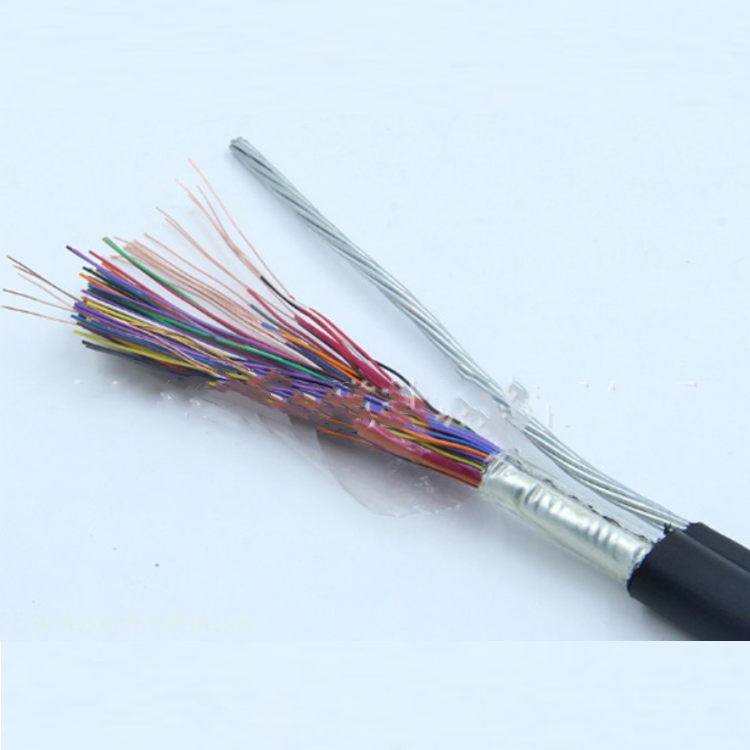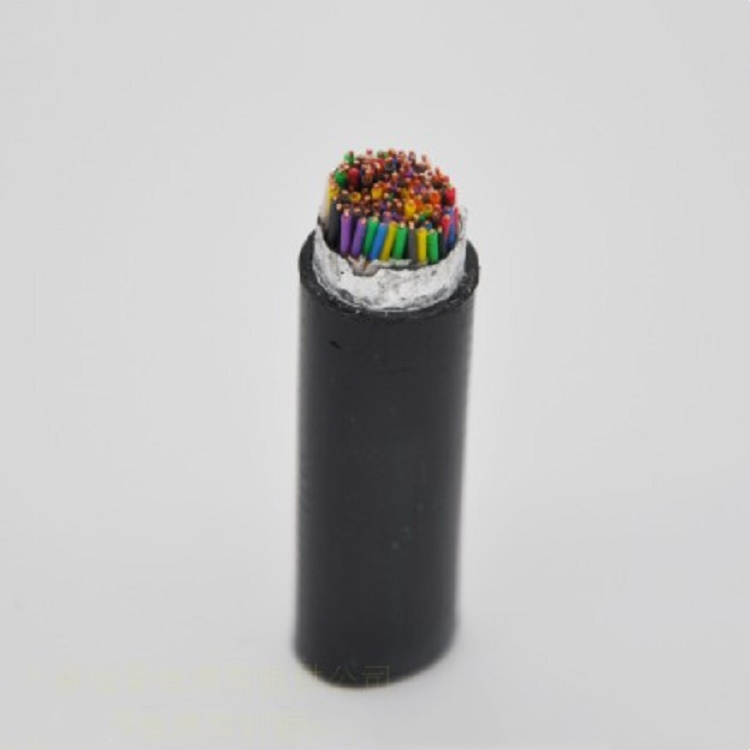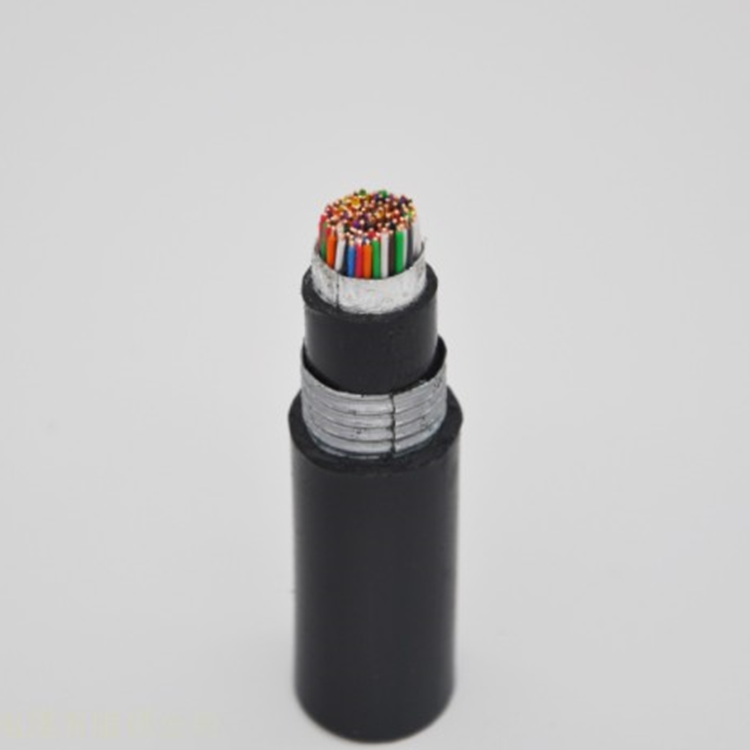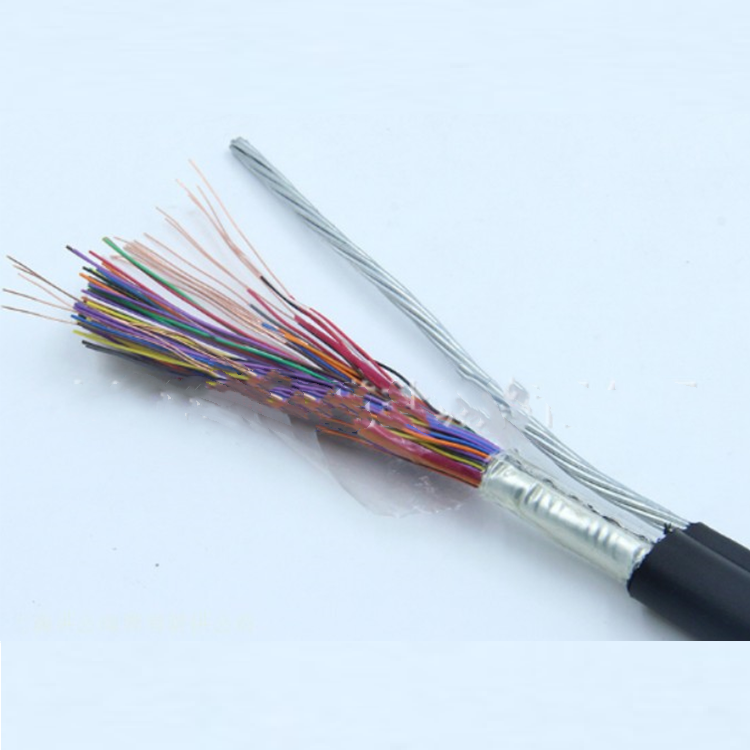

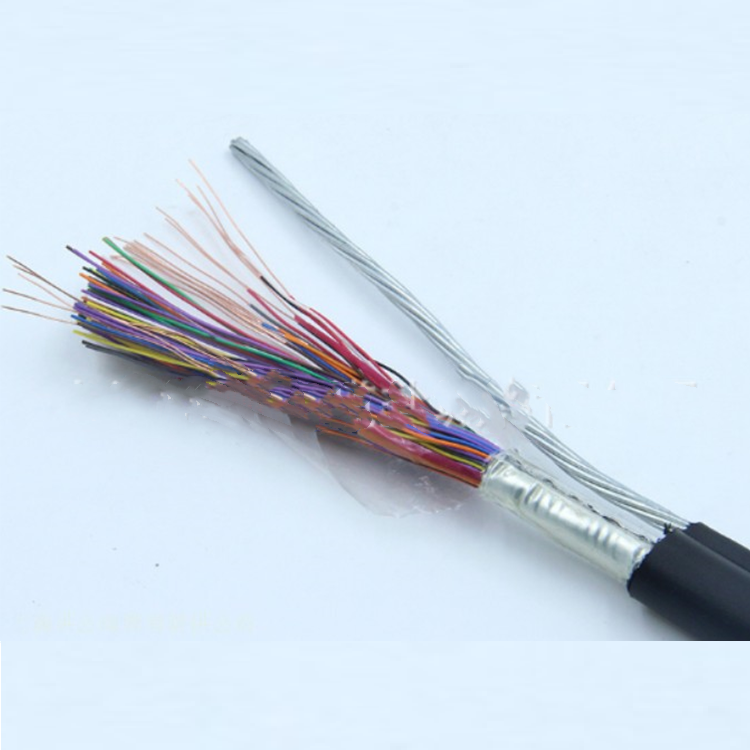
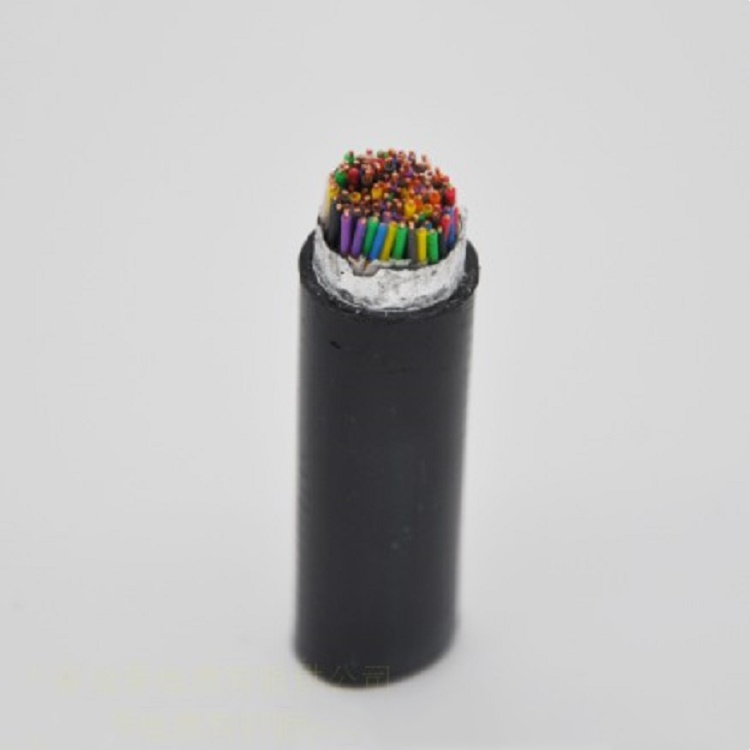
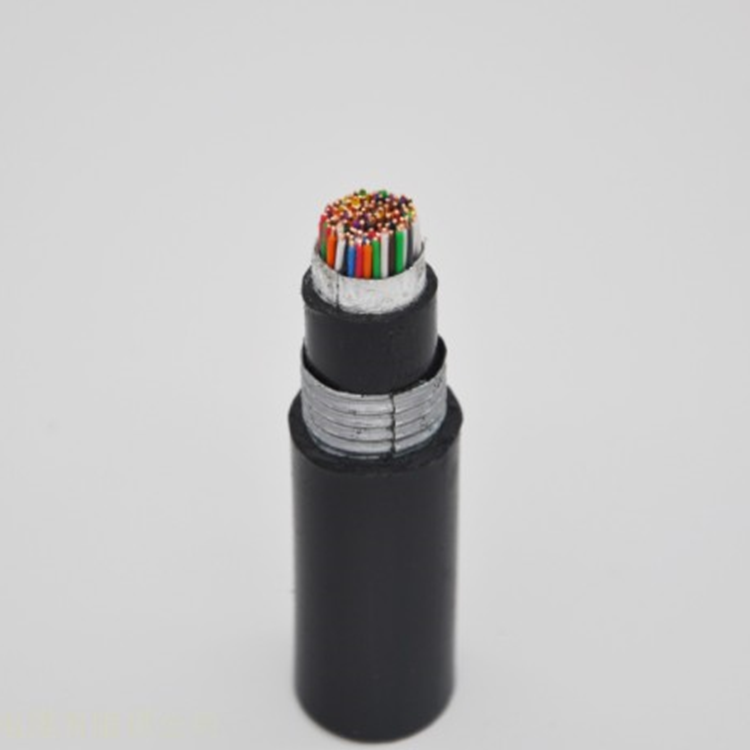











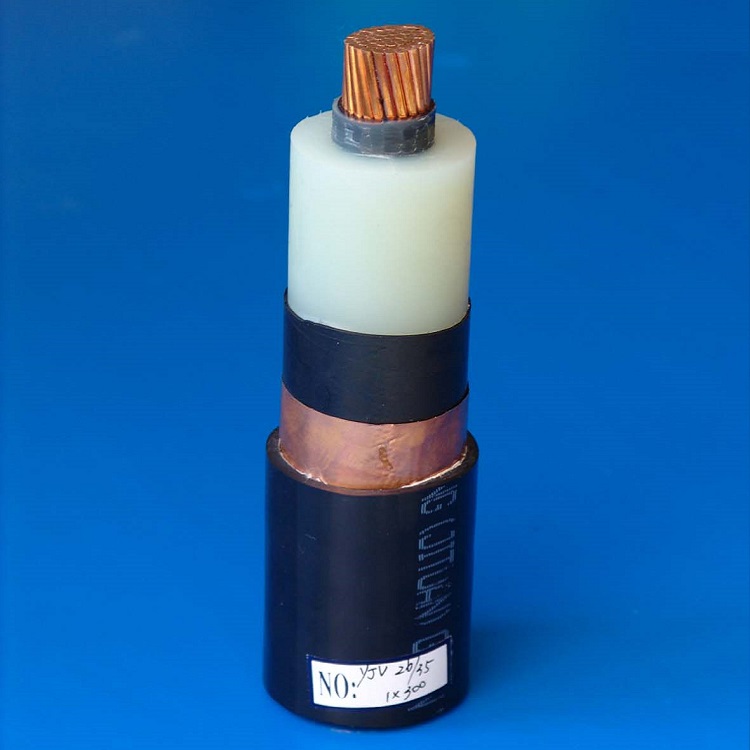
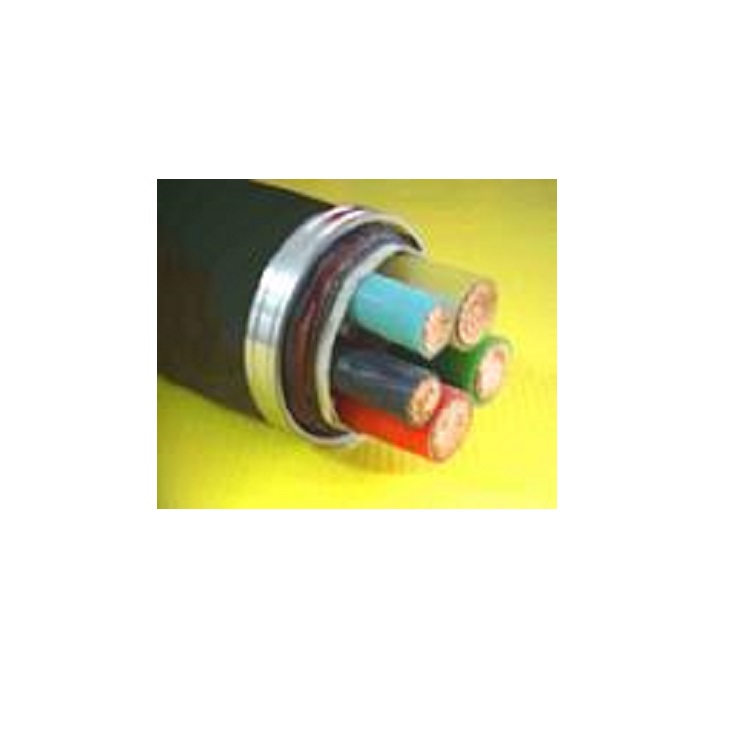

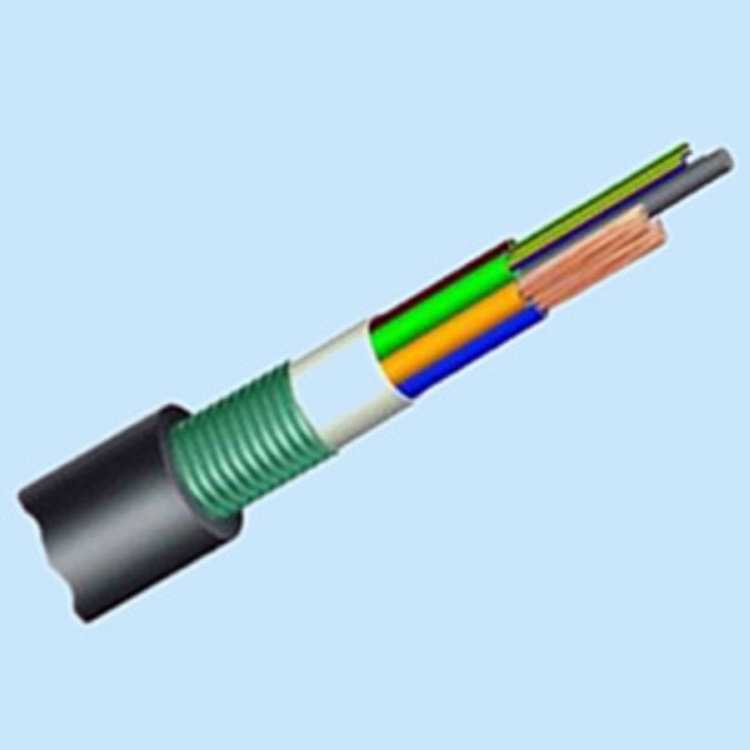
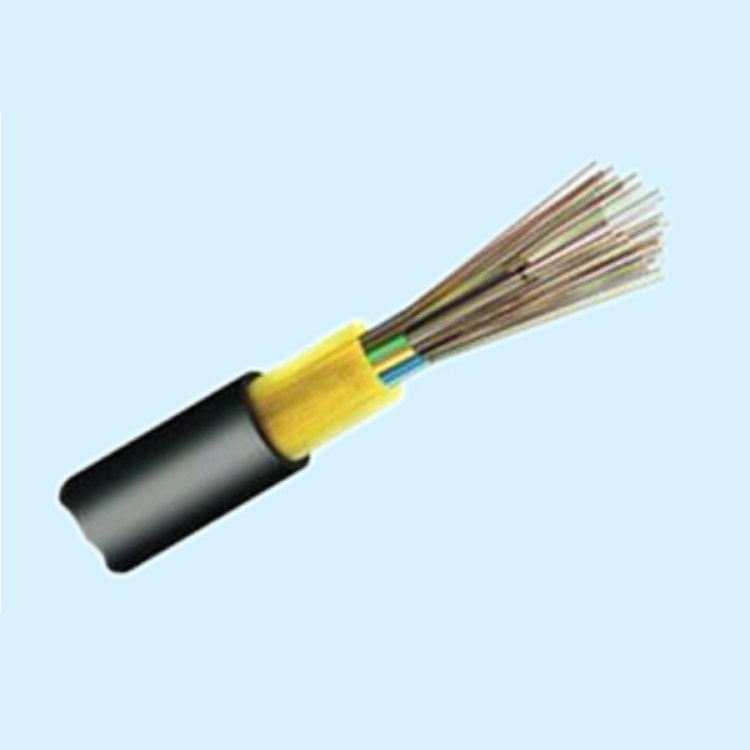
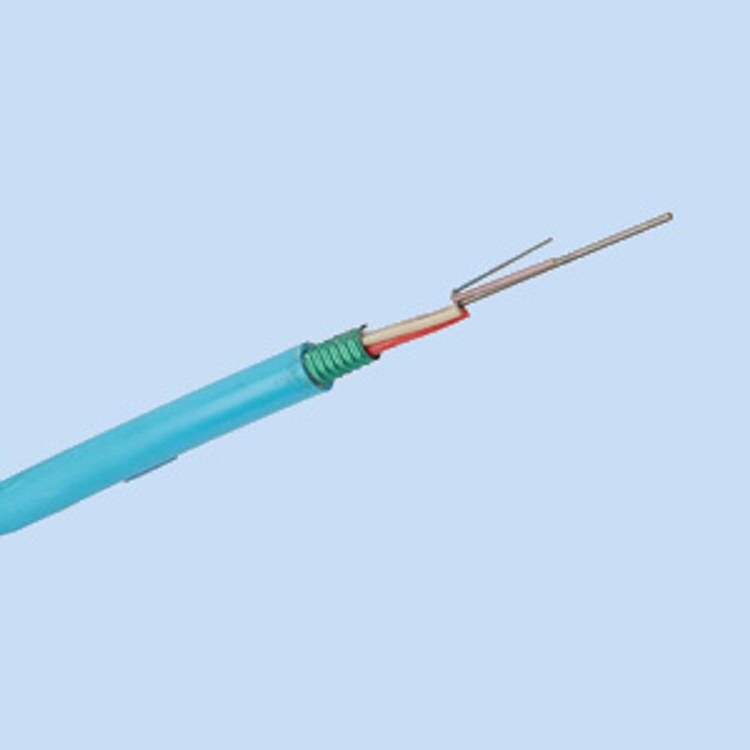
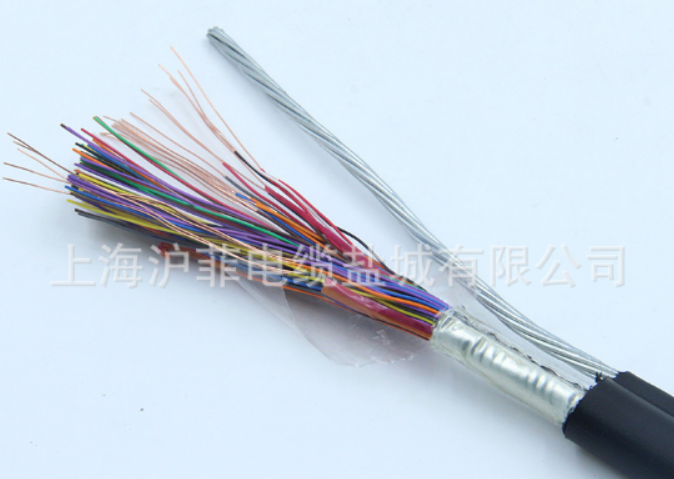
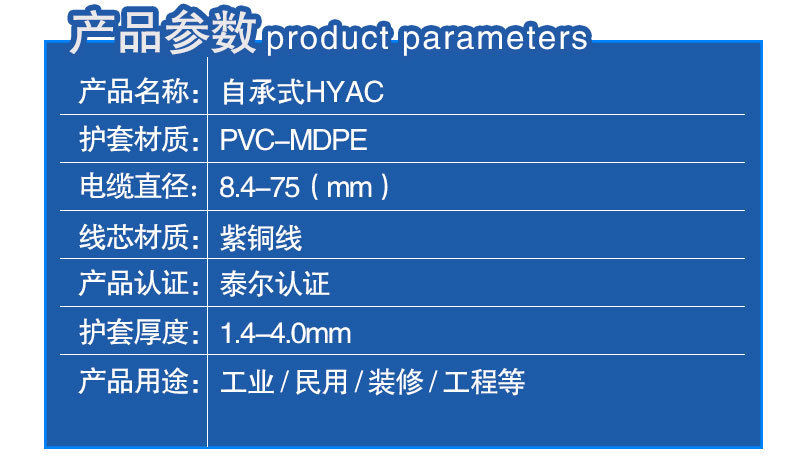
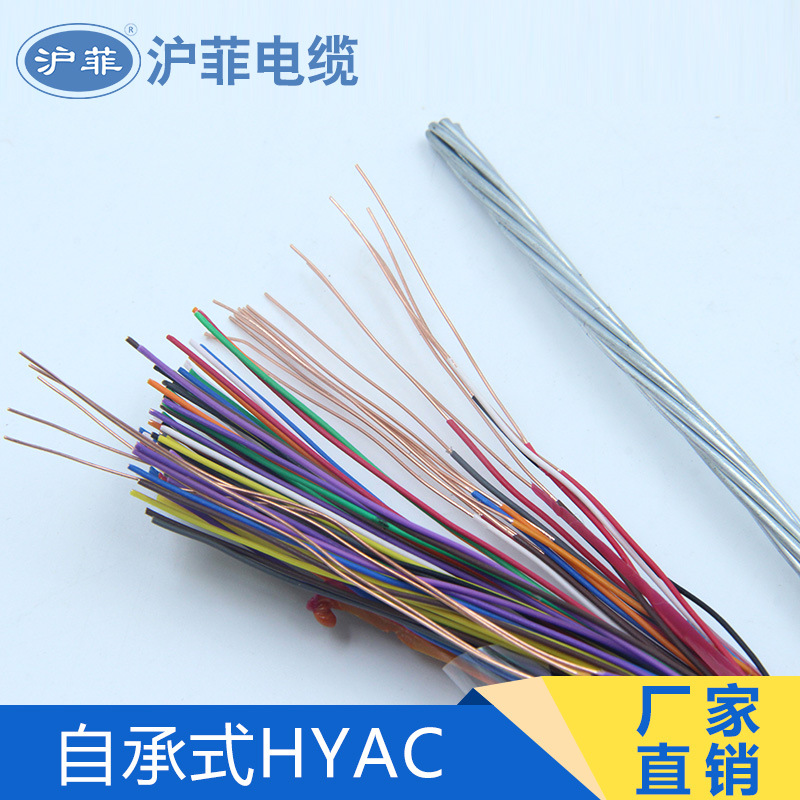

HYAC self-supporting communication cables are solid copper-core polyolefin insulated self-supporting waterproofing layer polyethylene sheathed indoor communication cables, used in the construction of metropolitan area network communication networks, overhead installation, easy to construct, mainly for transmitting audio signals.
HYAC Self-supporting Communication Cables Compliance Standard: YD/T322-1996
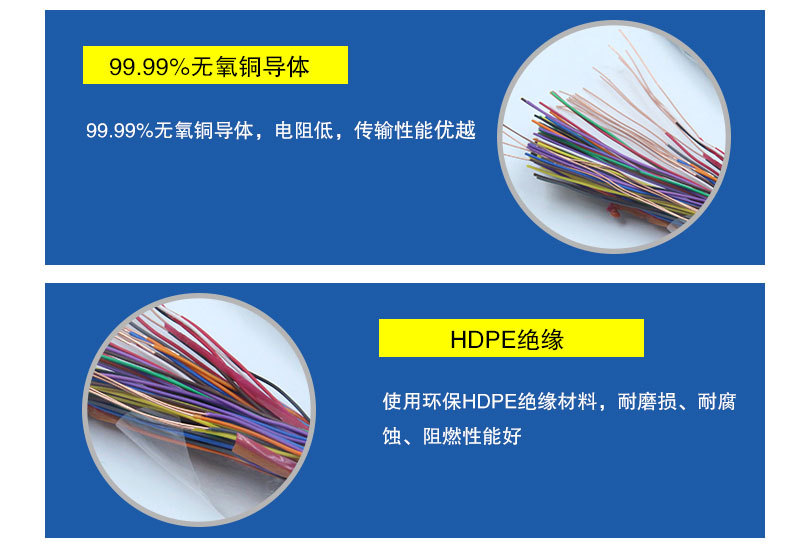
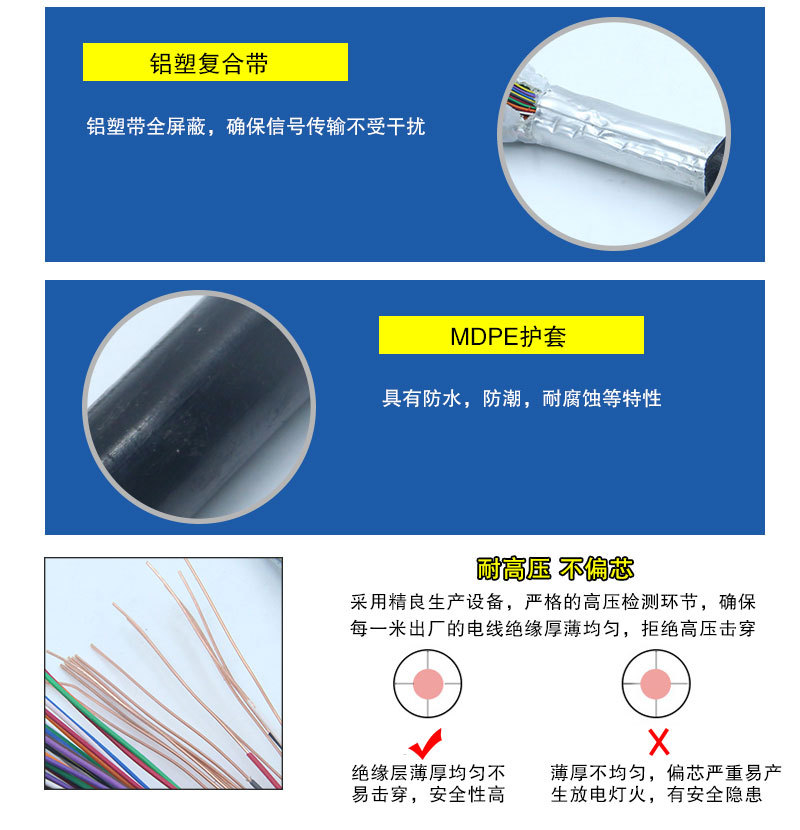
HYAC Self-supporting Communication Cables Features: The HYA model indoor communication cable uses full-color high-density polyethylene insulation and an aluminum-plastic composite sheath (i.e., the longitudinal aluminum foil of the cable is bonded with the sheath to form a sealed protective layer), featuring excellent electrical properties and easy installation.
Product Features:
Model and Specifications: HYAT cable nominal wire pairs × 2 × conductor nominal diameter. For example, HYAT 600×2×0.40. Our company mainly produces 0.40mm, 0.50mm series HYAT, HYAT53, and HYAT23 communication cables in specifications of 3200 pairs and below, and can also custom make cables of other series according to customer requirements.
Standard: YD/T 322-1996 Copper-core Polyolefin Insulated Aluminum-Plastic Sheathed Indoor Communication Cable
Application Scope:
Used for transmitting audio, analog signals up to 150kHz, and digital signals up to 2048Kbit/s. Under certain conditions, it can also be used for signals exceeding 2048Kbit/s. This cable is primarily applied in urban local telecommunications lines, generally used outdoors, laid in pipes, and requires suspension line support for overhead installation.
Cable Usage Precautions:
The ambient temperature during cable laying and installation must not be below -5℃.
2. The minimum bend radius for cable laying should not be less than 15 times the cable's outer diameter.
3. Cable drums are only allowed to roll in one direction over short distances and must not be placed flat.
4. When cables enter pipes, attention should be given to minimizing friction between the cable and the pipe wall. Upon entering manholes, the bending radius should not be less than the radius of the cable drum, and friction with the edge of the manhole should be avoided.
5. The cable should be filled with a certain pressure of dry gas during operation (pre-filled with 30~50kpa of dry air before shipment).
6. The cable operates within a temperature range of -30℃ to +60℃.