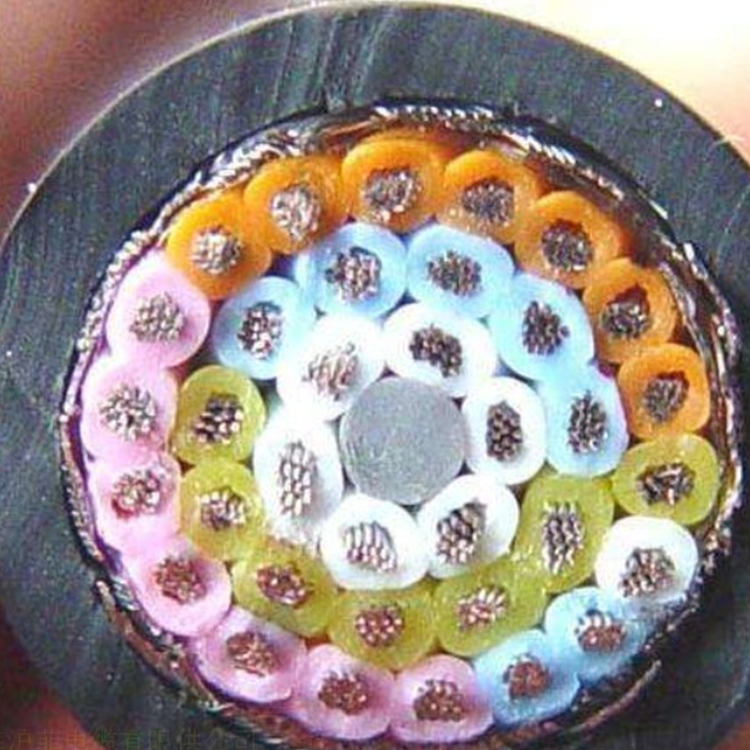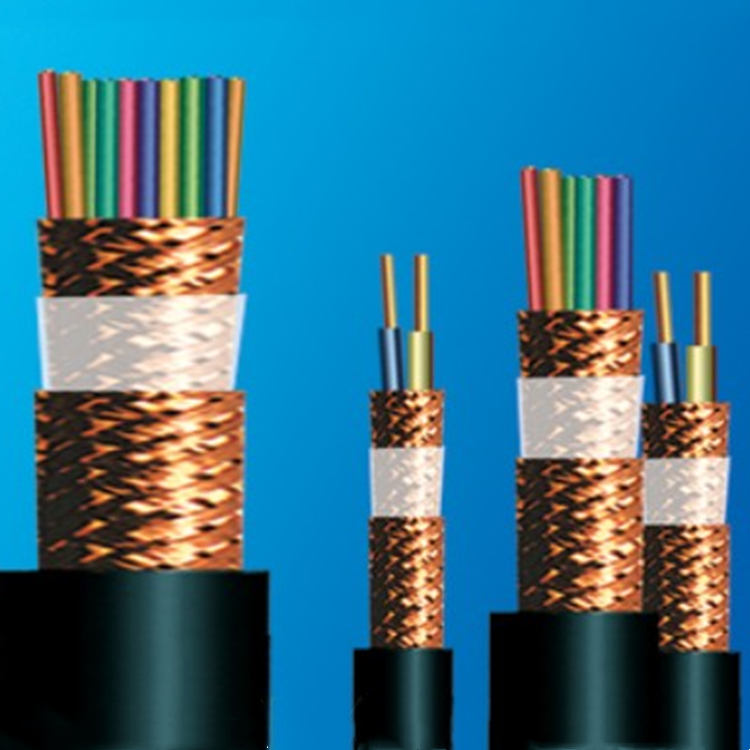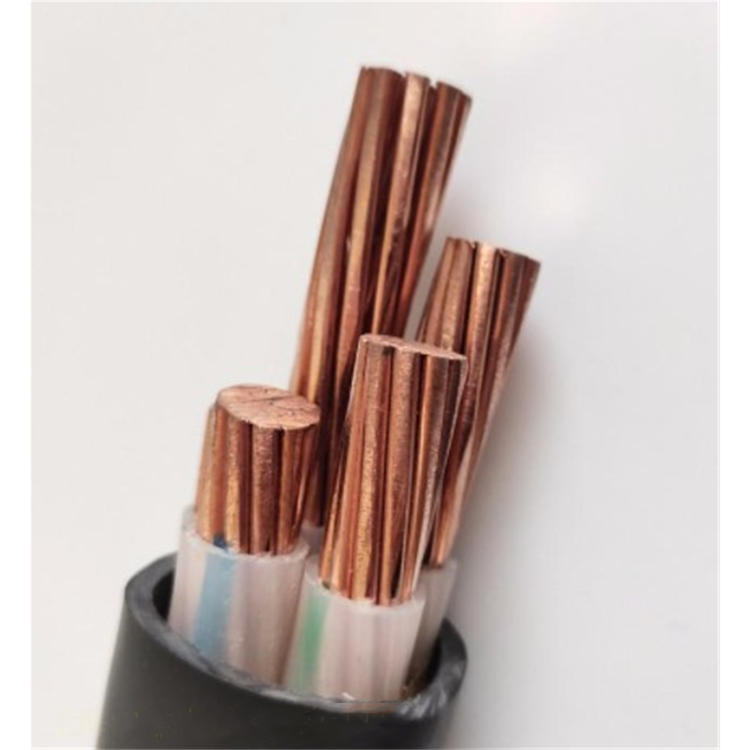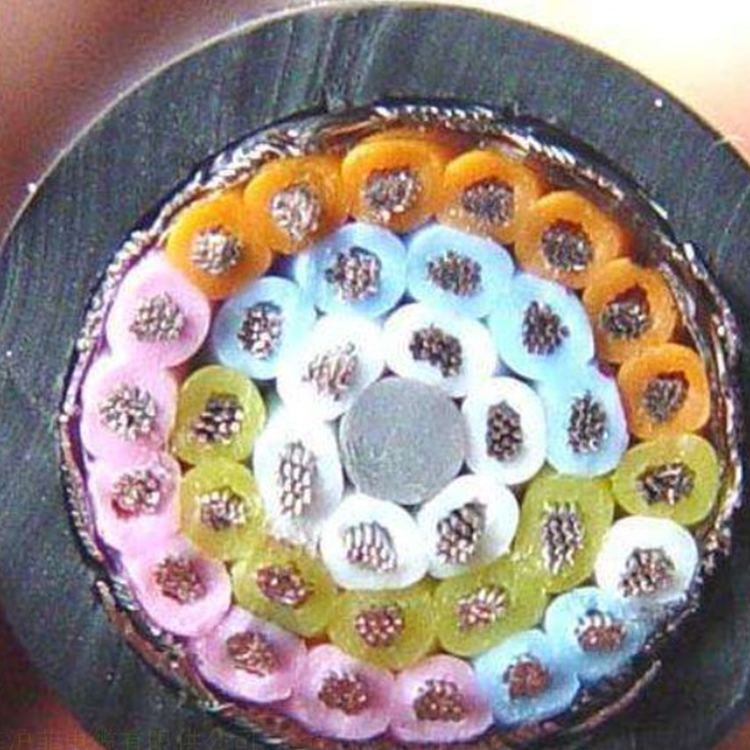

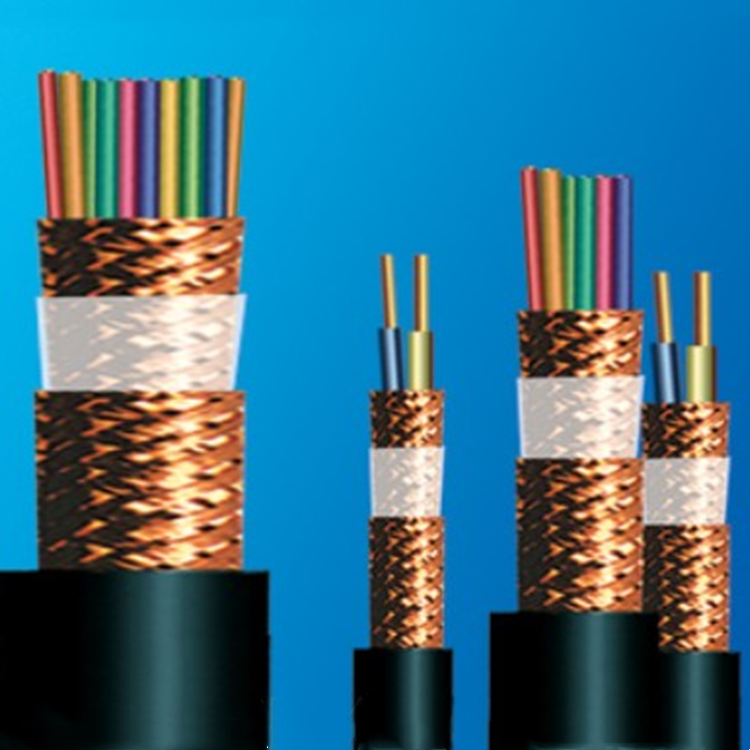
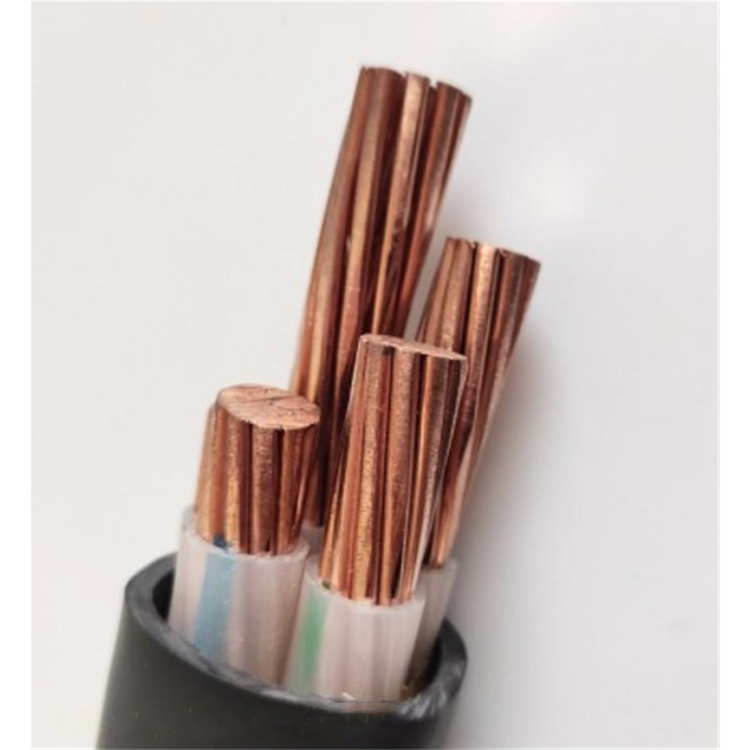









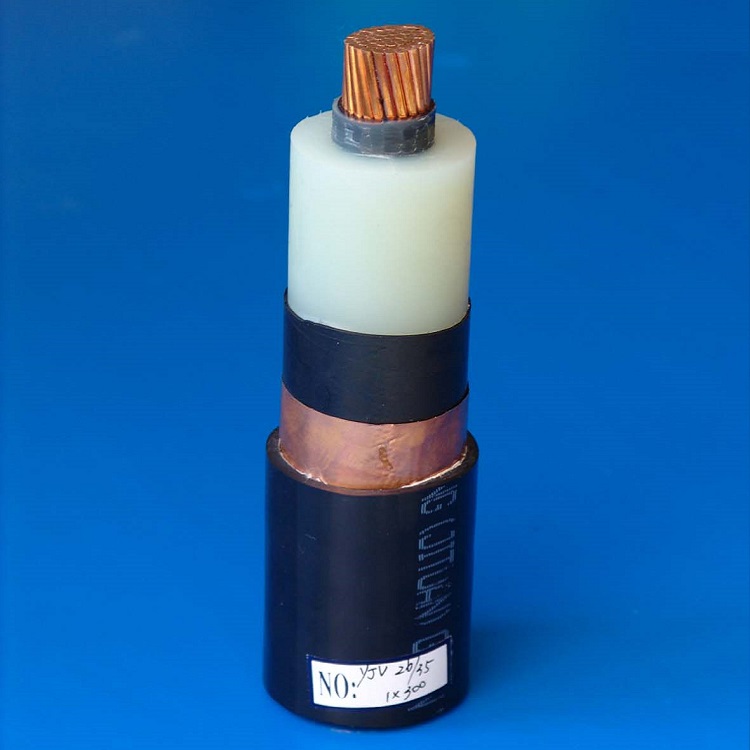
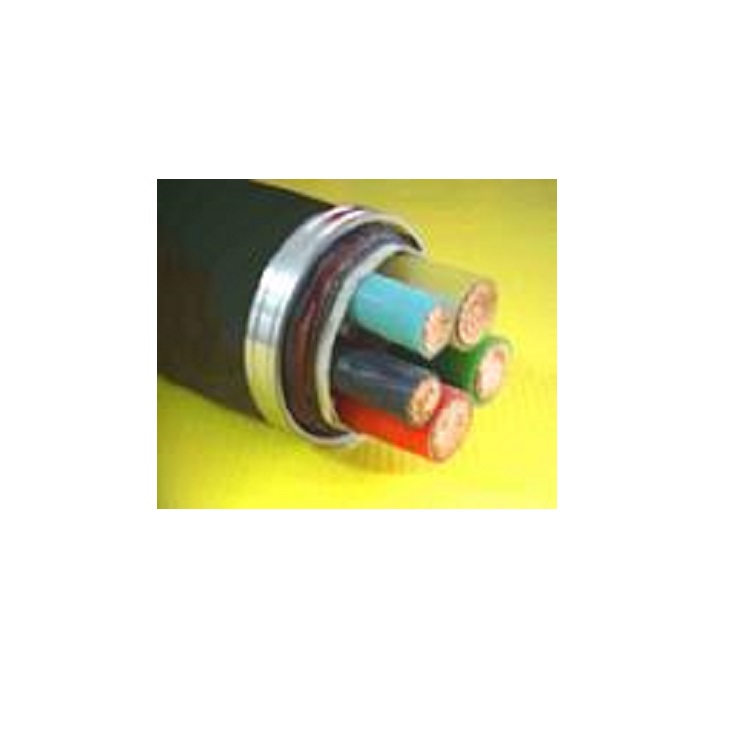

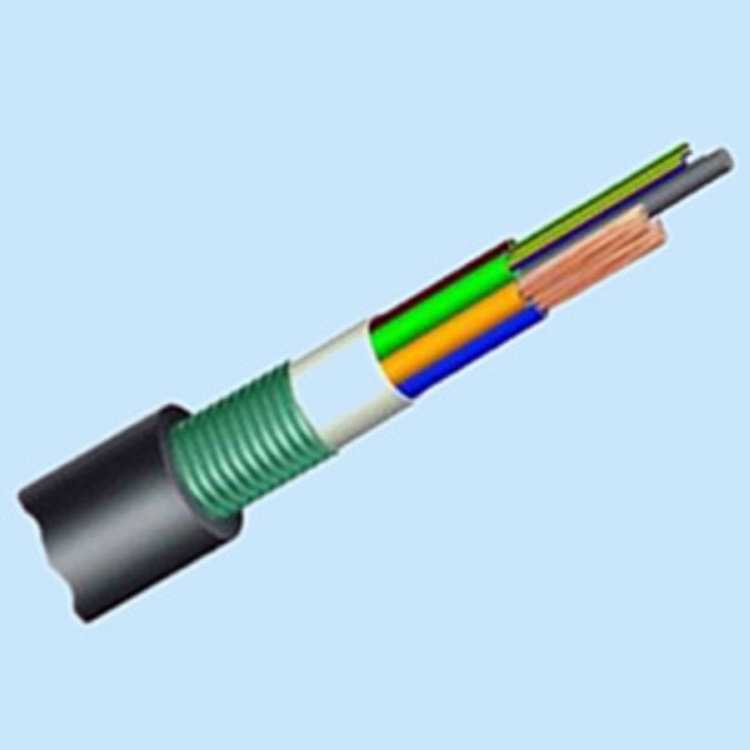
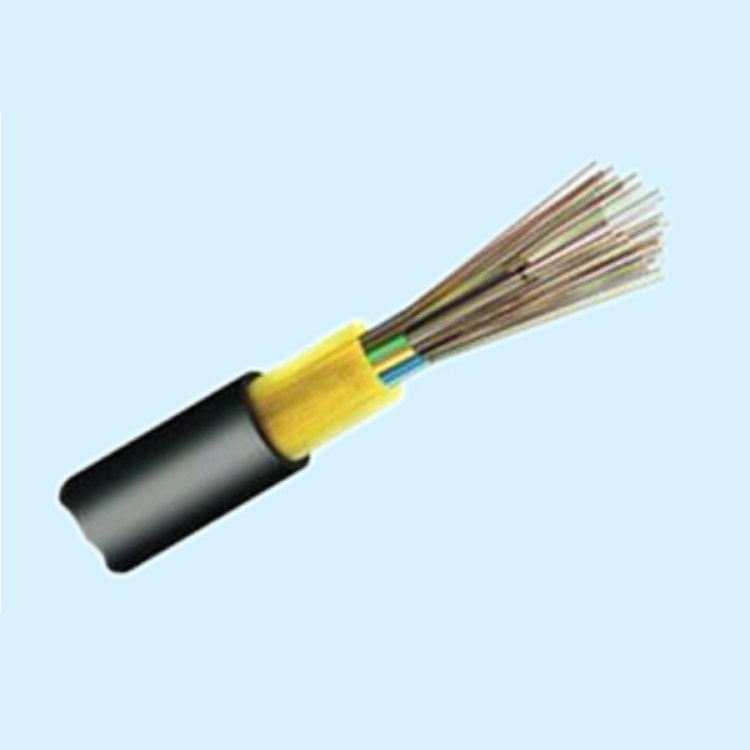
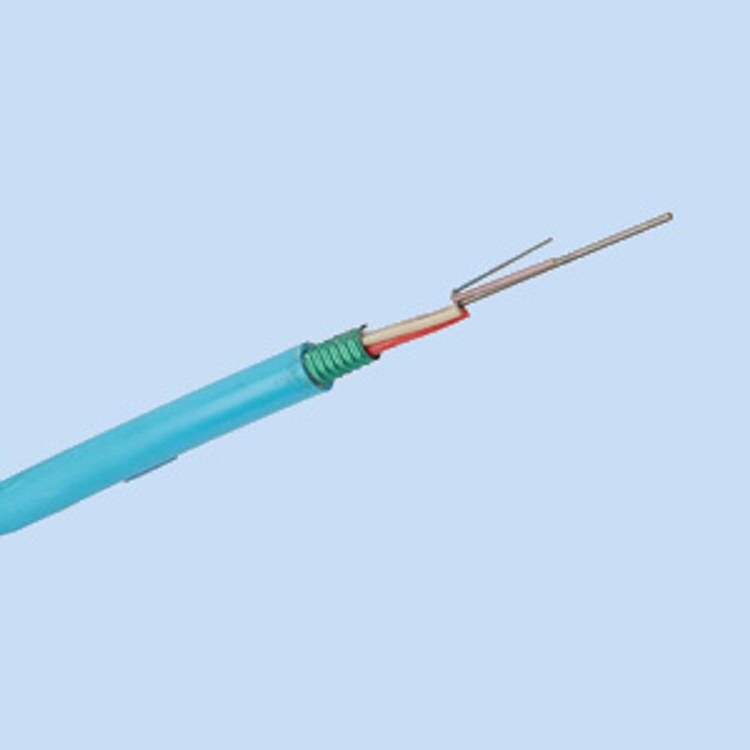

Nuclear power plant cables refer to the materials used for insulation and sheath of cables in nuclear power plants, including plastics, rubbers, and various other types. The cable types are determined by the cable category. There are two classification methods for nuclear power plant cables: one is by function, which includes measurement cables, communication cables, instrument cables, fire-resistant cables (silicone-insulated cables), etc.; the other is by safety level, with the safety level of cables used in nuclear power plants belonging to the IE level, which should also have a service life of over 40 years. The IE-level nuclear power plant cables are further divided into K1, K2, and K3, each with three safety grades. The development process of nuclear power plant cable products essentially involves the replacement of materials, with the choice of raw materials for cable types, as shown in Table 1. From Table 1, it can be seen that nuclear power plant cables mainly use the following types.
Selection of cable components for nuclear power plants:
Project | 6.6kV Power Cable | 1000V Power Cable | 1000V control cable | Measure Cable | Communication Cable | Silicon Insulated Cable |
Conductor | Aluminum stranded wire | Copper or aluminum stranded wire | Copper stranded wire | Tinned Copper Stranded Wire | Solid copper wire | Copper braided wire |
Insulation | XLPE | XLPE or flame-retardant halogen-free materials | XLPE or flame-retardant halogen-free materials | XLPE or flame-retardant halogen-free material | XLPE or flame-retardant halogen-free materials | Silicone or silicone compounds |
Core Protection | - | Polyester tape | Polyester tape | Polyester tape | Polyacetal tape | EVA Tape + Copper Tape |
Filled | - | Glass Fiber | Glass Fiber | - | - | Glass Fiber |
Inner jacket | - | - | - | Halogen-free flame-retardant materials | Halogen-free flame-retardant materials | Halogen-free flame-retardant materials |
Metal Shielding | Copper Strip Wrapping | - | - | Tin-plated Copper Wire Braiding | Aluminum composite tape wrapped with steel tape | - |
Armored | - | - | - | Steel Strip | ||
Outer sheath | Halogen-free flame-retardant materials | Halogen-free flame-retardant materials | Halogen-free flame-retardant material | Halogen-free flame-retardant materials | Halogen-free flame-retardant material | Halogen-Free Flame Retardant Material |
Cross-linked polyethylene
Cross-linked Polyethylene (XLPE)Inked polyethylene, also known as XLPE, is a high polymer produced by treating linear polyethylene with appropriate methods to form a network or skeletal structure. It boasts excellent heat resistance (softening point of 200%), electrical insulation, low-temperature resistance, and chemical resistance. It also has good radiation resistance and is used as an insulating material for cables.
EVA elastomer
Ethylene-vinylacetate copolymer (EVA) is a copolymer of ethylene and vinyl acetate. It boasts excellent radiation resistance and chemical resistance properties, making it suitable for cable sheathing. However, it also requires a significant amount of flame retardant to achieve fire-retardant characteristics.
Silicone rubber
Silicone rubber or silicone compounds are elastomers with a main chain that is saturated with silicon and oxygen structures, offering chemical stability, excellent resistance to thermal aging, ozone, radiation, and high-pressure steam, as well as superior electrical insulation properties. They are suitable for use as insulating materials. Typically, nuclear-grade cables use ethylene propylene rubber (EPR) for insulation (with some using double insulation, such as inner EPR and outer EVA), and cross-linked EVA rubber for sheathing. This is because rubber materials are less prone to deformation during high-temperature and high-pressure tests, ensuring the cable's normal structure and providing greater safety compared to plastic materials. The insulation and sheathing for nuclear-grade cables used within containment structures are mainly thermoplastic flame-retardant, halogen-free, or cross-linked flame-retardant halogen-free materials, such as using XLPE for insulation and low-smoke halogen-free polyolefins for sheathing. Some also use EPR for insulation and cross-linked EVA for sheathing.
Cable Characteristics
Low-smoke performance
Insulation and sheath materials for cables used in nuclear power plants must be low-smoke, non-toxic, and non-corrosive halogen-free flame-retardant cables, such as thermoplastic flame-retardant halogen-free or cross-linked flame-retardant halogen-free materials, to meet the special nuclear safety requirements. Halogen-free cables emit very little smoke when on fire, are non-toxic and non-corrosive, and their flame-retardant components effectively inhibit fire spread, preventing the cable from becoming a conduit for flame propagation. The main technical characteristics of halogen-free flame-retardant cables include: (1) Total smoke accumulation from the cable used in nuclear power plants, Dm < 150; (2) Non-toxic and non-corrosive, meaning the cable does not release HCI and CO upon combustion; (3) Flame-retardant properties, typically evaluated by the oxygen index (OI) method, usually OI ≥ 28.
Environmental resistance
Materials for nuclear power plant cables must possess environmental resistance, including heat resistance, radiation resistance, and LOCA resistance.
(1) Heat Resistance - As nuclear power plant cables often operate in high-temperature environments, they are classified as high-temperature cables. Consequently, they must possess long-term heat resistance for continuous use, requiring polymers that meet the necessary heat resistance standards, enabling the cables to have a lifespan of over 40 years.
(2) Irradiation Resistance (Mild Environment, Severe Environment) When nuclear power plant cables are exposed to a large number of radiation beams, the insulation and sheath materials become brittle, and their mechanical properties degrade. Therefore, the insulation and sheath materials used for nuclear power plant cables must possess excellent irradiation resistance. Different types of high polymers have varying levels of irradiation resistance. Antiradiation agents are commonly added to high polymers to enhance their irradiation resistance.
(3) In nuclear power plants with LOCA-resistant designs, Loss of Cooling Accident (LOCA) and High Energy Line Break (HELB) are commonly referred to as LOCA. During a LOCA/HELB event, cables are subjected to the impact and corrosion from high-temperature, high-pressure steam and corrosive chemicals, as well as to higher doses of radiation than during normal operation. Therefore, nuclear power plant cables should be LOCA-resistant.