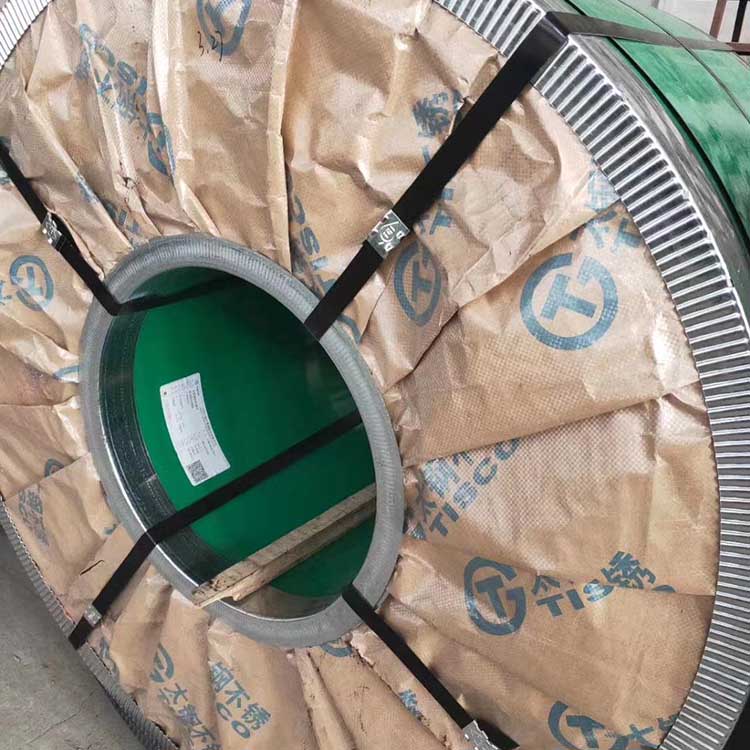


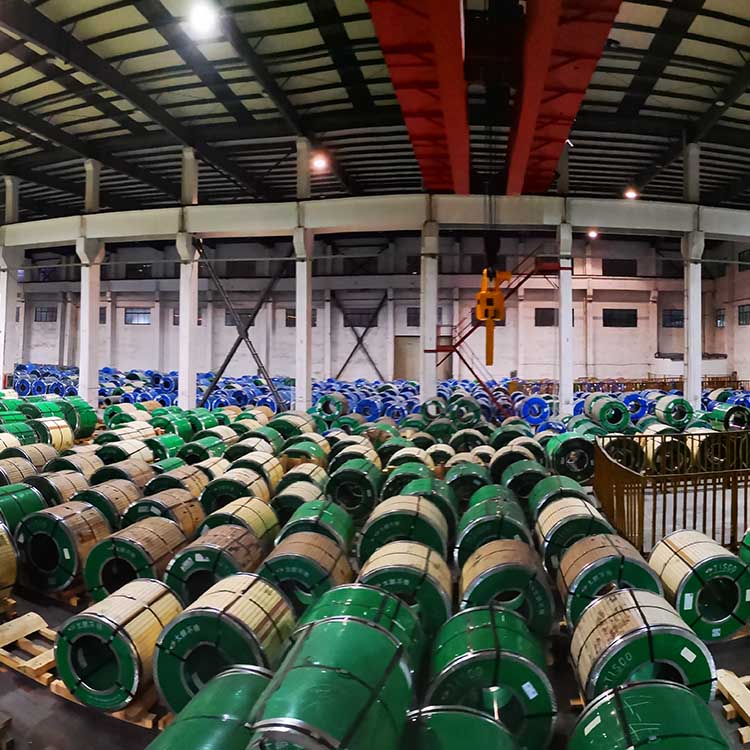
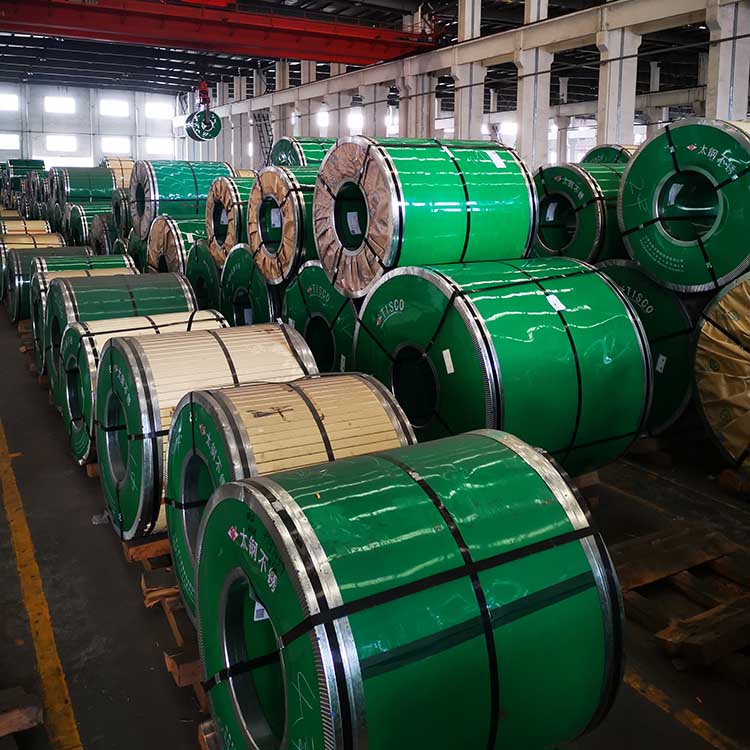












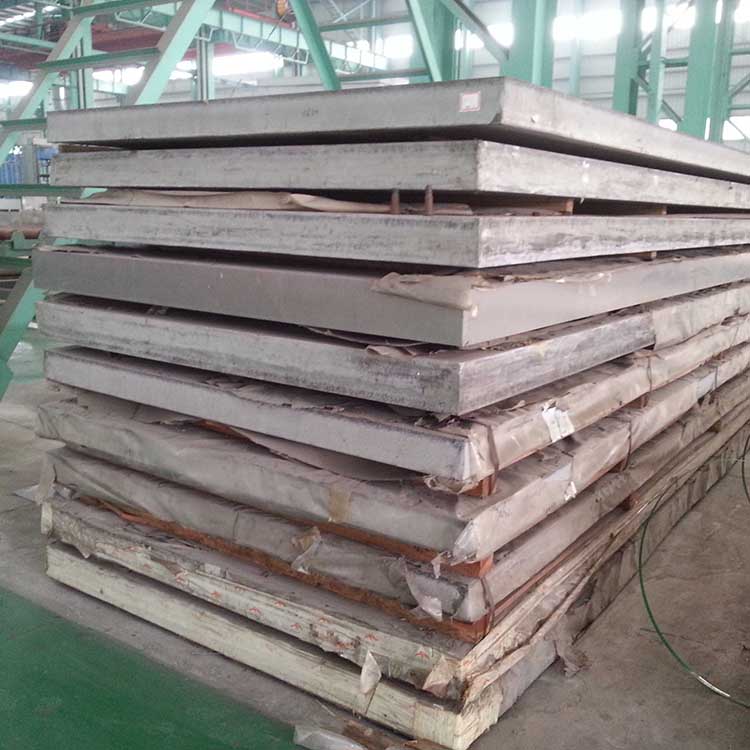
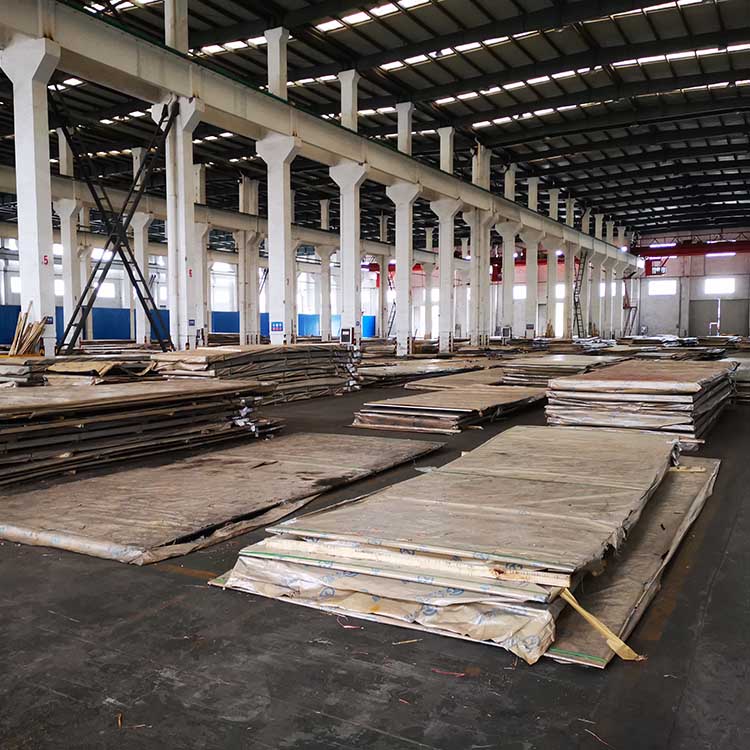


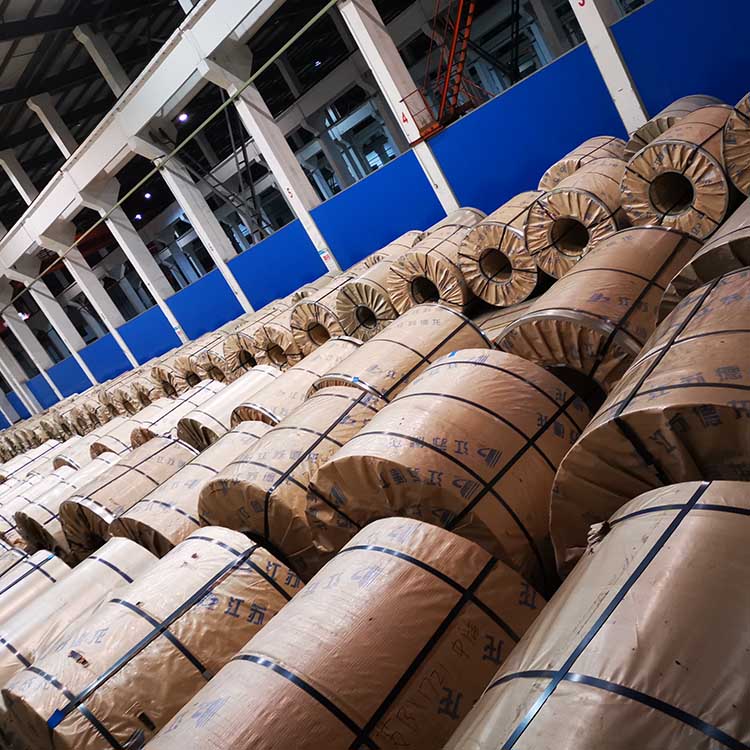
254 SMO stainless steel sheet
Domestic Code: 00Cr20Ni18Mo6CuN
International Trade Name: 254SMO
MSS Symbol: UNS S31254
EU Code: W.-Nr. 1.4547
International Standards: UNS S31254, DIN/EN 1.4547, ASTM A280, ASME SA-240
Chemical Composition
C≤0.02
Mn≤1.0
P≤0.040
S≤0.030
Si ≤0.8
Cr 19.5-20.5
Ni 17.5-18.5
Mo 6.0-6.5
N 0.18-0.20
Cerium (Ce): 0.03-0.08
Material Introduction:
254SMO is a super-austenitic stainless steel. Due to its high molybdenum content, it boasts excellent resistance to pitting and crevice corrosion. This grade is specifically developed and designed for use in environments containing halides, such as seawater. 254SMO also exhibits good resistance to general corrosion, particularly in halide-containing acids, outperforming regular stainless steels. With a carbon content of less than 0.03%, it is known as a pure austenitic stainless steel (with less than 0.01% carbon, it is called a super-austenitic stainless steel). Super stainless steel is a specialized type of stainless steel, differing from regular stainless steel primarily in its chemical composition, characterized by high nickel, chromium, and molybdenum content. Notably, 254SMo with 6% molybdenum content has excellent resistance to localized corrosion, maintaining good pitting resistance (PI≥40) and good stress corrosion resistance under conditions such as seawater, aeration, crevices, and low-speed abrasion, serving as a substitute for Ni-based alloys and titanium alloys. Additionally, it offers superior resistance to high temperatures or corrosion compared to 304 stainless steel, making it irreplaceable. Furthermore, in terms of stainless steel classification, the microstructure of special stainless steel is a stable austenitic microstructure.
Due to its high-alloy nature, this special stainless steel is quite complex in manufacturing processes. Generally, people rely on traditional methods to produce it, such as casting, forging, rolling, etc.
Application Fields:
1. Ocean: Marine structures in marine environments, seawater desalination, seawater aquaculture, seawater heat exchange, etc.
2. Environmental Protection: Flue gas desulfurization equipment for thermal power generation, wastewater treatment, etc.
3. Energy Sector: Nuclear power generation, comprehensive utilization of coal, tidal power, etc.
4. Petroleum & Chemical Industry: Refining, chemical and petrochemical equipment.
5. Food Industry: Salt production, soy sauce brewing, etc.
6. High Concentration Chloride Ion Environment: Pulp and Paper Industry, Various Bleaching Equipment
High-temperature resistant
Extensive field tests and extensive usage experience demonstrate that even at slightly higher temperatures, 254SMO exhibits excellent resistance to crevice corrosion in seawater, a property possessed by only a few types of stainless steel.
2. The corrosion resistance of 254SMO in acidic solutions and oxidizing halide solutions required for paper bleaching production is comparable to that of highly corrosion-resistant nickel-based alloys and titanium alloys.
3. Due to its higher nitrogen content, 254SMO boasts higher mechanical strength compared to other grades of austenitic stainless steel. Additionally, it offers excellent ductility, impact strength, and good weldability.
4. The high molybdenum content in 254SMO allows for a higher oxidation rate during annealing, resulting in a rougher surface than standard stainless steel after pickling. However, this does not adversely affect the steel's corrosion resistance.