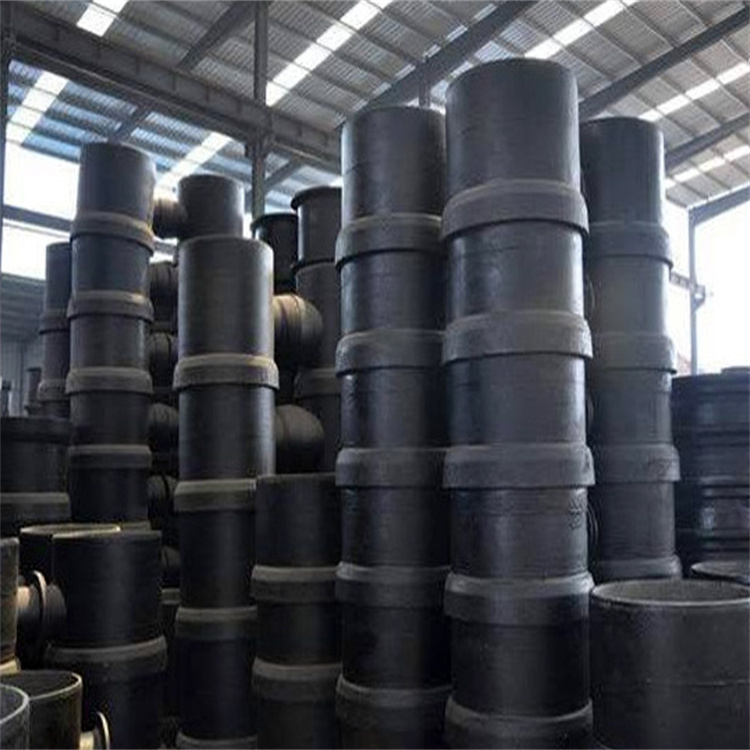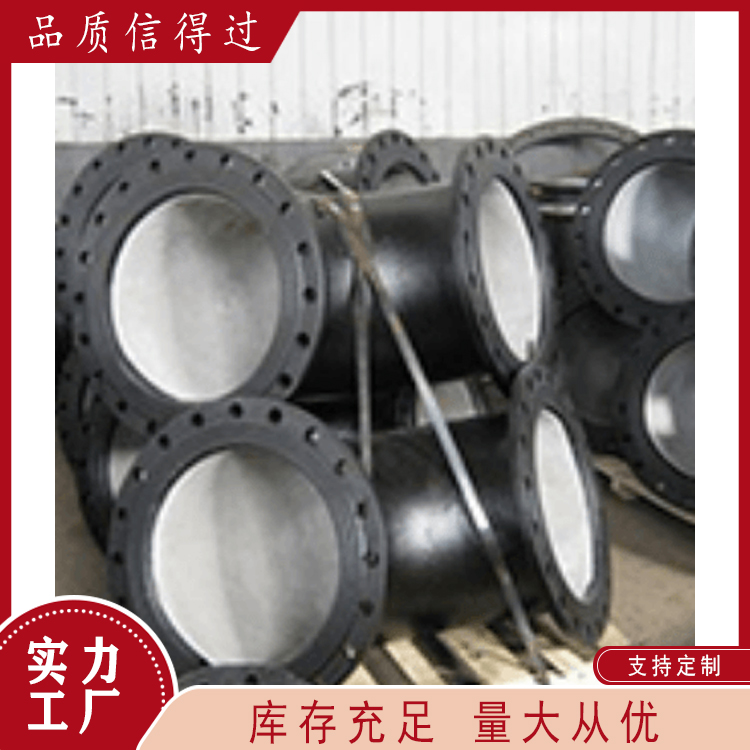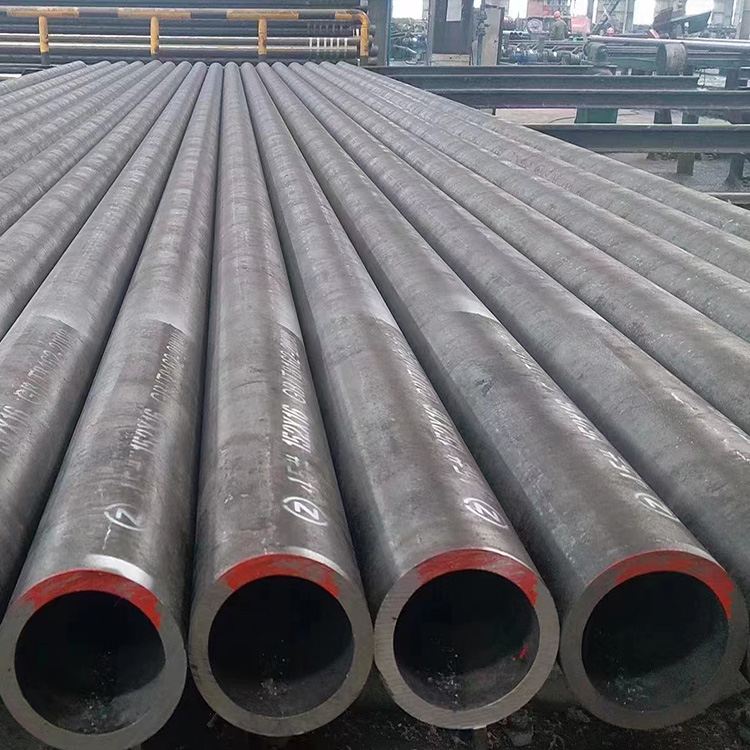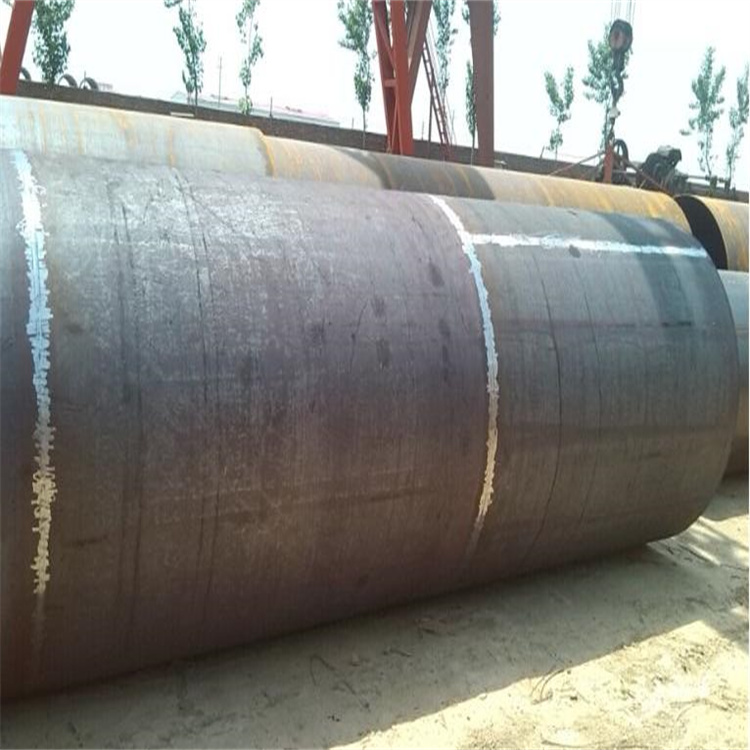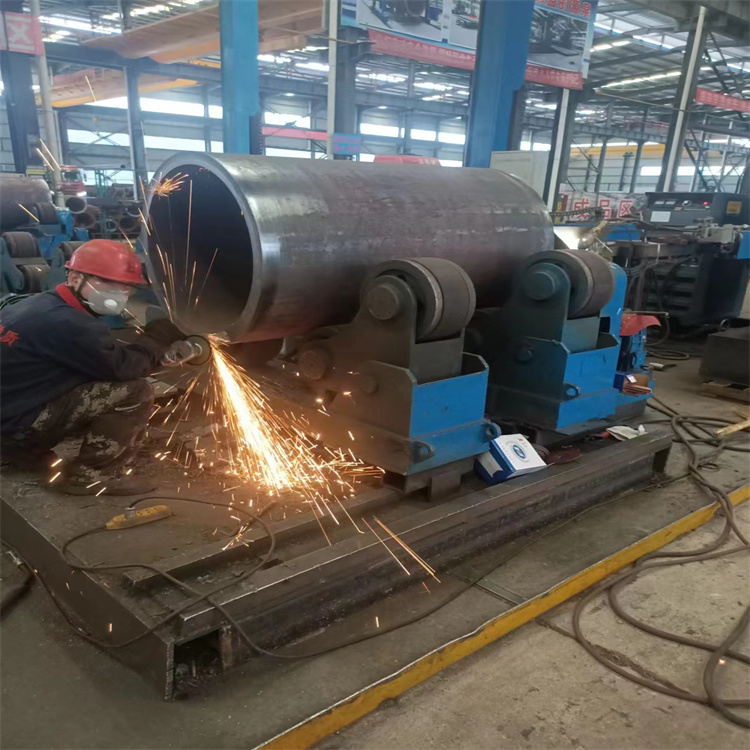








 HDPE drainage pipeline sections should be divided by road segment or length, with the processes including trenching, groundwater lowering, sand and stone foundation, pipeline installation, jointing, manhole inspection, airtightness or watertightness testing, and backfilling.
When trenching, strictly control the base height and do not disturb the base surface. During the rainy season, try to minimize the length of the trench to achieve quick trenching and backfilling, and implement measures to prevent waterlogging. When trenching manually, separate the mixed soil at the top of the trench from the good quality soil at the bottom, for easy backfilling. The piled soil should not affect the stability of the pipe trench. The trench bottom should not be soaked or frozen.
The pipeline foundation design should employ a cushion foundation. After trenching, each project such as the trench width, thickness of the foundation cushion, elevation of the foundation surface, drainage channel condition, presence of mud, debris, and any disturbance to the subgrade should be inspected separately. Only upon passing the inspection can the arrangement be made.