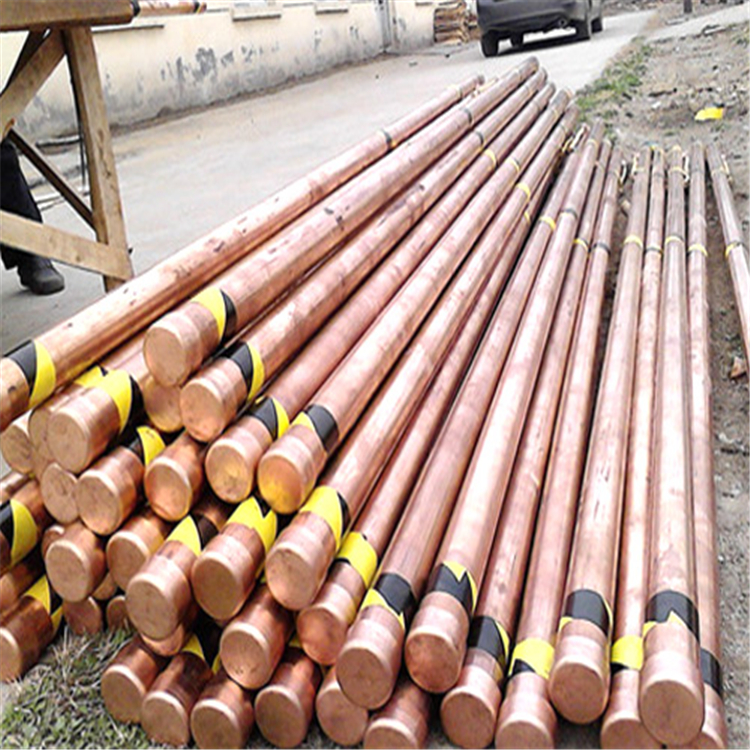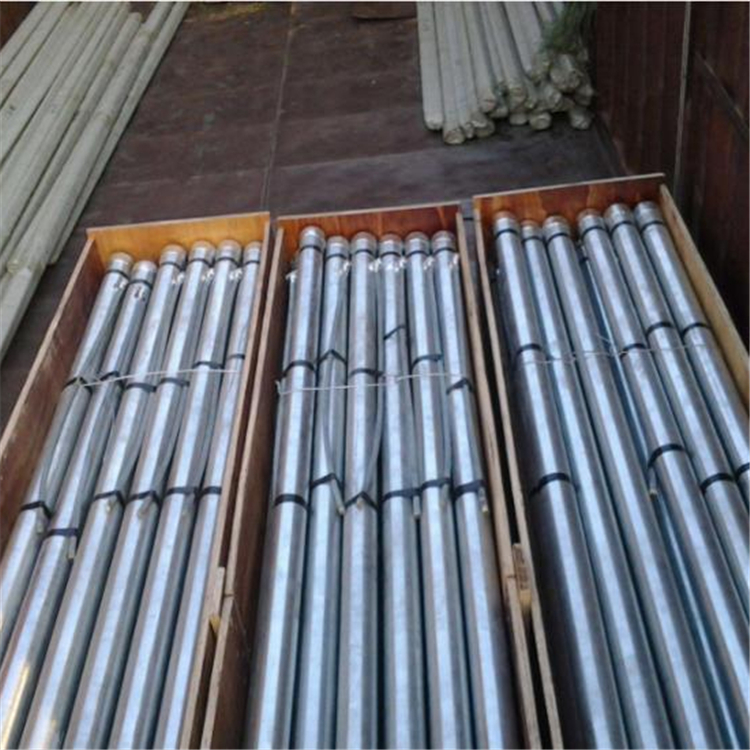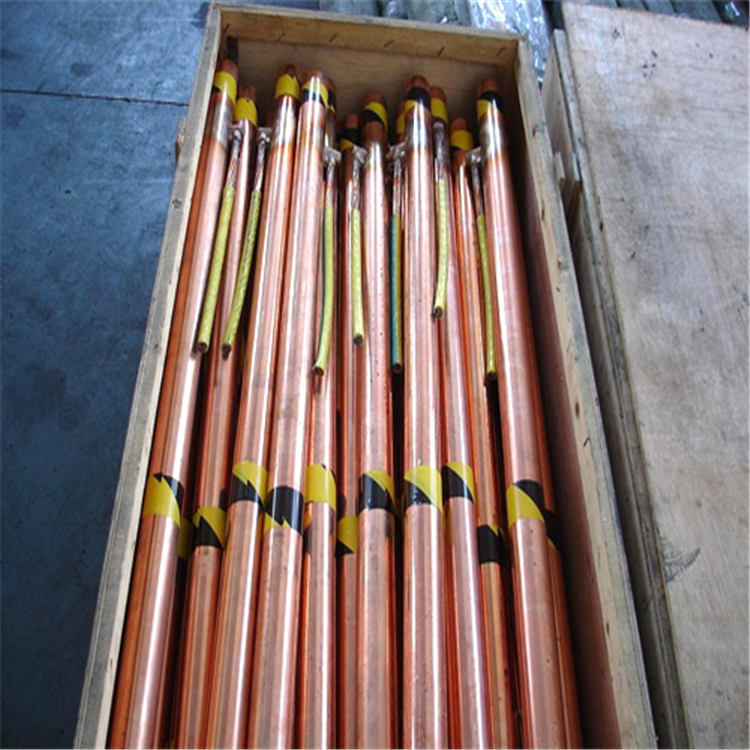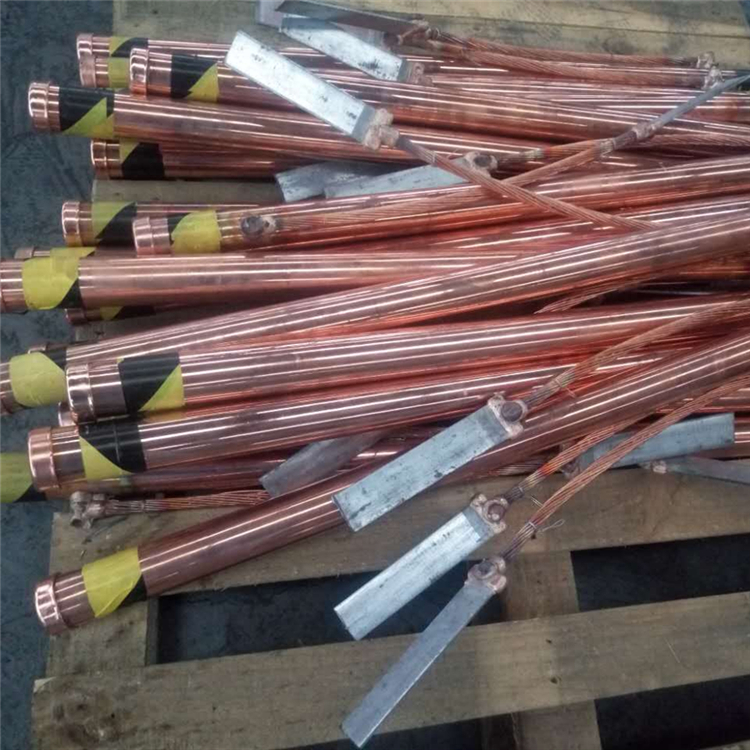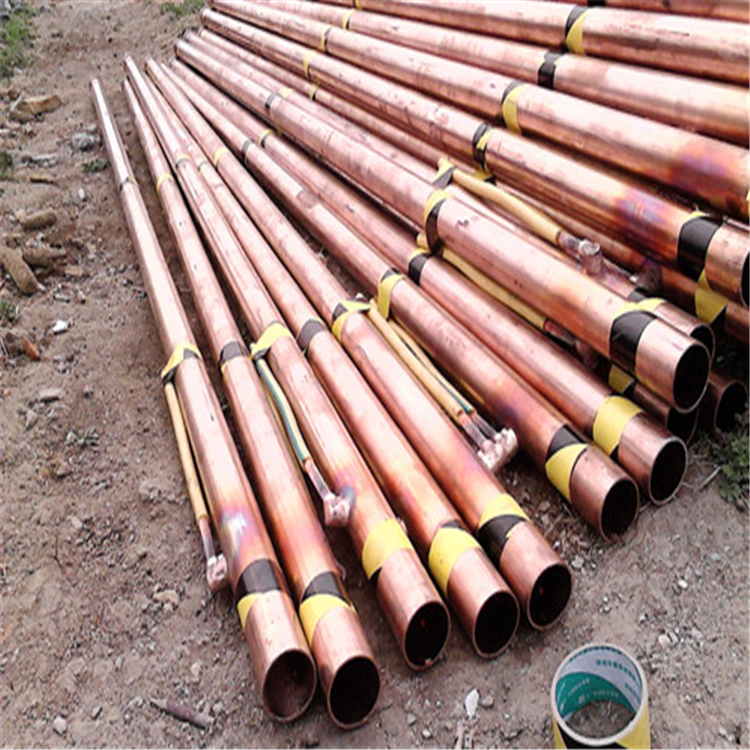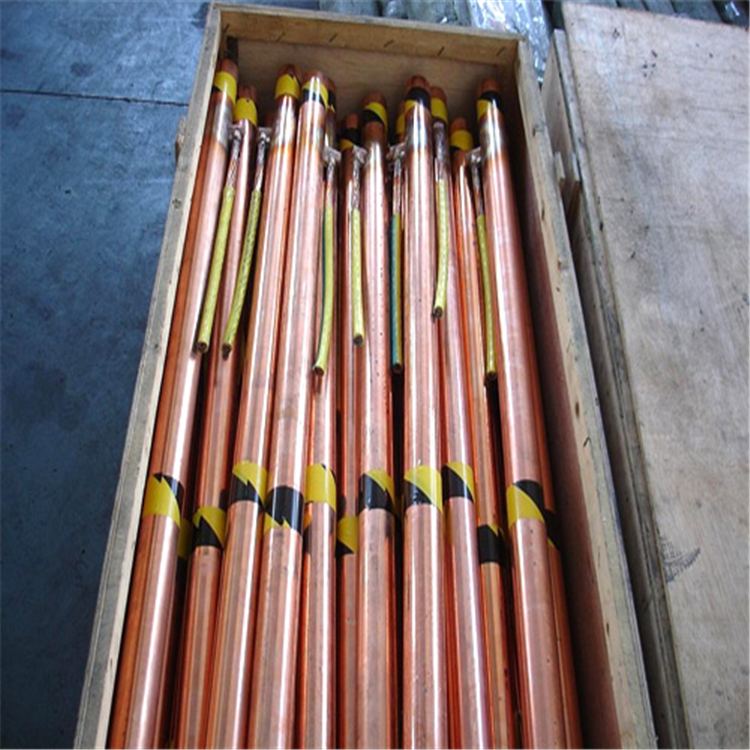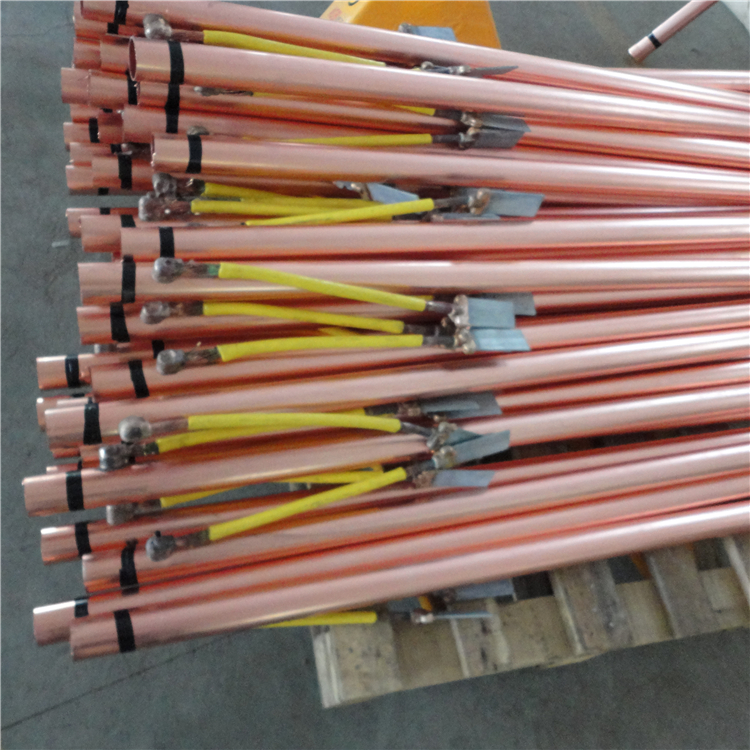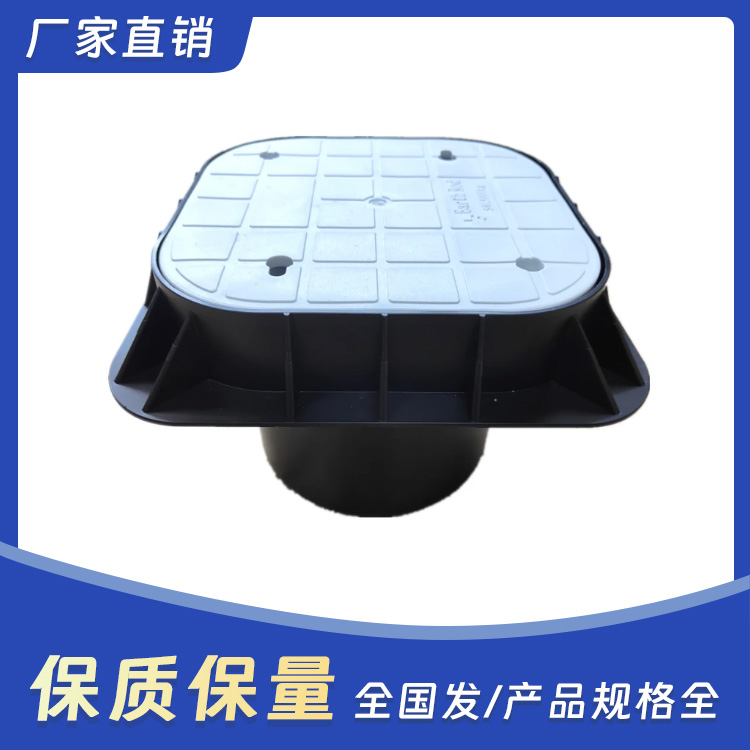


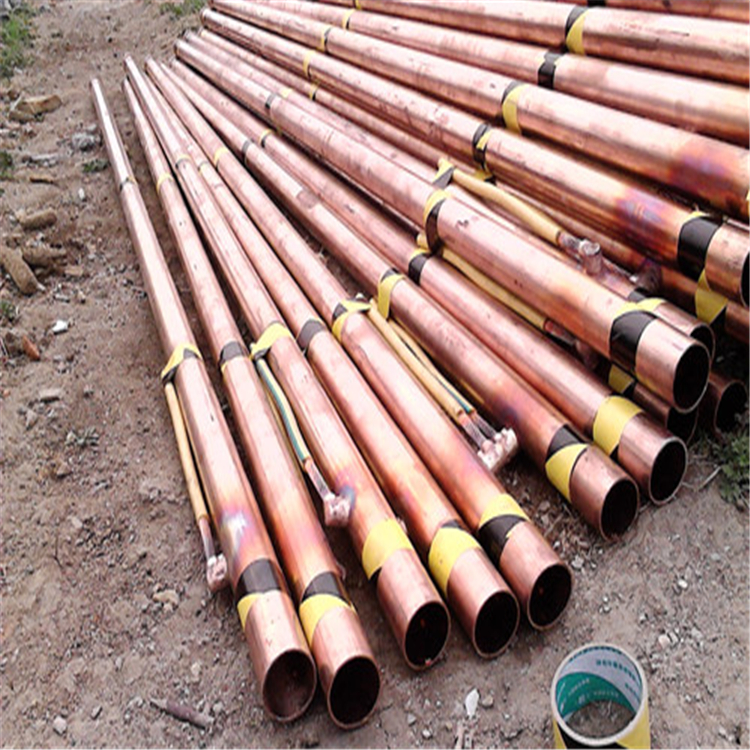
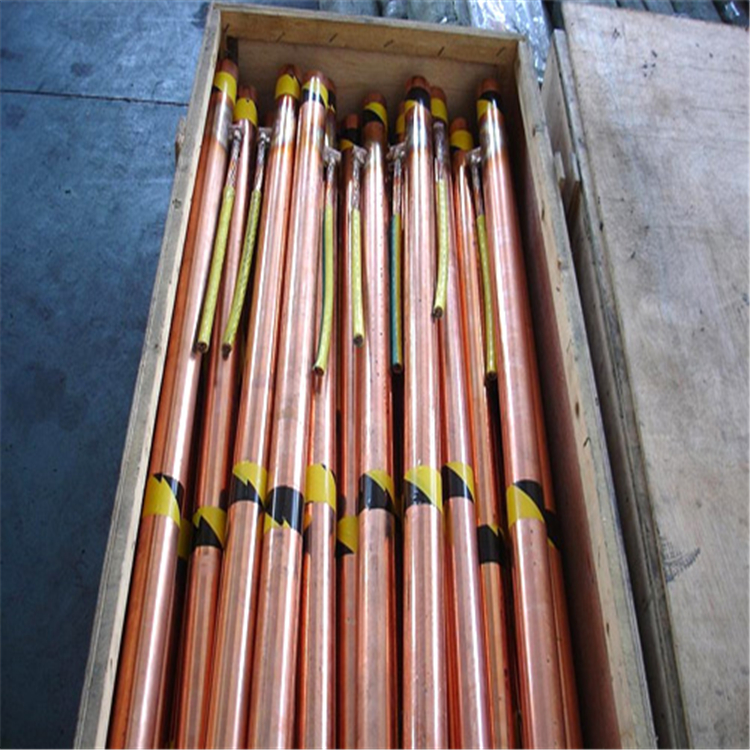
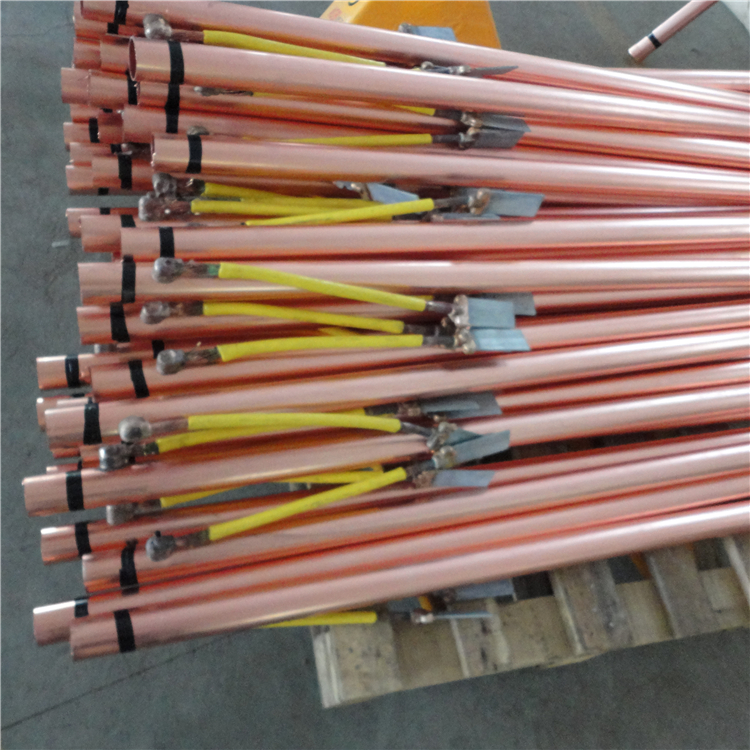







Characteristics of Ionized Grounding Rods:
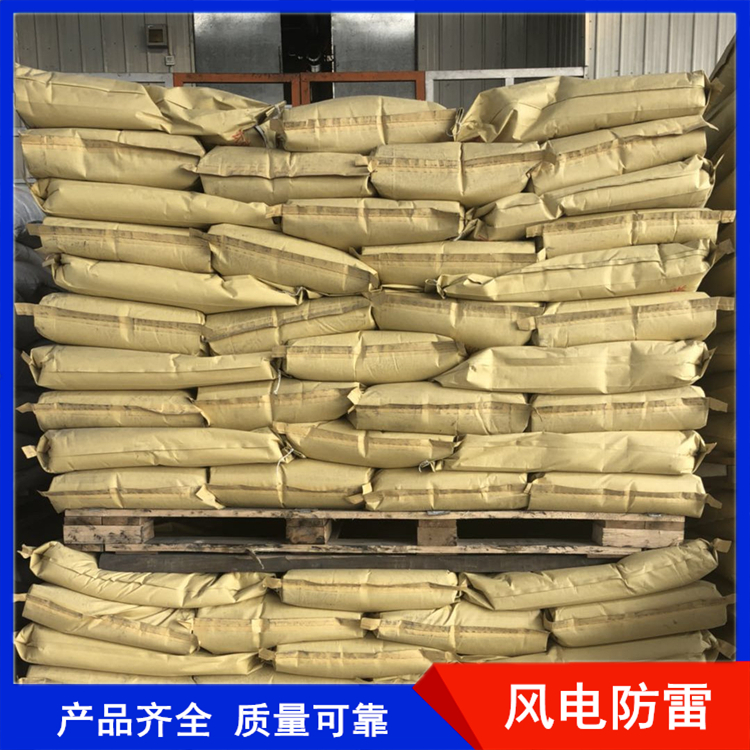
High Conductivity: Electrolytic ionic compounds渗透 into the surrounding soil to improve soil resistivity and enhance conductivity.
Long-lasting: Long-lasting, resistance-reducing, anti-corrosive, maintenance-free, with a service life of over 30 years.
Stable: Impacted by climate change without affecting its effectiveness
Small footprint: Low land area, less construction volume, overall costs are low
Low Impedance: Efficiently dissipates lightning and power fault currents, easy to install
Ion Grounding Rod Working Principle:
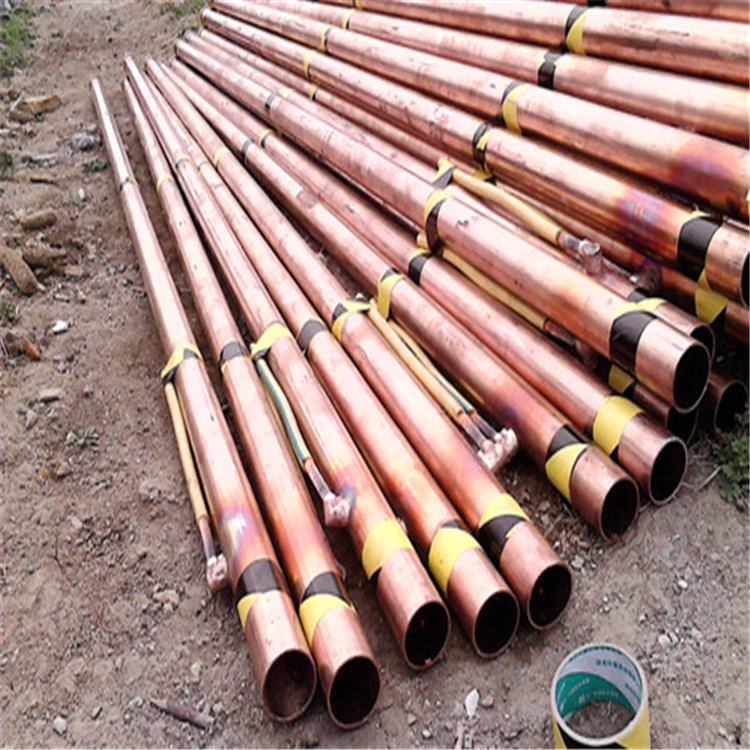
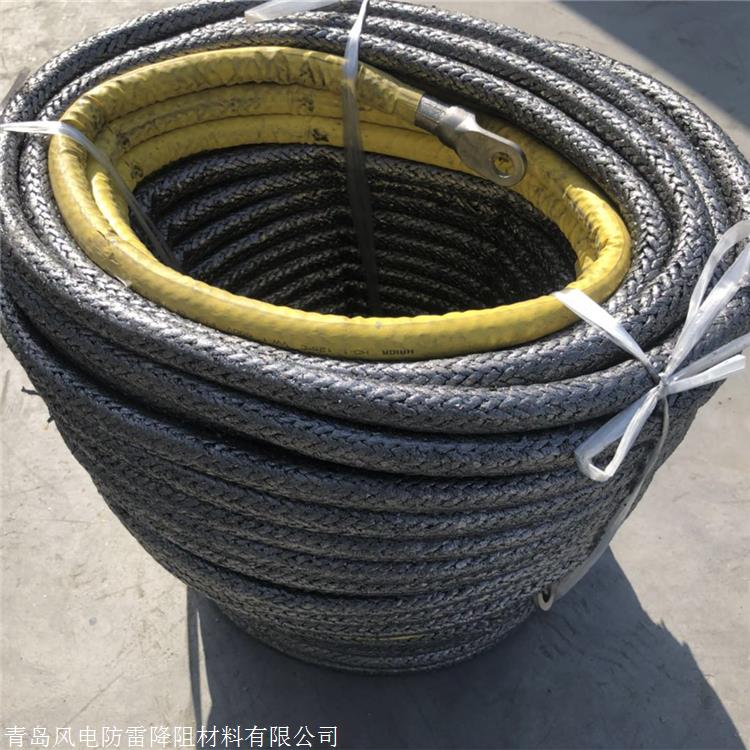
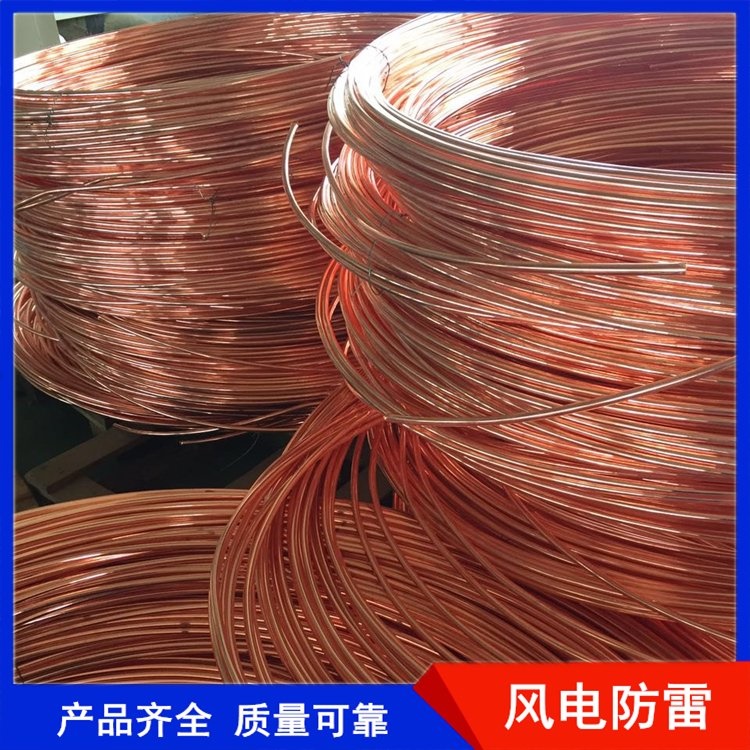
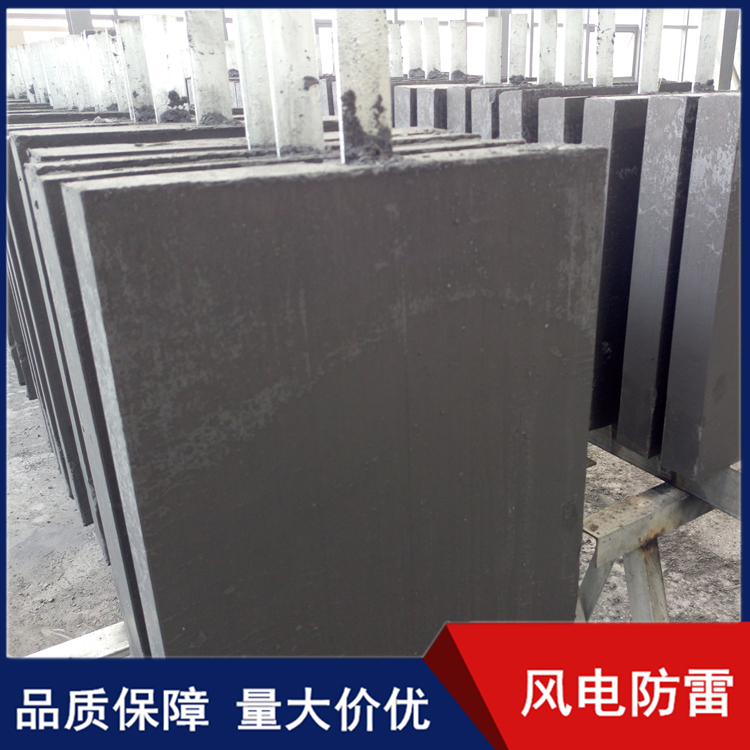
The external part of the electrolytic ion grounding electrode is made of pure copper, offering superior conductivity, corrosion resistance, and a longer service life. Internally, it contains a non-metallic compound that possesses strong leakage capability, capable of absorbing moisture from the air. Upon hygroscopic action, it supplies conducting ions to the surrounding soil, forming a large-scale conductor that reduces the soil's resistivity. This ensures the soil's conductivity remains at a high level, allowing fault currents to easily dissipate into the surrounding soil, thereby providing safety protection for the equipment.
Ion Grounding Rod Product Performance Parameters
Manufacturer: Qingdao Wind Power Lightning Protection and Resistance Reduction Material Co., Ltd.
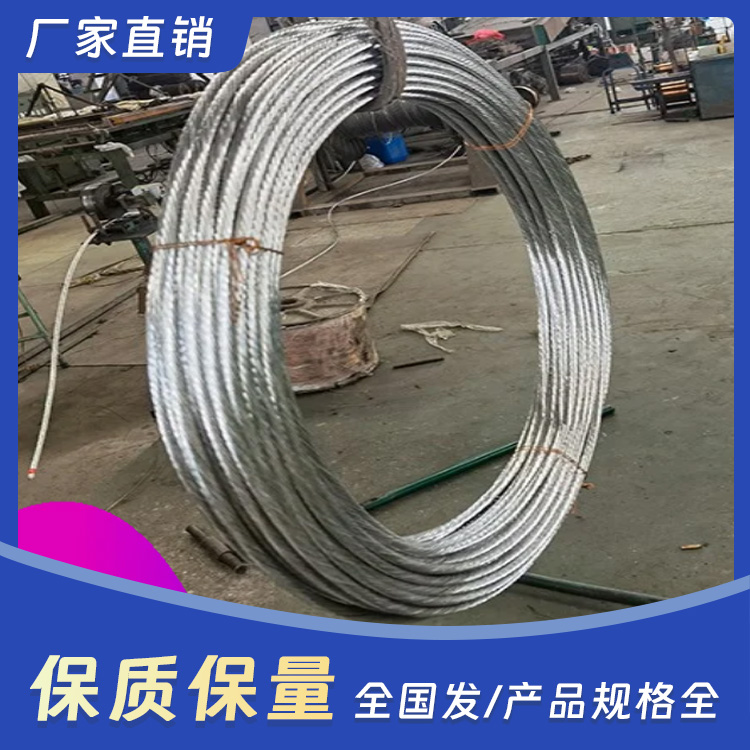
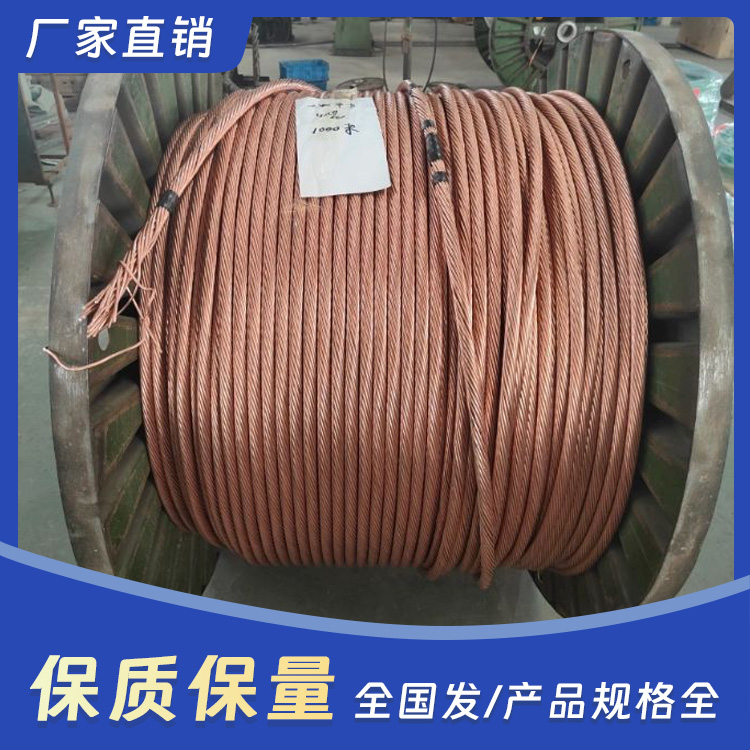
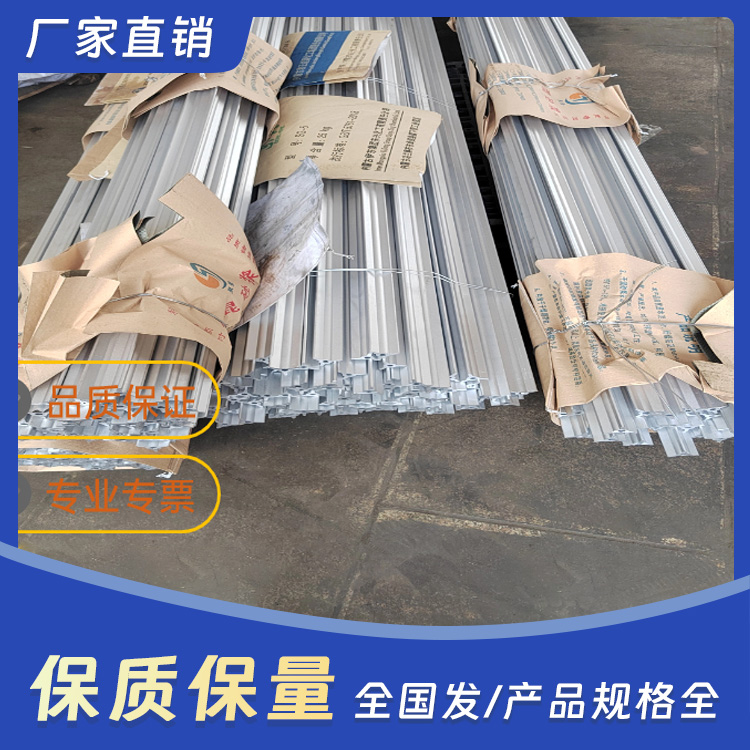
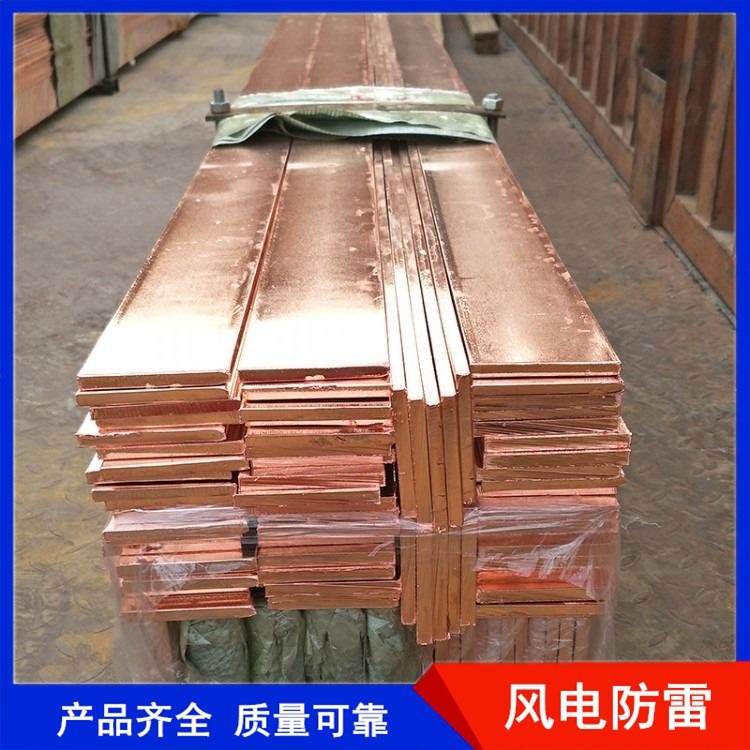
Material: Pure Copper, Copper Plated, Zinc Plated, Stainless Steel, etc.
Size: Φ50/Φ54/Φ60*1000mm/1500mm/2000mm/2500mm/3000mm etc.
Power frequency resistivity: ≤4 Ω.m
Ion Grounding Rod Application Range: Power plants, substation, switch stations, high-voltage transmission lines, electrified railways, telecommunication, mobile communication base stations, microwave relay stations, ground satellite receiving stations, radar stations, and other work grounding, safety grounding, and lightning protection grounding.
Precious precision instruments, computer room equipment, telecommunications programmable equipment, broadcasting and television equipment, and electronic equipment require working and protective grounding. Various high-rise buildings and large-scale structures, famous ancient structures, and tall memorials require lightning protection grounding. Oil pipeline and oil and gas storage tanks, as well as warehouses for flammable and explosive materials, also need lightning protection grounding.