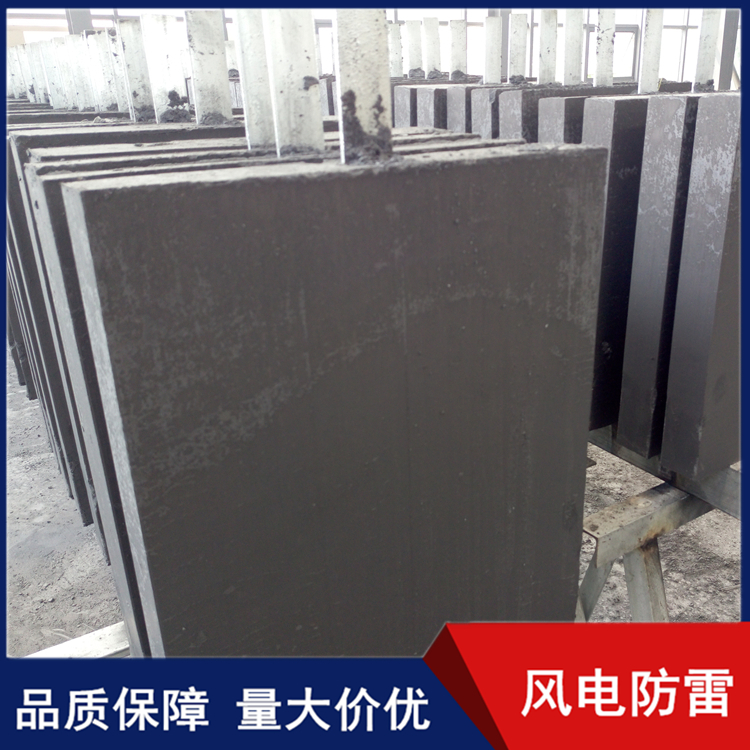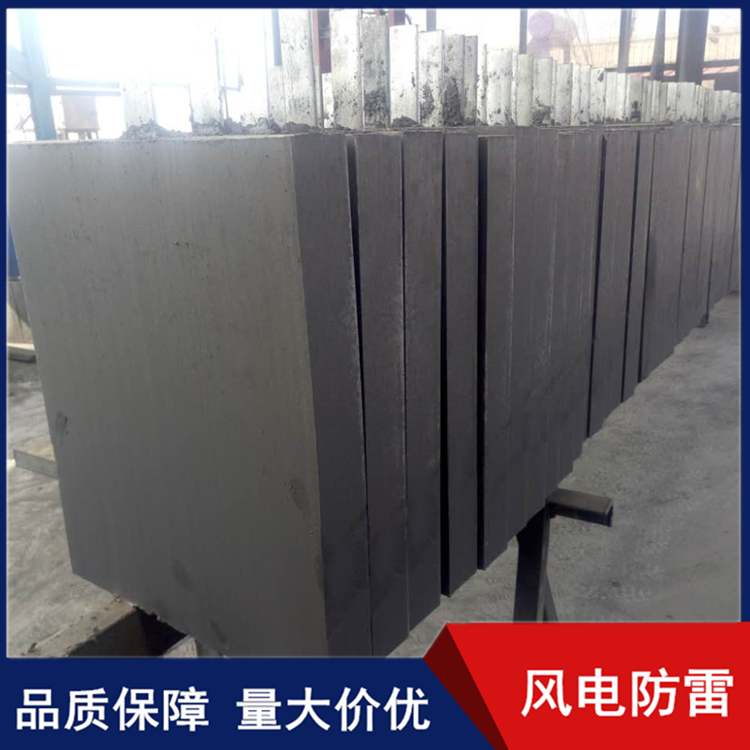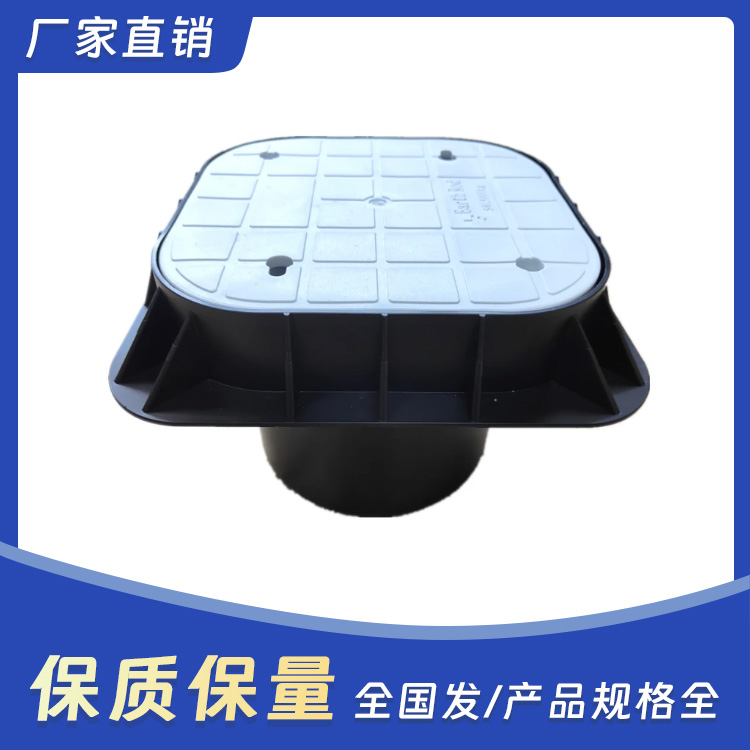

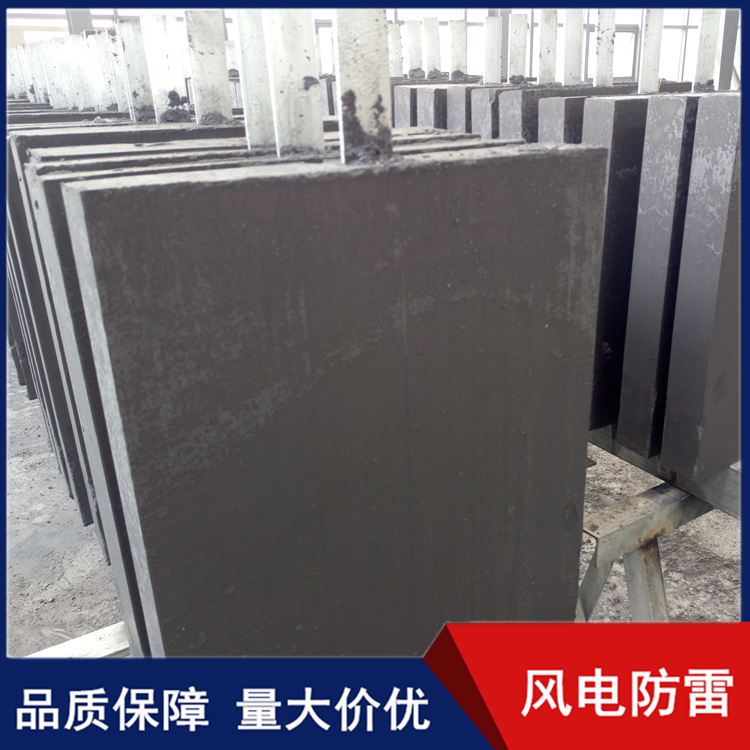

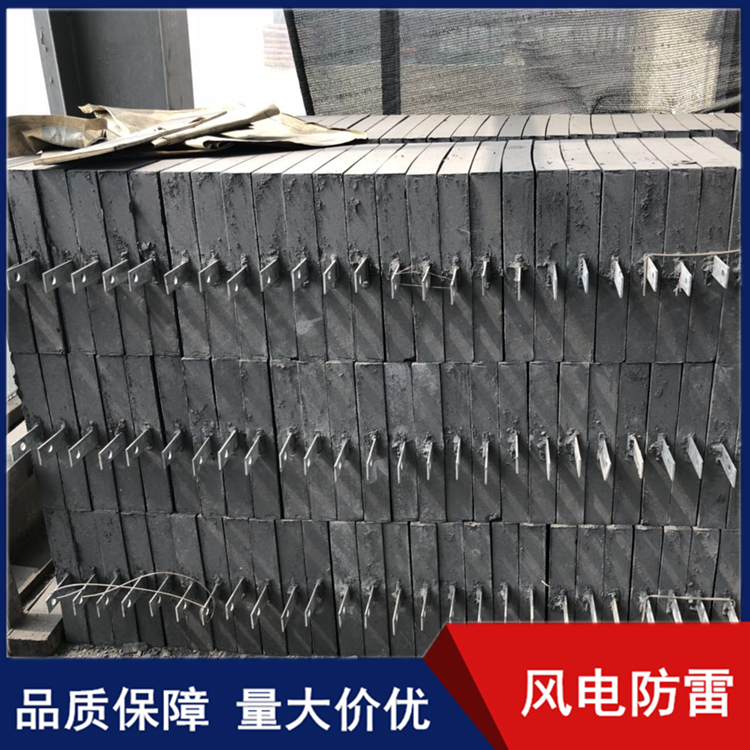
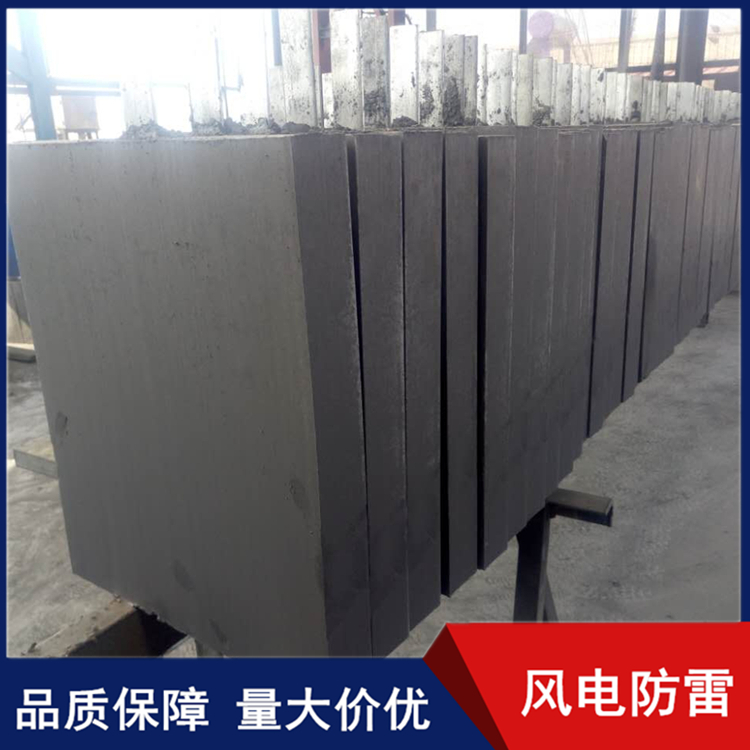


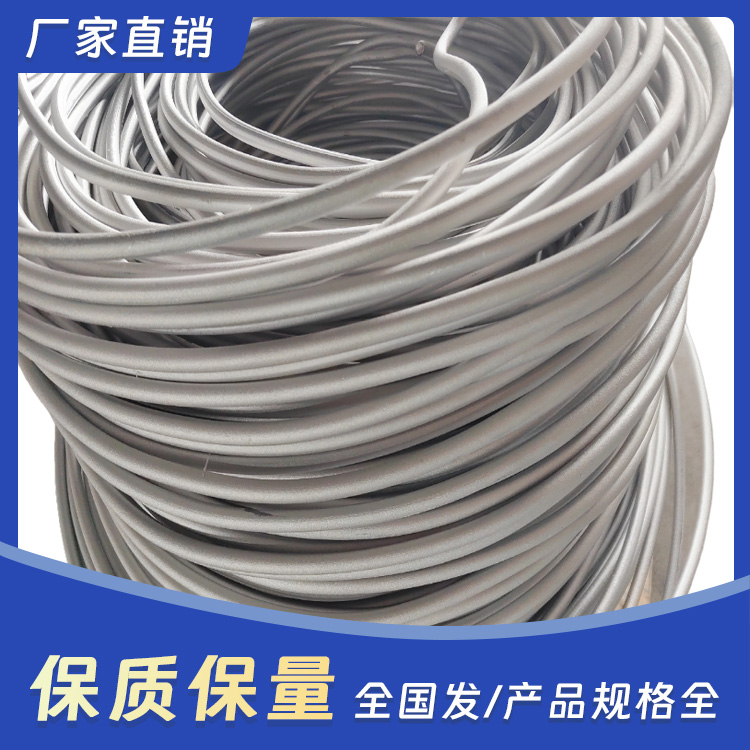
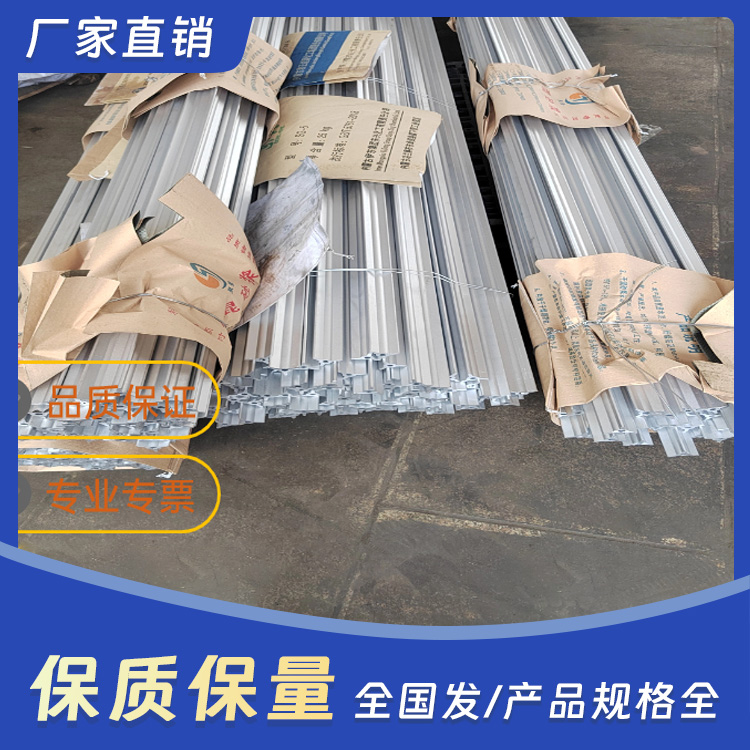





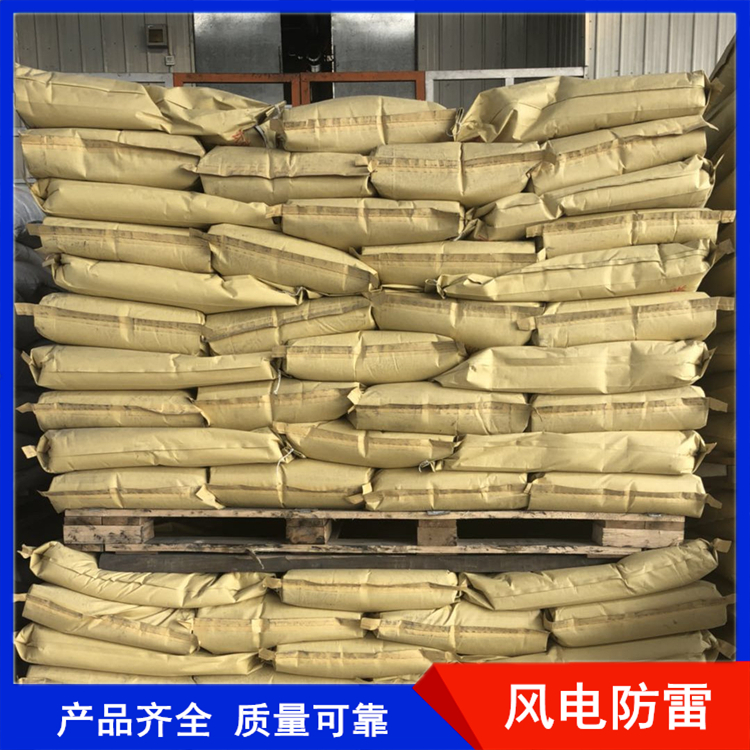
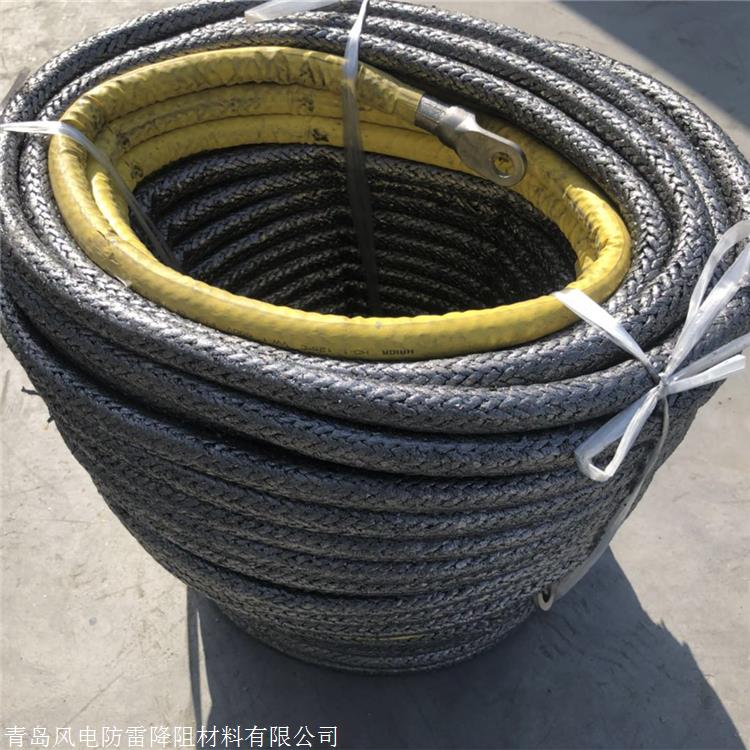
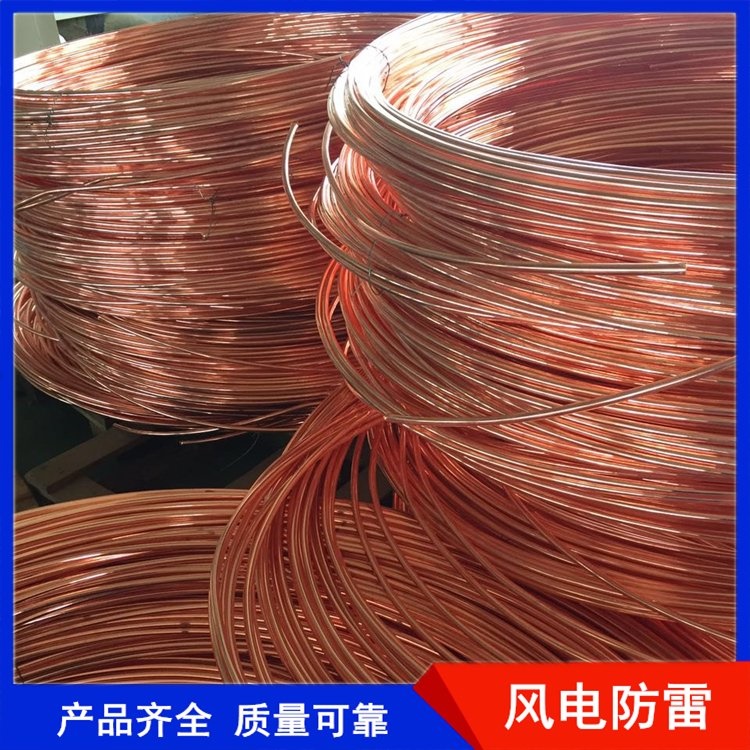
Product Features of Grounding Module
The grounding module utilizes a chemically stable, non-metallic conductor material as the conductive medium for the module, ensuring its conductivity is unaffected by seasons.
2. Features high moisture absorption and retention, low ground resistance, and long-term stability; in areas with high soil resistivity, it can effectively reduce the ground grid's resistance.
3. After multiple high-current impacts, the resistance does not increase, and there are no phenomena of hardening, becoming brittle, or breaking.
4. Withstanding temperatures as low as -70°C, suitable for northern cold regions as well.
5. Corrosion-resistant, non-toxic, environmentally friendly with no pollution, long lifespan (over 30 years), easy to install.
Grounding Module Usage
1. The grounding module can be horizontally or vertically buried. The distance from the module top to the ground should be greater than 0.6m, with a recommended range of 0.8m to 1.0m.
2. When using multiple modules in parallel embedding, the horizontal distance between modules should be greater than 4 meters to achieve the effect of reducing resistance. At the same time, a reasonable selection of the module utilization coefficient value should be made.
3. When embedding heavier cylindrical plum blossom low-resistance grounding modules, use the handle provided with the product to fit it over the core, tighten the nut, or tie it with wire or rope to lift and lower it into the foundation pit.
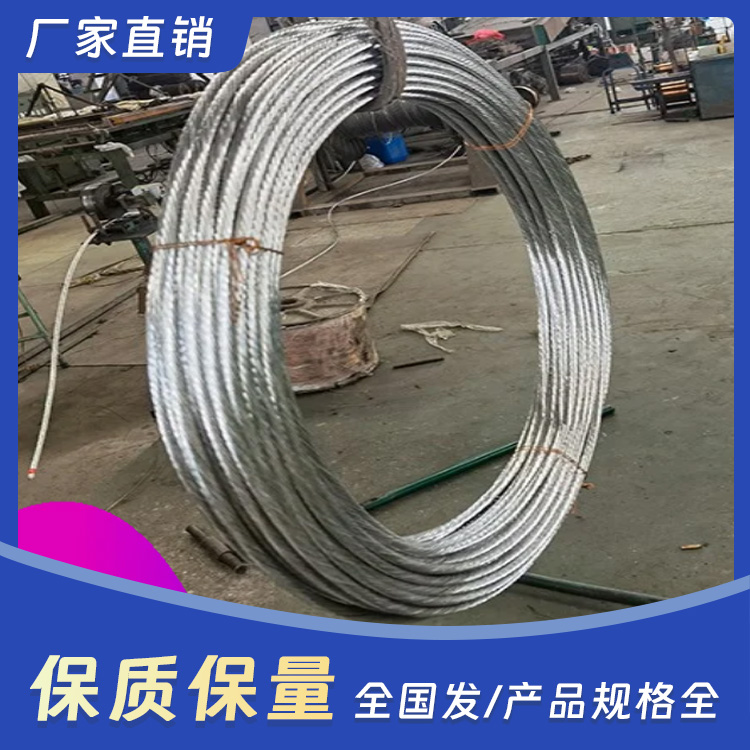
4. When the core pins of the grounding module are connected in parallel or to the earth wire, they must be securely welded with the same type of metal to ensure the reliability of the connection. The welding length should be twice the width of the connecting wire. The slag should be removed from the welding point and coated with asphalt or anti-corrosion paint to prevent core corrosion.
5. When backfilling, use fine-grained soft soil as the filling material, and do not use construction waste, broken bricks, or stones. Perform the backfilling in layers, filling with 30cm of soft soil, then add water and compact it. Repeat the process of covering, watering, and compacting several times until level with the ground surface. During compaction, ensure that the contact between the modules, backfill soil, and strata is tight without damaging the modules. After backfilling is complete, water the area again to moisten it. Measure the ground resistance after the modules have absorbed moisture for 24 hours.