








Yancheng South China Airport Cargo Terminal
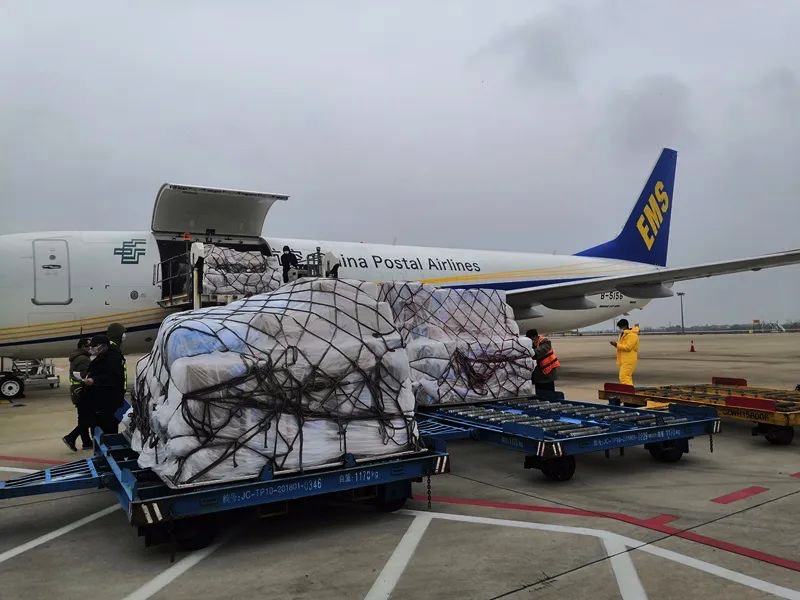
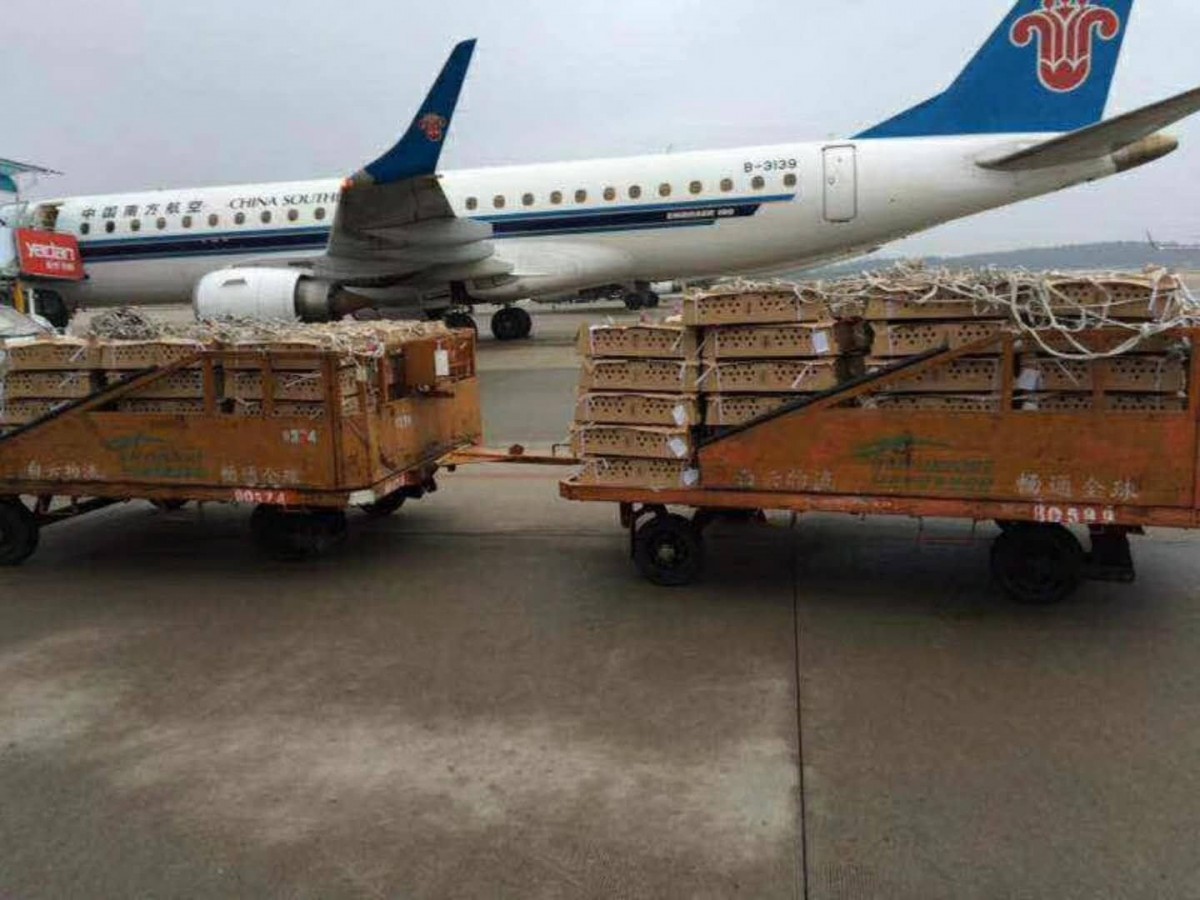
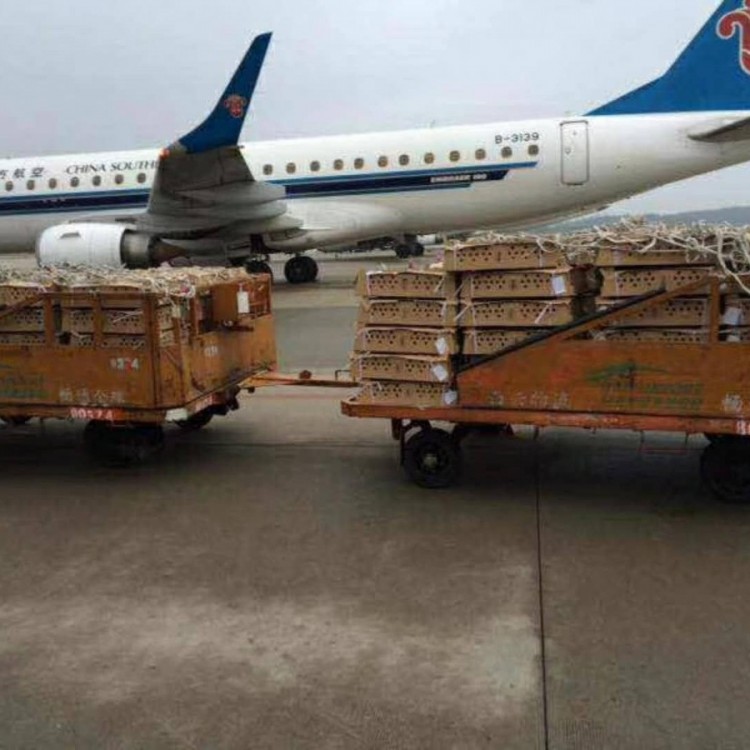
Since the birth of the aviation industry, air logistics transport has been renowned for its speed. To date, planes remain a rapid mode of transportation, with common jet aircraft's economic cruising speeds generally around 850 to 900 kilometers per hour. The swift mode of transport significantly reduces the transit time for goods, making it particularly prominent for perishable and perishable products; time-sensitive and seasonal publications and goods; as well as emergency and rescue items. It can be said that it is the combination of speed and the globally dense network of air transportation that has made it possible to open up long-distance markets for fresh products that were once beyond our reach, thereby benefiting consumers with more options.
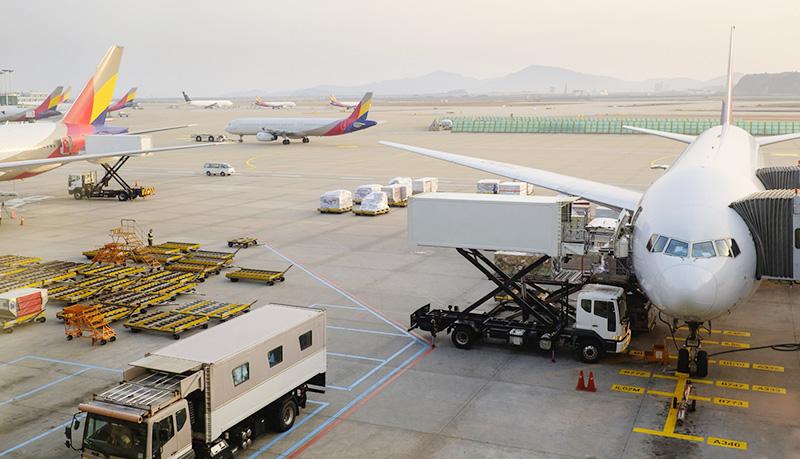
Fast delivery and short transit time reduce the risk in transit, allowing valuable items and precision equipment to often be transported by air. With intense international market competition, the rapid service provided by air transportation enables suppliers to immediately respond to the ever-changing market trends abroad, quickly launch marketable products to capture the market, and achieve better economic benefits.
Aviation express leverages the natural channel of the sky, unrestricted by geographical conditions. It is particularly suitable for inland areas with poor ground conditions and inaccessible transportation, benefiting the export of local resources and promoting the local economy.
Aviation freight transportation connects localities to the world, boasting a wide reach. Additionally, compared to road and rail transportation, aviation logistics and express shipping require less land, making it an ideal choice for regions with limited space for development.