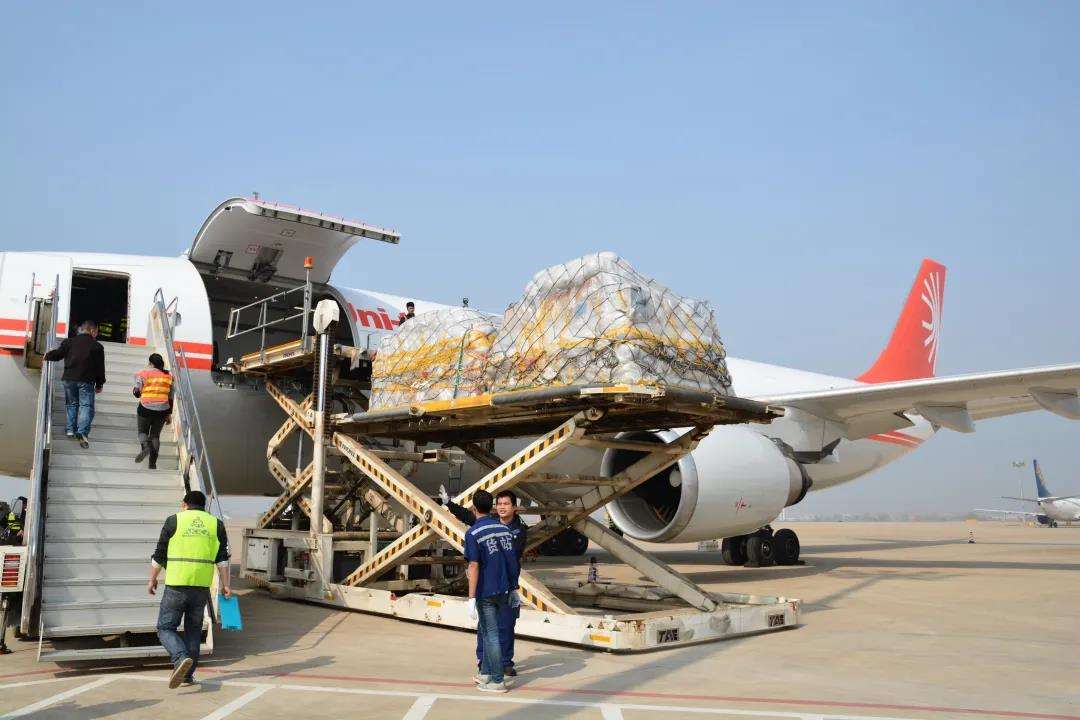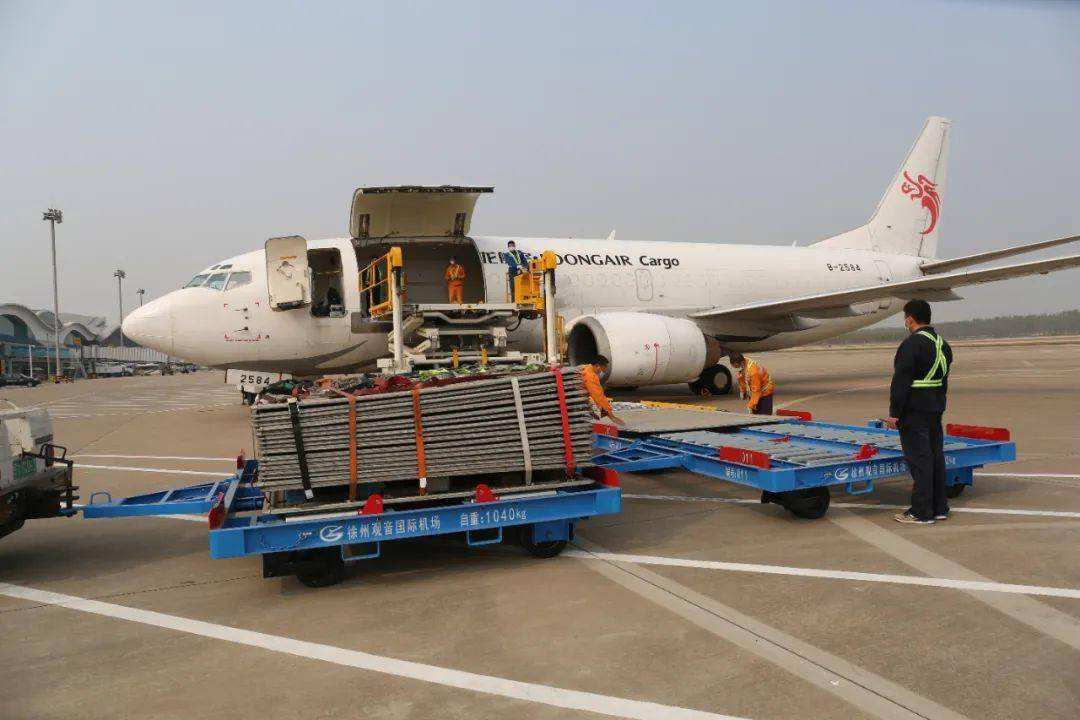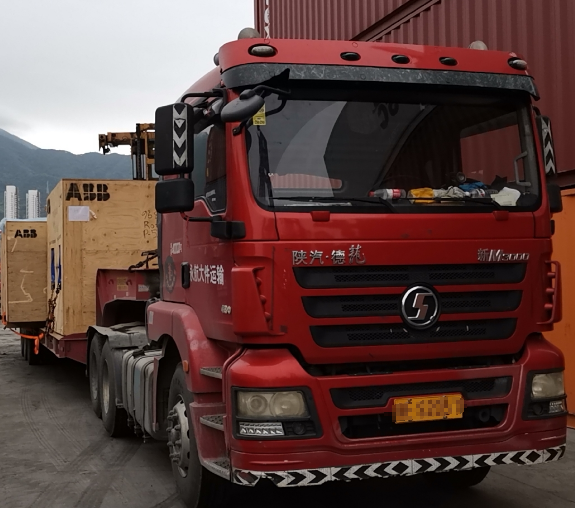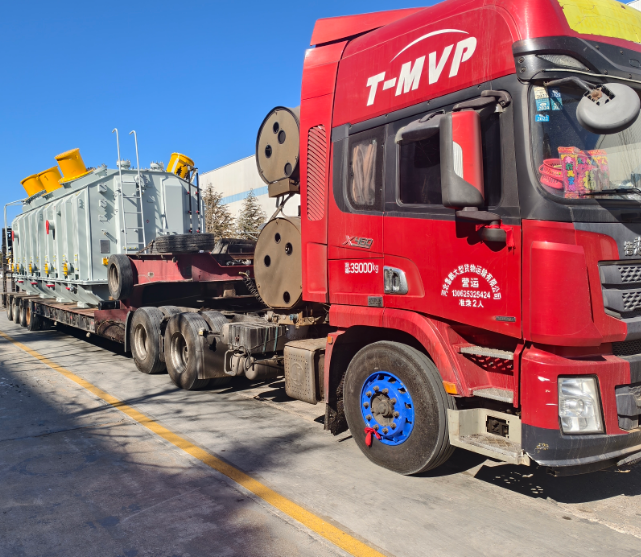










It's crucial to confirm weight and volume information with the customer promptly. If the customer is unsure about the weight and volume, it can become quite麻烦 once the goods have been shipped.
Generally, customers' goods and documents are cleared on the same day, which makes cabin allocation quite麻烦. It's recommended to declare more cabin space; if it's less, it's hard to add more, but with extra space, there's a chance to attract some extra cargo.

Generally, by noon, airlines and their first-tier agency companies have mostly arranged their cabin space. In such cases, it's not advisable to accept cargo with a requirement for departure the next day; don't accept it before the cabin space is confirmed, otherwise, you'll be very passive.
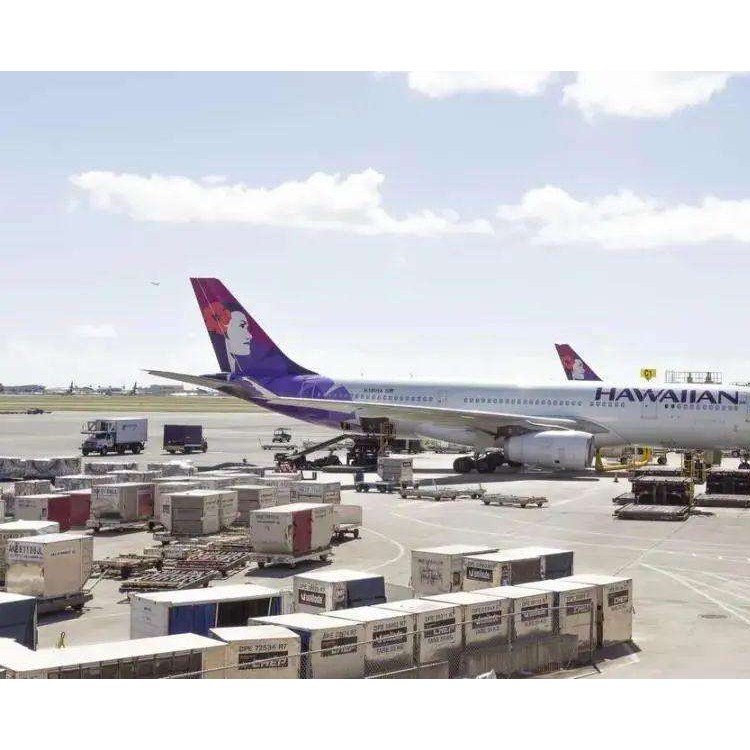
Air freight generally requires goods to be stored in the airline's warehouse for over 24 hours, but in practice, it's sufficient to hand over the goods into the plane the night before departure. For urgent goods, on-site handover is possible, ideally 4 hours before the aircraft takes off, or 2 hours before, but it is recommended to do it as early as possible and avoid suggesting on-site handover to clients. The air waybill should be confirmed with the client promptly, and the Chinese product name for customs declaration must be provided by the client.
The packaging of air freight items should be particularly reinforced, as road transportation generally involves only 1-2 loading and unloading processes, whereas air freight can entail up to 6-7 such procedures.
Individual weight not exceeding 50 kg; for benchmark goods, individual length must not exceed 180 cm; for flat goods, the sum of length and width must not exceed 150 cm; for small items, the packaging must not be smaller than the shipping document size.
Strictly prohibited from shipping mother-child packages (referring to two separate items combined into one through simple binding or wrapping methods).
General items that are not fragile and soft (such as clothing, bags, plush toys) can be packaged using plastic bags (PAK bags) to reduce transportation costs; however, pay attention to sealing them properly.
All internal items are first wrapped with plastic film or paper.
For items originally packaged for sale, most merchants have already considered the risks of transportation. It is advisable to add a layer of foam film outside, followed by 2-3 layers of kraft paper, and then wrap it repeatedly with tape.