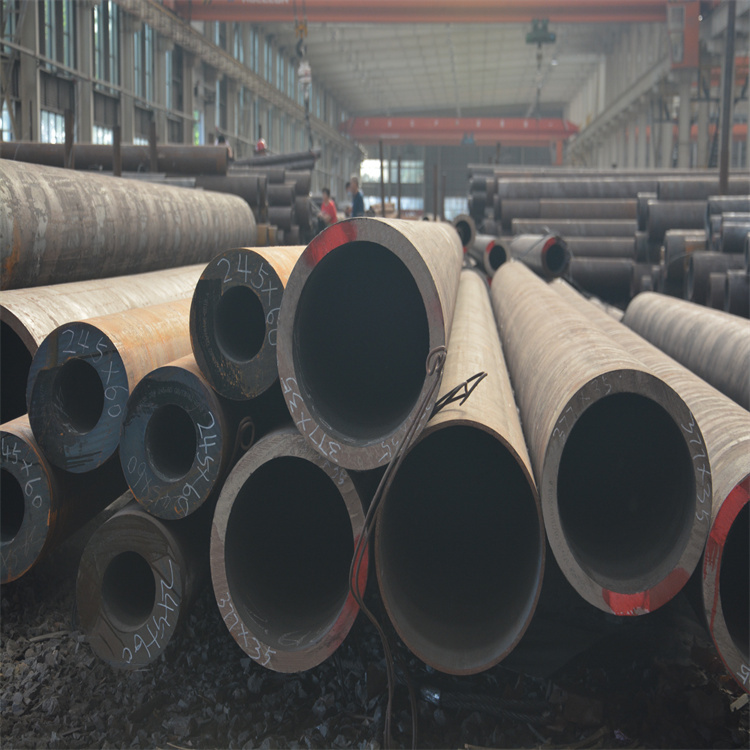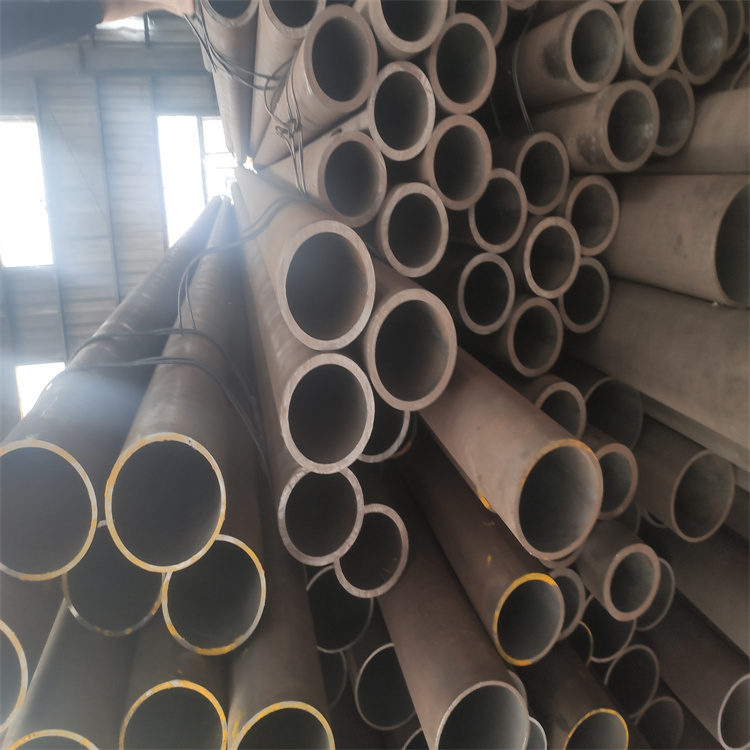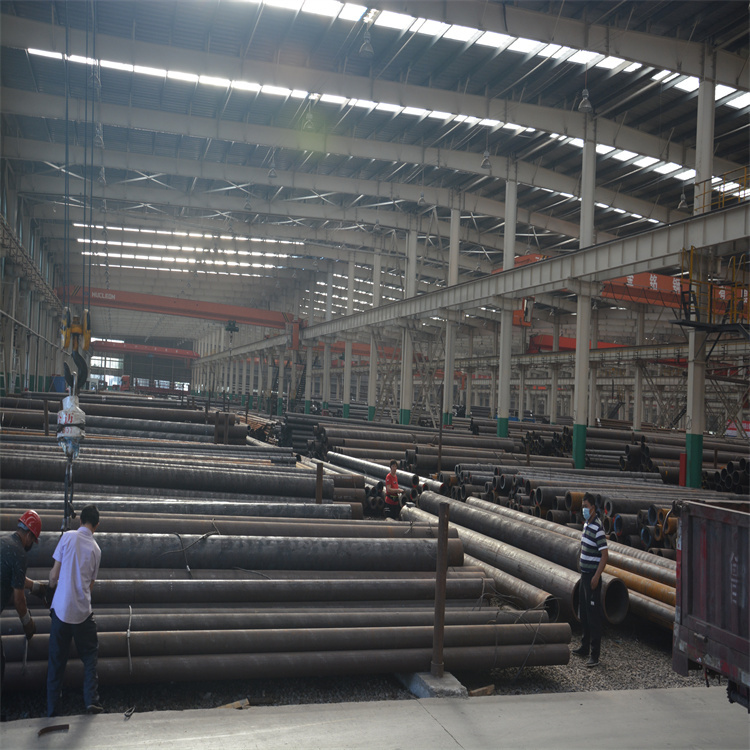















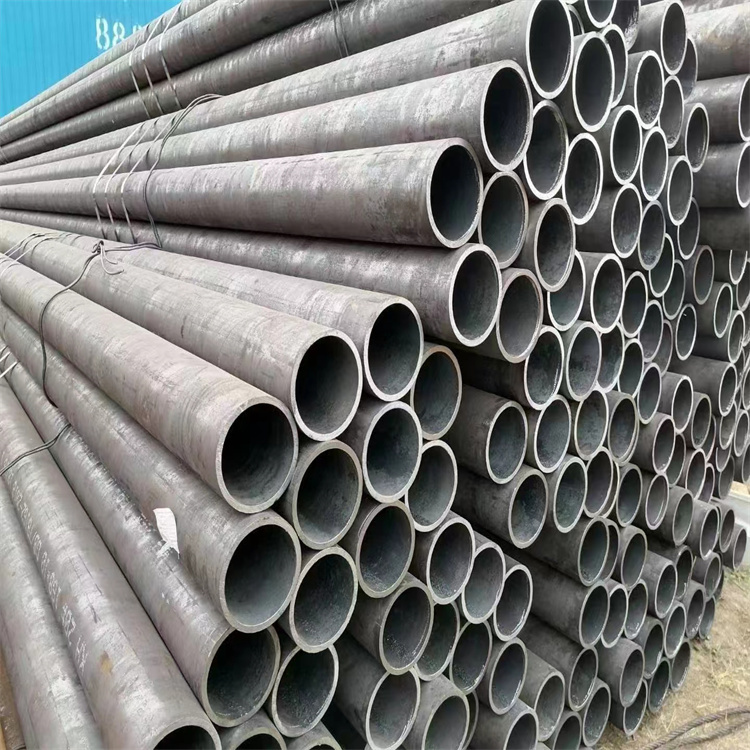
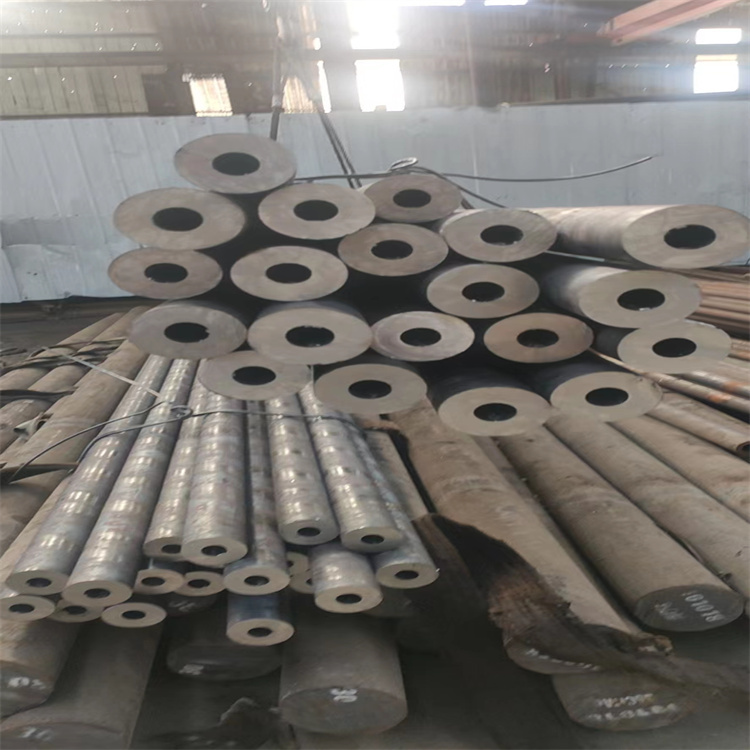


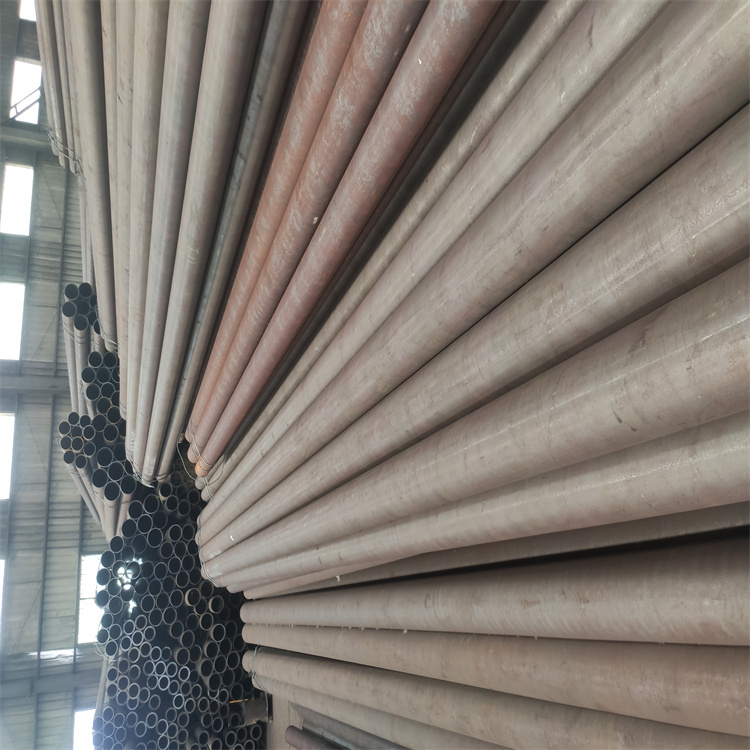
 Generally, different technical requirements should be proposed for the allowable deviations in pipe dimensions, surface quality, chemical composition, mechanical properties, process properties, and other special properties, depending on the purpose and working conditions of the steel pipes.
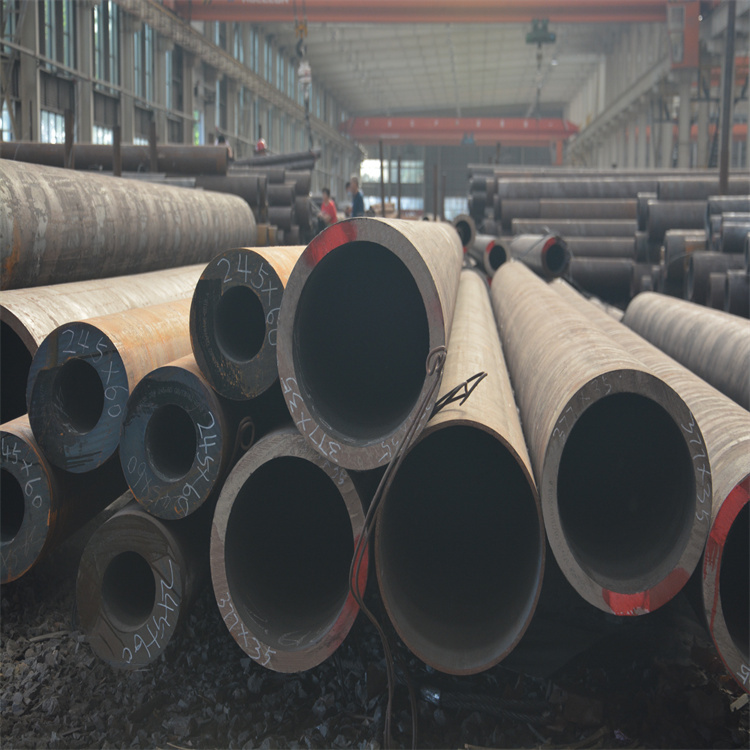
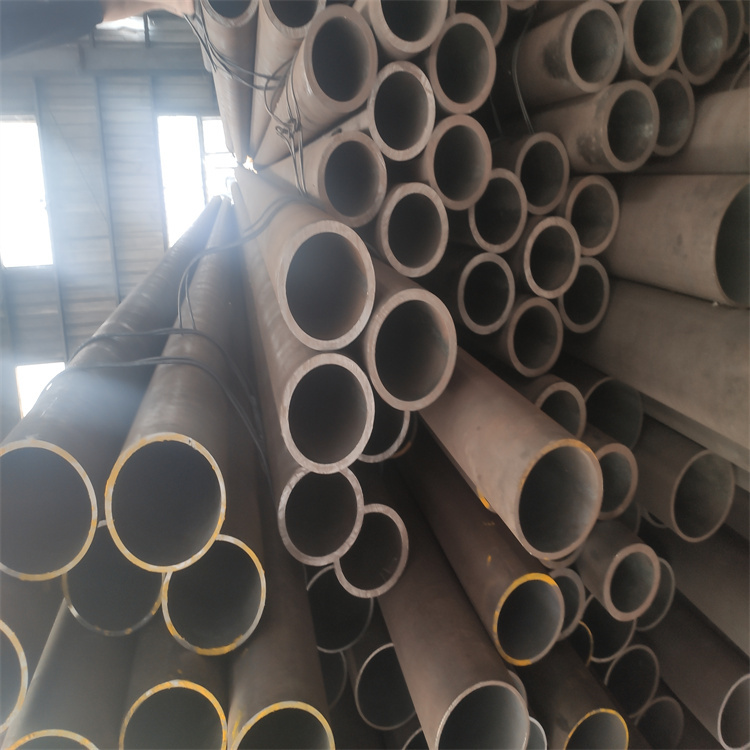
General seamless steel pipes, used for conveying various fluids like water, gas, and oil, as well as for manufacturing various structural components, should undergo sampling tests for their mechanical properties, such as tensile strength, yield strength, and elongation. Transmission pipes typically operate under pressure and require hydrostatic tests, as well as tests for expansion, flattening, and rolling edge to assess their process performance. For large-scale oil, refined oil, and natural gas pipelines, additional requirements are imposed, including carbon equivalent, welding properties, low-temperature impact toughness, stress corrosion under severe corrosion conditions, corrosion fatigue, and strength in corrosive environments.
Standard boiler tubes are used for manufacturing superheated steam pipes and water pipes for various structural boilers; high-pressure boiler tubes are used for superheated steam pipes, heat exchangers, and pipes for high-pressure equipment in high-pressure or ultra-high-pressure boilers. These steel pipes for thermal equipment operate under different high-temperature and high-pressure conditions and should ensure good surface condition, mechanical properties, and process properties. Generally, they must be inspected for mechanical properties, including flattening and hydrostatic tests. High-pressure boiler tubes also require tests for grain size and more stringent non-destructive testing.