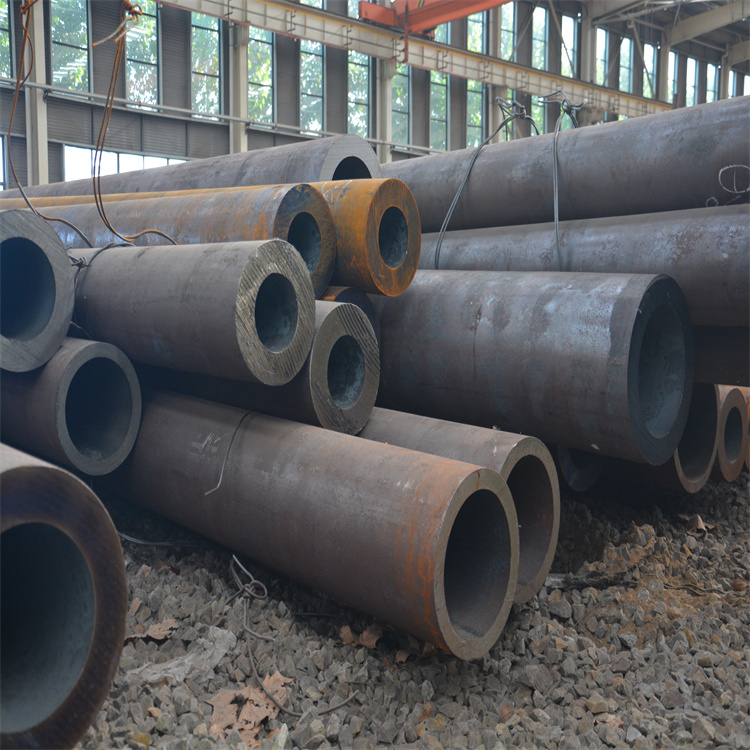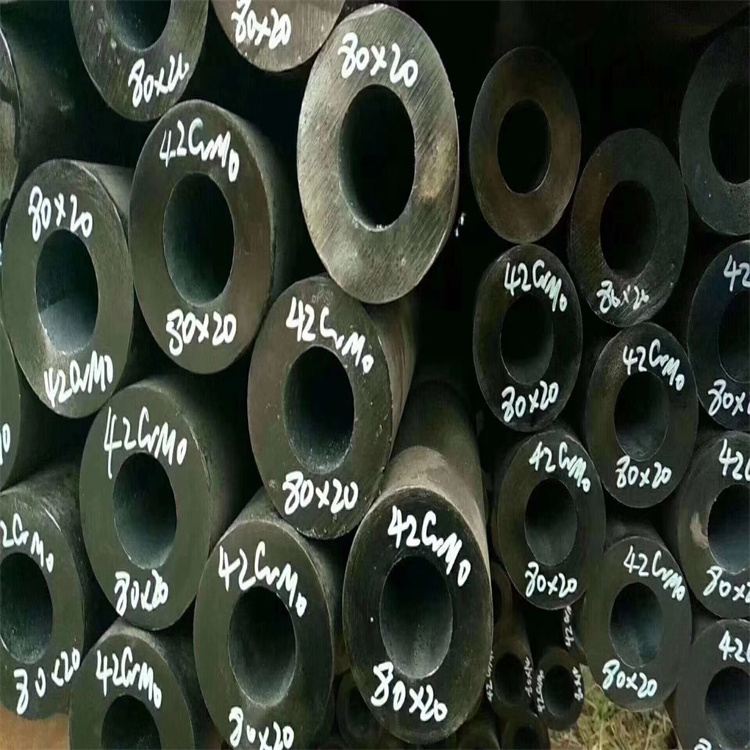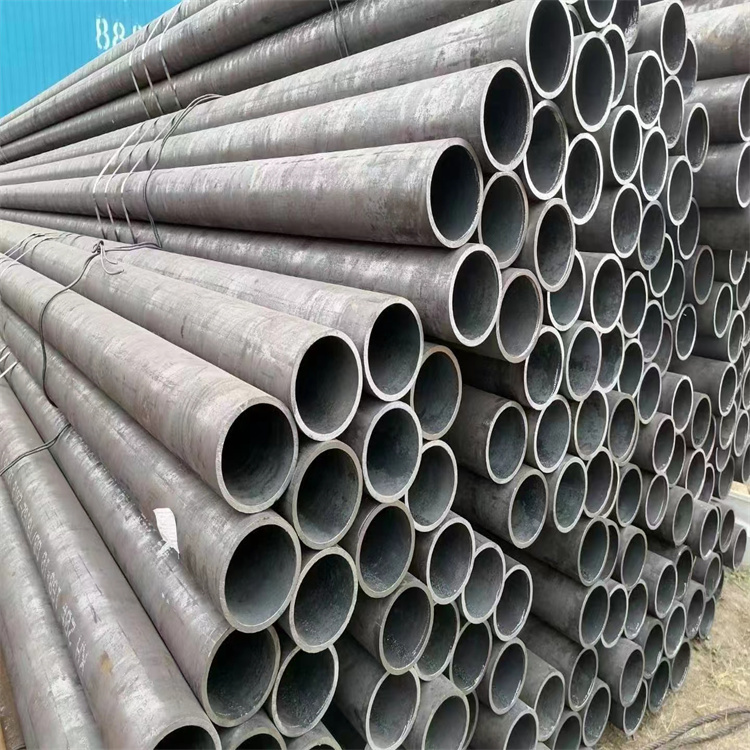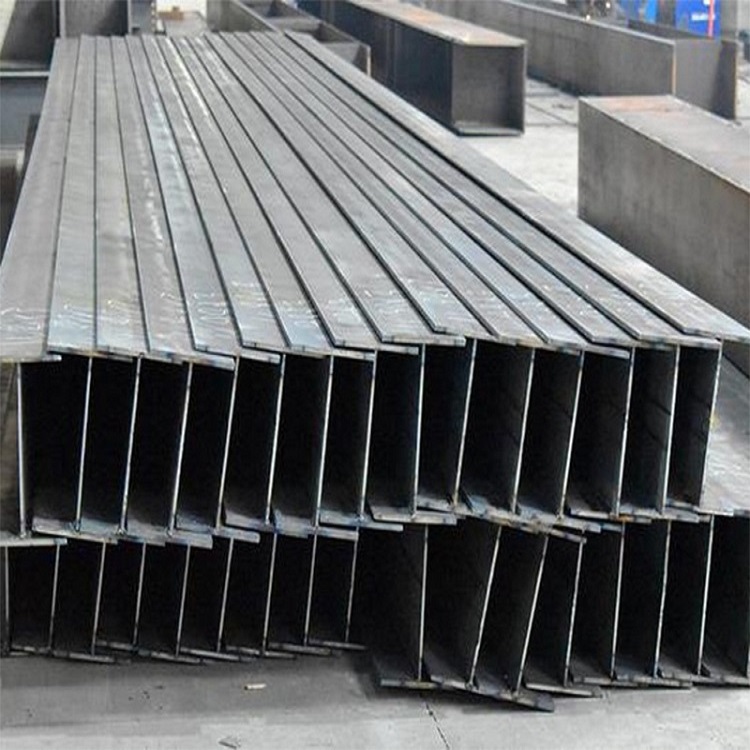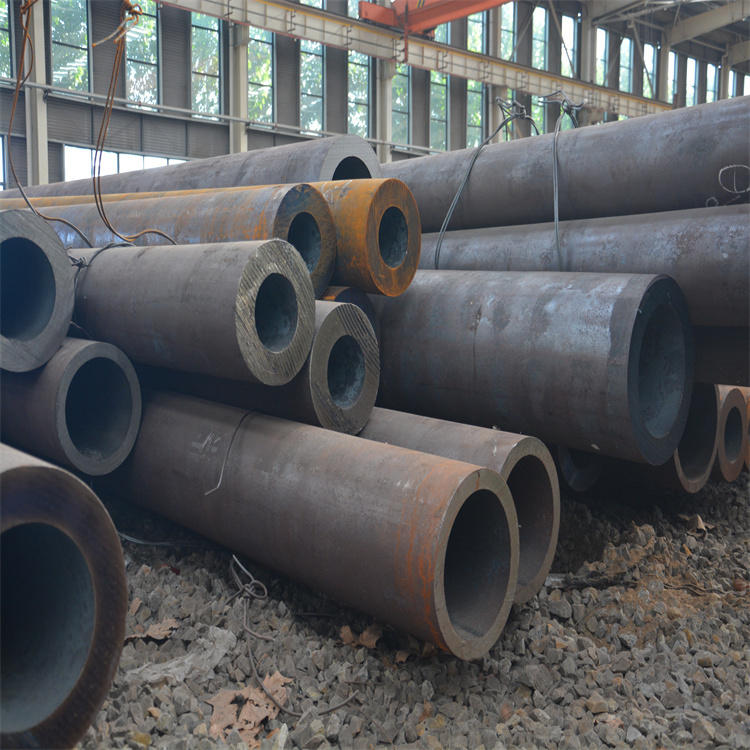













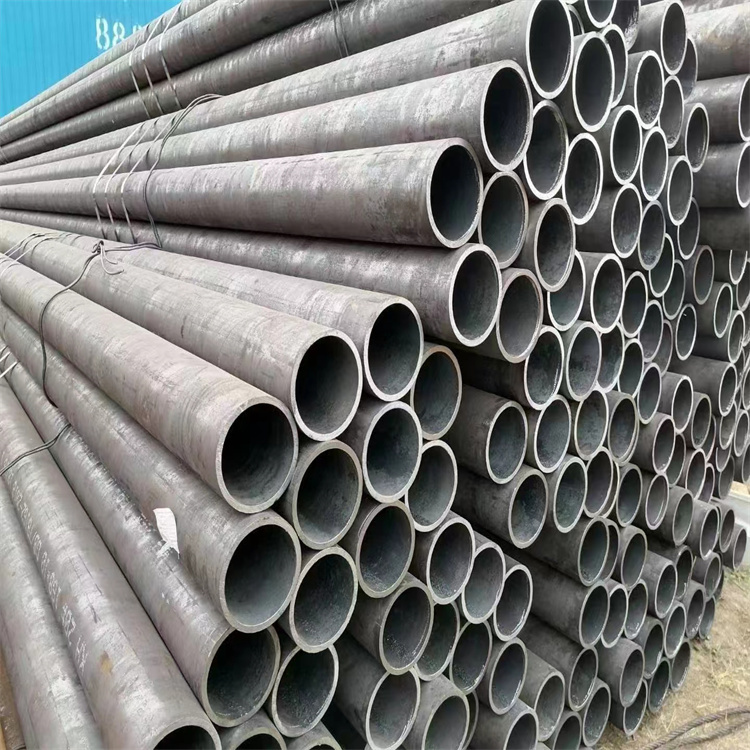
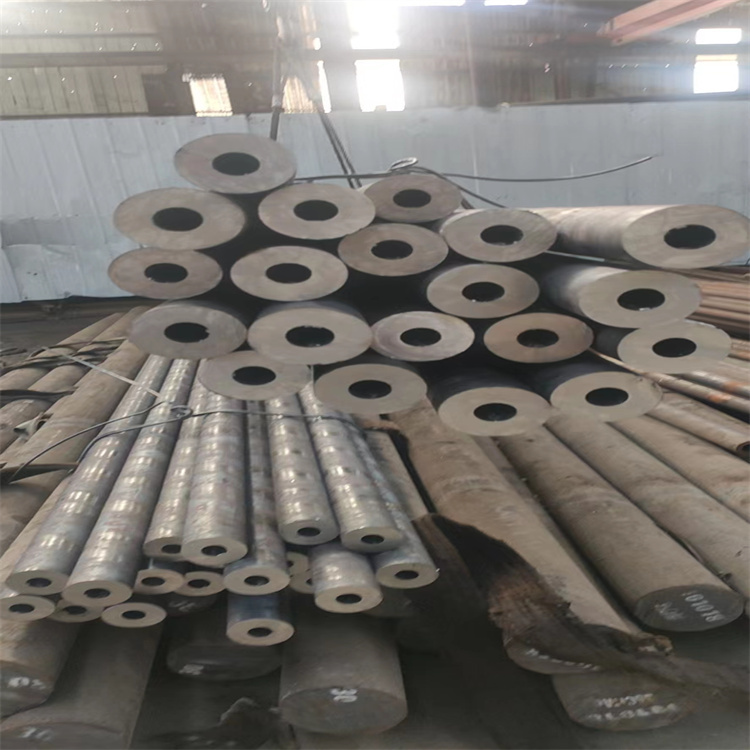


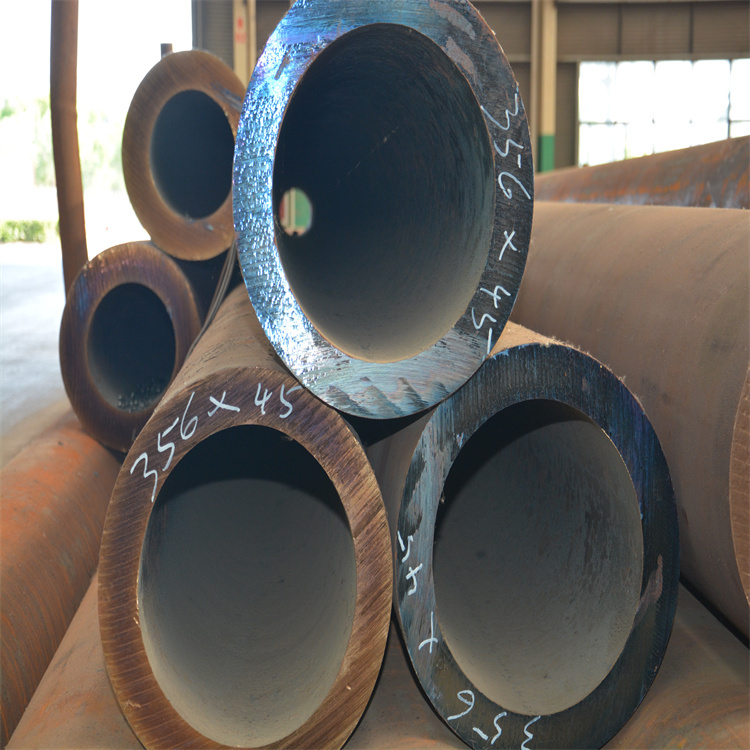
 Mechanical seamless steel tubes must meet high dimensional accuracy, excellent mechanical properties, and a good surface condition, as required by their application. For bearing tubes, higher wear resistance, uniform structure, and strict tolerances for both inner and outer diameters are necessary. In addition to general mechanical property tests, low magnification, fracture, annealing structure (spheroidizing, reticulate, strip-like), non-metallic inclusions (oxides, sulfides, speckled, etc.), decarburization layer, and hardness indicators must also be tested.
High-pressure seamless steel pipes for the fertilizer industry are commonly used to transport chemical media (such as synthetic ammonia, methanol, urea, etc.) under corrosive environments with pressures ranging from 2200 to 3200 MPa, working temperatures from -0 to 400°C. Therefore, in addition to withstanding high pressure, they should also possess strong corrosion resistance, good surface condition, and mechanical properties. In addition to mechanical property, flattening, and hydrostatic tests, corresponding intergranular corrosion tests, grain size analysis, and more stringent non-destructive inspections should be conducted based on different steel grades.
Steel pipes used in oil and geological drilling operate under high pressure, alternating stresses, and corrosive environments, thus they should possess high strength levels and features such as wear resistance, torsion resistance, and corrosion resistance. Tests for tensile strength, yield strength, elongation, impact toughness, and hardness should be conducted according to the steel grade. For casing, tubing, and drill pipes used in oil wells, there are more detailed classifications of steel grades and types, as well as additional technical conditions with higher requirements for user selection based on different environments and geological conditions, to meet various special needs.