

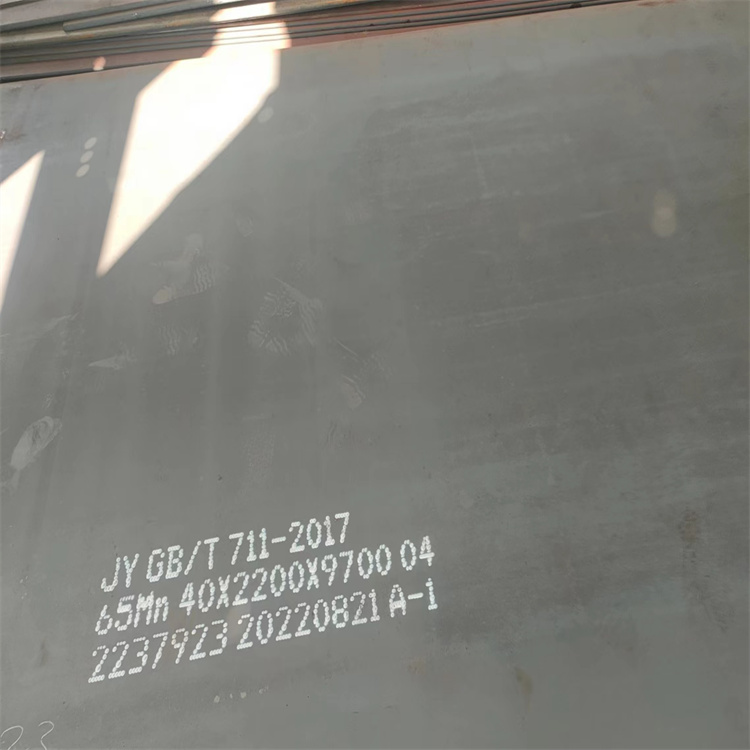

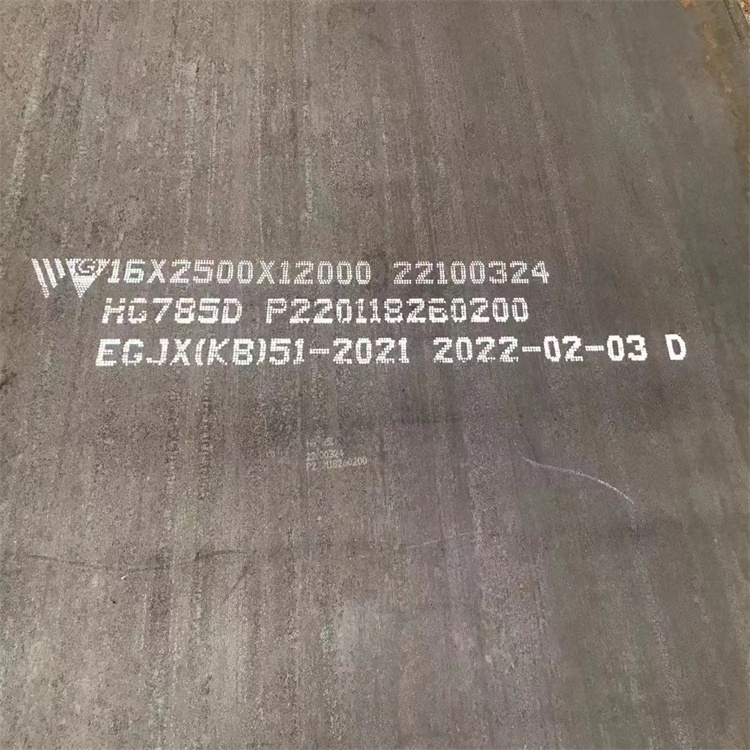
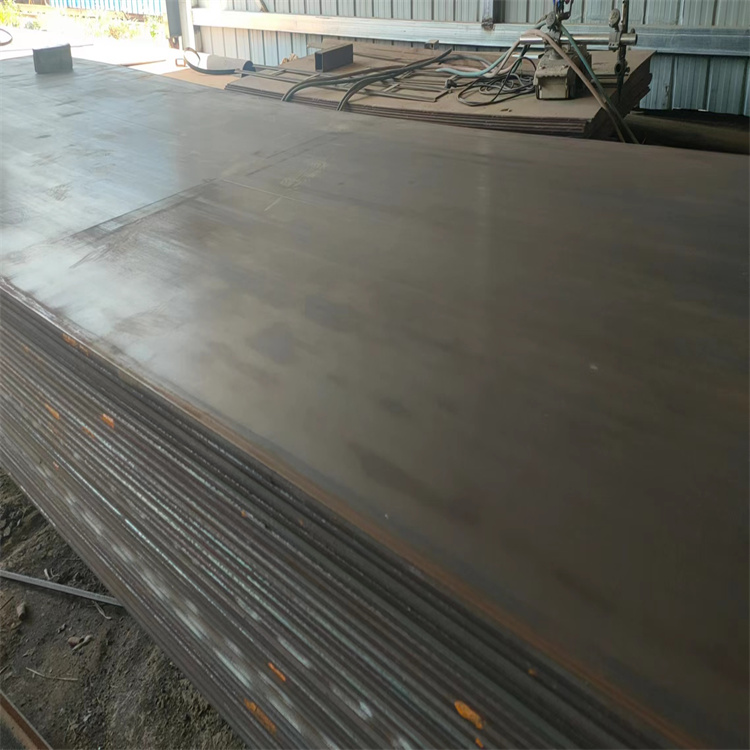











 Under certain conditions, many oil stains, dust, acids, alkalis, salts, etc. attached to the surface of stainless steel plates will transform into corrosive media, react chemically with some components in the plate, and thus undergo chemical corrosion, leading to rust. Insufficient cleaning, acid pickling, and passivation result in residual liquid retention, which directly corrodes the board. The surface of the board is scratched, resulting in the damage of the passivation film, which reduces the protective ability of the board and makes it easy to react with chemical media, leading to chemical corrosion and rusting.
WeChat Official Account

Scan to follow Official Account






















