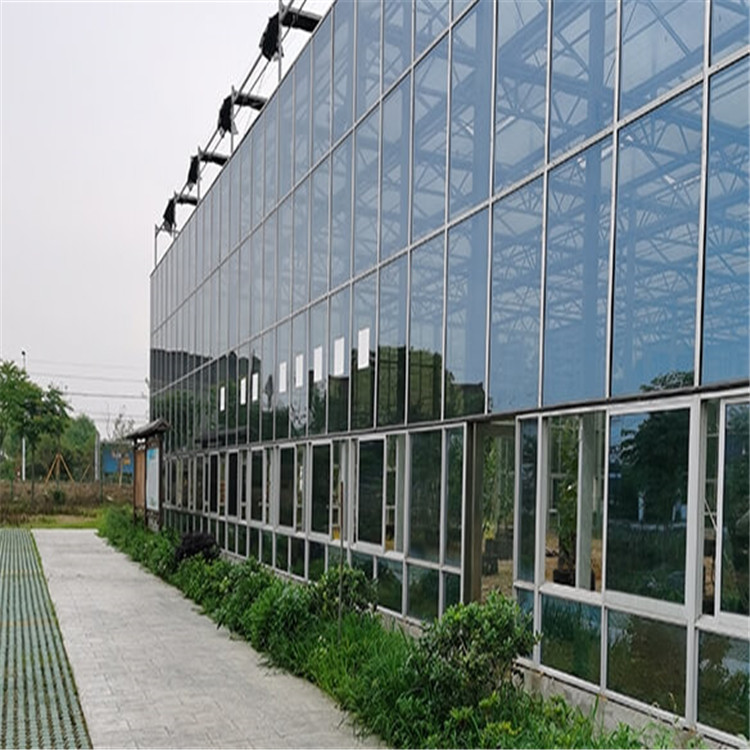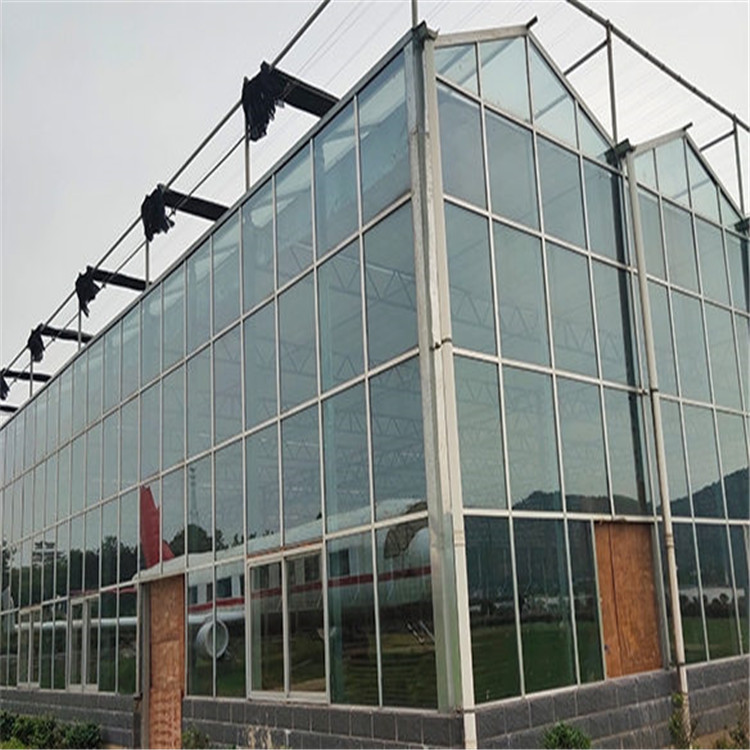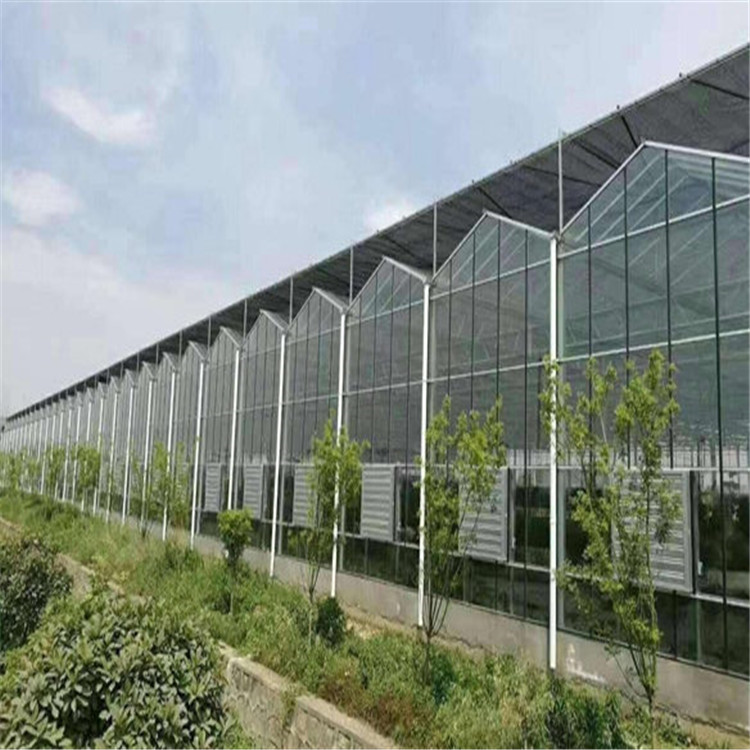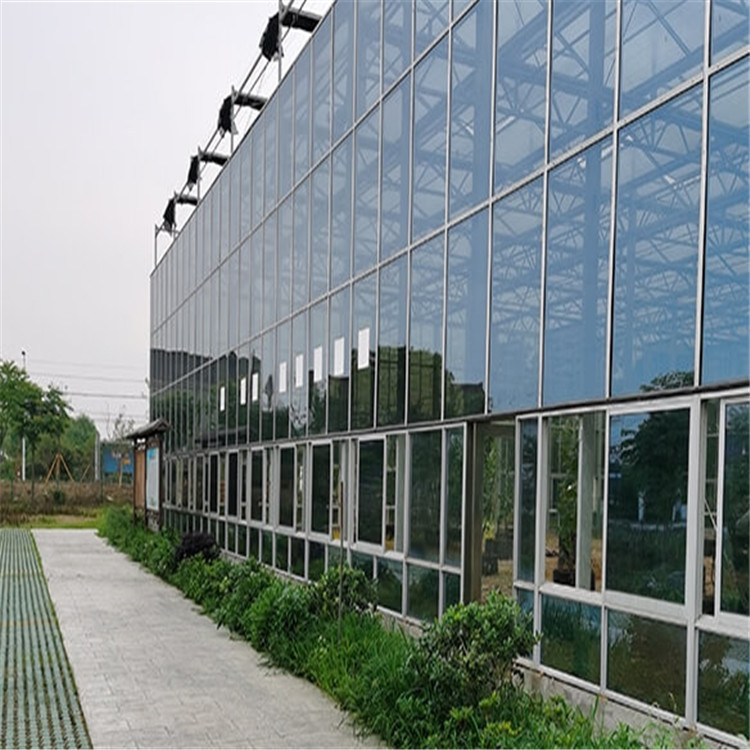


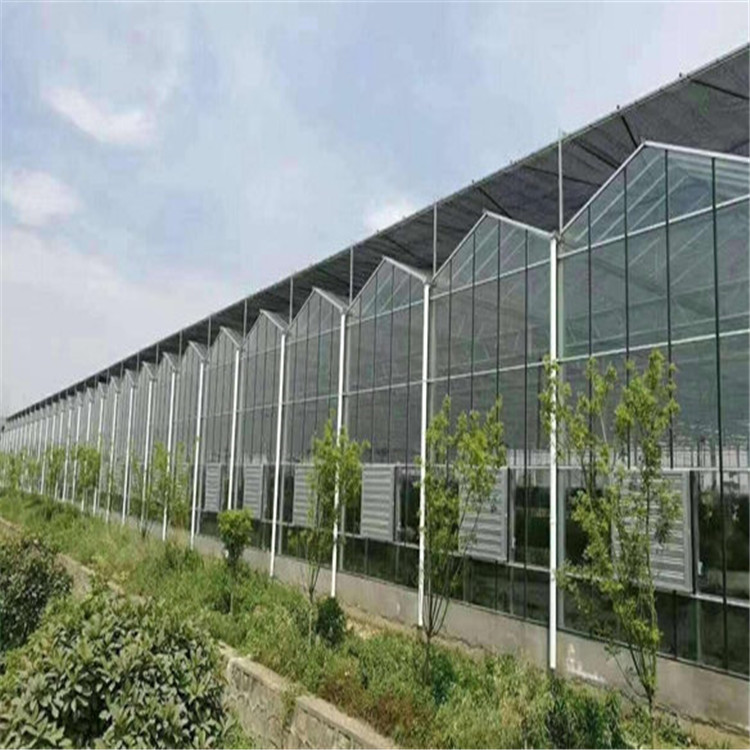







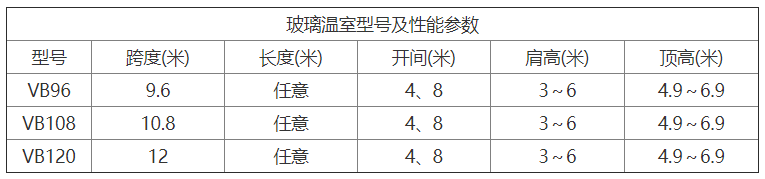
Glass greenhouse refers to a greenhouse that uses glass as a lighting material and belongs to a type of greenhouse. In cultivation facilities, glass greenhouse, as a form with a longer service life, is suitable for use in various regions and climatic conditions. There are different construction models in the industry based on the size of span and opening, and they are also divided into vegetable glass greenhouse, flower glass greenhouse, seedling glass greenhouse, ecological glass greenhouse, scientific research glass greenhouse, three-dimensional glass greenhouse, irregular glass greenhouse, leisure glass greenhouse, intelligent glass greenhouse, and so on, according to different usage methods. Its area and usage can be freely adjusted by the greenhouse owner, with small ones being courtyard leisure type, large ones reaching a height of over 10 meters, a span of up to 16 meters, and a bay of up to 10 meters. The intelligence level can be controlled with one click. The winter heating problem of glass greenhouses can be solved by various heating methods, which have moderate energy consumption costs and are mostly acceptable.
★ Wind resistant load: 0.6KN/m2
★ Snow resistance load: 0.5KN/m2
★ Suspended load: 0.2KN/m2
★ Rainfall discharge: 140mm/h
★ Roof angle: 22 °
★ Covering materials: float glass, tempered glass, insulated glass.
Features:
The structure of a glass greenhouse mainly includes the greenhouse foundation, greenhouse steel structure, and aluminum alloy structure.
1. Basic classification: Glass greenhouse foundations are divided into two types: independent column foundations and strip foundations. Independent foundations can be used for inner or side columns, while strip foundations are mainly used for side walls and interior partitions.
2. Prior to design, a thorough analysis of the geological data of the construction site should be conducted, including a geological survey report (for important large-scale greenhouse projects); The second is construction site testing (for general projects); Thirdly, based on experience and reference geological data from nearby projects (for small-scale projects). In basic design, in addition to meeting the requirements of strength, it should also have sufficient stability and the ability to resist uneven settlement. The foundation connected to the column support should also have sufficient ability to transmit horizontal forces and spatial stability.
The bottom of the greenhouse should be located below the permafrost layer, and the impact of heating on the foundation freezing depth of the heating greenhouse can be considered according to the climate and soil conditions. Generally, the bottom of the foundation should be lower than the outdoor ground by 0 Above 5 meters, the distance between the top surface of the foundation and the outdoor ground should be greater than 0 1 meter to prevent exposure of the foundation and adverse effects on cultivation. Unless otherwise specified, the distance between the top surface of the greenhouse foundation and the indoor floor should be greater than 0.4 meters. The embedded parts connected to the greenhouse steel structure are all set at the top of the foundation, and the design of the embedded parts is also an important component of the foundation design. The main connection methods between embedded parts and the upper structure include hinge, consolidation, and elastic connection. The design and construction methods vary depending on the connection method, but all embedded parts must ensure a good connection with the foundation and ensure that the force transmitted from the upper structure is correctly transmitted to the foundation.