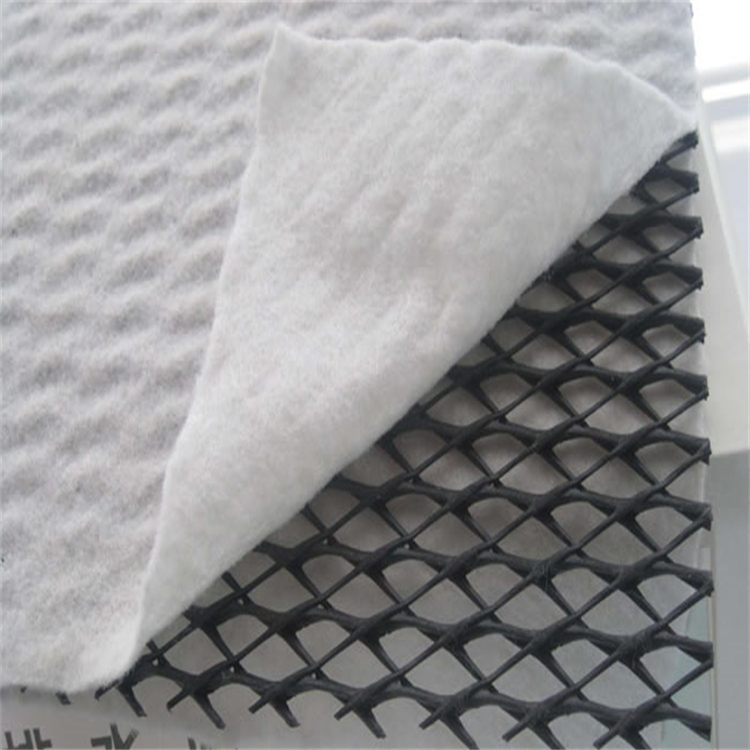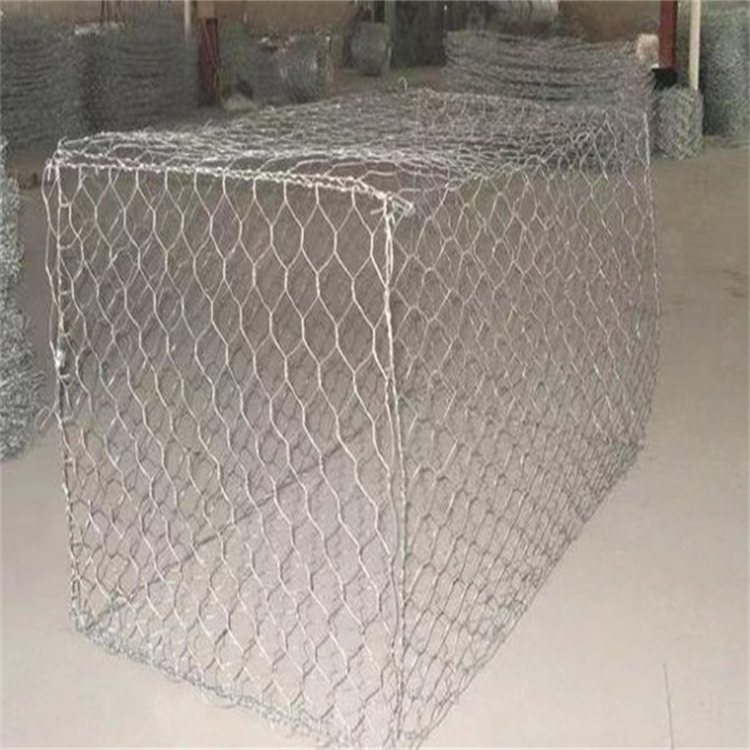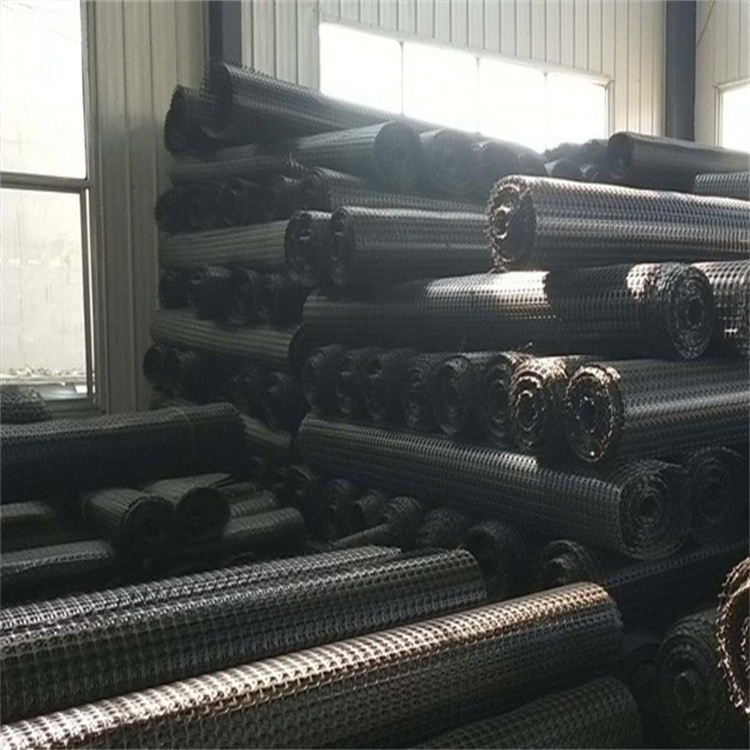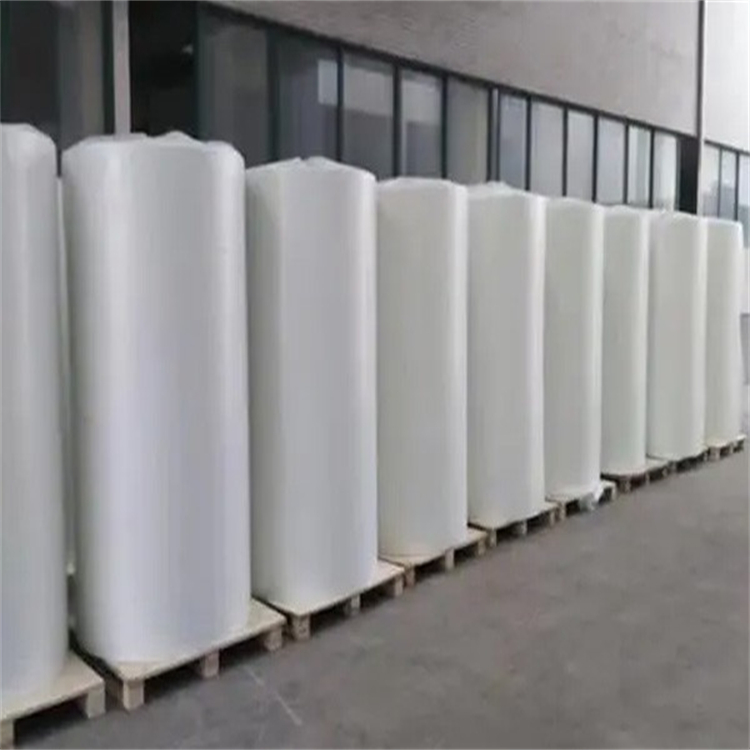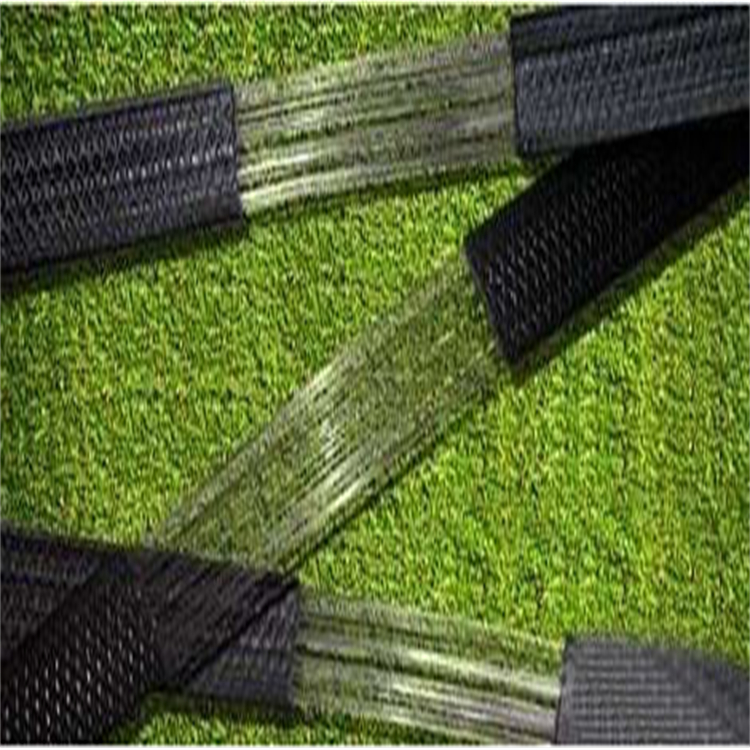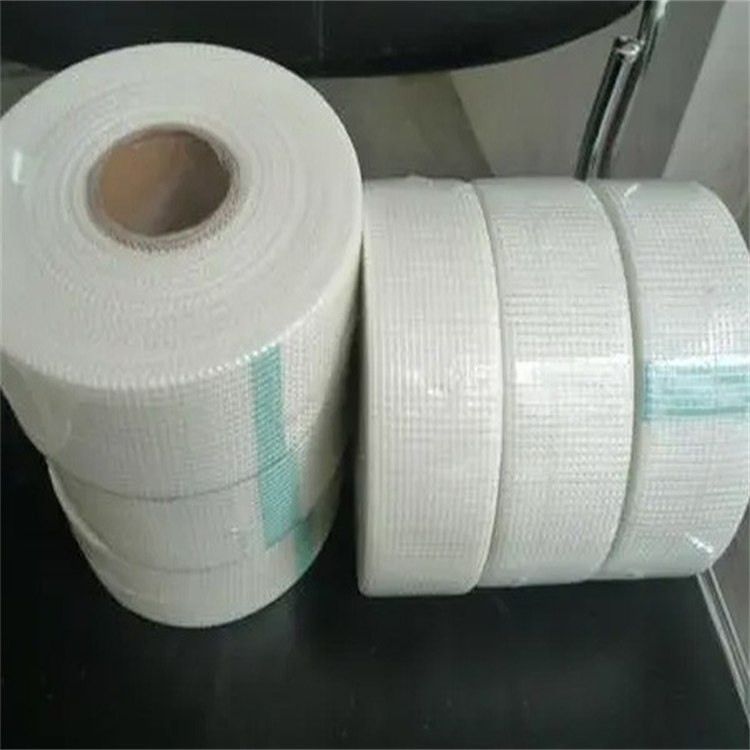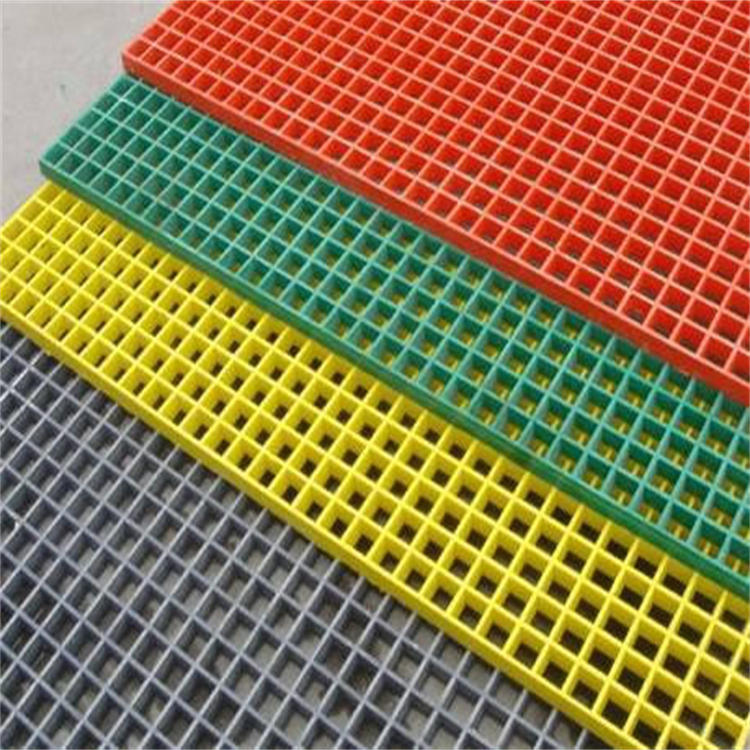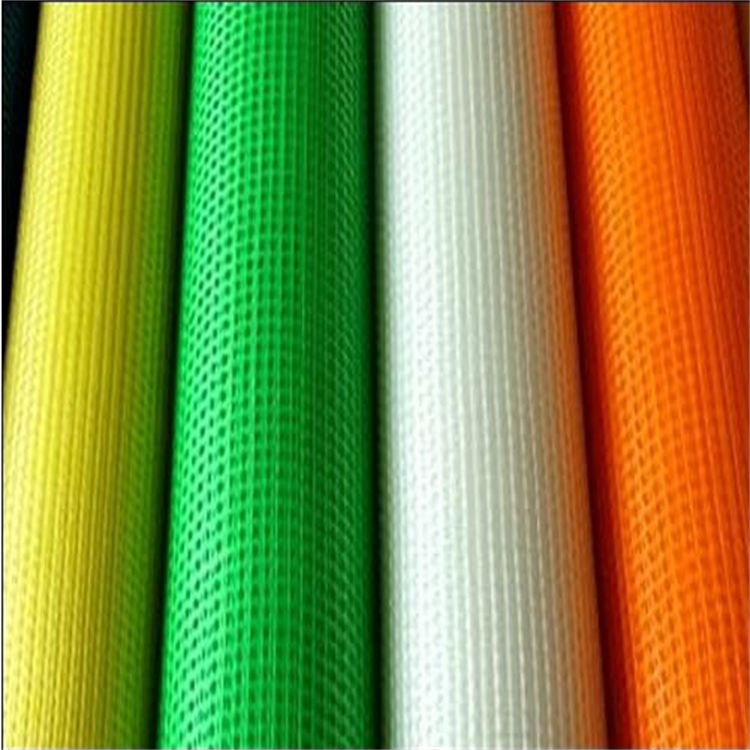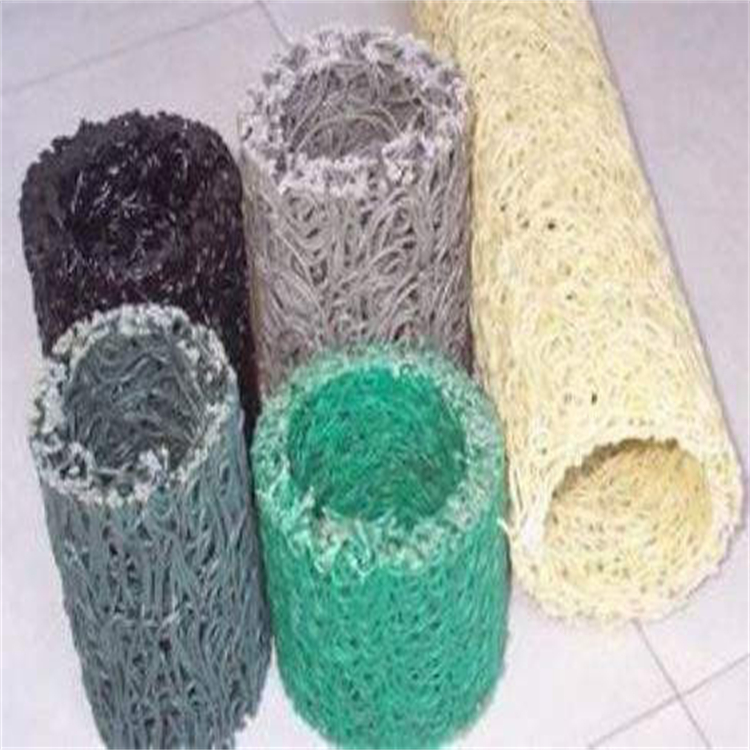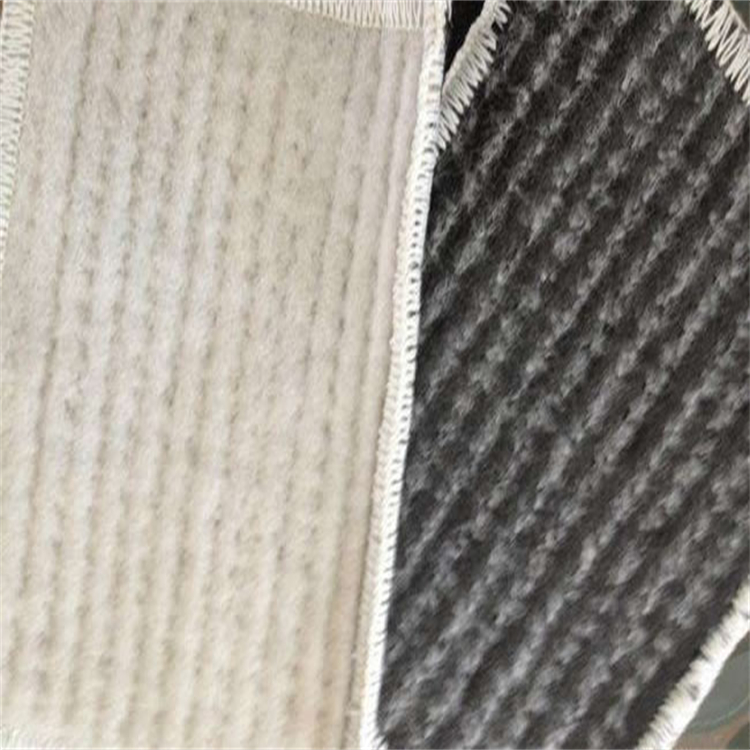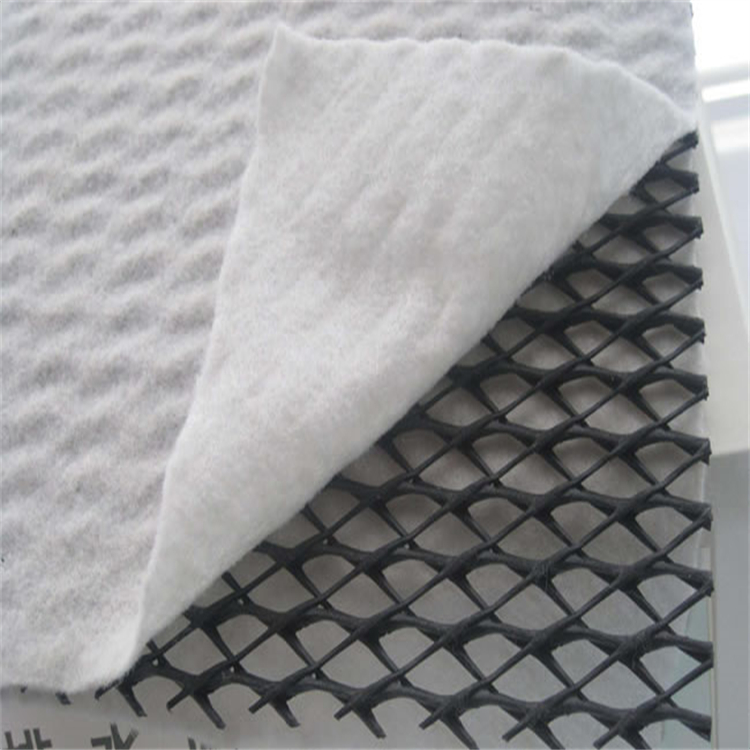

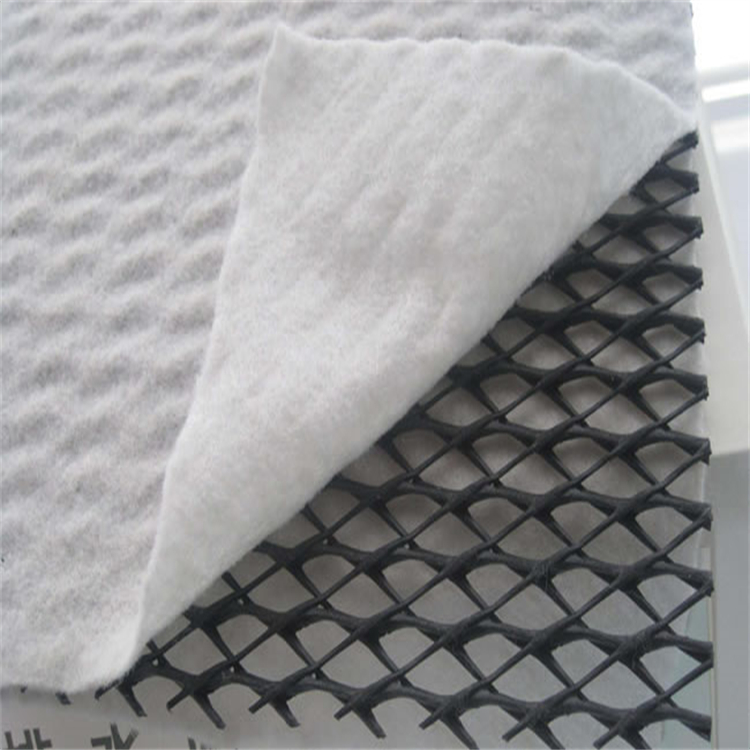


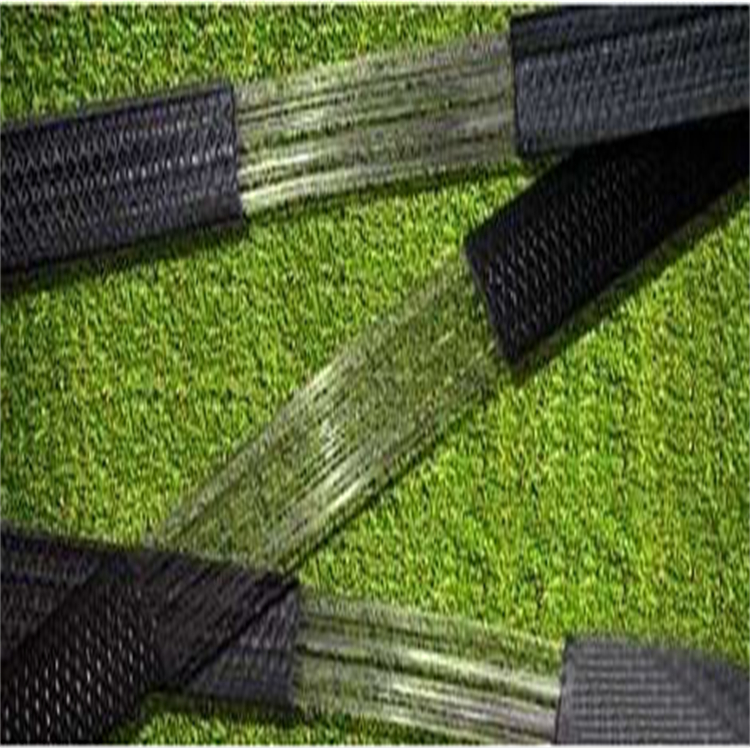





A three-dimensional drainage network is a three-dimensional spatial structure with drainage channels formed by arranging three ribs at a certain distance and angle. The middle rib has greater rigidity, forming a rectangular drainage channel. The three-layer ribs that make up the drainage network have high longitudinal and transverse tensile strength and compressive strength. The drainage guide groove formed between the three-layer ribs is not easily deformed under high loads, which can prevent geotextiles from being embedded in the geotextile core. It has a comprehensive performance of "filtration drainage breathability protection" and is currently an ideal drainage material.
feature
1. When the load is 720kPa and the gradient is 2%, the permeability is 2500m/d and the flow rate is 13pm/m.
2. After withstanding a load of 1200kPa for 10000 hours, the creep test retained over 60% of its thickness,
3. The carbon black content of the three rib drainage network core is not less than 2%, the density is 0.94g/cm3, the tensile strength is not less than 36.5kN/m, the melt index is 1.0 g/10min, and the thickness is 7.6mm.
4. The non-woven geotextile has an apparent pore size of 0.18mm, a permeability of 0.26 Sec-1, a permeability of 0.2cm/sec, a puncture strength of 580N, a trapezoidal tear strength of 356 N, a grip tensile strength of 900 N, a grip tensile strength of 50%, and a burst strength of 2750kPa.
application
1. Laying between the foundation and base, used to drain accumulated water between the foundation and base, block capillary water, and effectively integrate into the edge drainage system. This structure automatically shortens the drainage path of the foundation, greatly reduces the drainage time, and can also reduce the amount of selected foundation materials used (i.e., materials with more fine materials and lower permeability can be used). It can extend the service life of roads.
2. Laying a three-dimensional composite drainage network on the subgrade layer can prevent fine materials from entering the subgrade layer (i.e., serve as a barrier). The aggregate base layer will enter the upper part of the geonet to a limited extent. In this way, the composite geotextile drainage network also has a potential function of restricting the lateral movement of the aggregate base layer, similar to the reinforcement effect of geogrids. Generally speaking, the tensile strength and rigidity of composite geotextile drainage networks are superior to many geogrids used for foundation reinforcement, and this limiting effect will improve the support capacity of the foundation.
3. After the road ages and cracks form, most of the rainwater will enter the cross-section. In this case, the three-dimensional composite drainage network is directly laid under the road surface instead of a drainage foundation. The three-dimensional composite drainage network can collect water before it enters the foundation/subgrade layer. Moreover, a layer of film can be wrapped around the bottom of the three-dimensional composite drainage network to further prevent moisture from entering the foundation. For rigid road systems, this structure allows for the design of roads with a higher drainage coefficient Cd. Another advantage of this structure is that it may enable more uniform hydration of concrete (research on the extent of this advantage is currently underway). This structure can extend the service life of both rigid and flexible road systems.
4. Under northern climate conditions, laying a three-dimensional composite drainage network can help alleviate the impact of frost heave. If the freezing depth is very deep, the geonet can be laid in a shallower position in the foundation to block capillary action. In addition, it is often necessary to replace it with a granular base layer that is not prone to frost heave and extends downwards to the freezing depth. The backfill soil that is prone to frost heave can be directly filled on top of the three-dimensional composite drainage network until the ground surface line is reached. In this case, the system can be connected to a drainage outlet to keep the groundwater level at or below this depth. This can potentially limit the development of ice crystals, without restricting traffic loads during spring ice melting in cold regions.