







Features:
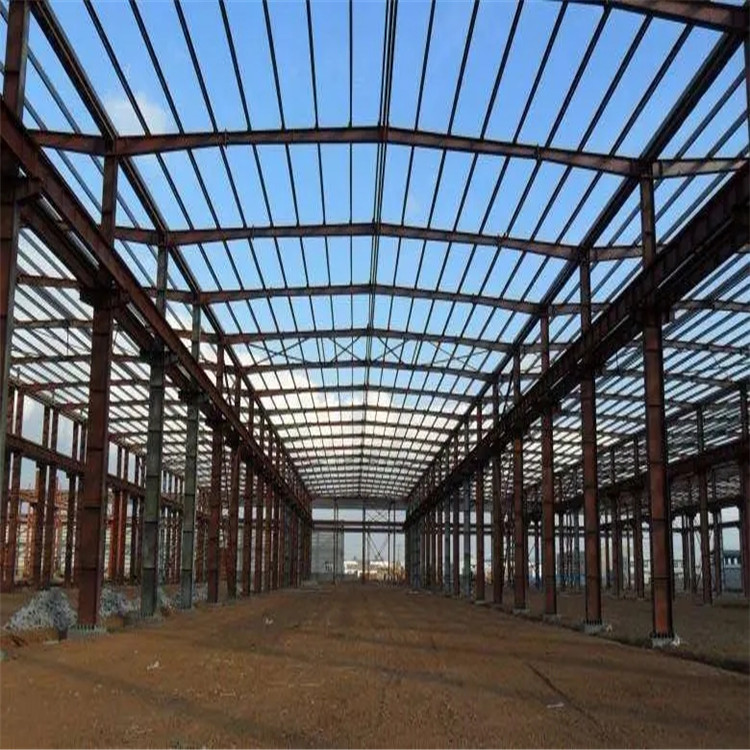
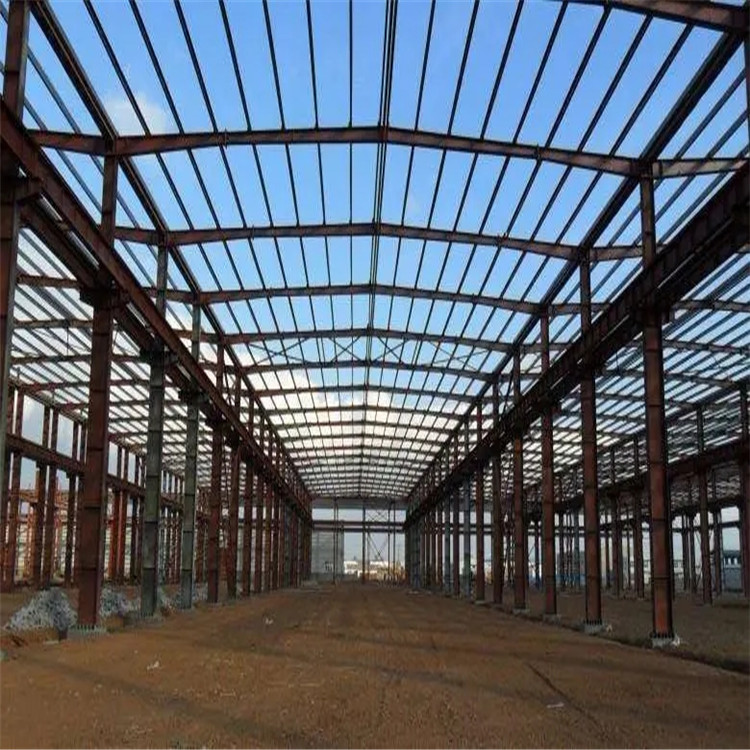
In the construction of greenhouses, steel pipes, covering materials, etc. are needed. The materials selected based on the strength requirements of the greenhouse have certain requirements, such as the thickness of the steel pipe. Taking steel pipes as an example, there are currently three commonly used types of steel pipes in greenhouses, namely galvanized steel pipes, oilfield pipes, and ordinary iron pipes.
1. Galvanized pipe
Relatively speaking, hot-dip galvanized pipes are more popular, mainly because their galvanized layer is not easy to fall off, thus having strong rust prevention and pressure resistance, as well as being less prone to bending and having a long service life. These advantages have attracted more users.
When selecting this type of steel pipe for building vegetable greenhouses, different diameters of steel pipes should be chosen according to the width of the greenhouse. Generally, for greenhouses with a width exceeding 10 meters, steel pipes with a diameter of 5 centimeters should be selected to enhance the compressive strength of the vegetable greenhouse; For sheds with a width of less than 10 meters, steel pipes with a diameter of 4.5 centimeters are sufficient. And before use, it is necessary to bend it according to the curvature of the canopy surface in advance.
2. Oilfield pipe
Its characteristics are small diameter and strong elasticity. When installed in vegetable greenhouses, there is no need to bend it in advance, saving a lot of trouble. But this type of steel pipe is prone to rusting, and rusting can cause pollution to the greenhouse film of vegetable greenhouses, so it is necessary to apply anti rust paint in a timely manner.
3. Ordinary iron pipe
Relatively speaking, its price is very affordable, but it does not have much rust prevention ability. It needs to be bent and shaped according to the arch of the shed before use, and anti rust paint needs to be applied in a timely manner to extend the service life of the iron pipe.