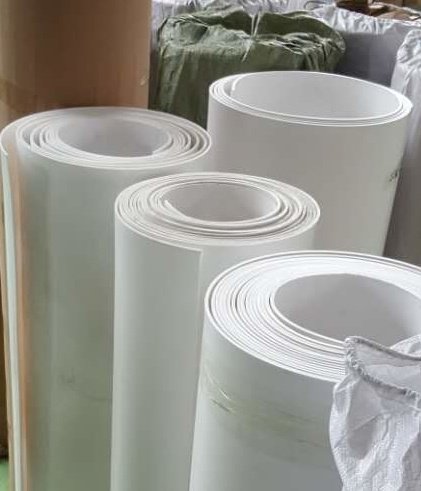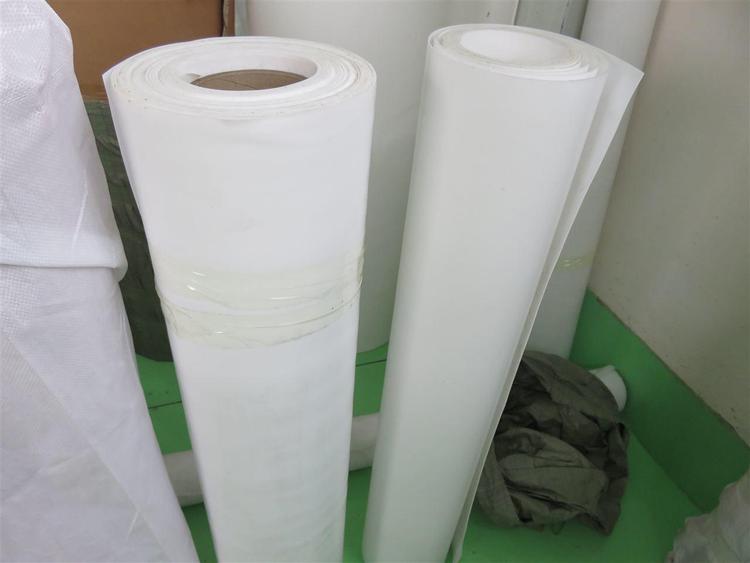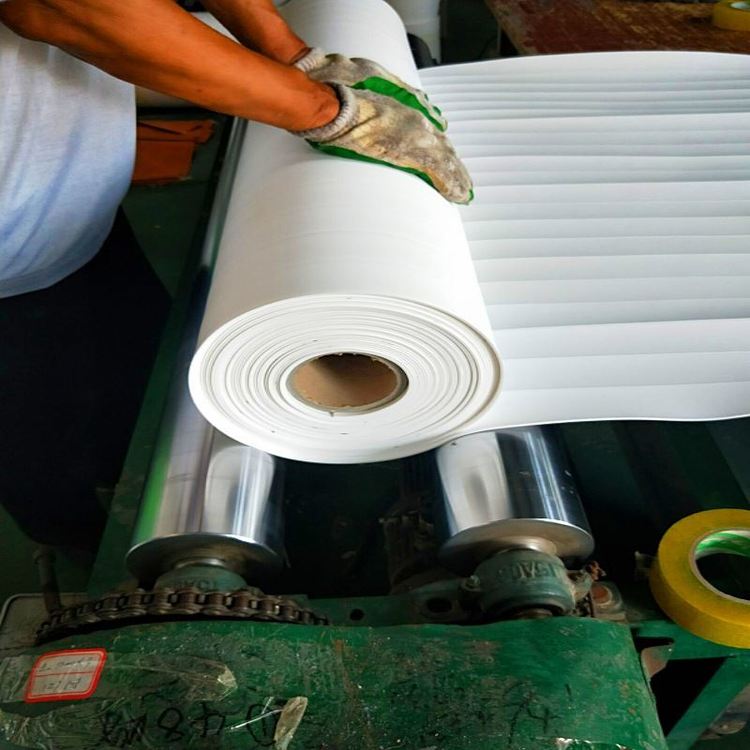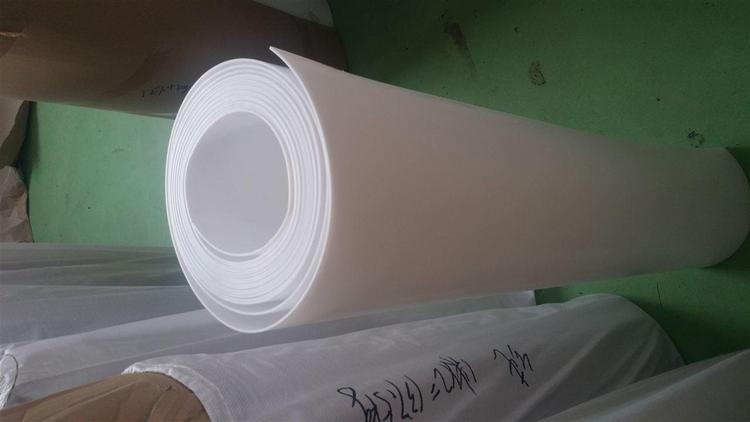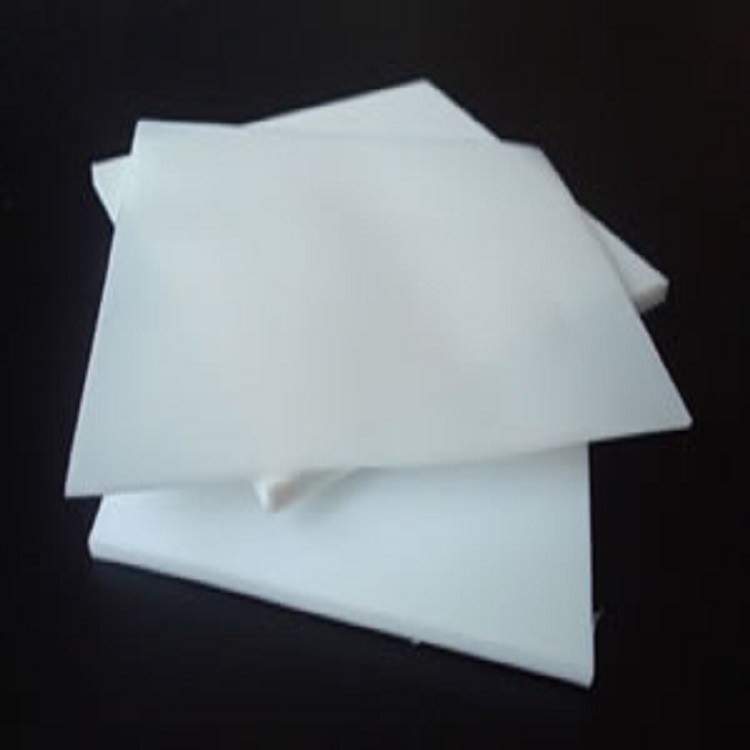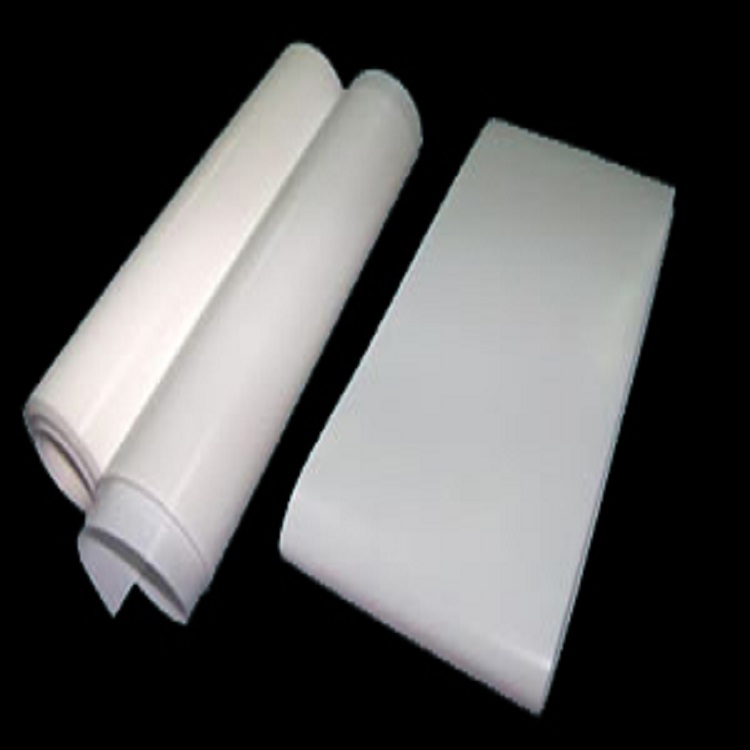

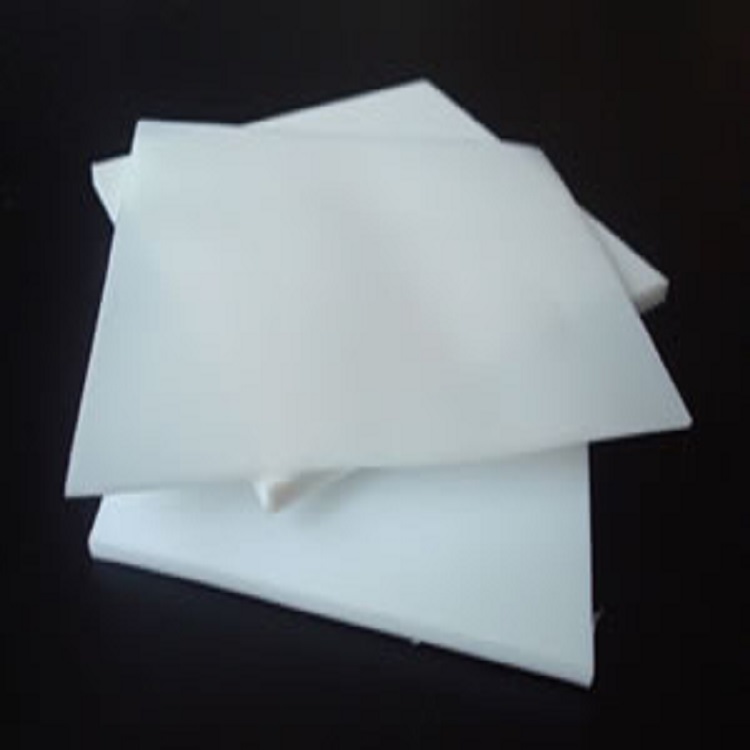
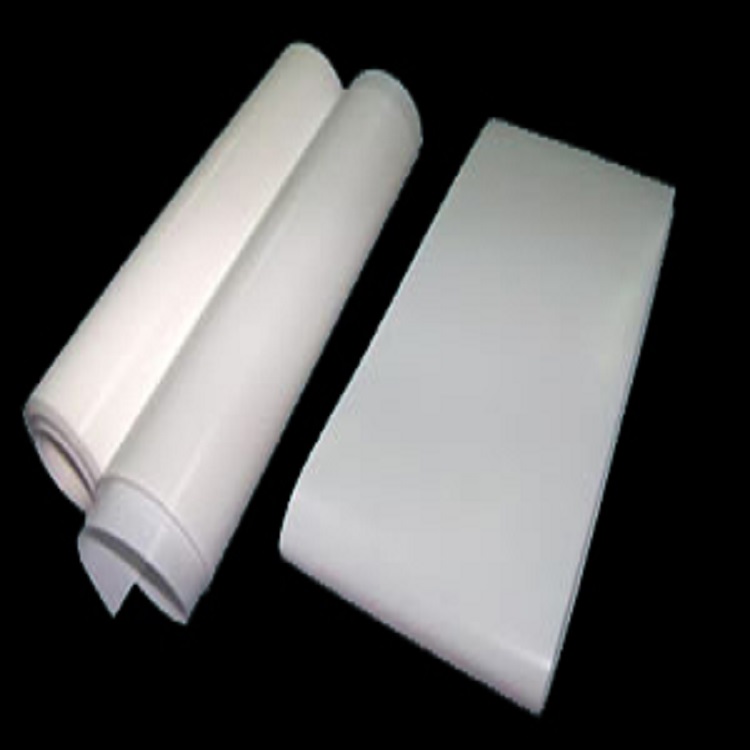











Why is it necessary to use 5mm polytetrafluoroethylene stair board on building stairs? Its production has solved many problems in China's chemical, petroleum and other fields. PTFE seals, gaskets, and washers are made by molding suspended polymer PTFE resin. Compared with other plastics, polytetrafluoroethylene has the characteristic of chemical corrosion resistance and has been widely used as a sealing material and filling material.
Why is it necessary to use 5mm PTFE stair treads on building stairs? PTFE stair treads are currently known to have a low friction coefficient among solids (even smaller than ice). At the same time, the pressure used in the production of PTFE boards should be greater than 30MPa, and the tensile strength of the product itself should be greater than 15MPa (equivalent to the strength of C15 concrete in buildings). The tensile rate should be greater than 150%. The selection of PTFE stair treads in this area is based on two factors: excellent sliding performance and reliable strength and tensile rate.
Detailed introduction to the construction process of 5mm PTFE stair pad, PTFE stair board, and PTFE stair board:
1. Clean the surface of the stairs and do not allow sharp particles.
2. Lay plastic wrap.
3. Use polyethylene PTFE board for laying stairs.
4. Bolt fixation (note: spacing, edge distance).
5. Perform pouring.
The stair step base is made of 5mm polyethylene PTFE board
Design thickness of polyethylene PTFE board for staircase construction -5mm thick
Common specifications for staircase PTFE board: 1350 * 280 * 51450 * 280 * 51500 * 280 * 51700 * 280 * 51800 * 280 * 51900 * 280 * 51300 * 300 * 51400 * 300 * 51500 * 300 * 51650 * 300 * 5
PTFE board, PTFE stair board price
The polytetrafluoroethylene staircase board is made of suspended polytetrafluoroethylene resin through molding processing, and is divided into two types according to the production process: molded board and turned board. Polytetrafluoroethylene (PTFE) has excellent chemical corrosion resistance and dielectric properties among known plastics. It does not age or stick, and can be used at temperatures ranging from -180 ℃ to+280 ℃ under no-load conditions. In known solid materials, it has a low coefficient of friction.
2. Purpose: Processing and manufacturing gaskets, seals, lining partitions, scrapers, guide rails, as well as electrical insulation components and bridge support sliders used at various frequencies.
3. Specification: Customized according to customer requirements, with a large amplitude of 1.5 meters for PTFE sheet.
Polytetrafluoroethylene stair board is mainly used in engineering stairs as a hard polytetrafluoroethylene stair support, which is widely used in modern staircase applications. Because the stairwell does not participate in the overall seismic calculation of the structure, sliding supports need to be designed according to traffic restrictions. The variety and specifications of PTFE boards used for stairs must comply with the design requirements and construction specifications. Require the surface of polytetrafluoroethylene board to be flat, clean, and free from any damage.
Usage: The thickness of the PTFE board for stairs is generally 5mm, and its length is the length of the stair board; The width is the step width. Cutting the PTFE board on the stairs requires the use of a profile cutting machine for cutting. After the installation of the staircase PTFE board is completed, cover the easily contaminated areas with adhesive paper iron covers or plastic film for protection. Safety guardrails should be installed to protect the easily scratched areas.
PTFE board, PTFE stair board, PTFE stair board appearance standard:
(1) The color of the board is the natural color of the resin.
(2) The texture should be uniform, the surface should be smooth, and there should be no defects such as cracks, bubbles, delamination, mechanical damage, knife marks, etc.
(3) Allow for slight cloud like looseness.
(4) Allow no more than one non-metallic impurity with a diameter of 0.1-0.5mm and no more than one non-metallic impurity with a diameter of 0.5-2mm on a 10 × 10cm area.
(5) The density is 2.1-2.3T/m3