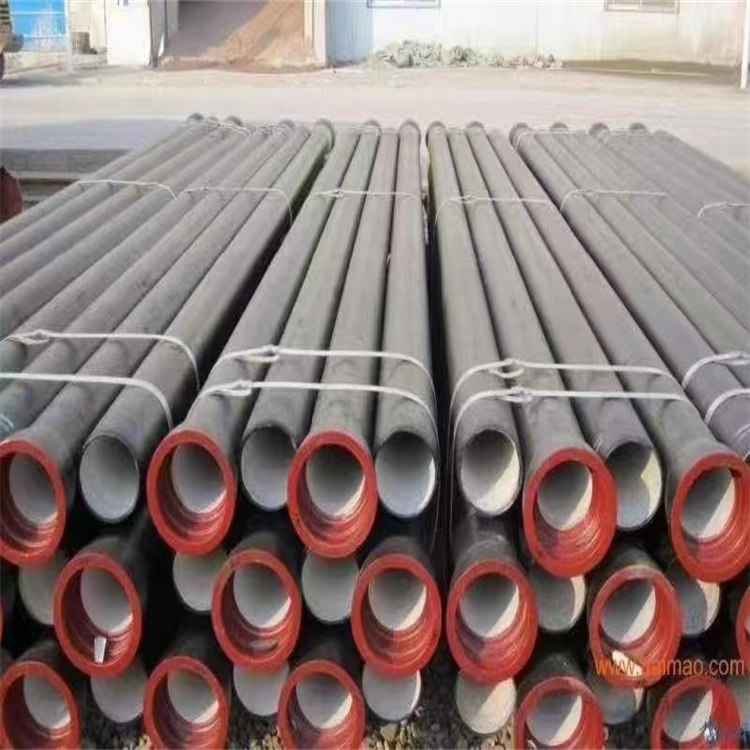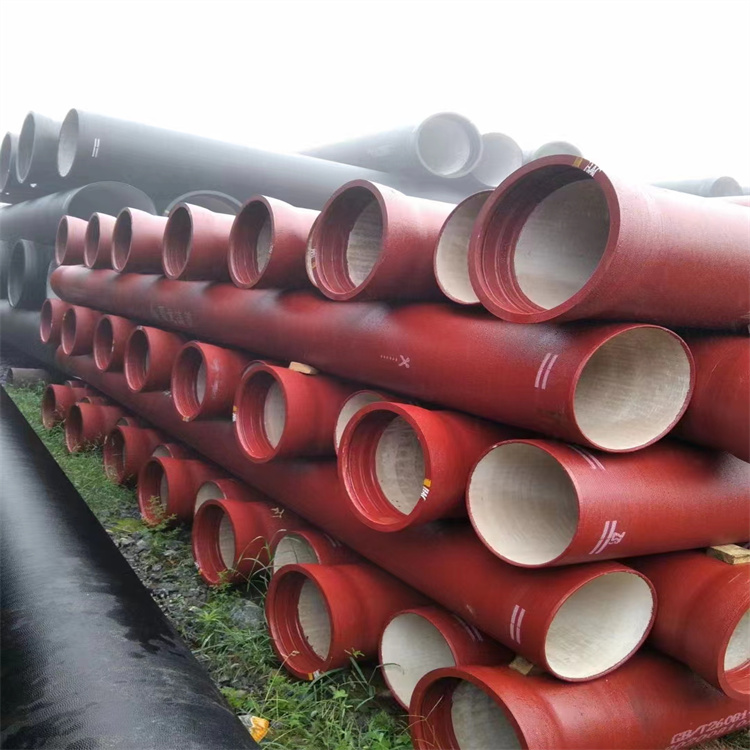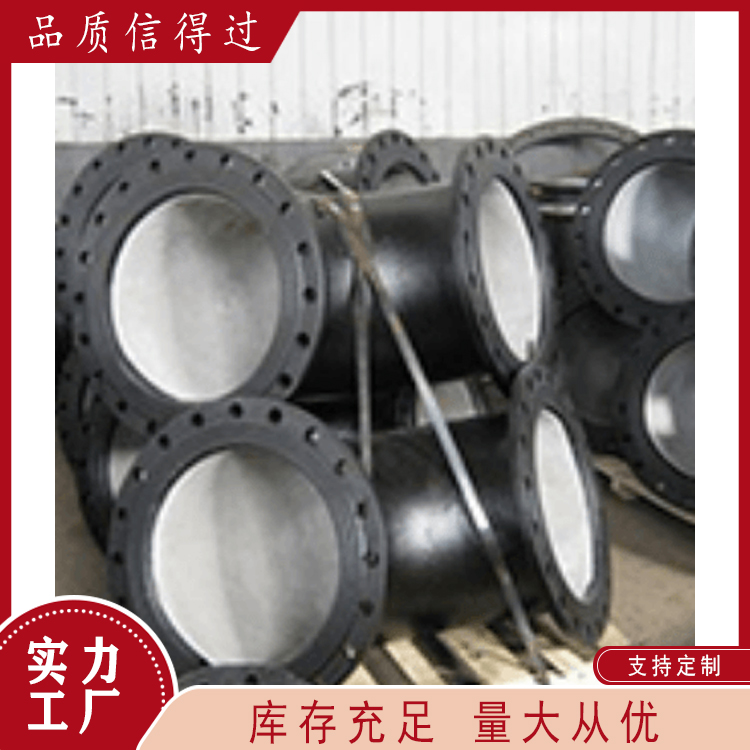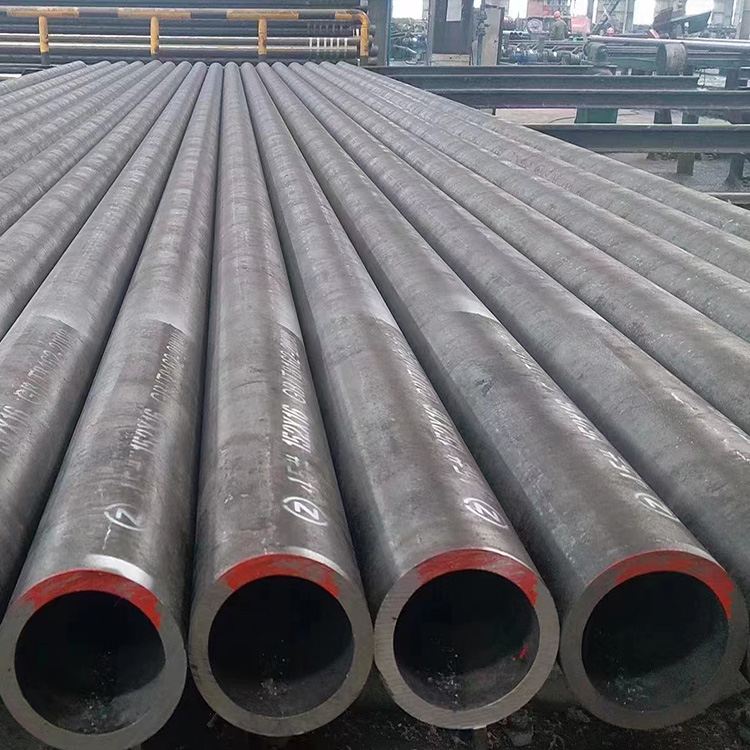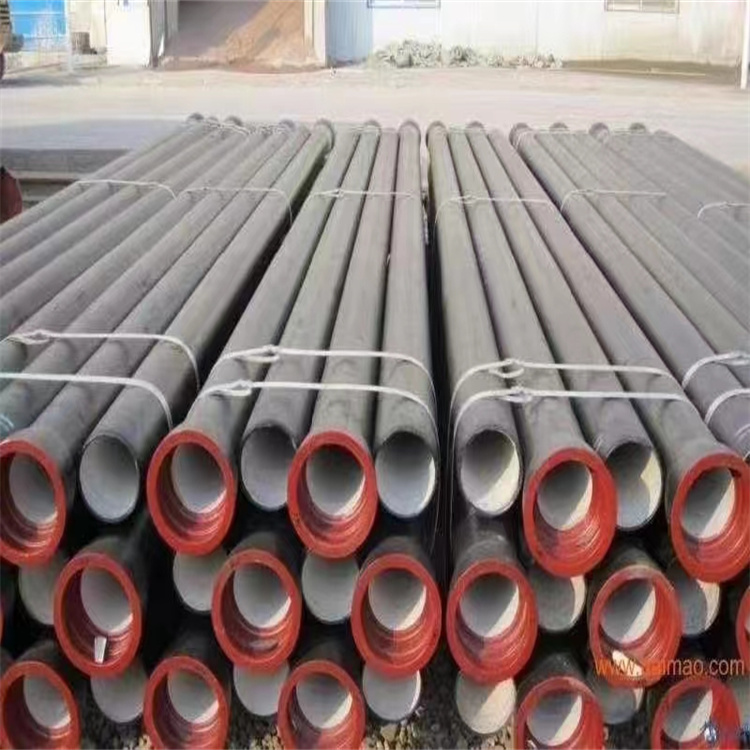

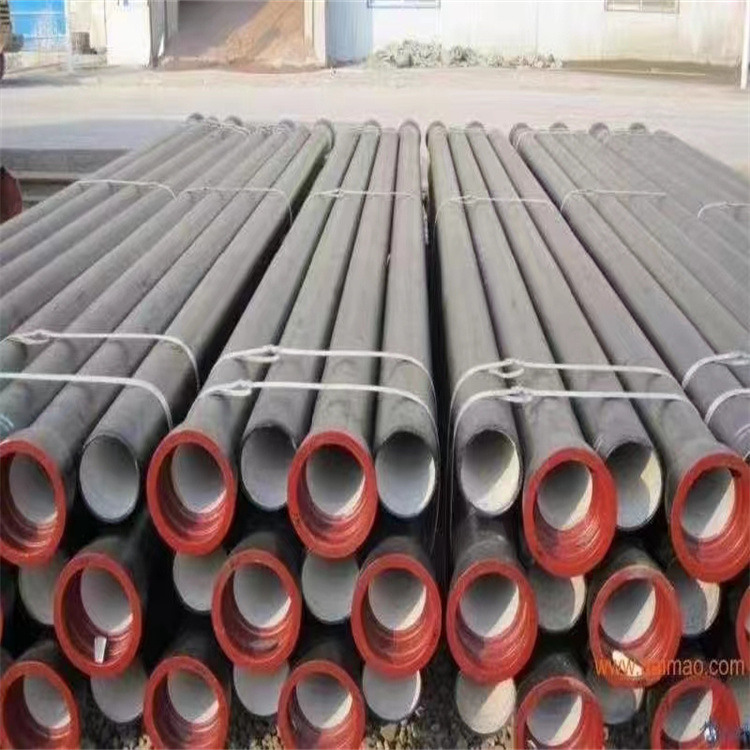
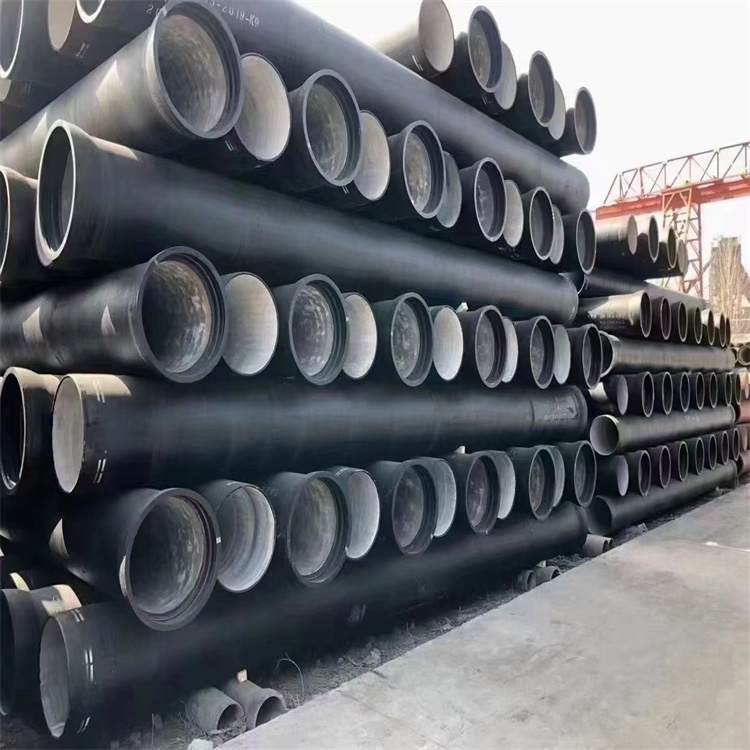
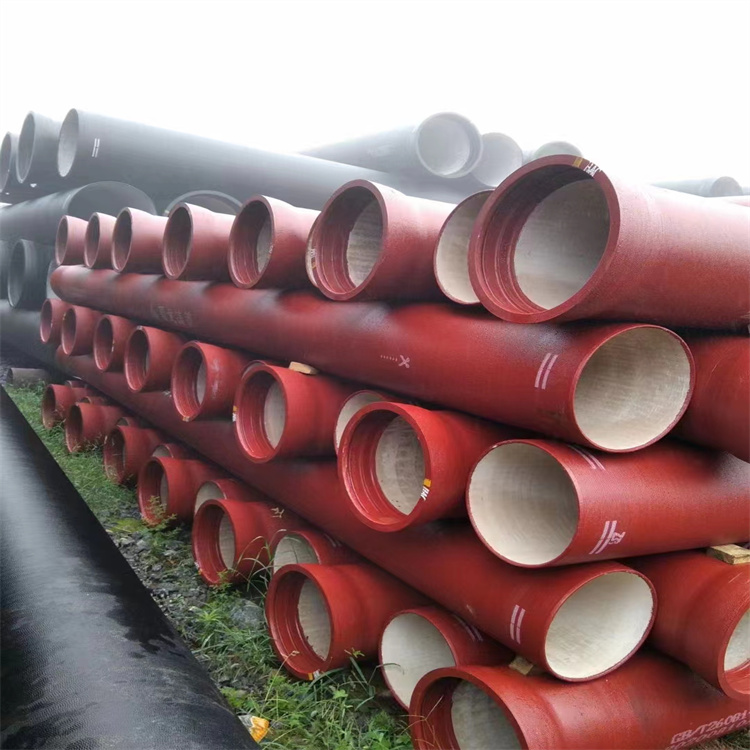


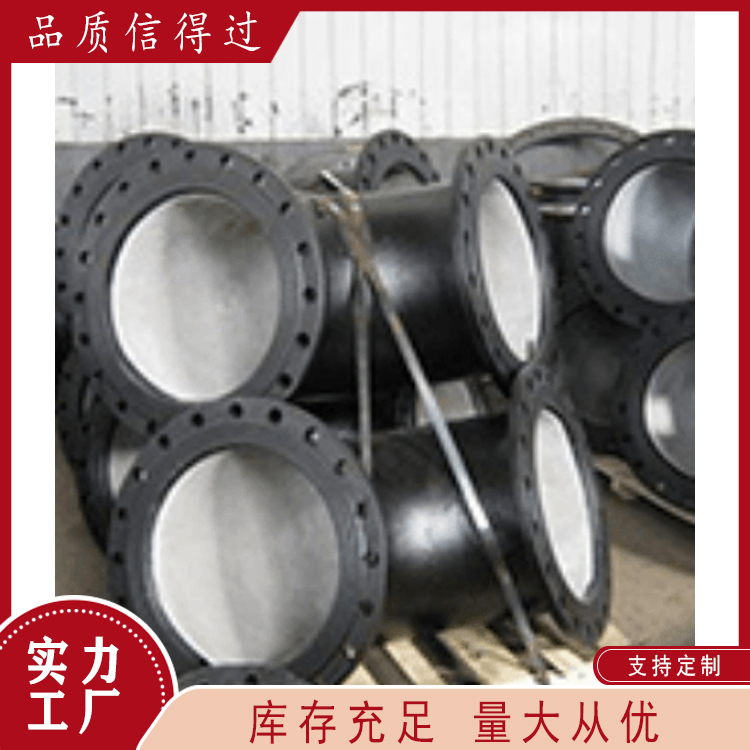
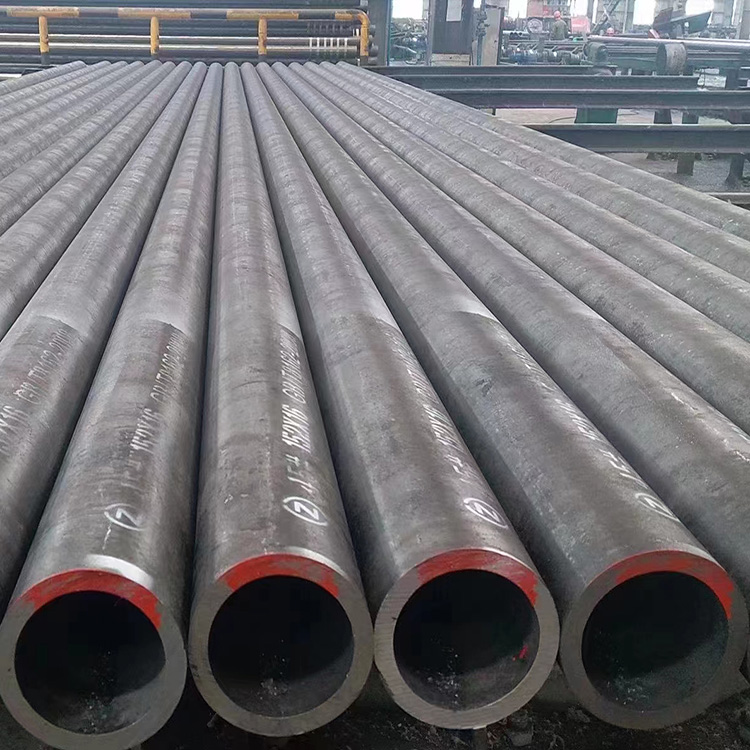





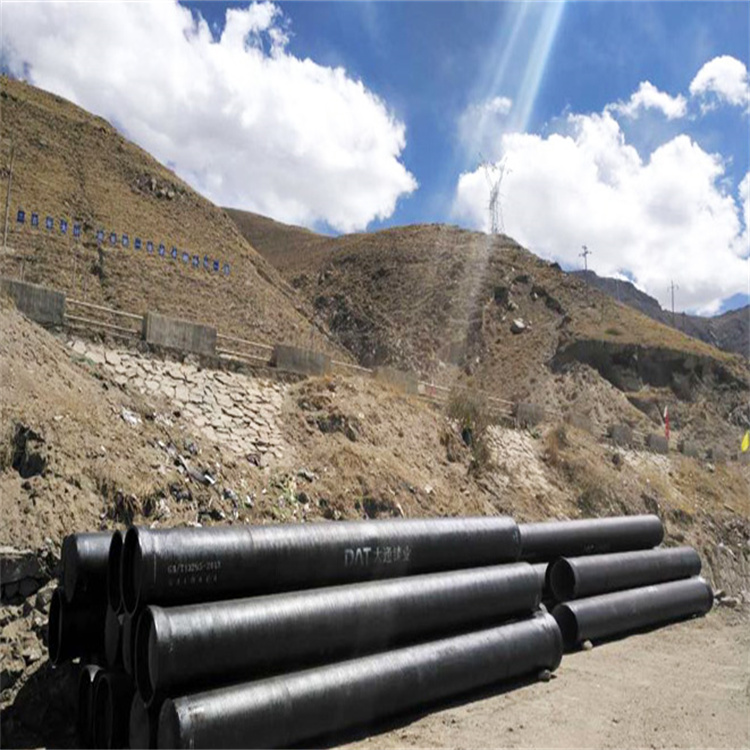
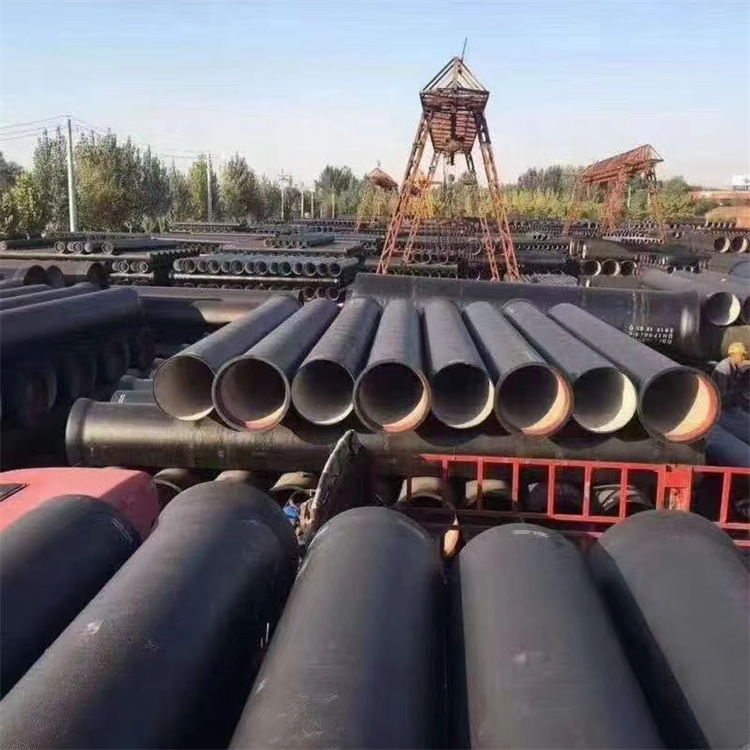
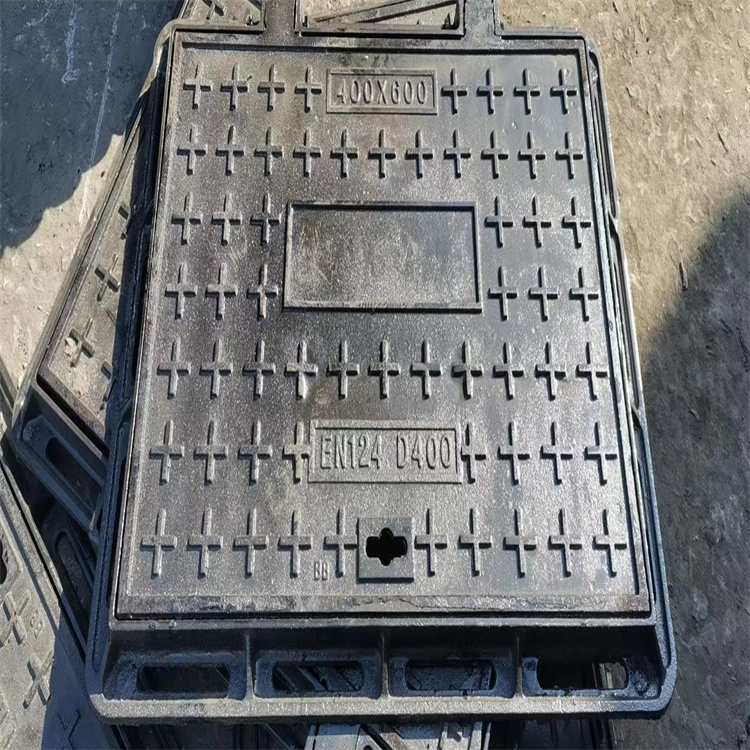
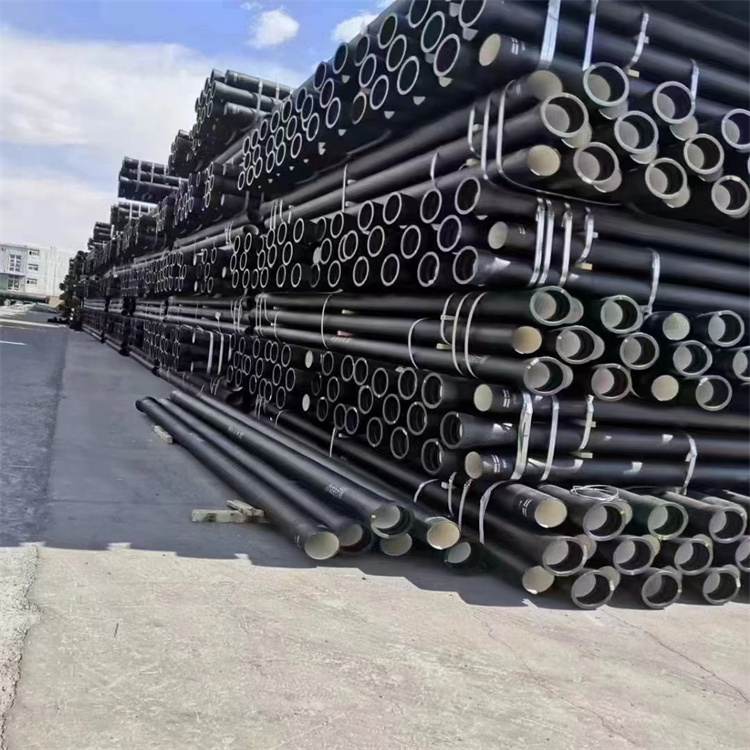
 Non-centrifugal ductile iron pipes are made using traditional pipe drawing technology (also known as continuous ductile iron pipes), and their quality is not very guaranteed.
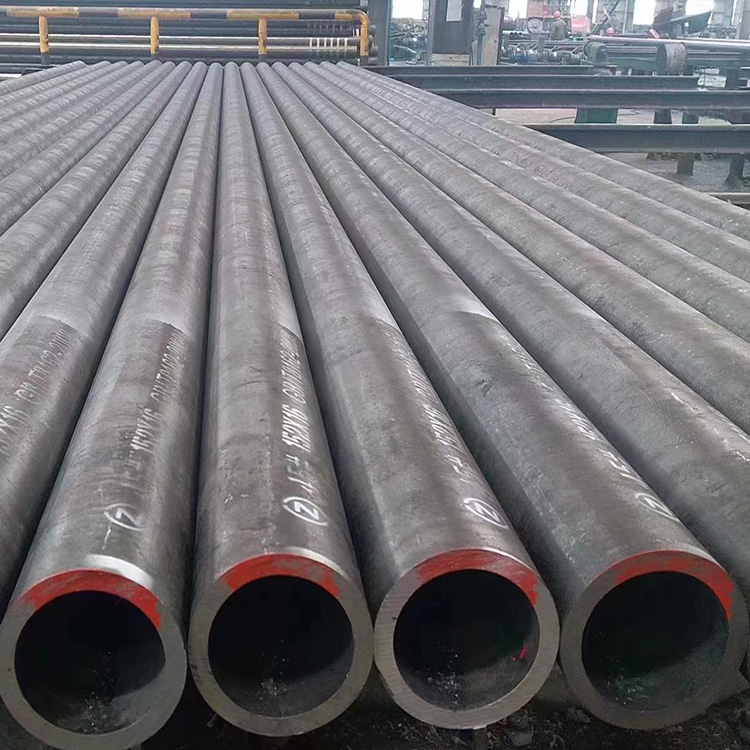
Centrifugal ductile iron pipes are manufactured through the centrifugal casting process, ensuring high quality. They are primarily used for water, oil, and gas transmission pipelines.
How to install ductile iron pipes?
1. Location: Select the installation route for ductile iron pipes based on soil quality and nearby pipelines, and create construction drawings. Pay special attention to avoiding corrosive and unsafe installation routes.
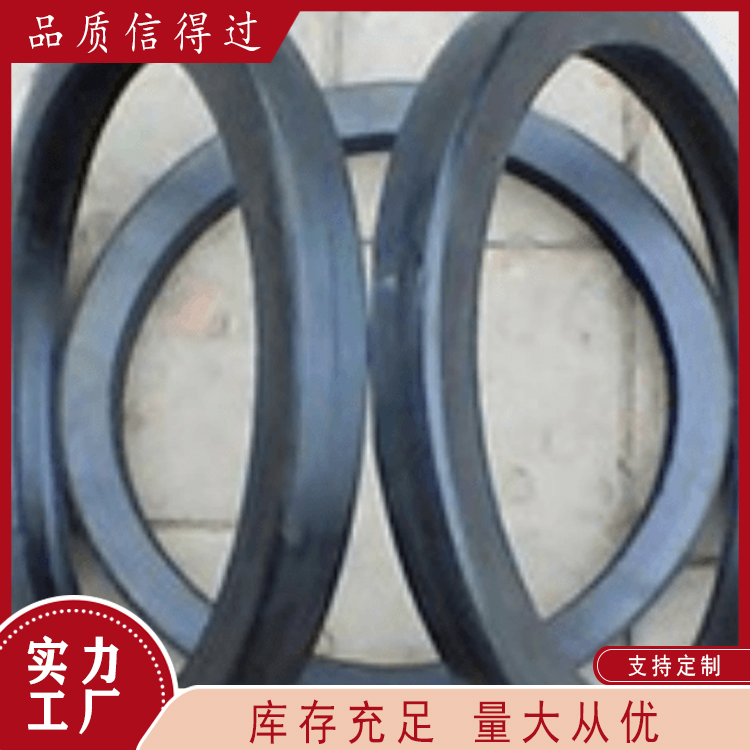
2. Pipe laying requires the use of large equipment such as excavators and cranes. According to experience, a 10-meter-long ductile iron pipe is suitable for being laid by 2 to 3 workers. The gasket should be placed in the socket groove and pressed down by hand.
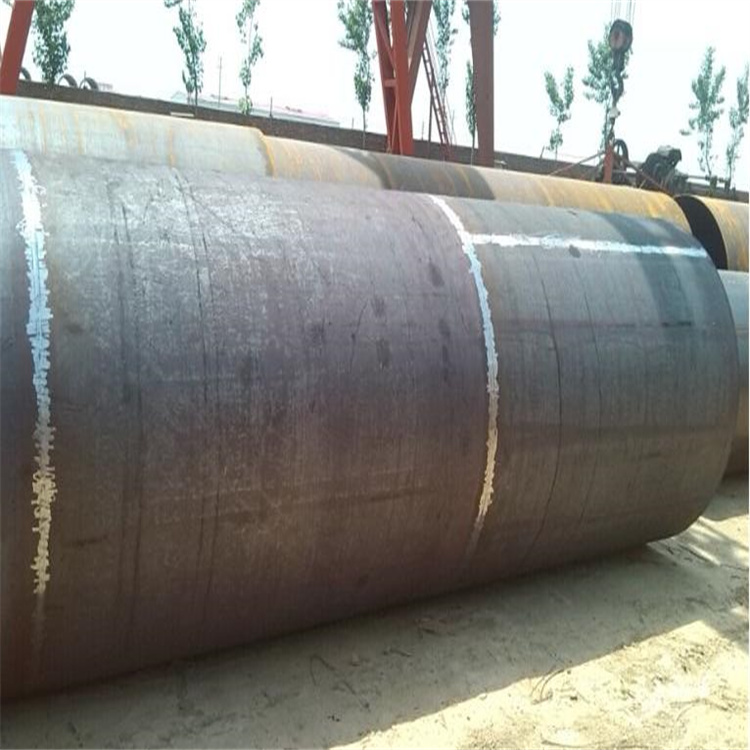
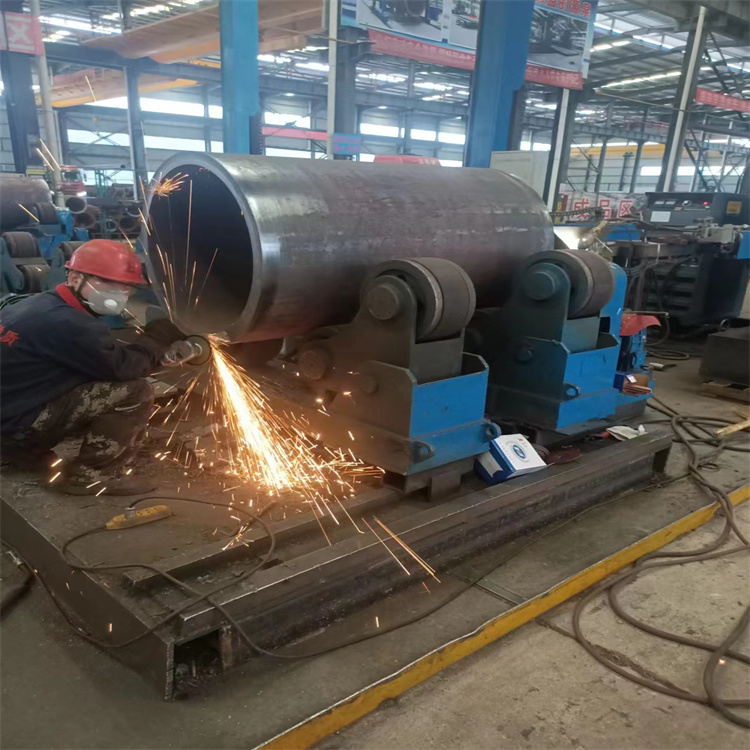
3. Determine the pipeline distance; primarily, this involves cutting off excessively long pipes and machining the end with a bevel shape according to the construction angle for ease of application.
4. Tube Body Measurement – Measure the tube body to determine the installation arc, gaps, and intersections, which form straight-line clearances, angle clearances, to ensure stability and prevent displacement.
5. Alignment Marking. The purpose of the alignment marking is to ensure that the axis lines of the fixed and moving pipes are on a straight line identical to the wheelbase. This stage is crucial for maintaining both the quality and speed of installation, and to prevent the dislodging of pipe seals that could affect quality and progress.