










Overview and Application
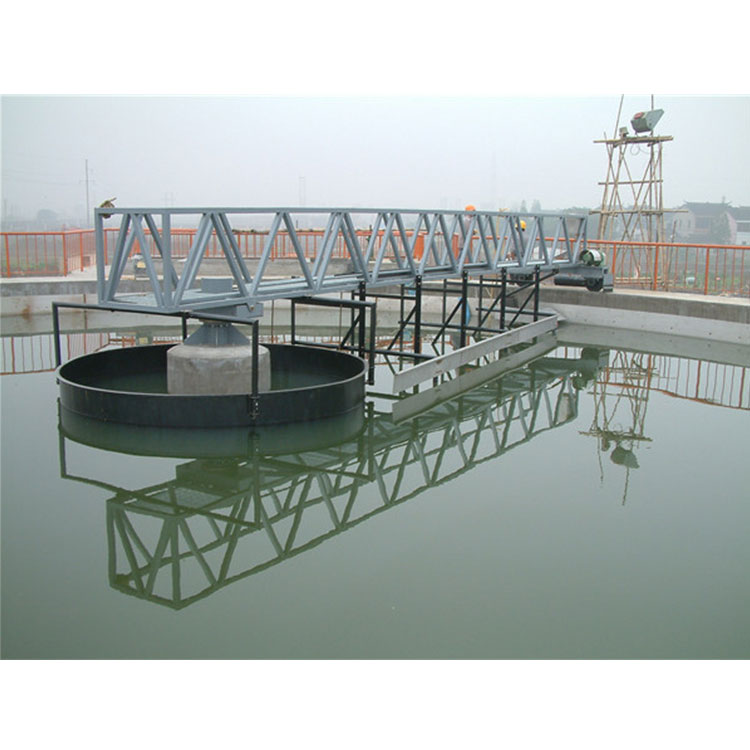
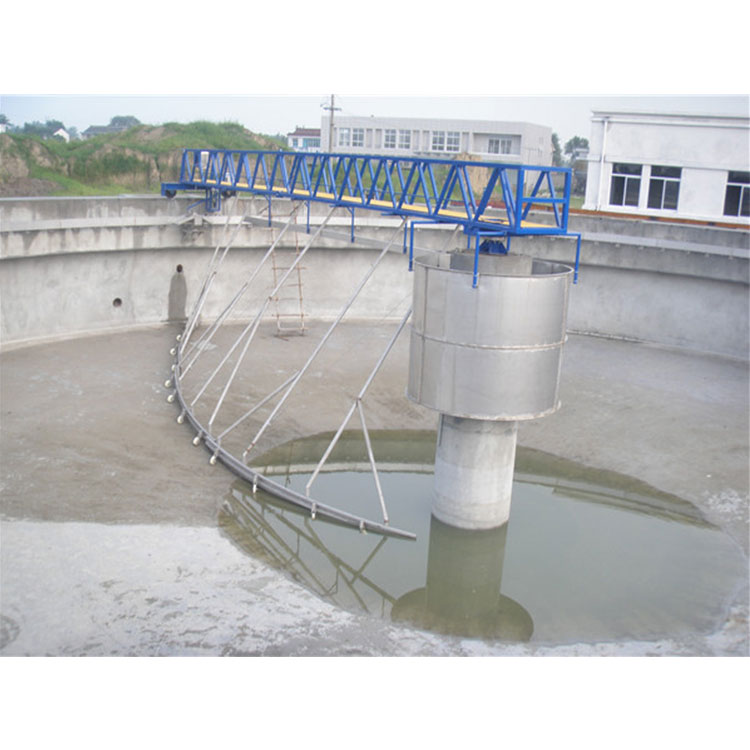
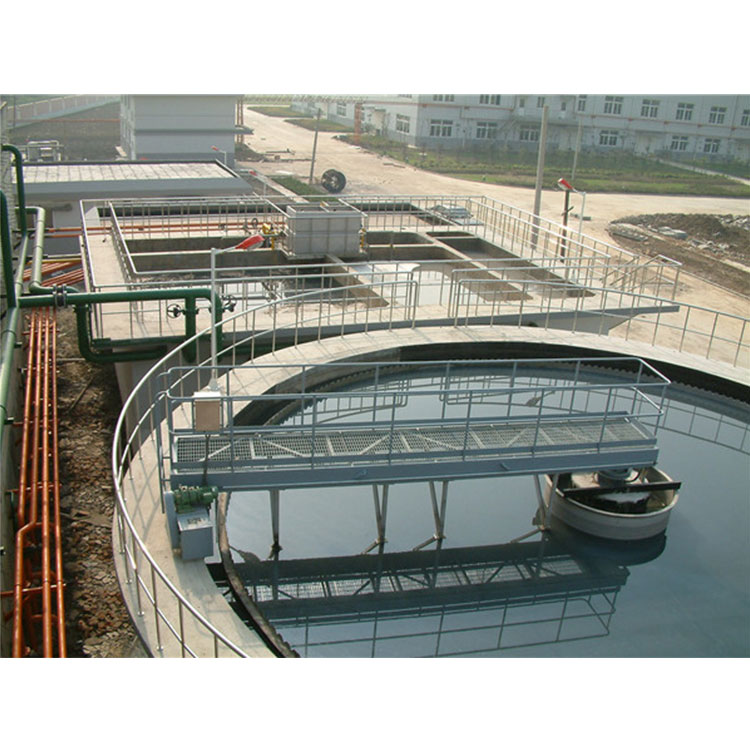
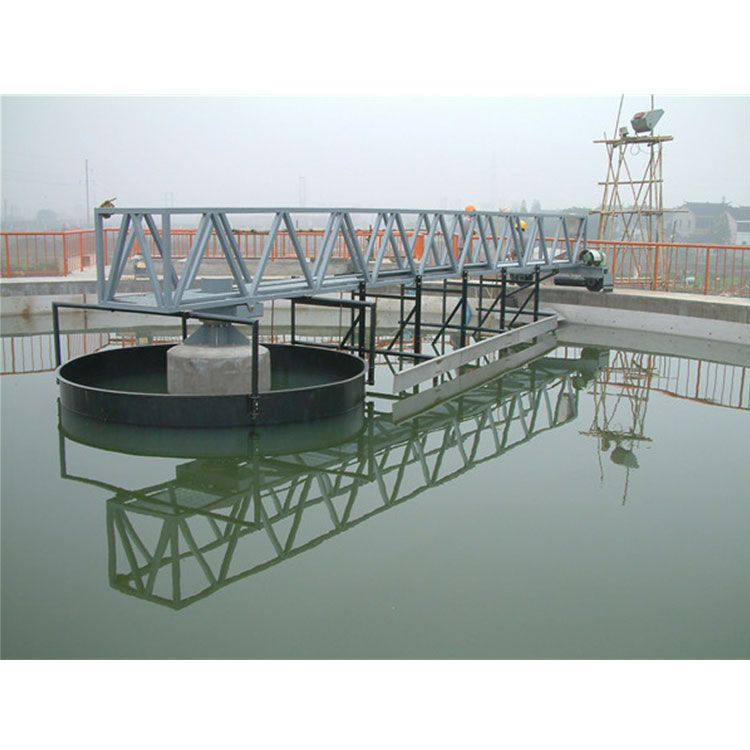
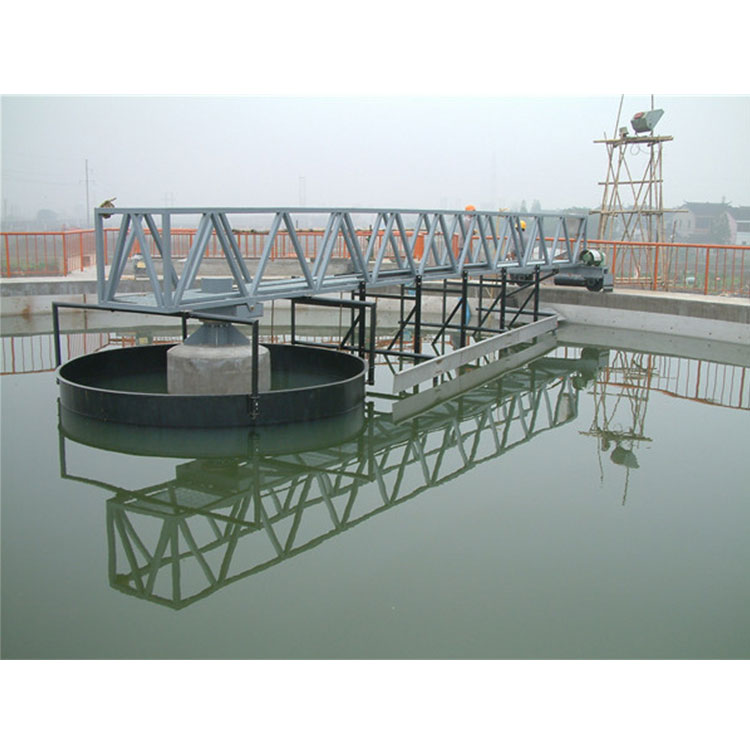
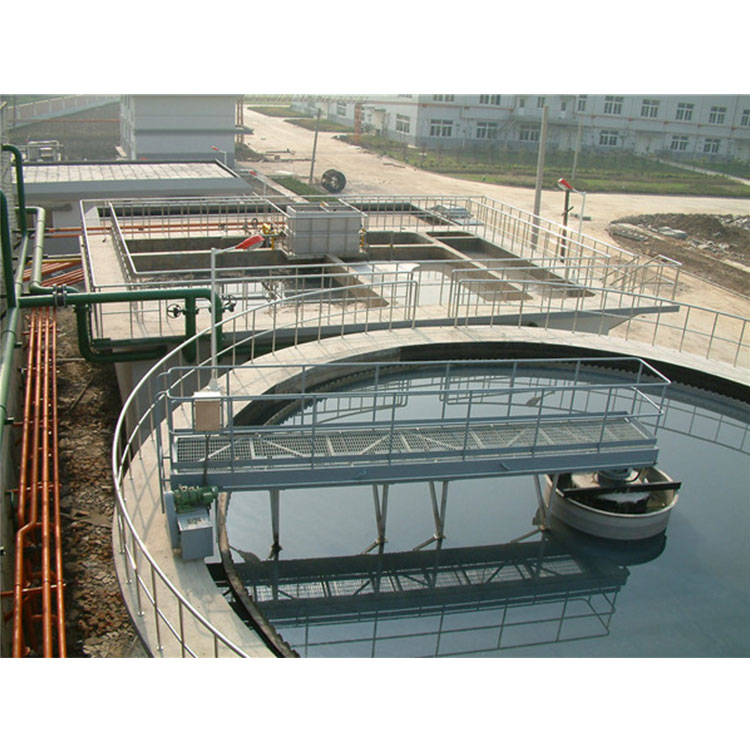
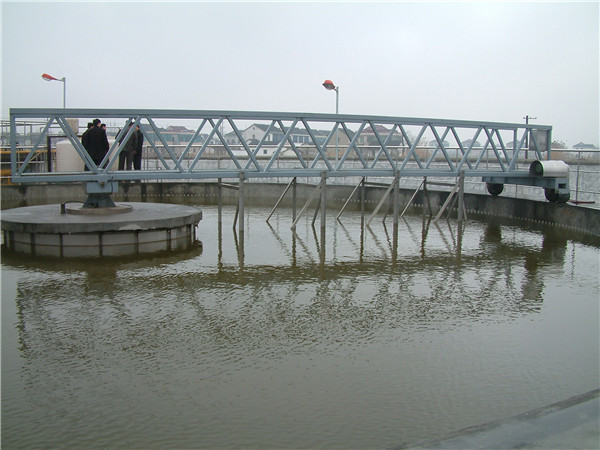
Peripheral drive series sludge scrapers are used in circular sedimentation tanks of wastewater treatment plants to scrape settled sludge at the bottom of the tank into a sludge pit for recycling or concentration and dewatering, and to skim the surface scum into a scum collection hopper, which is then discharged out of the tank through a scum funnel for further processing.
Model Features
Features
Simple structure, lightweight: The truss structure and single driving mechanism significantly reduce the weight.
2. Simple and convenient maintenance, low operation costs.
3. New transmission mechanism with shaft-mounted reducer for high efficiency. Standard solid tires are used for the walking wheels, offering a compact structure and easy installation.
4. Electrical components are all outdoor-type, safe and reliable, featuring both random and remote control capabilities.
5. Walk wheels are available in rubber, nylon, or steel, can be custom-made to the customer's specific size, and mail that comes into contact with water can also be made from stainless steel.
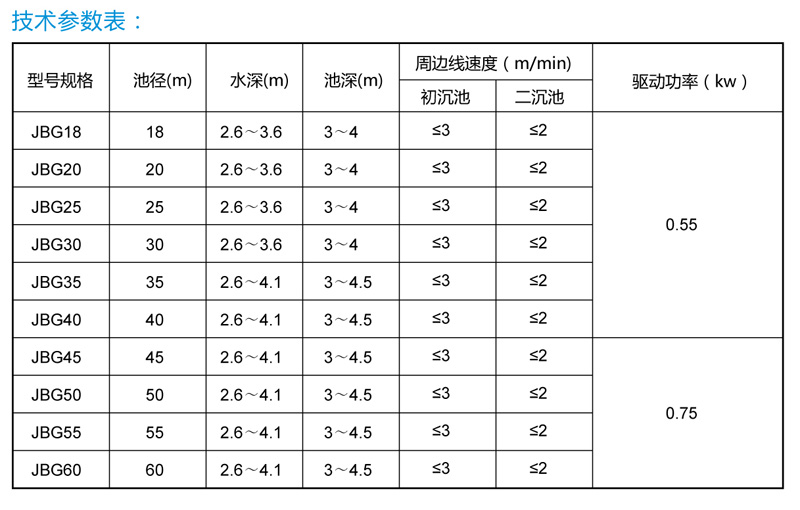
Parameters and specifications
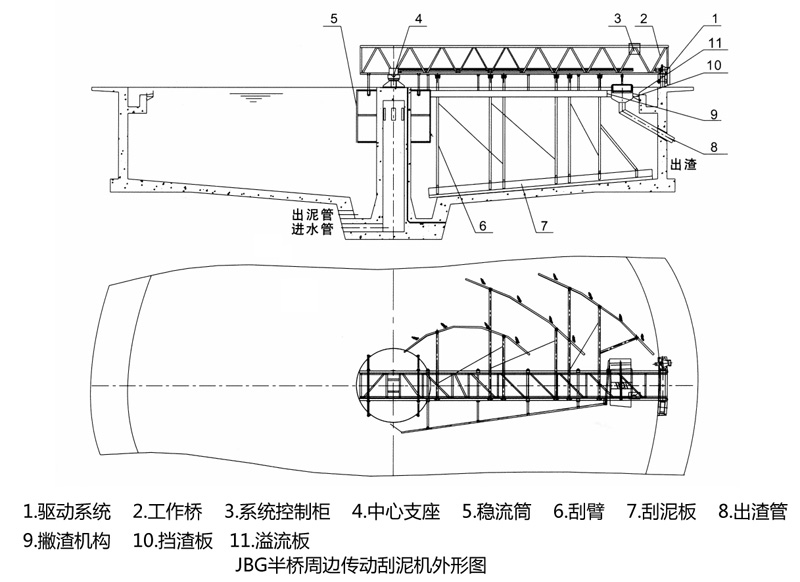
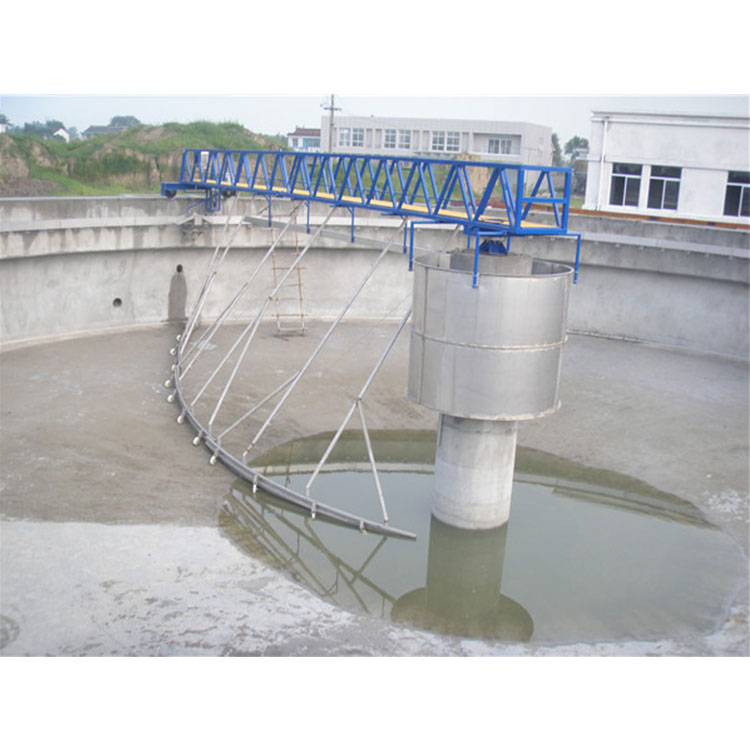
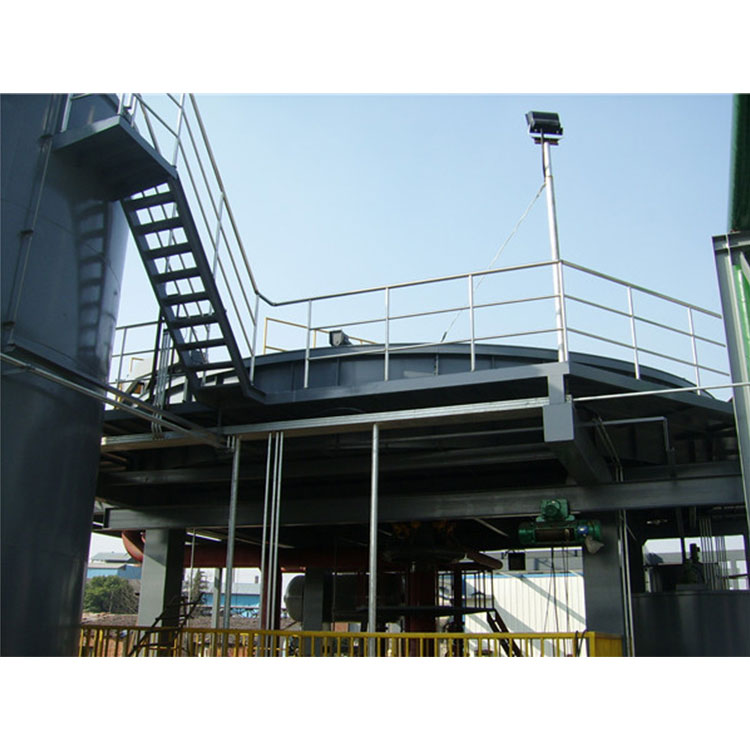
The peripheral drive scraper is as shown in Figure 1, consisting of a working bridge, small scraper, flow stabilizer tube, mud scraper truss, overflow device, central support, driving mechanism, slag scraper, collector, and electric control box.
The working bridge is driven by a driving mechanism installed around it, rotating around a central support mounted at the center pier of the pond. A set of scraper blades mounted on the working bridge scrape sludge settled at the bottom of the pond towards the central mud collection pit as it rotates. At the same time, the floating debris on the surface of the liquid is concentrated in a constricted area formed by the scraper blades and surrounding baffles, and is then scraped into the collection bin by the scraper rake and discharged out of the pond.