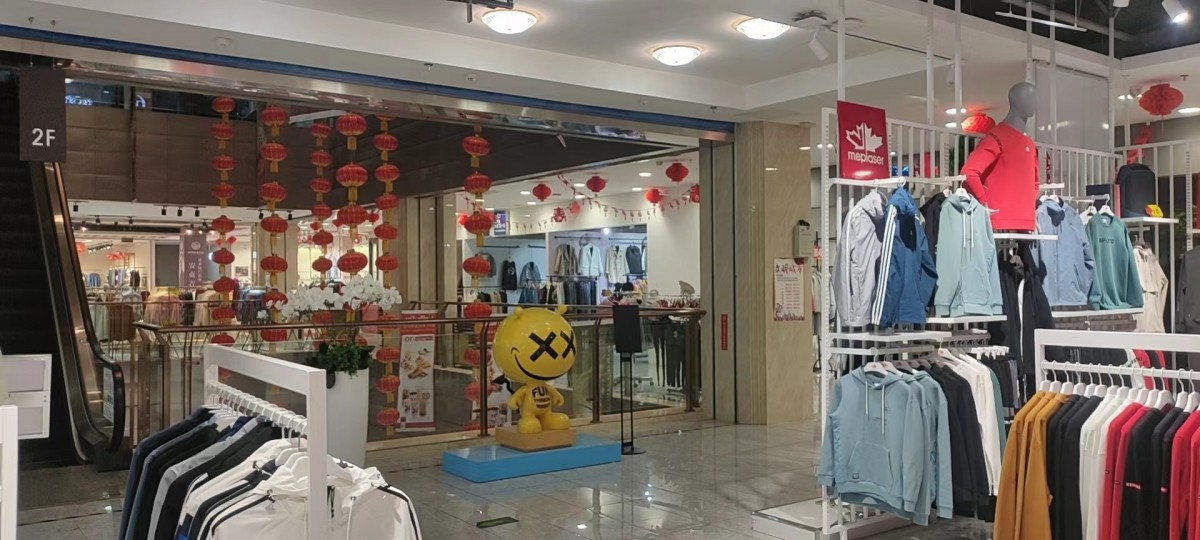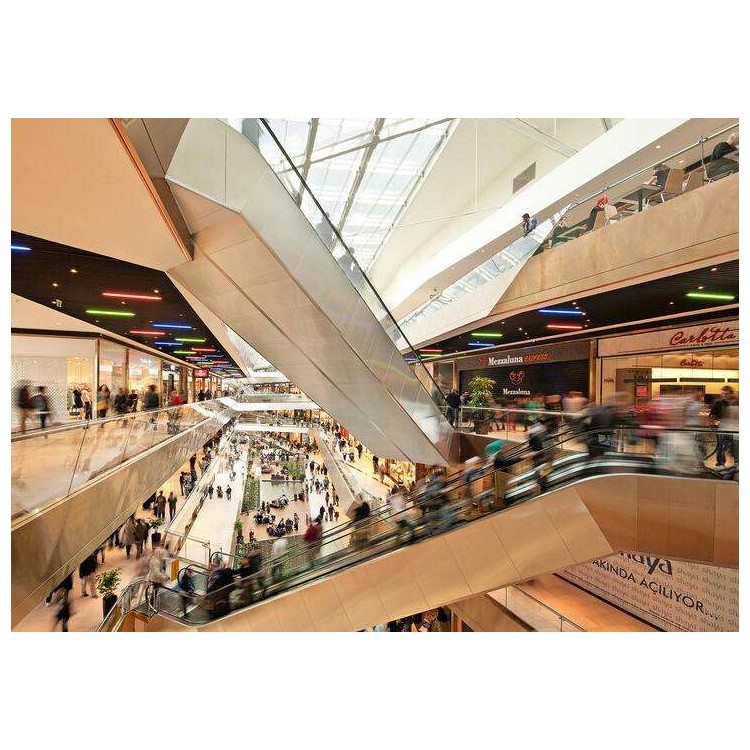

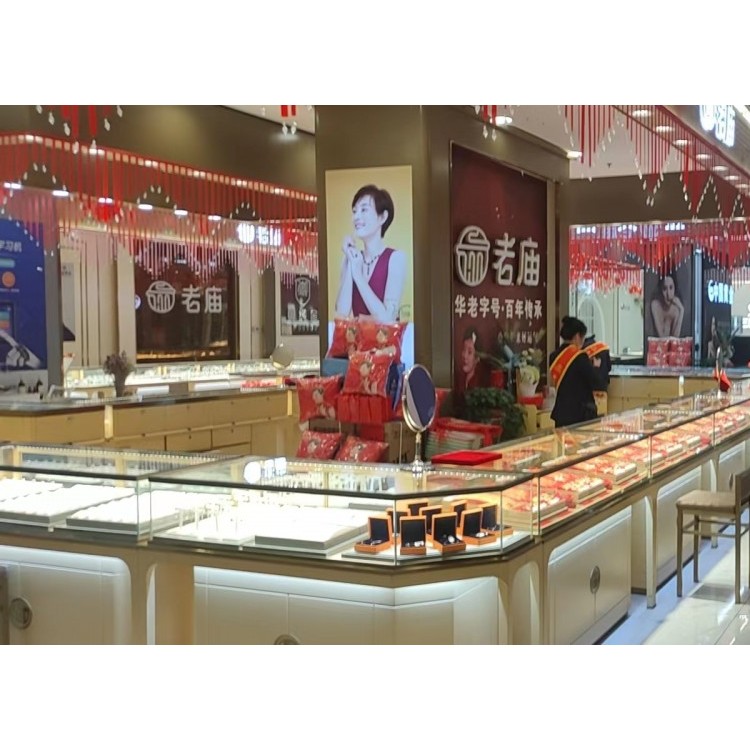
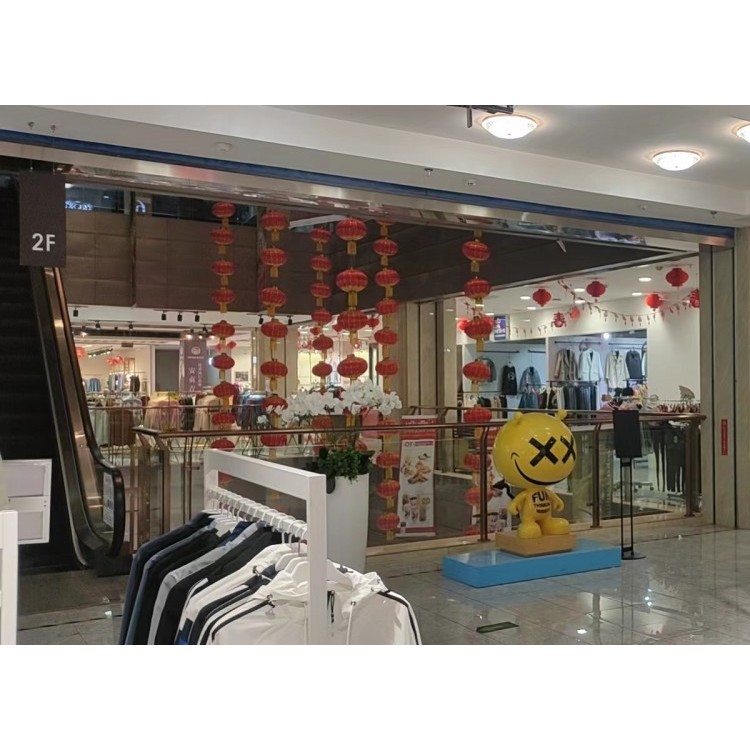














When it comes to shopping malls, we're all familiar with them. The places we frequent the most are usually shopping malls. Each mall has its own operational model, although they are somewhat similar. In the past, large malls typically had a unified cash register, with one cashier station per floor. However, with increasing competition, many malls are looking to change and improve their competitiveness.

Previous mall drawbacks:
1. High liquidity; no self-developed membership program
The previous malls were places where customers would come in, browse for a while, make purchases, pay, and then leave. There was no establishment of a membership program or collection of customer data for later marketing. After all, member customers require maintenance and cultivation. It's the large base of loyal customers that ensures business prosperity. The system helps merchants build their own membership system, where a membership card can be activated with a simple QR code scan.

2. Some department stores still issue physical membership cards.
Many malls still operate with single physical membership cards, where you swipe and earn points upon consumption. However, with societal advancement and the widespread use of mobile smart devices, people are increasingly unwilling to carry around a pile of membership cards, which can be quite cumbersome. Some forward-thinking merchants have developed WeChat electronic membership cards that are more favored by users, while traditional malls tend to diminish the customer experience.
3. Some malls still rely solely on points-based marketing.
Some malls are still relying on a single point marketing strategy, which definitely cannot keep up with the trends and seize new marketing opportunities. However, some advanced merchants have established their member systems early on, engaging in member points, sending coupons, cultivating customers through check-in points, incentivizing group purchases to attract followers and stimulate consumer spending, and offering red packet and lucky wheel rewards to both new and old customers. How can a single point system possibly keep up?
4. Limited system functionality
Some shopping mall cash registers only handle transactions, and the owners can't view revenue status on their mobile devices, etc., which requires cashiers to meet and tally manually. Our system, however, not only includes member management and marketing functions, but also offers cash register capabilities, supporting features like bank cards, POS, and Alipay. Additionally, the system provides various mobile reports, allowing owners to monitor member growth and revenue from anywhere, at any time.
5. Online Mall
Retailers have traditionally been offline, but with the impact of e-commerce and this year's market conditions, more and more businesses are looking to establish their online presence to prevent customer loss. However, they are often constrained by costs. Our system can build an online store, bridging the gap between online and offline.
A multifunctional system is the choice for shopping malls, as its capabilities are robust. Single-function systems no longer meet market demands—after all, one can't have a cash register system, a membership system, and an online store all at once. Act quickly and consult for a multifunctional membership system!