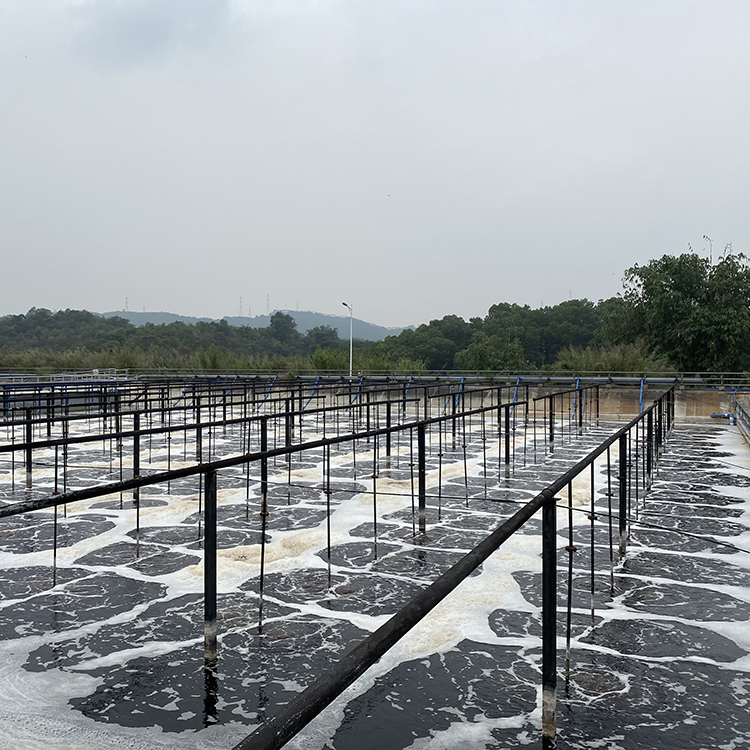


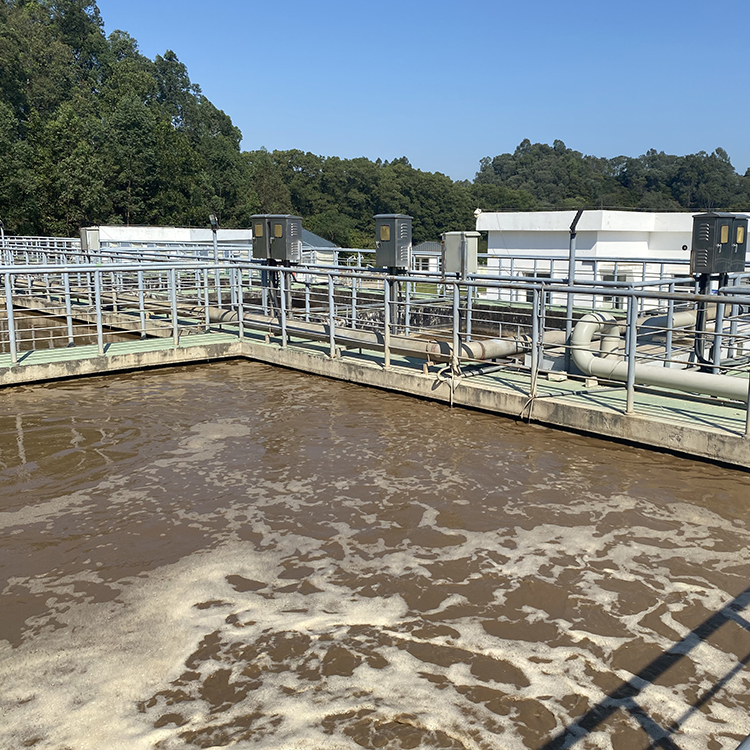
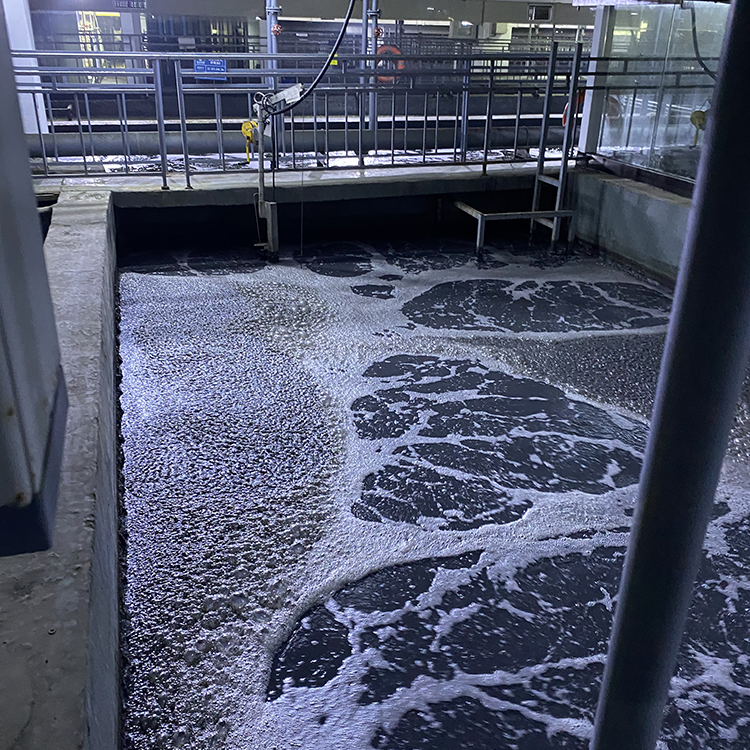







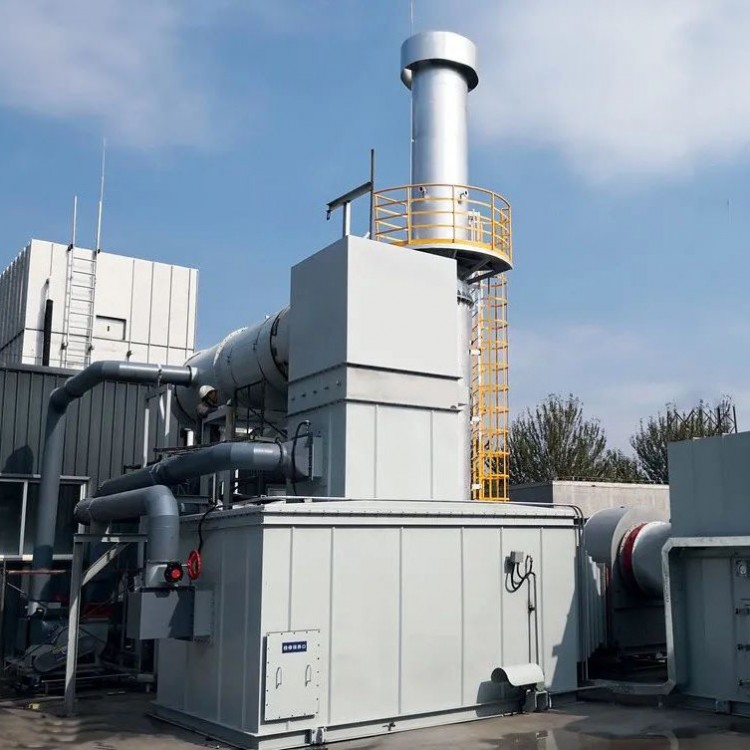
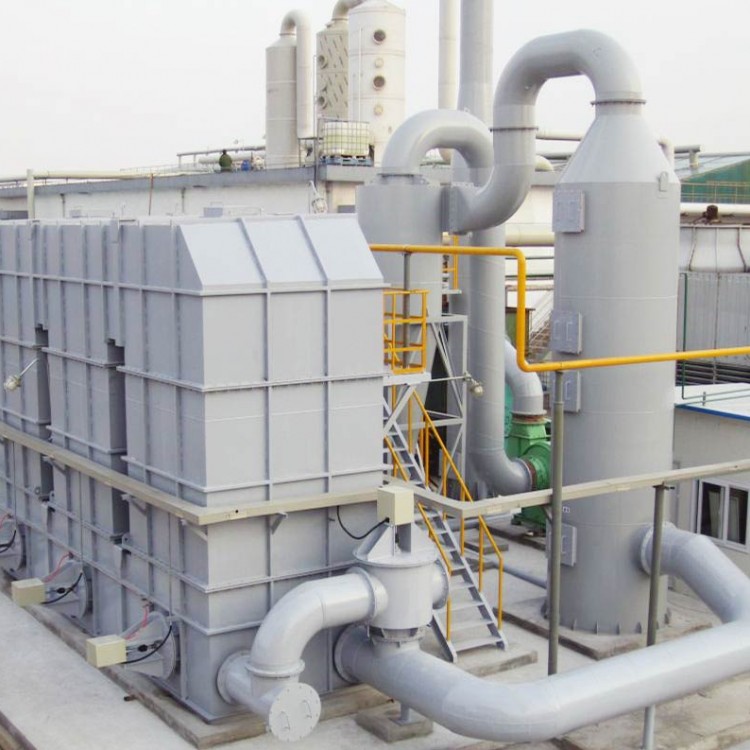
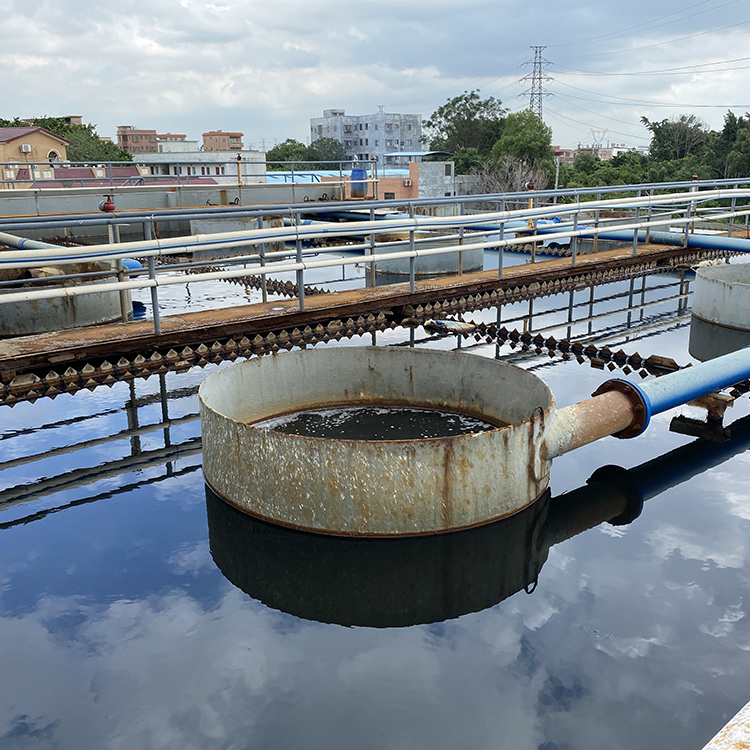
Ammonia-nitrogen wastewater primarily originates from fertilizers, coking, petrochemicals, food processing, and landfill sites. The extensive discharge of ammonia-nitrogen wastewater into bodies of water not only leads to eutrophication and blackening/odorous water, but also increases the difficulty and cost of water treatment, and even poses toxic effects on humans and wildlife. Prior to 2014, treatment processes for ammonia-nitrogen wastewater included biological and physical-chemical methods, among others.
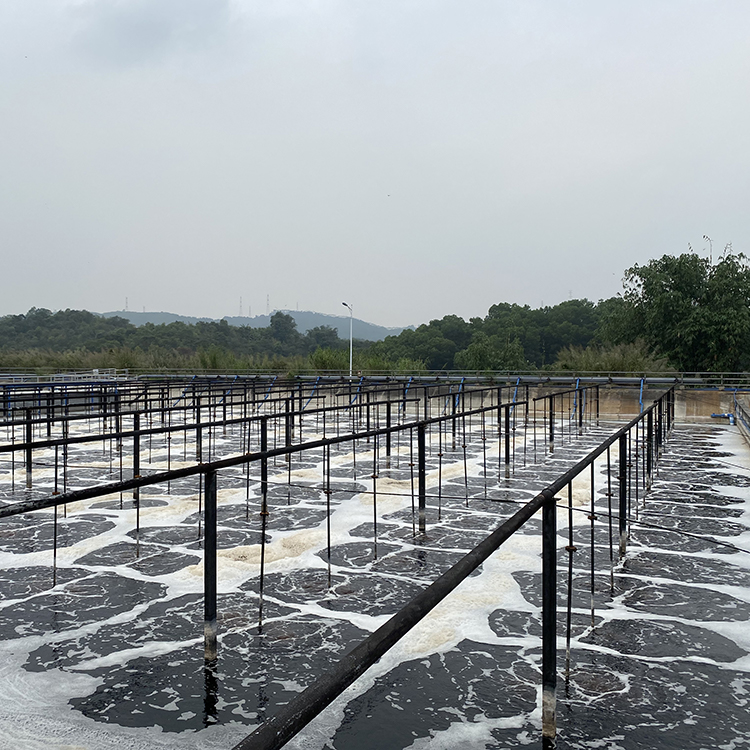
Introduction to Ammonia Nitrogen Wastewater
With the rapid development and expansion of industries such as fertilizer and petrochemicals, the high ammonia-nitrogen wastewater generated has become one of the constraints on industry development. It is reported that in 2001, there were as many as 77 red tides in China's marine areas, with ammonia-nitrogen being a significant cause of pollution, particularly due to the pollution caused by high-concentration ammonia-nitrogen wastewater. Therefore, economically effective control of high-concentration pollution has become an important research topic for environmental protection workers, receiving high attention from industry professionals. The general formation of ammonia-nitrogen wastewater is due to the coexistence of ammonia water and inorganic ammonia. Above neutral pH levels, the main sources of ammonia-nitrogen in wastewater are the combined effects of inorganic ammonia and ammonia water. Below acidic pH levels, ammonia-nitrogen in wastewater is primarily caused by inorganic ammonia. The composition of ammonia-nitrogen in wastewater mainly includes two types: ammonia-nitrogen formed from ammonia water and ammonia-nitrogen formed from inorganic ammonia, mainly including ammonium sulfate, ammonium chloride, and others.
Wastewater Treatment Process
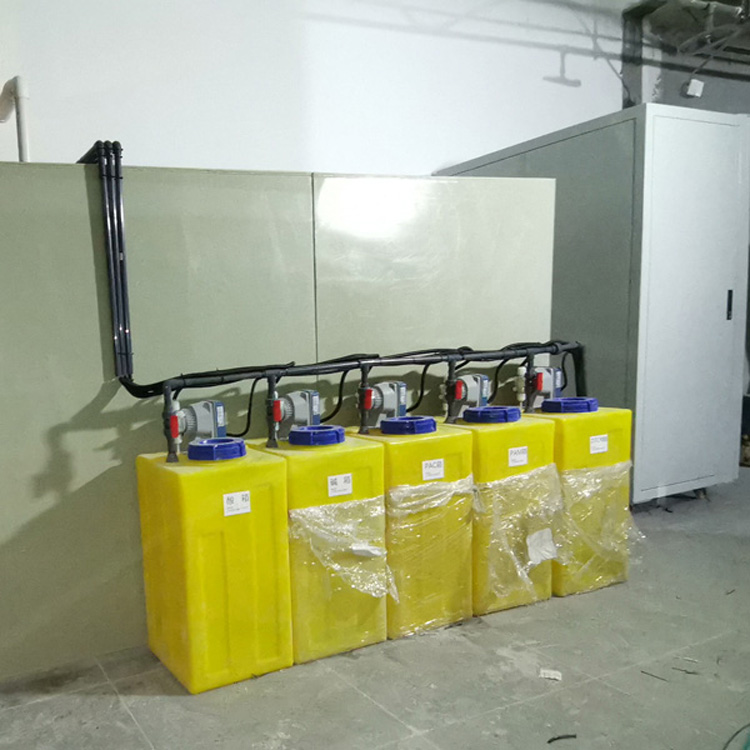
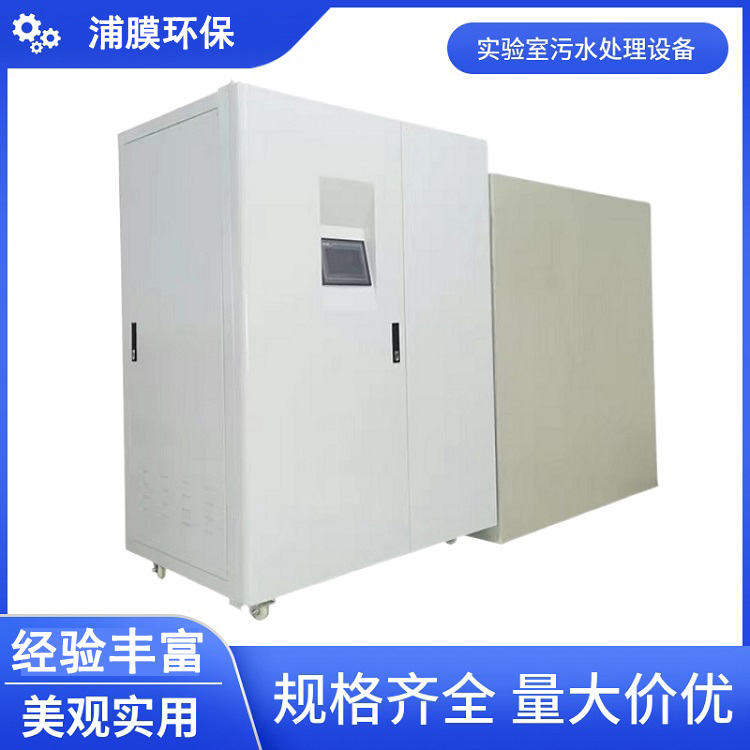
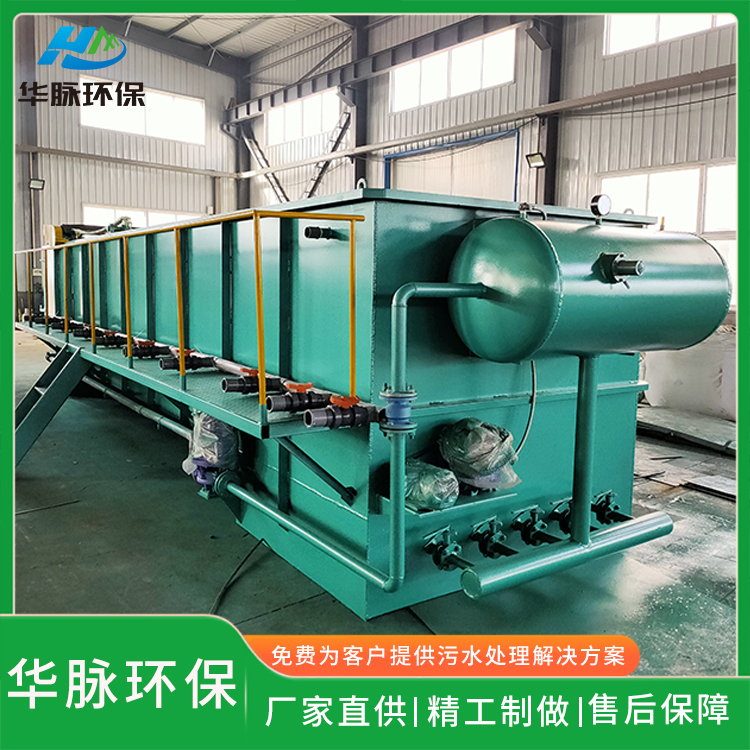
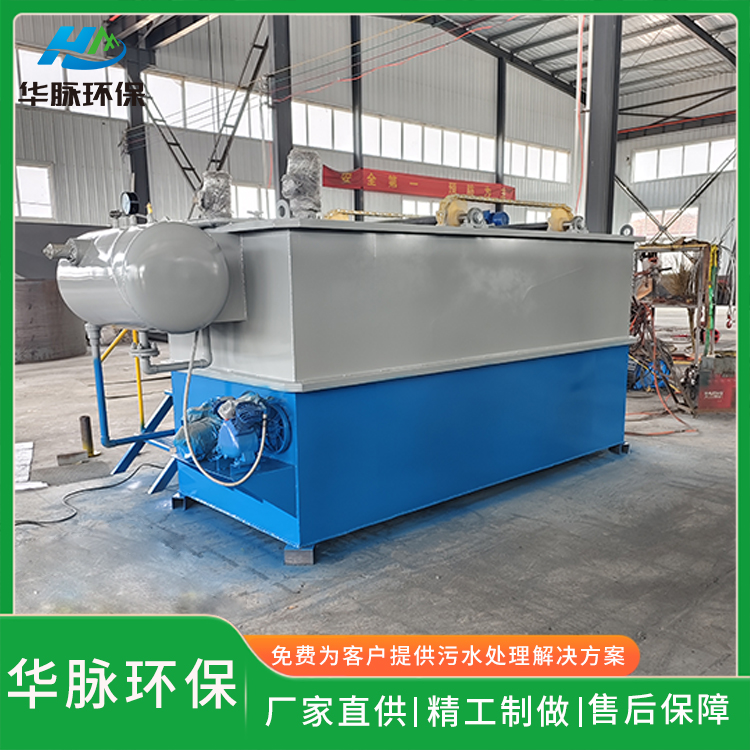
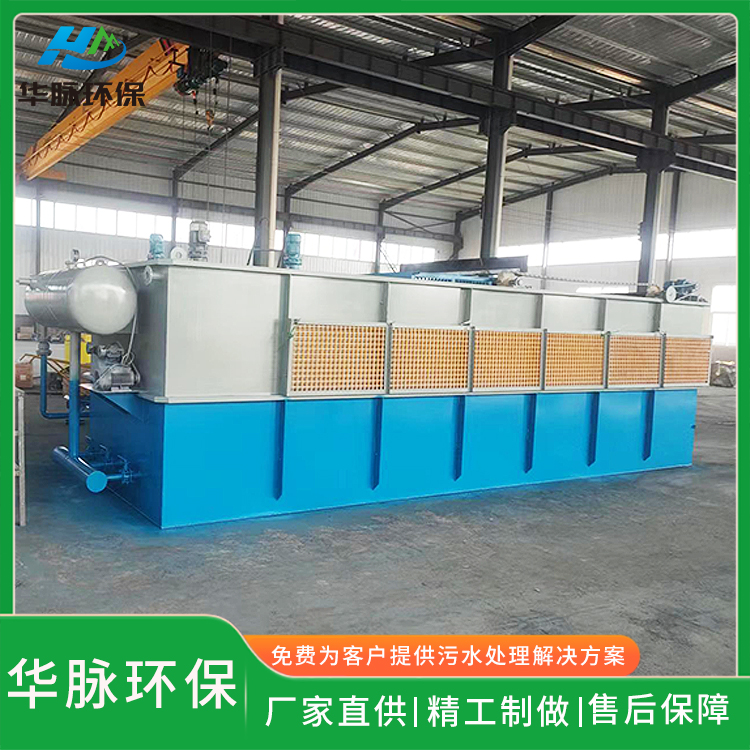
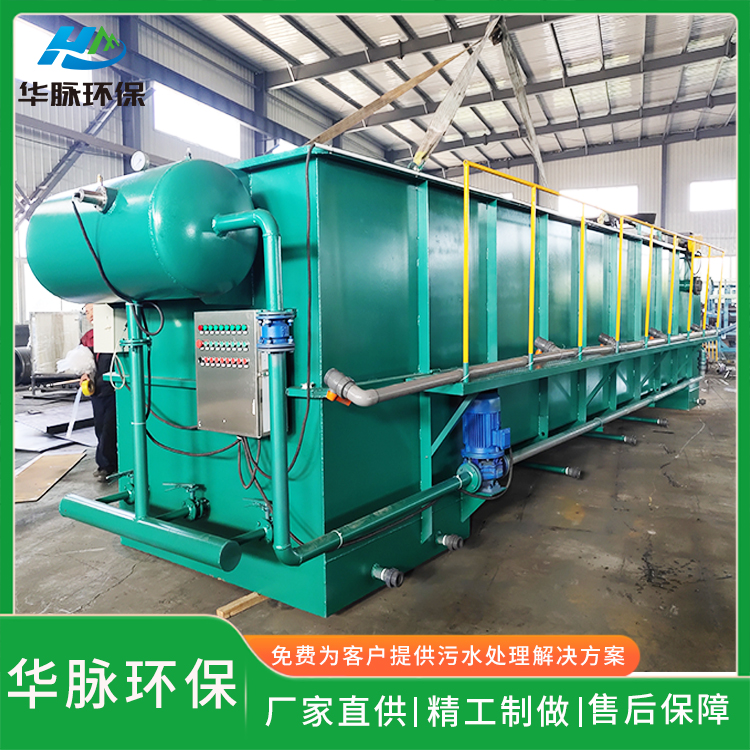
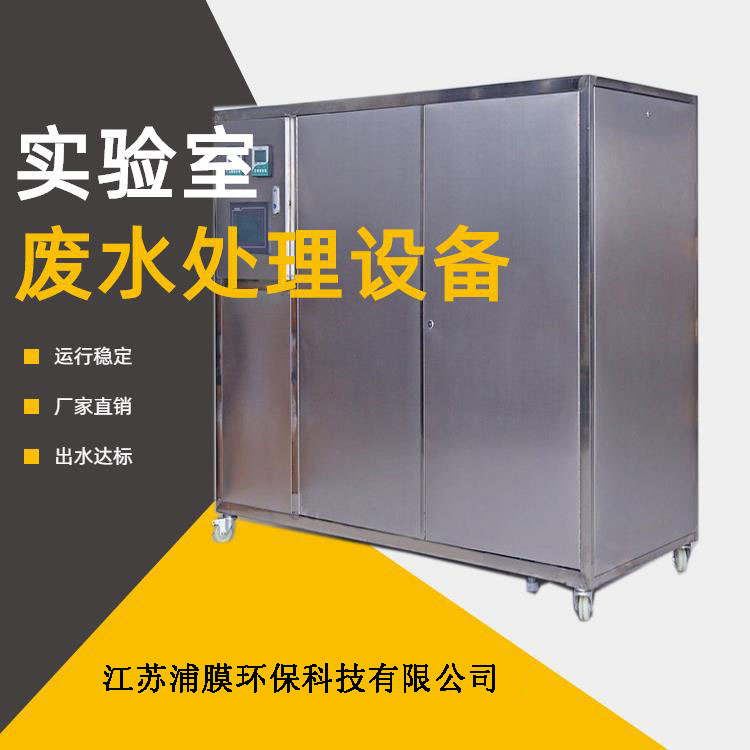
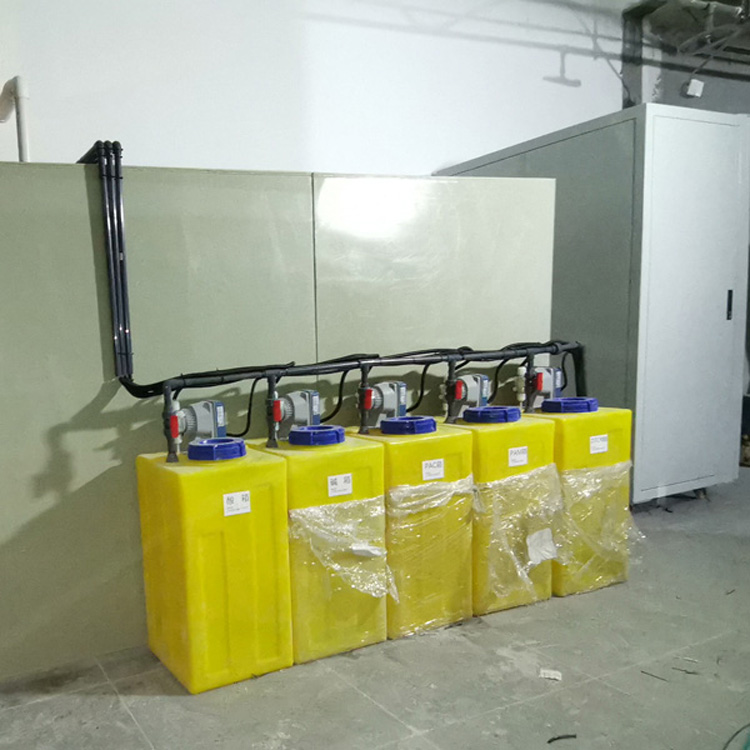
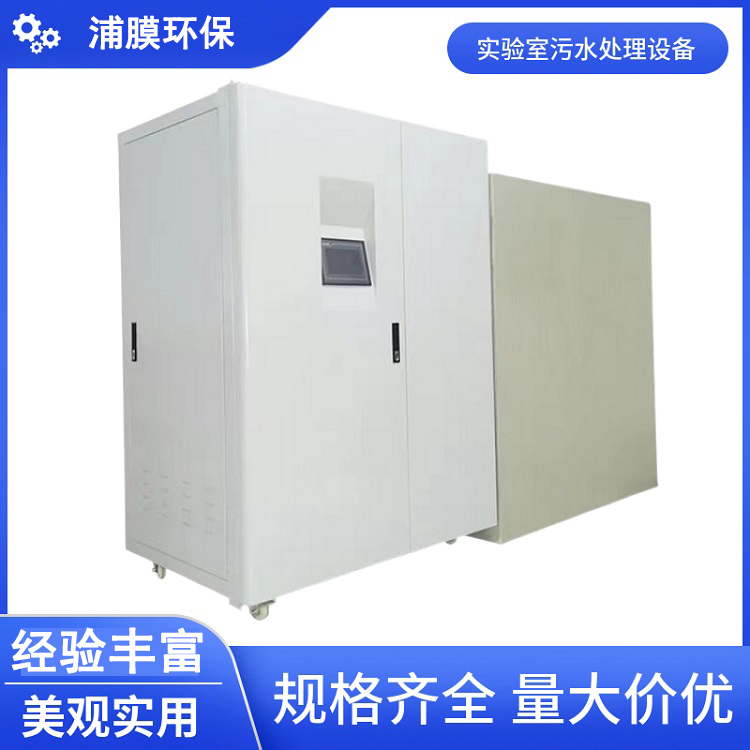
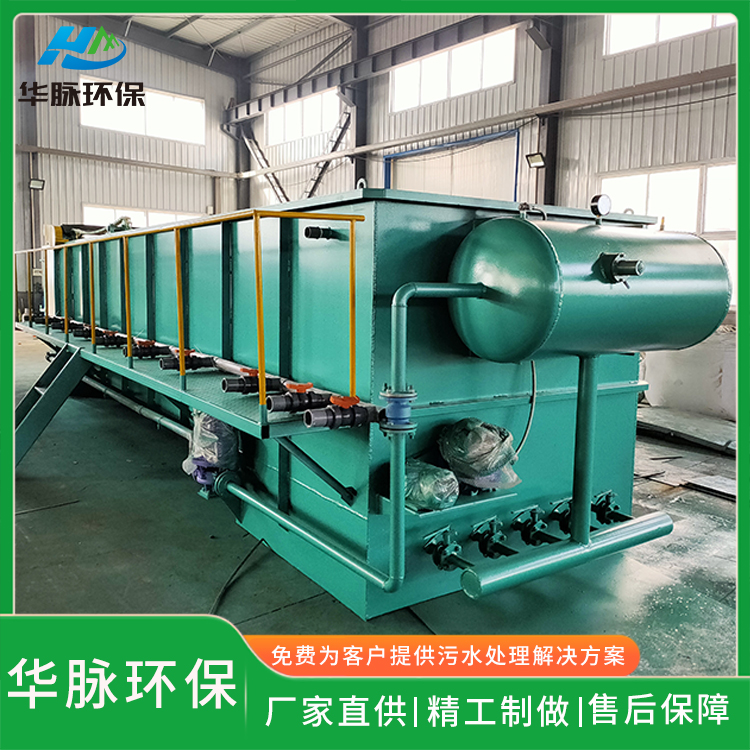
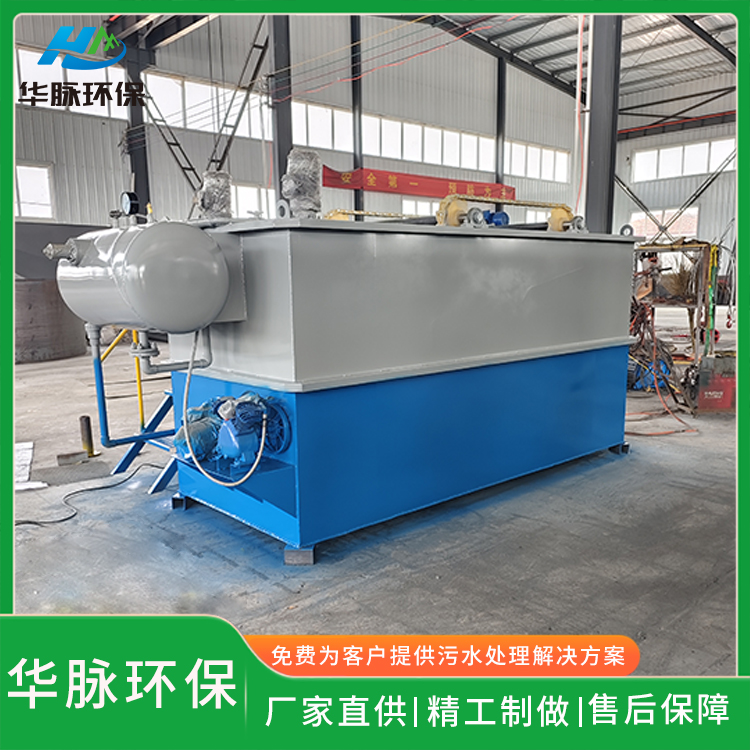
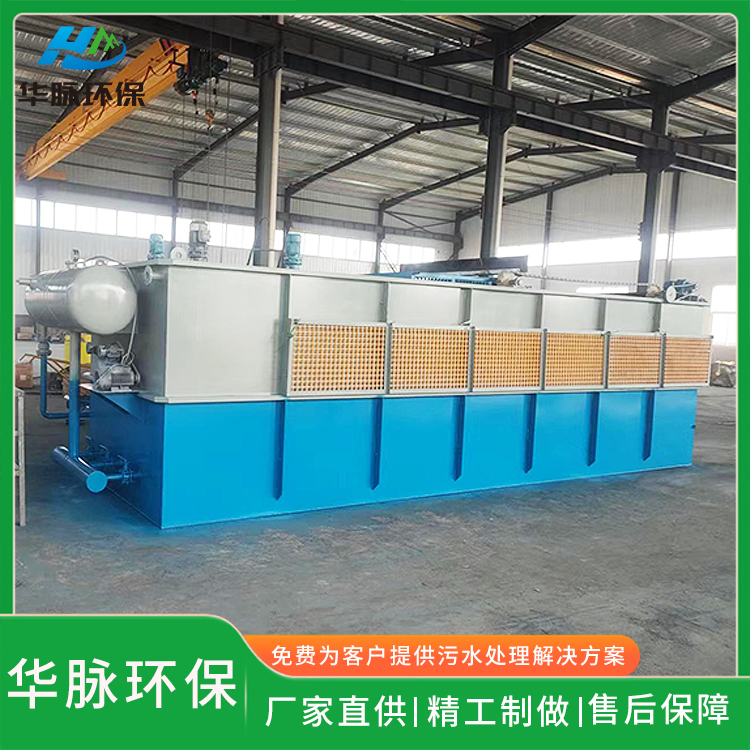
Industrial wastewater treatment equipment features a water aeration biological filter bed using large, lightweight ceramic bead filter media. Under upflow conditions, it exhibits low SS retention rate in the raw water, with typical water head loss not exceeding 5 kPa and minimal change in water head before and after backwashing. The requirements for the specific surface area of the filter media are appropriately reduced, significantly increasing the filtration rate to 16-20 m/h, with an air-to-water ratio of 0-0.5. The biofilm on the surface of the large ceramic beads, acting through biochemical and retention mechanisms, results in pre-treatment effluent ammonia nitrogen levels of <0.5 mg/L, providing an energy-saving and space-saving treatment process for micro-polluted water sources.
Processing Method
How to treat high ammonia-nitrogen wastewater, we will focus on introducing its treatment methods:
Physical method
1.吹脱法 - Stripping Method
A method of separation utilizing the gas-liquid equilibrium relationship between the gas phase and liquid phase concentrations of ammonia nitrogen under alkaline conditions, generally considered to be related to blowing off, temperature, pH, and gas-liquid ratio.
Zeolite Ammonia Removal Method
Utilize the cations in zeolite to exchange with NH4+ in wastewater for nitrogen removal. The application of zeolite ammonia removal requires consideration of zeolite regeneration, usually involving regeneration liquid method and incineration method. When using the incineration method, the ammonia gas produced must be treated. This method is suitable for low-concentration ammonia nitrogen wastewater treatment, with ammonia nitrogen content ranging from 10 to 20 mg/L.
3. Membrane Separation Technology
A method of ammonia-nitrogen removal utilizing the selectivity of the membrane. This method is easy to operate, with a high recovery rate of ammonia-nitrogen and no secondary pollution. For instance: ammonia-nitrogen removal by gas-water separation membranes. Ammonia-nitrogen exists in water in an ionization equilibrium; as the pH increases, the proportion of ammonia in the NH3 form in water rises. Under certain temperatures and pressures, the gaseous and liquid phases of NH3 reach equilibrium. According to the principle of chemical equilibrium shift, the Le Chatelier's principle. In nature, all equilibriums are relative and temporary. Chemical equilibrium can only be maintained under certain conditions. "If one of the conditions of the equilibrium system is changed, such as concentration, pressure, or temperature, the equilibrium will shift to reduce this change." Following this principle, the following design concept was adopted: on one side of the membrane is a high-concentration ammonia-nitrogen wastewater, and on the other side is an acidic aqueous solution or water. When the temperature on the left side, T1, is greater than 20°C, the pH1 is greater than 9, and the pressure difference, P1-P2, is maintained, the ion ammonia NH4+ in the wastewater will convert to free ammonia NH3 and diffuse to the membrane surface through the feed side interface. Under the action of the partial pressure difference on the membrane surface, it crosses the membrane pores and enters the absorbent liquid, quickly reacting with H+ in the acidic solution to form ammonium salts.
4. MAP Deposition Method
Primarily utilizing the following chemical reaction: Mg2+ + NH4+ + PO43- = MgNH4PO4
5. Chemical Oxidation Method
A method of removing ammonia nitrogen by directly oxidizing it into nitrogen gas using a strong oxidizing agent. Breakpoint chlorination utilizes the reaction of ammonia in water with chlorine to generate ammonia gas for ammonia removal. This method also serves as a sterilization agent; however, the residual chlorine produced can affect fish, thus an additional dechlorination facility is necessary.
Biological denitrification method
Traditional and newly developed denitrification processes include A/O process, two-stage activated sludge method, strong oxidative aerobic biological treatment, short-path nitrification and denitrification, ultrasonic aeration ammonia nitrogen treatment, etc.
Manufacturer of Processing Equipment
Zhongke Guosheng is a team jointly established by Guangzhou Zhongkang Environmental Protection and the Chinese Academy of Sciences, specializing in the treatment of high-concentration and difficult industrial wastewater. Their applications include oil and petrochemical, food breeding, surface treatment, dyeing and papermaking, garbage leachate, and hazardous waste industry organic solvents, providing more options for wastewater solutions. This significantly reduces costs for the owners and contributes to green environmental protection and energy saving.