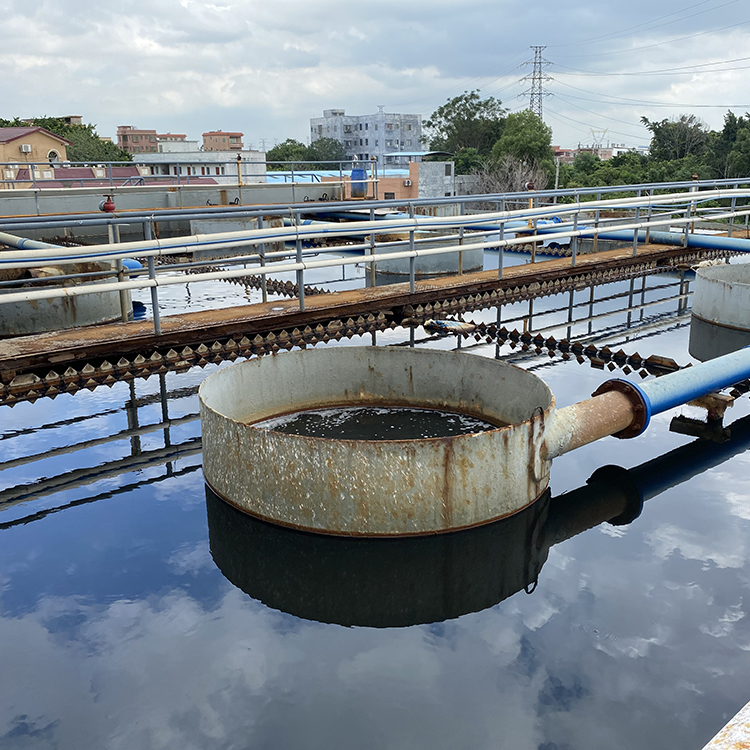

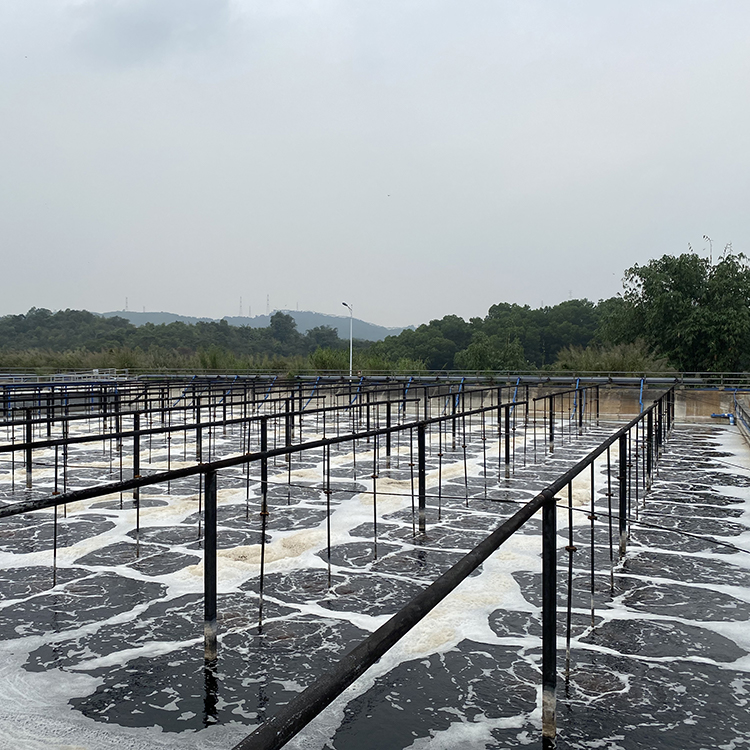
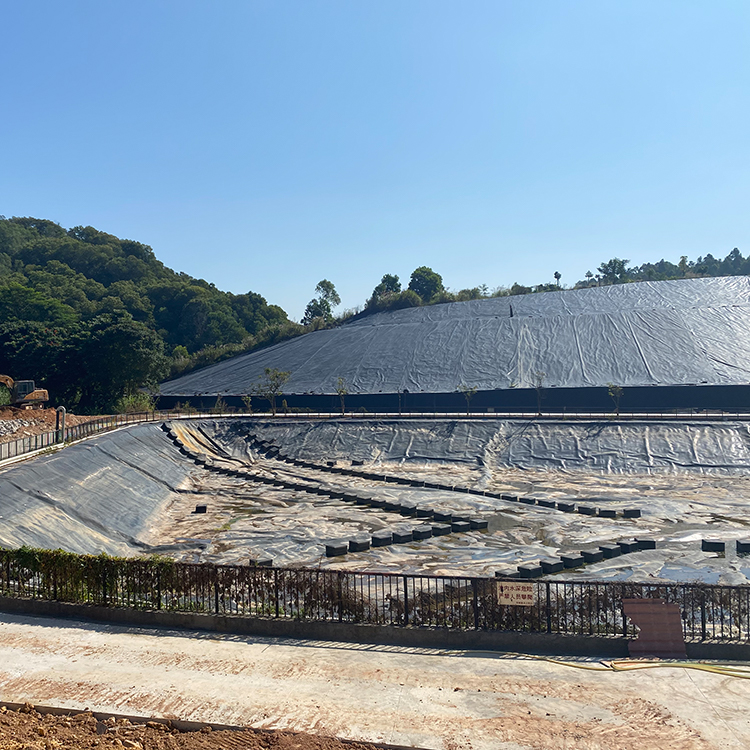


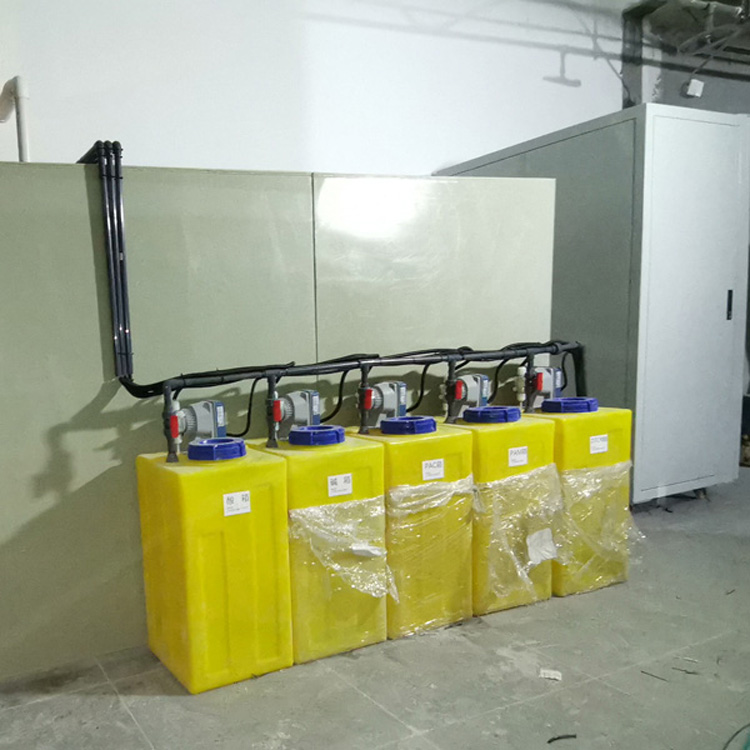
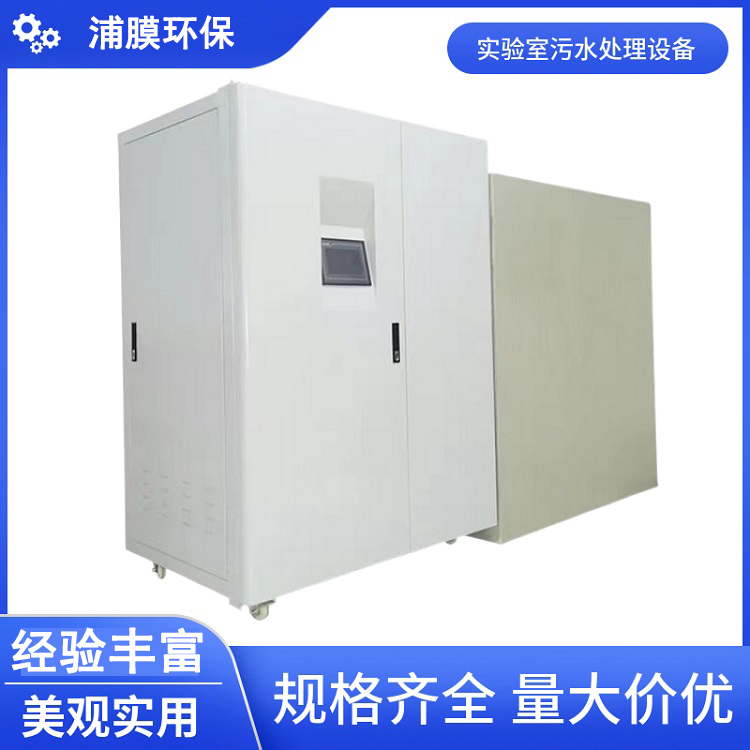
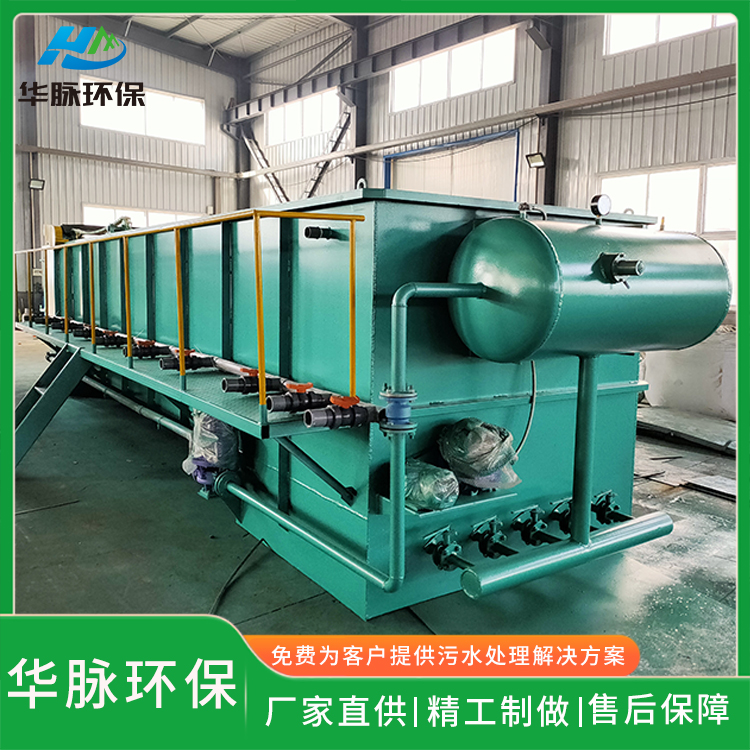
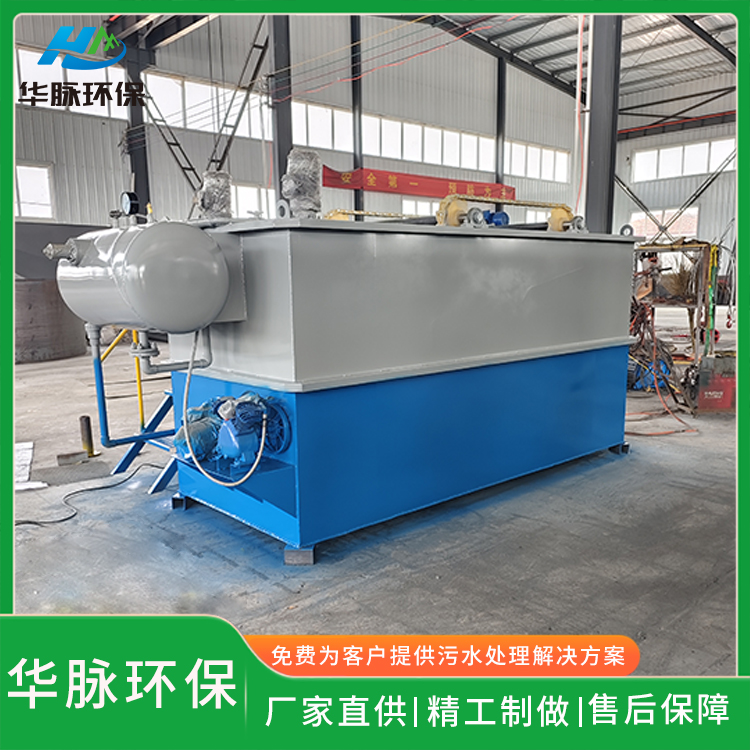
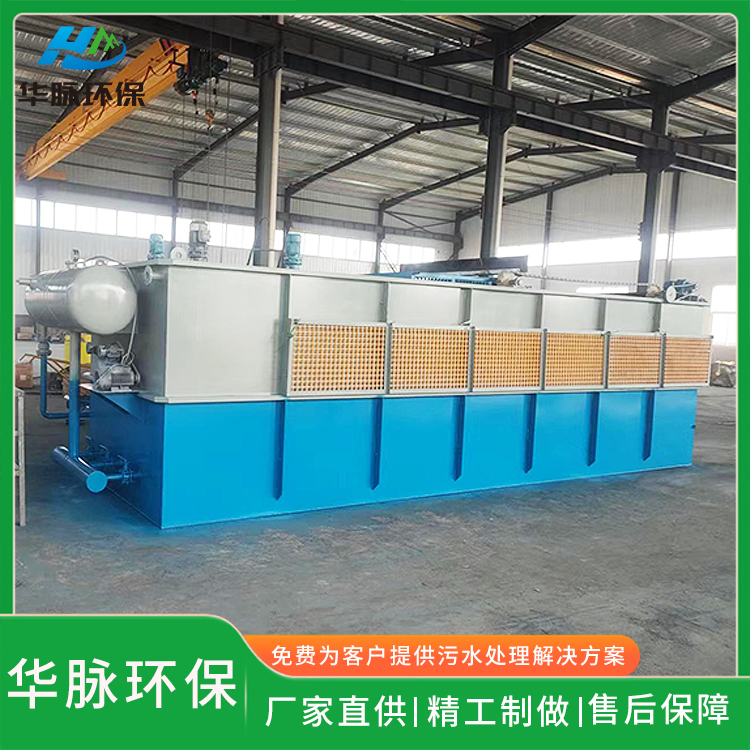





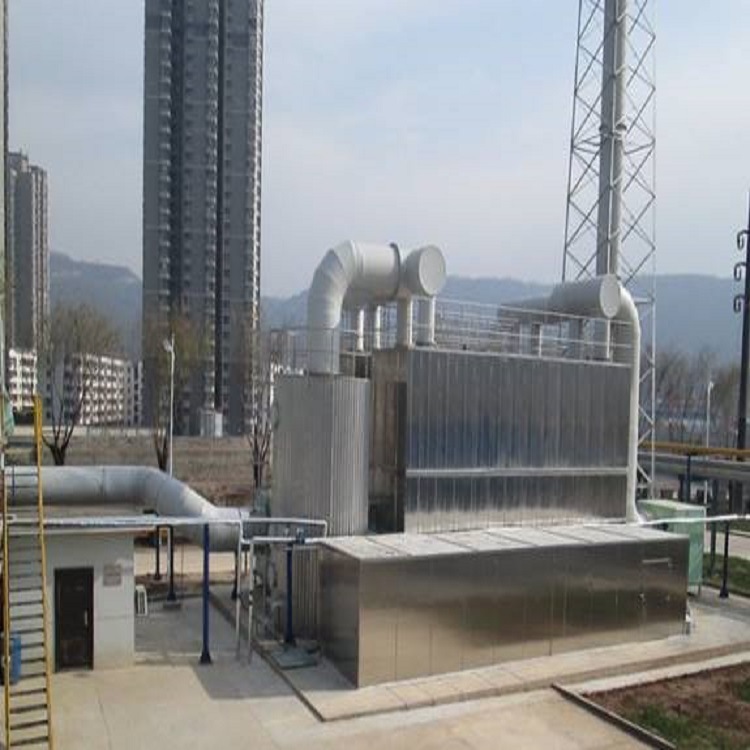
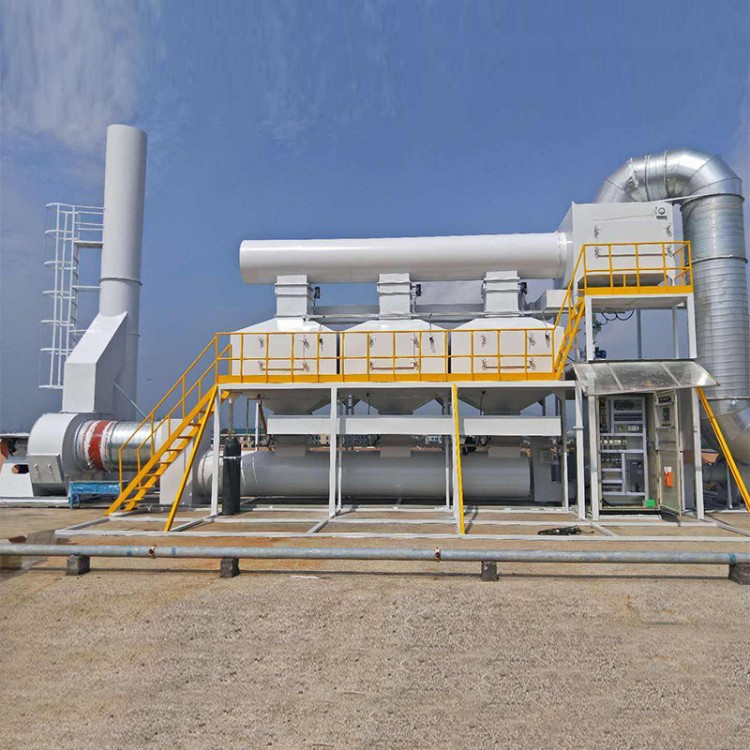
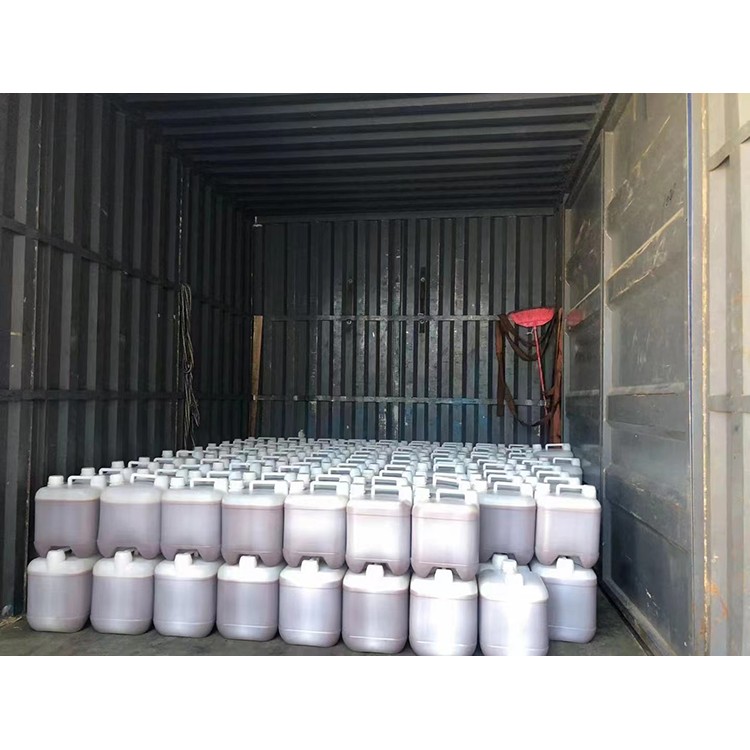
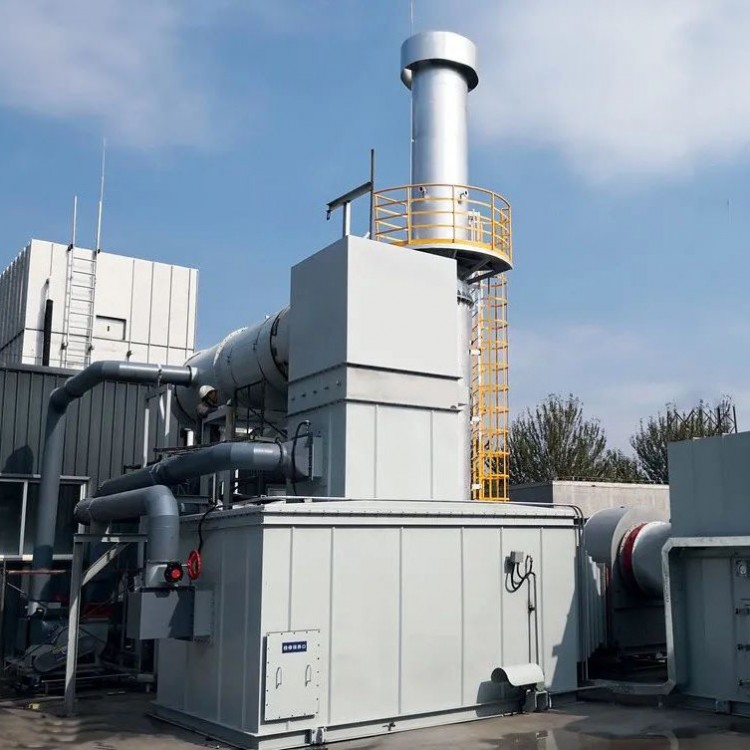
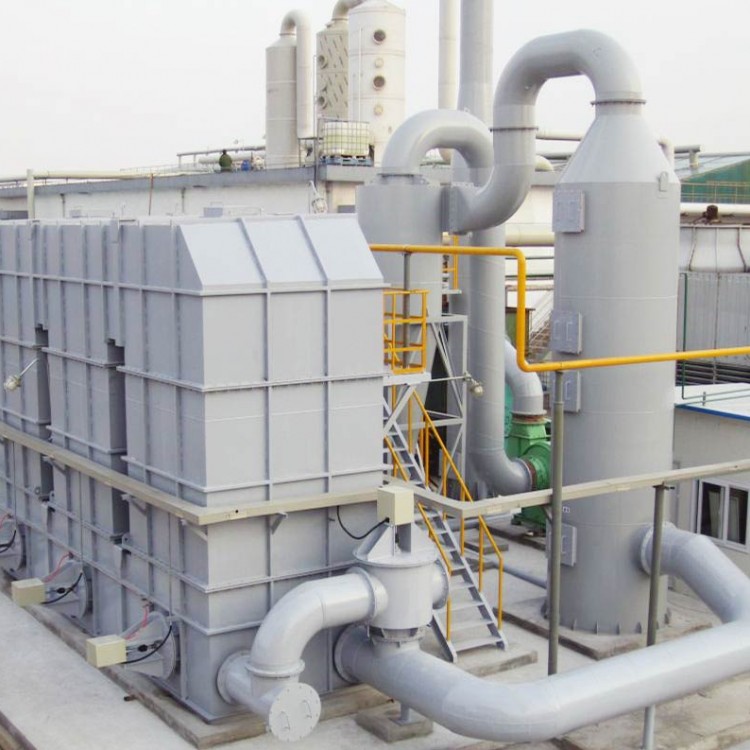
High COD is common in the chemical industry, including coking wastewater, papermaking wastewater, textile wastewater, dyeing and dyeing wastewater, oil wastewater, and landfill leachate.
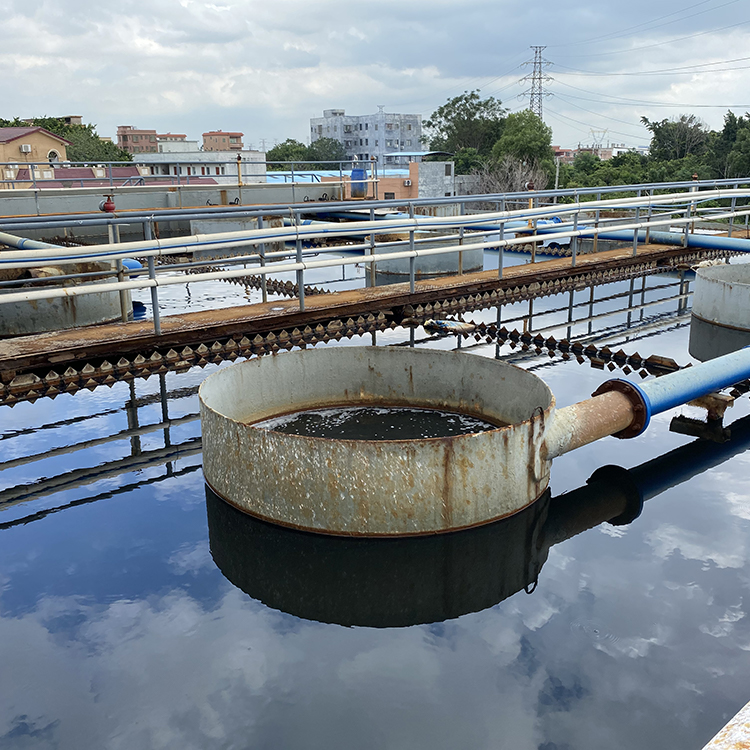
Definition of High COD Wastewater
High COD wastewater, also known as high-concentration organic wastewater, refers to wastewater with a COD concentration exceeding 2000 mg/L from chemical industry effluent. The wastewater discharged during industrial treatment often far exceeds this standard, with some sections of certain industries exceeding 10,000 mg/L.
High COD wastewater treatment methods
High COD wastewater treatment methods are generally divided into three major categories: physical-chemical methods, biological methods, and electrochemical methods. I will exemplify one representative method from each major category here.
1. Adsorption Method: This method utilizes porous solid materials to adsorb one or more substances from wastewater onto the solid surface for removal. Common adsorbents used in wastewater treatment include activated carbon, carbon fiber, silica, diatomite, and resins, all of which can serve as adsorbent materials. The cost of this method is moderate, and it yields good results, effectively reducing COD levels. It can also decolorize and deodorize wastewater, making it suitable for reuse. However, the adsorbents need to be replaced regularly after a certain period of use.
2. Biofilm Method – This method utilizes biofilms formed by microorganisms on the surface of solid fillers to treat wastewater. During treatment, organic matter in the wastewater is continuously adsorbed by the biofilm and decomposed through the metabolic processes of the microorganisms, achieving the goal of wastewater purification. This method produces less sludge, prevents sludge bulking, and has excellent adaptability to fluctuations in water quality and quantity.
3. Electrochemical Oxidation Method: Oxidation methods are divided into two types: direct electrolysis and indirect electrolysis, primarily used for removing refractory organic matter from wastewater. Direct electrolysis involves the anode oxidation degradation of pollutants in wastewater; indirect contact utilizes intermediate substances with strong oxidizing properties produced by the anode reaction as reactants or catalysts, directly oxidizing organic pollutants in wastewater to achieve purification.
4. Evaporation Concentration Method - This method, also a popular treatment technique in recent years, utilizes the principle of evaporation. It involves heating the waste liquid and then concentrating it in an evaporator. The water and solid crystals formed during the evaporation process are separated, and the solids are dried for reuse. This method is energy-efficient, adaptable to significant changes in water quality and quantity, requires minimal equipment investment, covers less than 50% of the space, has low operational requirements, and reduces personnel needs with an automated control system. It is considered an excellent treatment method in wastewater systems.
Equipment Manufacturer Handling
Zhongke Guosheng is a team jointly established by Guangzhou Zhongkang Environmental Protection and the Chinese Academy of Sciences, specializing in the treatment of high-concentration and difficult industrial wastewater. It is applied in high-concentration wastewater treatment for industries such as petrochemicals, food breeding, surface treatment, dyeing and printing, papermaking, garbage leachate, and hazardous waste industry organic solvents. It provides more options for wastewater solutions, significantly reduces costs for owners, and contributes to green environmental protection and energy-saving.