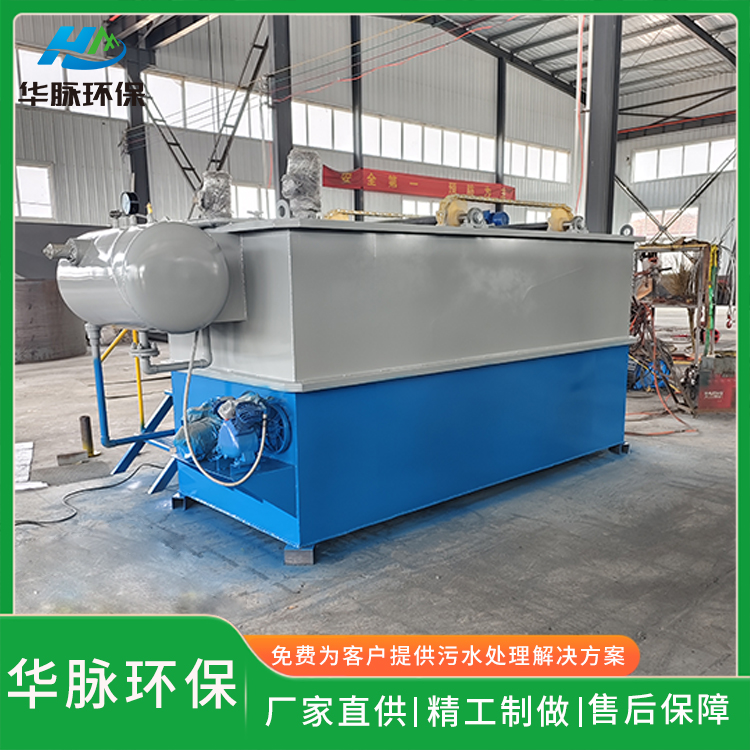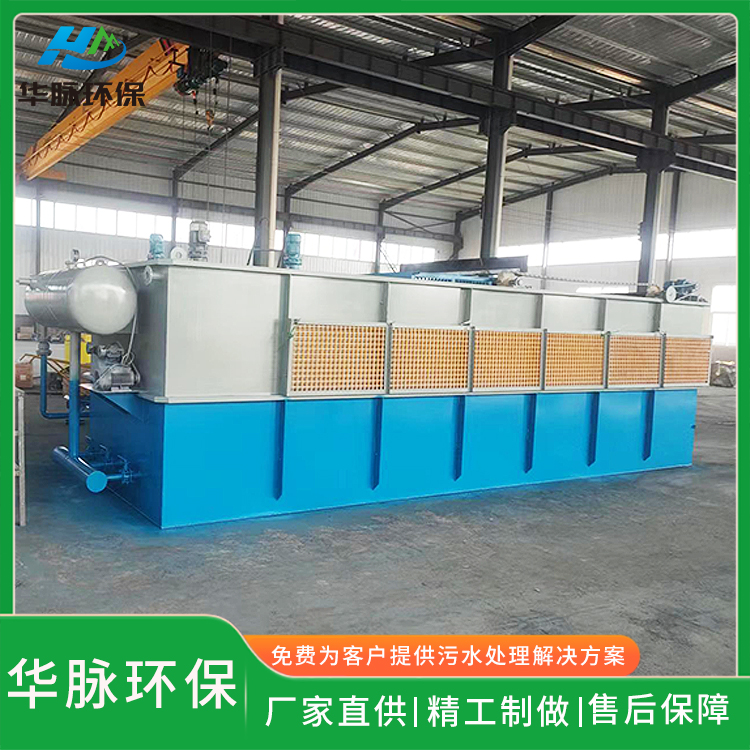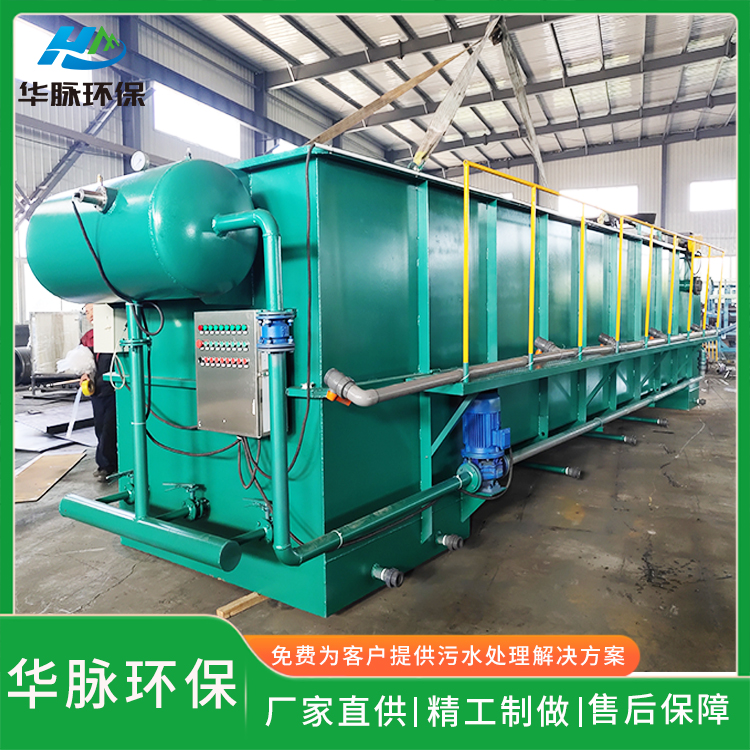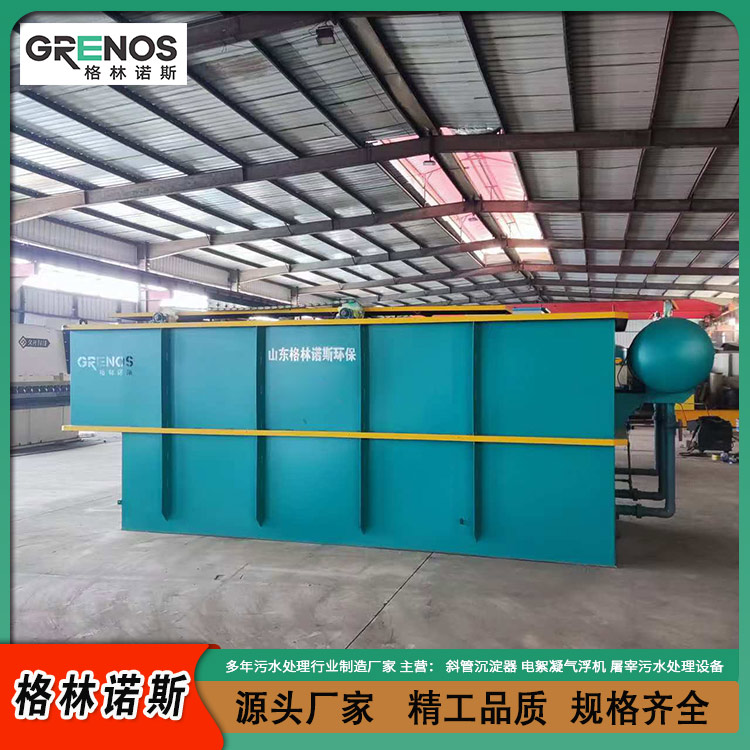



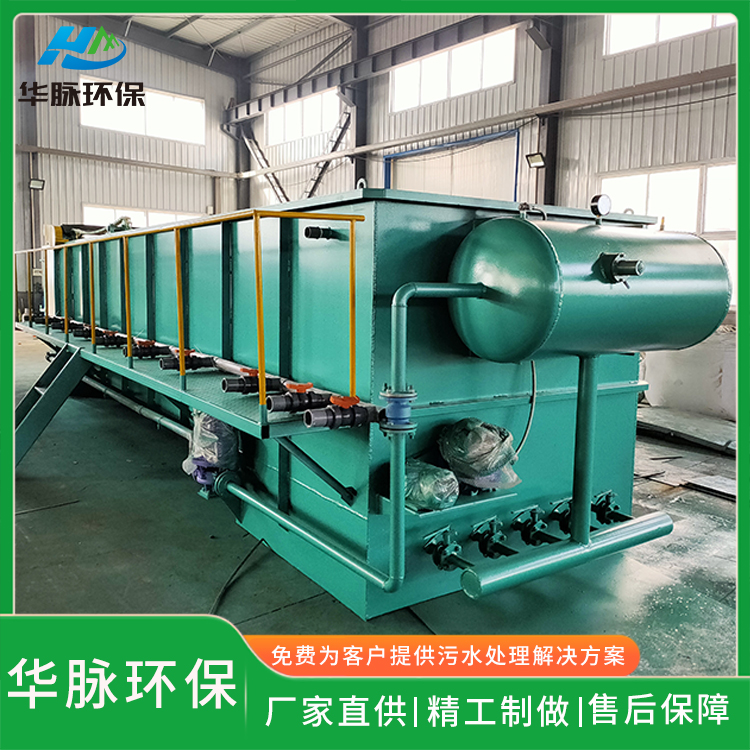
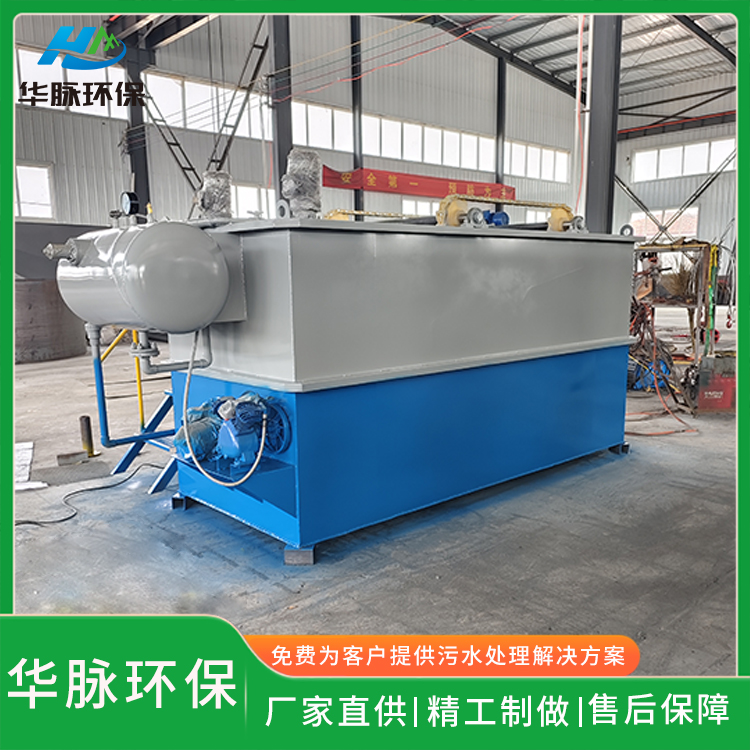
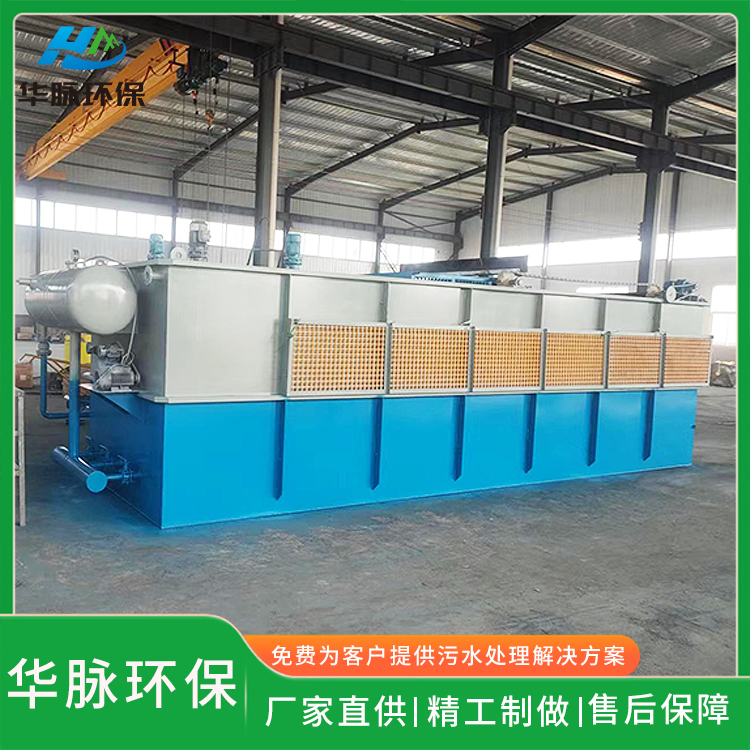





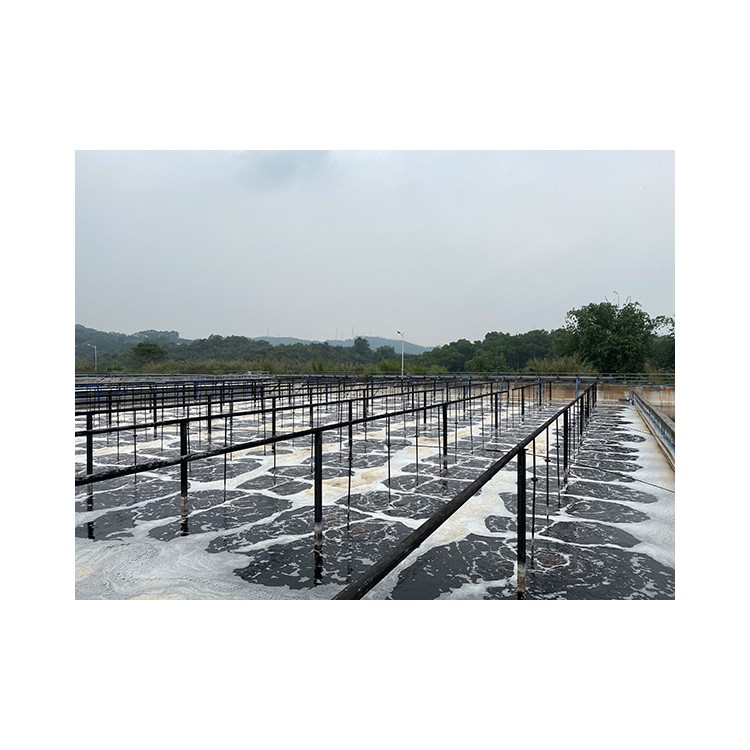
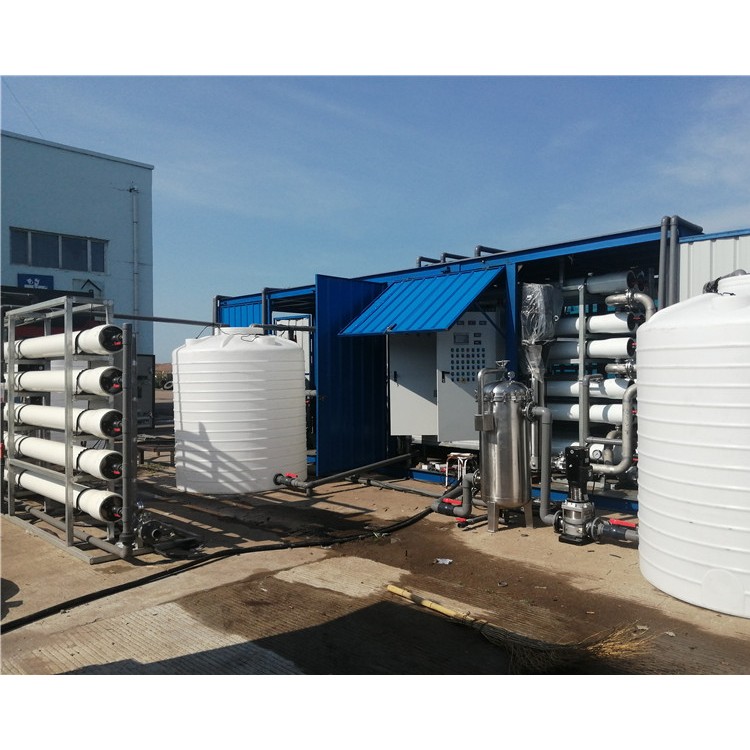
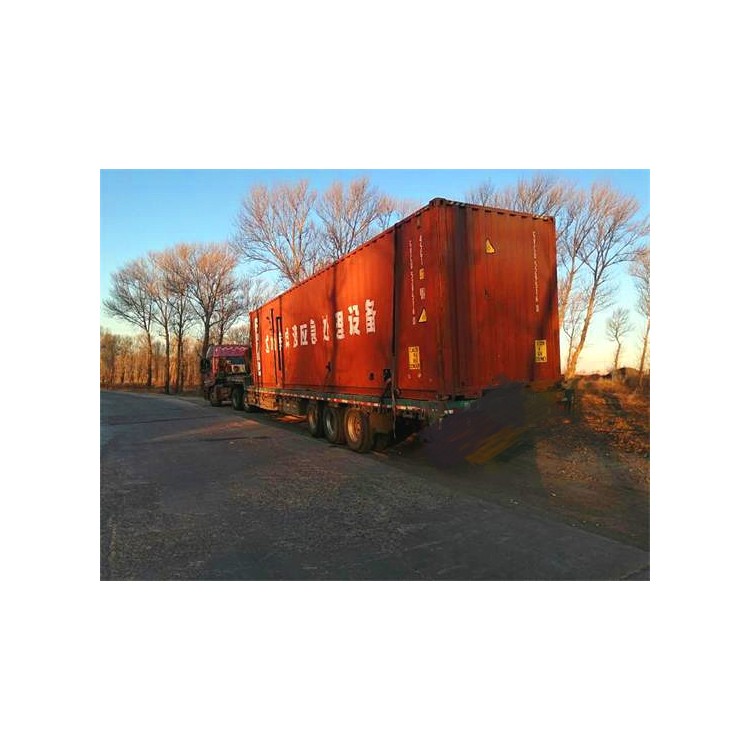
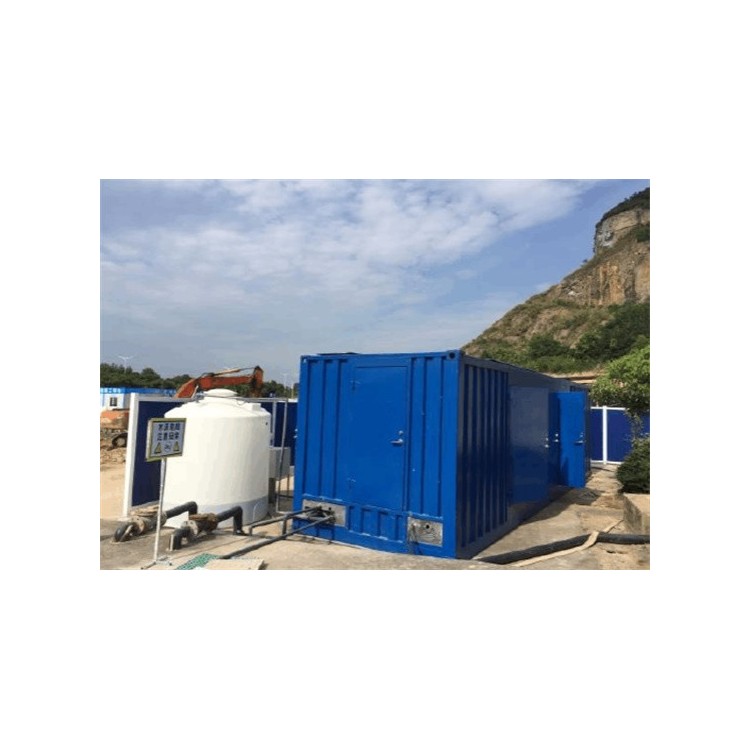
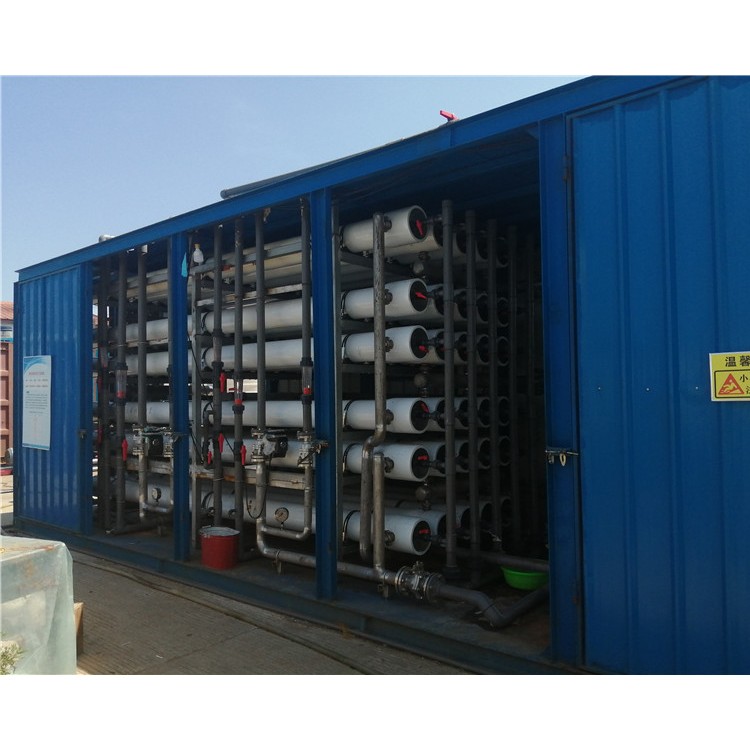
I. Introduction to Waste Leachate Treatment Equipment
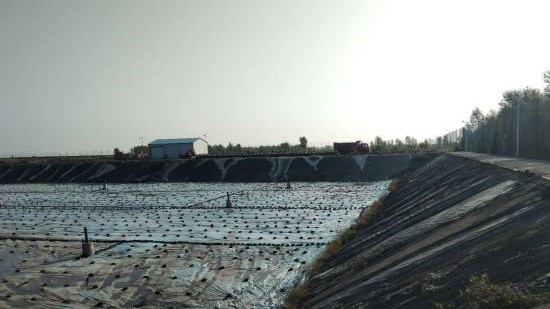
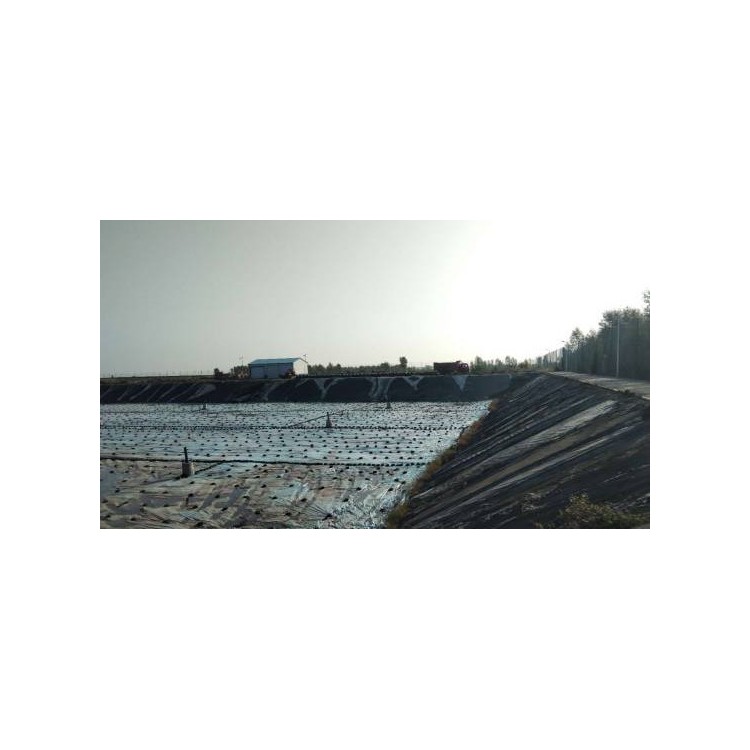
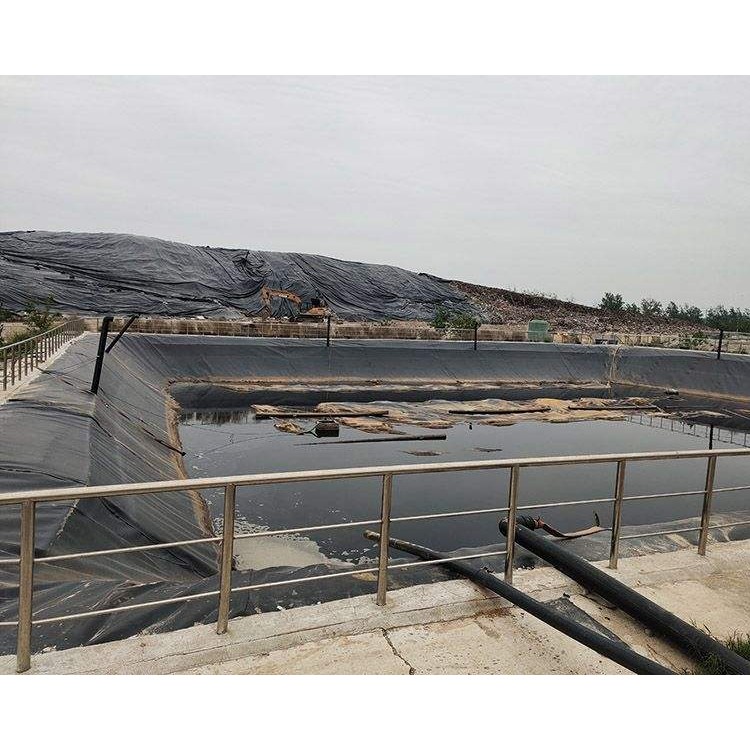
Landfilling domestic or industrial waste generates a highly concentrated leachate. This leachate is a challenging organic wastewater, characterized by: 1. Presence of hard-to-decompose macromolecular organic substances; 2. Bio-toxic heavy metal ions and organic substances; 3. High concentrations of organic matter and ammonia nitrogen; 4. High color intensity; 5. Changes in water quality as the landfill ages.
Waste leachate treatment processes are numerous and complex. Currently, a mature and typical process involves biochemical treatment, ultrafiltration, nanofiltration, and reverse osmosis. This method offers the advantage of producing high-quality effluent, but it generates a large amount of membrane filtrate concentrate during the filtration process. This concentrate contains a high concentration of non-degradable organic matter and salts, posing challenges to the treatment of waste leachate.
Currently, there are mainly two methods for concentrating membrane filtrate:
1. Evaporation Concentration: This process involves heating the membrane filtrate concentrate to evaporate the water content, leaving residues that crystallize into solid hazardous waste, which is then disposed of by a third party. This method is costly due to high treatment and equipment failure rates, and improper handling of the crystalline residues can lead to severe secondary environmental pollution.
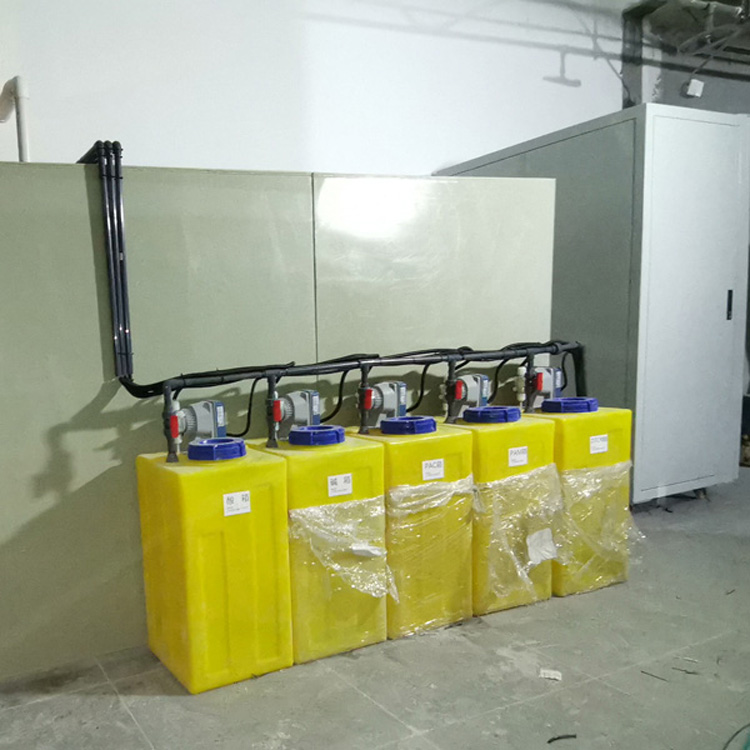
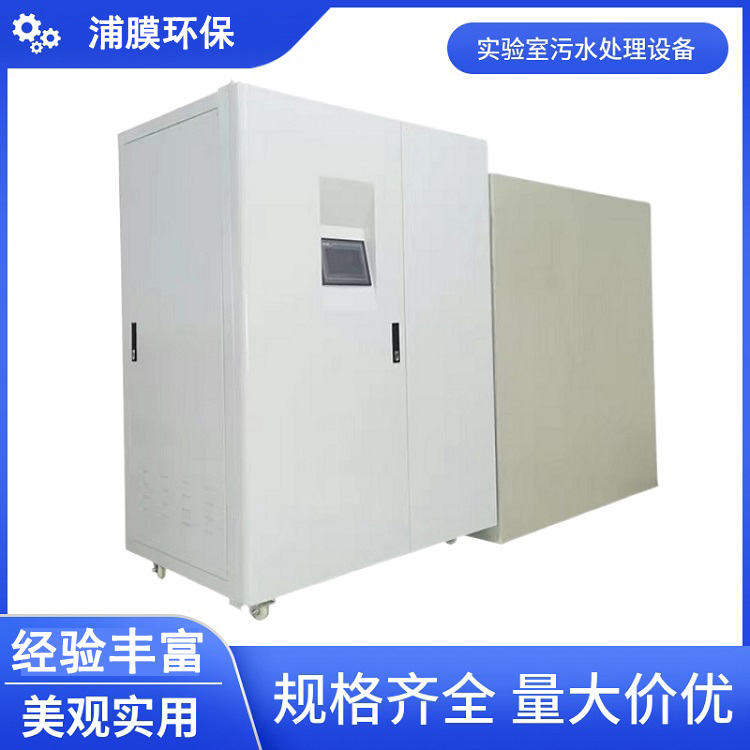
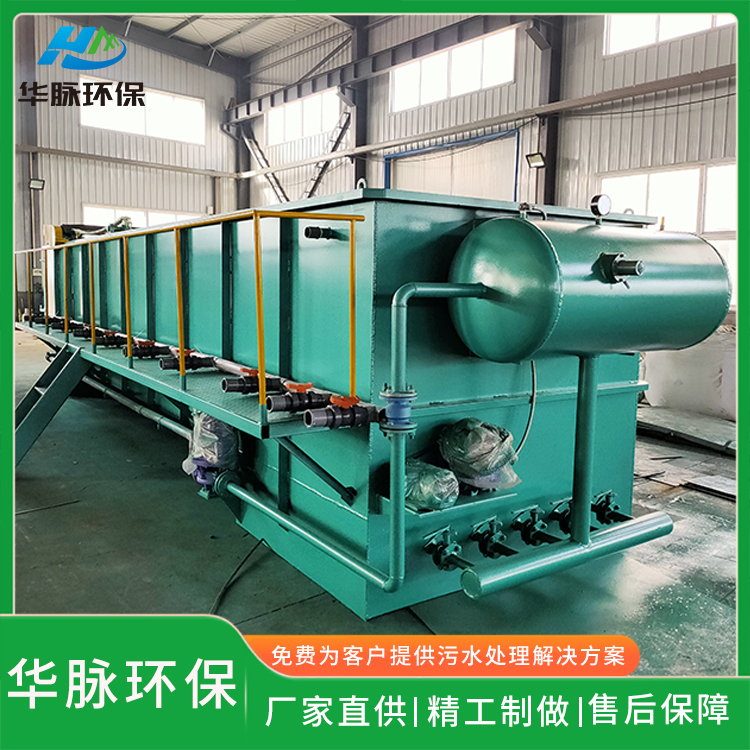
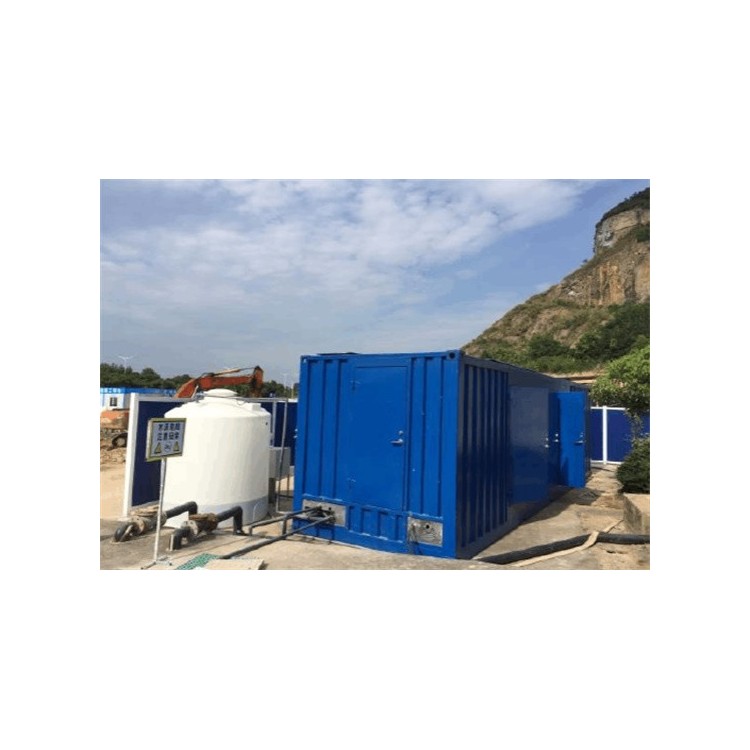
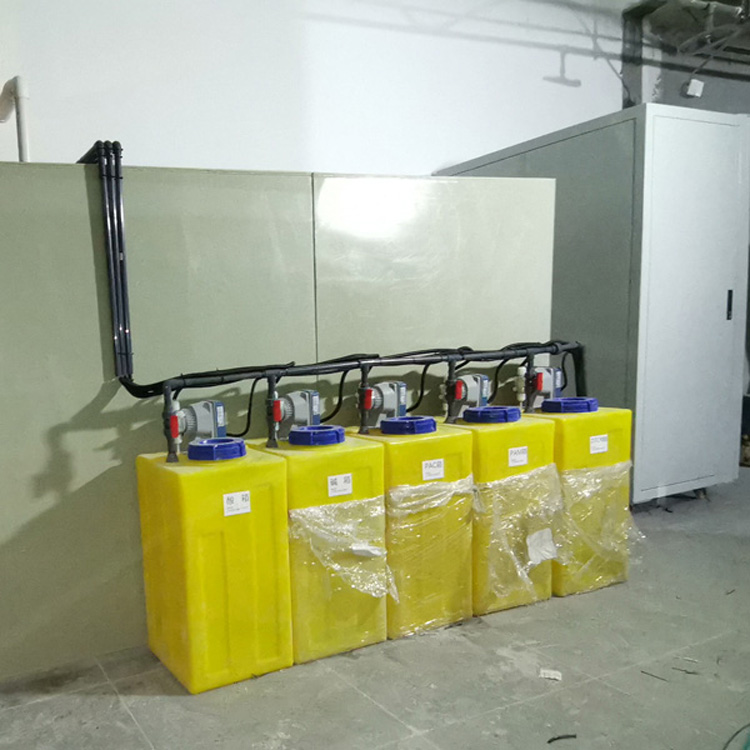
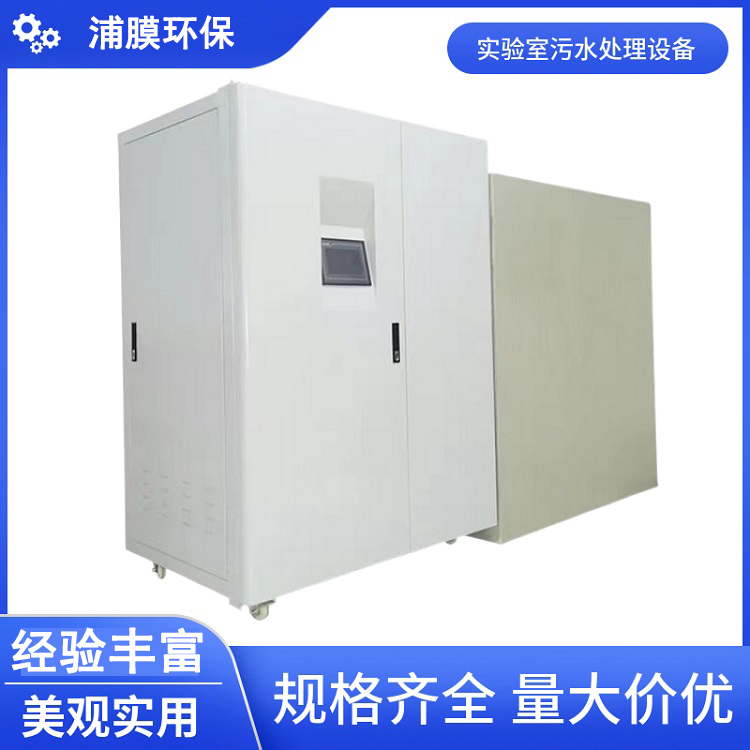
2. Refill Landfill: The membrane filtrate concentrate is pumped back into the landfill using a pressure pump, and the refilled concentrate continuously flows back into the landfill leachate treatment system. This leads to an increasing concentration of non-degradable organic matter and salt in the leachate, making the treatment system more challenging and its processing capacity severely degraded, often less than half of the original design capacity. Directly treating the membrane filtrate concentrate to meet the effluent water quality standards eliminates the need for refilling and evaporation concentration, without affecting the treatment capacity of the original leachate treatment system or generating any solid hazardous waste. The integrated landfill leachate membrane filtrate concentrate treatment equipment boasts excellent effluent quality, low initial investment, low operating costs, reliable operation, small footprint, no degradation, and no concentrate, making it the ideal treatment process for landfill leachate membrane filtrate concentrate.
After 15 years of dedicated research, Zhongke Guosheng has successfully developed a new process for treating leachate concentrate from waste filtration, a technology that continues to strive for innovation and improvement. Dazhi looks forward to deepening our cooperation with you in the field of environmental protection.
II. Equipment Usage
1. New landfill leachate treatment facility
2. Refurbishment of old landfill leachate treatment facilities
3. Treatment of leachate from multiple landfills in contiguous areas
4. Emergency Water Pollution Incident Response Support