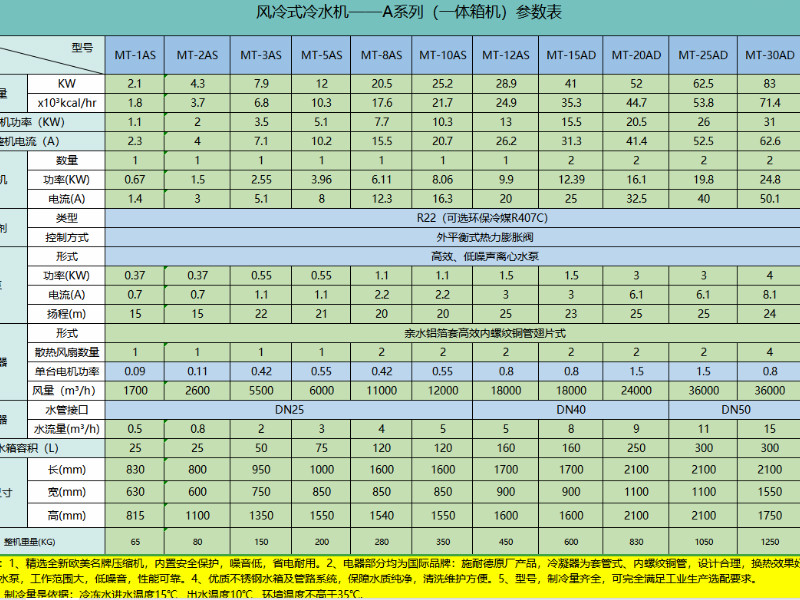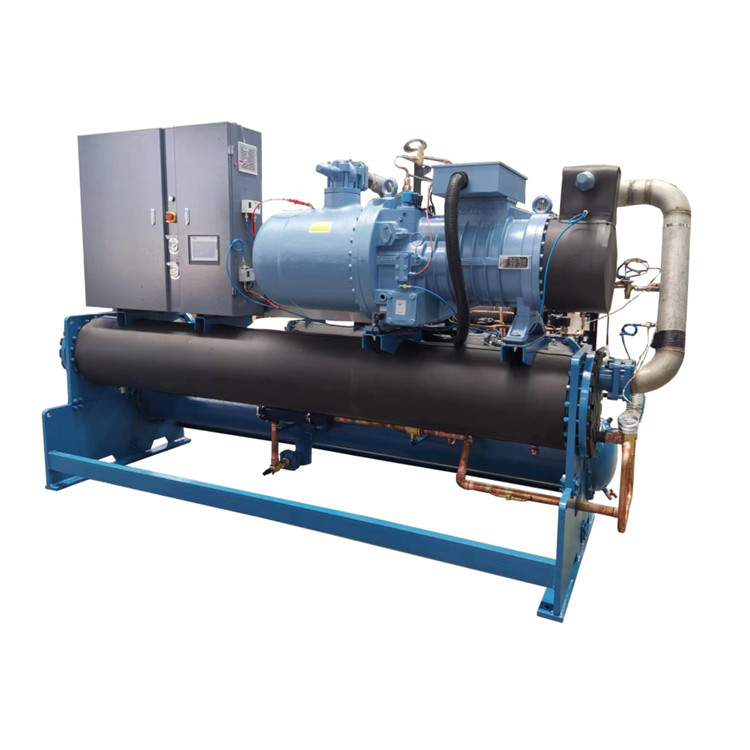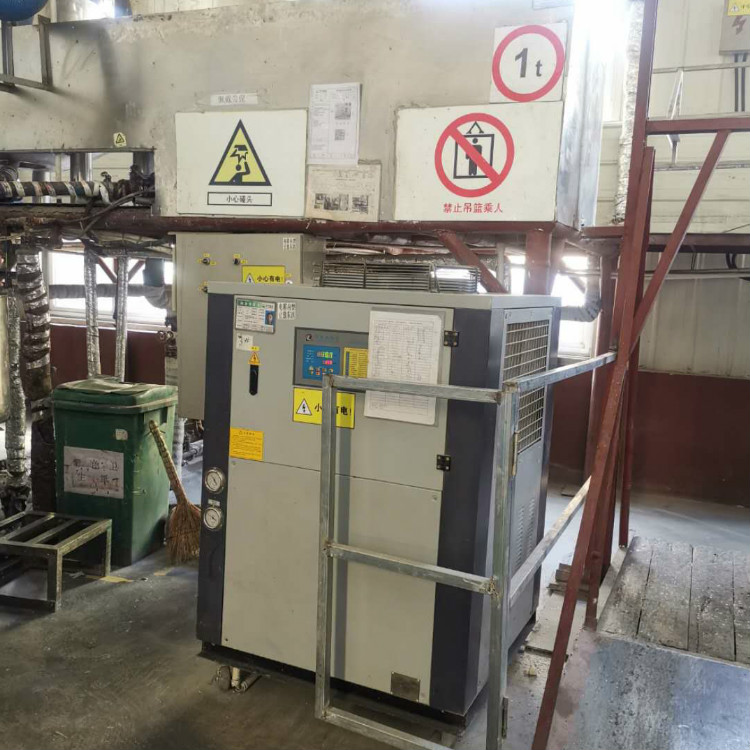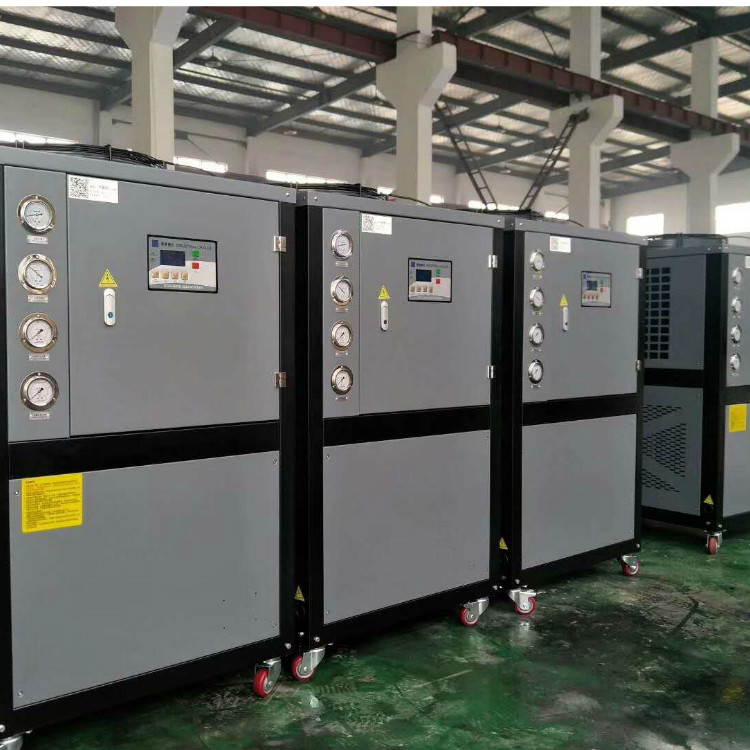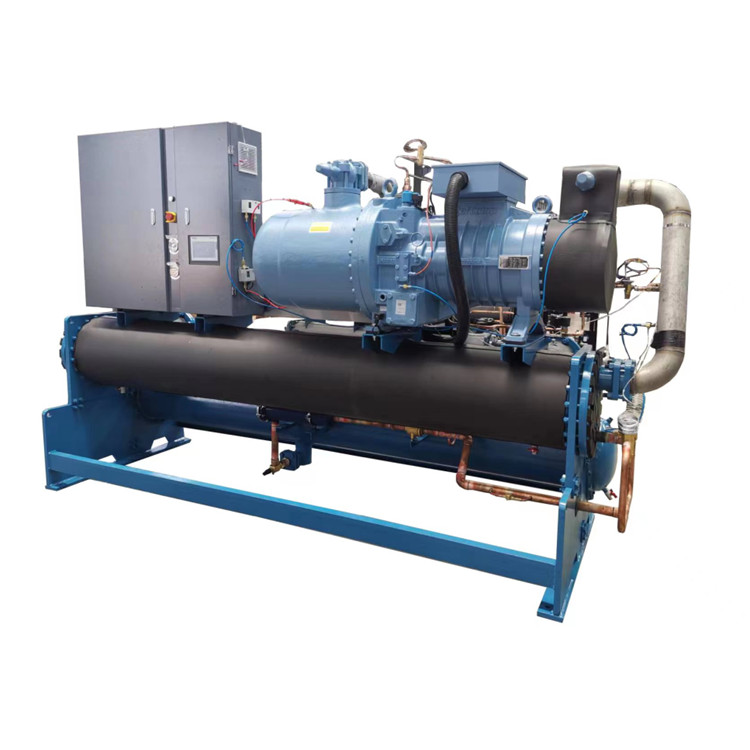

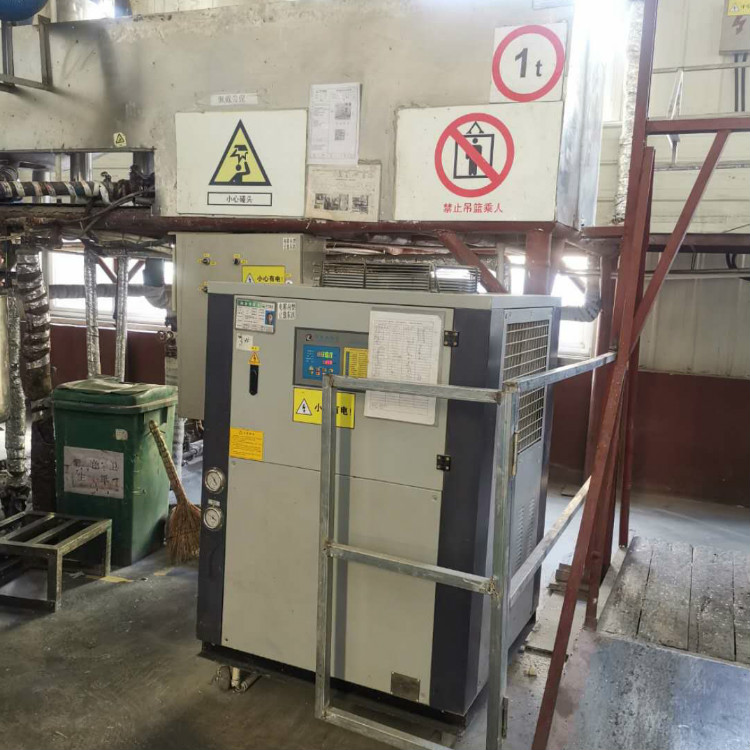
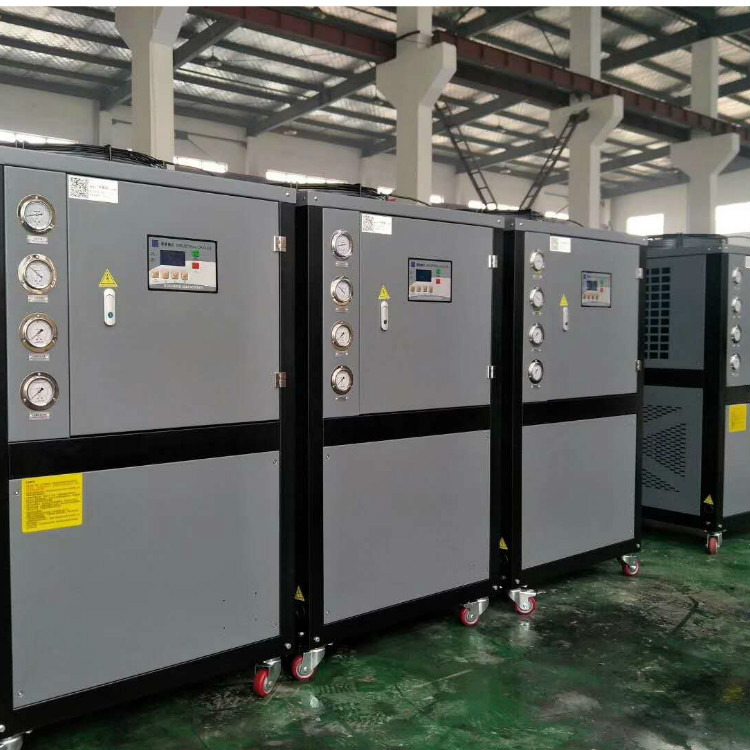












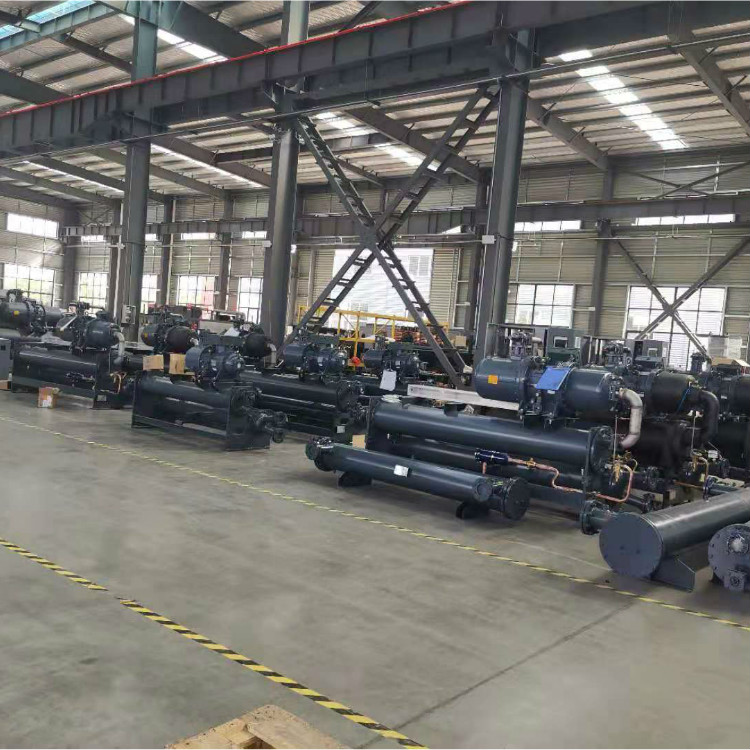
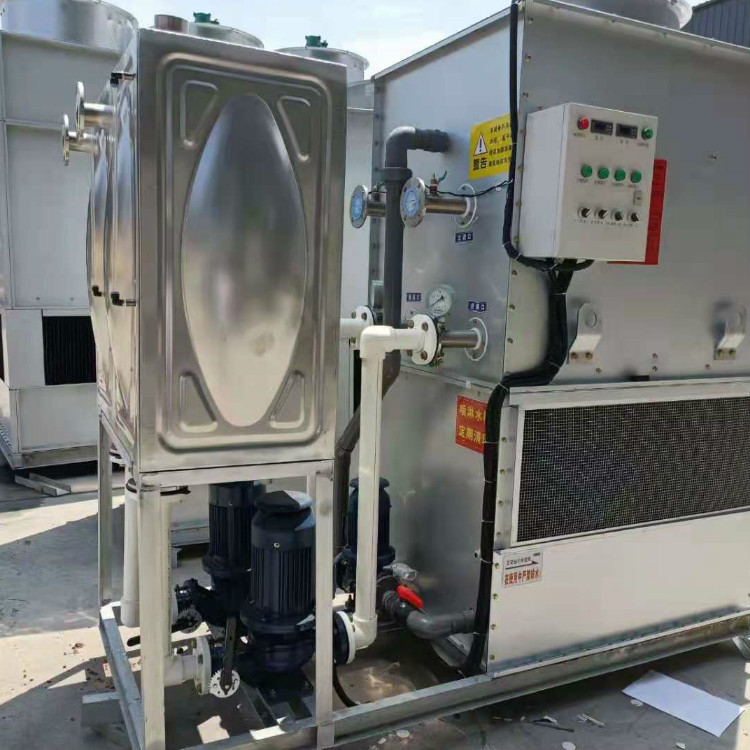
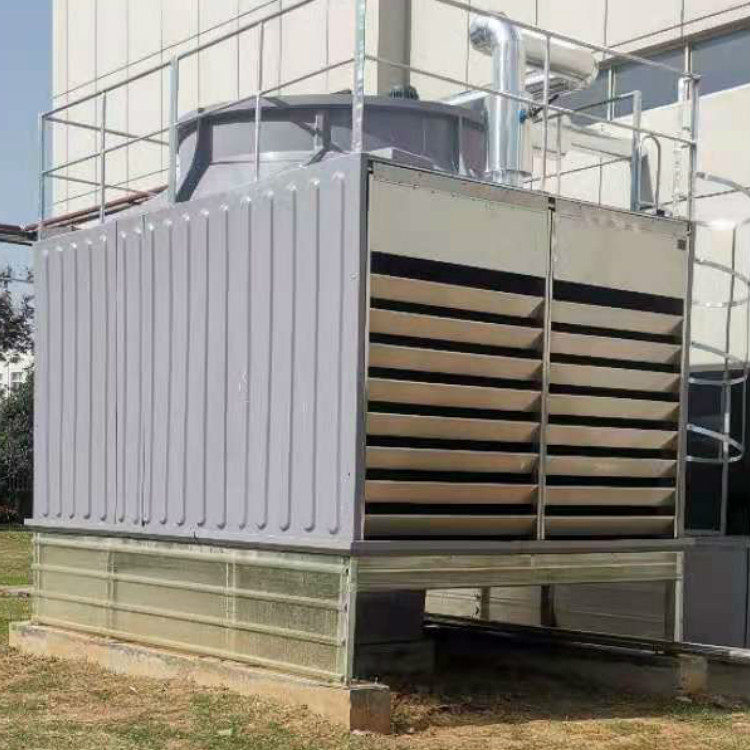
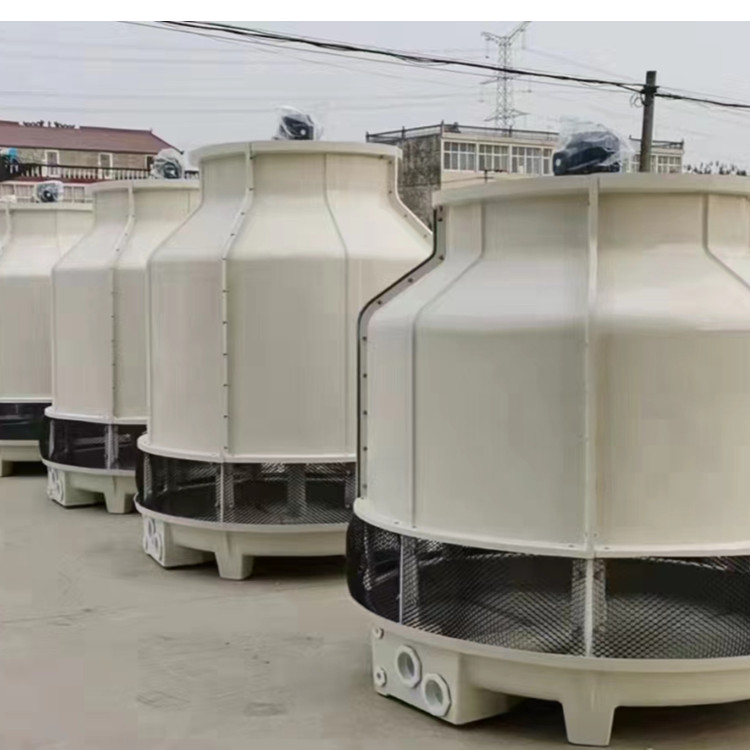
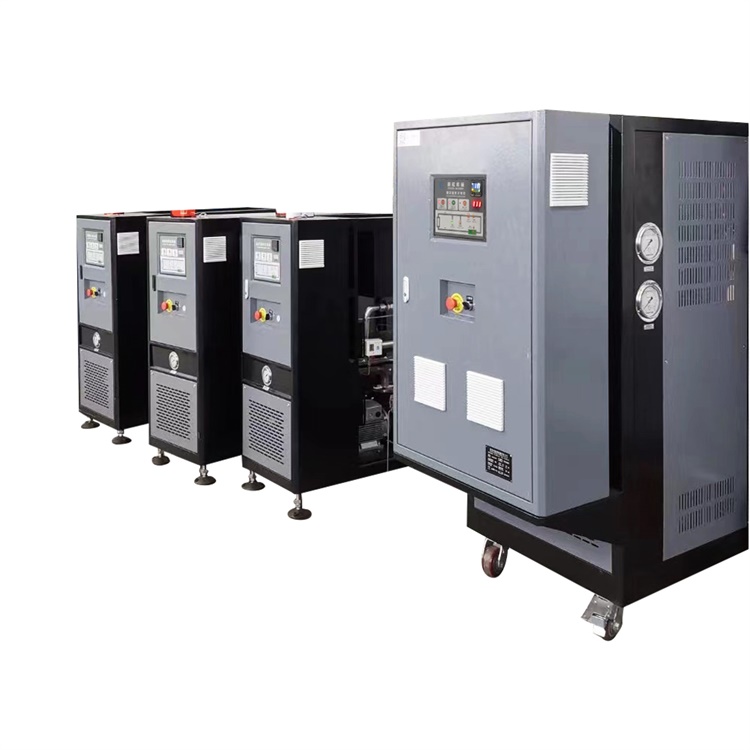
Electroplating chillers, electrophoresis chillers, and painting chillers are in high demand due to the widespread application of hardware workpieces in China, with increasingly stringent requirements for their surface coating. The main coating methods on the market currently are electroplating and electrophoresis. Electroplating is a process that involves using electrolysis to deposit a thin layer of another metal or alloy on certain metal surfaces. Electrophoresis refers to the movement of charged particles or molecules in an electric field, and it mainly includes four processes: electrolysis, electrophoresis movement, electrodeposition, and electroosmosis. So, what is the difference between electrophoresis and electroplating?
Electrophoresis refers to the movement of charged particles towards the electrode with opposite charge under the influence of an electric field, a technique that utilizes the different velocities of charged particles in an electric field to achieve separation.
Electroplating is a process that involves using electrolysis to deposit a thin layer of another metal or alloy onto the surface of certain metals. It is a technique that uses electrolytic action to adhere a metallic coating to the surface of metal or other material objects, thereby preventing oxidation (such as rust), enhancing wear resistance, conductivity, reflectivity, corrosion resistance (such as copper sulfate), and improving aesthetics. Heat is continuously generated during the reaction, causing the temperature of the electroplating solution to gradually rise. When the temperature of the electroplating solution exceeds the process requirements, it significantly affects the durability, uniformity, flatness, and surface smoothness of the plated layer on the electroplated products.
Electroplating cooling machines, electrophoresis cooling machines, and painting cooling machines directly cool the plating liquid by passing it through a filter or filter mesh into the evaporator of the chiller for temperature reduction before returning to the oxidation tank. Advantages and disadvantages of this cooling method: Short cooling time, good effect; the disadvantage is that the evaporator requires anti-corrosion treatment (usually titanium alloy), and scale is prone to form inside, necessitating regular cleaning to avoid affecting the refrigeration efficiency and machine operation.
Electroplating cooling water machines, electro-phoresis cooling water machines, painting cooling water machines indirect cooling: titanium tubes are laid in the oxidation tank, and the cooling water through the tubes carries away the heat of the immersion liquid to achieve cooling; if it's inconvenient to lay the titanium tubes, you can add a heat exchanger, allowing both the cooling water and the plating liquid to flow simultaneously.
Four, Wood-plastic composite boards are a high-tech and environmentally friendly new decorative material, mainly composed of wood (cellulose, plant cellulose) as the base material, mixed with thermoplastic polymer materials (plastics) and processing aids, uniformly blended, then heated and extruded into shape by mold equipment. They combine the properties and characteristics of both wood and plastic, serving as a novel composite material that can replace both wood and plastic.
In recent years, with the heightened awareness of environmental protection, environmentally friendly and recyclable industrial chillers have gained increasing attention.