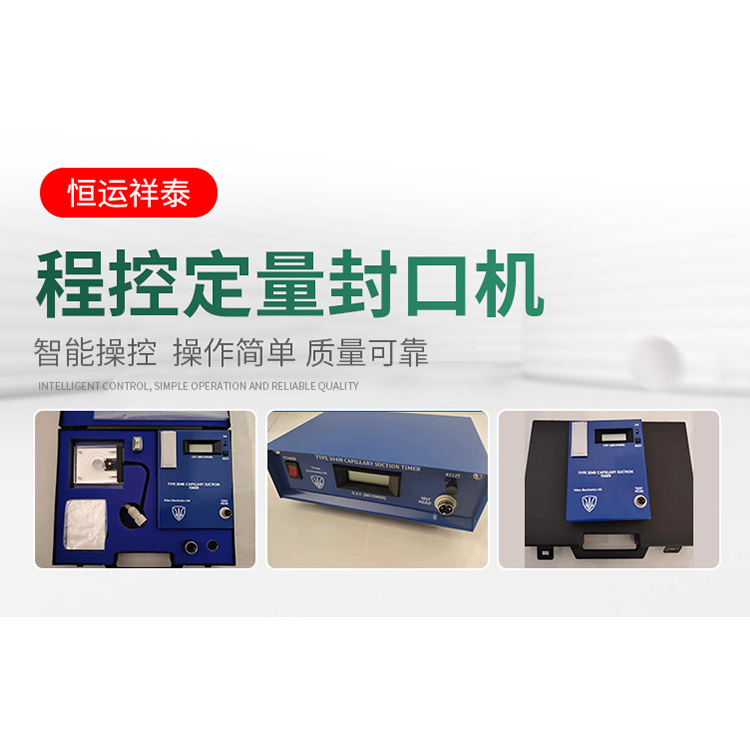

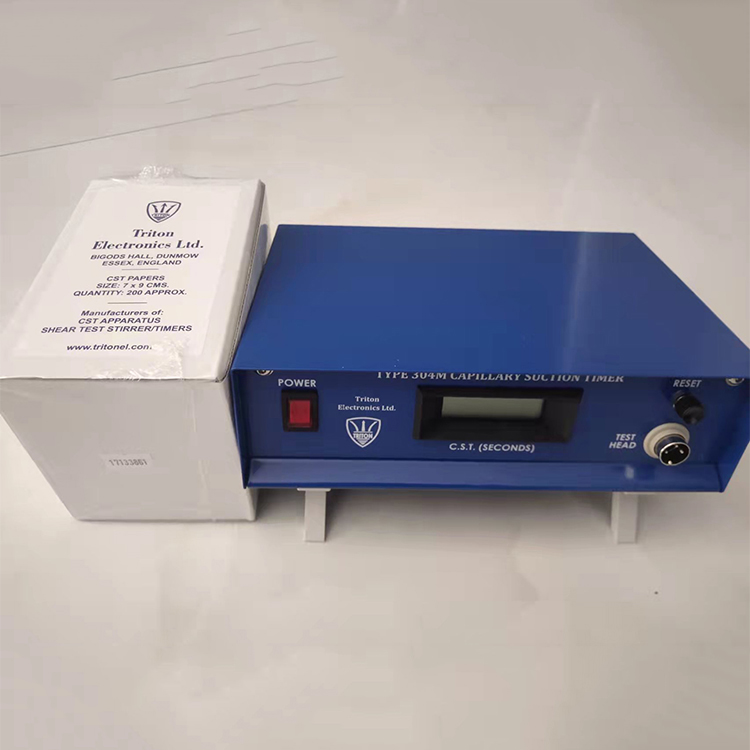

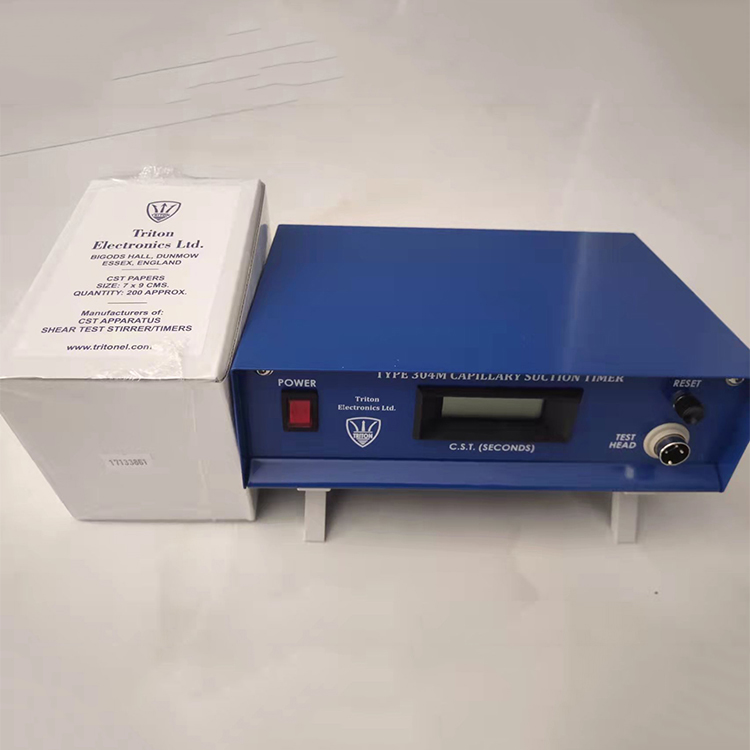
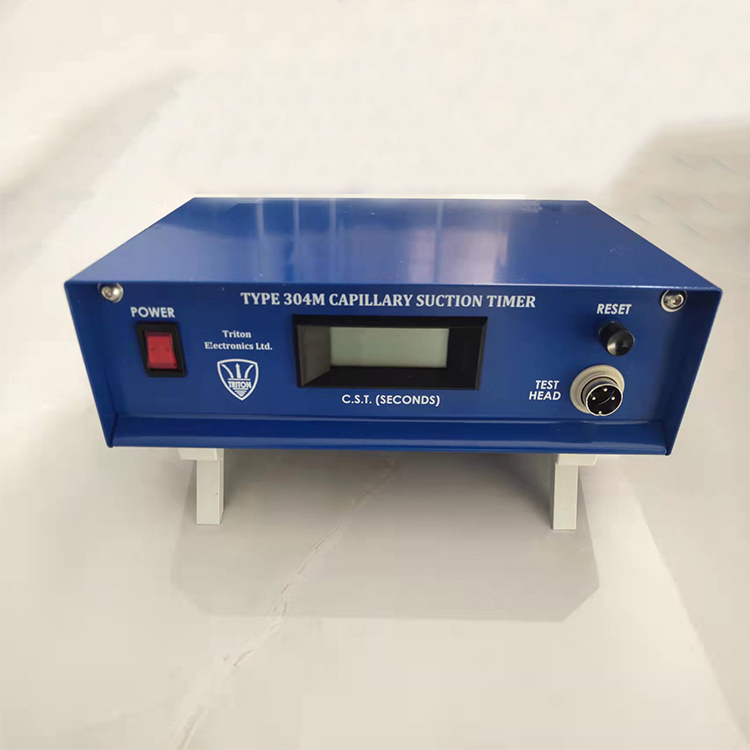
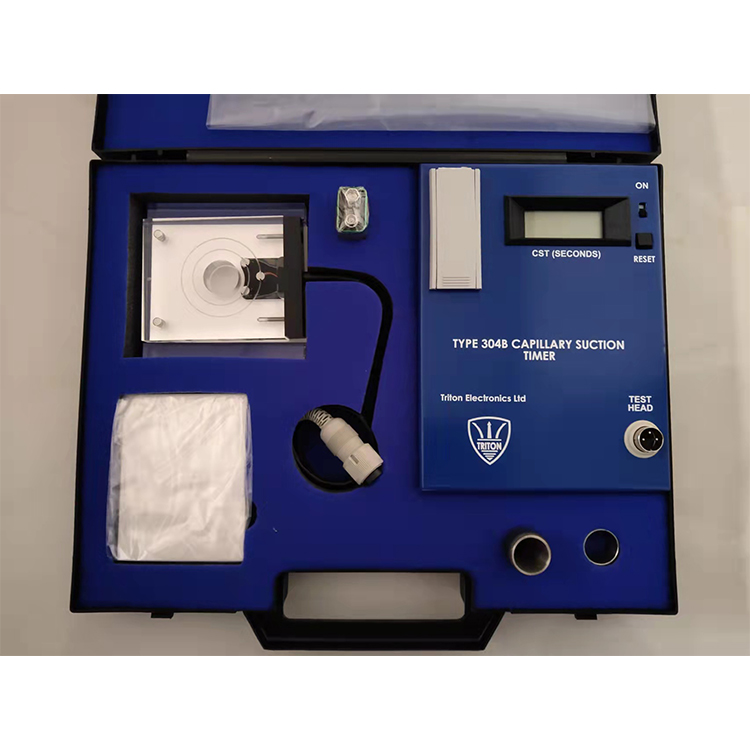









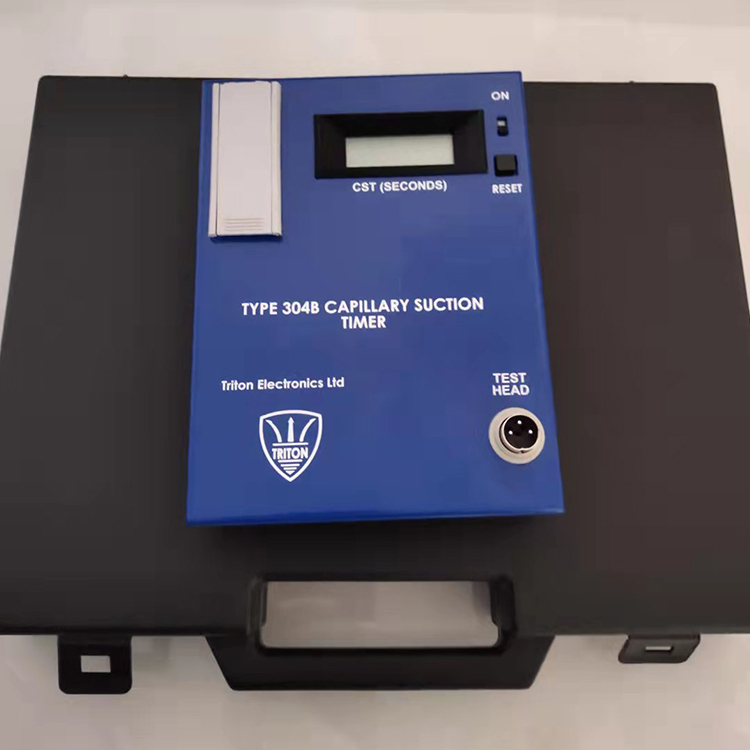
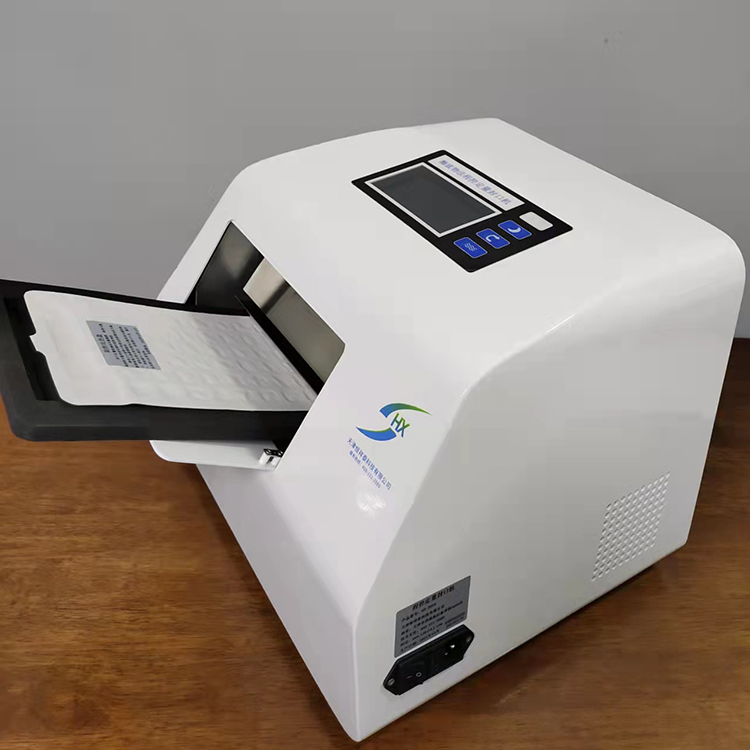
The CST (Capillary Suction Time) test instrument has been widely used internationally since the 1970s. Its test is a quick and reliable method to demonstrate sludge filtration and condition, and is applied in various fields, mainly including:
1) Due to the filtration performance of sludge affecting the output of almost all types of dewatering equipment, including dewatering beds, belt presses, vacuum filters, filter presses, and centrifuges, the CST measurement results guide the stable operation of the aforementioned equipment.
2) In the processes of urban sludge dewatering and oil field废弃钻井液絮凝处理, determine the ease of sludge dewatering and destabilization using CST, to ascertain the type and dosage of flocculants.
3) During testing of oilfield chemical treatment agents, such as in mud dispersivity and drilling fluid anti-swelling evaluations, results from the CST method are used to determine the type and dosage of the treatment agents.
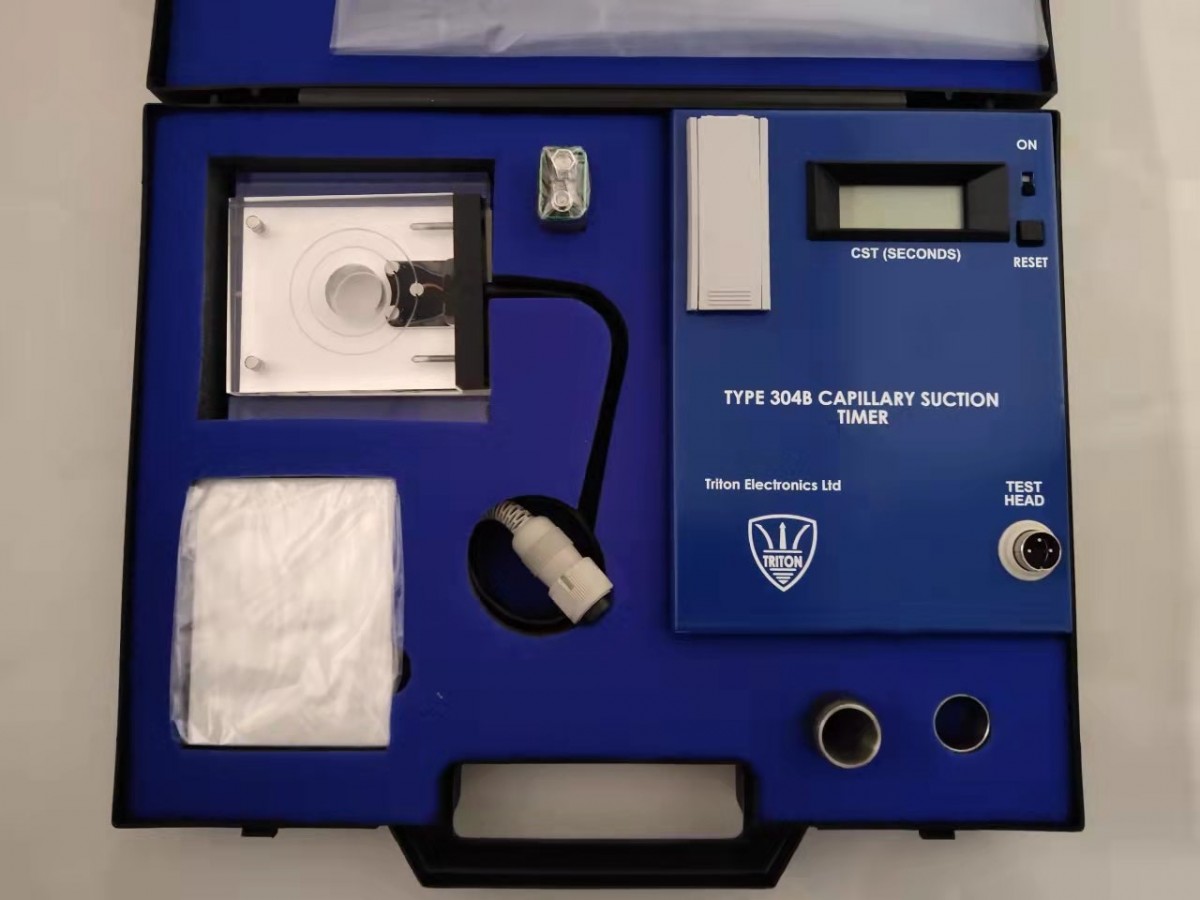
The capillary suction pressure generated by standard filter paper is used to "absorb" moisture from sludge. The rate of moisture penetration into the filter paper depends on the sludge's condition and the filterability of the paper cake formed on the filter paper. The CST is obtained from two electrodes placed at standard intervals on the funnel. The time from the start to passing through these two electrodes is the CST. The force generated by capillary suction in the funnel is far greater than the apex of hydrostatic pressure, i.e., the pressure generated by the capillary suction of the filter paper is much greater than the static water head pressure in the funnel, so the testing process does not depend on the amount of sludge being tested; CST can be produced as long as there is sludge.
English Introduction
The capillary Suction Time has been used since the 1970's as a quick and reliable method for characterising sludge filterability and conditionability.
It is sludge filterability that predominantly governs the output of nearly all dewatering equipment including: drying beds, belt press, vacuum filters, filter presses and centrifuges.
The capillary suction pressure generated by standard filter paper is used to "suck" water from the sludge. The rate at which water permeates through the filter paper varies depending on the condition of the sludge and the filterability of the cake formed on the filter paper. The CST is obtained from two electrodes placed at a standard interval from the funnel. The time taken for the water front to pass between these two electrodes constitutes the CST.
The force generated by capillary suction is much greater than the hydrostatic head within the funnel, so the test is independent of the amount of sludge tested, as long as there is sufficient to generate the CST. Each test can be completed in a few minutes.
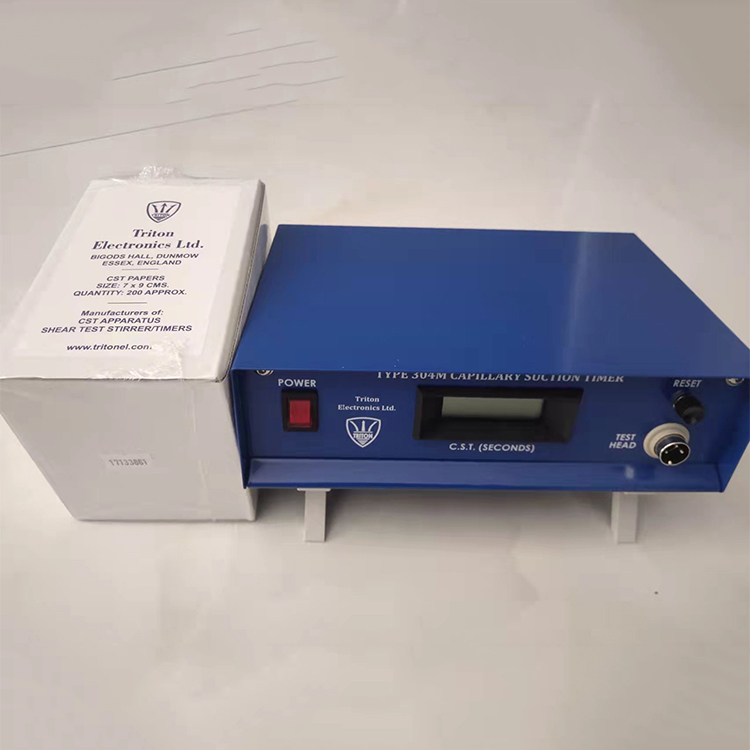
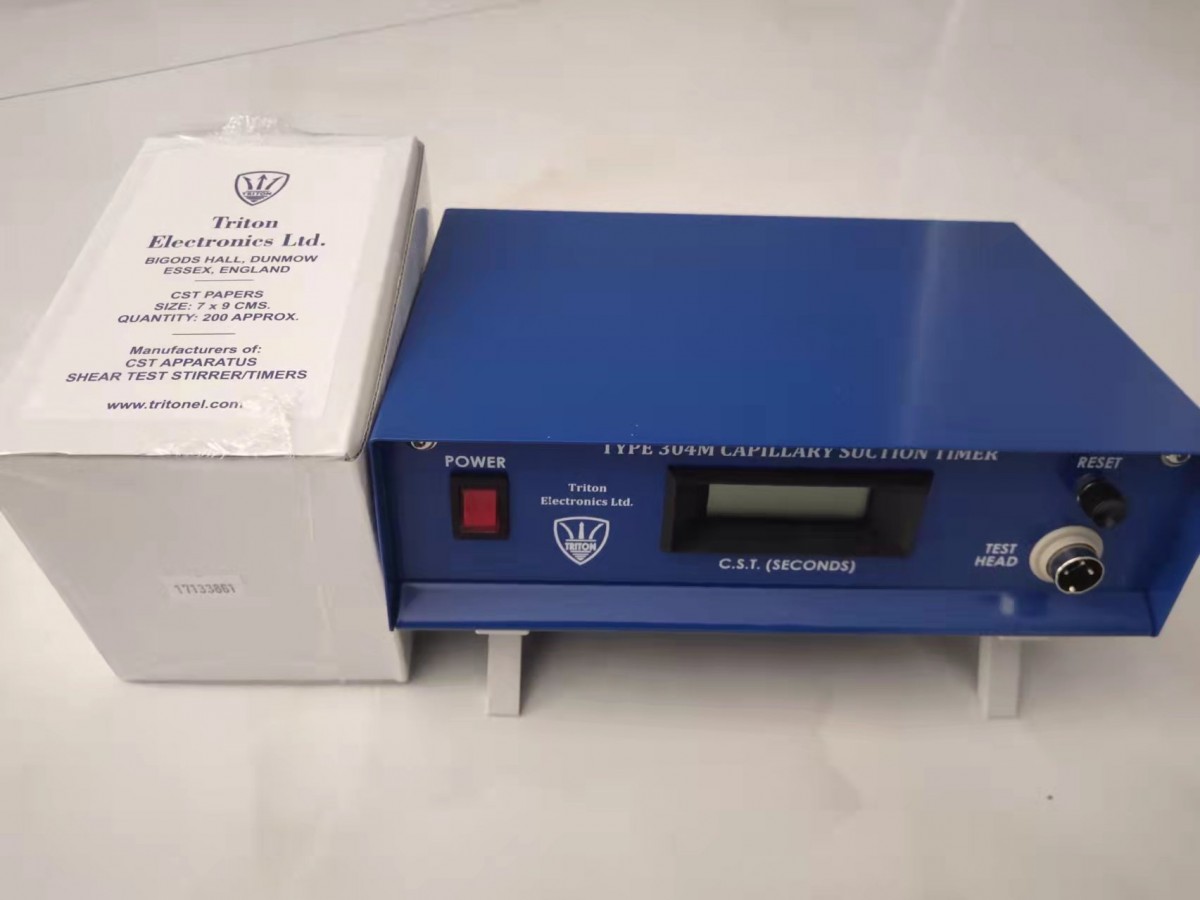
The model 304M CST is a replacement for the model 165CST. The lectronics has been improved and the mechanical counter replaced by a LCD. The unit has been designed and tested to comply with European and USA EMC standards.
The mains input supply can be set for either European or USA standards. This unit is now the basic laboratory CST test equipment.
Specifications
Case dimensions: 22 x 16 x 7 cm
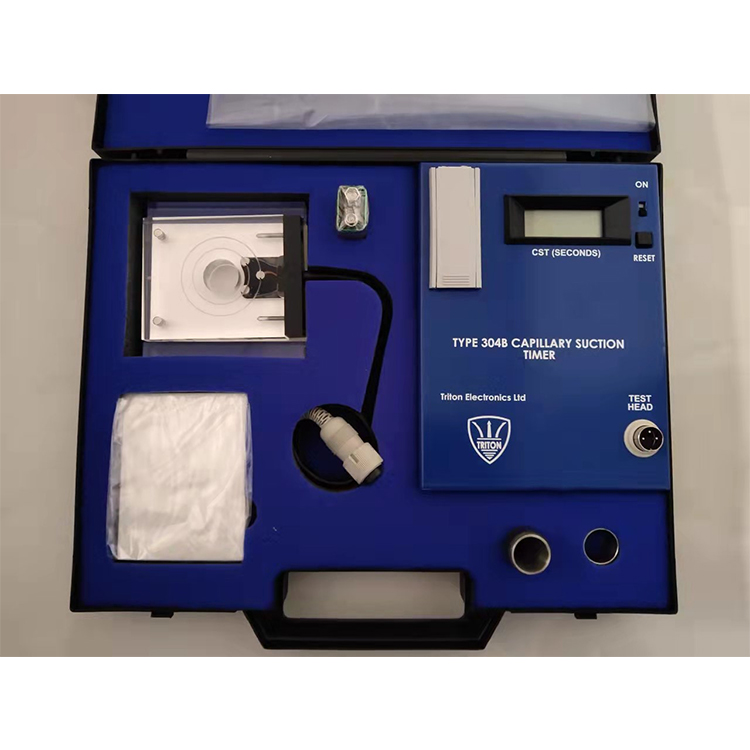
Each unit comprises of CST meter, Perspex block assembly and stainless steel funnels
Box of 20 filter papers
Also Available
Model 304B - Portable CST unit similar to the 304M in capability
Model 131/133 - Stirrer/Timer unit used to comply with European testing standards
Filter paper - supplied in boxes of 200, batch traceable for reliability