







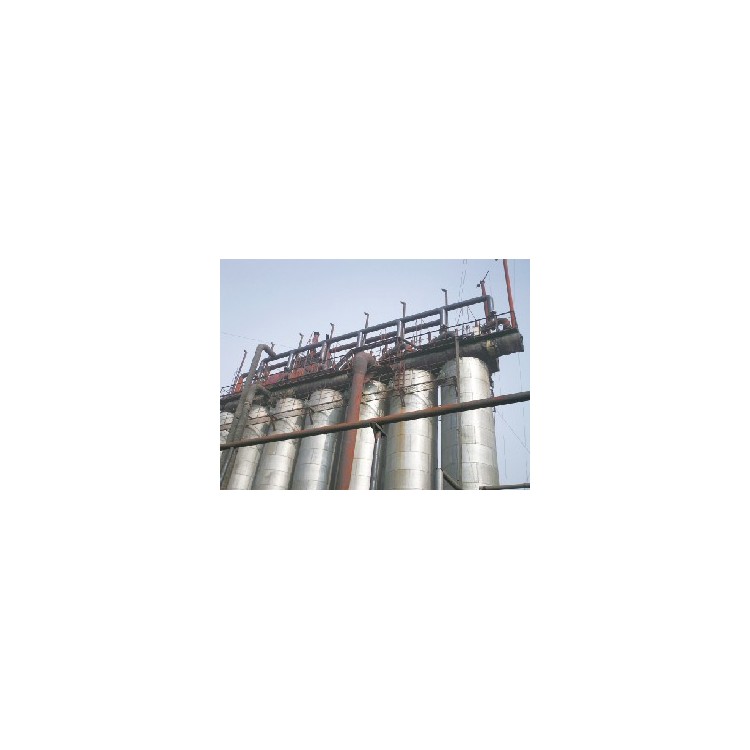
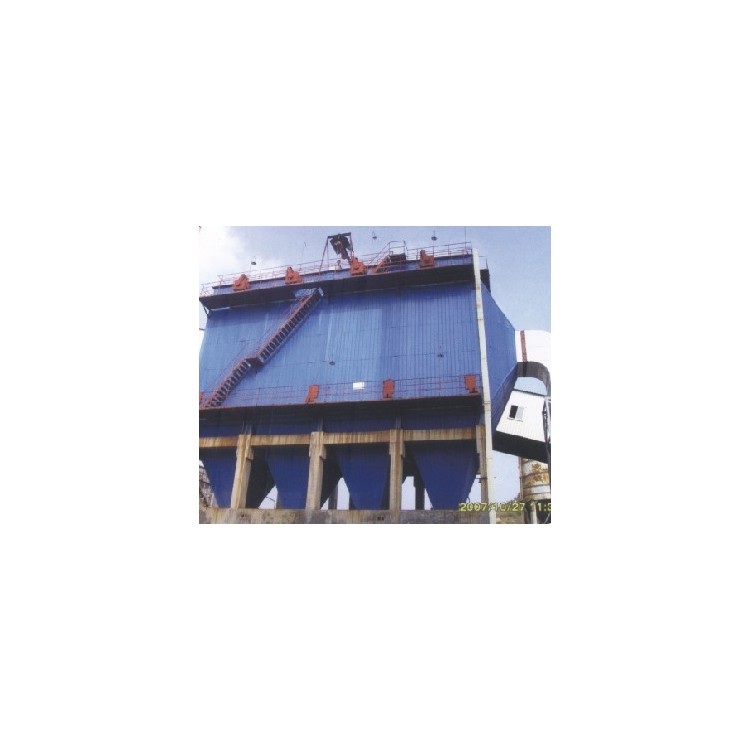


I. Product Overview
【Production Capacity】20-400t/h
Application FieldsSand Quarry, Mechanized Sand and Stone Quarry, Mining, Coal Mining, Concrete Batching Plant, Dry Mortar, Quartz Sand, etc.
Applicable MaterialRiverside pebbles, granite, basalt, iron ore, limestone, quartzite, dolerite, construction waste, etc.
Product Overview
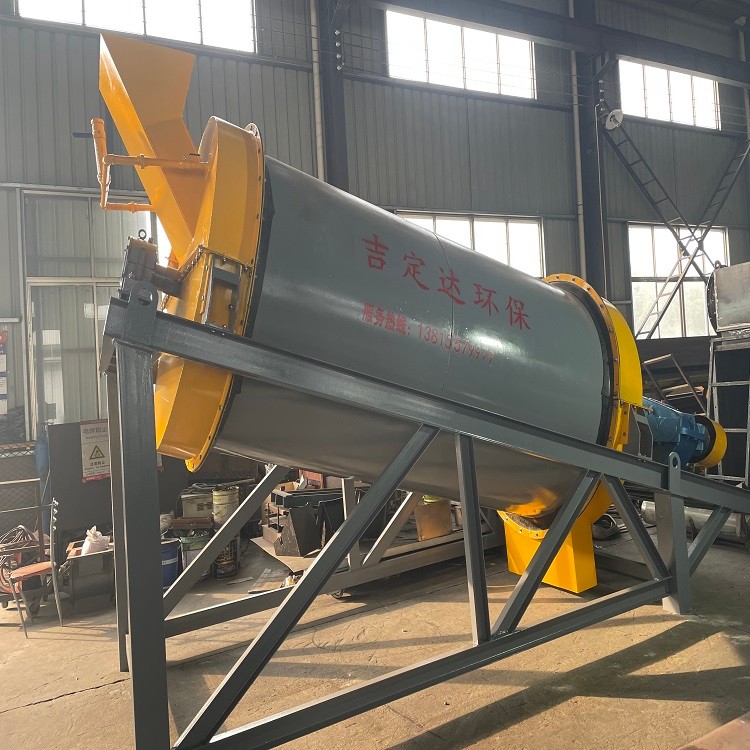
With the increasing emphasis on energy conservation and environmental protection in the context of environmental concerns, and the strong promotion of dry sand production to replace traditional water-washing sand machines, we have independently developed and produced a special powder separator for sand and stone lines.
JDDSeries sandstone separator pulverizers offer significant energy-saving effects, reduce dust emissions, meet environmental protection requirements, have excellent separation performance, easy control over stone powder content, convenient, sensitive, and reliable fineness adjustment, strong automatic control capabilities, easy maintenance and repair, compact structure, small land occupation, cost-effective equipment investment, short payback period, and are products that replace traditional water-washing sand washing machines.
Compared to traditional sifter machines,JDDThe series of sand and gravel selection mills feature the following unique characteristics.
1High separation efficiency: Utilizes a propeller-type spreading disk. It not only serves as a spreading device but also generates an upward air current, causing the particles on the spreading leaf surface to boil and disperse, enhancing the separation and dispersion properties of the material particles.
2Advanced separation principle: Breaks through the traditional water washing separation principle, employing both gravity and centrifugal separation fields. Materials are separated in a separation chamber, with good dispersion and high separation intensity under the strong action of vortex and tangential shear. The separation efficiency is high, and each separated material passes through a clearly defined separator area. The separation conditions for each part remain stable and unchanged, thus ensuring high separation accuracy.
3Operation Simple: Equipped with a variable-frequency inverter for stepless speed control, it offers convenient adjustment of the spindle speed, fine-tuning with high sensitivity and reliability, and a wide range of adjustment.
4Optimized the design of the selection area and the lifting zone, expanding their spatial range, and enhancing sorting efficiency.
5The snail horn at the inlet of the cyclone筒 has been newly designed, with added wind guide plates and a newly developed cyclone筒 sleeve structure, reducing fluid resistance and improving the dust collection efficiency of the cyclone筒.
6The unit has been optimized with various anti-condensation devices, offering excellent anti-condensation performance.
7The internal design has been optimized with an elastic sweeping device and various anti-condensation devices, offering excellent anti-condensation performance.
8. All vulnerable parts are protected by new multi-stage shims, effectively extending the main unit's lifespan.
9. The rotating system employs a dry oil workstation system, effectively resolving the issue of easily damaged bearings.
10. The use of statically determinate structures ensures the machine operates with minimal vibration; incorporating dust-reducing and vibration-reducing fans further decreases system vibration.
11. The coarse powder and fine powder pipes are equipped with dual-locked air valves, significantly reducing air leakage rates and overcoming the previous defect of excessive dust generation in the separator.
II. Structure and Working Principle
1、The material enters the inner shell of the classifier from the upper hopper of the sifter, falls onto the integrated impeller sprinkling disk that is part of the rotor, and is scattered outward under the high-speed rotation of the sprinkling disk. Simultaneously, it is lifted upwards by the ascending air current generated by the blades of the sprinkling disk, creating a boiling effect on the disk's impeller blades. The fine particles in the material rise upwards in a suspended and dispersed state, while the sand is scattered by the disk's blades and falls along the筒 wall, completing the first stage of sifting.
2. A wind guide is positioned below the spreading disk, creating a vortex that re-disperses the heavy materials falling along the cylinder wall. The fine powder is lifted upwards and re-enters the circulating air for further classification. The coarse powder then passes through a drip device and is discharged from the inner cone.
3. A cage-type rotor is positioned above the sifter. Inside the selection chamber, the airflow and material dispersed in the airflow near the surface of the upper cage-type rotor grade ring rotate at high speed together with the grade ring. This creates a uniform and strong swirling airflow around the grade ring. Within this area, the relationship between centrifugal force and suction force at any position remains constant. The centrifugal force exerted on the material in the airflow can be adjusted by varying the speed of the motor's main shaft. As the speed increases, this force also increases. If the air volume is kept constant, the amount of powder in the sand increases. Conversely, if the speed is reduced, the amount of powder in the sand decreases.
4. After being classified by the upper-type rotor, the fine particles are carried by the circulating air into the various high-efficiency cyclone dust collectors externally.