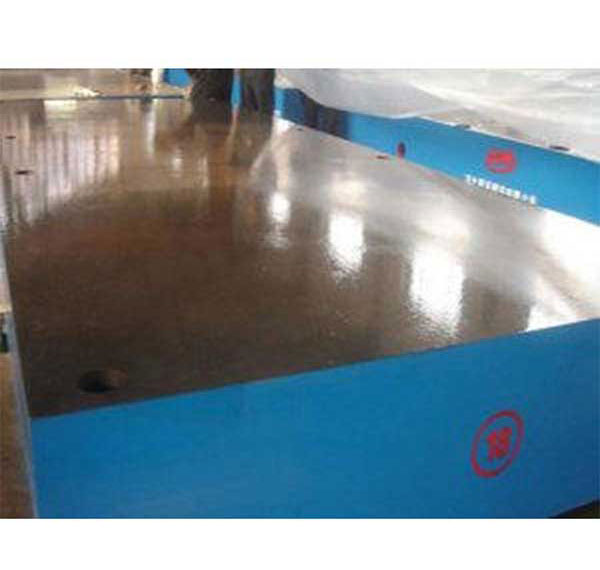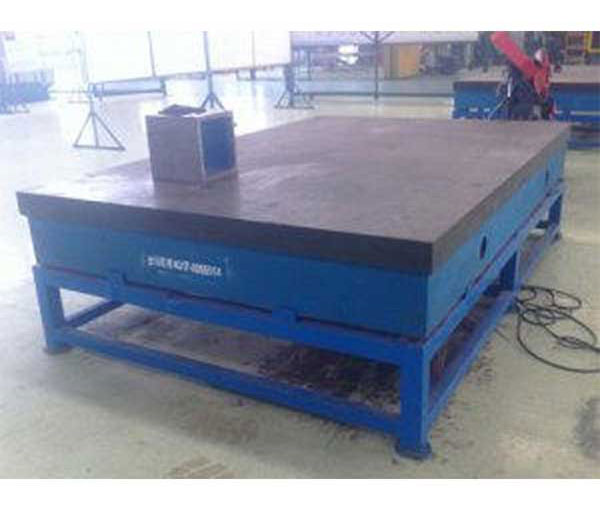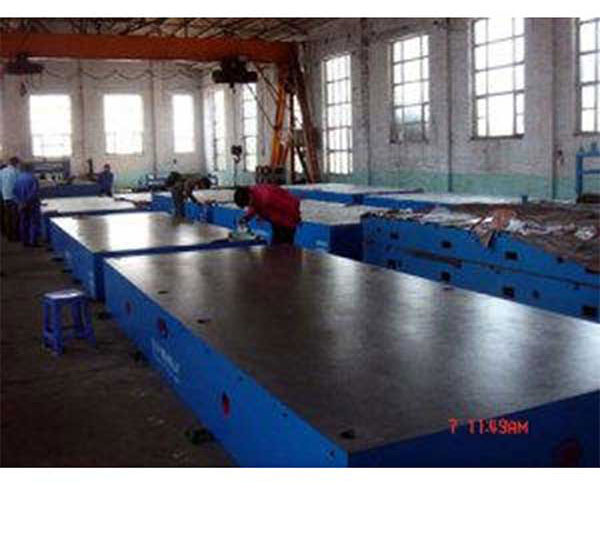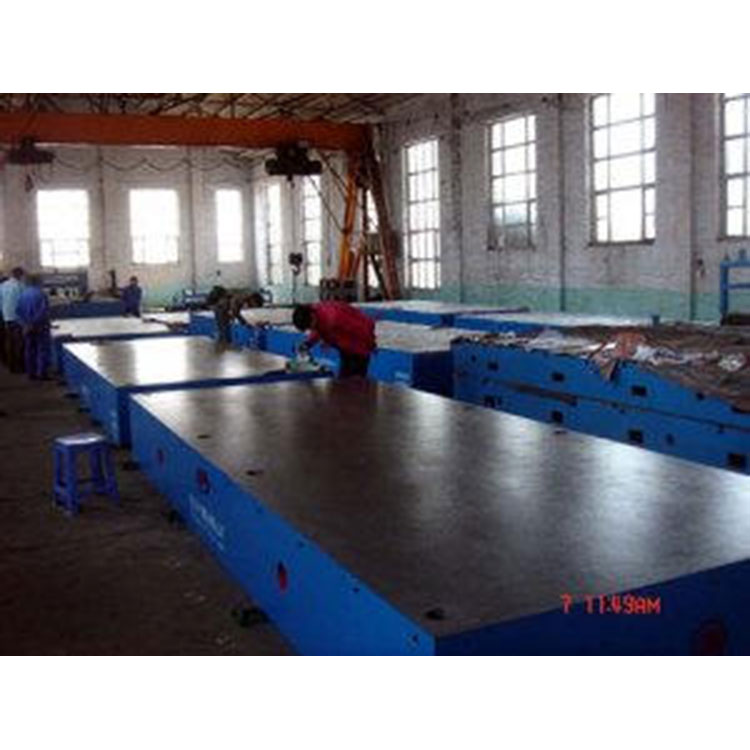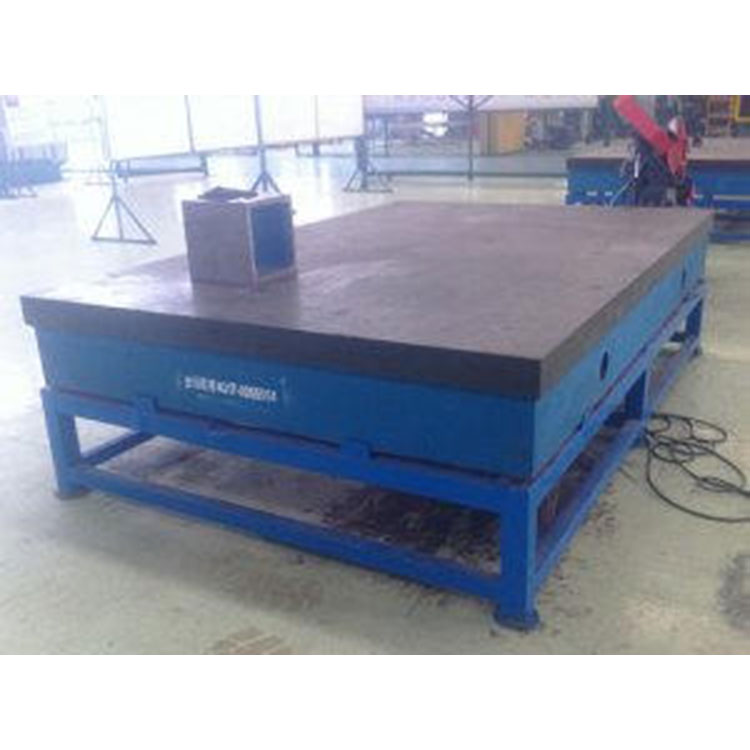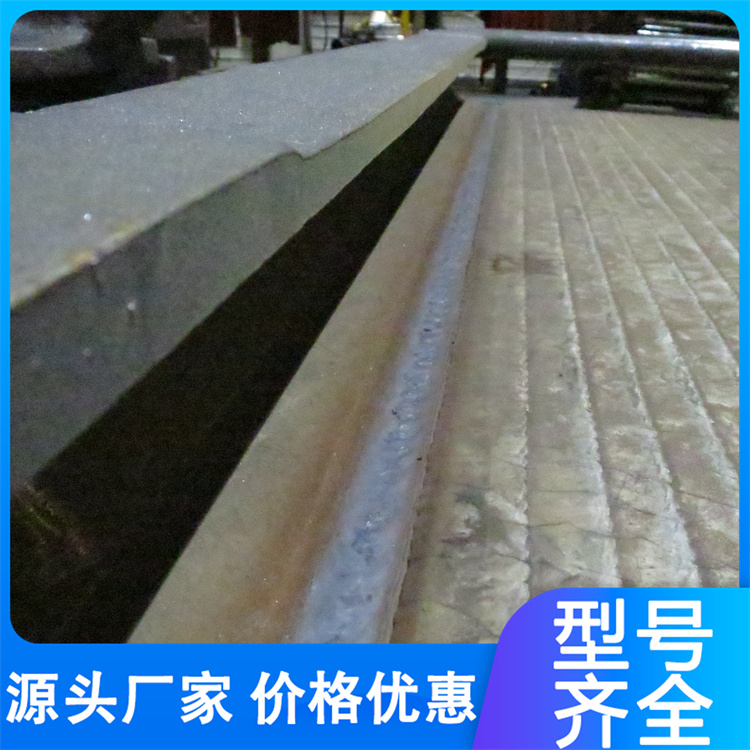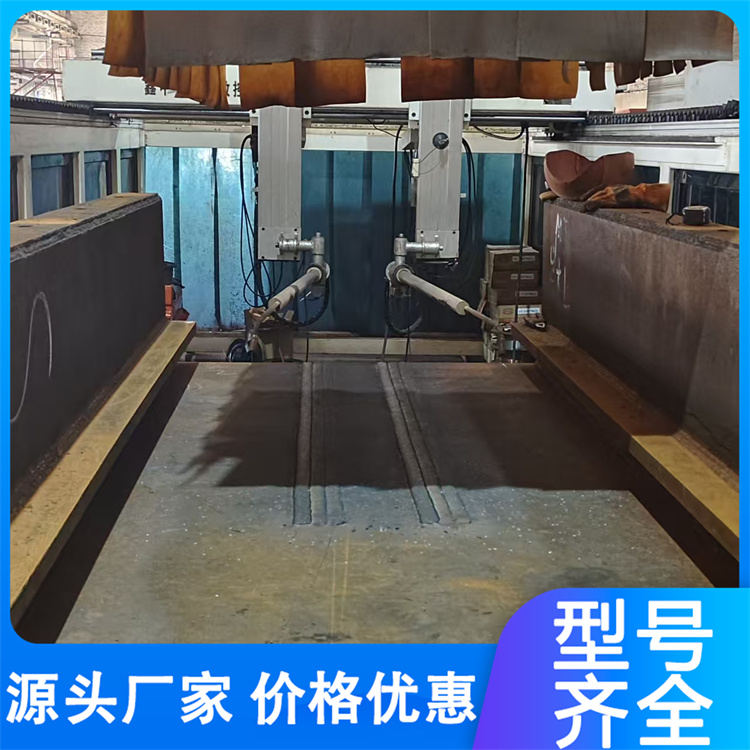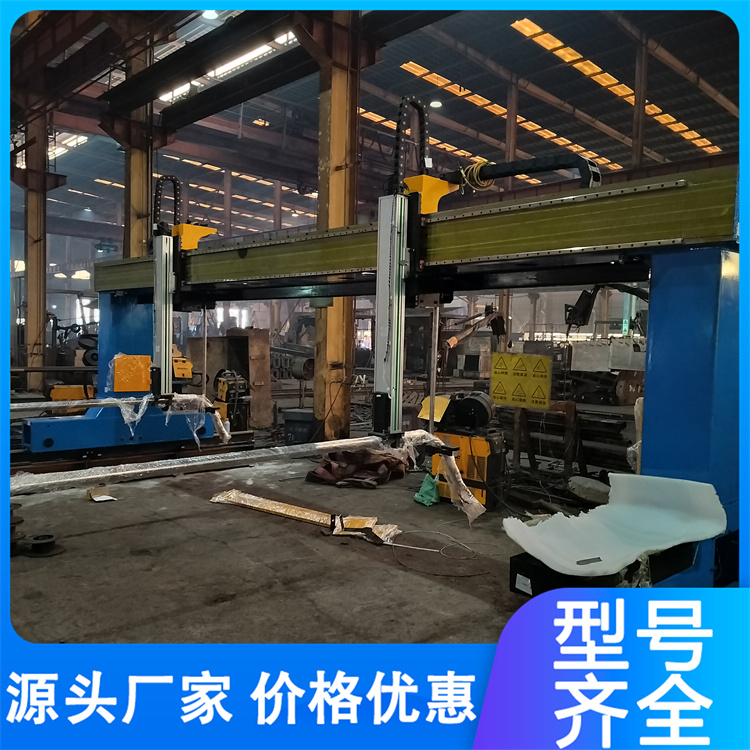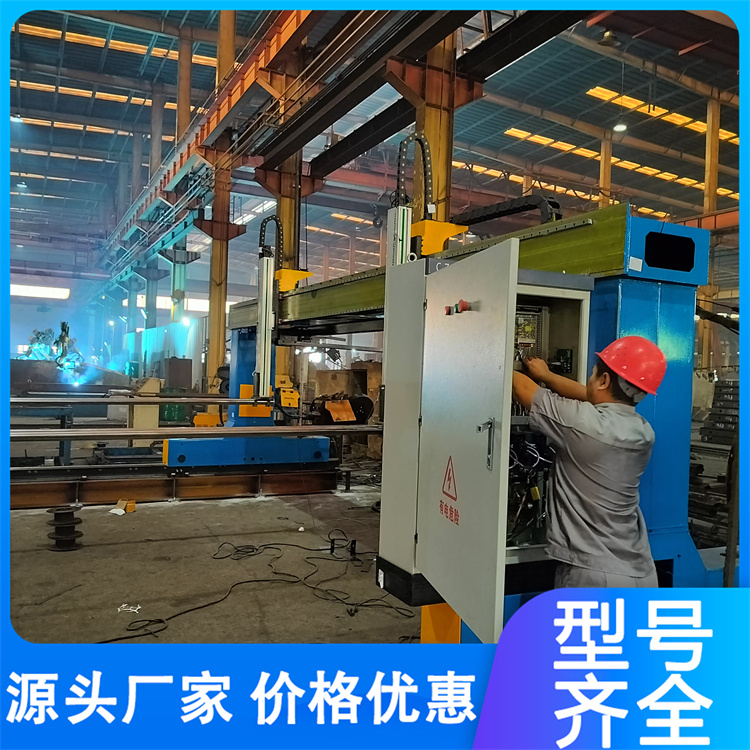



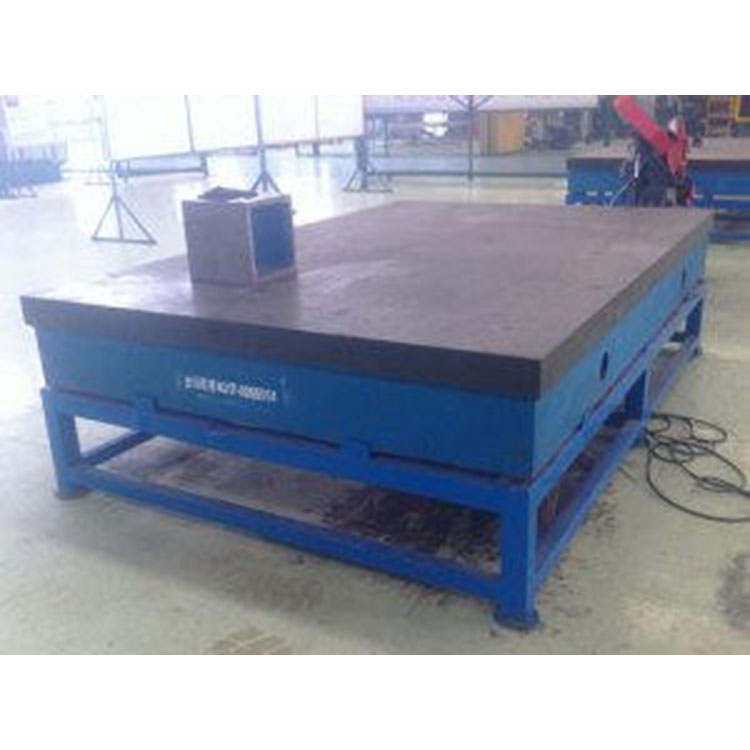









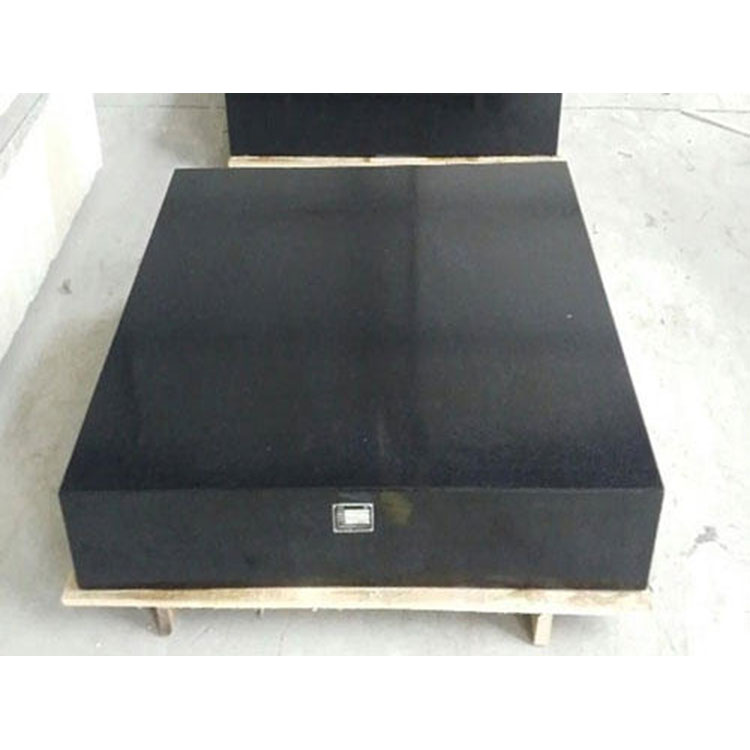
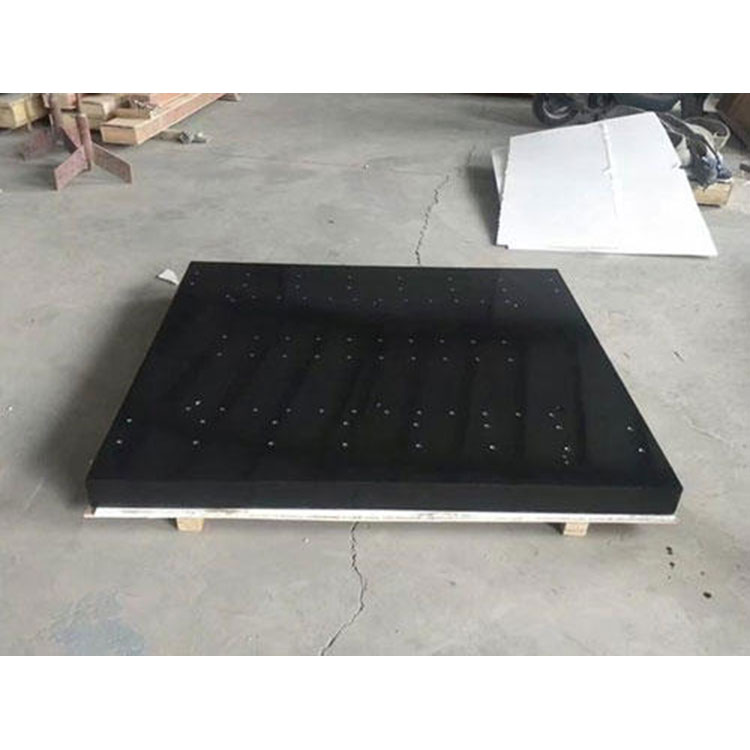
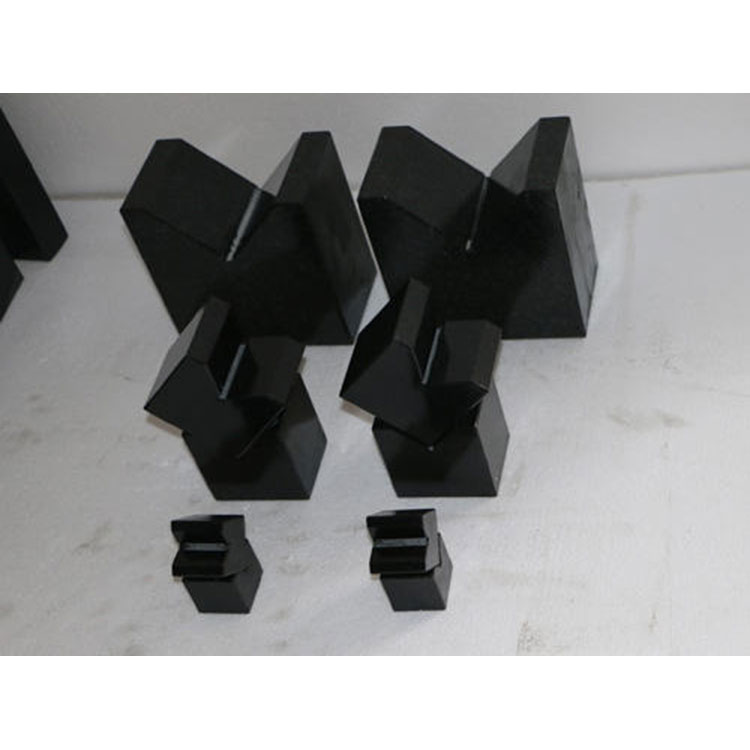
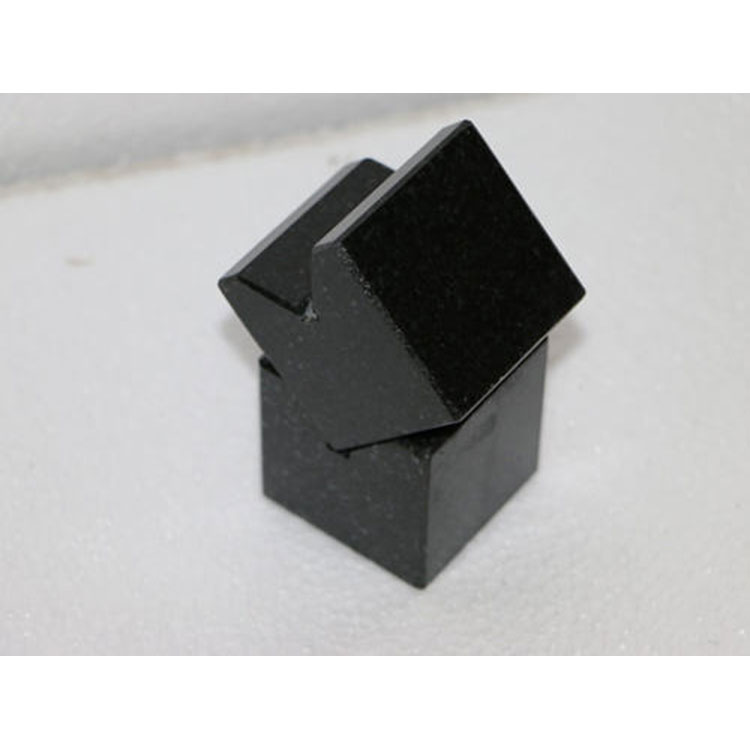
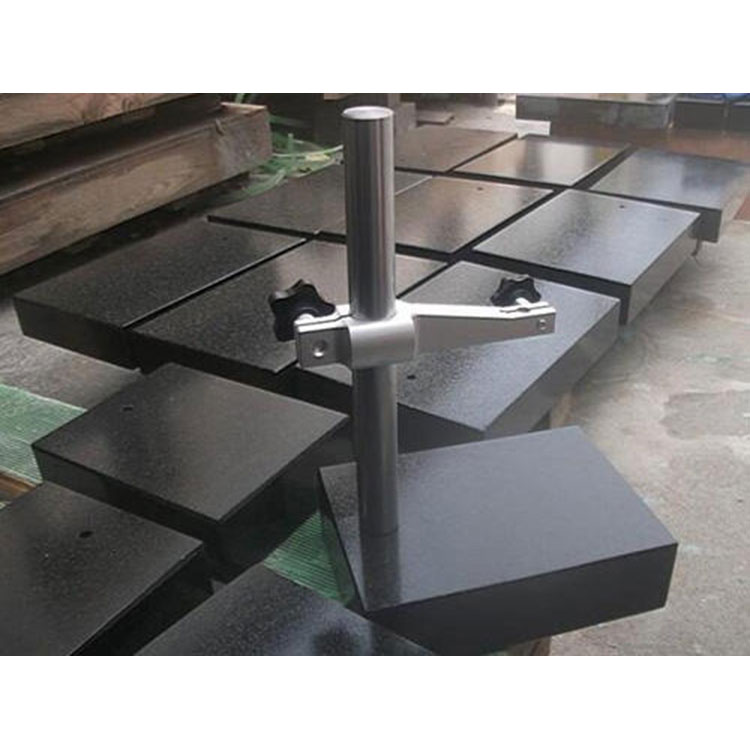
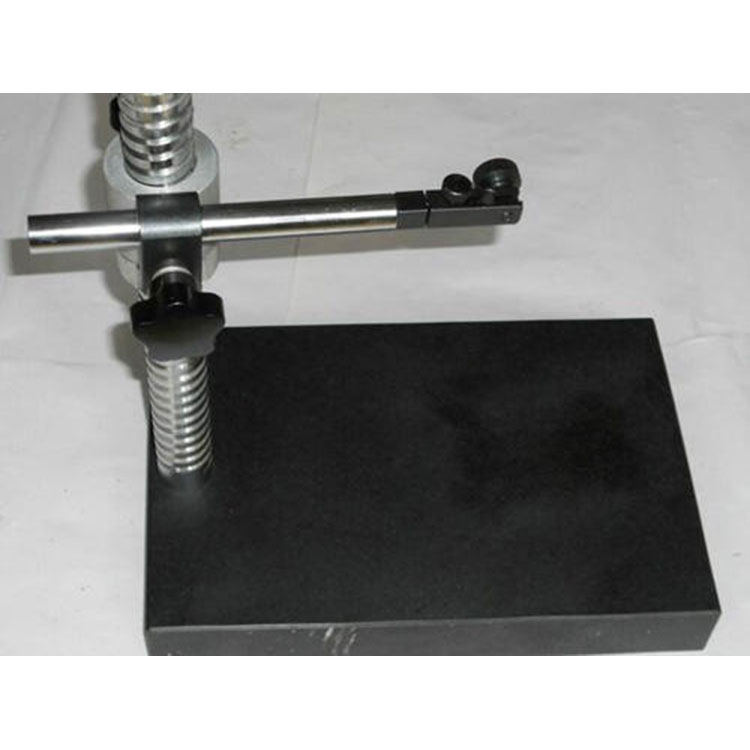
Assembled Flat Plate (Assembly Platform) Usage:
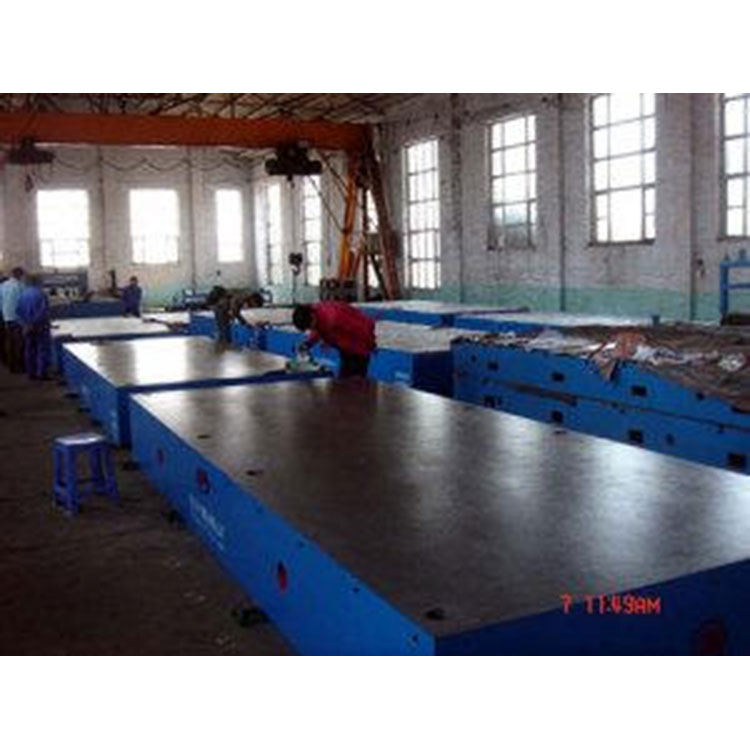
Widely used in machine processing, tool shops, machine (inspection) repair shops, large equipment bases, and for inspection, measurement, and grinding of gauges and precision machining, featuring high measurement standards. It is used for checking the flatness, straightness, and tolerance values of angles of workpieces. Assembly Flat (Assembly Platform) Material:
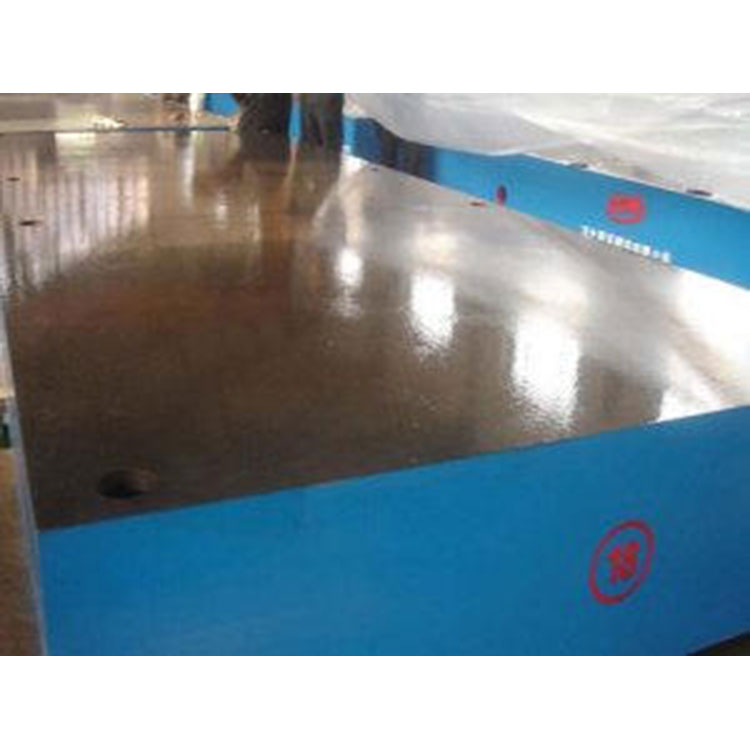
Machining平板 (machining platform) is made of high-strength cast iron HT200-300, with a working surface hardness of HB170-240. It has been processed twice manually (artificial annealing at 600-700 degrees and natural aging for 2-3 years), ensuring stable precision and excellent wear resistance.
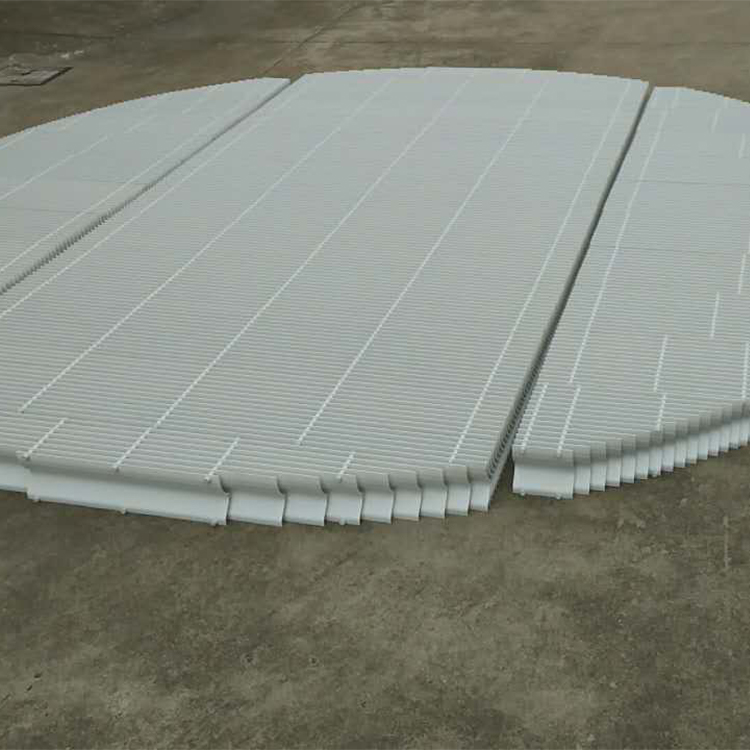
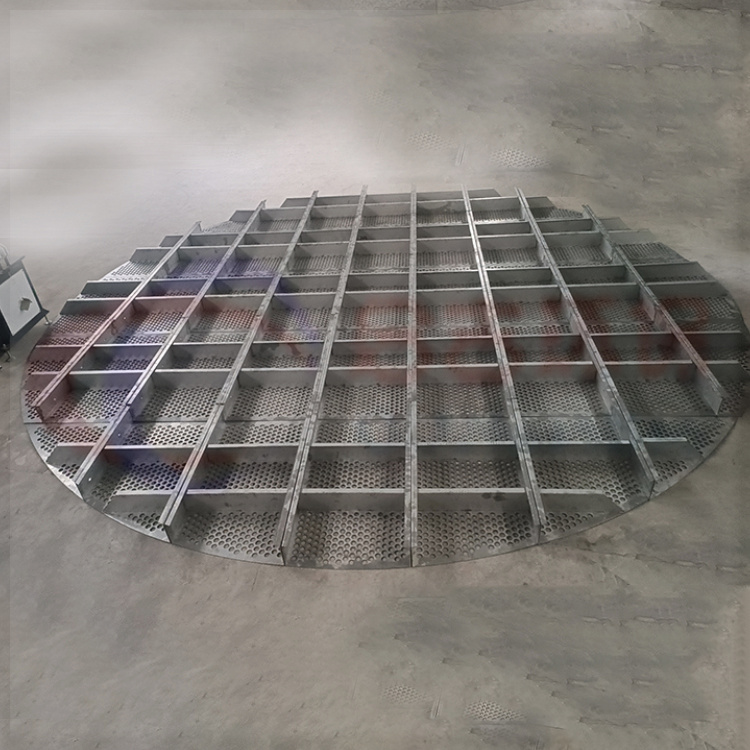
The production process for assembly plates (assembly platforms) generally requires strict adherence to the "Mechanical Industry Standard of the People's Republic of China" JB/T 7974—2000 for processing and production. However, sometimes, design tailored to local conditions and specific needs is also necessary. When there are discrepancies between the standard and enterprise standards for assembly plates and their usage requirements, special designs can be made based on actual needs for the assembly plates. The design philosophy of assembly plates should aim to achieve good performance at a low cost, and this good performance should also benefit both the production and usage parties. Assembly plates are typically rectangular or square in shape. The standard also specifies circular and annular shapes, but these require customization by the user.
Assembly Platform Calibration Steps:
1. According to the assembly flat calibration procedure requirements, visually inspect and test the appearance and surface quality.
2. Compare the surface roughness of the sample blocks to verify the surface roughness of the assembly flat's working surface and sides.
3. Measure the side angle with a protractor with a graduation of 2'.
4. Determine the contact points on the scraping assembly plate using a calibration tool (accuracy not less than that of the assembly plate or flat ruler being inspected) via the dye method.
5. Select calibration tools based on the accuracy grade of the inspected flat plate, and calibrate the flatness of the assembly plate's working surface using the diagonal method.
6. Flat plates that meet the assembly flat inspection specifications are issued with an inspection certificate; those that do not comply with this procedure are issued with an inspection result notice. The inspection cycle for assembly plates is determined based on the specific usage, typically one year.