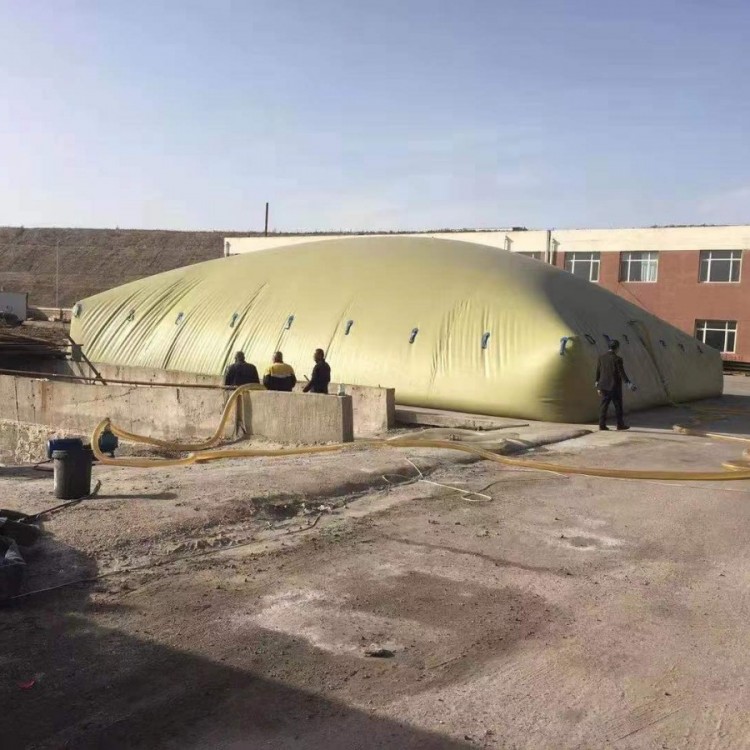

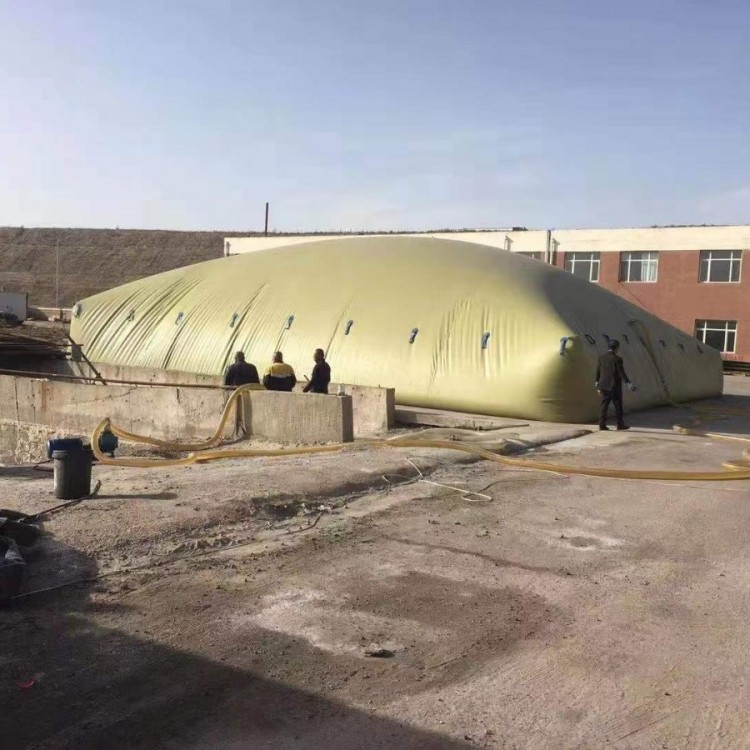
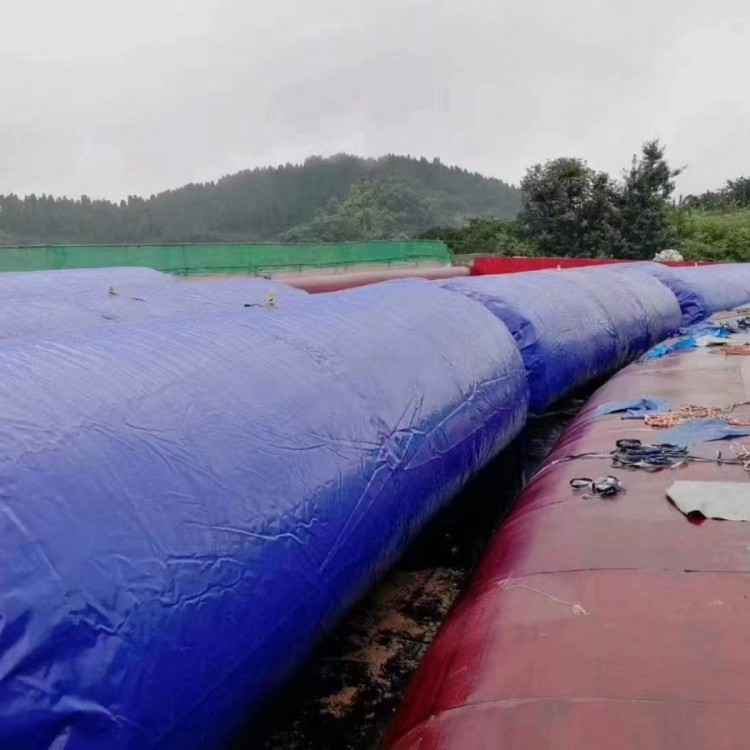
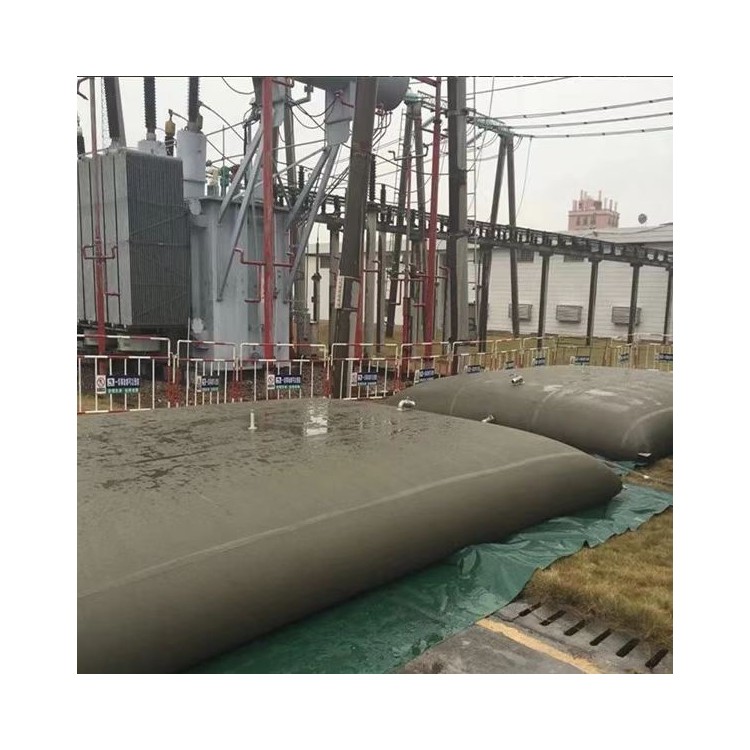








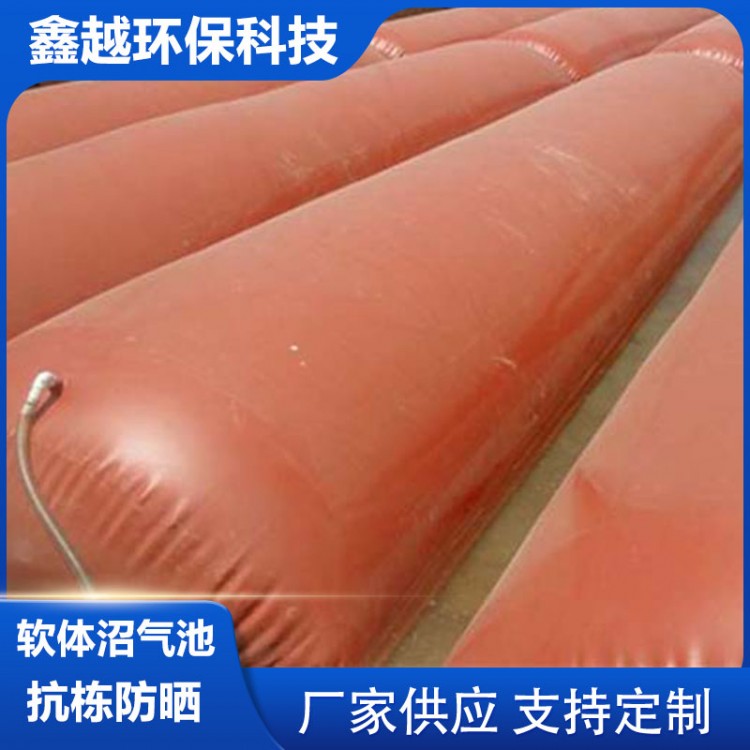
Bridge Prestressing Water Bags
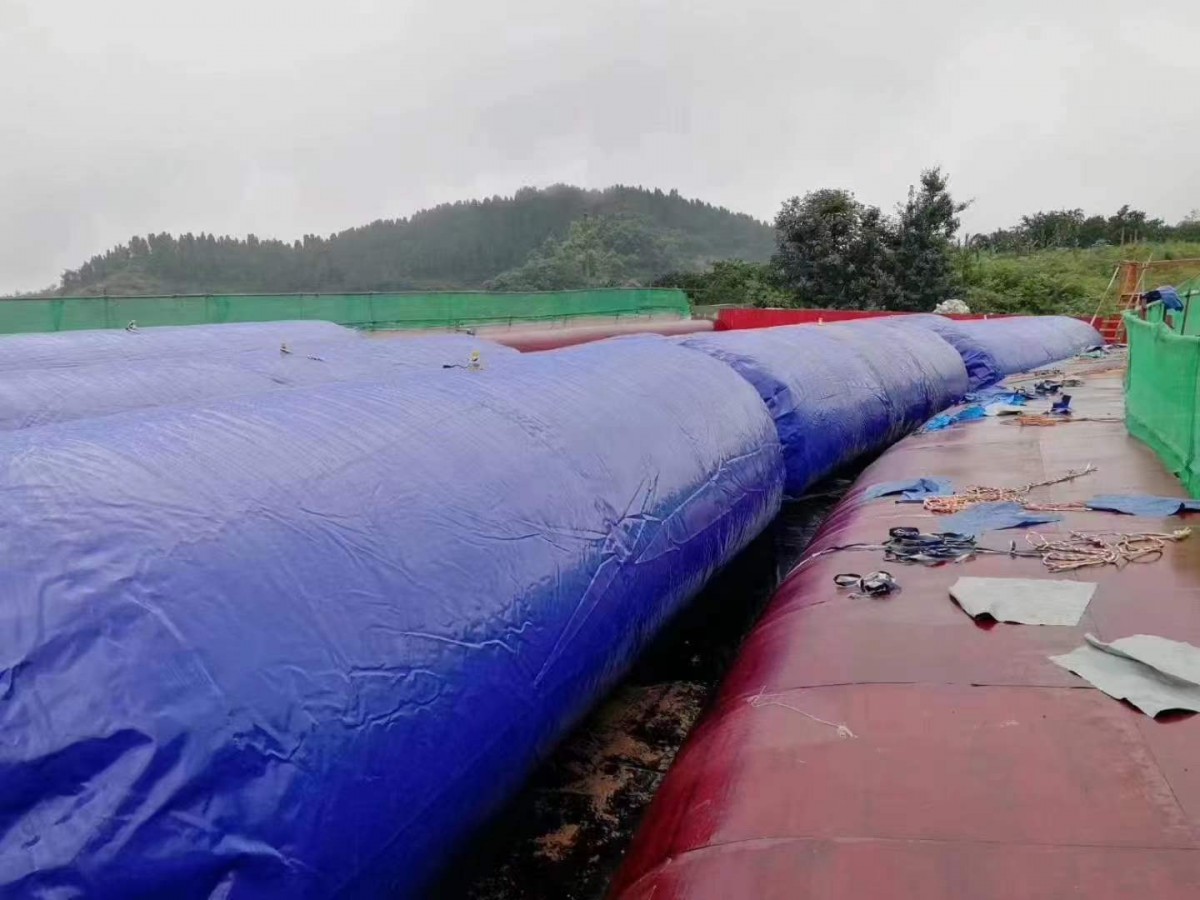
Pre-stressed water bags are currently mainly used in the construction of railway and highway bridges. During the bridge construction phase, pre-stressing tests on the bridge load are a crucial quality control task for ensuring the standard of engineering quality.
Generally, traditional methods involve stacking iron cans or sandbags on bridges for actual pressure tests. It requires a significant amount of labor and resources to transport these heavy items from lower levels to the bridge. In poor construction environments, this process is even more time-consuming and labor-intensive, necessitating the use of heavy lifting and transportation equipment, and posing certain safety risks to laborers. However, using collapsible water bags for pre-compression easily resolves these issues.
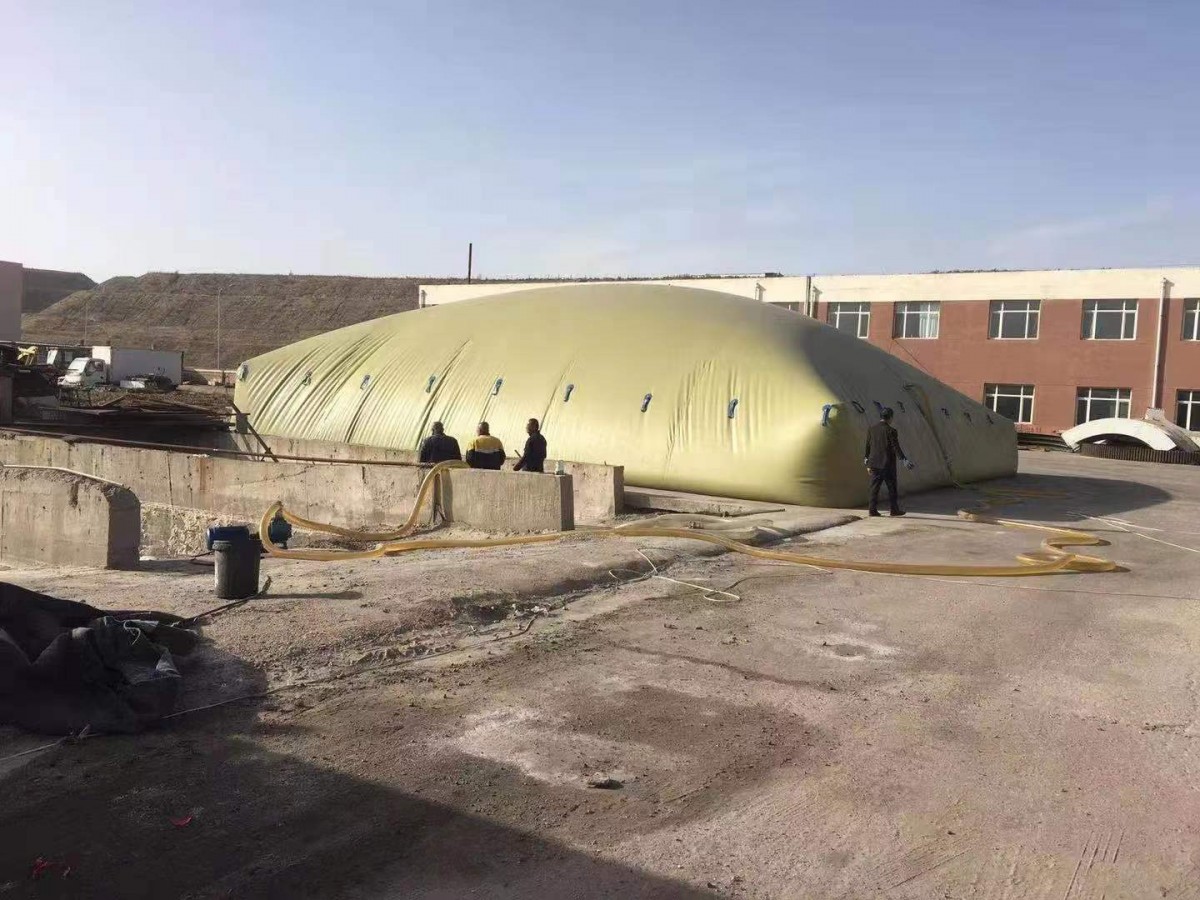
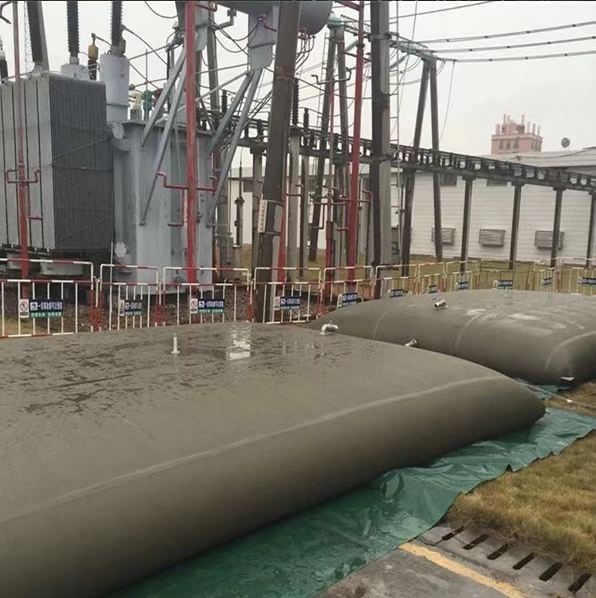
The bridge pre-stressing water bags are made of double-layered sandwiched PVC material, bonded at high temperatures, offering resistance to low temperatures and UV rays, with a long service life. They are easy to transport and operate when empty, requiring only that the operator place the empty bag at the pre-stressing location and then fill it with water using a pump for testing. Due to their simplicity, accuracy, low cost, and reusability, these water bags will be an ideal choice for future bridge pre-stressing applications.
Bridge Prestress Water Bag Usage Method:
A. Place the bridge pre-stress water bag flat and spread out at the pre-stress location. The water outlet valve is at the lower end of the bag, with the valve facing down, exposing the bottom template. Close the switch.
B. Utilize a high-pressure water pump to connect the water pipe to the inlet valve. Turn on the switch and the exhaust switch to expel the air inside the bag. Begin filling with water. Once the bridge's pre-pressure water bag is full, close the valve.
C. Once the template stops sinking within the required pre-pressing time (3-7 days), you can open the lower water outlet valve and release the water.
D. Prevent nails or sharp hard objects from piercing the bridge's pre-compression water bag during construction. In case of a tear, abrade the edges with an angle grinder or wood file, then apply a layer of waterproofing tape. Use the adhesive recommended by the manufacturer for repair, and allow it to set for the suggested time before use.
After use, fold the bridge pre-tensioning water bag and store it indoors to avoid sunlight exposure.