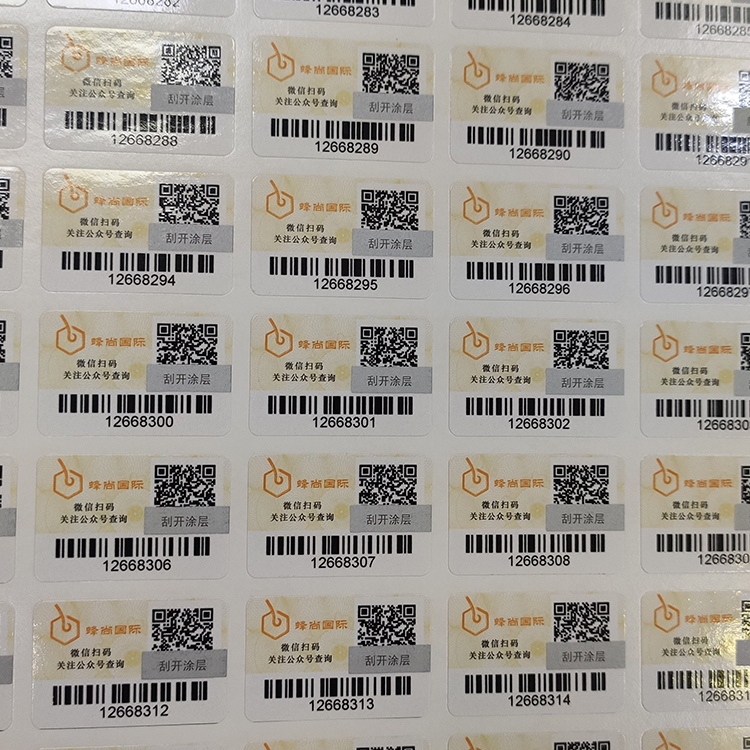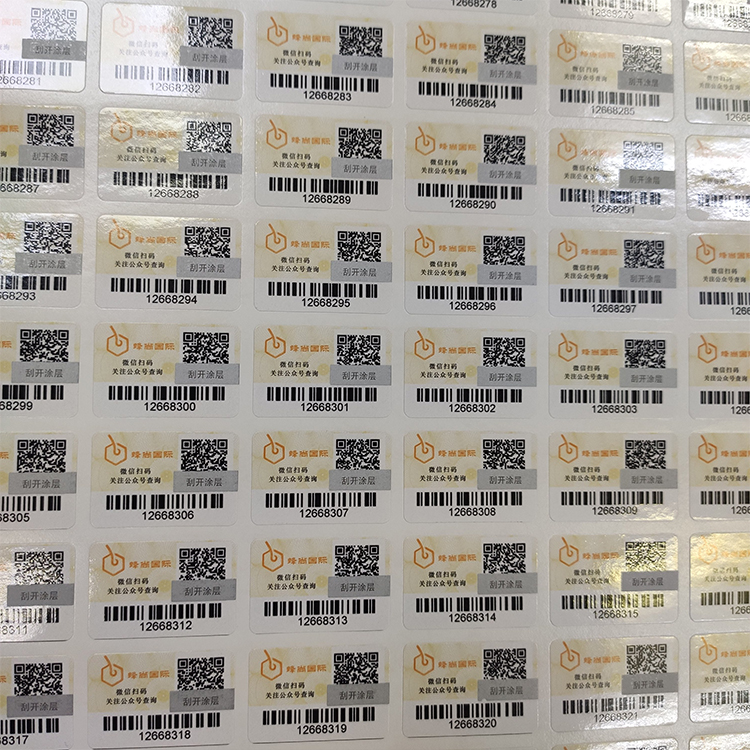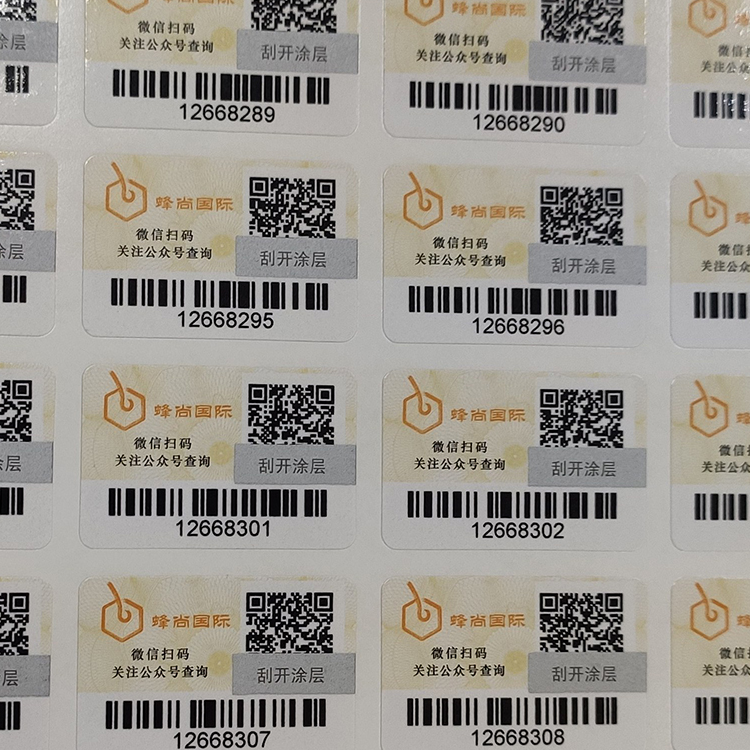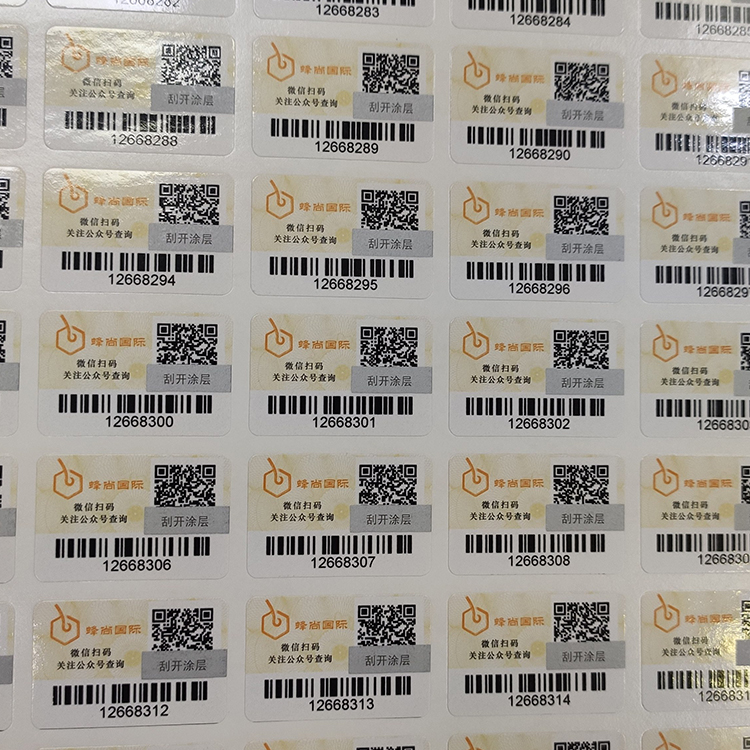

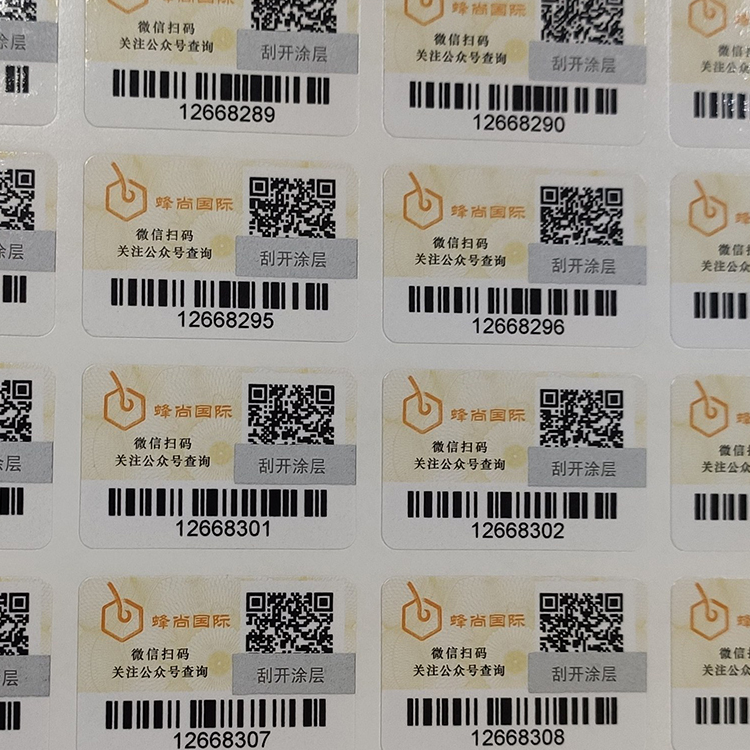













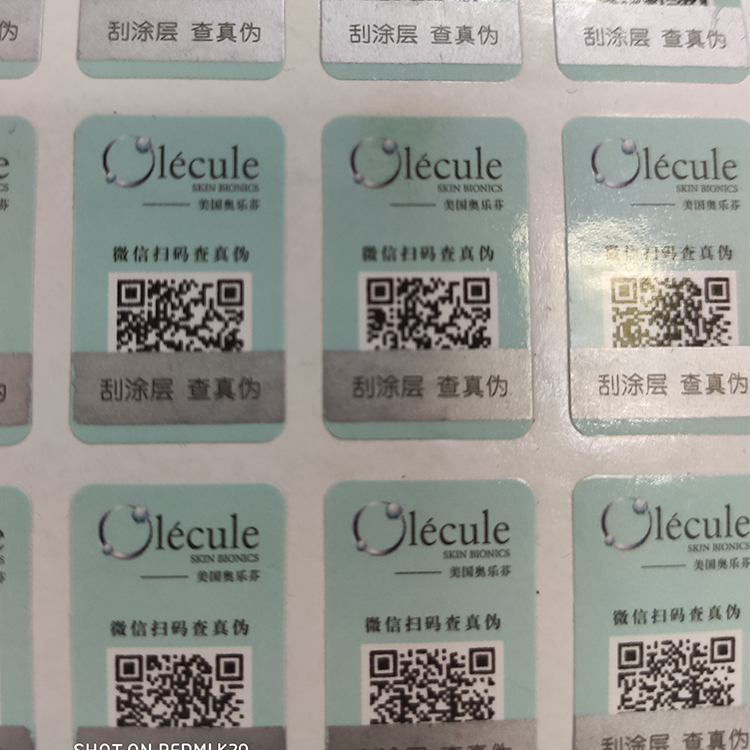
1,Honey Anti-Counterfeiting LabelTo prevent counterfeit honey, we often see many "beekeepers" selling honey in street markets or suburban tourist areas. We can see beehives strewn across the ground, yet we hear no buzzing of bees. Even when we ask these "beekeepers" to show us the bees, they all make various excuses and refuse to let us see them.
2. Well, it's pretty much common sense that these so-called honey products aren't the real deal. But what are these fake honeys made of with their honey-like taste? Generally, the unscrupulous sellers still use raw honey, but they mix it with water, essentially diluting the naturally formed honey. It might take several pounds of water to dilute one pound of original honey. Then, they add sugar to sweeten the taste, and thickeners to mimic the honey's consistency. Citric acid is often added for the desired texture. However, after such high concentrations of dilution, the original flavor of the honey is virtually gone.
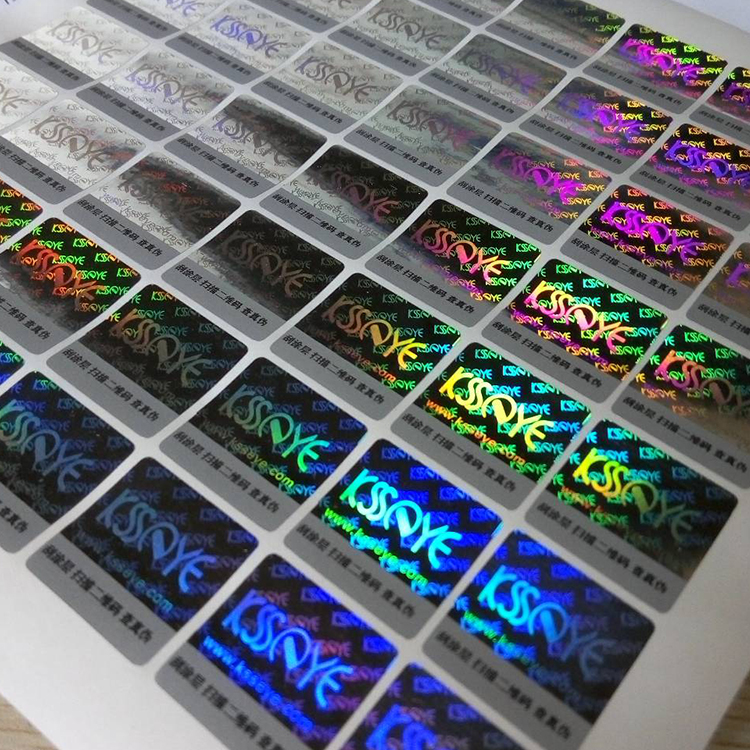
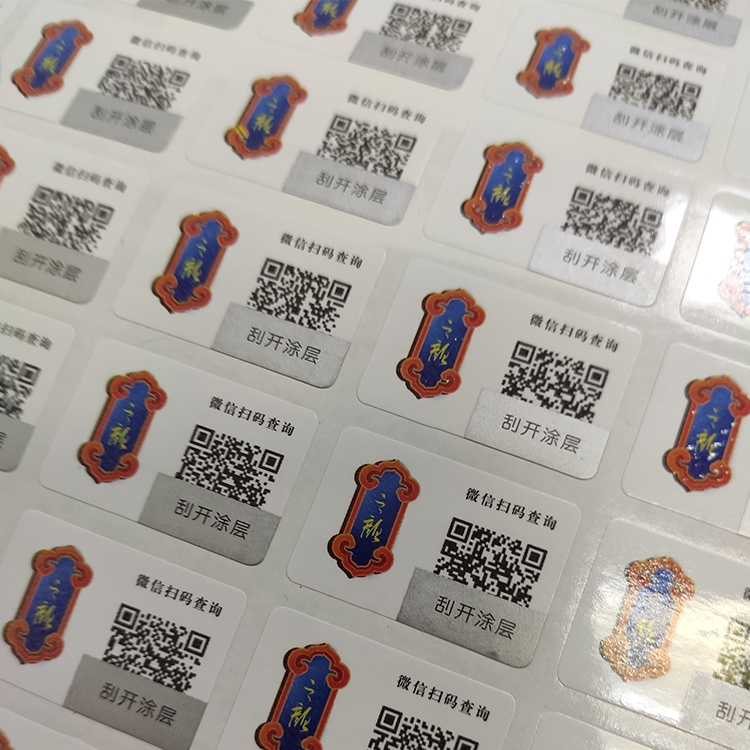
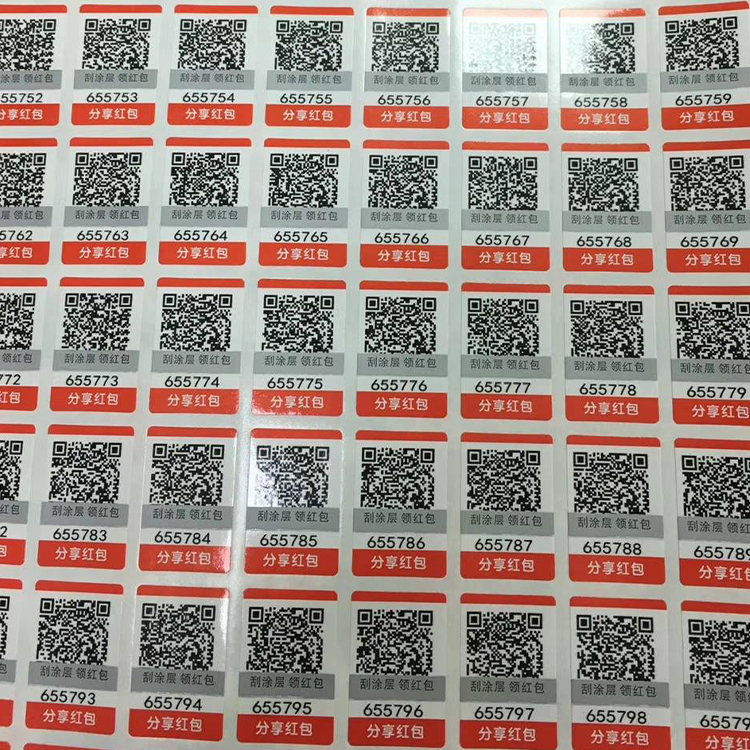
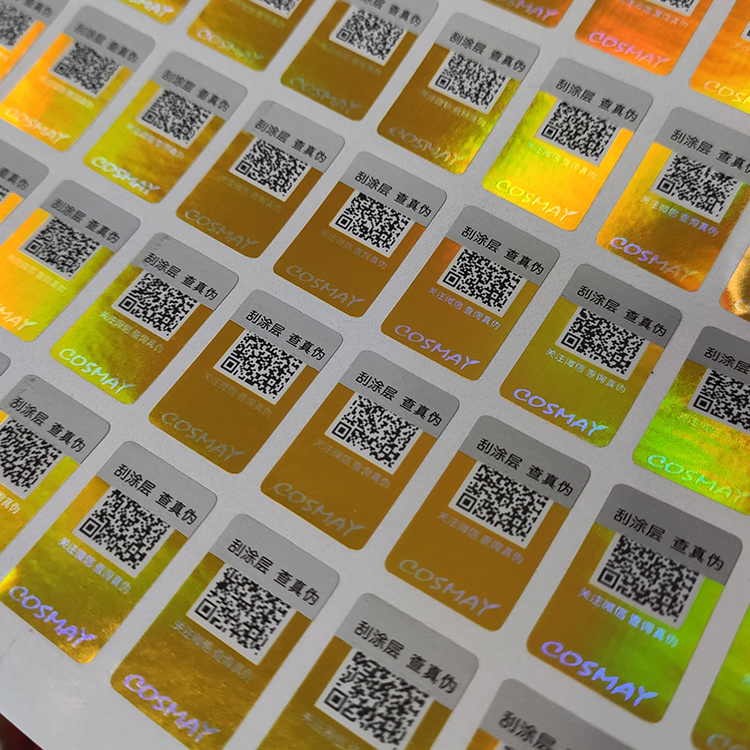
3. Many digital anti-counterfeiting technologies currently in use on the market indeed have numerous flaws, such as vulnerabilities in their codes or relatively simple schemes. For instance, with the electric code anti-counterfeiting system, consumers can scratch off the coating on the product to verify authenticity by following the instructions on the anti-counterfeiting label. However, counterfeiters can also use computer or printing techniques to create a similar anti-counterfeiting label, making it difficult for consumers to distinguish.
4. The future direction of anti-counterfeiting technology will undoubtedly be a great integration, not relying on a single anti-counterfeiting technique to dominate. For instance, combining special anti-counterfeiting inks with special anti-counterfeiting materials, including unique designs and technologies, to make it impossible for counterfeiters to fully master the techniques of imitating anti-counterfeiting labels. Moreover, the development of anti-counterfeiting technology in the future will undoubtedly become more digital and even decentralized. Decentralization, represented by blockchain technology, is widely researched and holds promising application prospects.