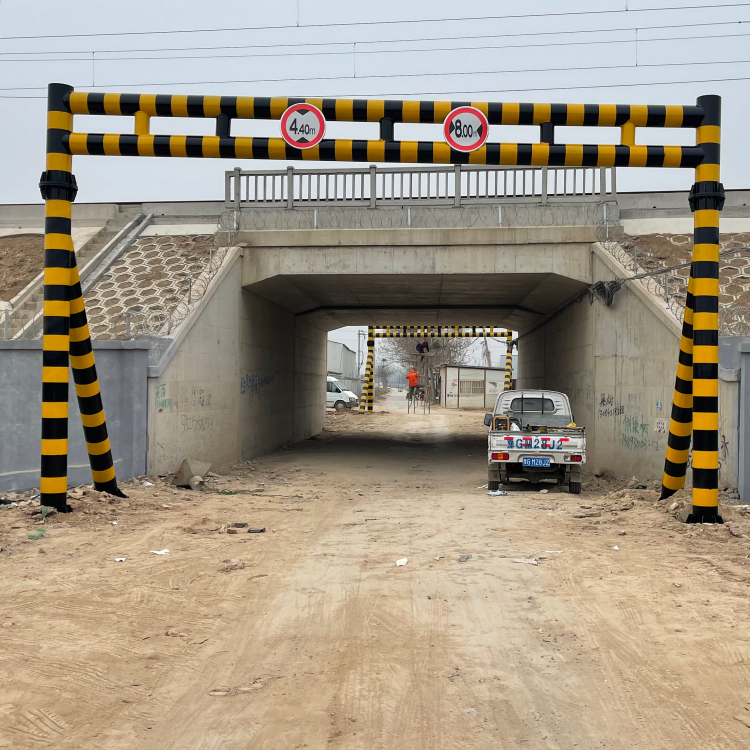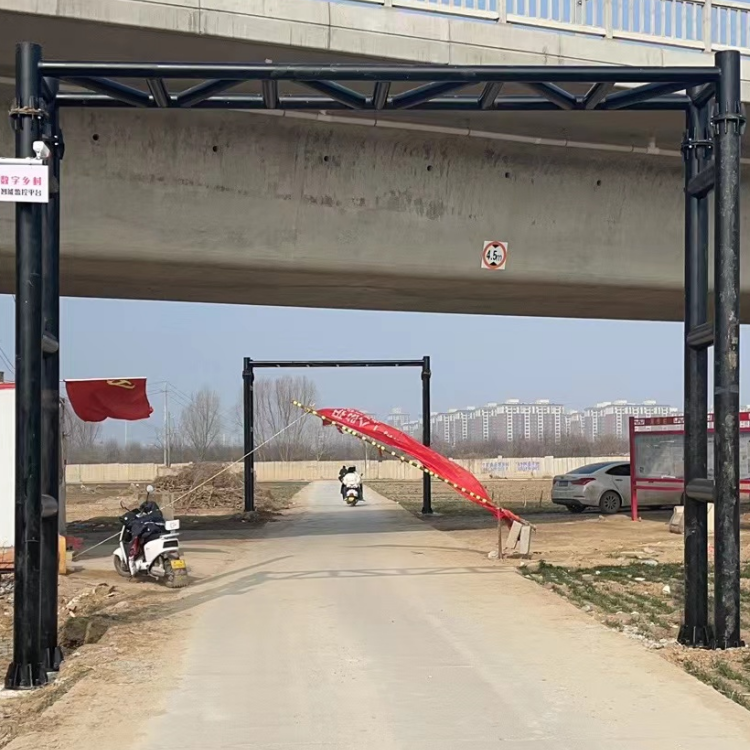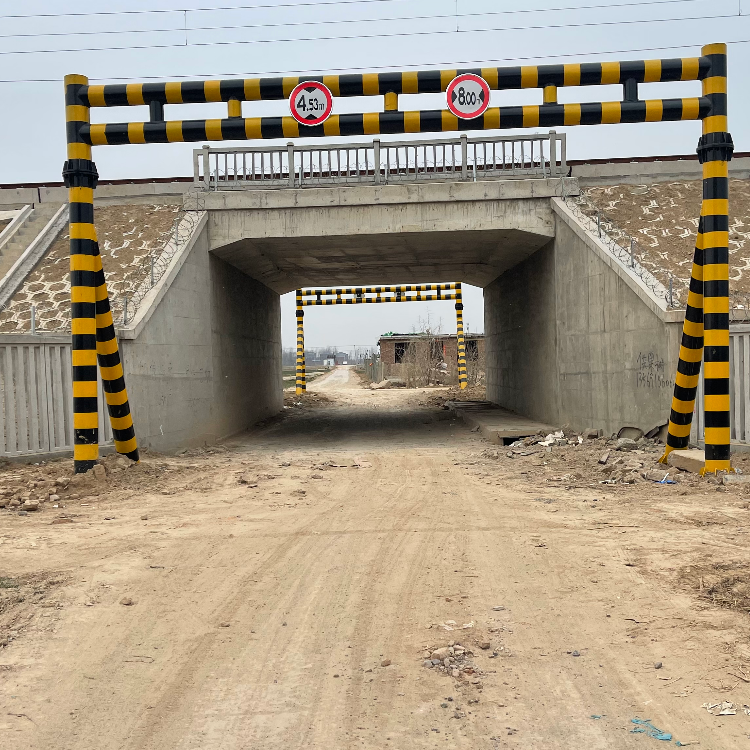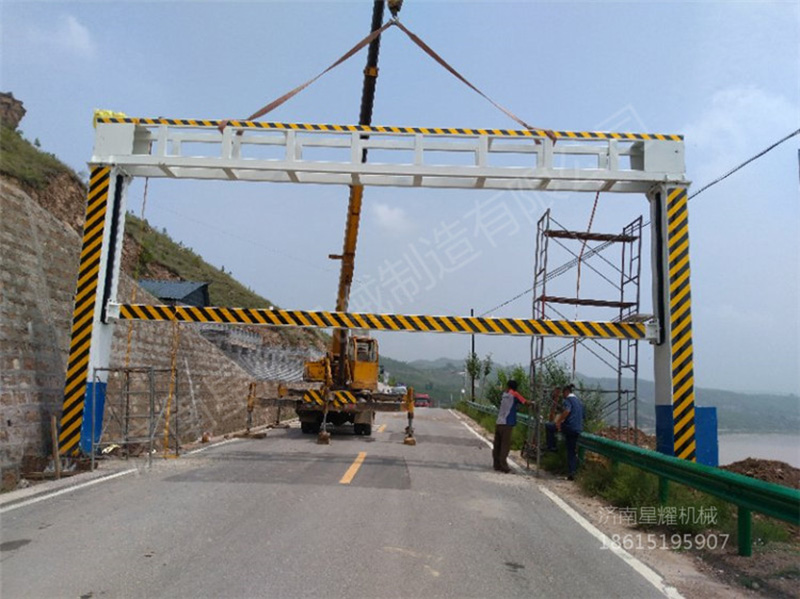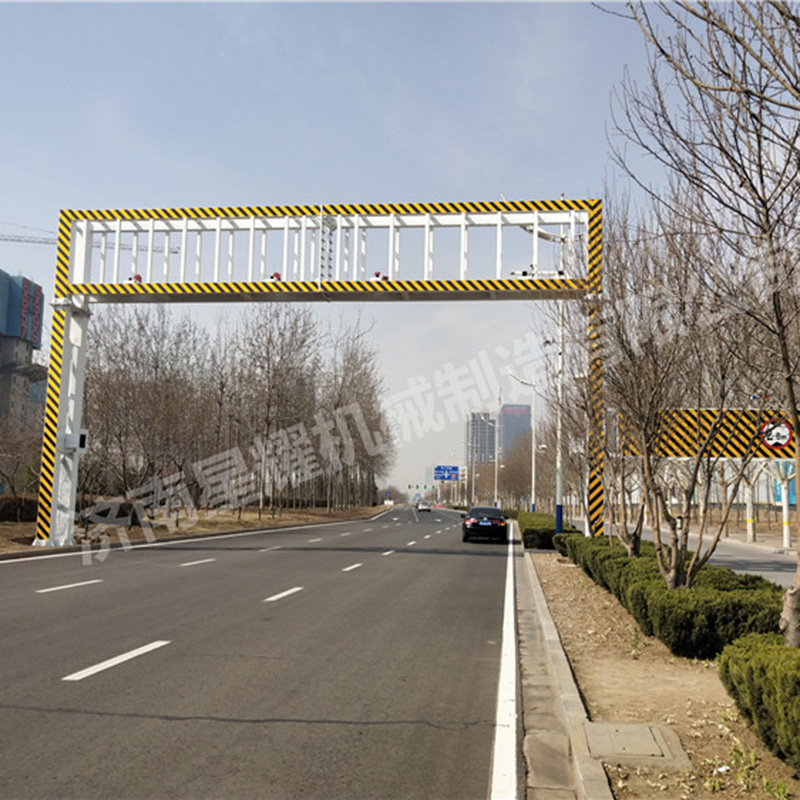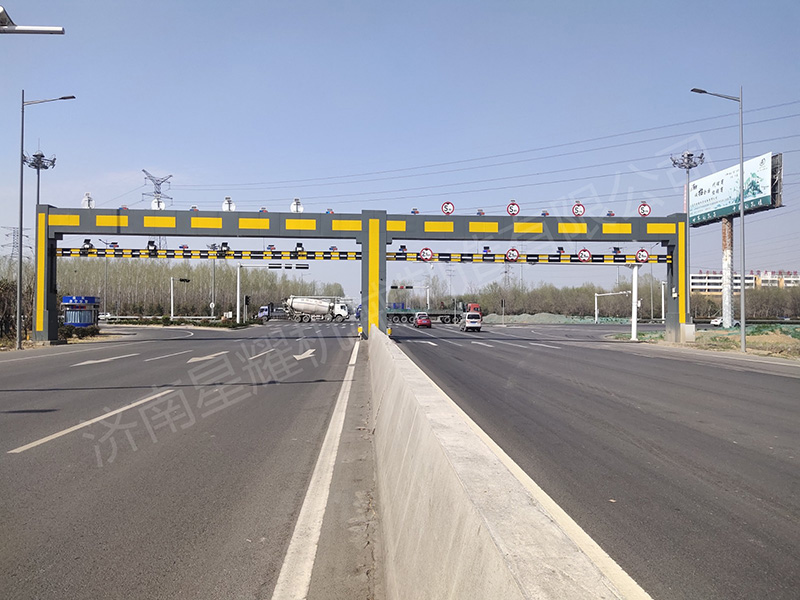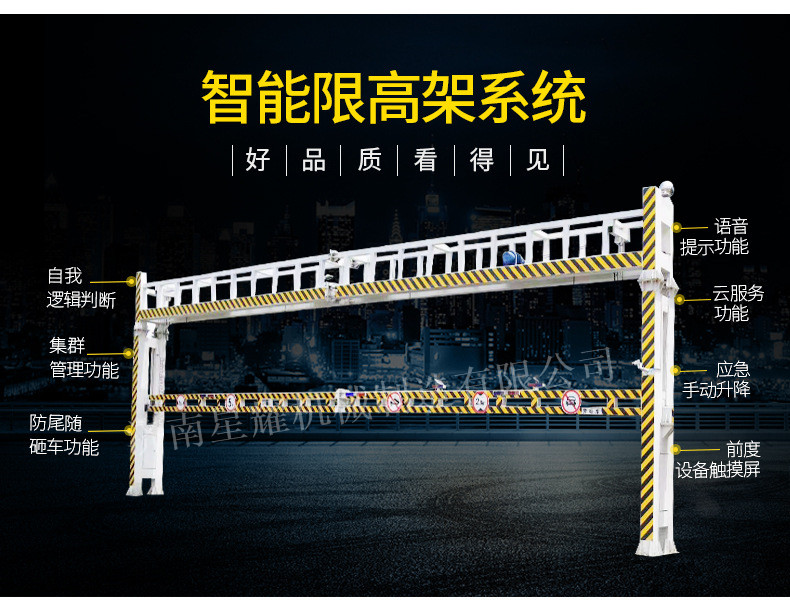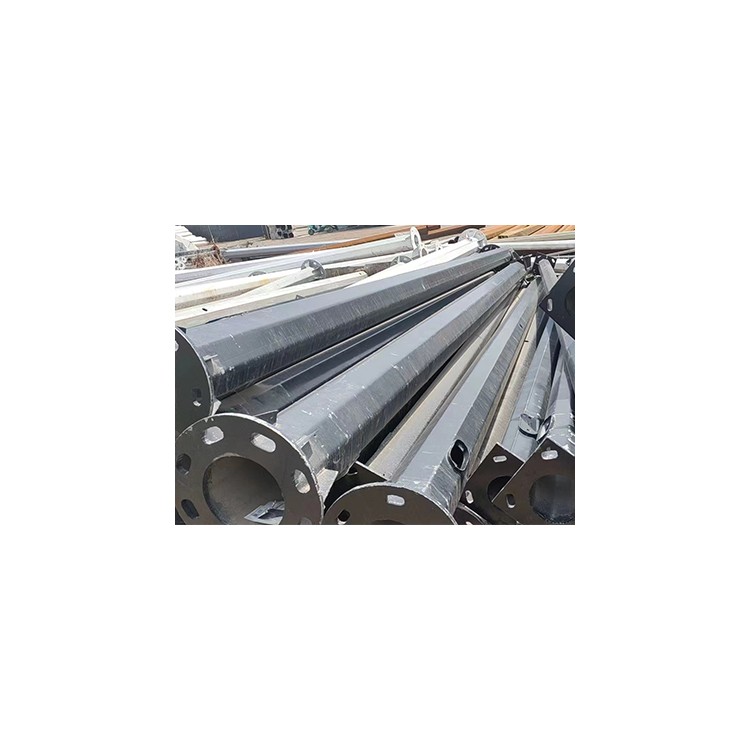

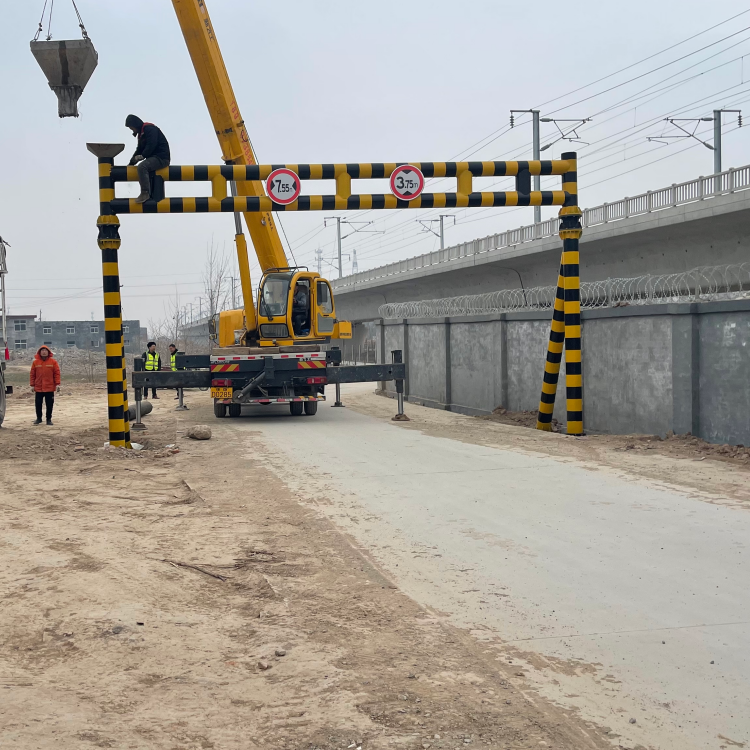

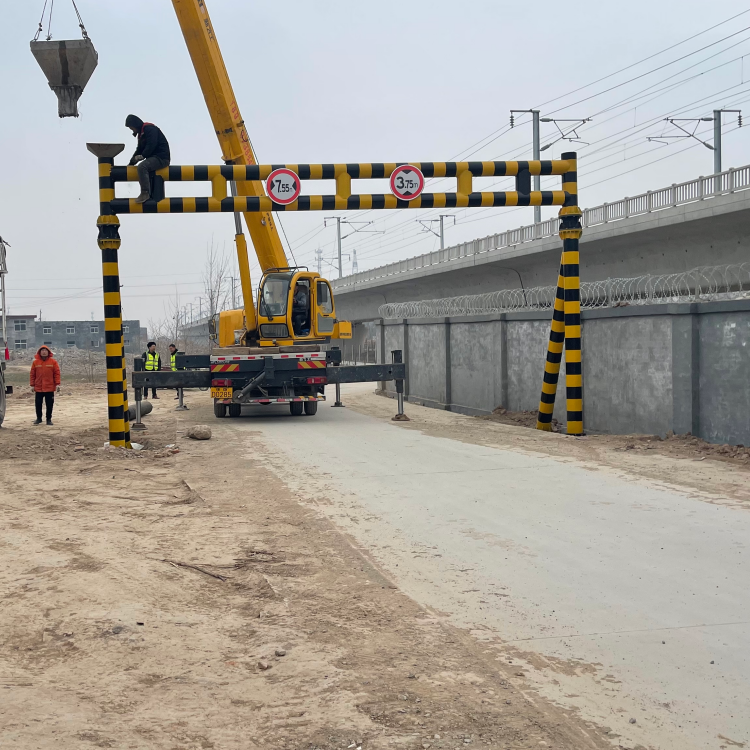
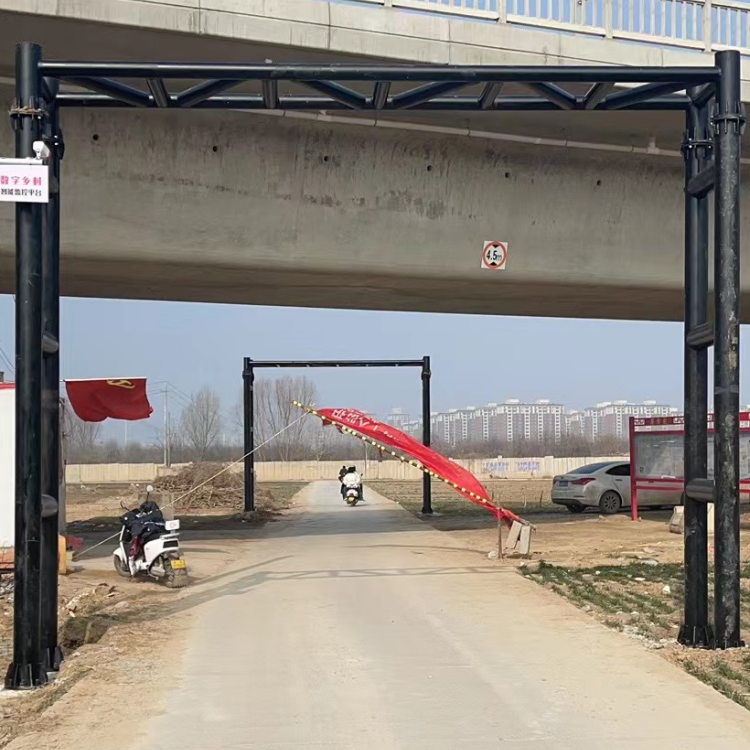


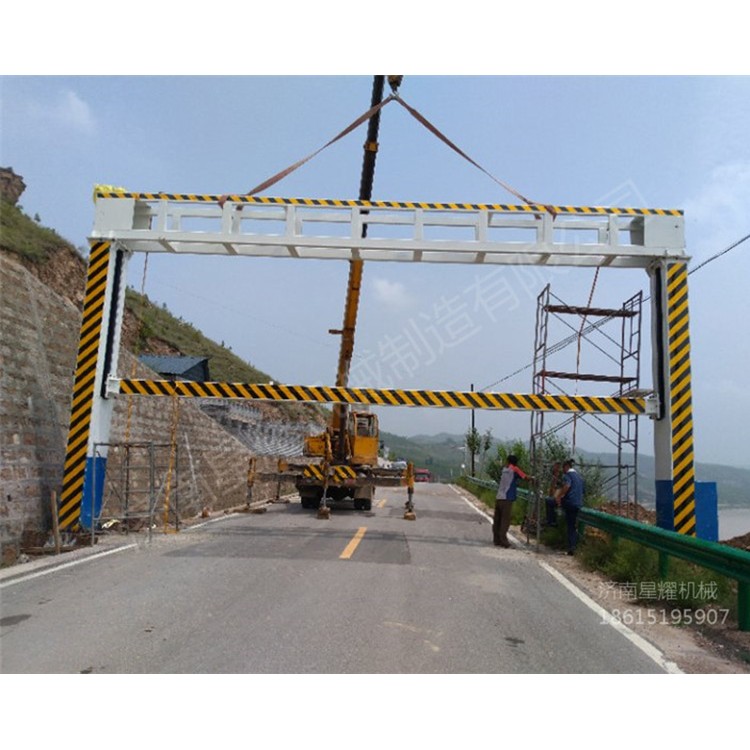
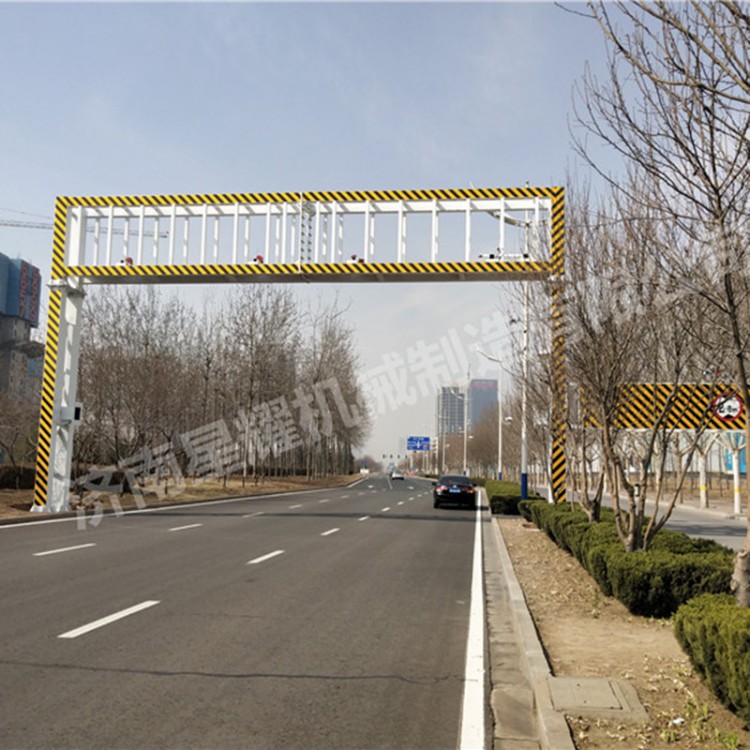
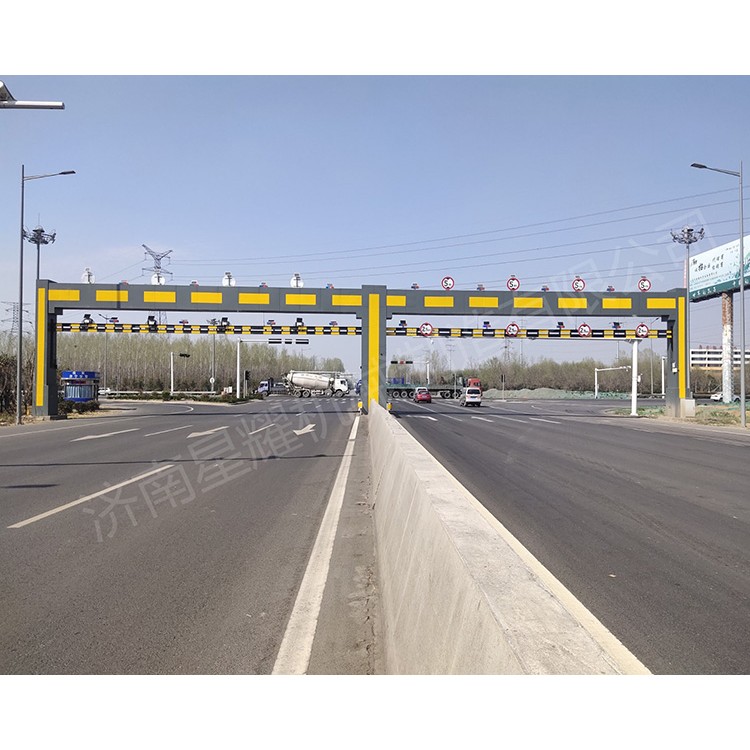
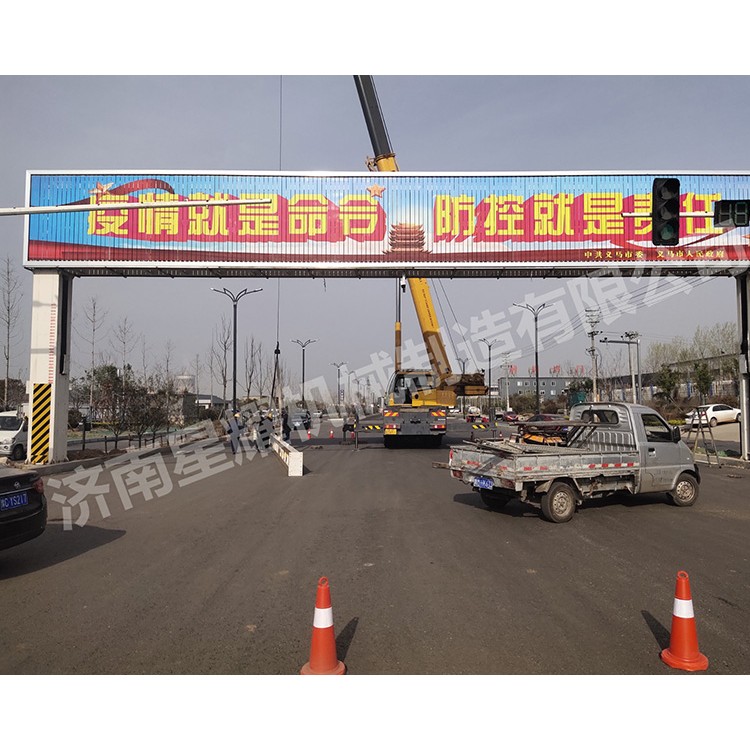





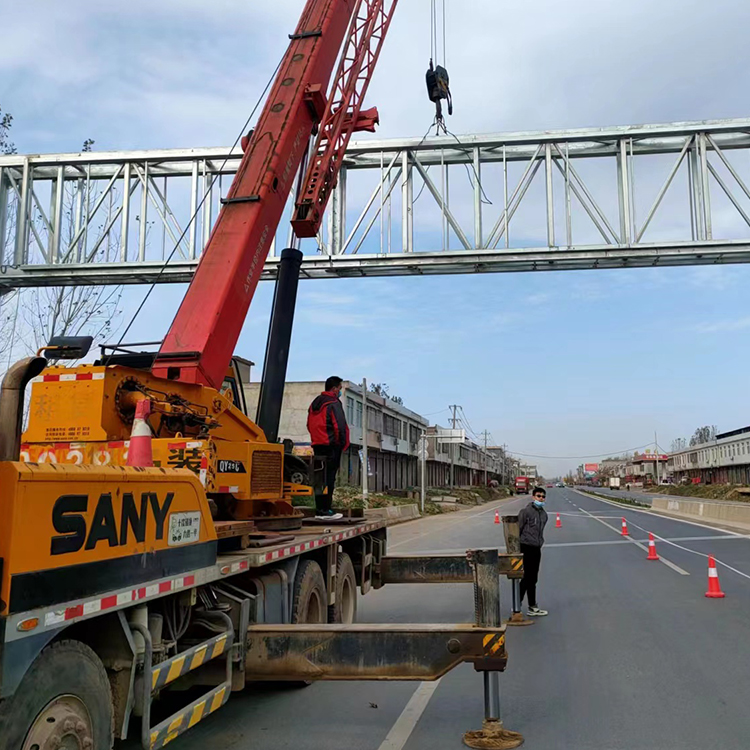

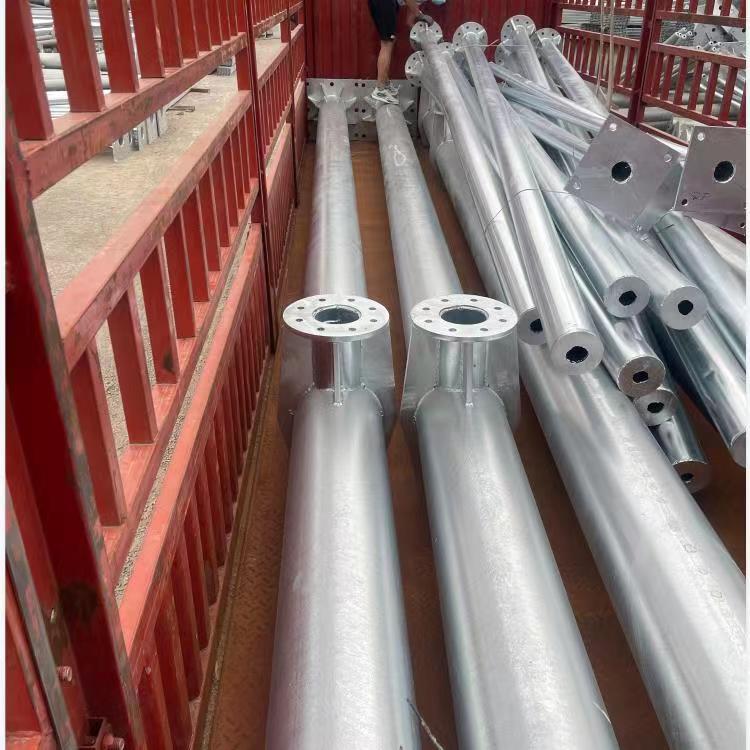
Ramps are generally divided into two types: fixed height ramps and adjustable height ramps. Fixed height ramps further categorize into fixed integral ramps and fixed non-damaging ramps. Fixed integral ramps are one-time, non-adjustable height ramps, relying solely on the frame itself. Fixed non-damaging ramps require external force, such as cranes, to lift in emergency situations for vehicle passage. Adjustable height ramps come in two types: manual and electric.
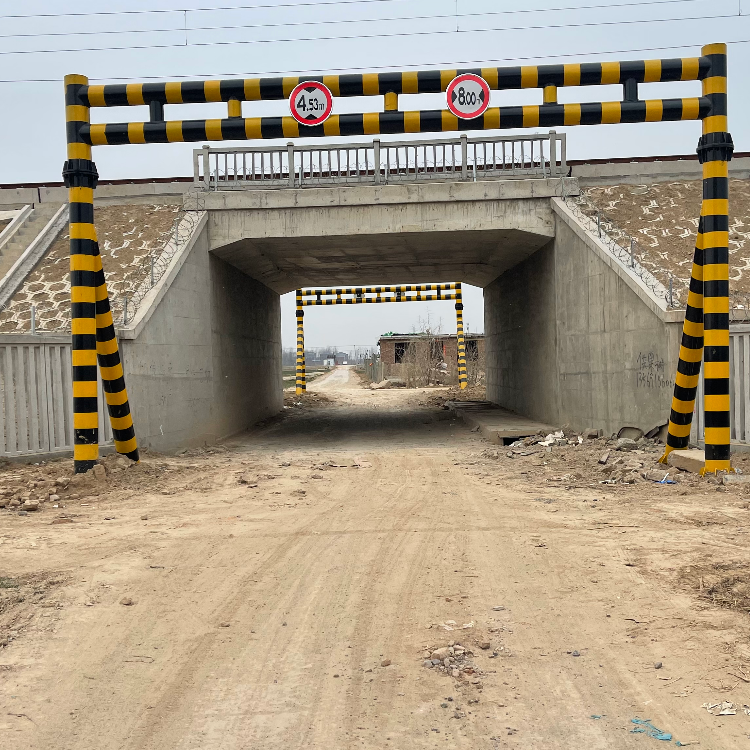
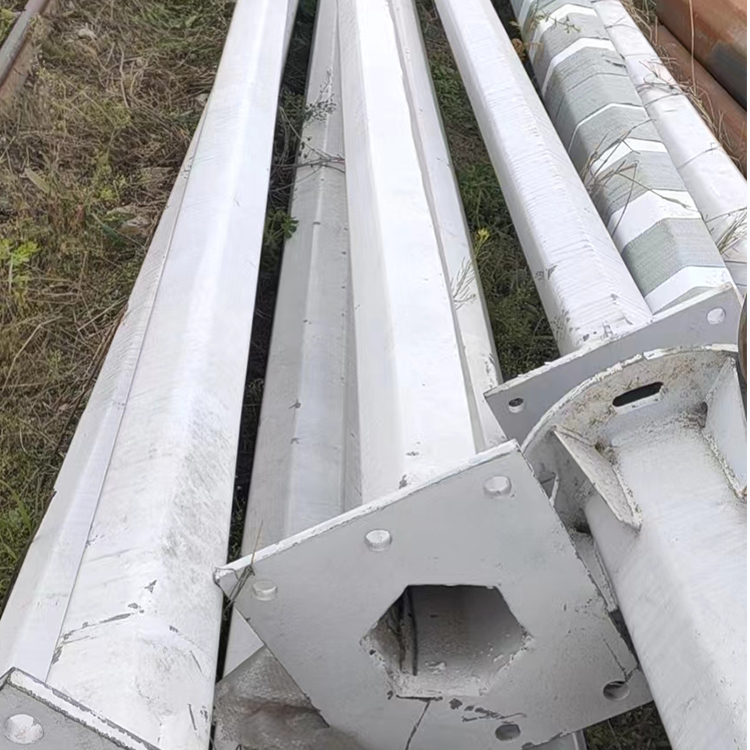
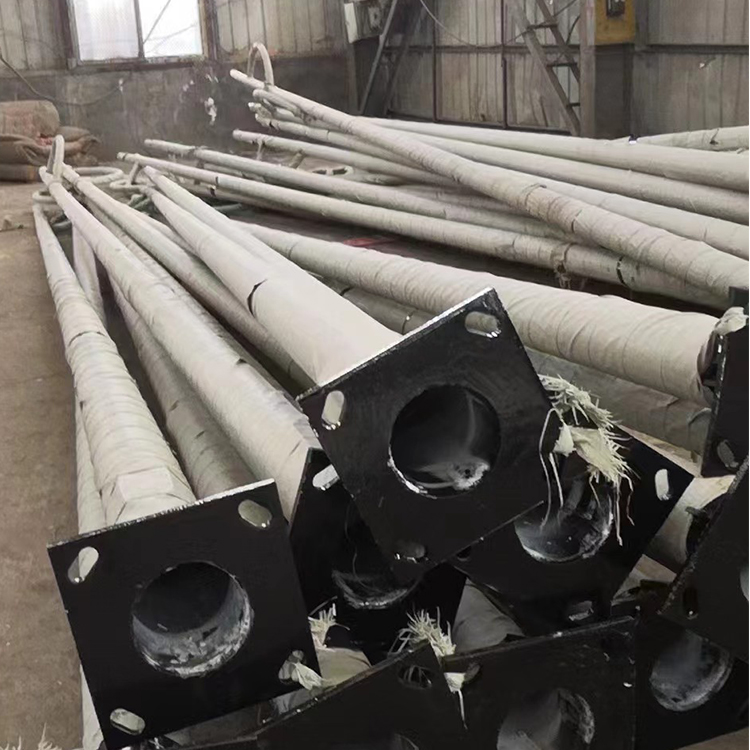
Fixed height limit barriers are primarily used at bridge, culvert, and tunnel entrances as gate structures, usually made of steel structures welded together, serving to protect bridges, culverts, and tunnels; they feature signage indicating the maximum height in meters, used to alert vehicles. Setting principles: The position of the height limit barrier is typically the length of one vehicle, which is the length of the vehicle designed to pass through the culvert. The width is the same as the culvert (generally, width does not cause accidents, but there can be more), and the restricted height is usually 20cm less than the culvert's clear height. However, it cannot be guaranteed that vehicles passing through the height limit barrier will not have accidents inside the culvert, such as when cargo shifts or the ground is uneven causing the vehicle to bounce.