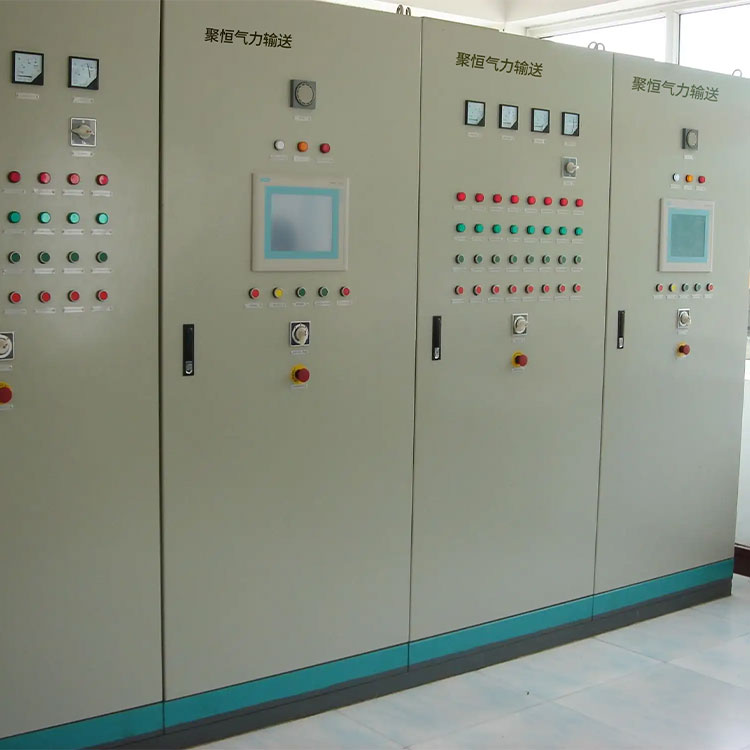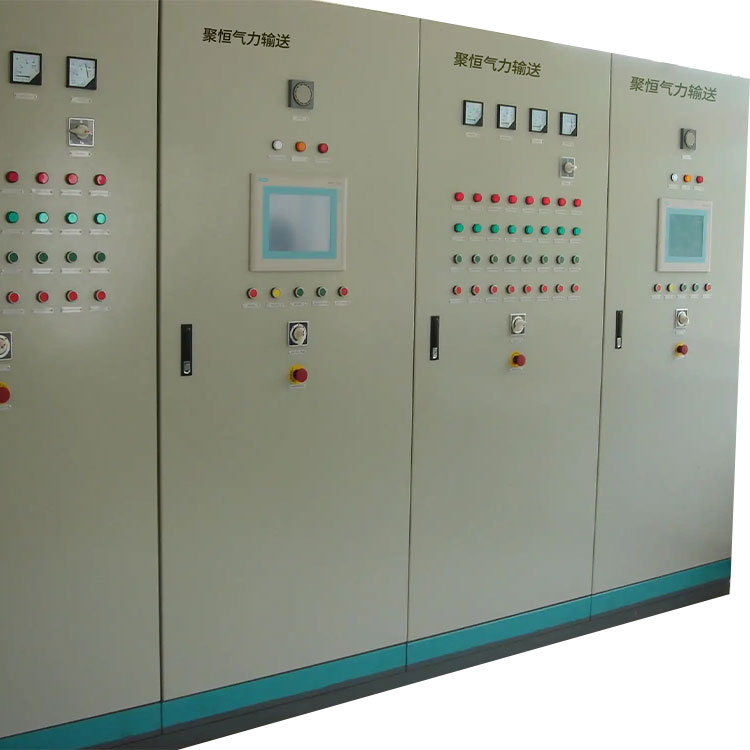

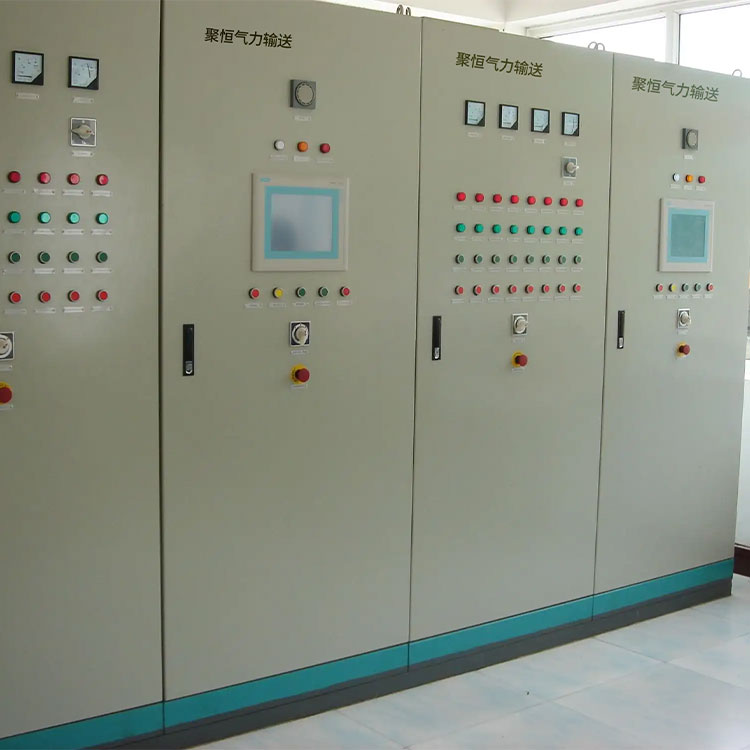


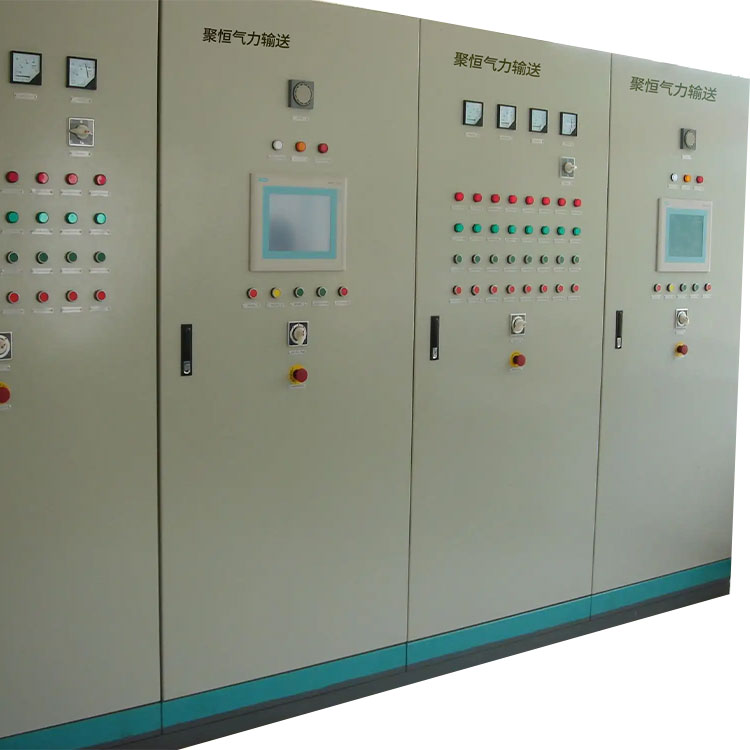
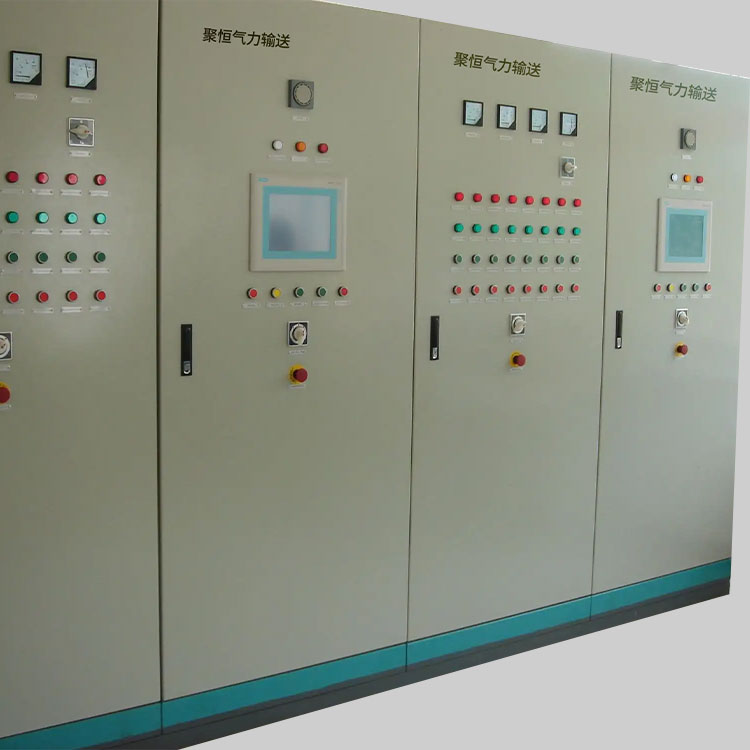












The PLC (Programmable Logic Controller) automation control system was introduced in the United States in the 1960s.
PLCs evolved from the original relay control principles. As early as the 1970s, the functionality of PLCs was limited to on/off logic control, initially used in the automotive manufacturing industry. PLCs are used to store instructions for executing operations, periodic, and sequential control, and control the corresponding processes of various machines or machines producing products through digital inputs and outputs.
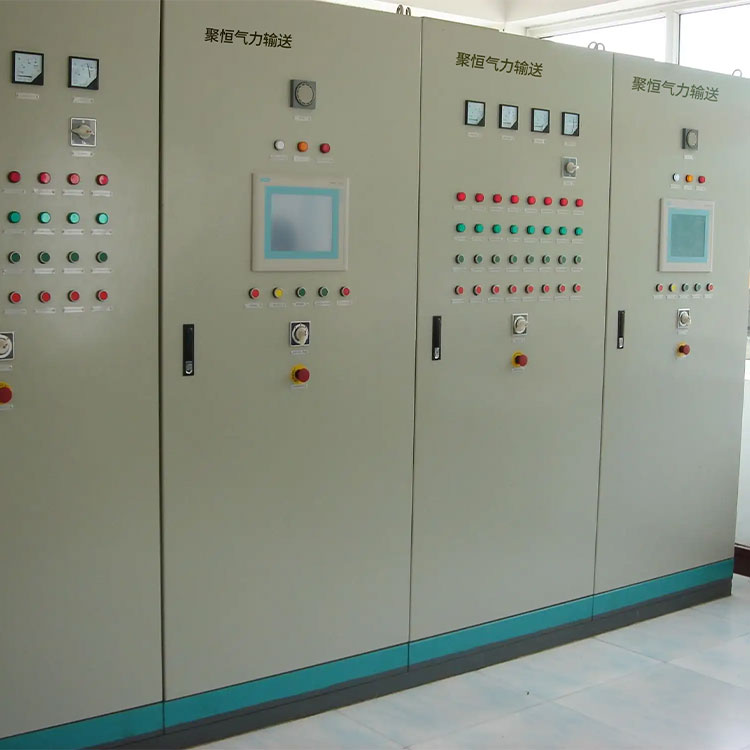
Applications of the PLC control system include:
1. PLC software functionality replaces a large number of intermediate relays and counters in relay control systems, significantly reducing the design, installation, and wiring tasks for the corresponding control cabinets.
Two, when a PLC or external input device malfunctions, the cause can be identified based on the programming device or LED indicators on the PLC. By replacing the module, the possibility of recurrence can be quickly eliminated.
Three, PLCs possess strong anti-interference capabilities, with an average time between failures exceeding tens of thousands of hours, suitable for use in industrial production environments with high interference.