









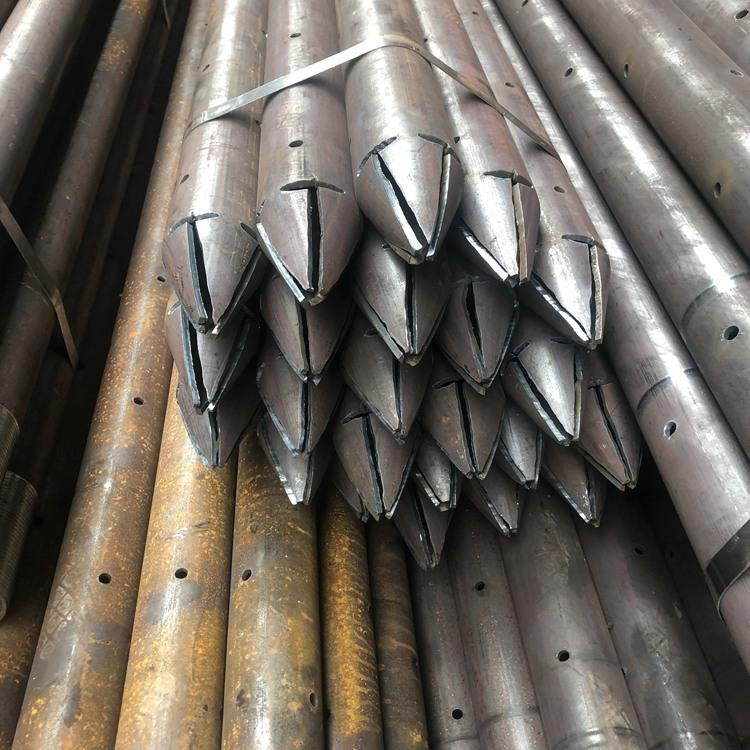
Custom Pipe Ceiling Requirements
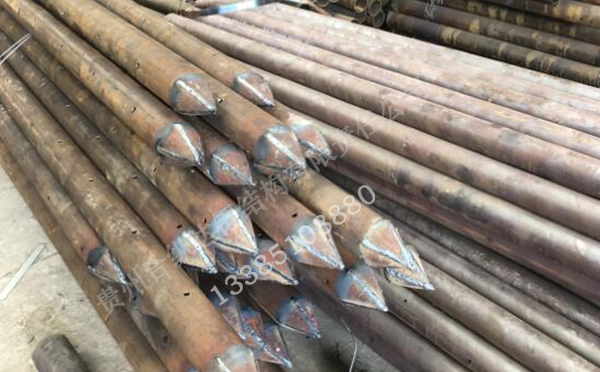
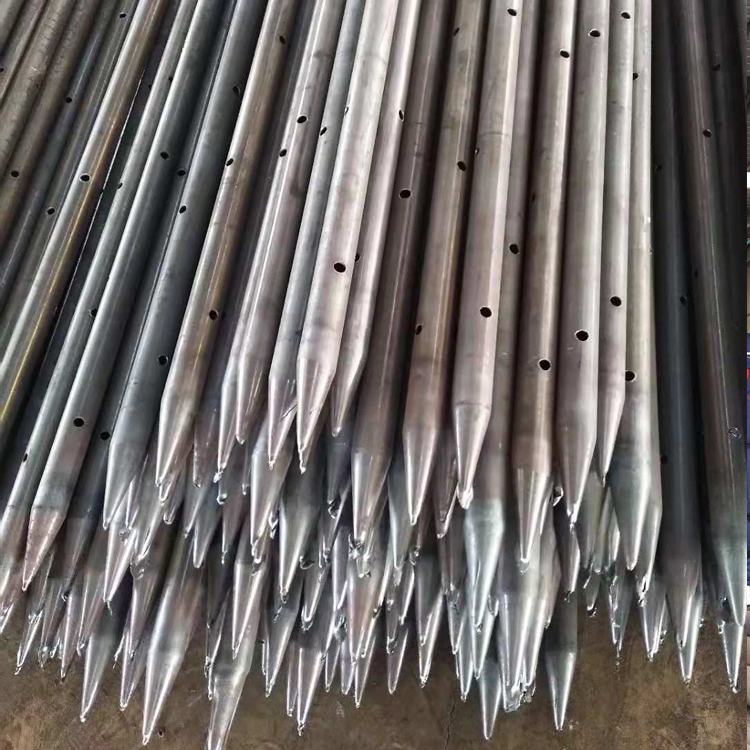
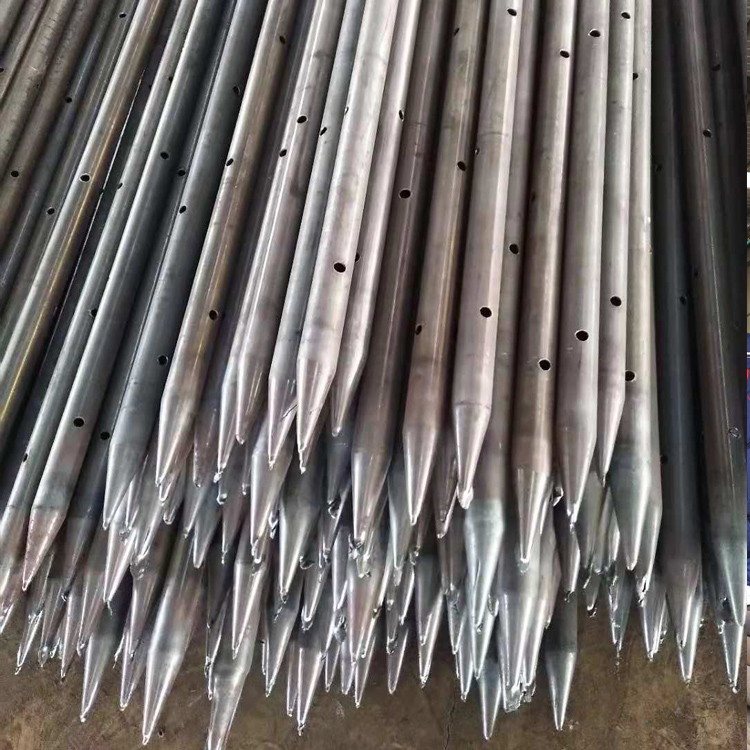
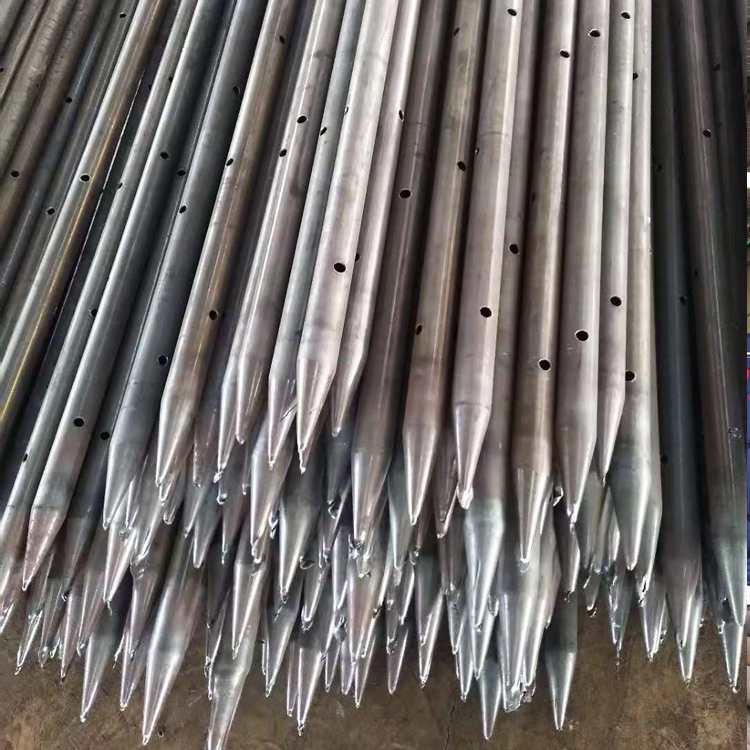
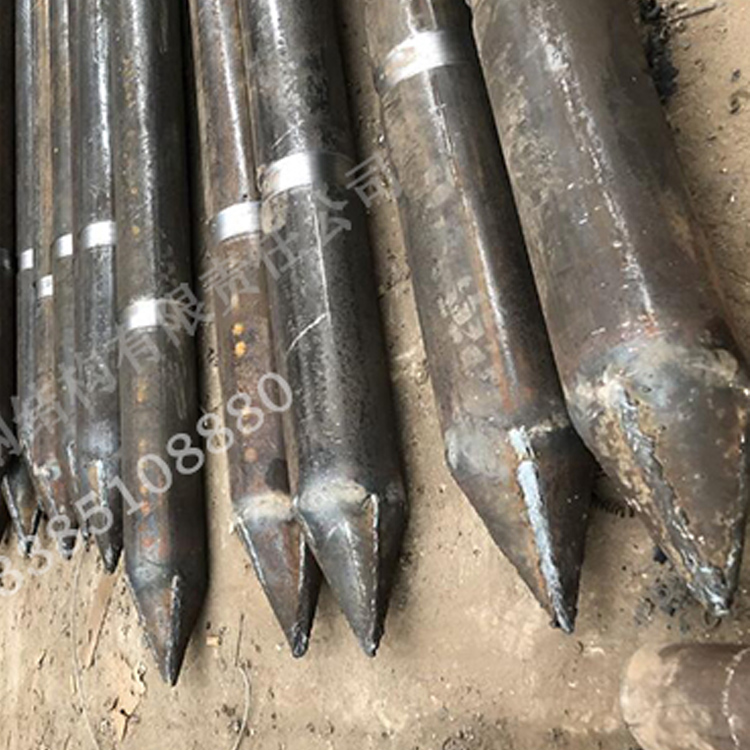
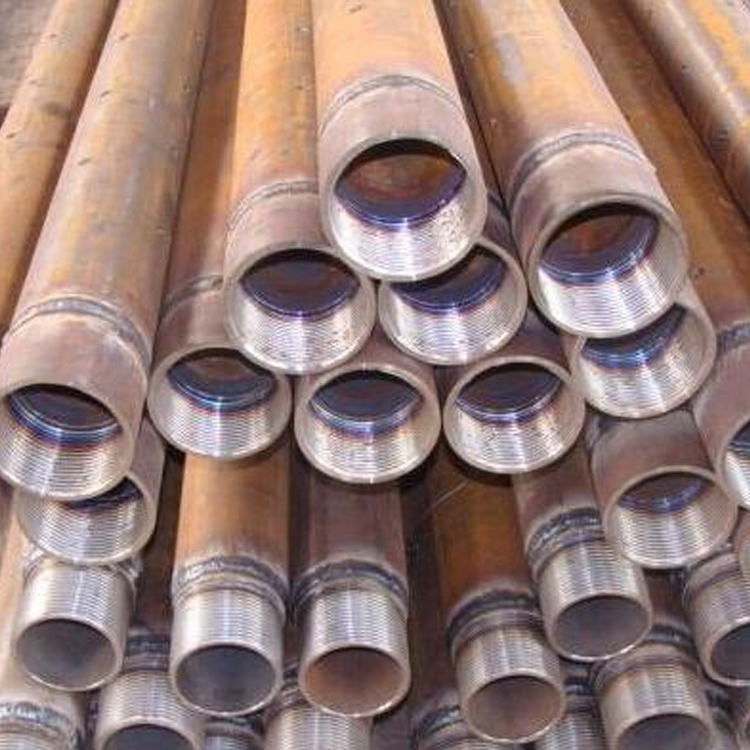
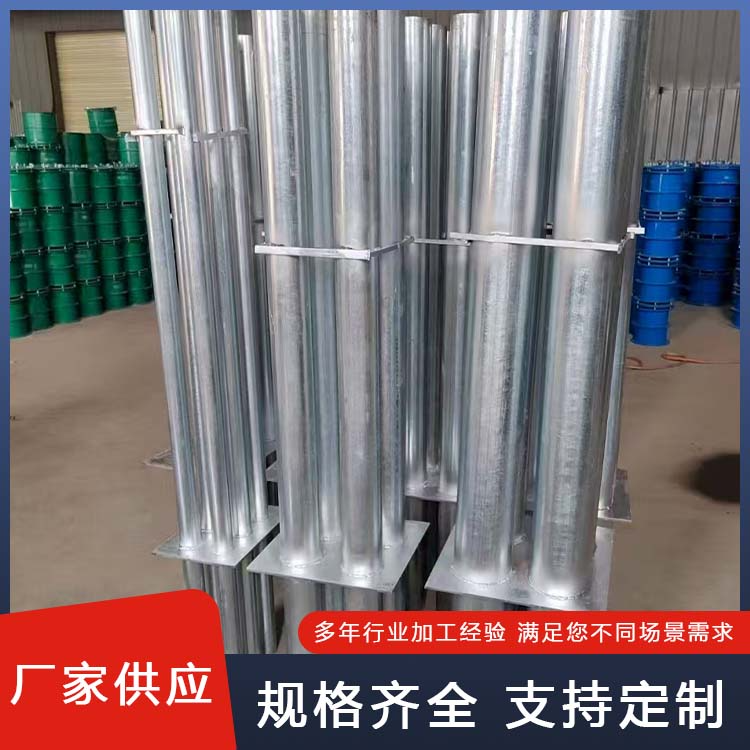
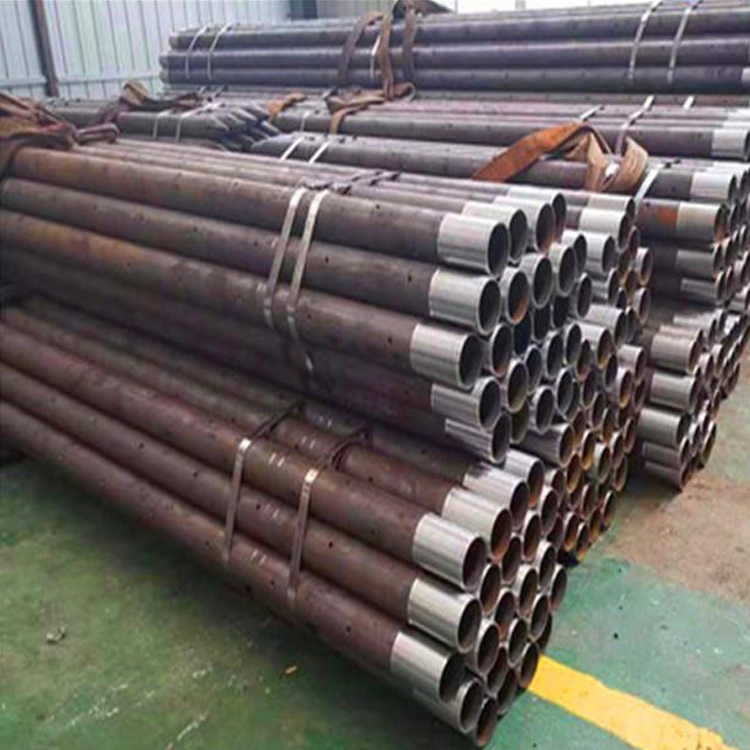
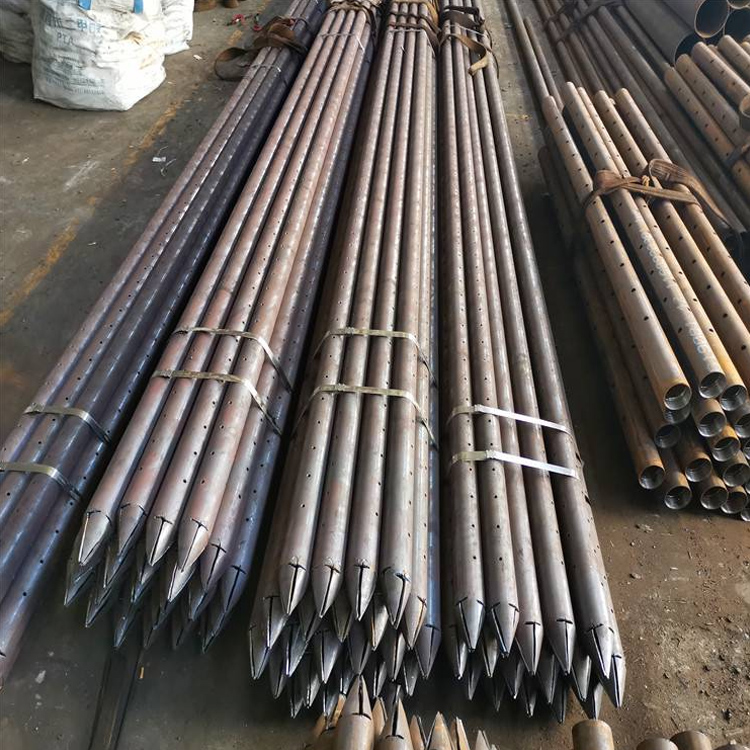
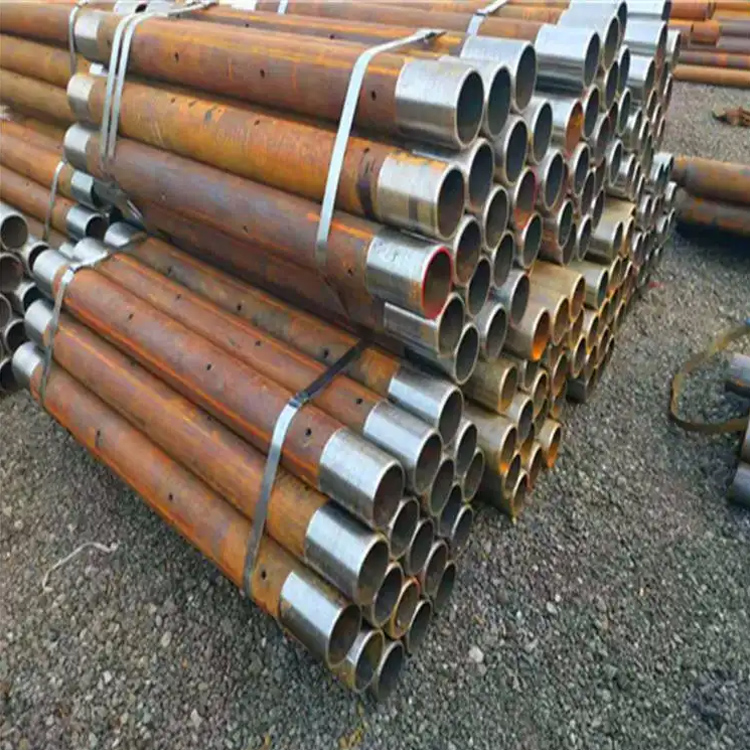
1. At both ends of the wire, one section features a pipe clamp, and the other end has a pipe cap. This pipe shed pipe is available in various configurations to meet the different requirements of our customers.
2. Some require drilling, while others do not.
3. The standard length is typically 6 meters. For export, the length is usually 5.8 meters.
The specifications for pipe roofs are often similar to those of many round pipes. The specifications of pipe roofs are generally denoted by outer diameter * thickness * length. In fact, a more common and important specification is the combination of outer diameter and thickness, such as 57*3.5mm. (For ease of transportation and storage, the length of pipe roofs is usually 9 meters.)
The outer diameter of the pipe refers to the diameter of the outer circle including the wall thickness, whereas the inner diameter refers to the diameter of the inner circle without the wall thickness (i.e., excluding the wall thickness). The unit is generally represented by φ. However, in pipe specifications, the inner diameter is usually not used; instead, a more direct and clear wall thickness is used to denote the size, typically measured in mm.
φ50/54/57 are common specifications for the outer diameter of pipe sheds. Compared to the outer diameter and wall thickness, there are many common specifications, including 1.0/1.2/1.5/1.5/2.0, etc.
The 57*3.5mm specification mentioned at the beginning of the article is a very common pipe tent size. This data refers to a pipe tent with an outer diameter of 57mm and a thickness of 3.5mm, and these numbers are also used for the application of pipe tents, carrying real significance.
Because the primary purpose of the pipe shed tube is to form a passable channel for the probe used in testing, the outer diameter of the pipe shed tube must be larger than the outer diameter of the probe used by the testing equipment, meaning the outer diameter of the pipe shed tube is greater than φ50. The wall thickness of the pipe shed tube is a very important indicator affecting the normal use of the pipe shed tube.
Because the working principle of the ultrasonic flaw detector is to identify quality issues within the pile by sound waves, this requires that the wall thickness of the pipe shed cannot be too thick, otherwise it will affect the penetration ability of the sound waves. However, it should not be too thin either. If it is too thin, it may cause bending (and actually, this issue may also arise during the installation process), deformation, and other problems due to pressure on the outer side of the pipe shed during use.
These issues can severely impact the smooth completion of the pipe shed inspection process; they are all areas that require attention.
Therefore, the primary requirement for any size pipe shield is to successfully complete the inspection process. Generally, projects requiring pipe shields will be noted on the corresponding drawings. If the site specifications and pipe shields do not have the marked parameters, you can also select the appropriate size of pipe shield based on the pile size and depth.