



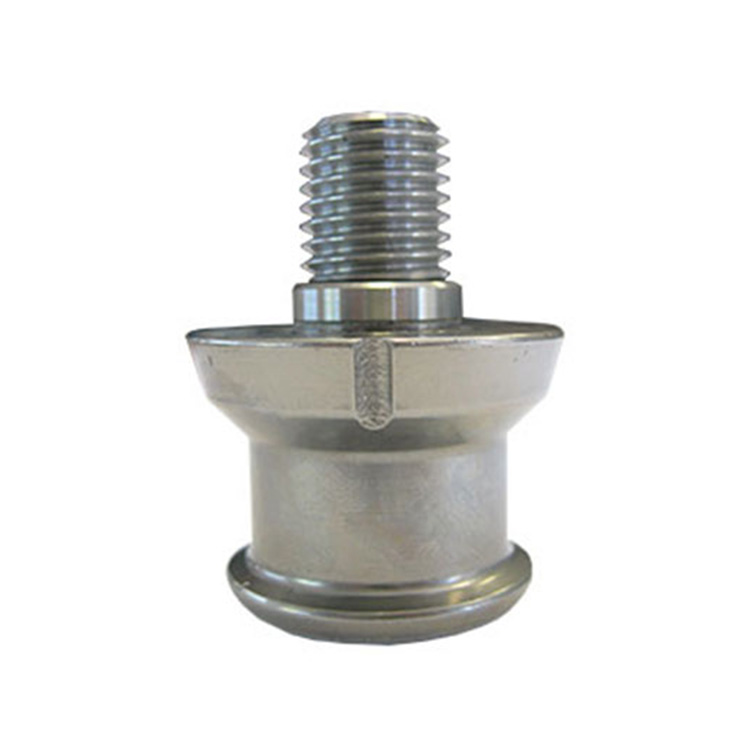
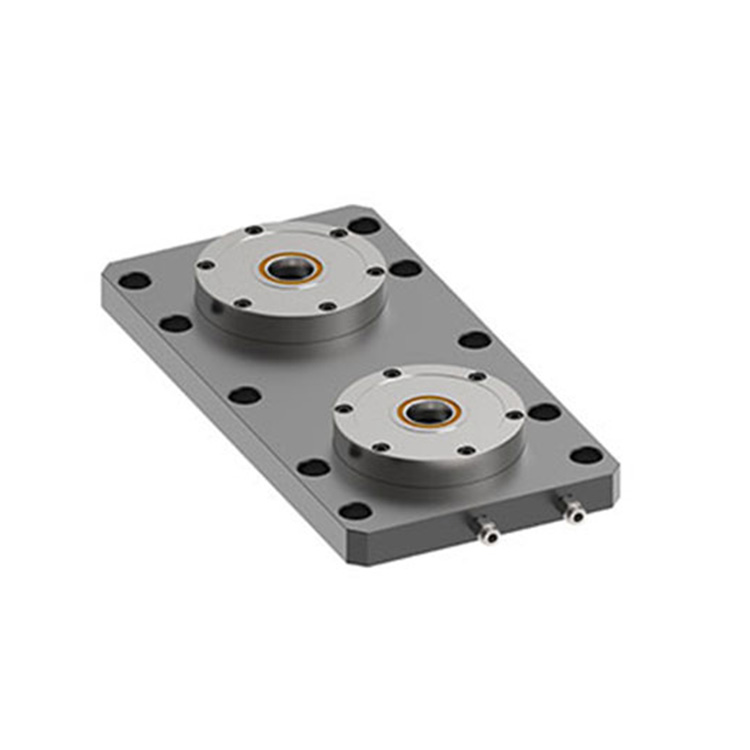
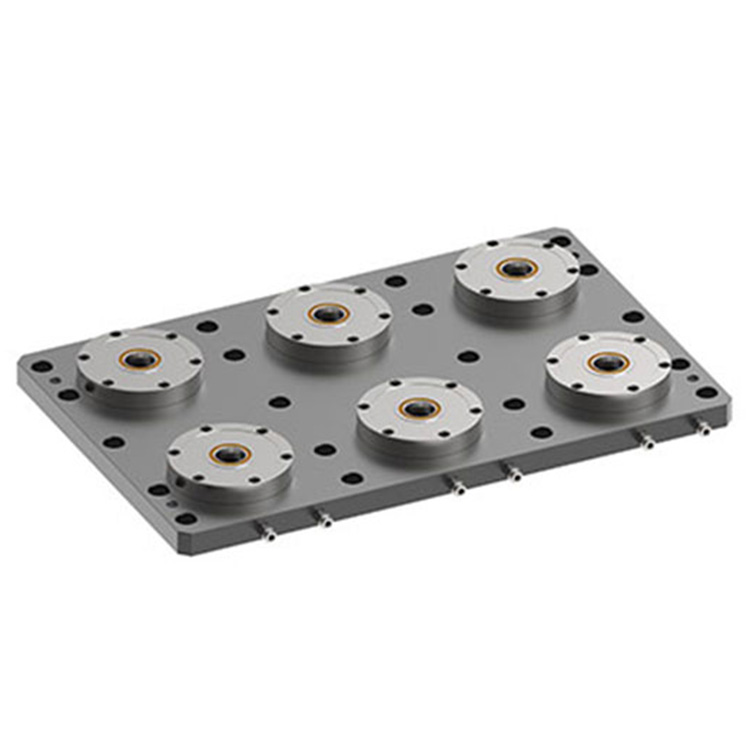





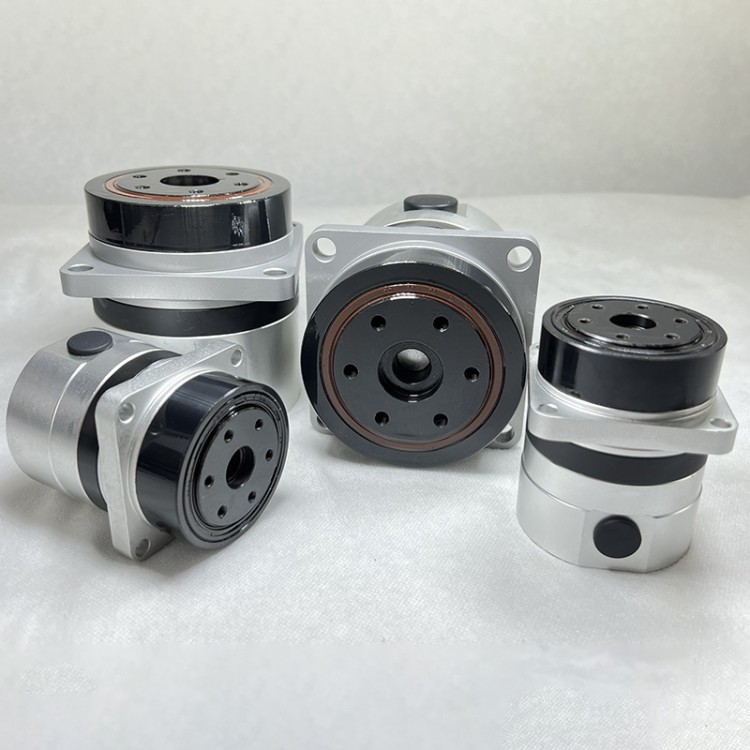

Section 1: Principle of Liquid Expansion Clamping Device
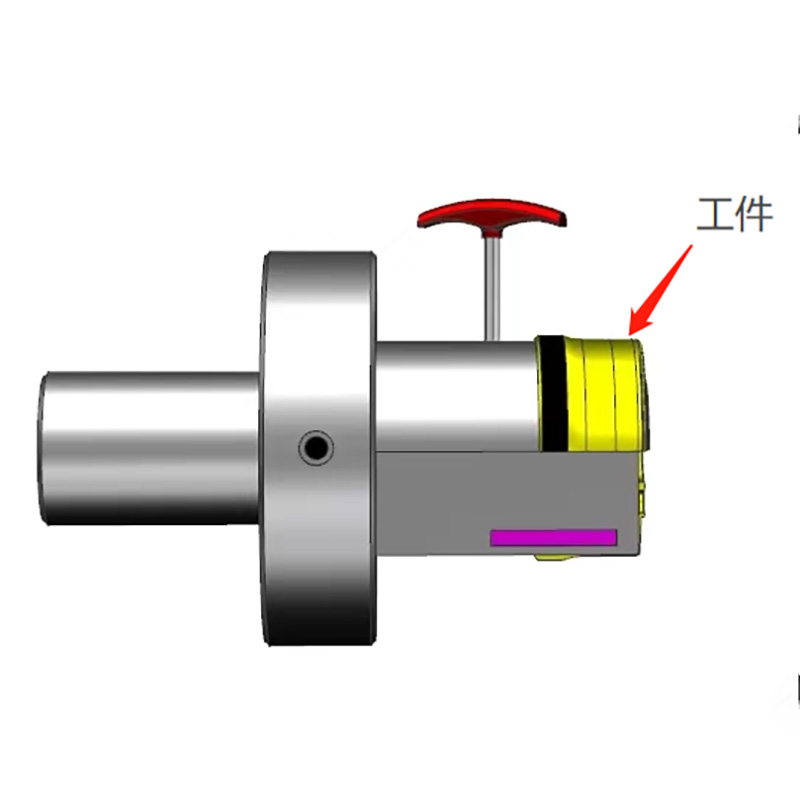
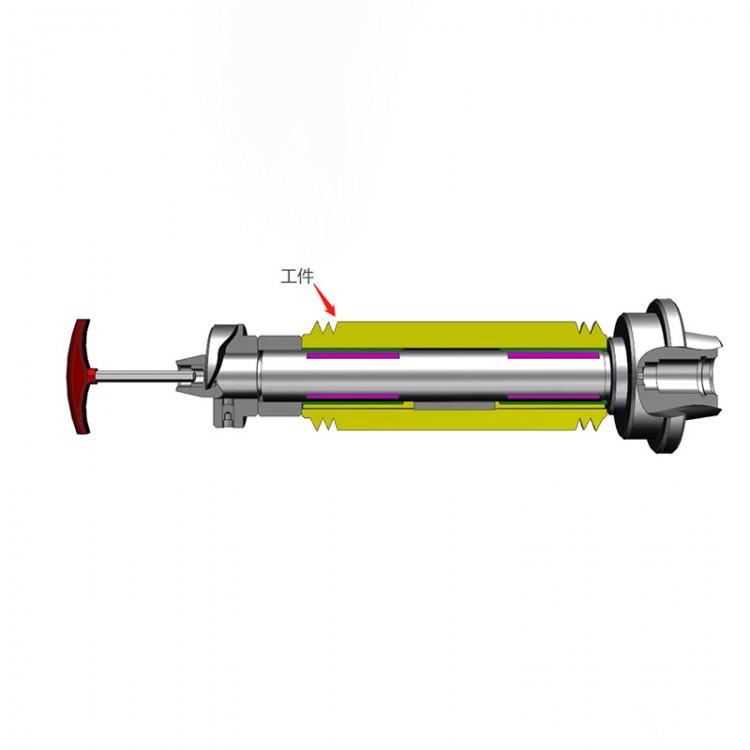
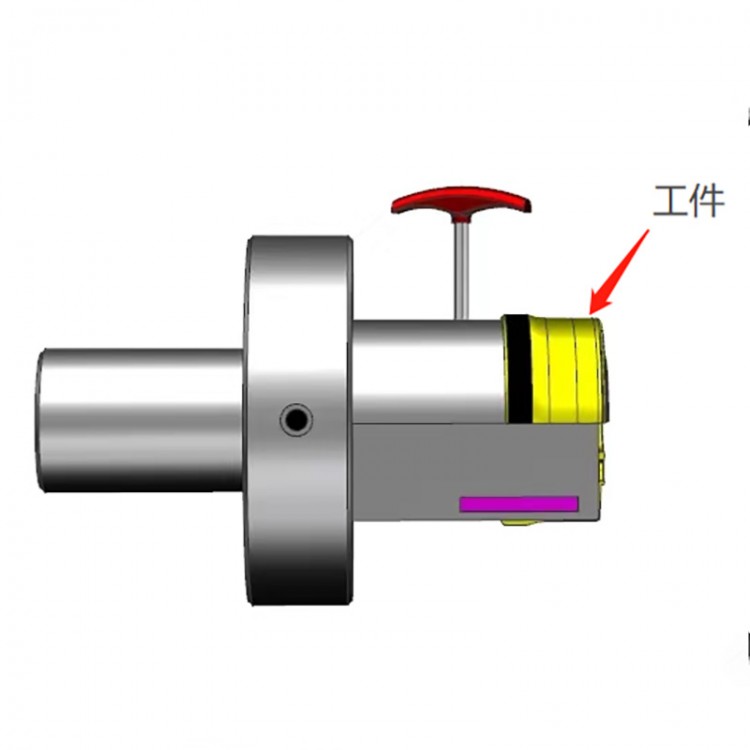
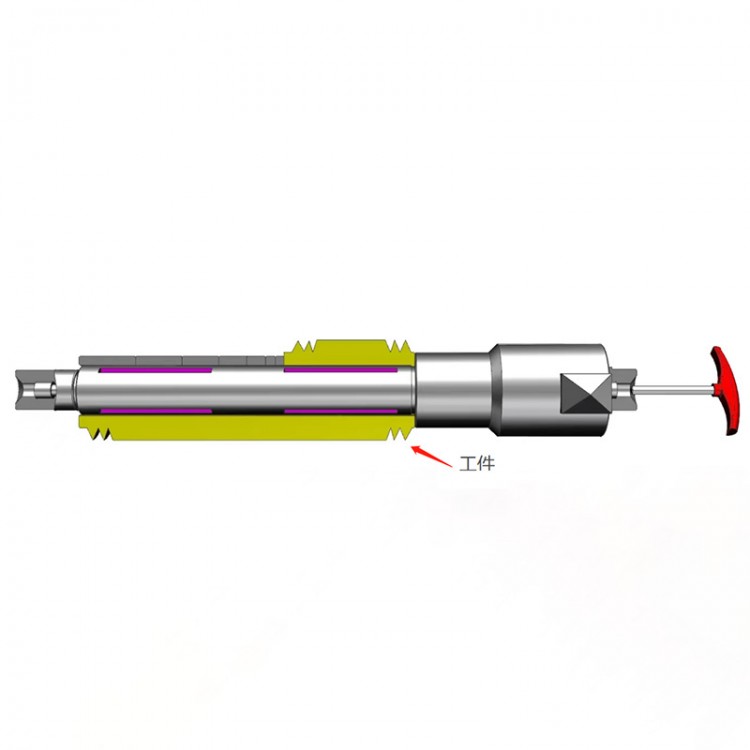
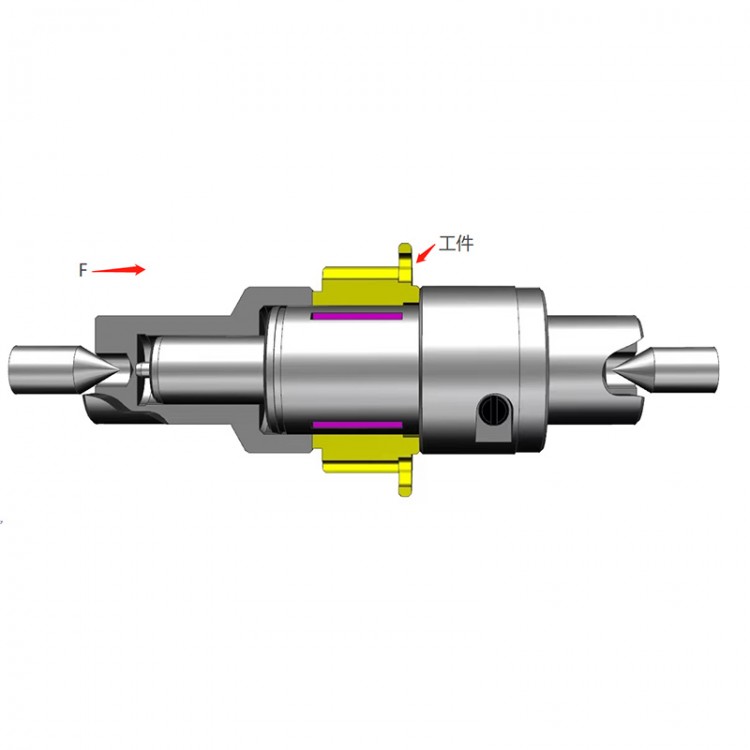
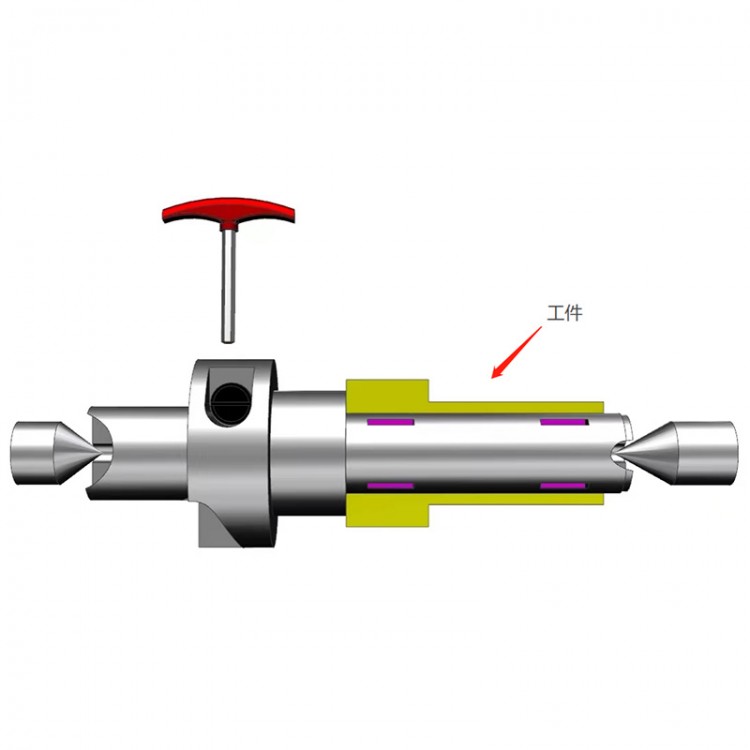
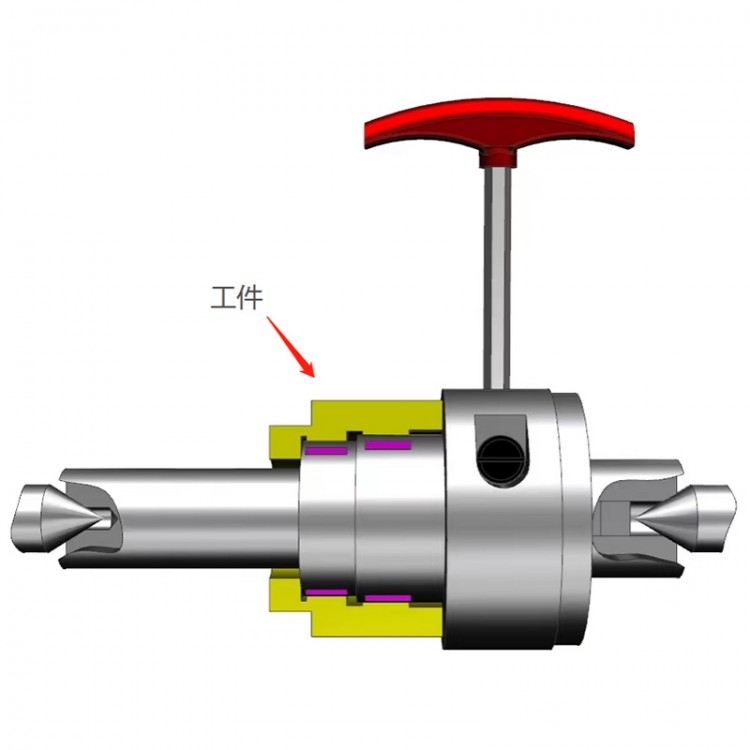
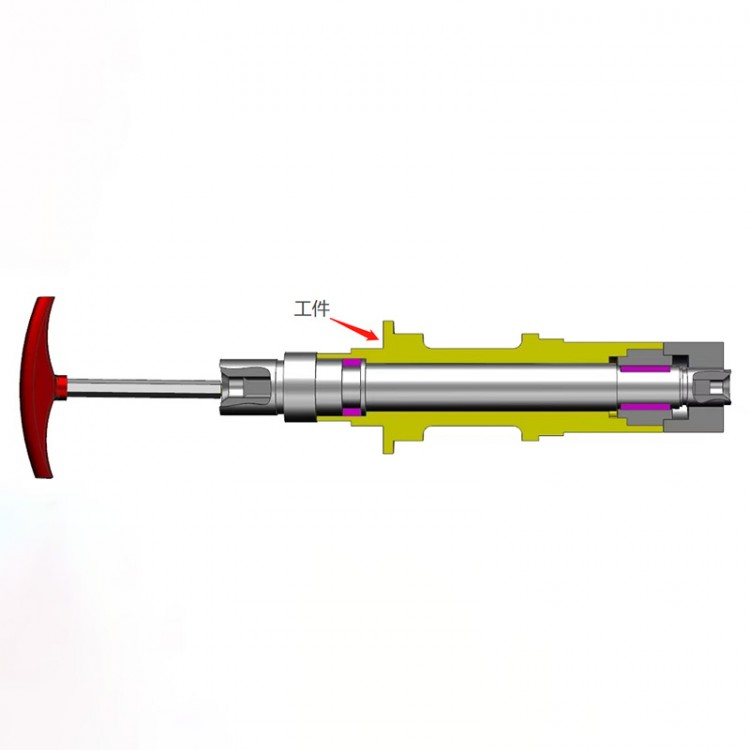
Unlike conventional liquid expansion clamps, the liquid expansion clamp utilizes static pressure expansion technology. After applying pressure to the clamp, the hydraulic medium generates high pressure under the action of the pressure mechanism, forcing the deforming element to uniformly elastically deform in all 360° circumferentially within the clamping range, thereby achieving tightness on the workpiece's locating hole/axis.
Section II: Characteristics of the Liquid Expansion Clamp
1. The fixture is filled with a liquid medium inside.
2. The working surface of the fixture is elastic deformation
3. The workpiece is held in a circular grip, ensuring even clamping force without deformation.
4. High clamping force, up to 100MPa
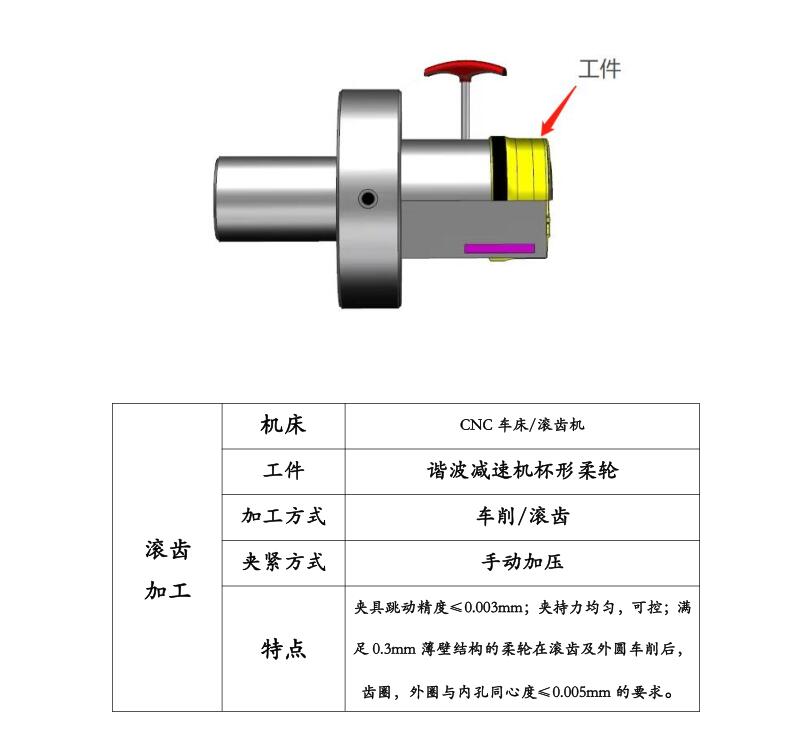
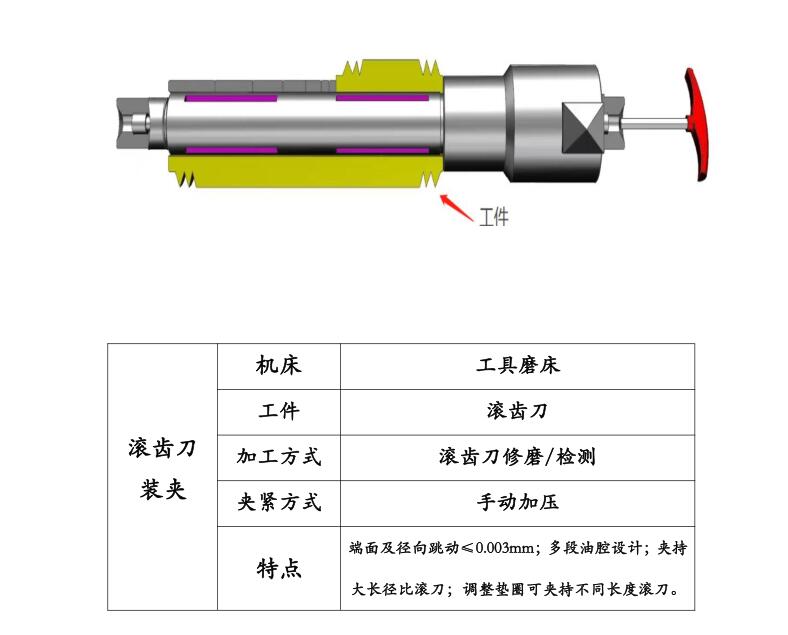
5. Low workpiece deformation, high machining accuracy; fixture dynamic accuracy less than 0.003MM.
6. Fast workpiece clamping and dismounting, high work efficiency.
7. Tailor-made according to equipment and workpieces, with strong adaptability.
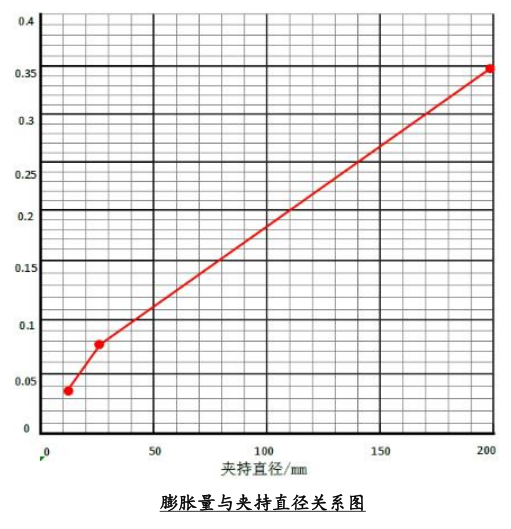
8. The expansion amount is 0.3% of the clamping diameter.
9. Utilizing components such as variable diameter springs and spline springs, a variety of sizes and specifications of workpieces can be processed.
10. Achieves rapid changeover of workpieces and fixtures
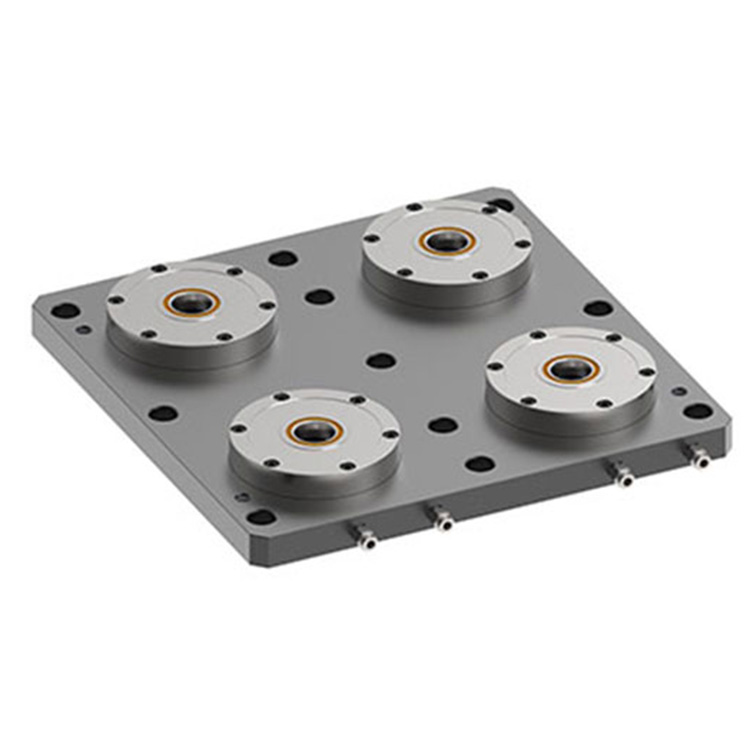
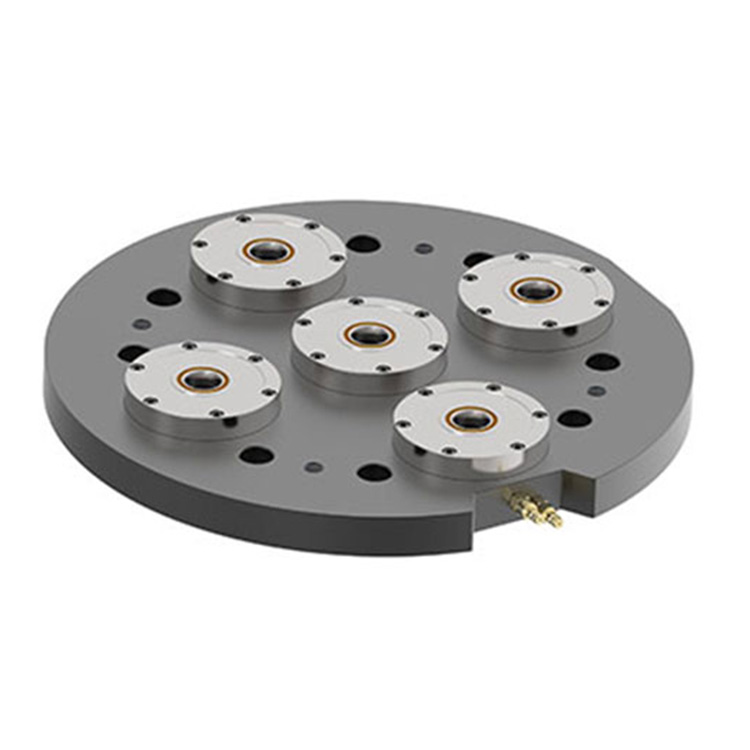
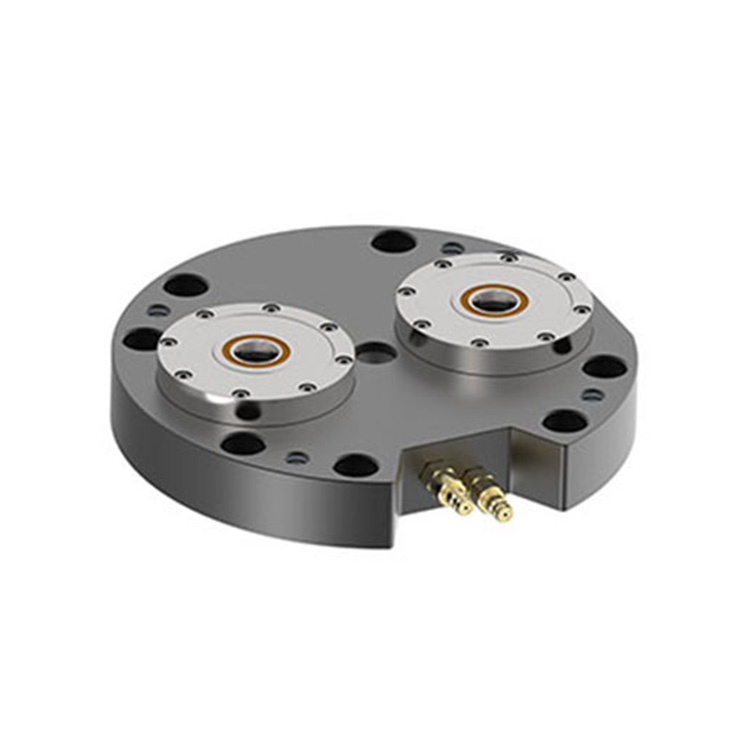
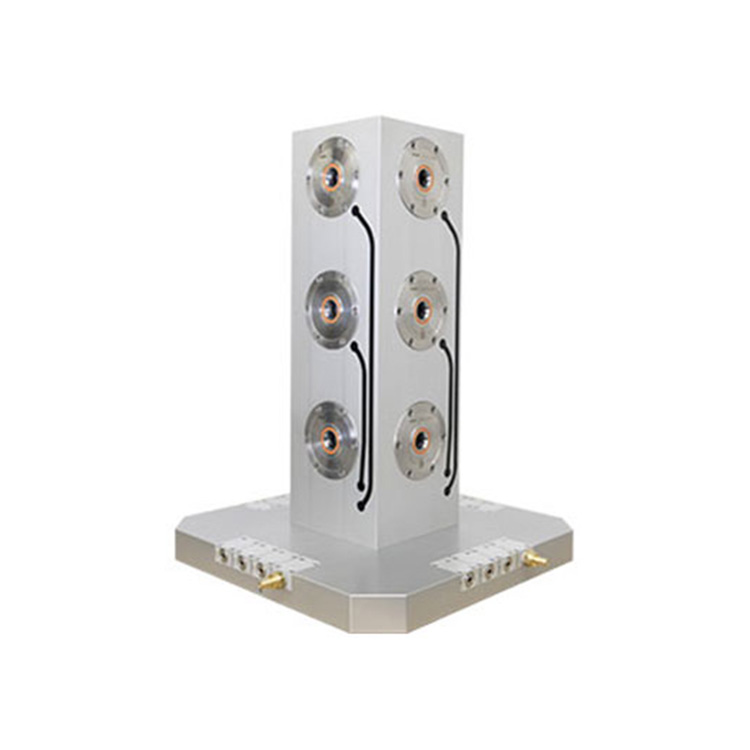
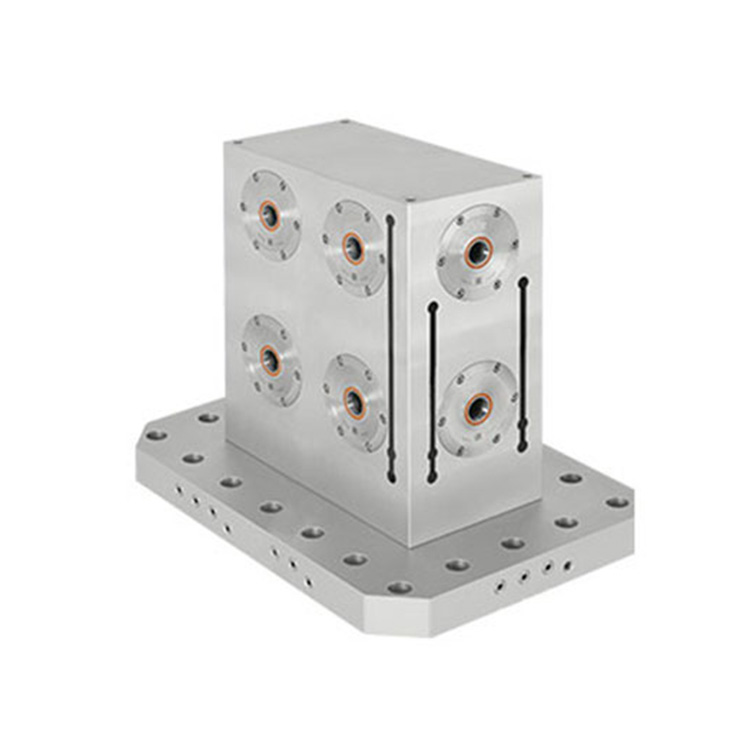
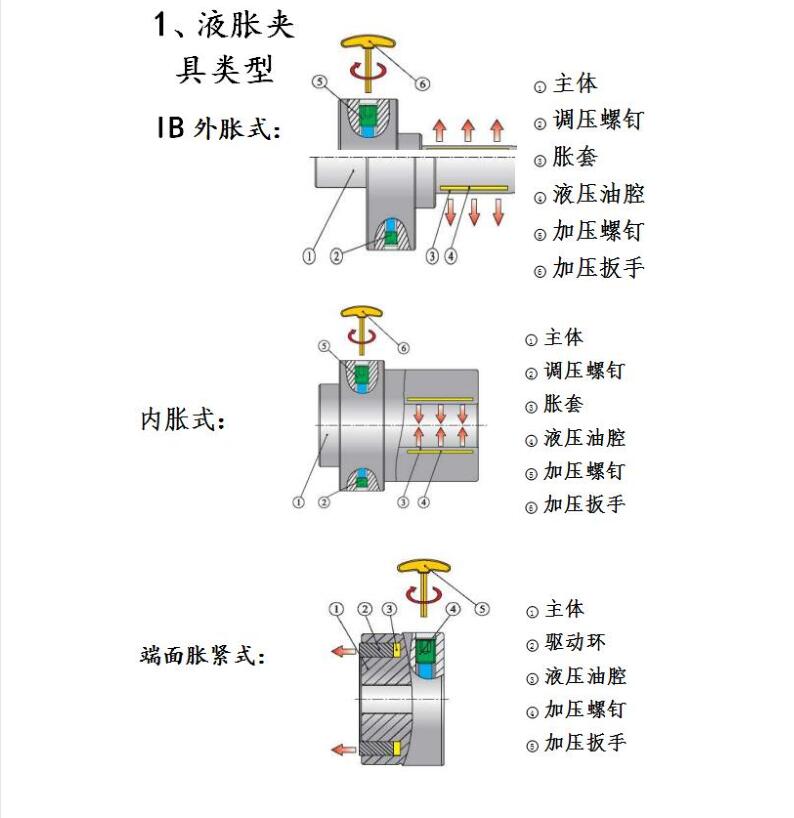
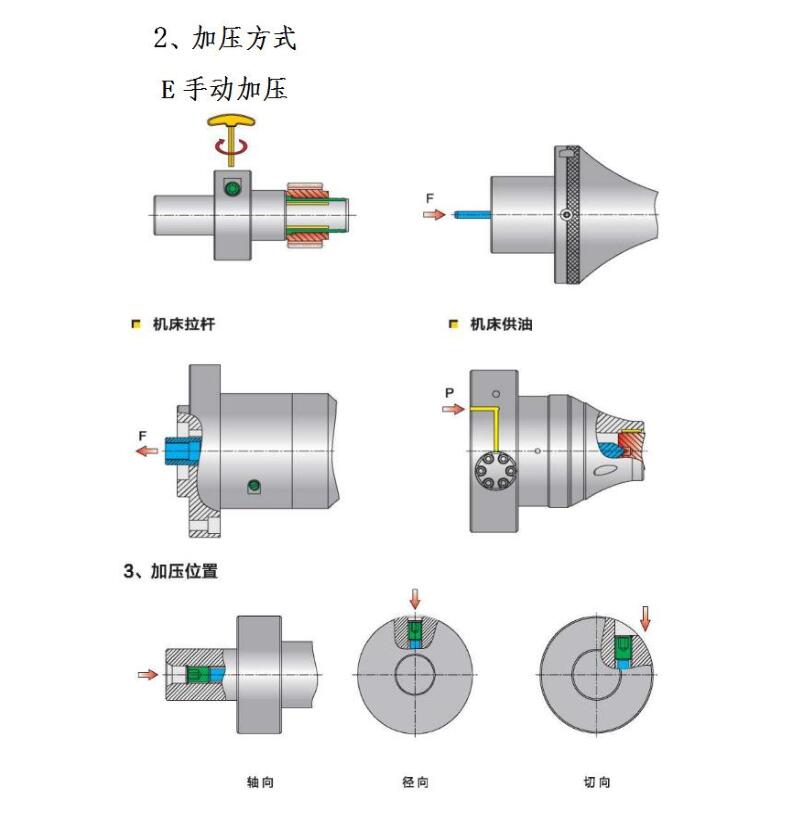
Section 3: Structure and Types of Liquid Expansion Clamps
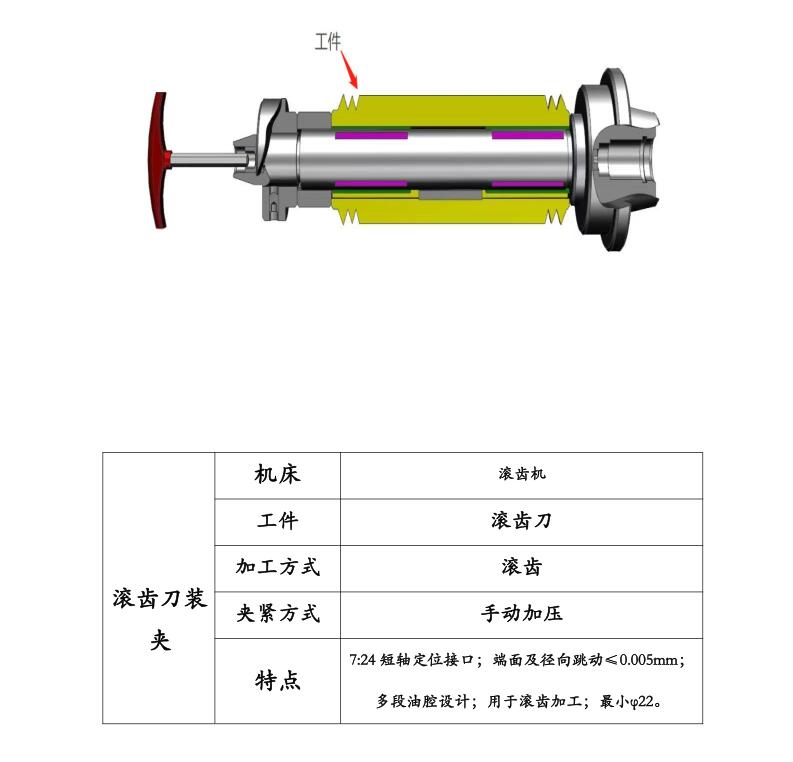
Gear cutting applications
Section 4: Technical Parameters of Liquid Expansion Clamps
Scope of Application
The maximum allowable expansion of the liquid-filled clamp is not greater than 3% of the clamping diameter; generally, good clamping accuracy and service life can be achieved when the dimension tolerance of the clamped workpiece section is H7 or above.
2. Pressure Control
Manual hydraulic expansion clamps are highly recommended to be tightened using a torque wrench and to apply pressure according to the recommended torque values. For hydraulic expansion clamps on machine tools with automatic pressure application, tighten in accordance with the recommended machine force, tensile force, or hydraulic cylinder oil pressure.
3. Precision Inspection
Jig precision should be measured against standard parts, and the accuracy should comply with the technical agreements between both parties.
4. Pressure Testing
The fixture failed to clamp standard parts within the recommended pressure range, indicating a failure of the liquid expansion fixture to clamp. Please contact the company's technician.
Section 5: Precautions for Using Liquid Expansion Clamps
① Daily attention should be given to not allow the liquid expansion fixture to expand empty when there are no workpieces or standard parts being held.
②Apply anti-rust oil regularly and evenly; note that the anti-rust period is three years. Especially, do not forget the anti-rust treatment before and after use.
③Upon completion or during routine use, ensure comprehensive dust protection to prevent interference with subsequent use.
④The liquid expansion assembly is recommended to be packaged in wooden boxes and stored in a dry, open area.