
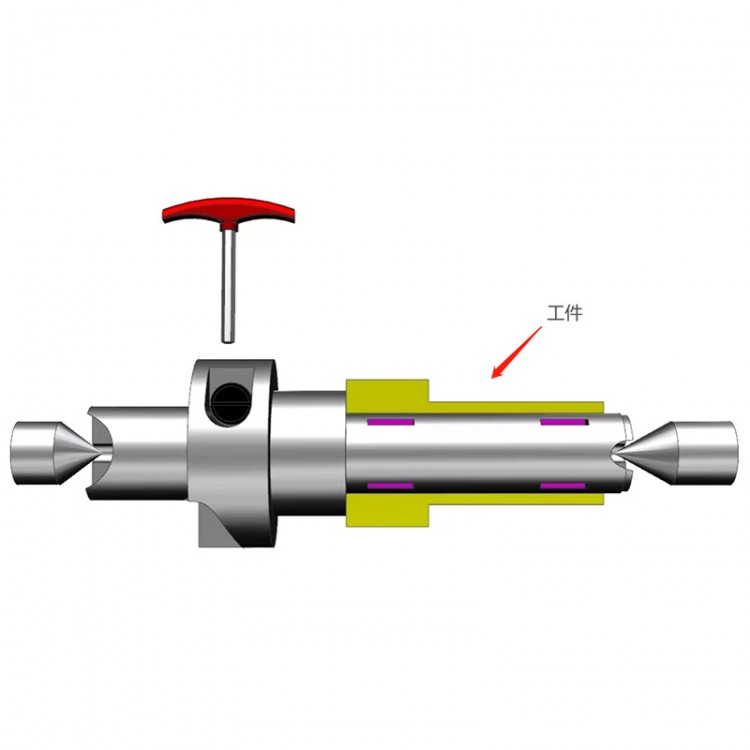

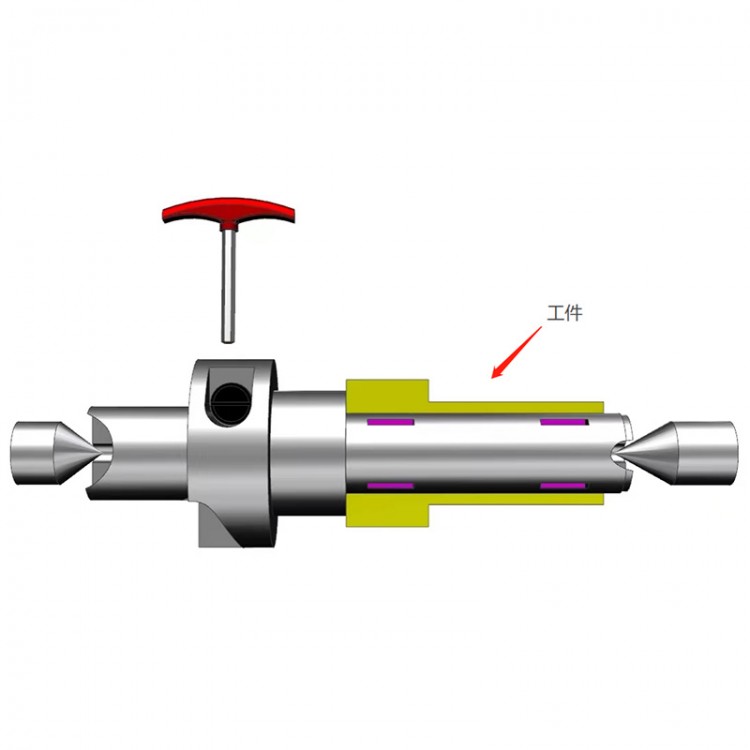

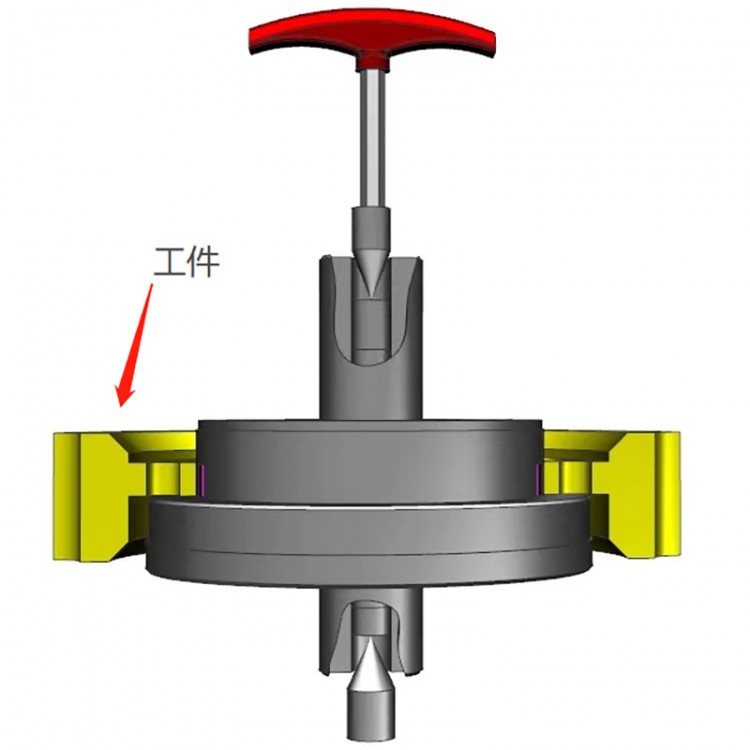








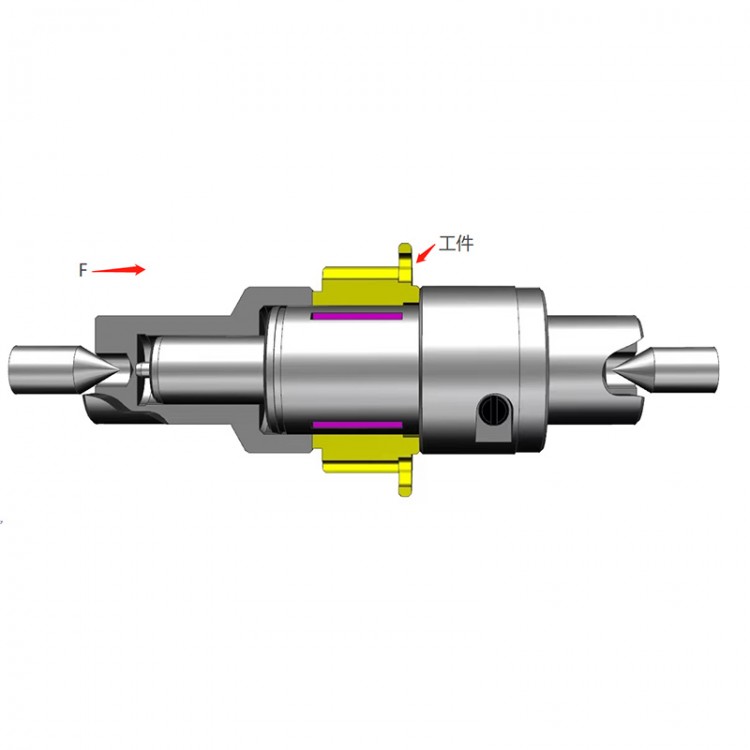
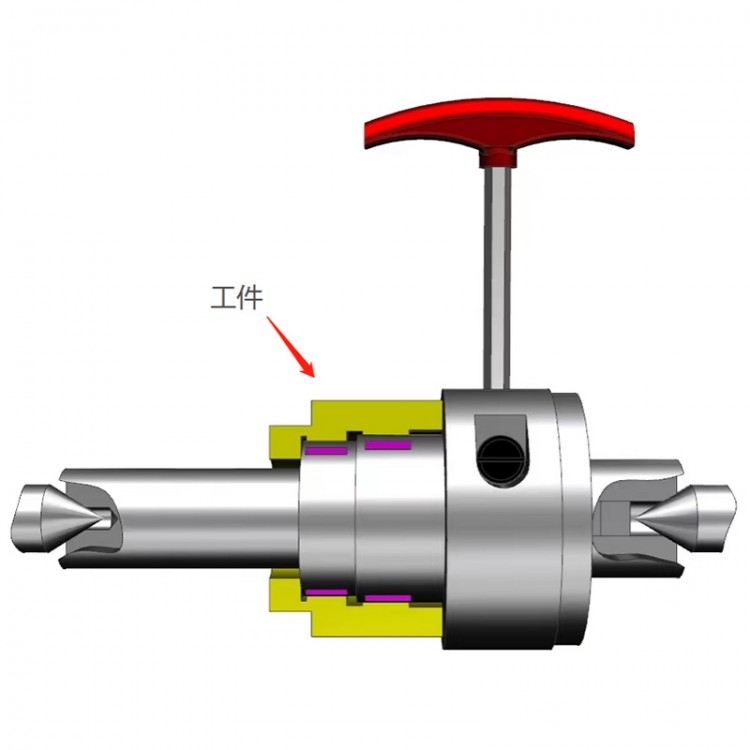
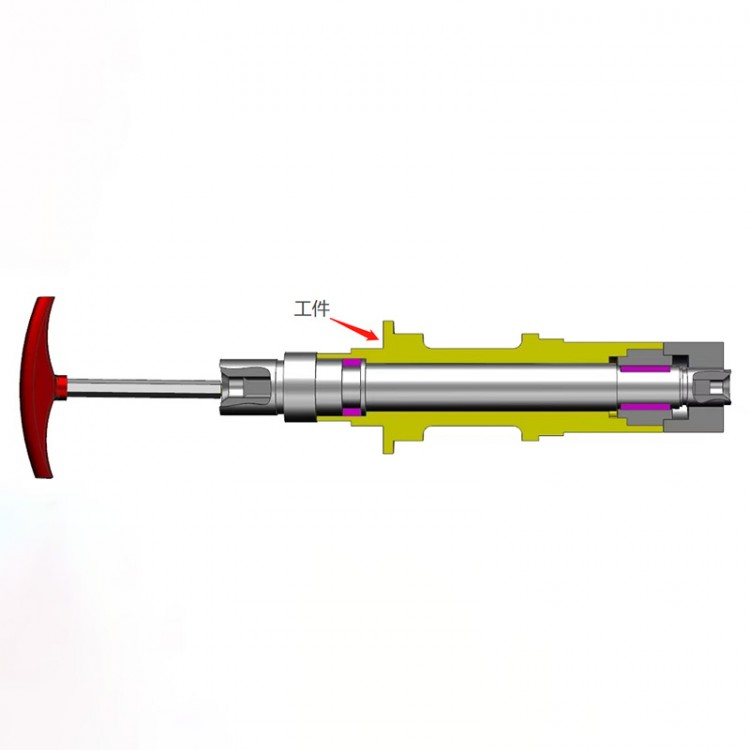
Section 1: Principle of Liquid Expansion Clamping Device
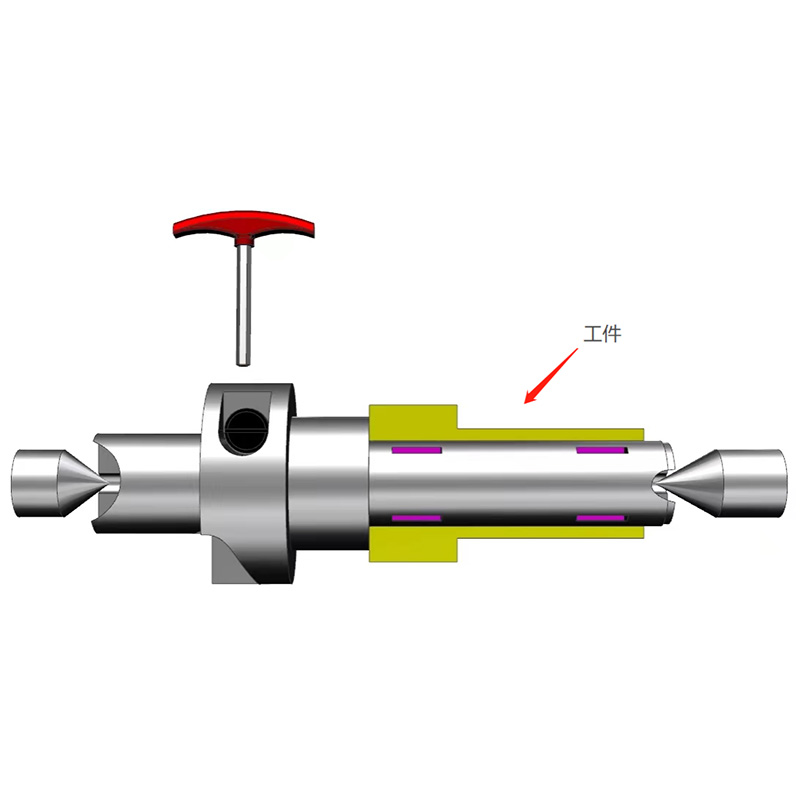
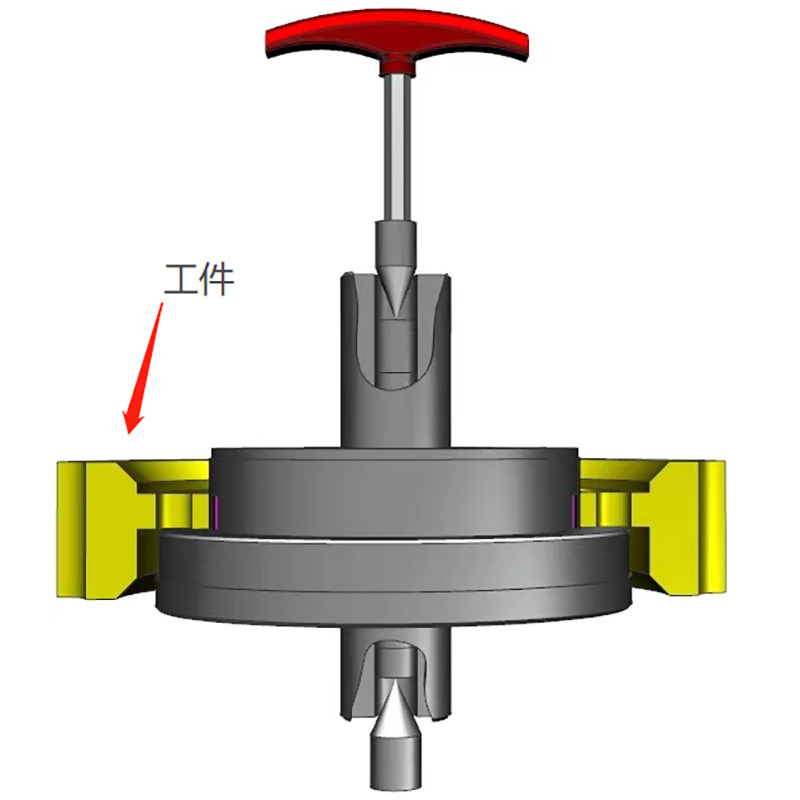
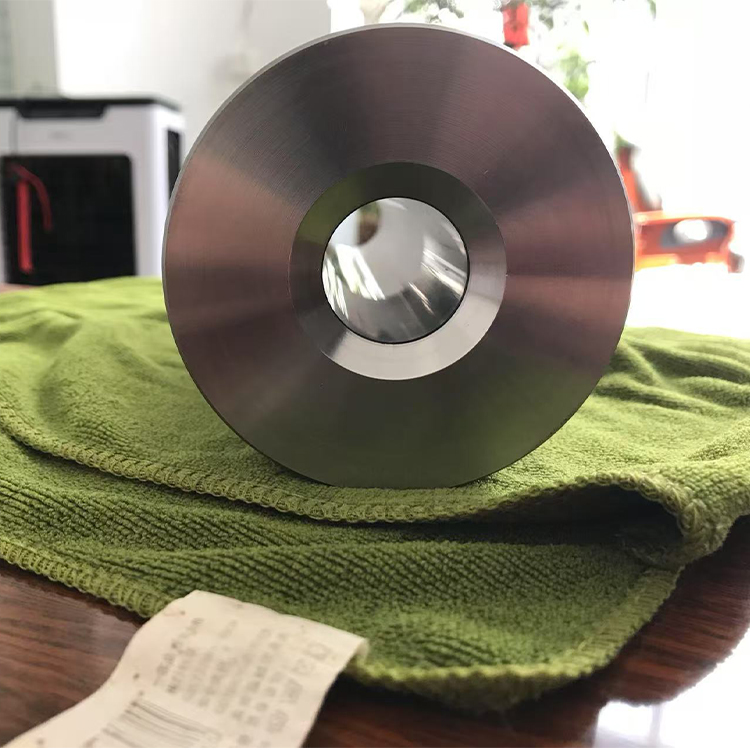
Unlike standard liquid expansion clamps, the liquid expansion clamp utilizes static pressure expansion technology. After the clamp is pressurized, the hydraulic medium generates a high pressure under the action of the pressurizing mechanism, forcing the deforming element to uniformly deform elastically in all 360° circumferential directions within the clamping range, achieving tightness on the workpiece's locating holes/axes.
Section 2: Characteristics of Liquid Expansion Clamps
1. The fixture is filled with a liquid medium internally.
2. The working surface of the fixture is elastic deformable.
3. Perform circular clamping on the workpiece, ensuring even pressure without deformation.
4. High clamping force, up to 100 MPa
5. Low workpiece deformation, high processing accuracy, fixture dynamic accuracy less than 0.003MM.
6. Quick workpiece clamping and disassembly for high efficiency.
7. Customized according to equipment and workpieces, with strong adaptability.
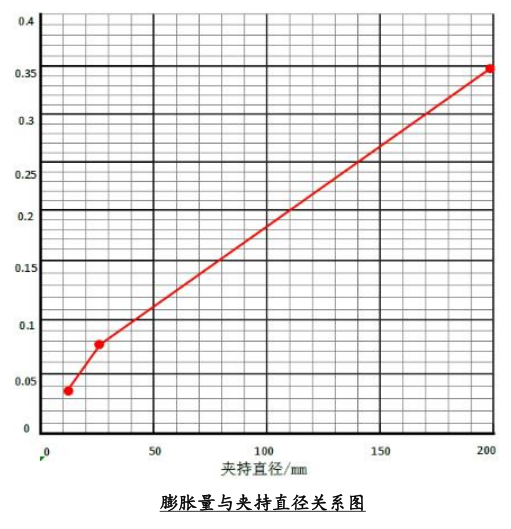
8. The expansion is 0.3% of the clamping diameter.
9. Utilizing tapered leaf springs, spline leaf springs, and other accessories allows for the machining of workpieces in various sizes and specifications.
10. Achieves rapid changeover of workpieces and fixtures
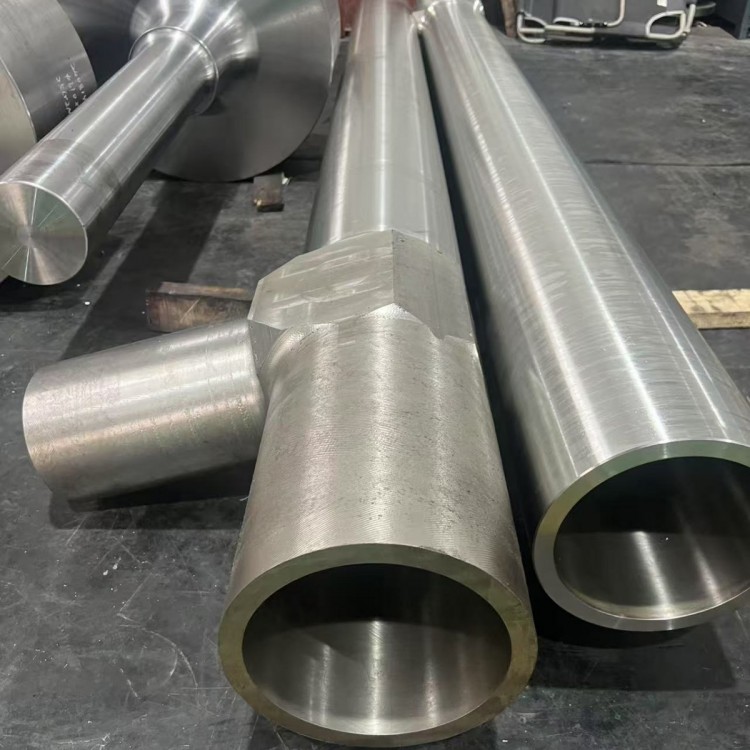
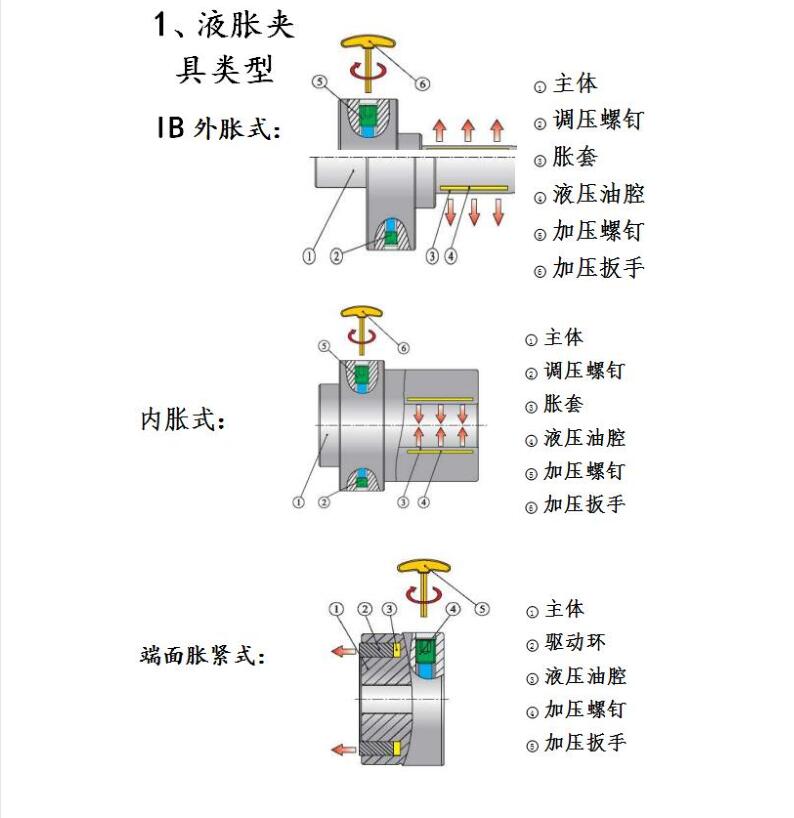
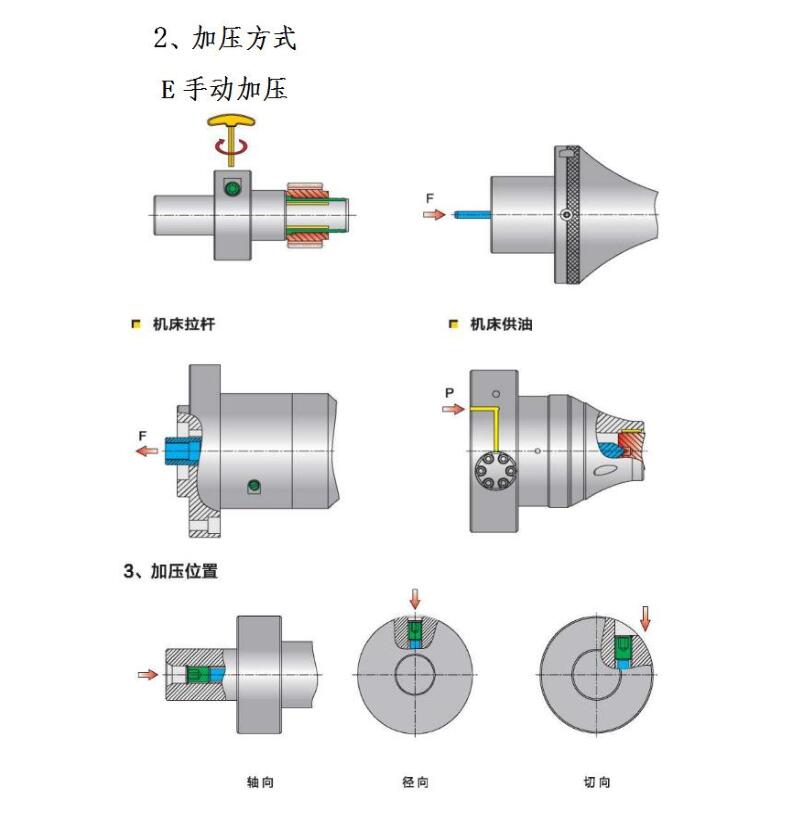
Section 3: Structure and Types of Liquid Expansion Clamps
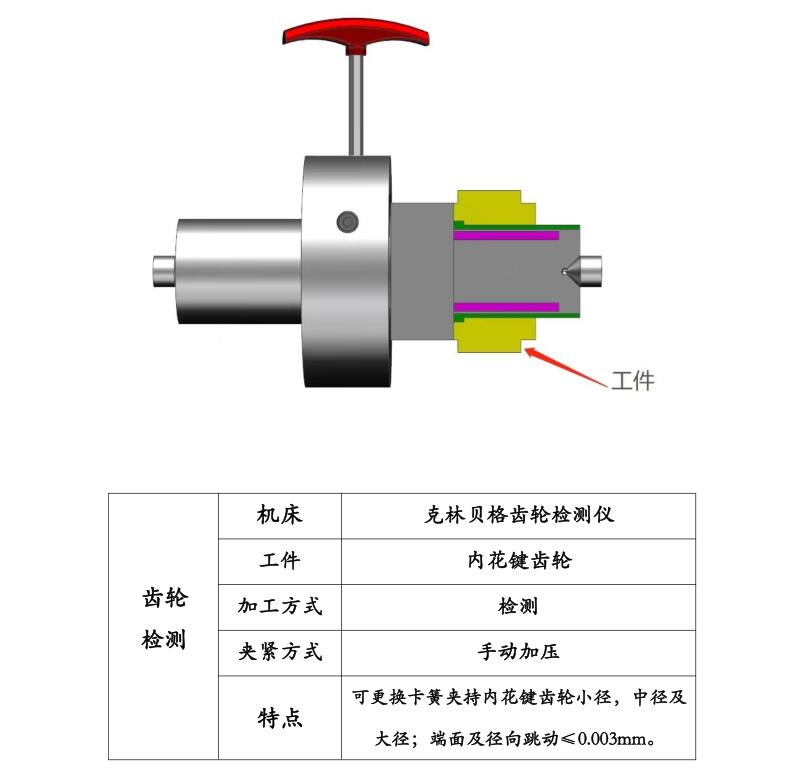
Inspection Application
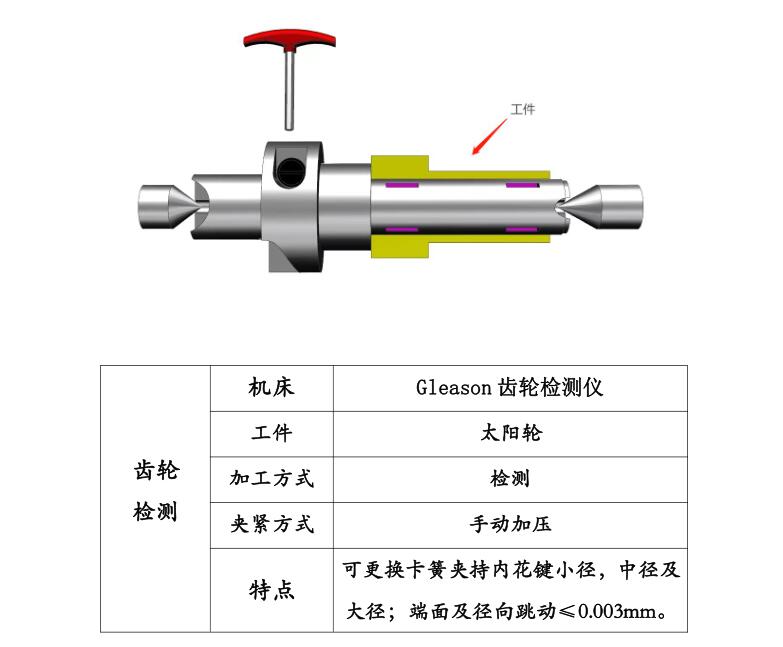
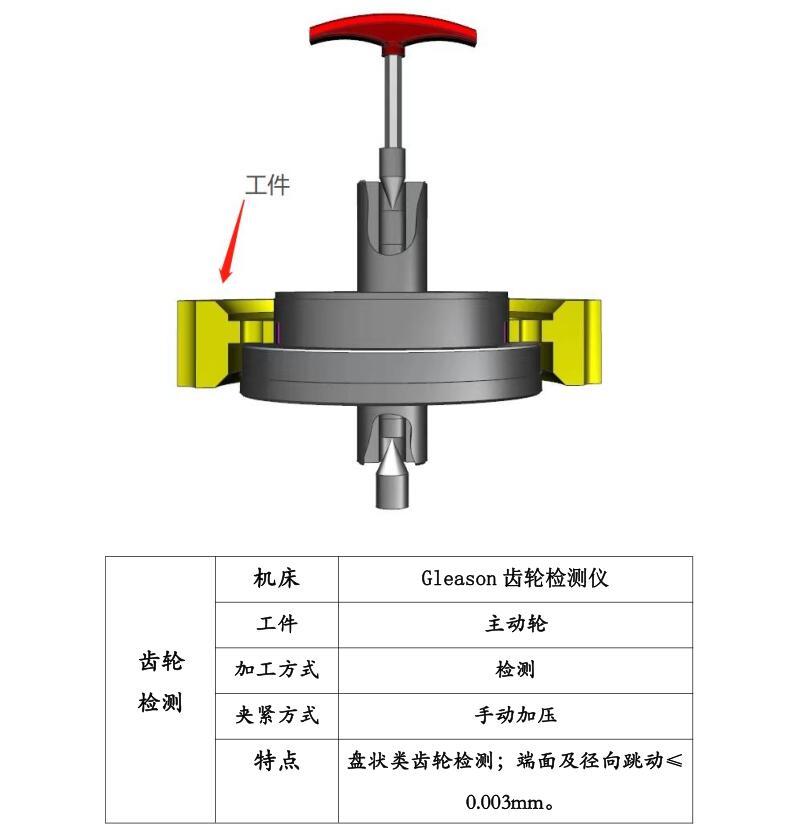
Section 4: Technical Parameters of the Liquid Expansion Clamp
Scope of Application
The maximum allowable expansion of the liquid-filled fixture does not exceed 3% of the clamping diameter; generally, good clamping accuracy and service life can be achieved when the size tolerance of the workpiece to be clamped is H7 or higher.
2. Pressure Control
Manual pressure liquid expansion clamps are strongly recommended to use a torque wrench and apply pressure according to the recommended torque values; for liquid expansion clamps on machine tools with automatic pressure, apply pressure according to the recommended machine thrust, pull force, or hydraulic cylinder oil pressure.
3. Precision Inspection
Jig precision should be measured against standard parts, and the accuracy should comply with the technical agreements between both parties.
4. Pressure Testing
The fixture failed to clamp standard parts within the recommended pressure range, indicating a failure of the liquid expansion fixture to clamp. Please contact the company's technician.
V. Important Usage Precautions for the Liquid Expansion Clamp
① Pay attention to not over-inflate the liquid expansion fixture when there are no workpieces or standard parts being held, as the expansion part of the fixture should not be inflated without workpieces.
②Apply anti-rust oil regularly and evenly; note that the anti-rust period is three years. Especially, do not forget the anti-rust treatment before and after use.
③Upon completion or during periodic use, ensure comprehensive dust prevention measures to avoid affecting subsequent use.
④Suggested packaging in wooden boxes and placing in a dry, spacious area for static storage.