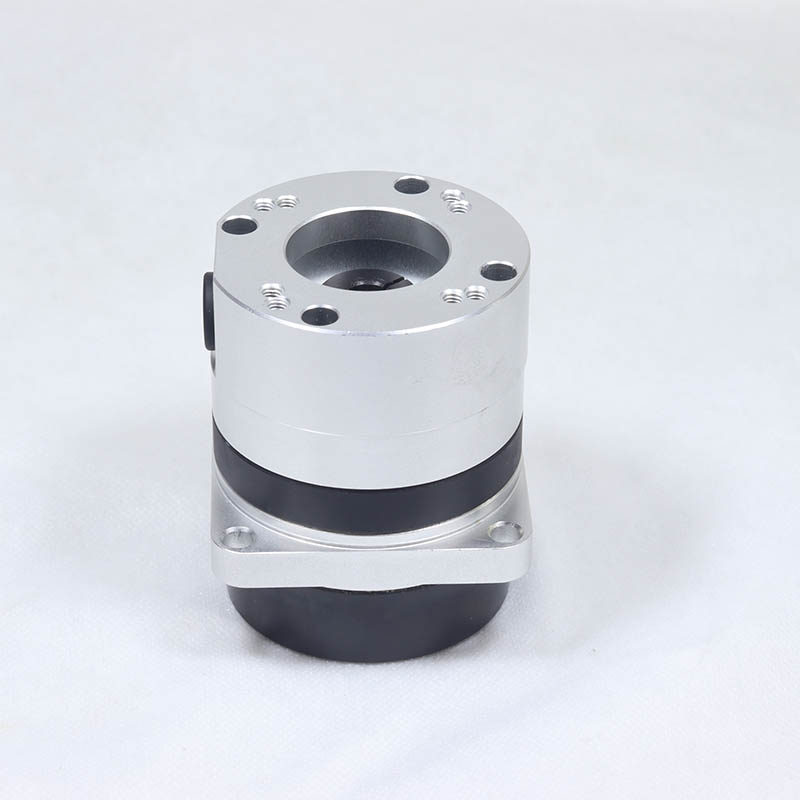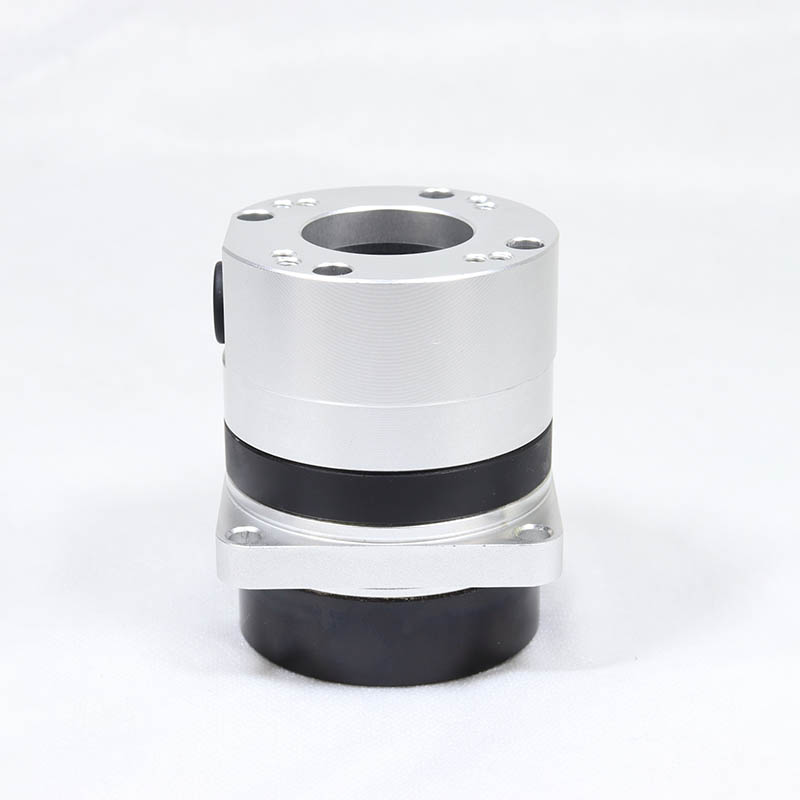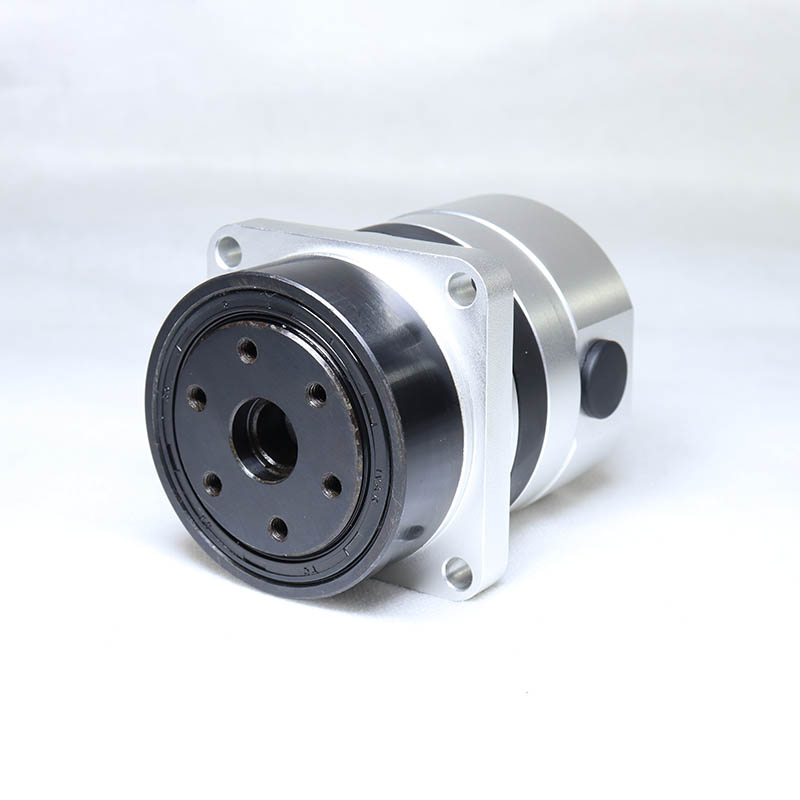











Harmonic Drive Principle
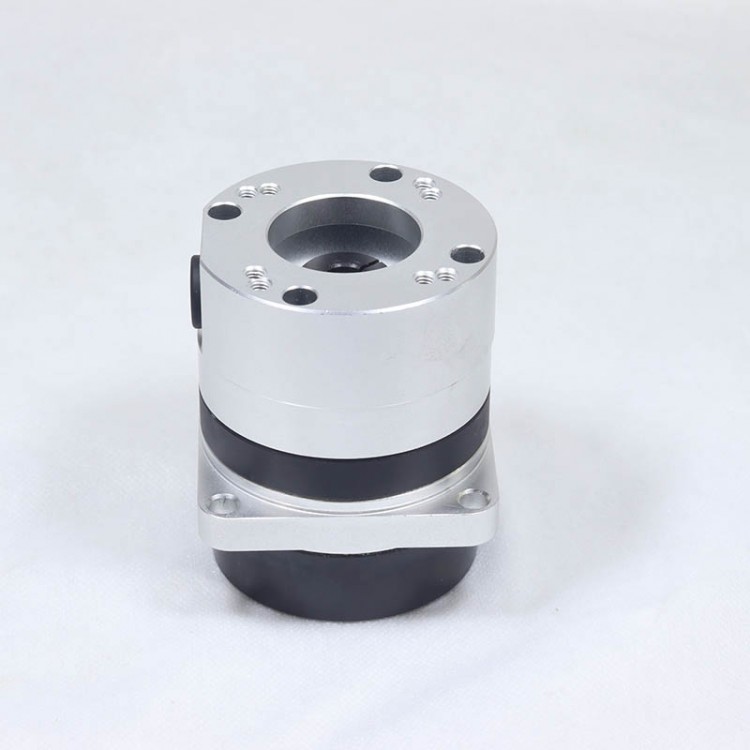
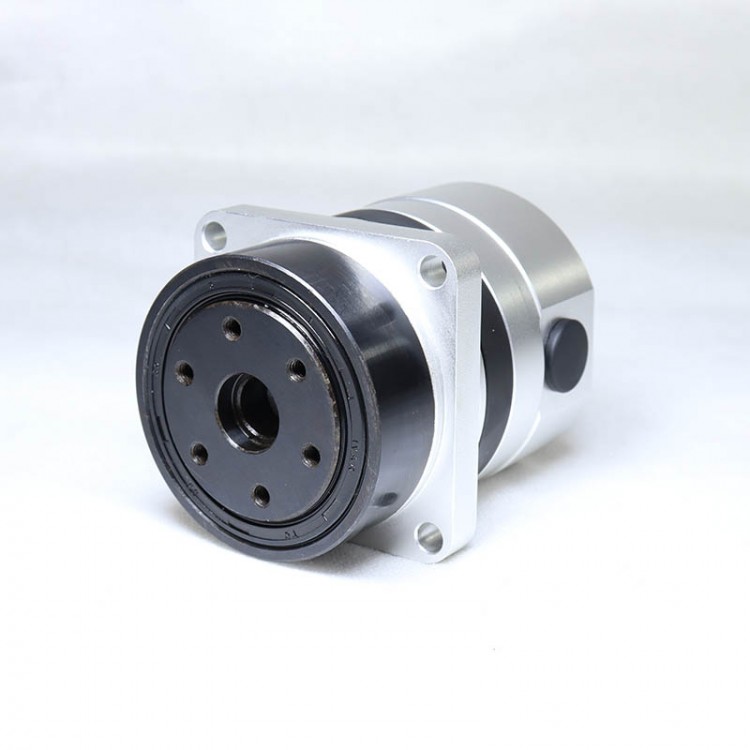
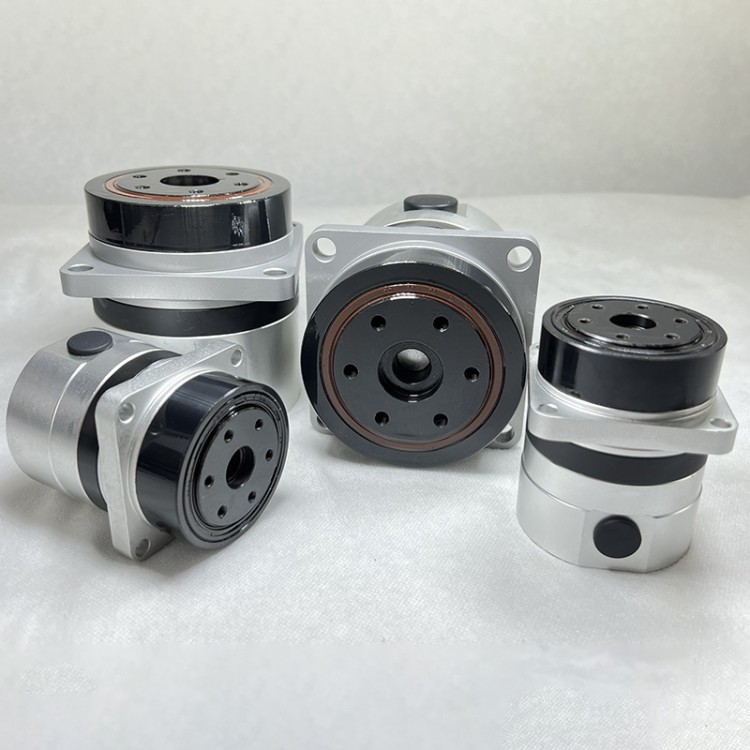
Harmonic gear transmission is a new type of mechanism that achieves power transmission through elastic deformation motion. It breaks through the traditional pattern of mechanical transmission, which relies on rigid components, by utilizing a flexible component for mechanical transmission. This approach enables a range of unique functions that are difficult to achieve with other transmission methods.
Advantages:
1. High transmission ratio (single-stage harmonic drive transmission ratio ranges from 50 to 300, dual-stage ratio from 3,000 to 60,000, and multi-stage ratio from 100 to 140,000).
2. High return accuracy (due to a large number of meshing teeth and low sliding speed of the tooth surface, resulting in high load-bearing capacity, smooth transmission, high accuracy, and low noise).
3. Minimal backlash (teeth side clearance can be adjusted, achieving zero side clearance transmission)
4. Simple structure; compared to traditional ordinary reducers, the parts are reduced by about 50% and both volume and weight are reduced by over 1/3.
5. High transmission efficiency (not affected by large transmission ratios); smaller rotational inertia can be achieved when using electromagnetic or disc wave generators.
6. Transfer motion and power to sealed spaces using a sealed flexible belt harmonic drive reducer, capable of driving mechanisms operating in high vacuum, corrosive, and other harmful environments.
Technical Data


Product Selection

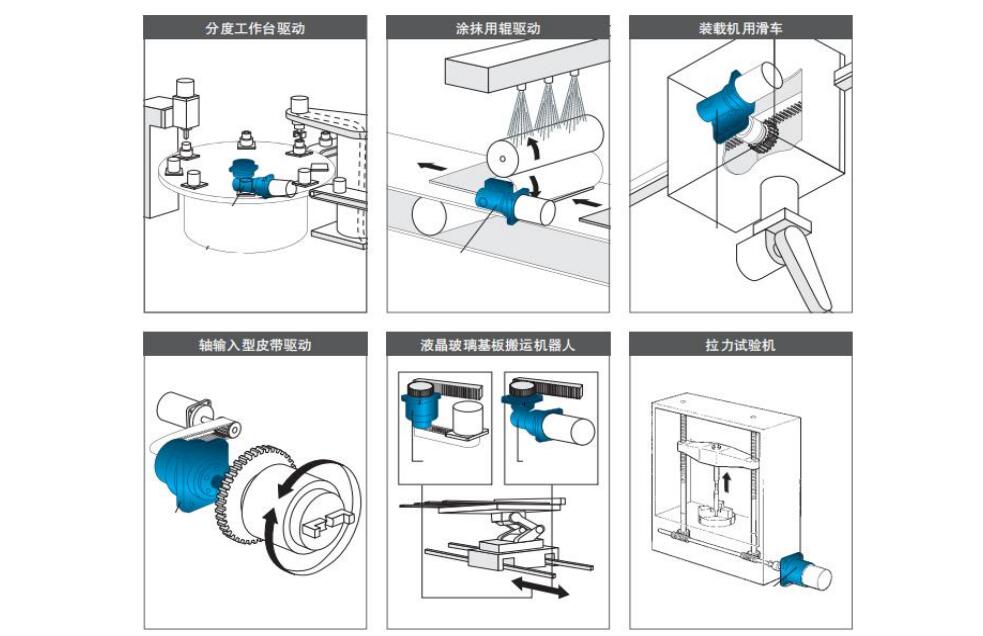
Application Scenario



Installation Matters
1. During installation, emphasize the alignment of the drive center. When connecting the output and input shafts to the power source and auxiliary machinery, ensure the shafts are precisely aligned; any misalignment will significantly reduce the gear box's service life.
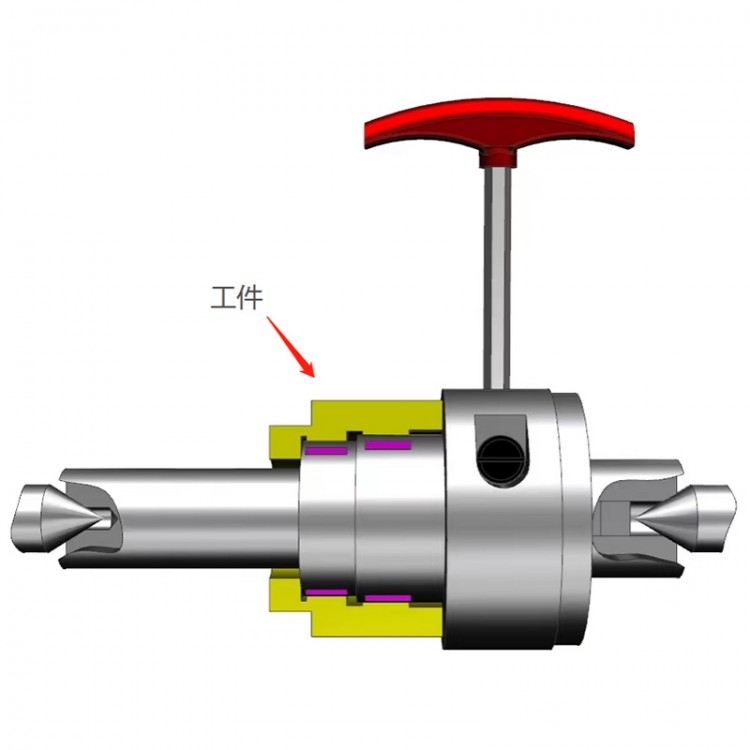
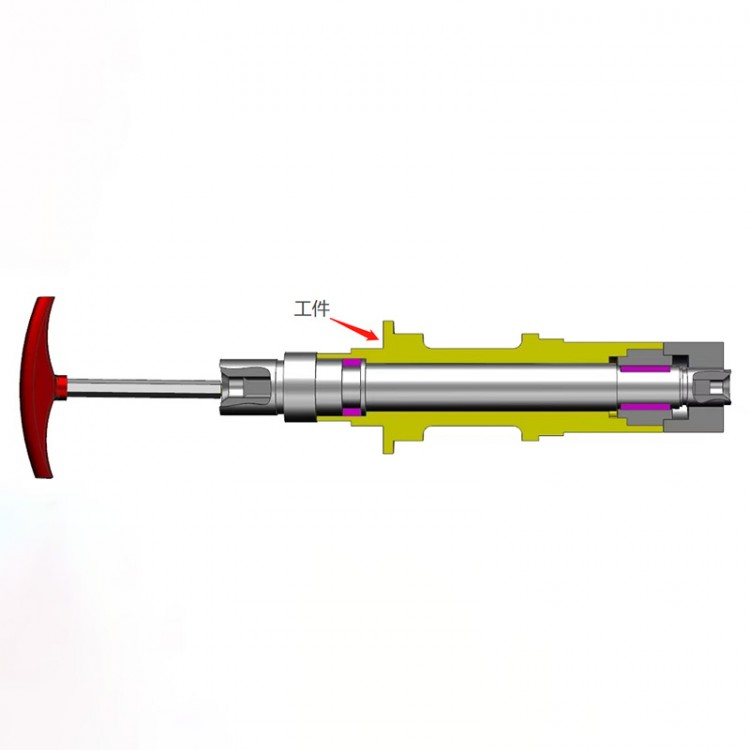
2. During installation, hammering is not permitted. Typically, use tooling fixtures or press into place using the screw holes to the left and right. Improper installation may result in an uneven sound and could lead to premature damage to internal parts.
3. Recheck and verify the screws before starting, ensuring all fasteners are securely installed.
4. During operation, it should initially rotate smoothly at a low speed without vibration, noise, or oil leakage, which indicates normal operation.
Safety matters
Do not check the tightness of screws while the equipment is running to prevent injury to personnel.
Do not touch with your hands while in operation to prevent hand cuts.
3. Inspections should be conducted only after the machine has come to a complete stop.
4. After extended periods of operation, to avoid burns due to excessive heat, wait approximately 10 minutes after shutdown before touching.
Product Warranty
Warranty terms and coverage are as follows:
● Warranty Period
With the use of products under the normal assembly state as described in the product catalog and in a well-lubricated condition, the warranty period is one year from the date of delivery (excluding damage due to human factors).
● Warranty Coverage
During the aforementioned warranty period, we will be responsible for repairing or replacing the product in the event of a failure due to manufacturing defects by our company. However, the following situations are not covered under the warranty.
Due to improper customer operation or misuse leading to malfunctions.
② Faults caused by modifications or repairs not performed by our company.
③ Faults not caused by the product itself.
④Faults caused by natural disasters or other non-company responsibilities.
Moreover, the warranty referred to here is for the product itself.
Losses caused by this product's failure, labor and costs associated with disassembly and assembly on the equipment, are not within our company's responsibility scope.