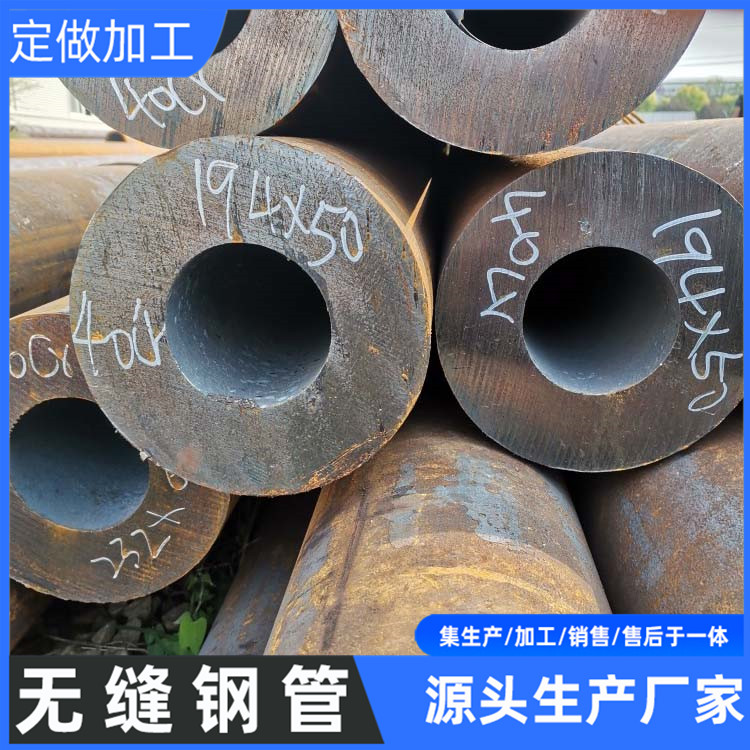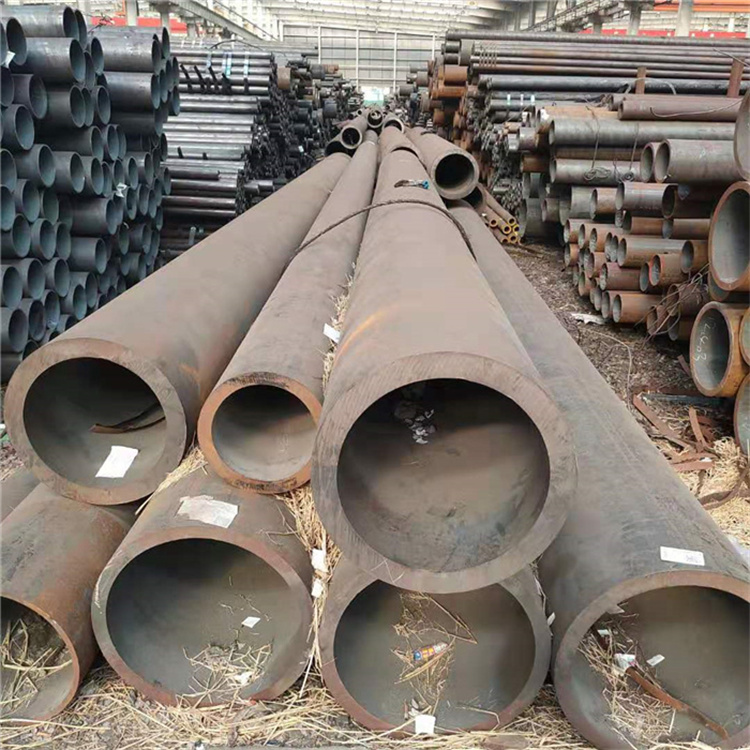















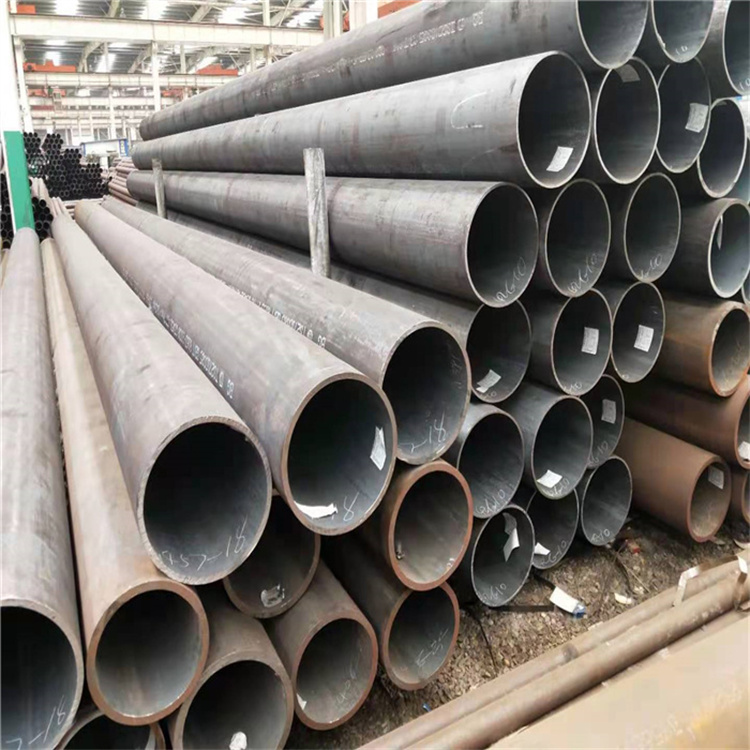
New quality inspection projects for seamless steel tubes include key aspects such as physical properties, composition testing, specifications, and performance. The text takes the entry and exit steel tube standards ASTMA450/A450M as an example. Each regulation in this specification unlocks 34 ASTM steel tube standards, encompassing butt-welded tubes with general applicability, as well as seamless steel tubes specifically for applications such as gas and steam boilers, steelmaking, sanitation, gas, and pure natural water supply. In the specification, each regulation is either mandatory or non-mandatory, with non-mandatory regulations primarily being agreements between the parties.
Mandatory provisions include: smelting plant analysis of ironworks, including furnace numbers and casting; wall thickness is divided into butt hot finishing, butt cold finishing, and welded pipes, with the latter two having a thickness offset limit of 0%; standard tolerances for diameter and concentricity, cold finishing, and welded pipes are of the same level, with additional lower standard tolerances than hot finishing pipes; specifications, the standard tolerances for galvanized pipes within 7.3M are within 5mm (some are 3mm), and the standard tolerances for pipes of other specifications do not exceed 13mm; straightness and performance do not allow burrs, etc. For postgraduate re-examination, the total number of double-pointed cards for 2 product groups is used; high-quality electrical testing laboratory, selects testing methods such as UT, ET, and MFT based on discussions.
Non-mandatory provisions: Component analysis of industrial equipment, specifically the composition analysis of seamless steel pipes; tensile properties, inspection based on the dimensions of tensile strength or elongation at break from laboratory measurements and the applied load; net weight, this requires the total number of seamless steel pipes, at least 50 for 4ln. and more than 20 for above 4ln.; deformation laboratory, seamless steel pipes and welded pipes are taken in sizes of 62mm and 100mm respectively, divided into two processes: expansion laboratory and information detail laboratory; reverse deformation laboratory, diameter not less than 1/2ln., the selection of welded pipes should be based on requirements; expansion laboratory; coiling laboratory; for strength tests, zinc-coated pipes with wall thickness below 1.2mm are not subject to this requirement, and the resistance to compression test of welded pipes should avoid welding; pressure test; water tire inflation standard laboratory, the minimum tire inflation standard for testing should not be less than 1MPa.