















.jpg)

.jpg)
.jpg)

.jpg)
.jpg)
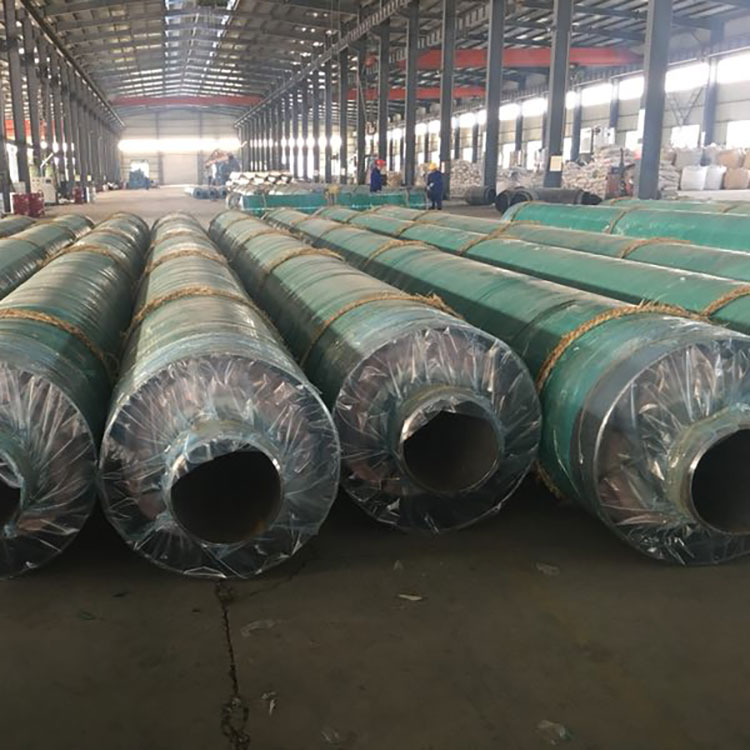

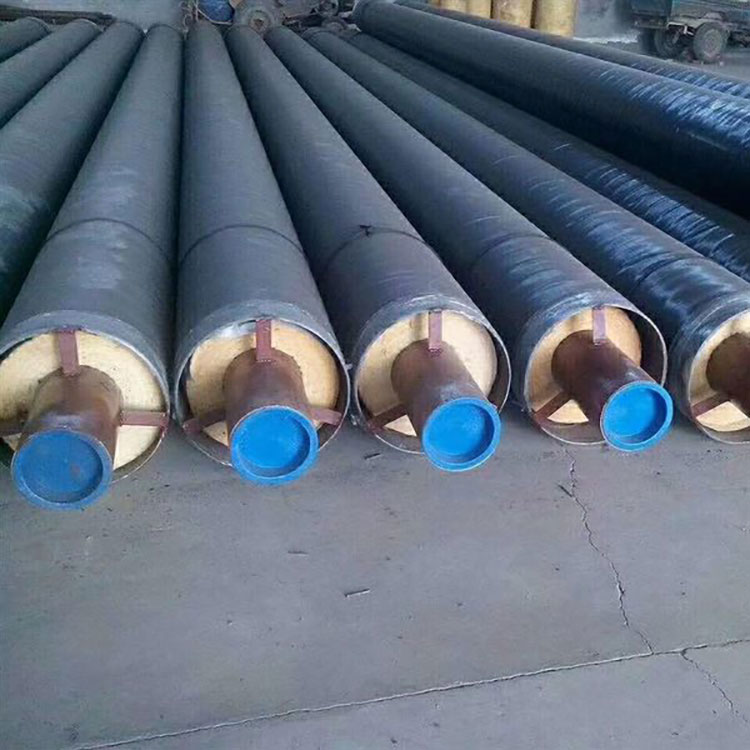

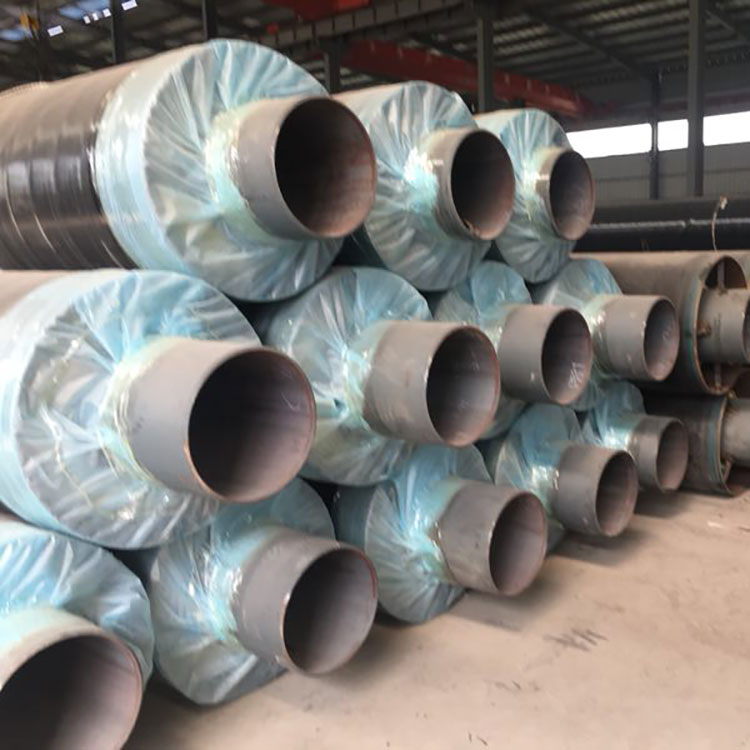

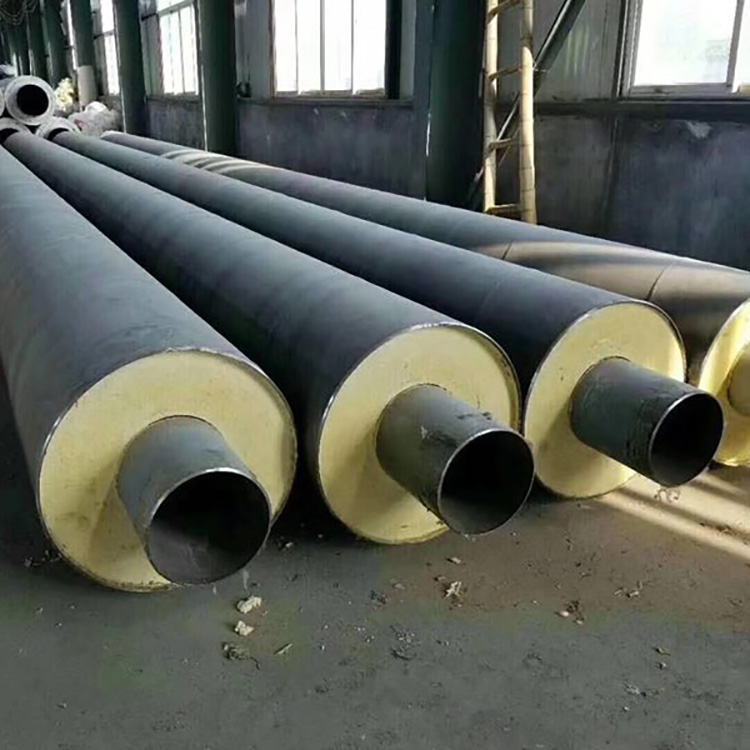
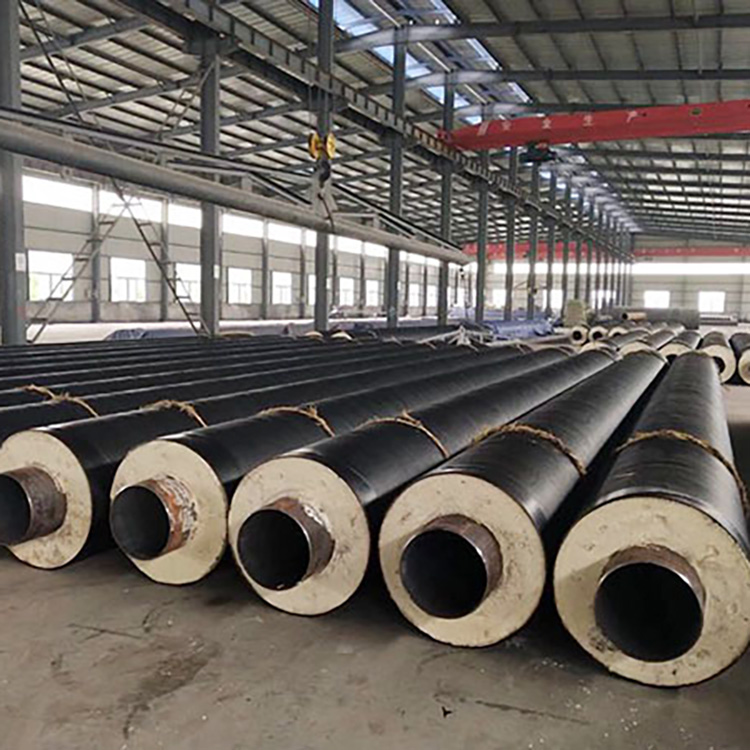


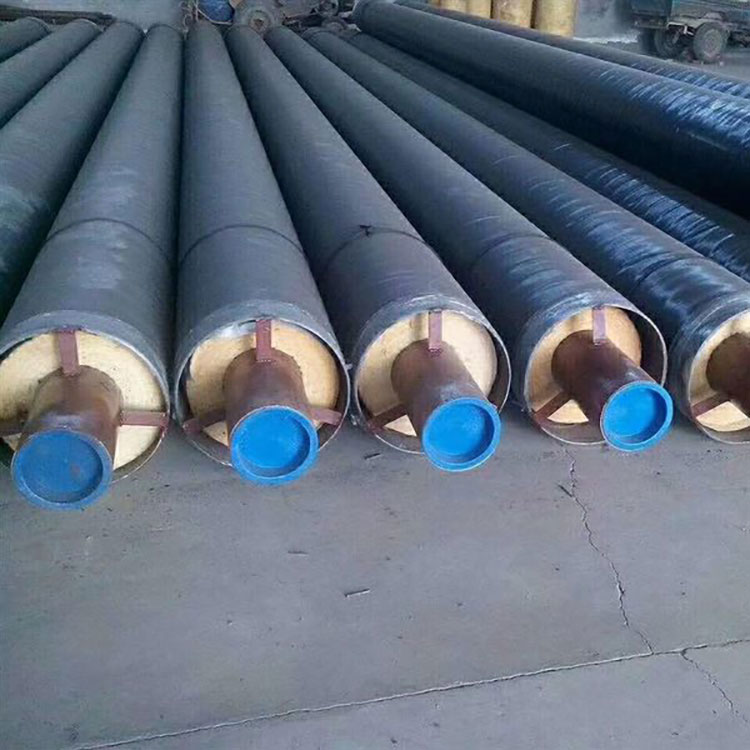
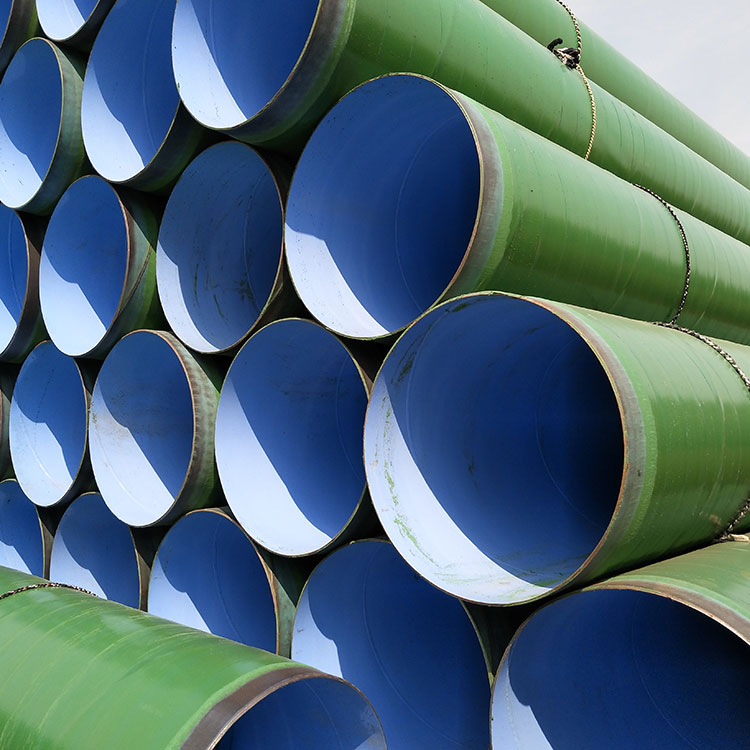
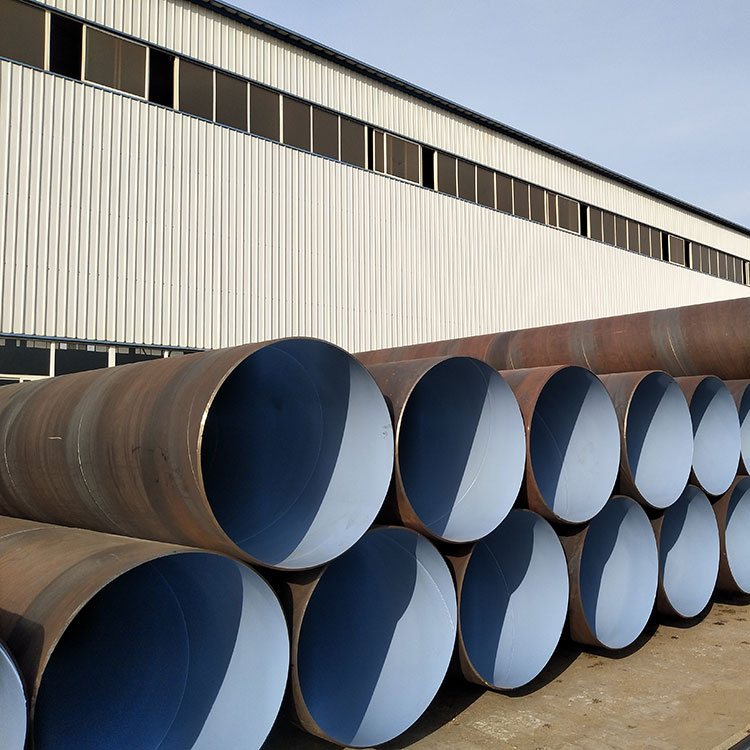
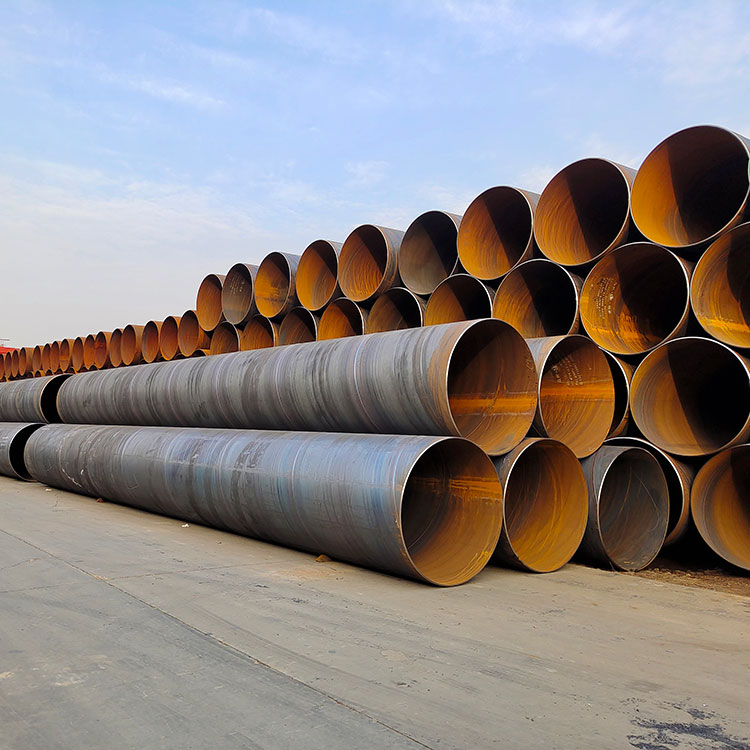
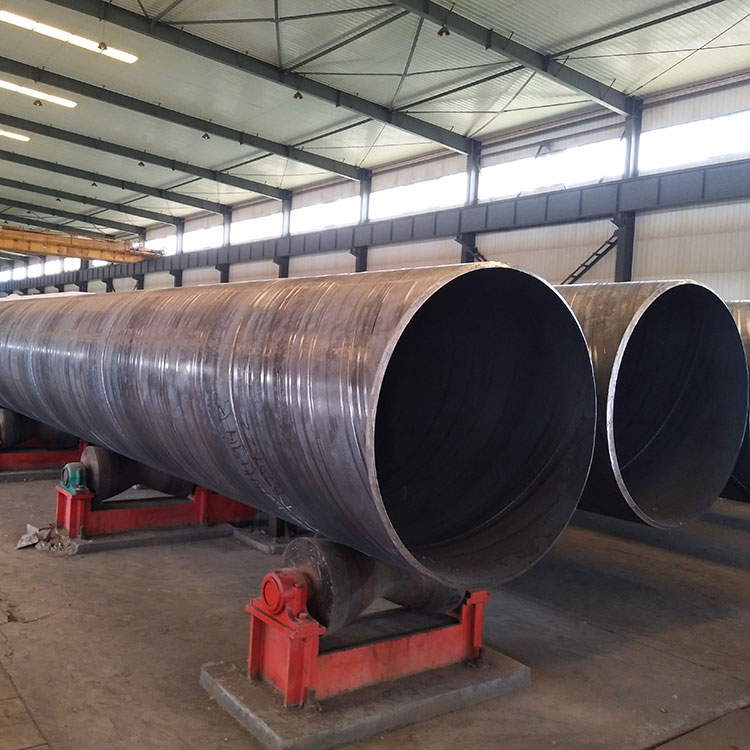
Steel-clad steel-insulated pipe
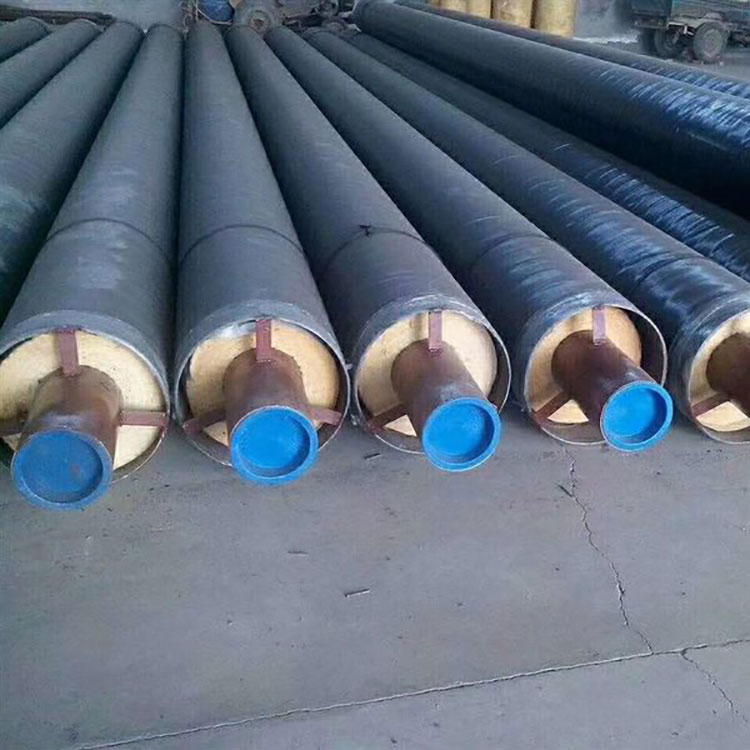
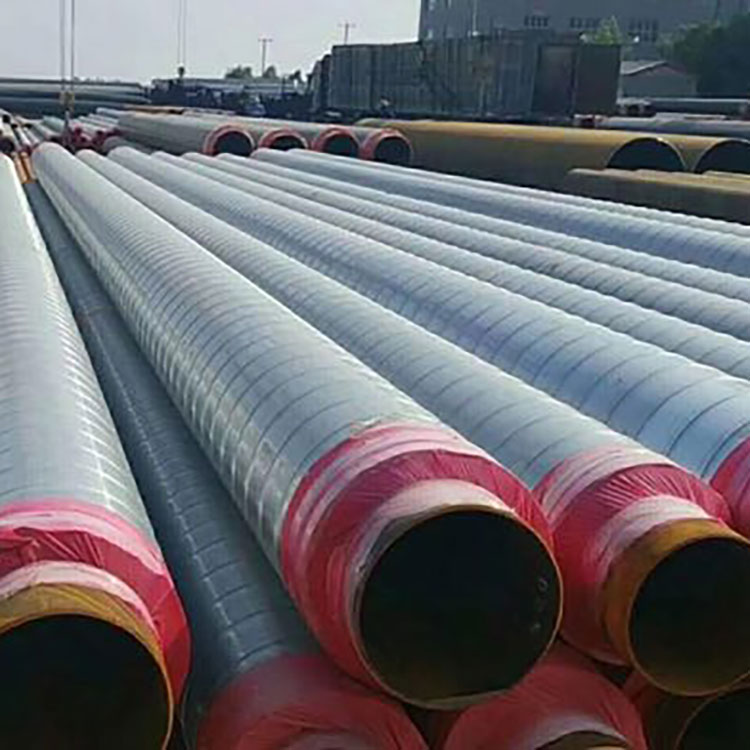
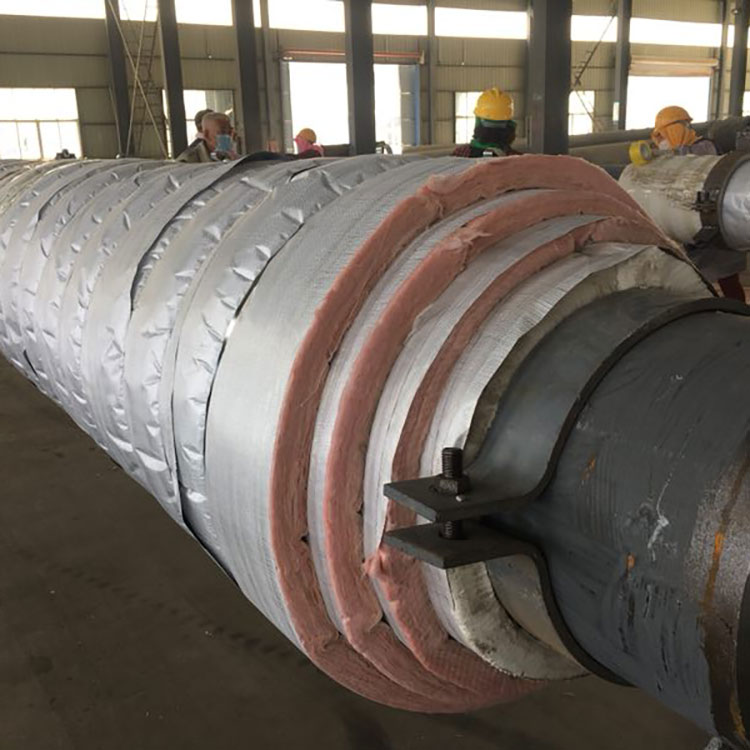
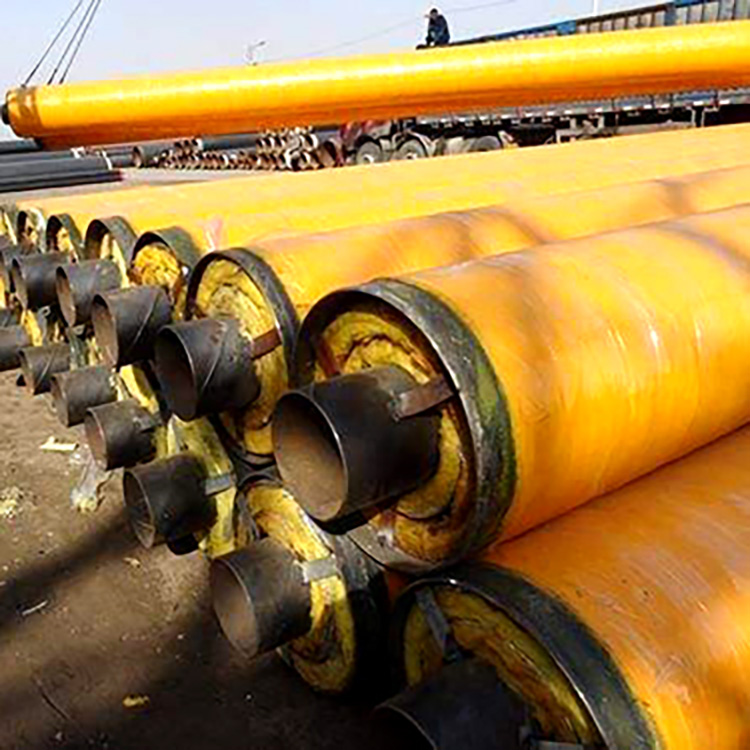
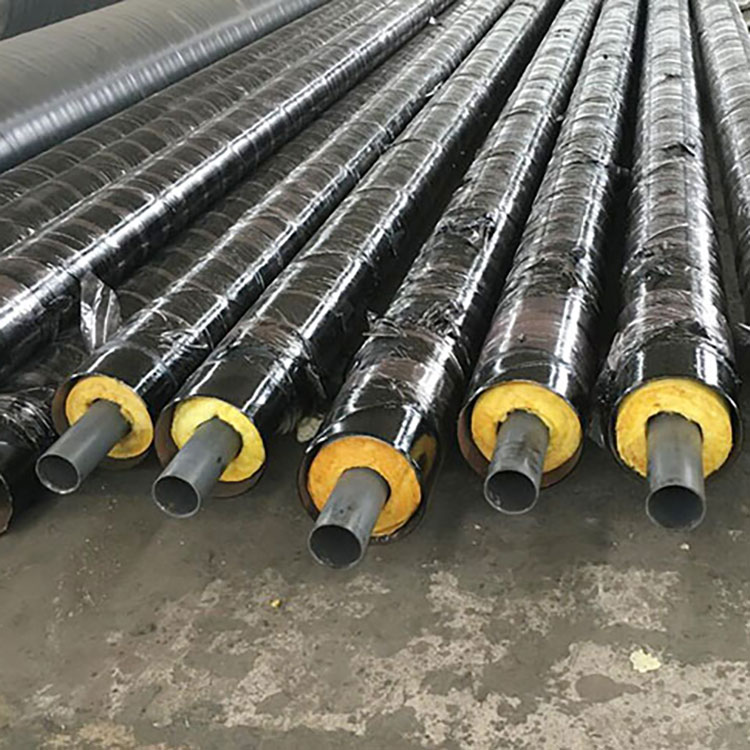
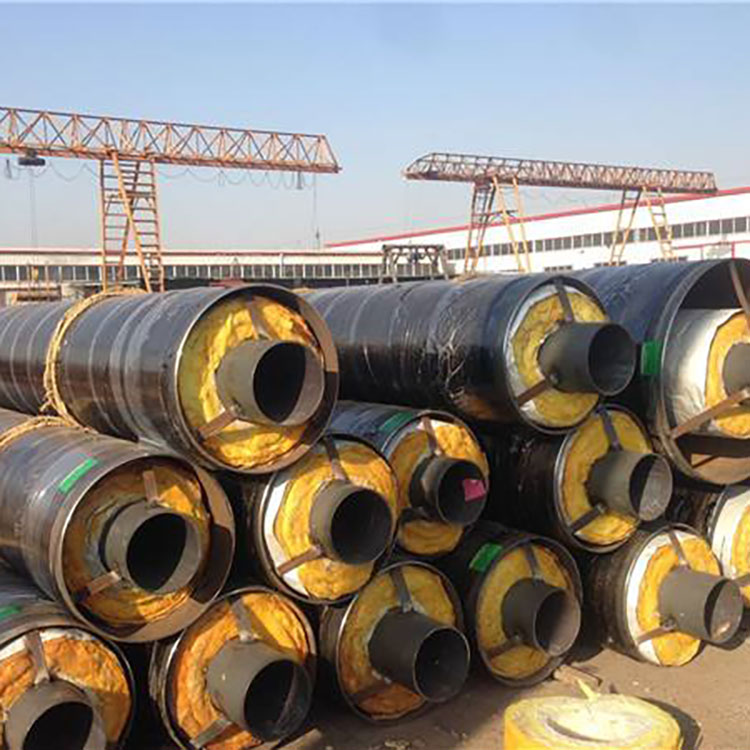
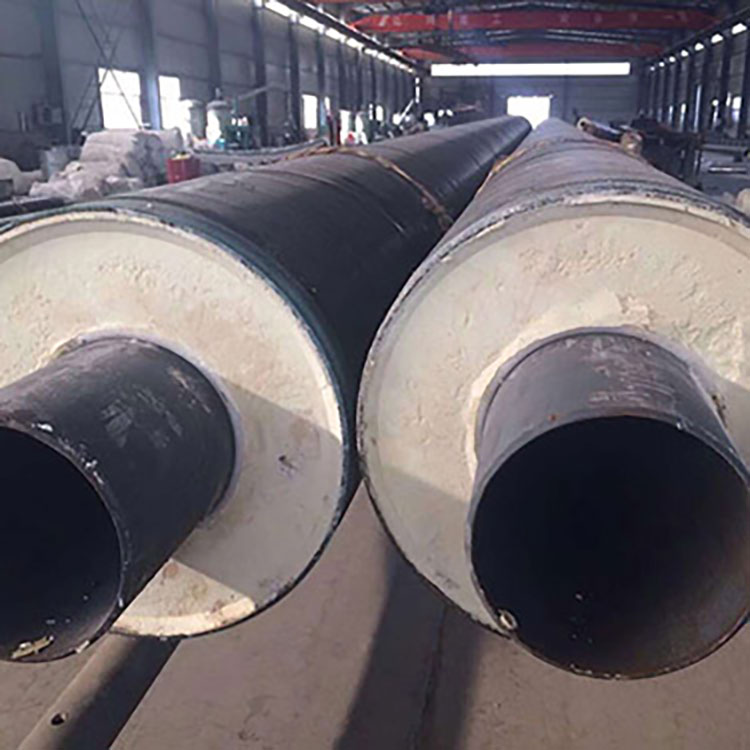
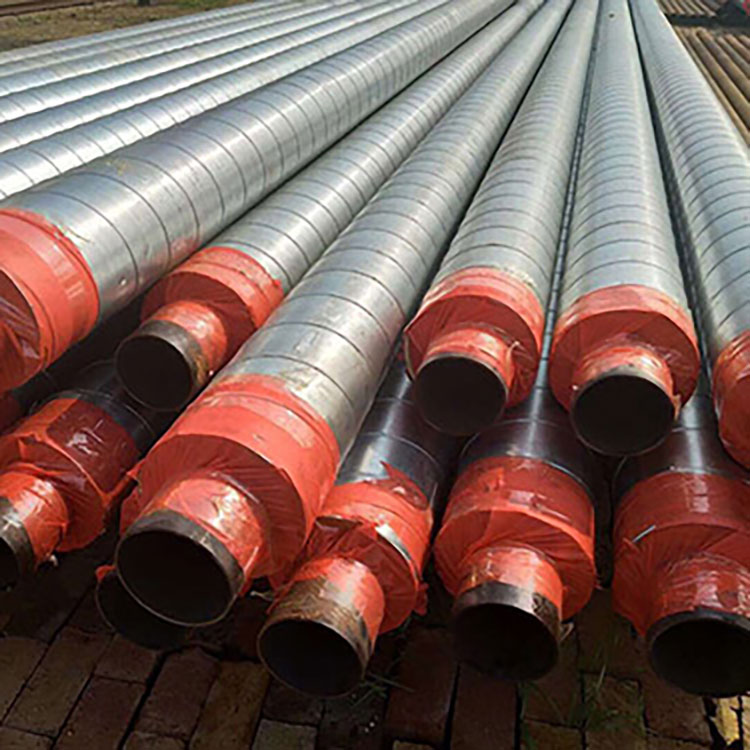
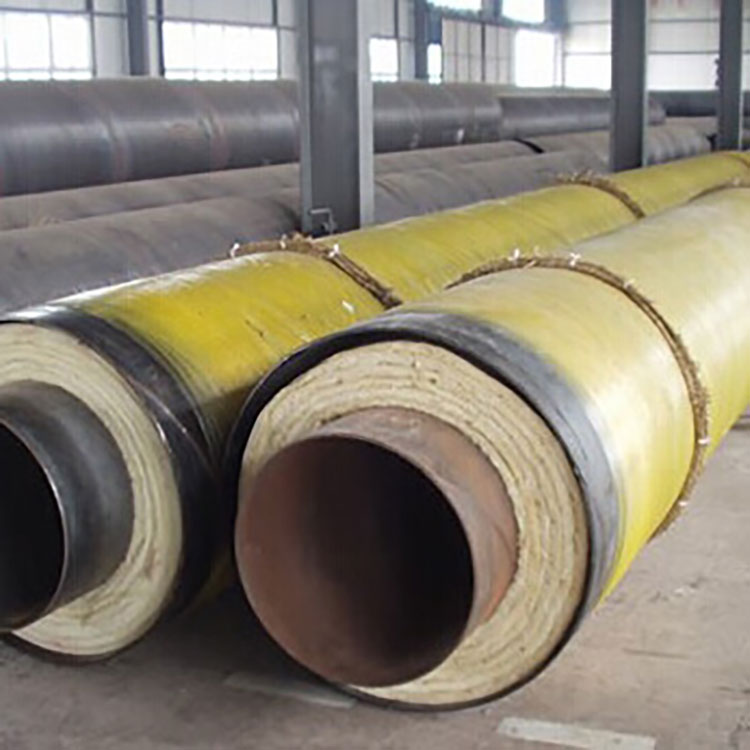
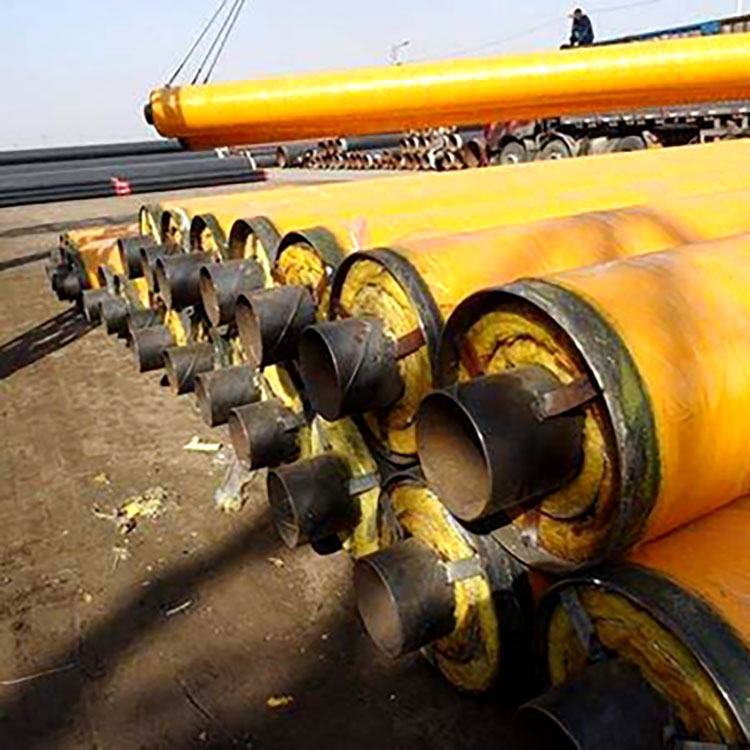
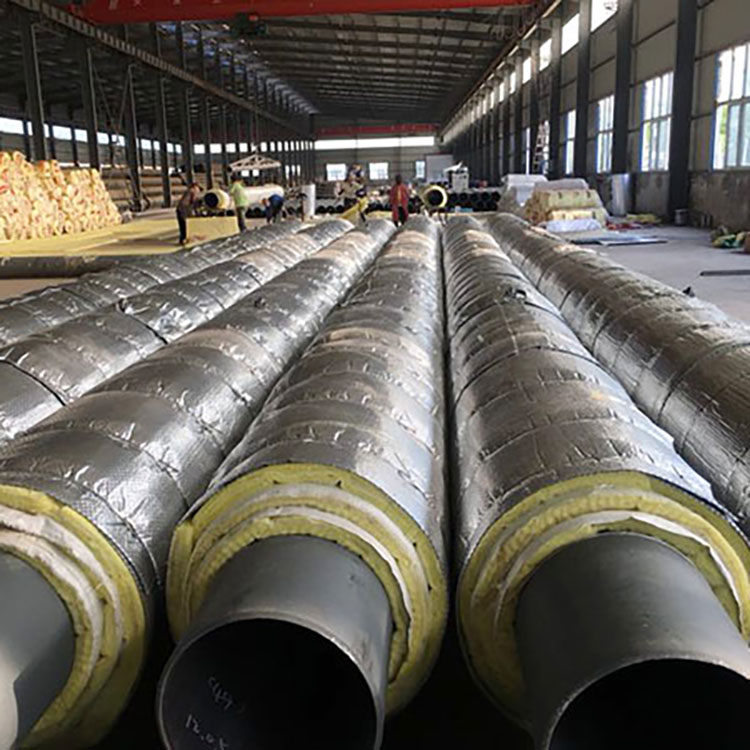
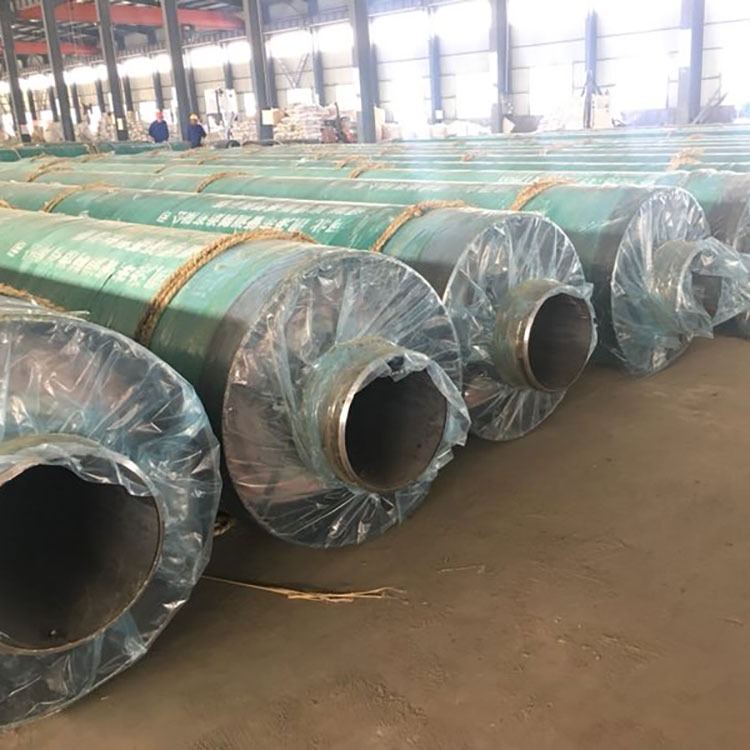
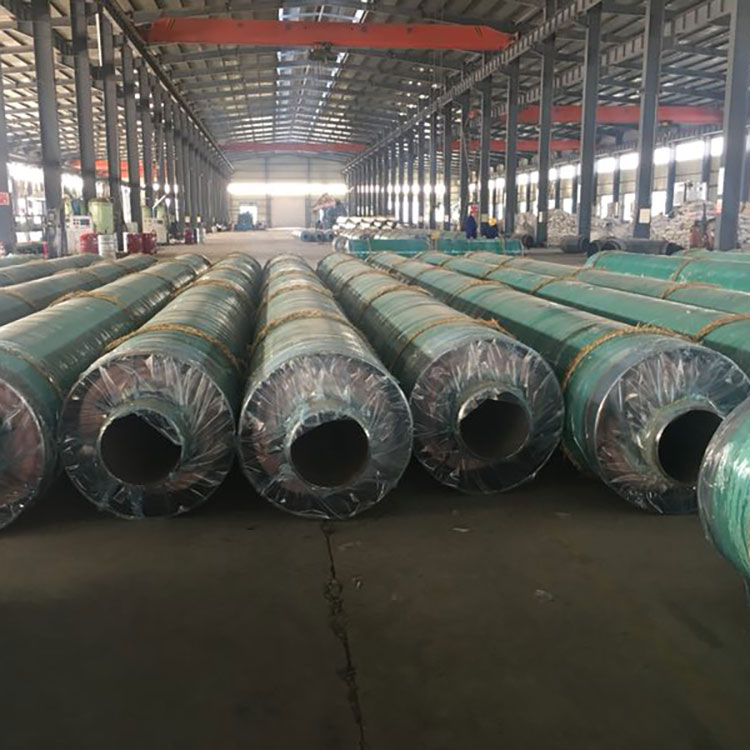
Steel-clad steel-insulated pipe is divided into three layers from inside to outside.
One Layer: Working Steel Pipe Layer. Generally, seamless pipes (GB8163-87), spiral-welded pipes (GB9711-88; SY/T5038-92), and straight seam welded pipes (GB3092-93) are selected according to design and customer requirements. After being treated with advanced shot blasting rust removal technology, the steel pipes can achieve rust removal grade Sa2 as per GB8923-1988 standard, and the surface roughness can reach R=12.5 micrometers as per GB6060.5-88 standard.
Second Layer: Insulation made of polyurethane, formed by injecting a liquid polyurethane foam plastic into the cavity between the steel pipe and the outer sheath with a high-pressure foam machine in one go. This is commonly known as the "foamed tube-in-tube" process. Its functions include waterproofing, thermal insulation, and supporting the weight of the heat network. When the temperature of the conveying medium is between -50℃ and 120℃, use rigid polyurethane foam plastic as the insulation layer.
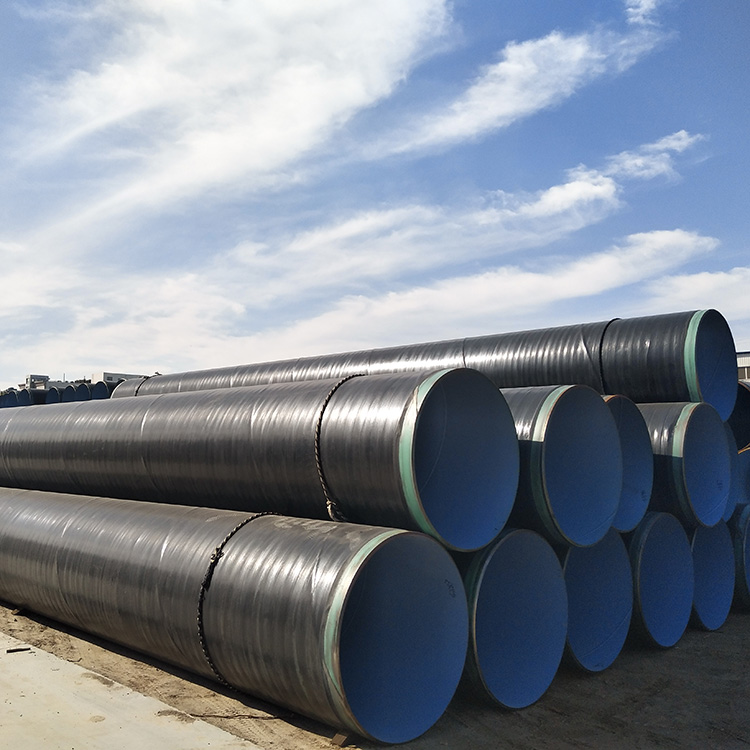
Three Layers: Anti-corrosion Steel Pipe; Anti-corrosion Insulated Steel Pipe is a type of steel pipe with corrosion resistance and excellent thermal insulation properties, widely used and promoted in construction projects, and continuously being improved and popularized.
Steel-clad steel insulated pipes come in various processing types and methods. Different processing methods determine the pipes' varying performance and functions, and their application range will change accordingly.