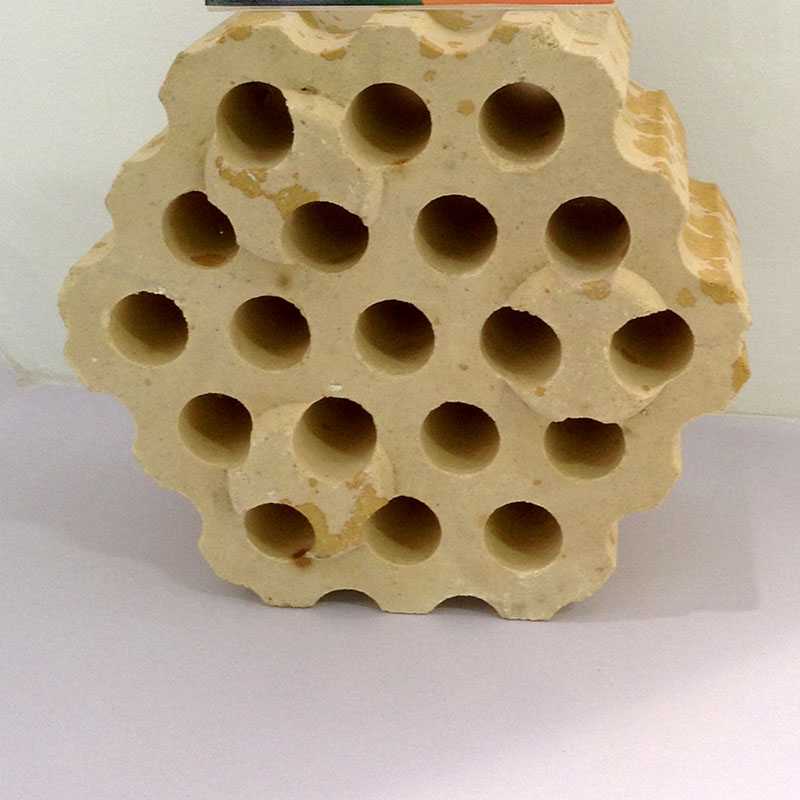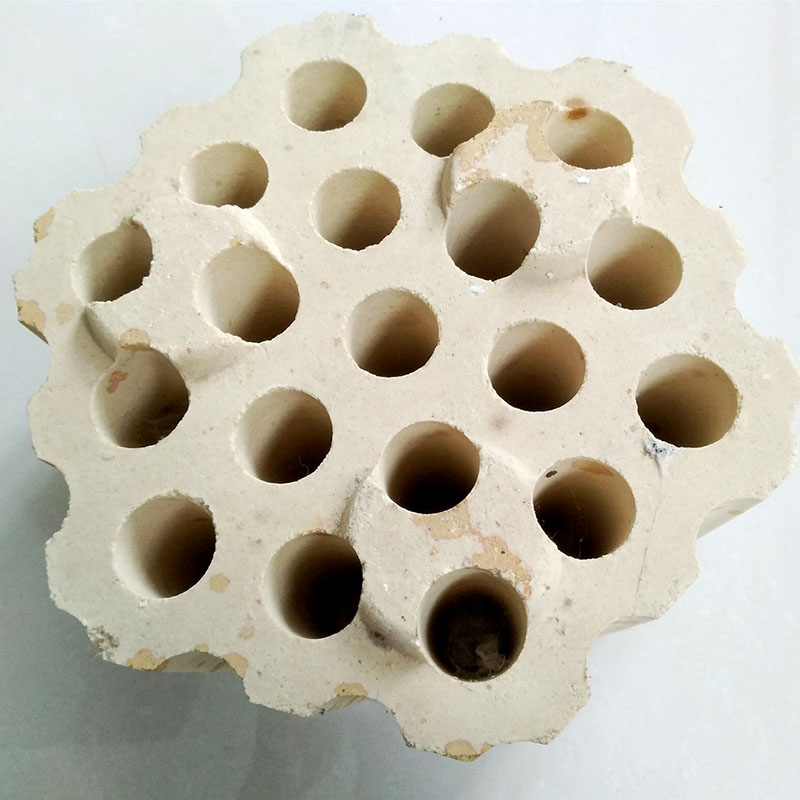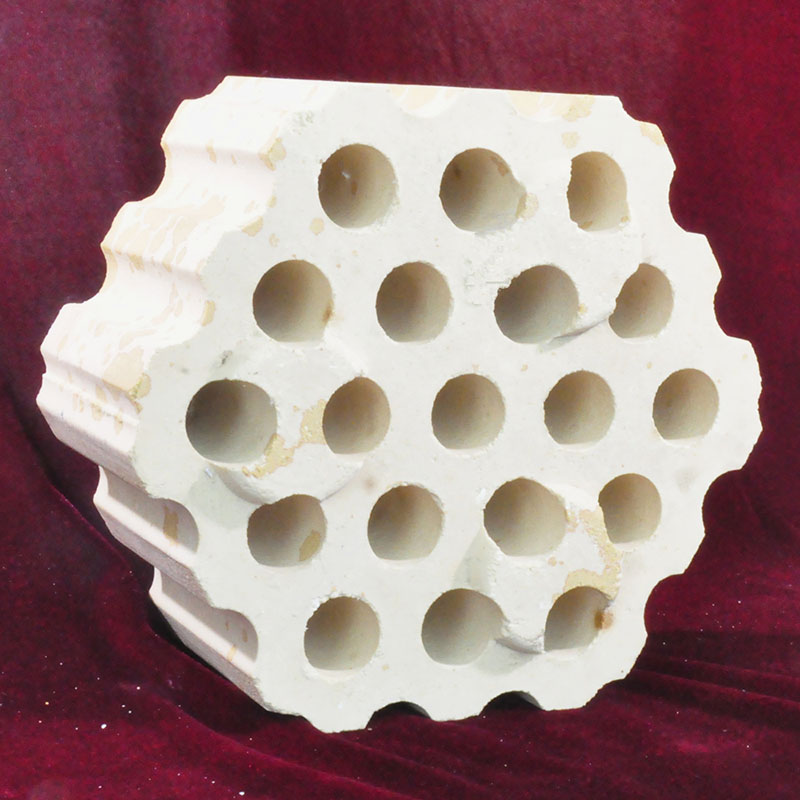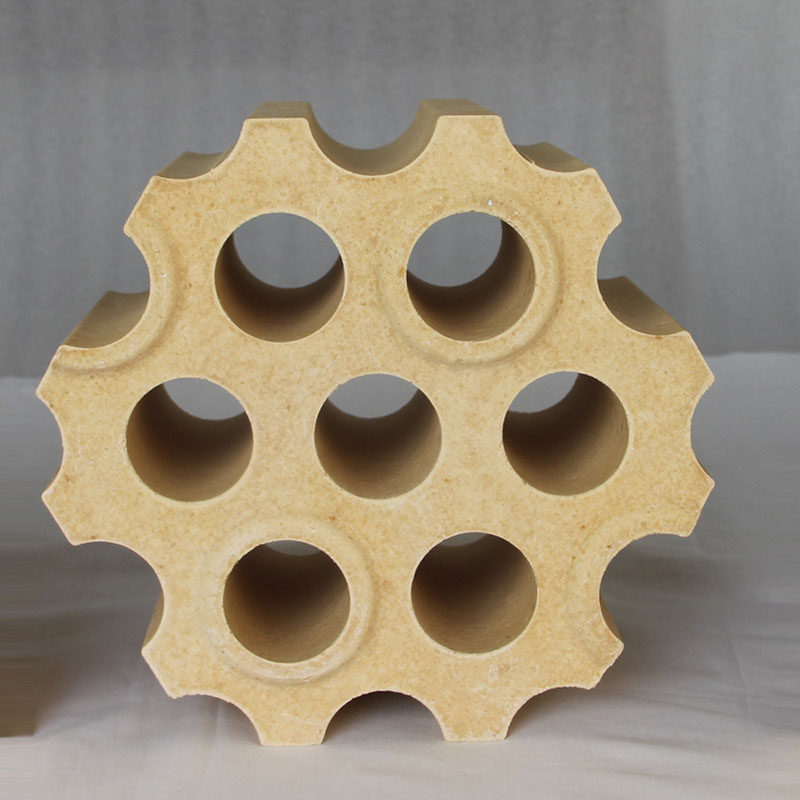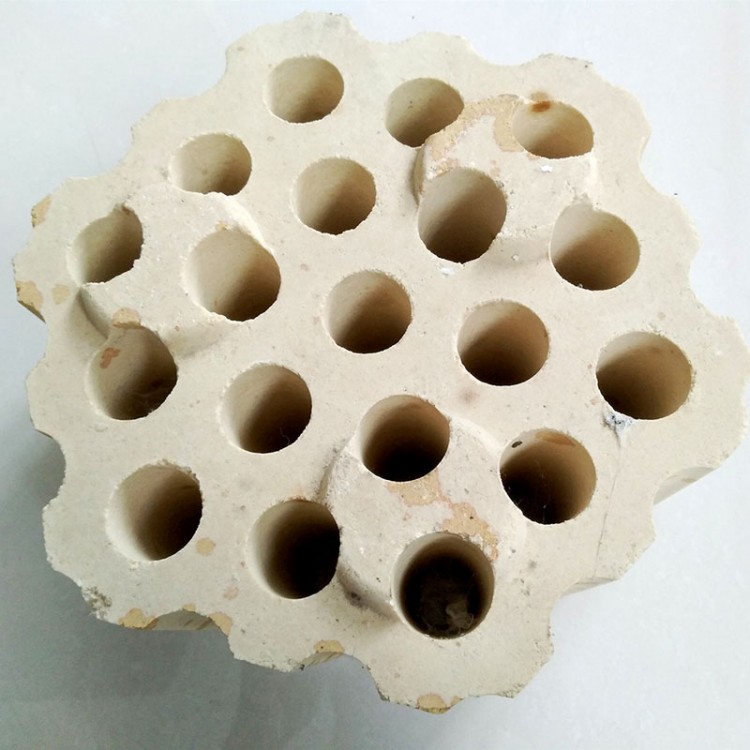

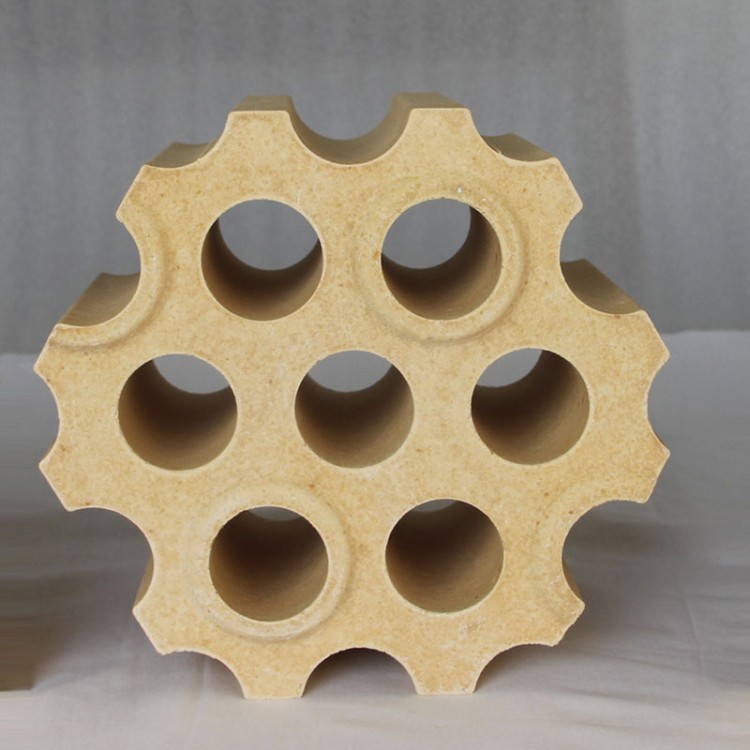







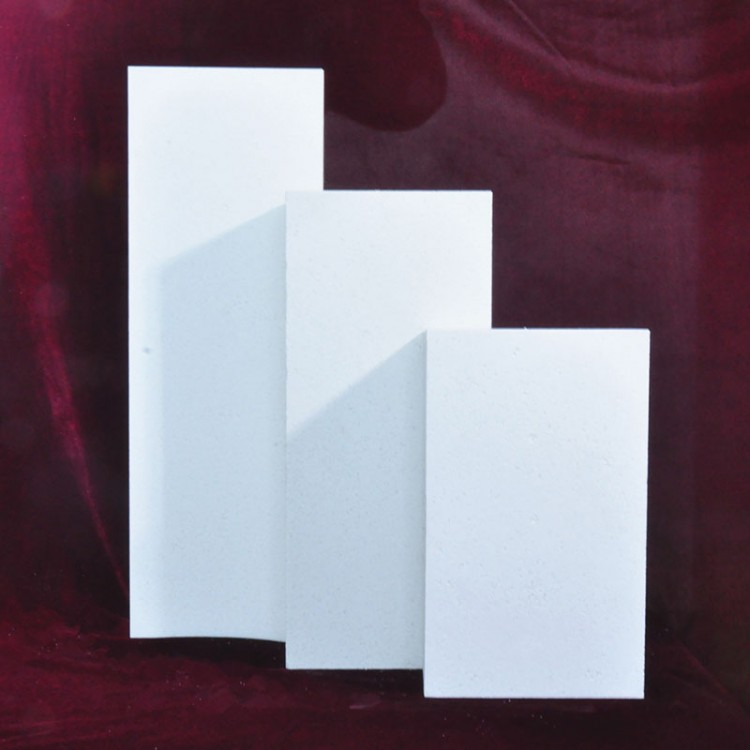
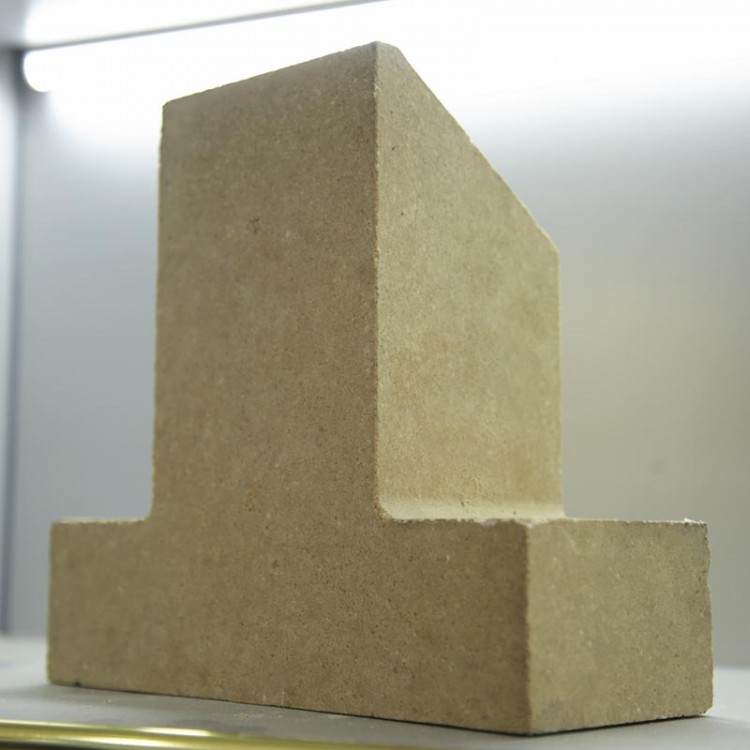
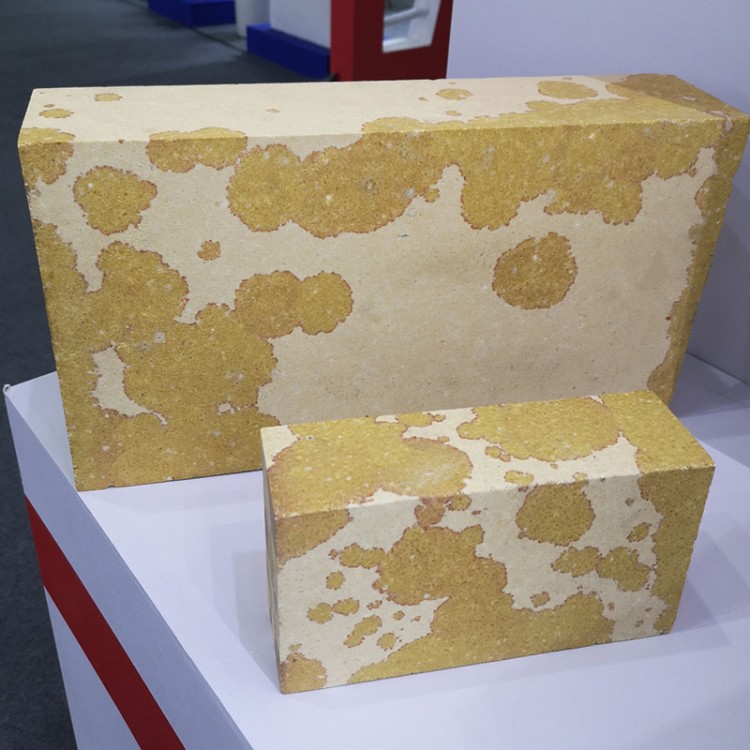
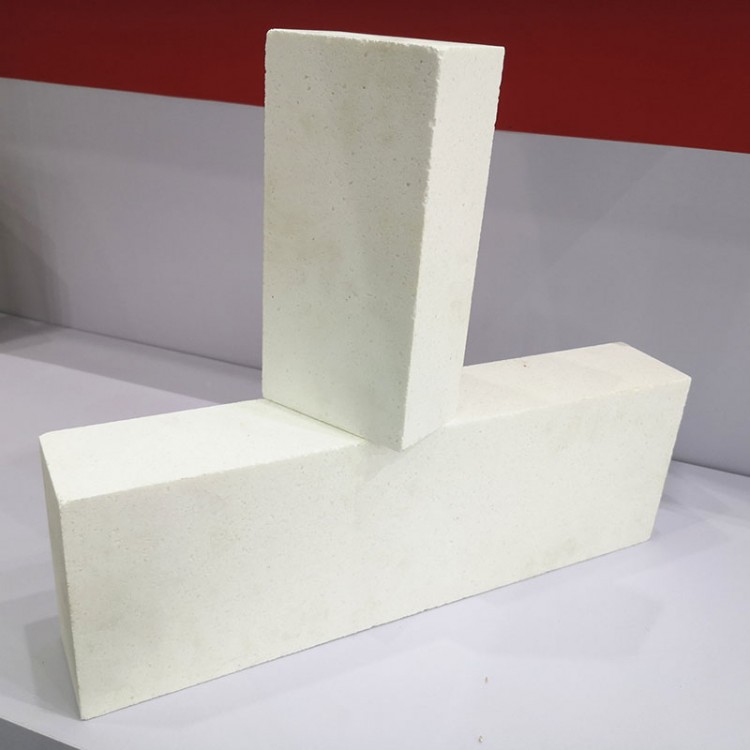
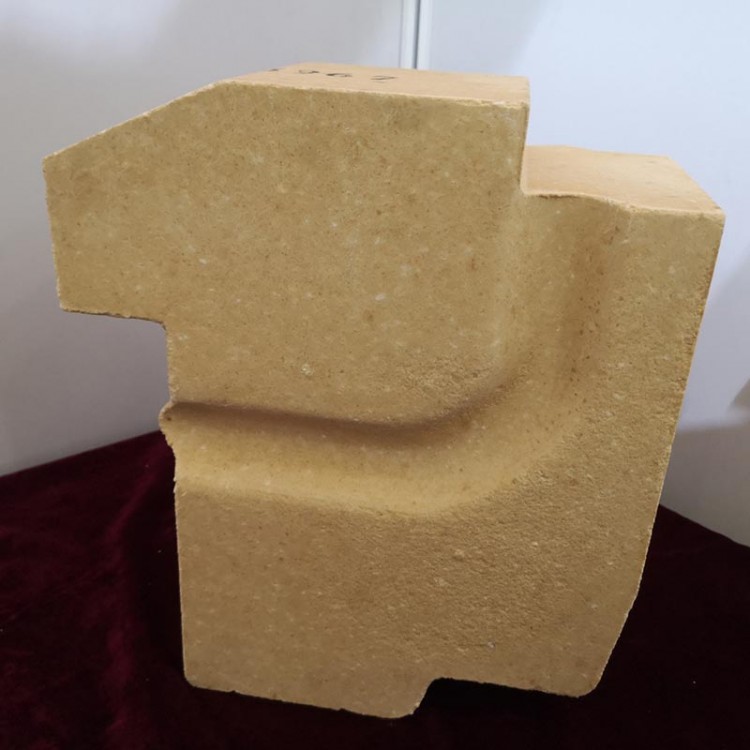
The hot blast stove silicon brick features the following characteristics:
Under long-term high-temperature and loaded conditions, it maintains volume stability, low creep rate at high temperatures, and can be continuously used for one or even two blast furnace campaigns.
(2) Excellent thermal shock resistance above 600°C. Adapts to the variability of hot blast furnace temperatures, ensuring the integrity of the bricks and masonry.
(3) It exhibits superior resistance to chemical erosion compared to clay bricks and common high-alumina bricks. The alkaline substances in coal gas and dust only cause the surface of the silicon brick to form a glassy layer, without any flaking.
(4) Silicon brick has a higher thermal conductivity than clay brick and high-alumina brick, which is beneficial for storing and releasing heat in a shorter period of time.
The products should have regular shapes with minimal size deviations; the aperture differences of the grid bricks should be ±1mm, and the deviations in other parts should not exceed ±1%. When using assembled bricks at the joint of the upper pipe of an external combustion hot air furnace, they must be cut, ground, and pre-assembled before construction. Surface cracks should not be wider than 0.5mm and should have a length limit. Cracks narrower than 0.1mm do not affect usage and cracks caused by improper cooling should not be present.