








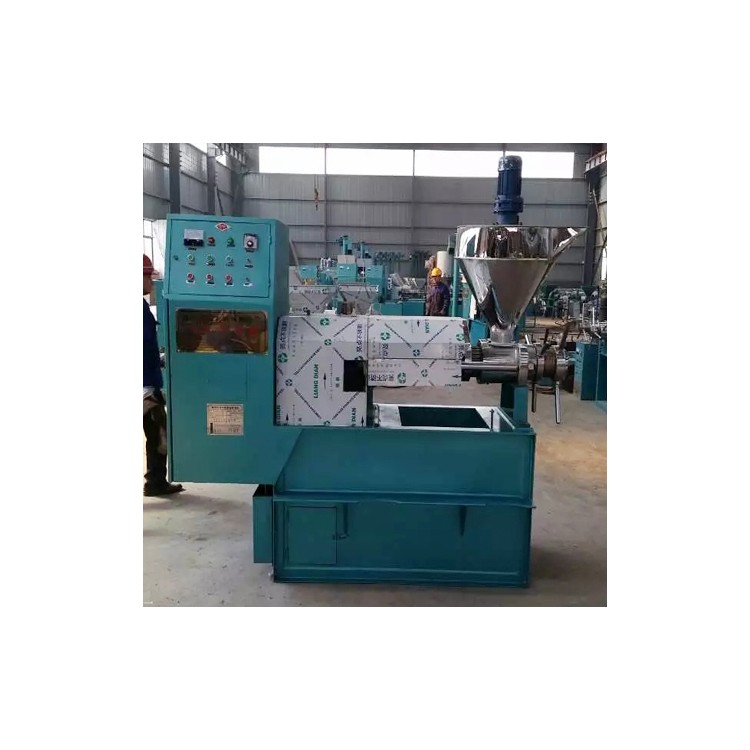
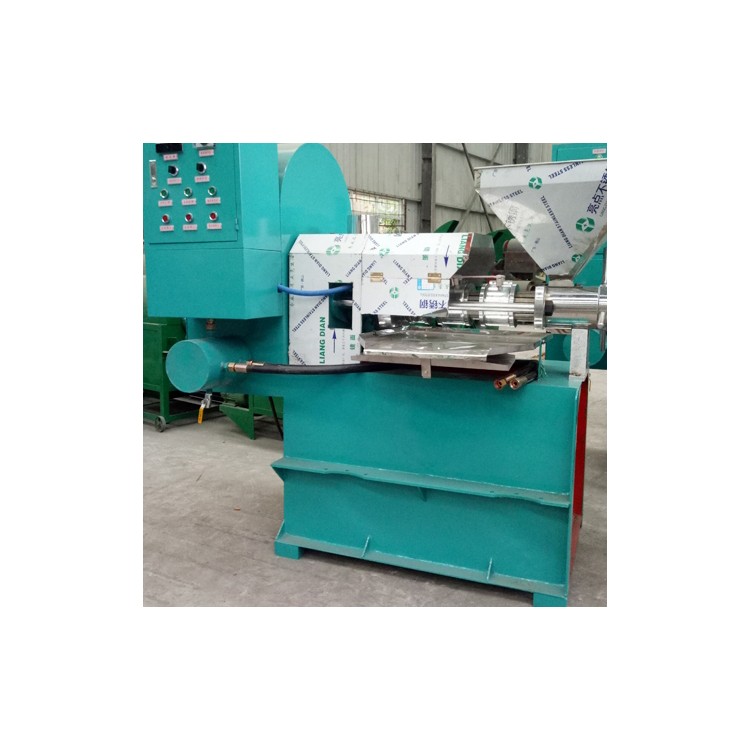
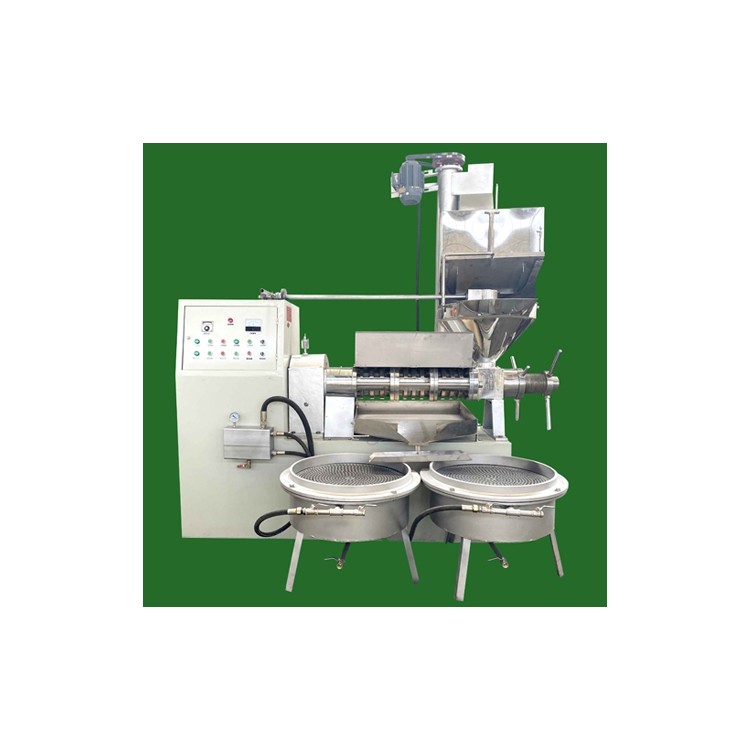
Soybean Oil Press MachineIntroduction:
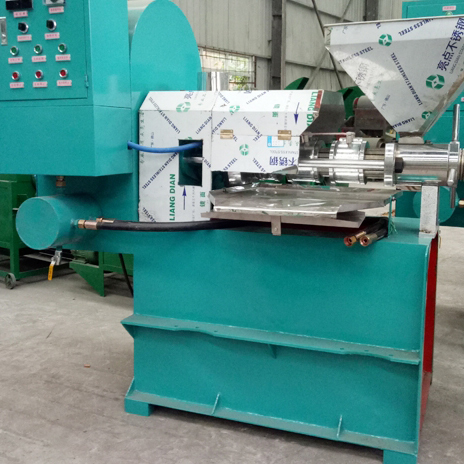
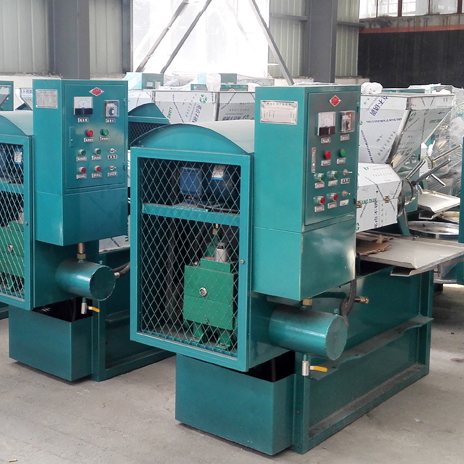
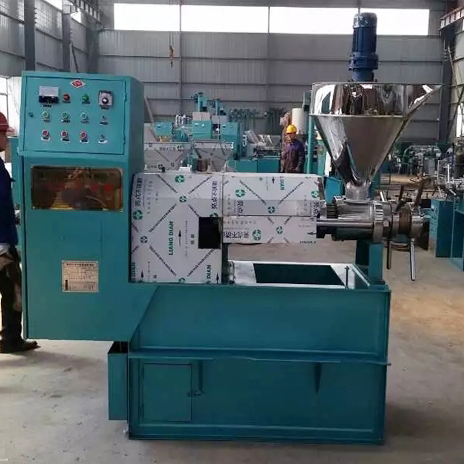
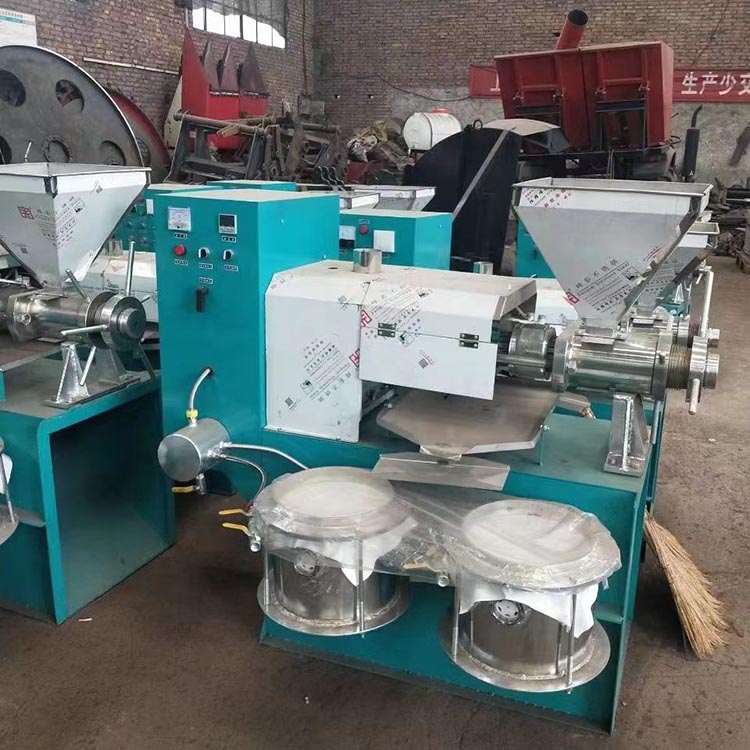
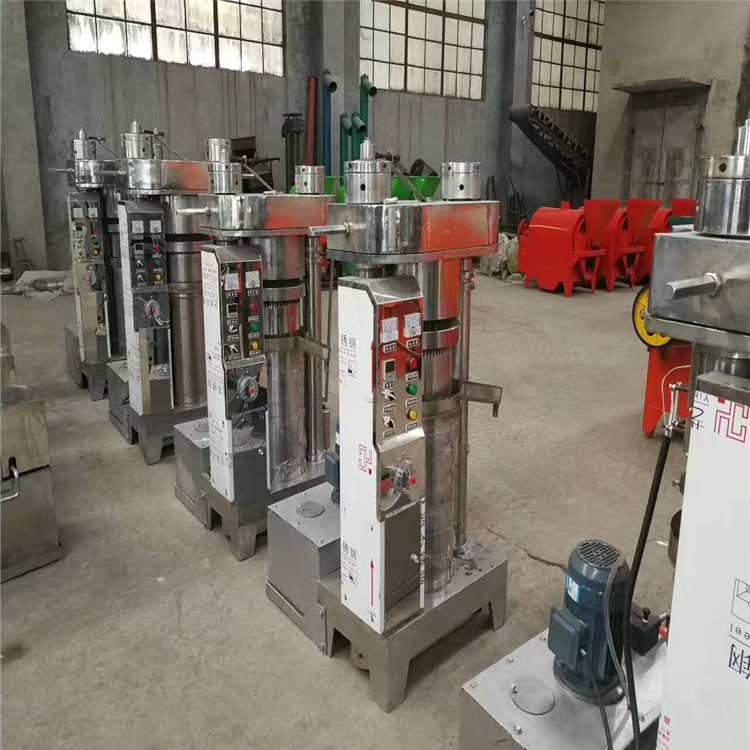
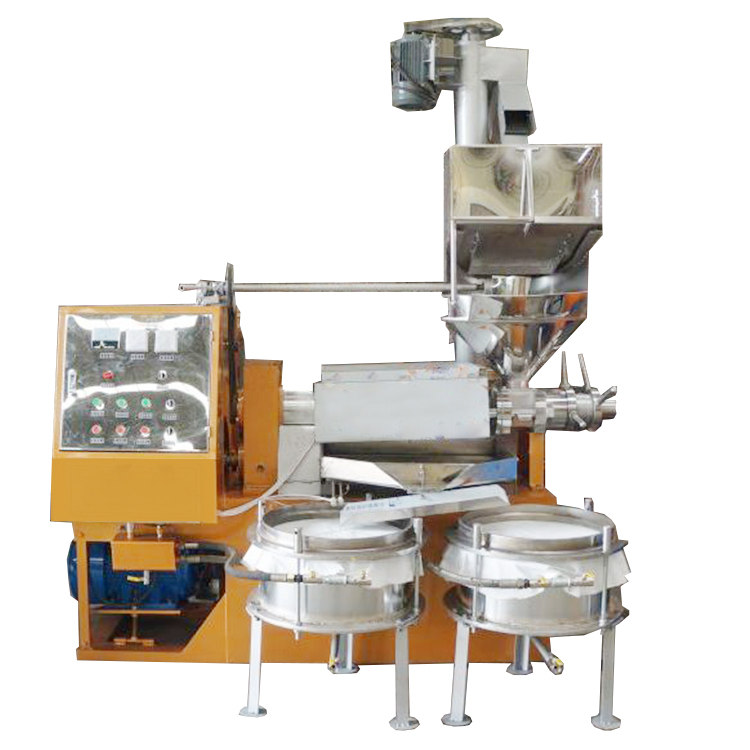
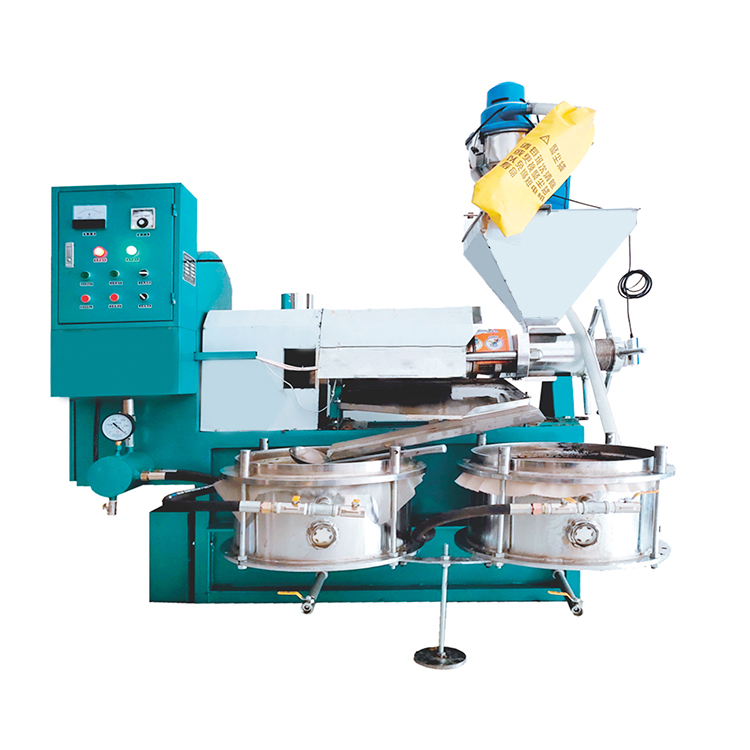
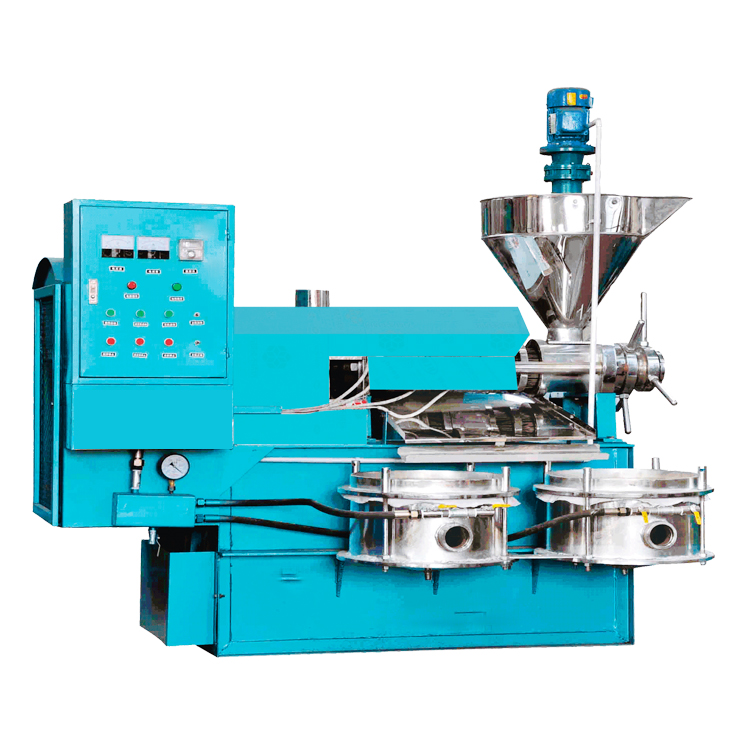
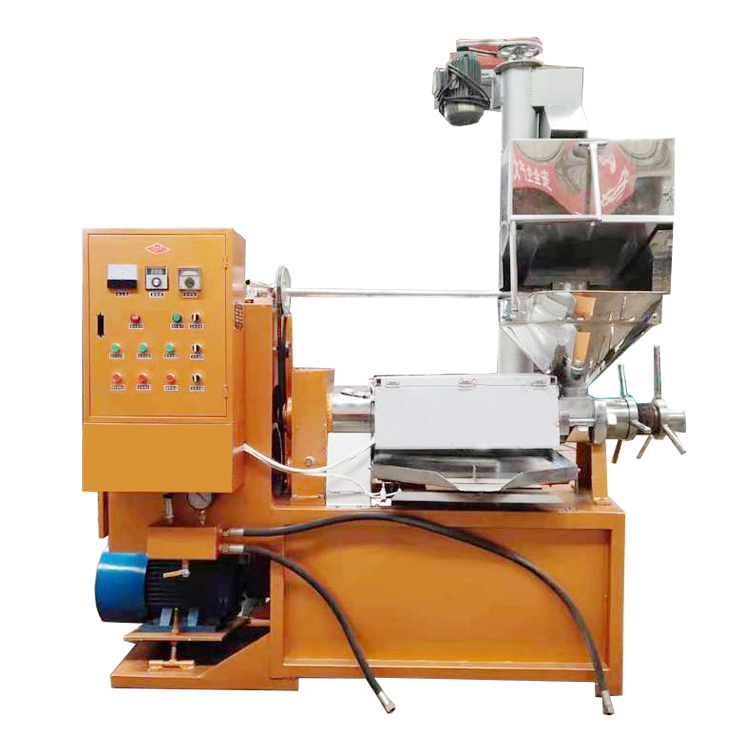
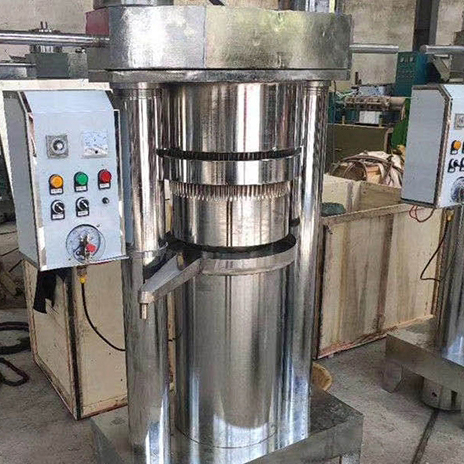
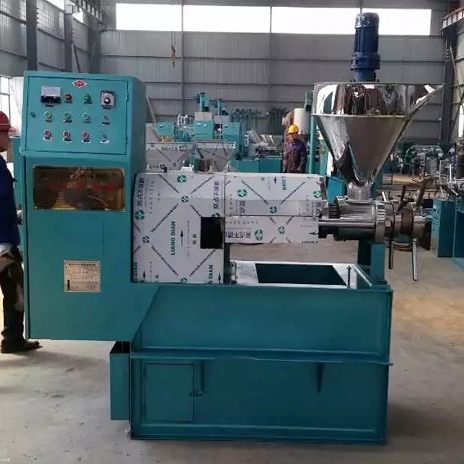
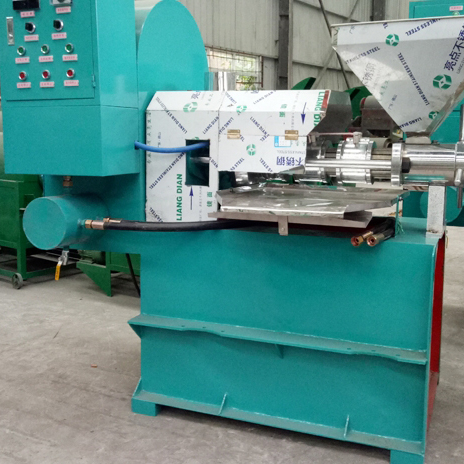
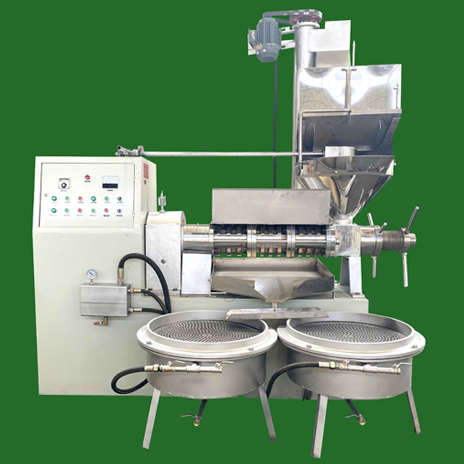
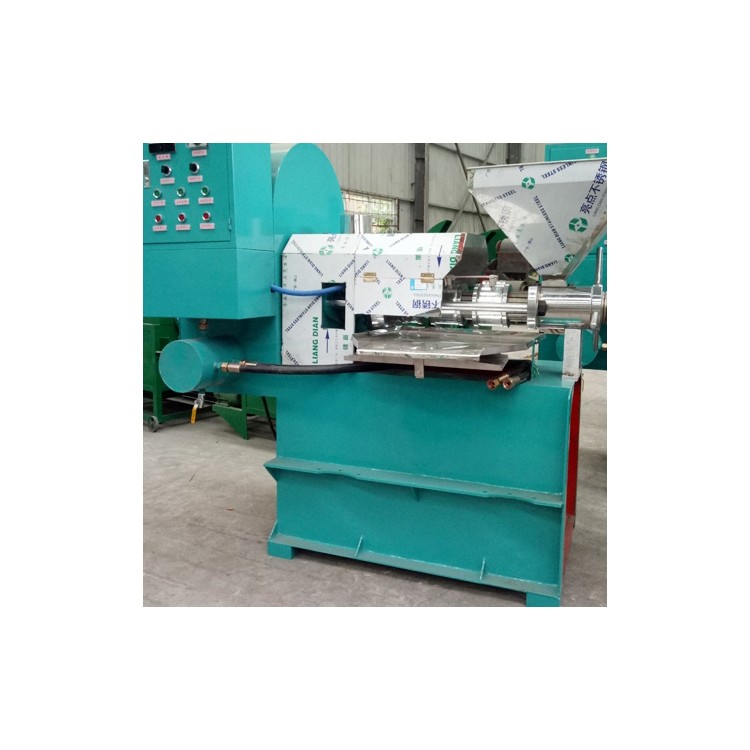
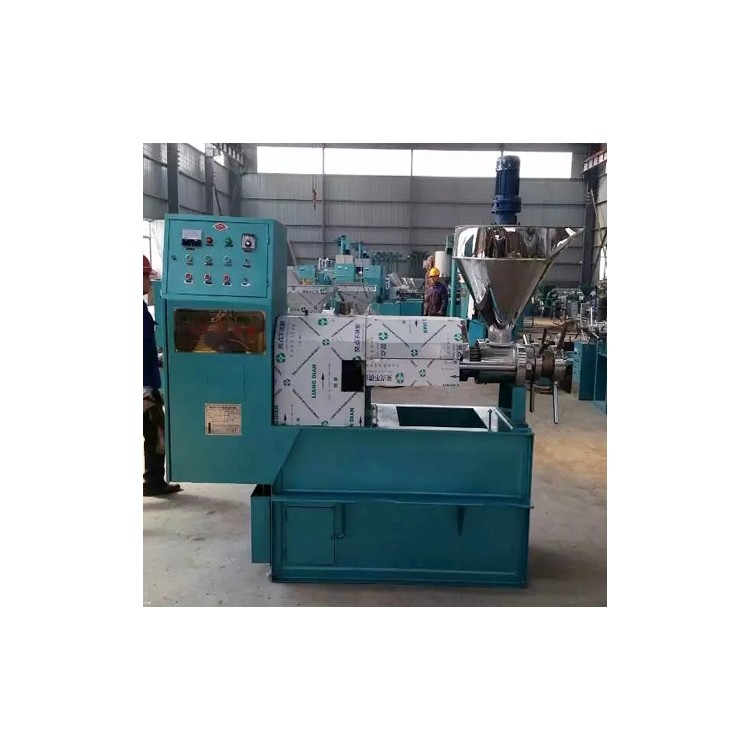
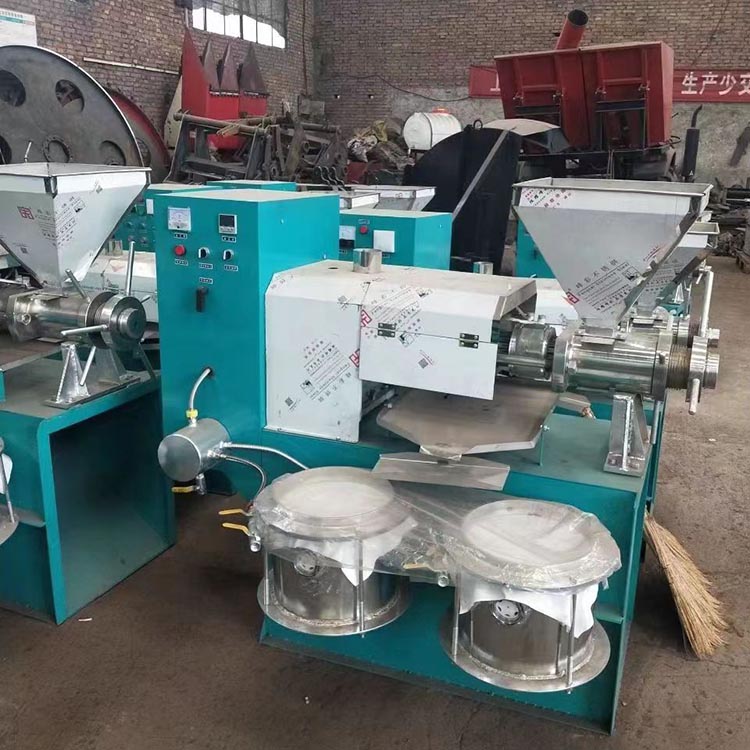
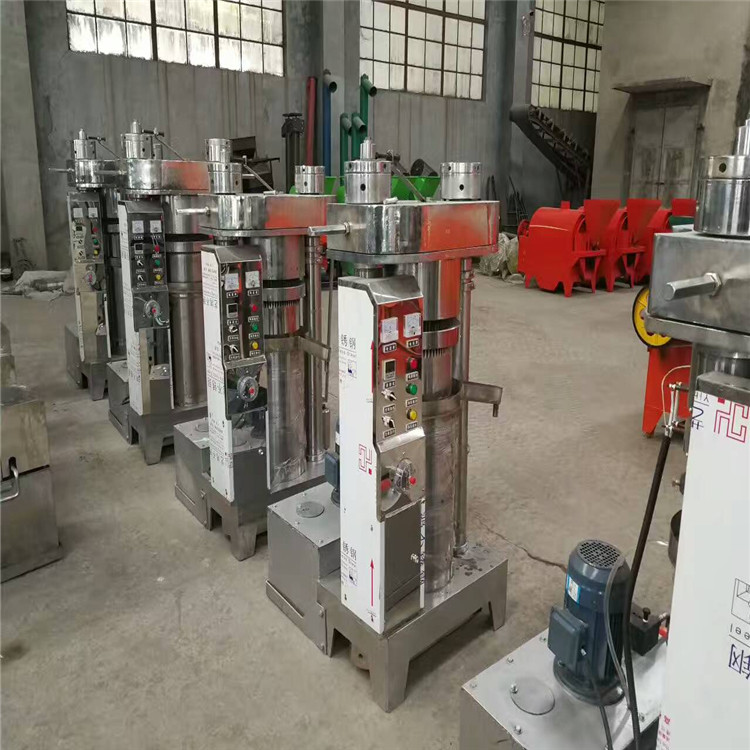
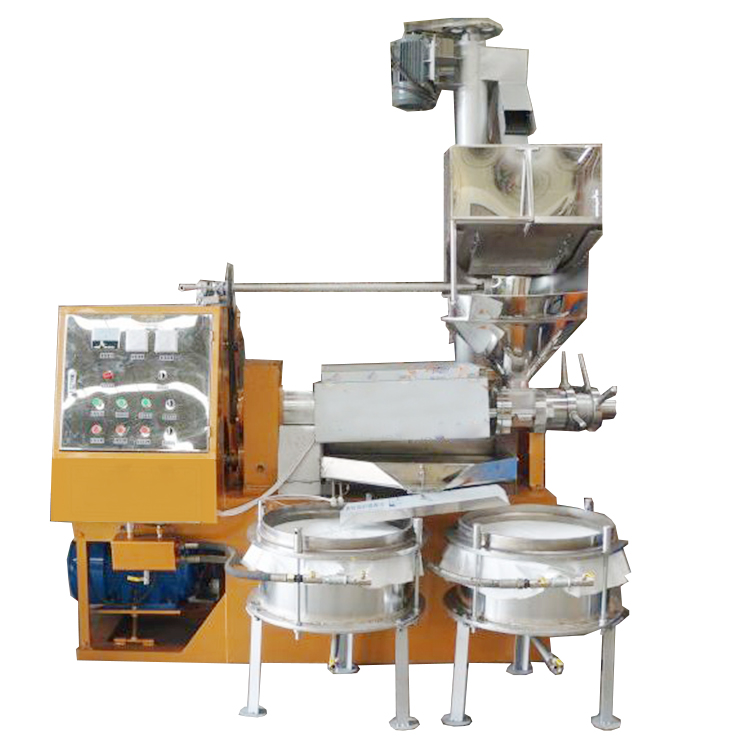
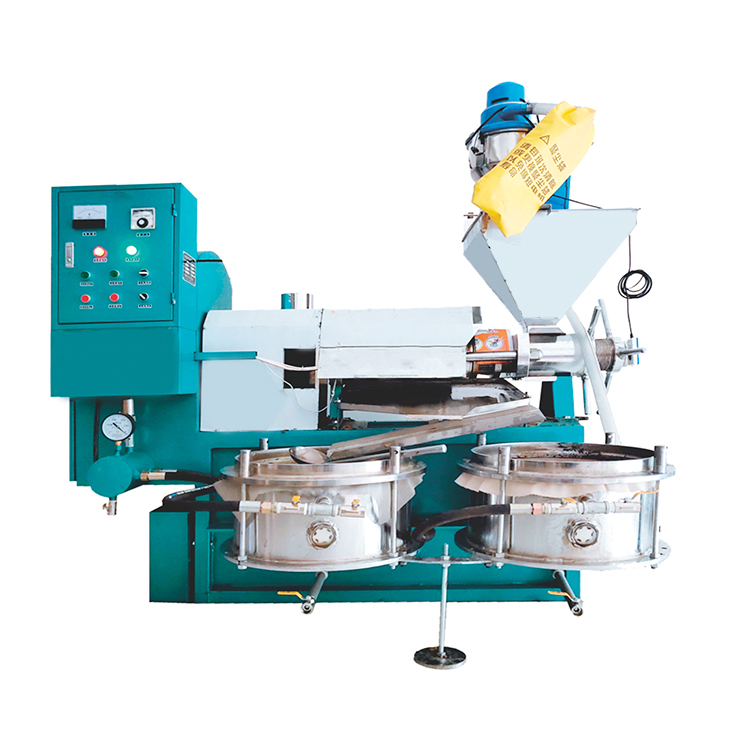
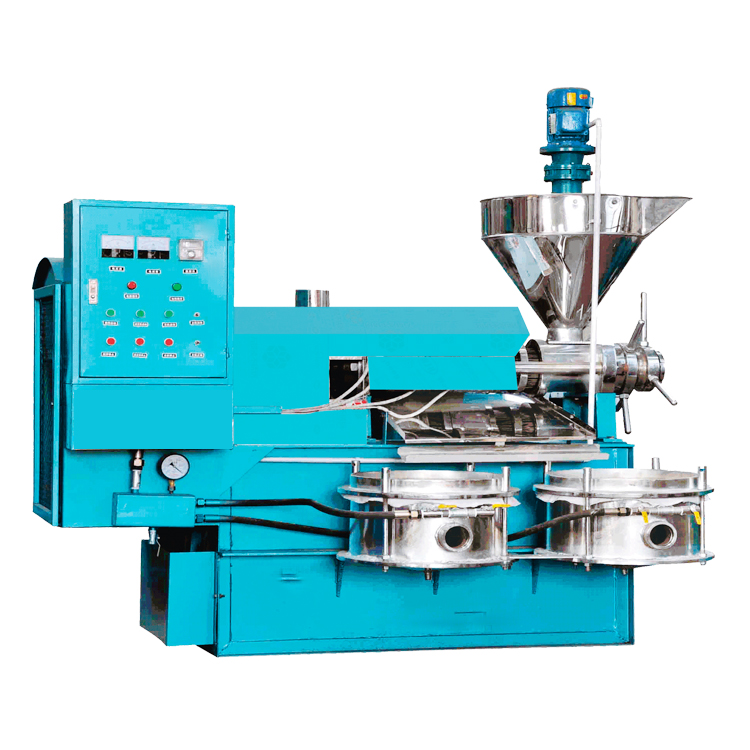
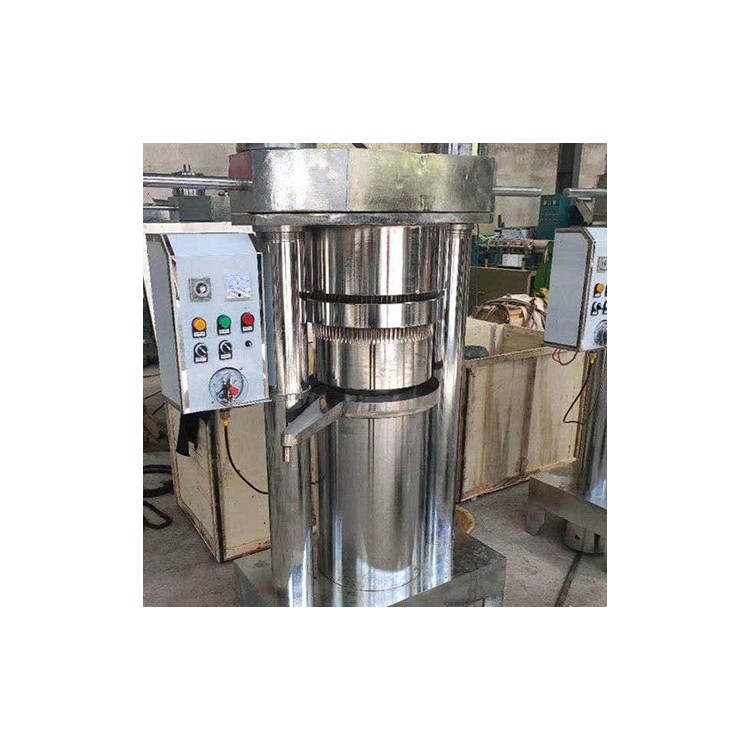
SoybeansOil Press MachineAlso known as soybean oil extraction machines, our soybean oil extractors are引进 Korean technology and collaboratively developed with domestic and international grain and oil machinery experts. They meet the technical conditions and standards of the Ministry of Agriculture for agricultural soybean oil extractors. The processed oil retains its original flavor and purity, making them an ideal choice for establishing modern oilmills. These soybean oil extractors are scientifically designed, structurally sound, easy to operate, and stable. They are fully automated, allowing the entire process from raw material input to finished product to be completed in just minutes. Made from high-carbon steel, they are hardened through high-frequency quenching and heat treatment, offering high hardness, strength, and wear resistance. Suitable for continuous high-temperature and high-pressure operation, they significantly extend the lifespan of the oil extraction machines, with a potential usage duration of several decades.
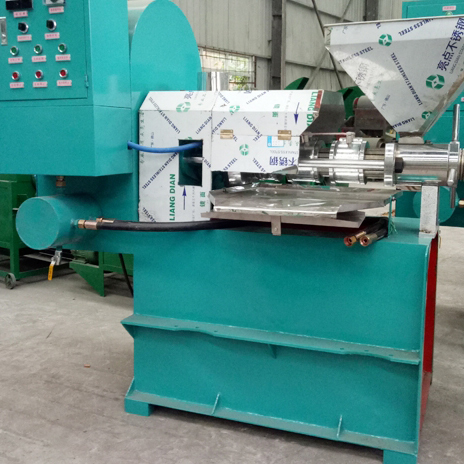
Soybean Oil Extraction Machine Principle:
During the operation of the soybean oil press, processed oil material enters the extrusion chamber from the hopper. The extrusion screw rotates, continuously pushing the material inward for pressing. As the material is in motion within the oil press's extrusion chamber under high pressure conditions, significant frictional resistance is generated between the material and the screw, as well as between the material and the chamber. This results in micro-friction between the material particles and relative motion. On the other hand, due to the increasing diameter of the screw root and the decreasing pitch, as the screw rotates, the threads force the material to move forward and also flip outward, while the material layer near the screw thread surface rotates with the screw shaft. Consequently, each material particle in the chamber does not move at a constant speed or in the same direction; there is also relative motion between particles. The heat generated by friction meets the heat requirements of the oil pressing process, facilitating the thermal denaturation of proteins in the material, destroying colloids, enhancing plasticity, and reducing viscosity, which is prone to oil separation. This improves the oil yield of the soybean oil press, allowing oil to be pressed out of the material and flow out through the circular and slotted gaps.
Soybean oil press installation method:
Before installation, the newly purchased oil press should be cleaned. Remove the main shaft, take off the top press cage, and polish the outer and inner surfaces of the press screw and the spiral feeder with sandpaper. Add lubricating grease to all lubrication points; the type and brand of the lubricating oil in the gear box should meet the specifications in the manual. After the round plate is polished, it must be aligned in the original position during assembly; it cannot be misaligned, as the arrangement and sequence of the round plate are crucial for the oil pressing performance. After installing the round plate, tighten it with the clamping nut, with the degree of tightness being suitable for the plate to move slightly during oil pressing. Once the oil press is processed as described, it can be securely fastened to the foundation with anchor bolts. During assembly, the motor's belt pulley should align with the oil press's belt pulley, positioned moderately and with the correct rotation direction. The tension of the drive belt should be adjusted accordingly.
Oil Press Machine Extraction Rate Parameters for Different Materials:
| Project | Sesame | Peanuts | Canola seeds | Sunflower Seed Oil | Soybeans | Cottonseed | Walnuts | Sesame | Camellia seeds |
| Oil Extraction Rate (%) | 45-55 | 40-50 | 30-45 | 32-42 | 12-18 | 11-25 | 42-52 | 32-38 | 26-38 |
| Biscuit Thickness (mm) | 1.0-1.5 | 0.5-2.0 | 0.8-1.8 | 1.0-1.5 | 0.8-1.5 | 1.0-2.0 | 0.8-1.5 | 1.0-1.8 | 1.0-2.0 |
| Crude Oil Content in Dried Bread (%) | ≤6 | ≤6 | ≤6 | ≤6 | ≤6 | ≤6 | ≤6 | ≤6 | ≤6 |