






Commercial Oil Press MachineIntroduction:
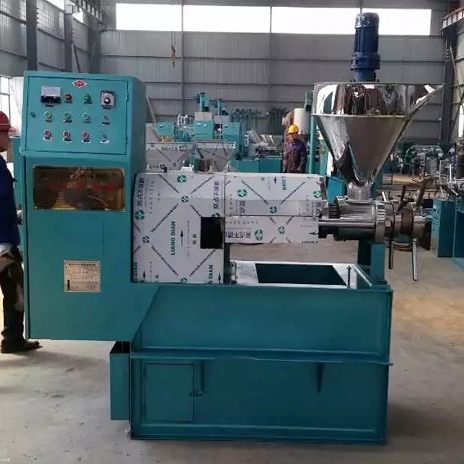
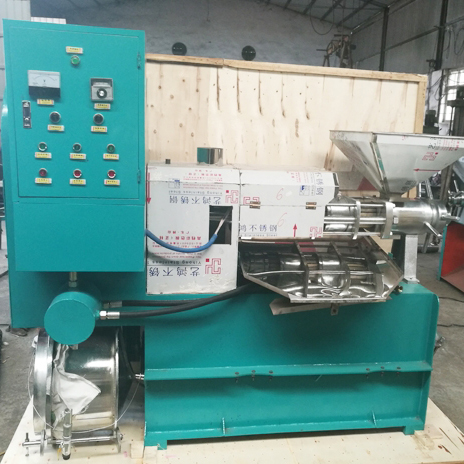
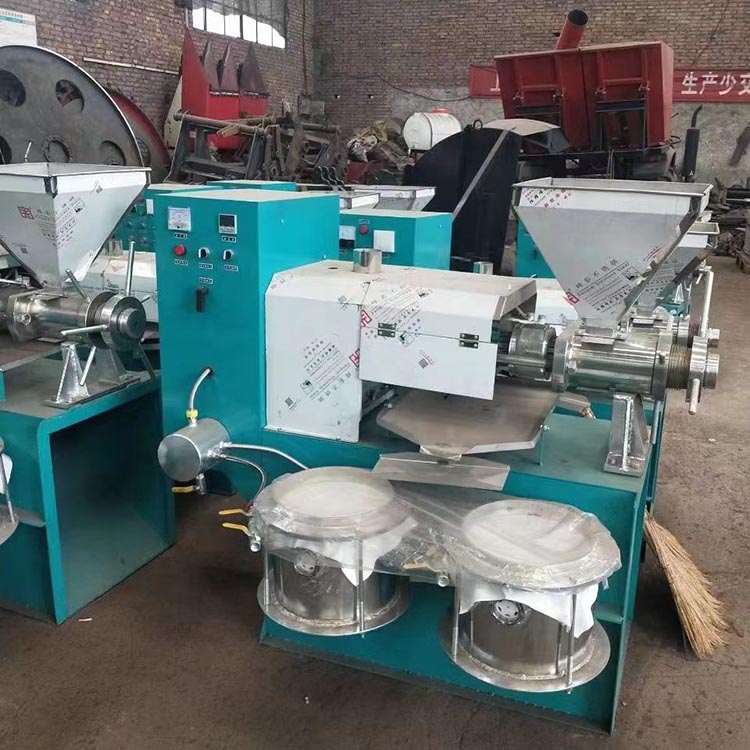
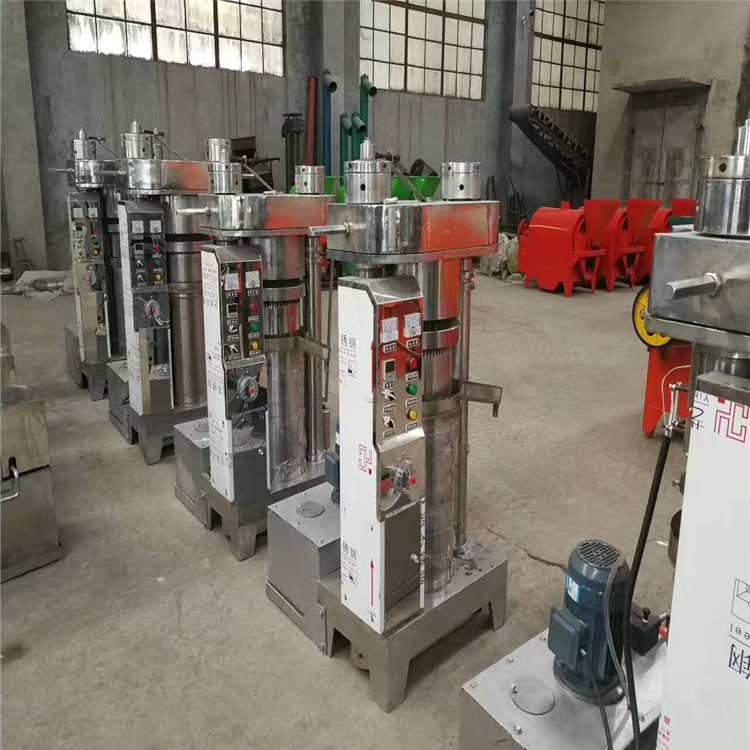
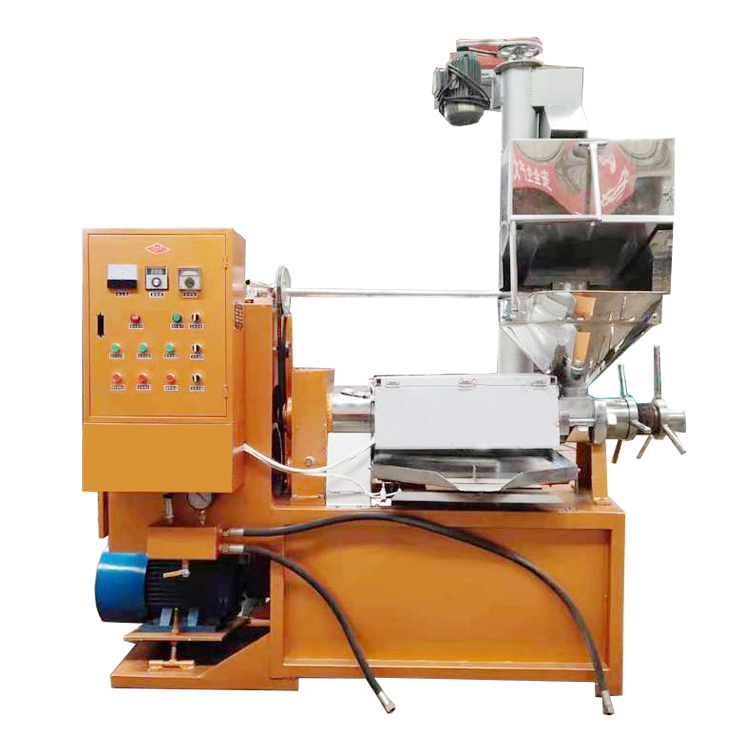
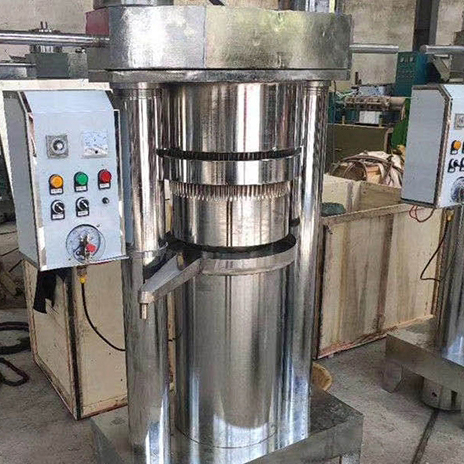
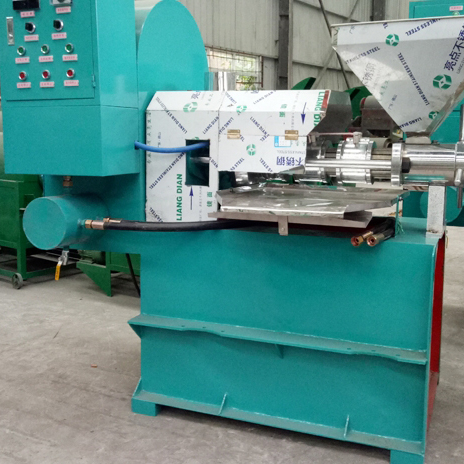
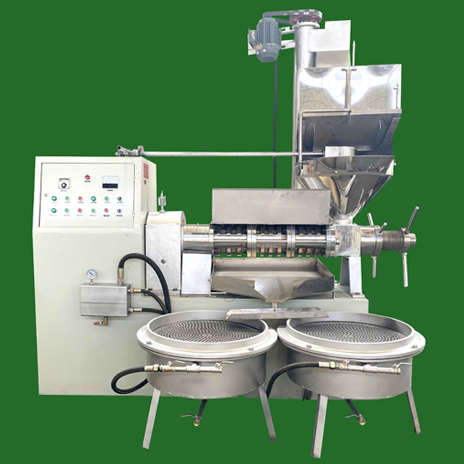
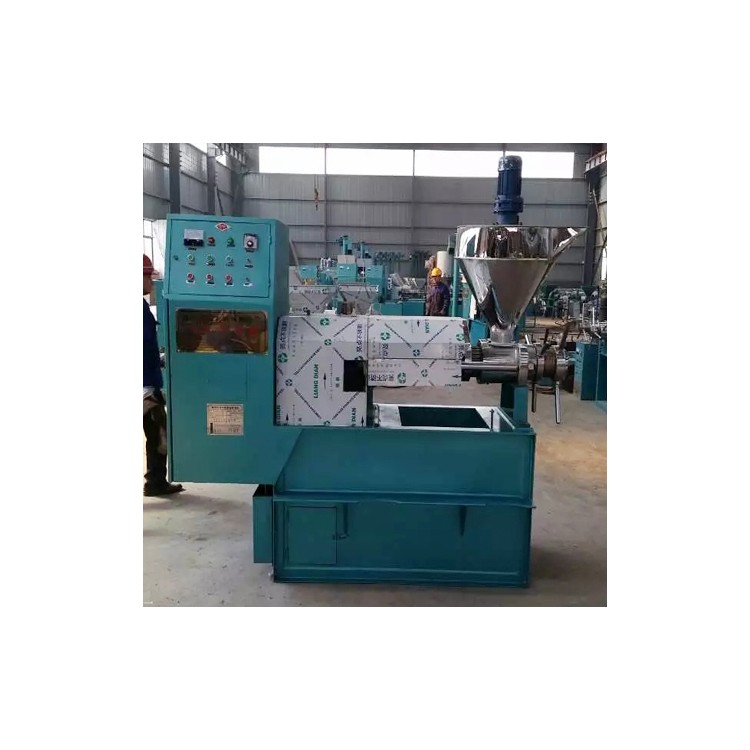
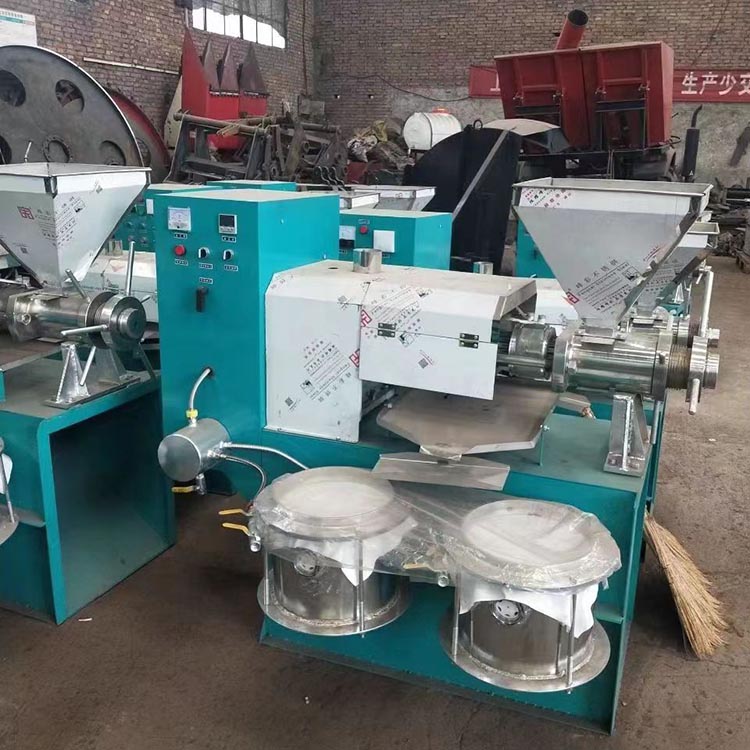
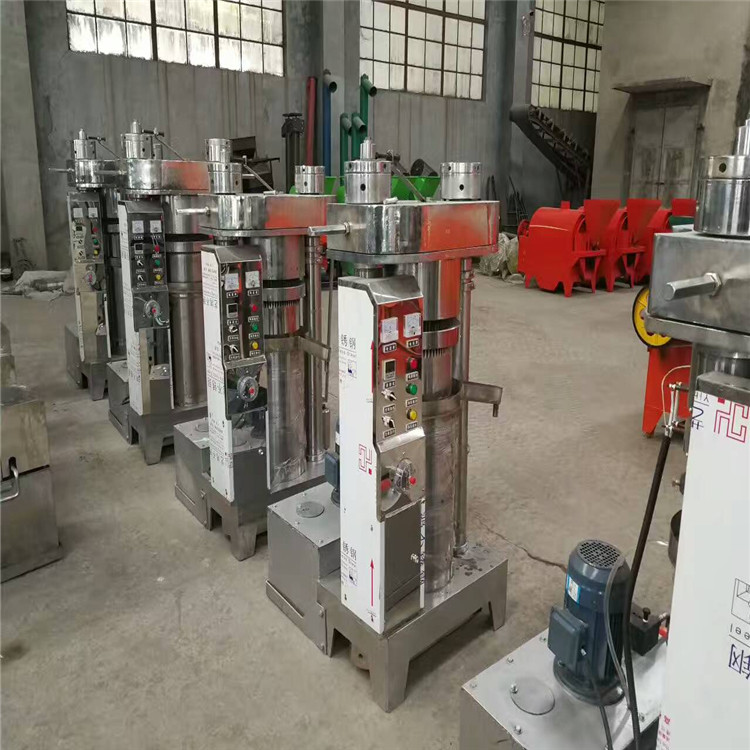
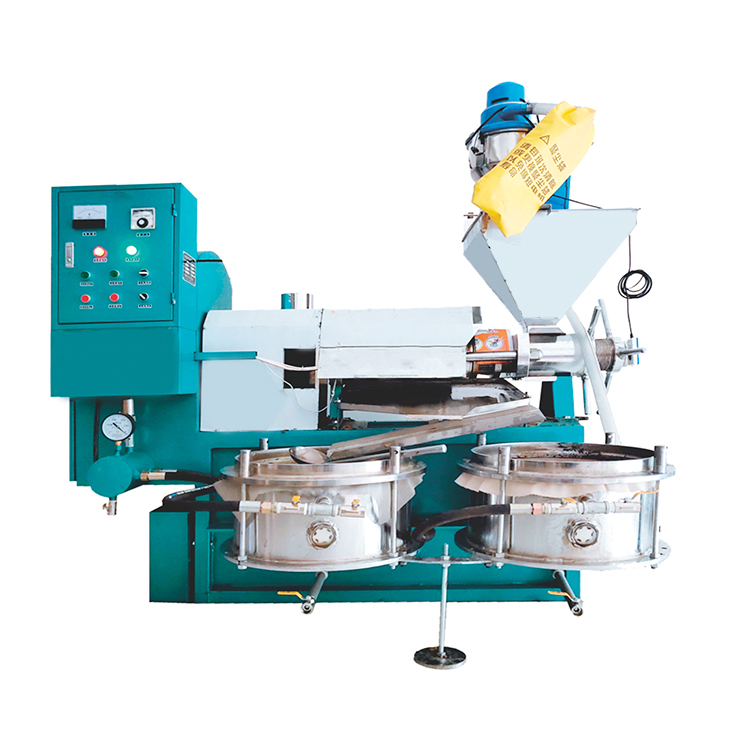
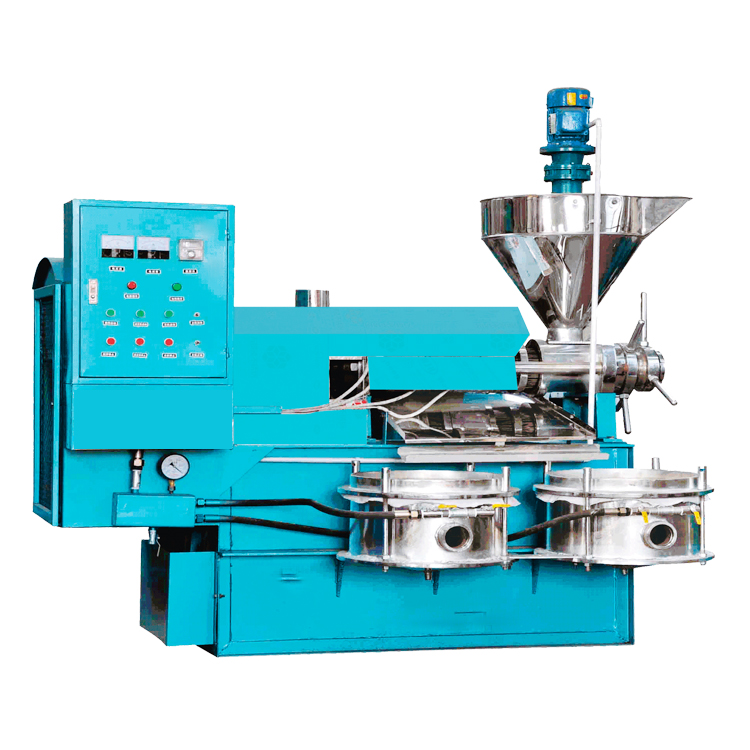
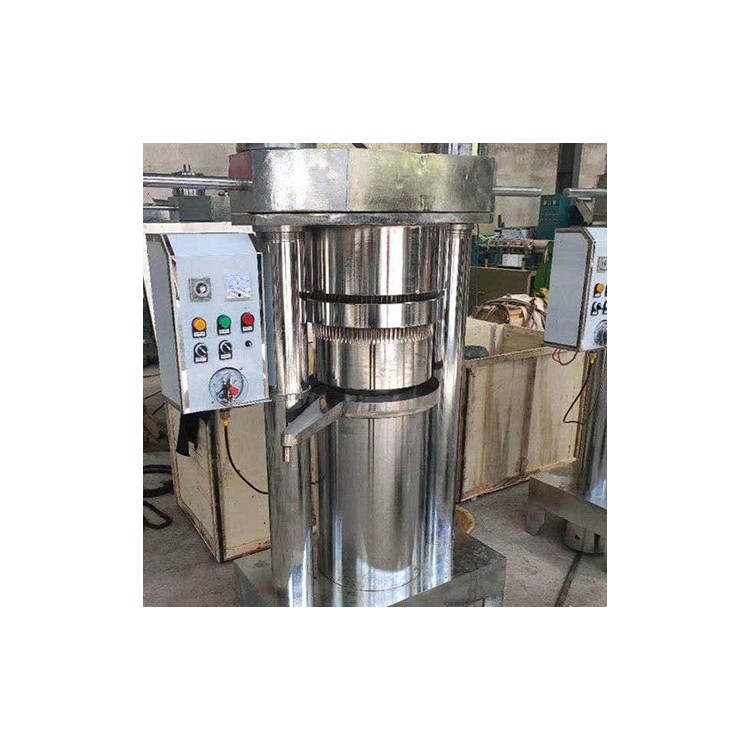
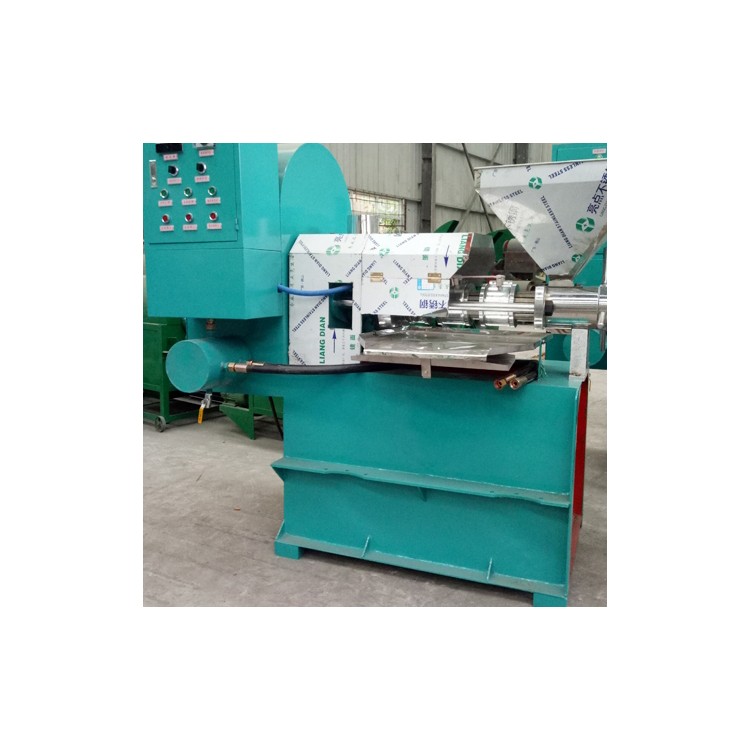
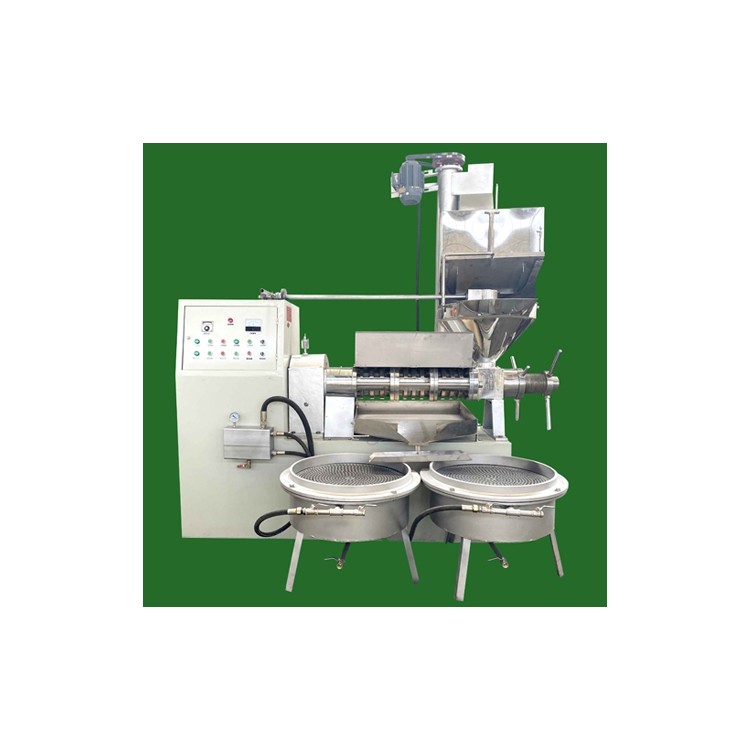
CommercialOil ExtractorComprehensive specifications and reasonable pricing, suitable for diverse consumer groups. CommercialOil Press EquipmentPrimarily used for individual household oil pressing. Commercial oil presses feature a dual cold and hot system, offering a variety of pressing functions, meticulous craftsmanship, multiple types, high oil yield, and wide selection.
Almost all oil crops can be pressed using commercial oil presses, including peanuts, soybeans, sunflower seeds, rapeseed, sesame, walnuts, cotton seeds, and more. Particularly, peanut oil and sesame oil are quite expensive. There's often counterfeiting and solvent-extracted oil in the market, which is harmful to health. Therefore, the on-site processing method is more satisfying for customers who value authenticity. It's the primary method of use in urban areas now.

Commercial oil press, introduced from South Korea over a decade ago, featuring vacuum filtration and automatic temperature control. The resulting oil has high quality, a pleasant aroma, and high extraction rate. Currently, it's primarily used for processing in rural areas or on-site processing in urban districts, making the production process more transparent and reassuring to customers. This greatly benefits business operations. Many regions are now operating under this model, yielding substantial profits.
Oil press machine, a product developed with Korean technology in collaboration with the China Academy of Agricultural Mechanization's Oil and Food Research Institute, meets the technical conditions and standards set by the Ministry of Agriculture for agricultural and commercial oil presses. The oil processed is pure and retains its original flavor, making it an ideal choice for establishing a "modern oil mill."
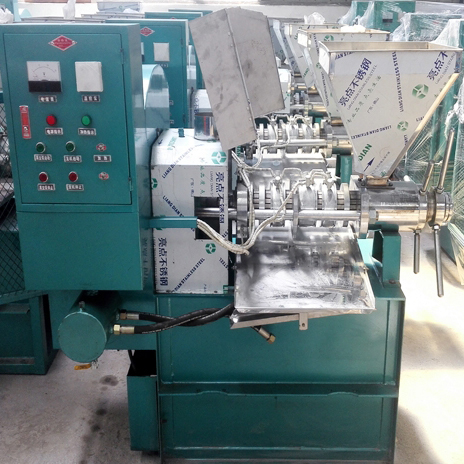
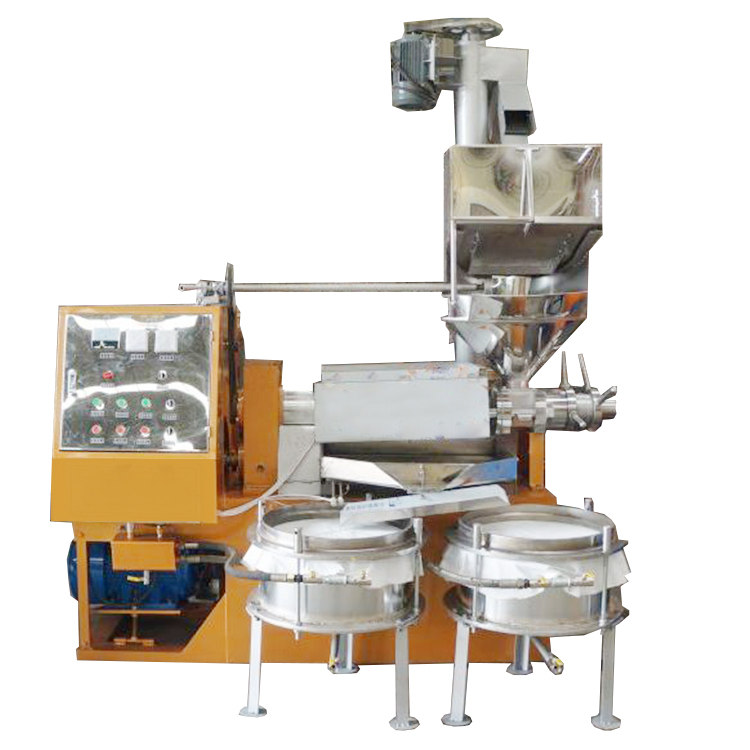
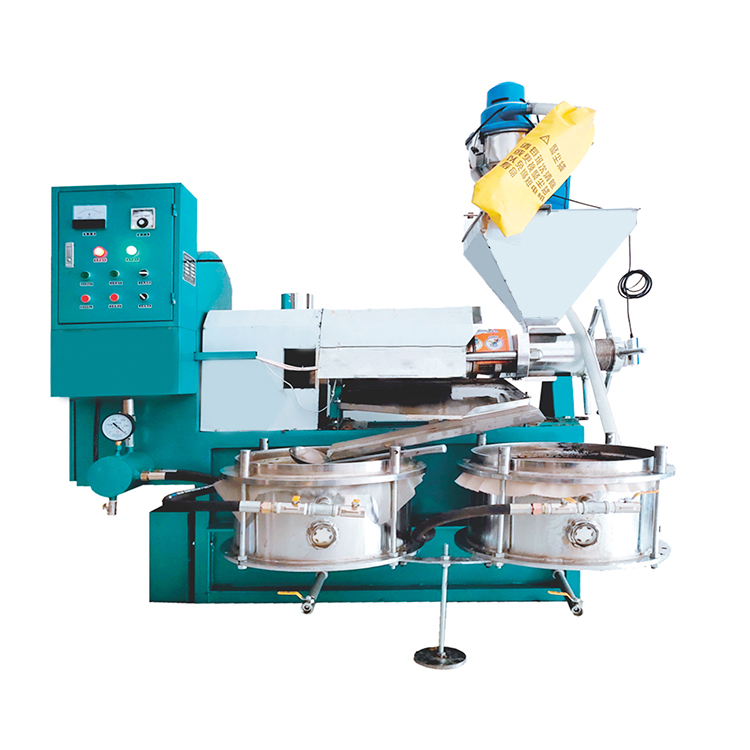
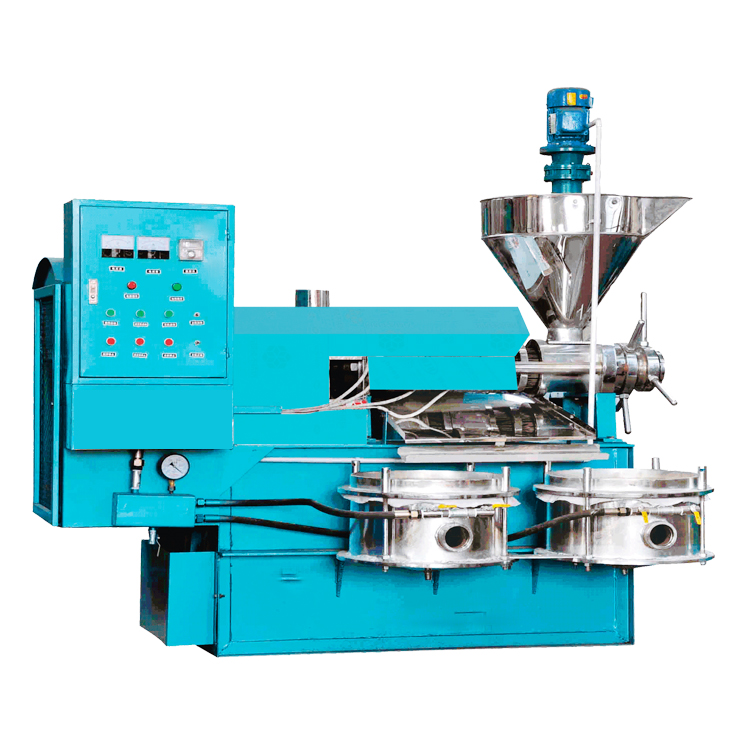
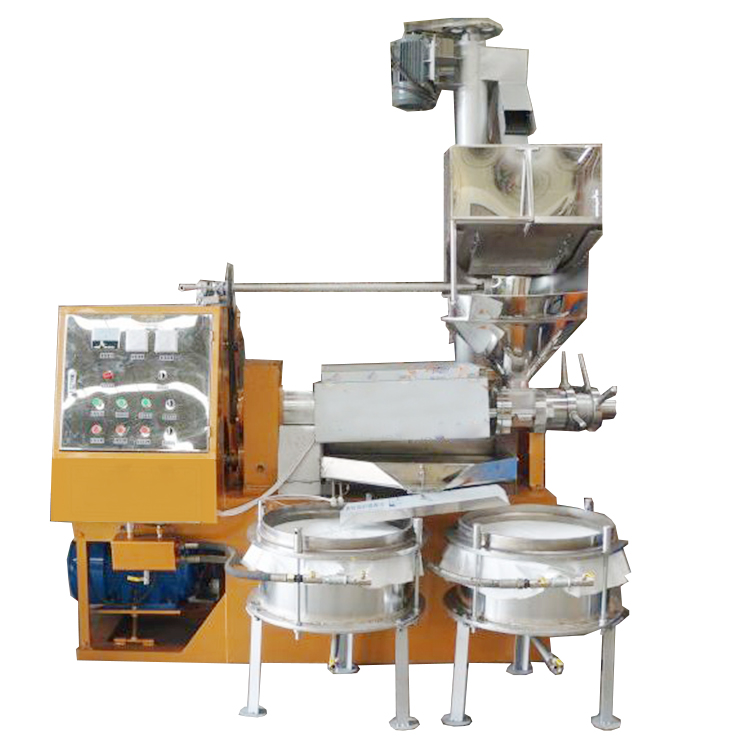
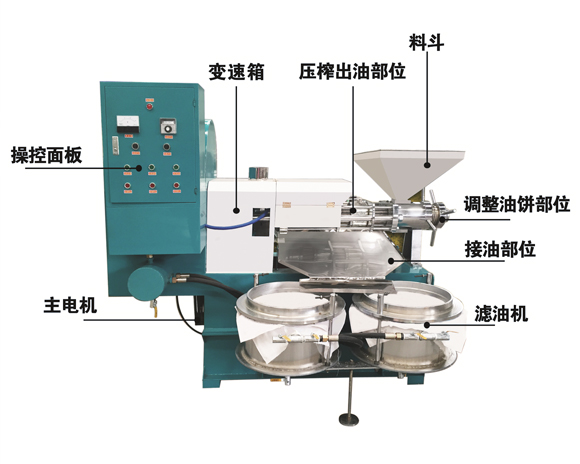
The oil expeller equipment is primarily composed of electrical control, automatic heating, adjustment, transmission, and vacuum oil filtration components. The squeezing screw is made of alloy steel and carbonized to enhance surface hardness and wear resistance; the squeezing plate is processed on a planer grinding machine to ensure oil line accuracy and increase oil yield; standard components such as power distribution, vacuum, and automatic heating are selected from well-known domestic brands to optimize the machine configuration; the machine surface is made of stainless steel and chrome-plated, meeting food hygiene standards.
Commercial Oil Press Working Principle:
As the commercial oil press operates, processed oil material enters the pressing chamber through the hopper. The rotating press screw continuously pushes the material forward for pressing. Due to the movement of the material within the press chamber under high pressure conditions, significant frictional resistance is generated between the material and the press screw, and between the material and the chamber walls, creating relative motion between the particles. Additionally, as the root diameter of the press screw gradually thickens and the pitch decreases, the screw can both push the material forward and flip it outward as it rotates. The material layers close to the screw threads also rotate with the shaft. This results in each particle within the material moving at different speeds and directions, creating relative motion between particles. The heat generated by friction also meets the thermal requirements of the oil pressing process, promoting protein denaturation in the material, destroying colloids, enhancing plasticity, and reducing viscosity, making it easier for oil to be extracted. Consequently, the oil press's oil yield is increased, allowing the oil to be squeezed out of the material and flow out through the circular and strip gaps.
Oil extraction machine parameters for different materials and their oil yields:
| Project | Sesame | Peanuts | Canola seeds | Safflower seeds | Soybeans | Cottonseed | Walnuts | Sesame | Camellia seeds |
| Oil Extraction Rate (%) | 45-55 | 40-50 | 30-45 | 32-42 | 12-18 | 11-25 | 42-52 | 32-38 | 26-38 |
| Biscuit thickness (mm) | 1.0-1.5 | 0.5-2.0 | 0.8-1.8 | 1.0-1.5 | 0.8-1.5 | 1.0-2.0 | 0.8-1.5 | 1.0-1.8 | 1.0-2.0 |
| Crude Oil Content in Biscuits (%) | ≤6 | ≤6 | ≤6 | ≤6 | ≤6 | ≤6 | ≤6 | ≤6 | ≤6 |