















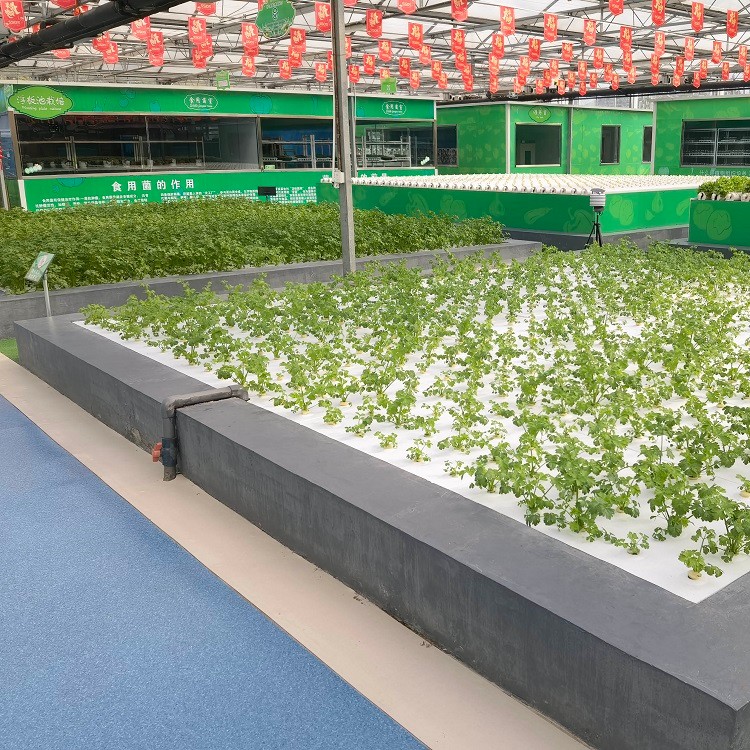
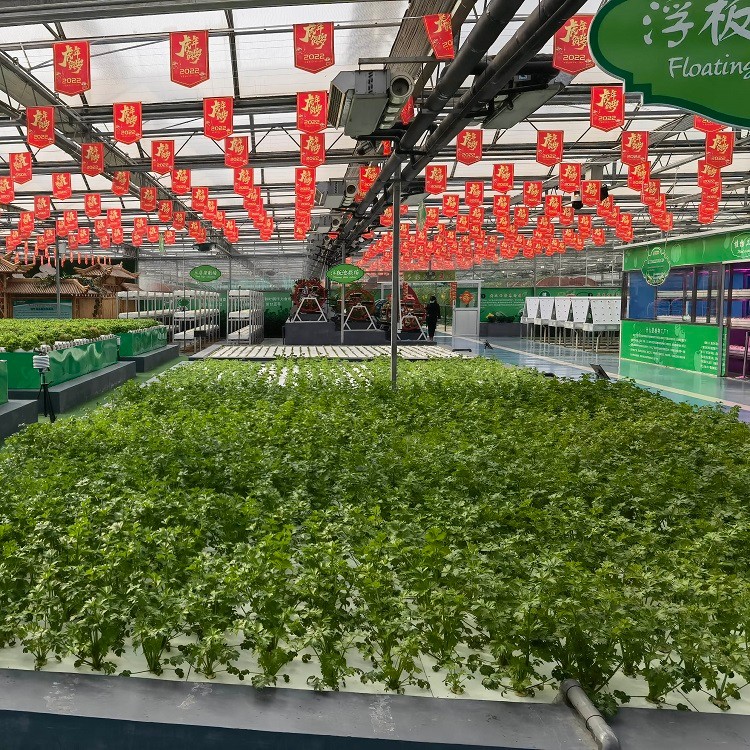
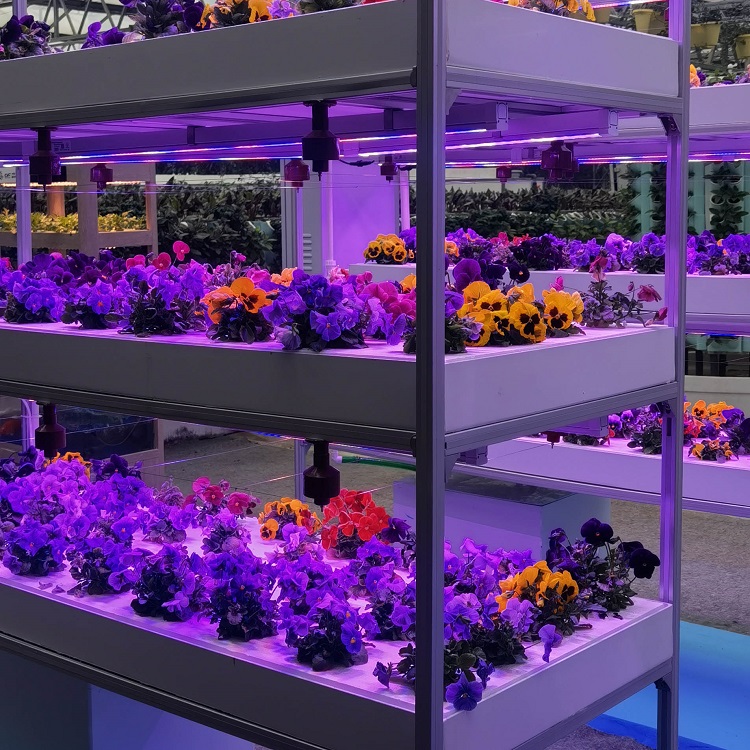
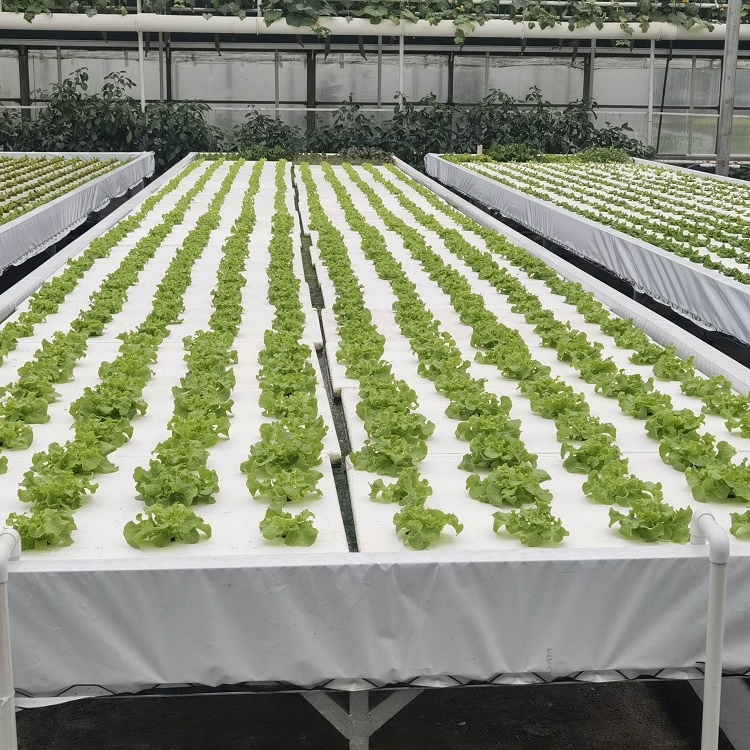
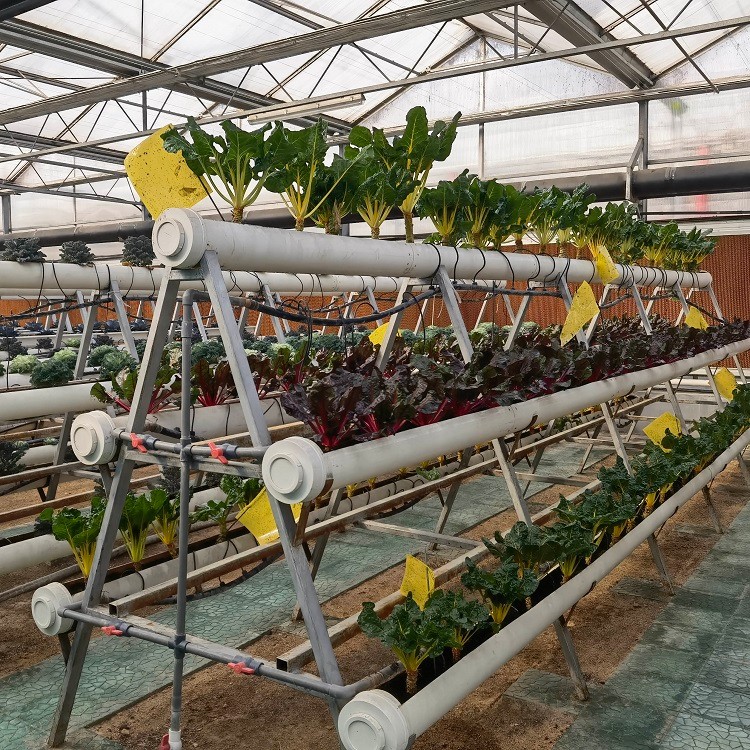
Soilless cultivation refers to a method of growing plants with the roots fixed in a medium such as water, peat, forest humus, vermiculite, etc., allowing the roots to directly absorb nutrients from the nutrient solution. The composition of the nutrient solution in soilless cultivation is easily controlled and can be adjusted at any time. In places with suitable light and temperature but no soil, such as deserts, beaches, and desolate islands, as long as there is an adequate amount of...
Soilless cultivation is divided into hydroponics, mist (aeroponics), and substrate cultivation based on different growing mediums.
Labor-saving and easy to manage: Soilless cultivation eliminates the need for tillage, plowing, weeding, etc., saving labor and effort. Watering and fertilizing are simultaneously addressed and supplied by the liquid supply system at timed and measured quantities, making management convenient, waste-free, and significantly reducing labor intensity.
To avoid continuous cropping barriers: Proper crop rotation and avoiding consecutive years of the same crop are crucial measures in vegetable field management to prevent severe disease occurrence and spread. Soilless cultivation, particularly hydroponics, can fundamentally solve this issue.
Region-independent, space-efficient: Soilless cultivation liberates crops from soil environments, unrestricted by soil quality or water conditions. It can be utilized in many desert, wasteland, or arable areas on Earth. Free from land constraints, soilless cultivation also transcends spatial limitations, allowing for the use of abandoned industrial buildings or flat rooftops in urban areas for growing vegetables and flowers, thereby expanding cultivation areas.
Favorable for Agricultural Modernization: Soilless cultivation liberates agricultural production from natural environmental constraints, allowing production to be conducted according to human will, thus becoming a controlled agricultural production method. To a great extent, farming based on quantitative indicators facilitates mechanization and automation, gradually leading to an industrialized production approach.

















