















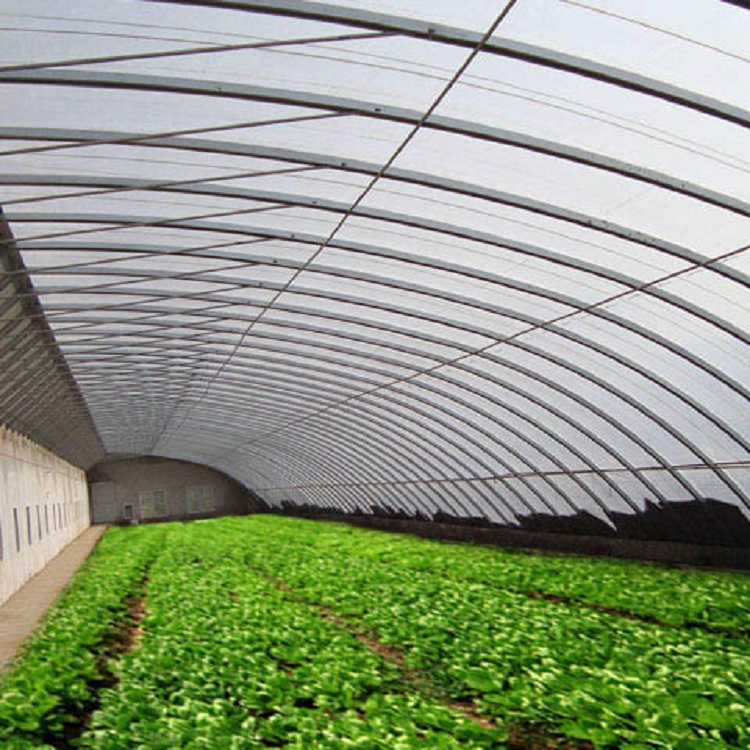
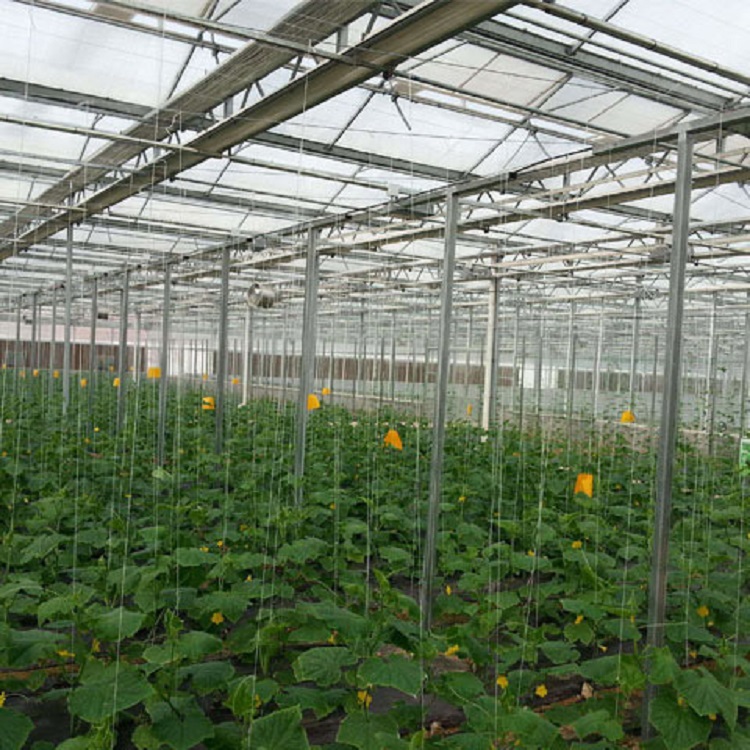
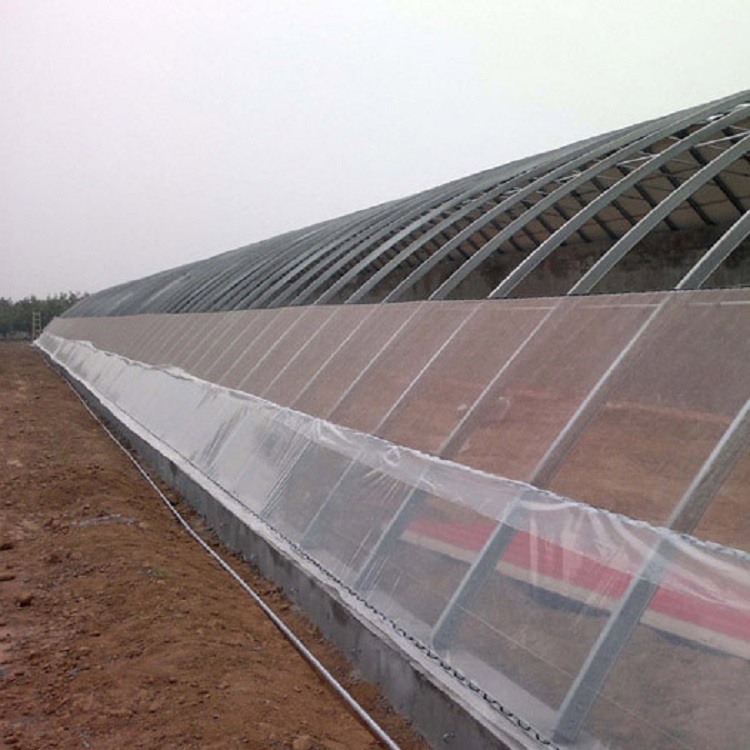
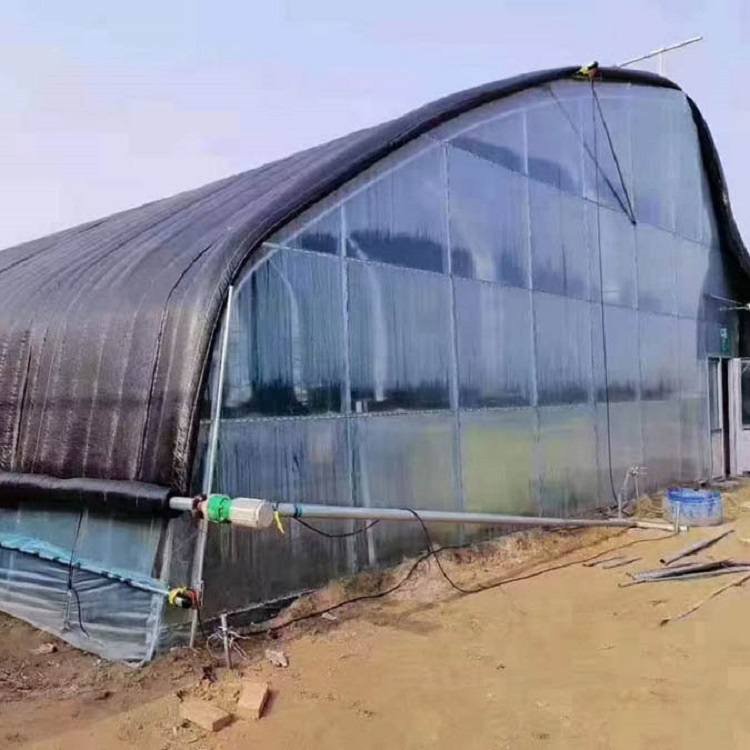
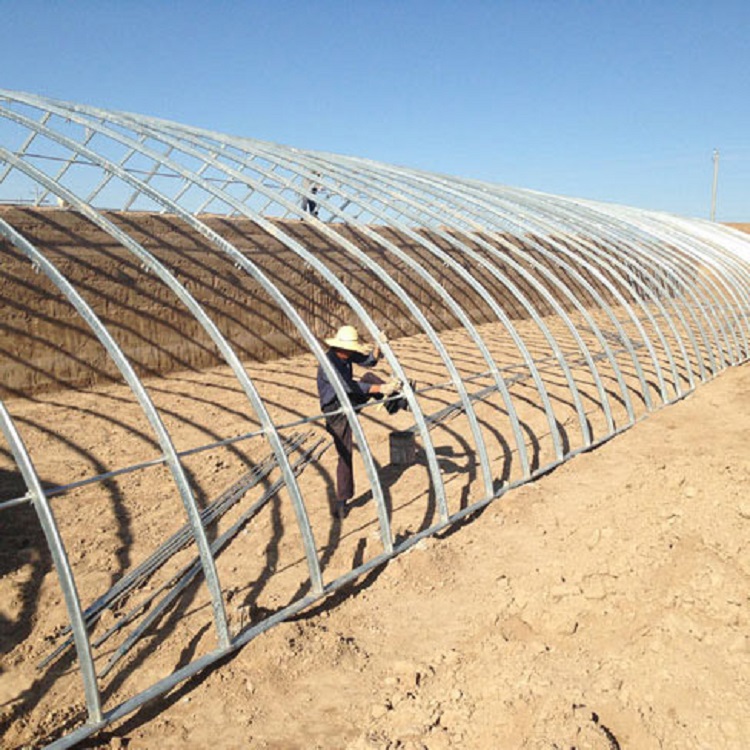
Vegetable greenhouses are framed structures covered with insulating film, offering excellent thermal retention. Their emergence allows for the consumption of off-season vegetables. Typically, these greenhouses are constructed with bamboo or steel frames, covered with one or more layers of insulating plastic film, creating a greenhouse environment. The outer layer effectively prevents the loss of carbon dioxide produced by the internal vegetable growth, ensuring the greenhouse maintains a good保温 effect.
There are various types of greenhouses used for vegetable cultivation, with the two main types currently in use in rural areas being single-span greenhouses and multi-span greenhouses. Others include a small number of solar greenhouses. This section mainly introduces the construction and specifications of commonly used greenhouses.
Applicable Range: Protective cultivation for crops such as vegetables, edible mushrooms, melons and fruits, flowers, and tea leaves.
Key Features: Simple structure, easy installation, low investment, with insulation, ventilation, sun shading, and pest prevention functions.

















