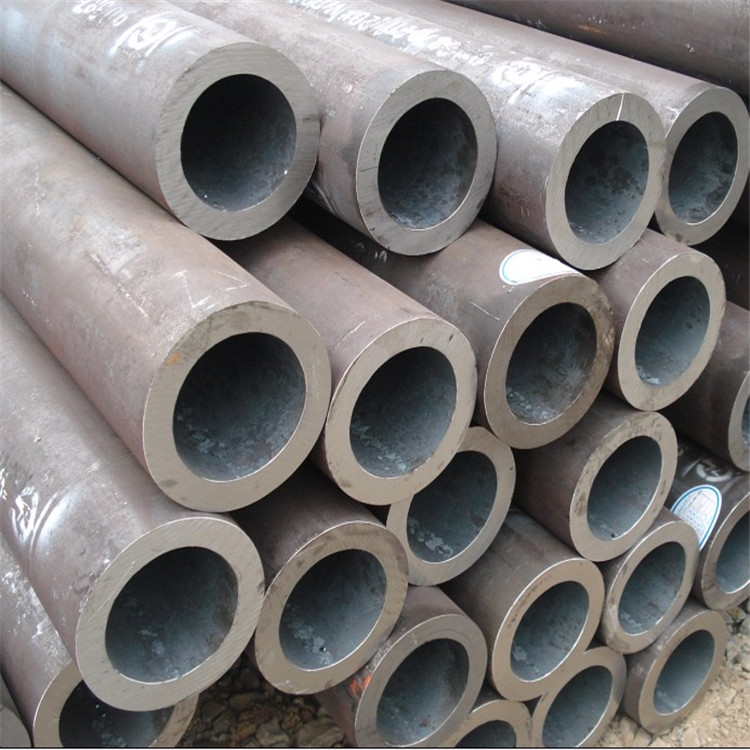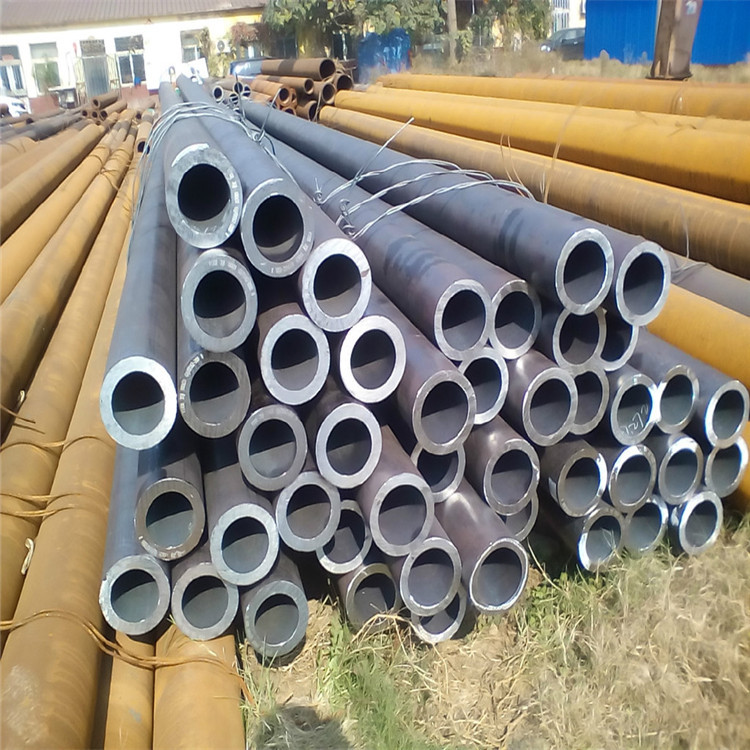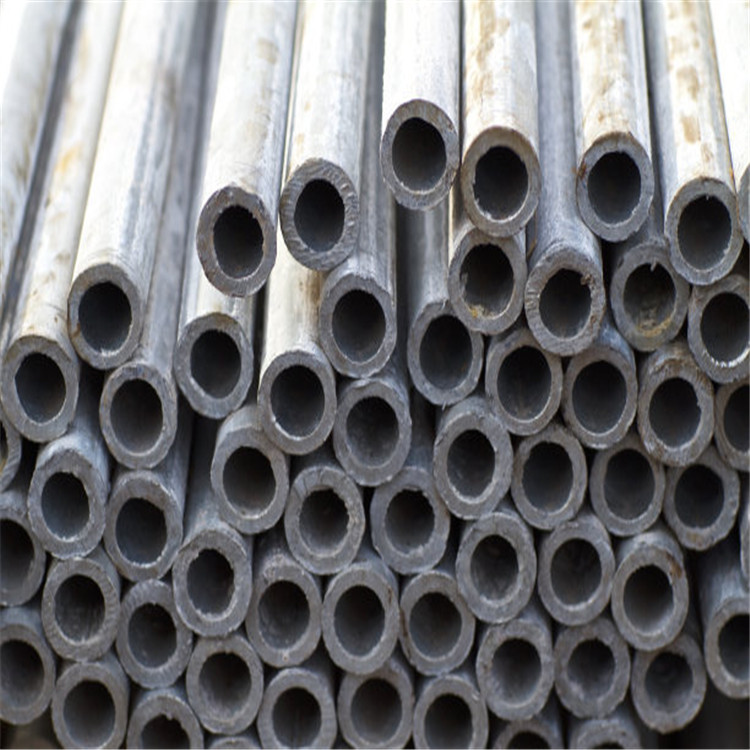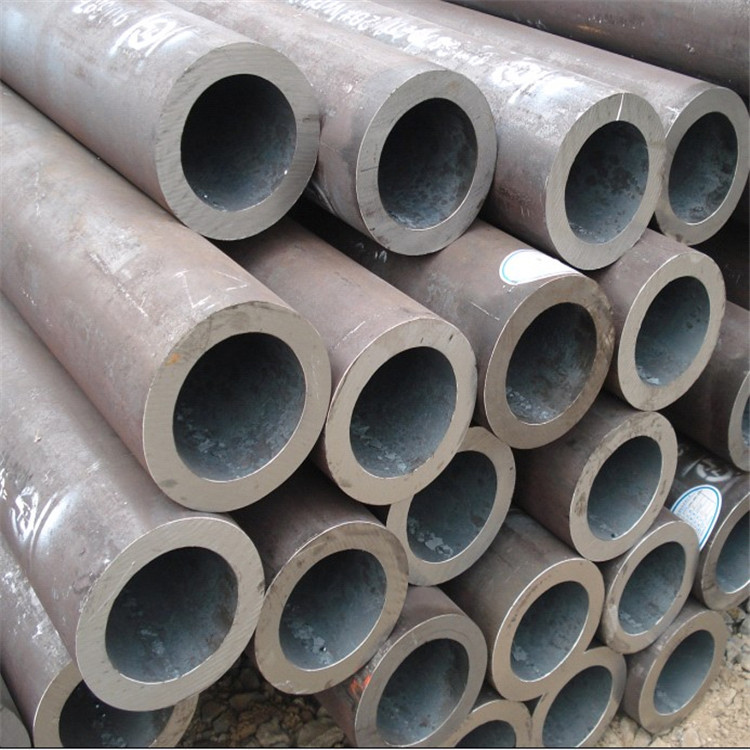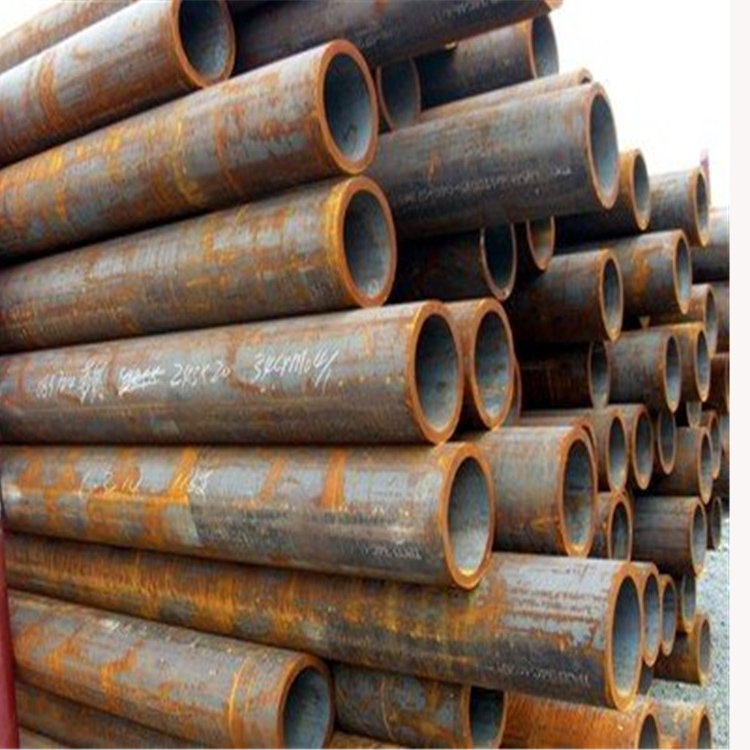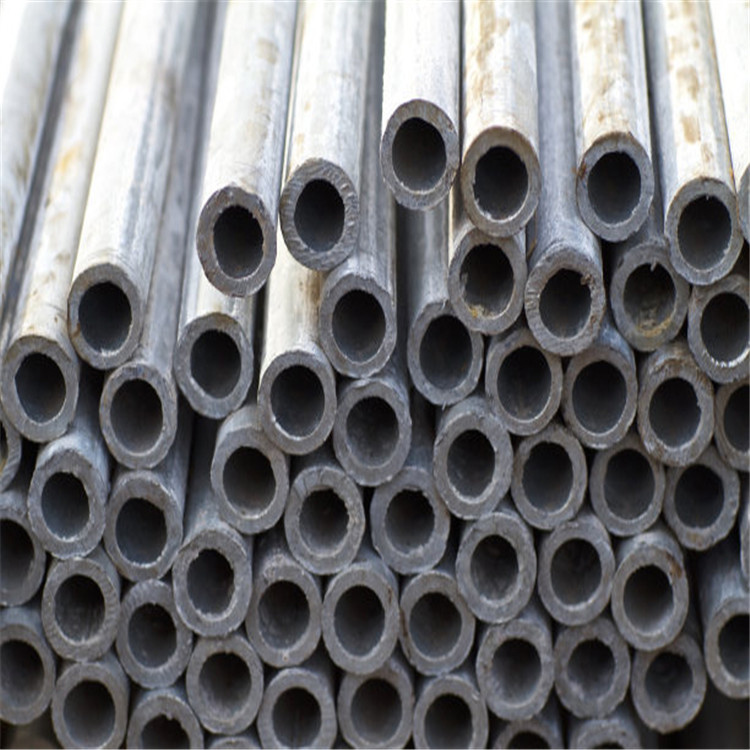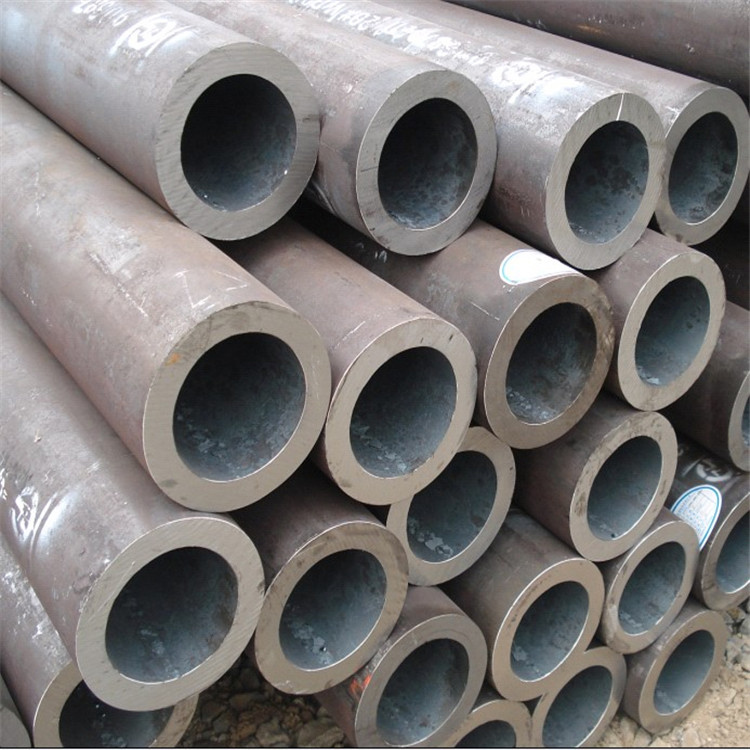

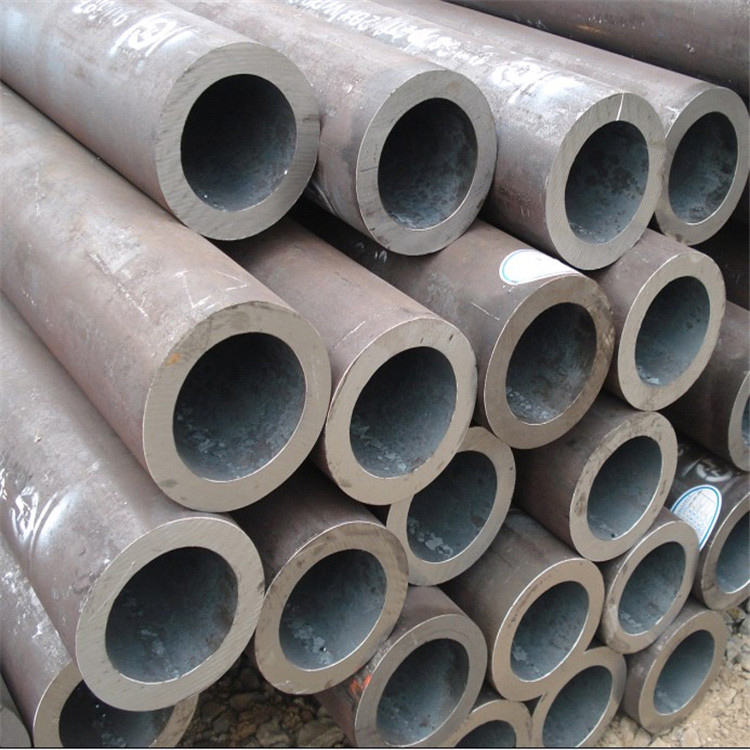
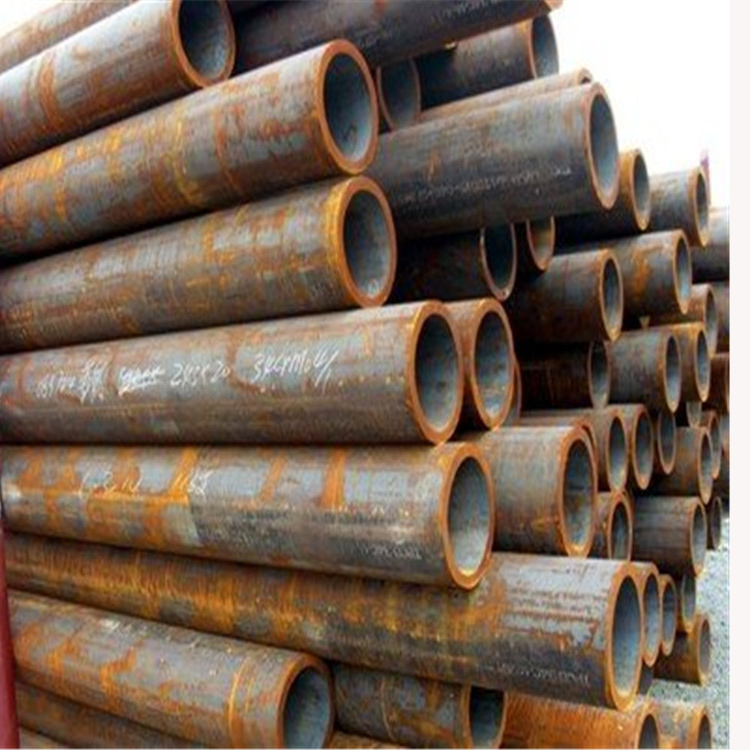
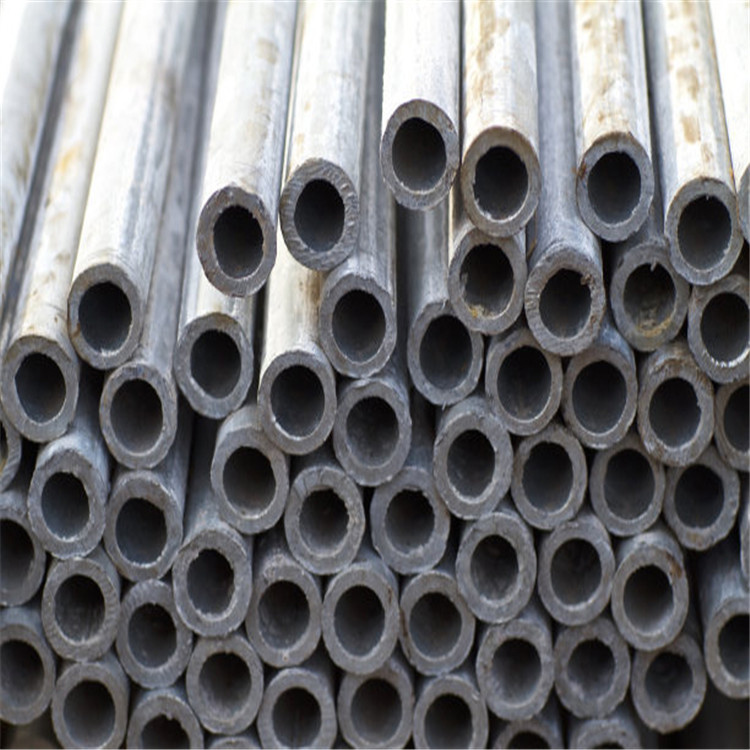













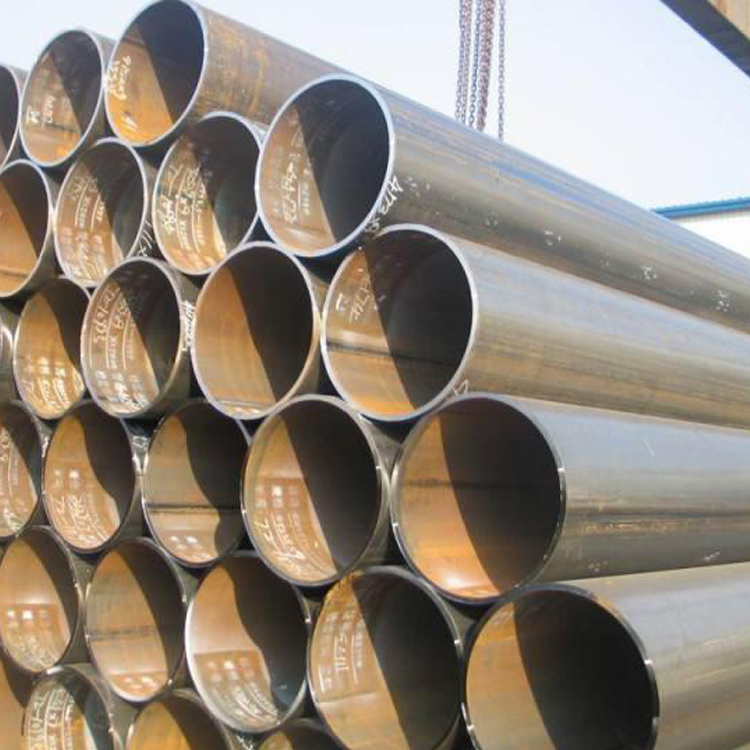
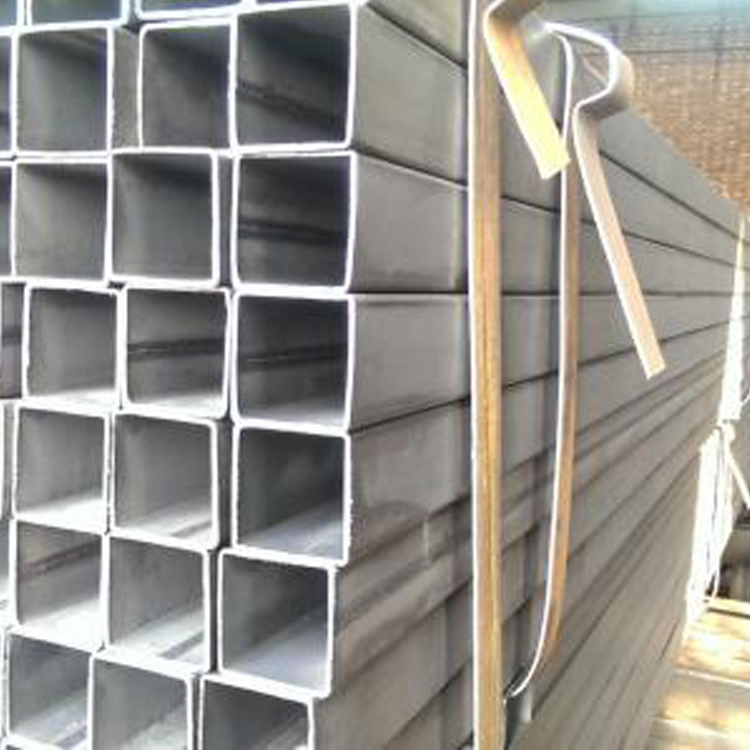
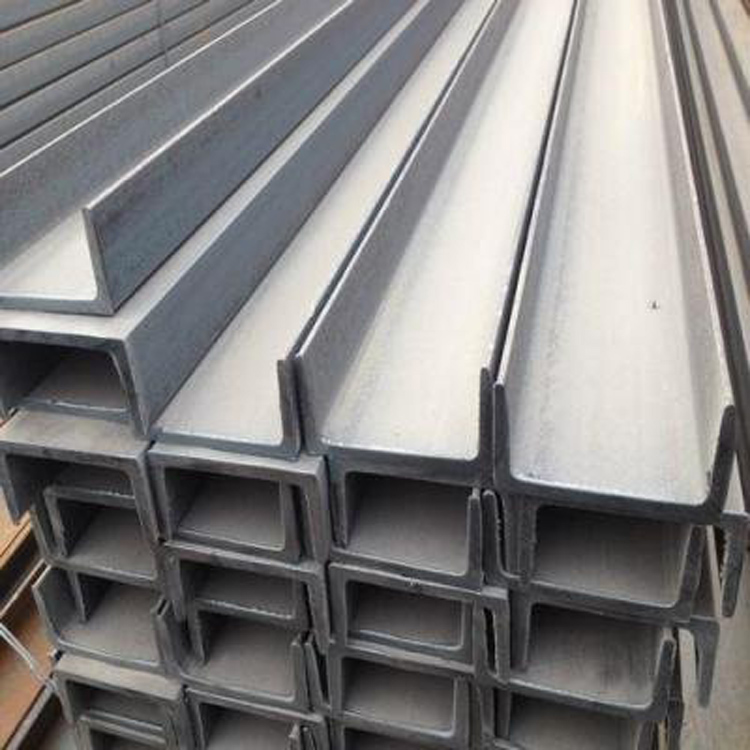
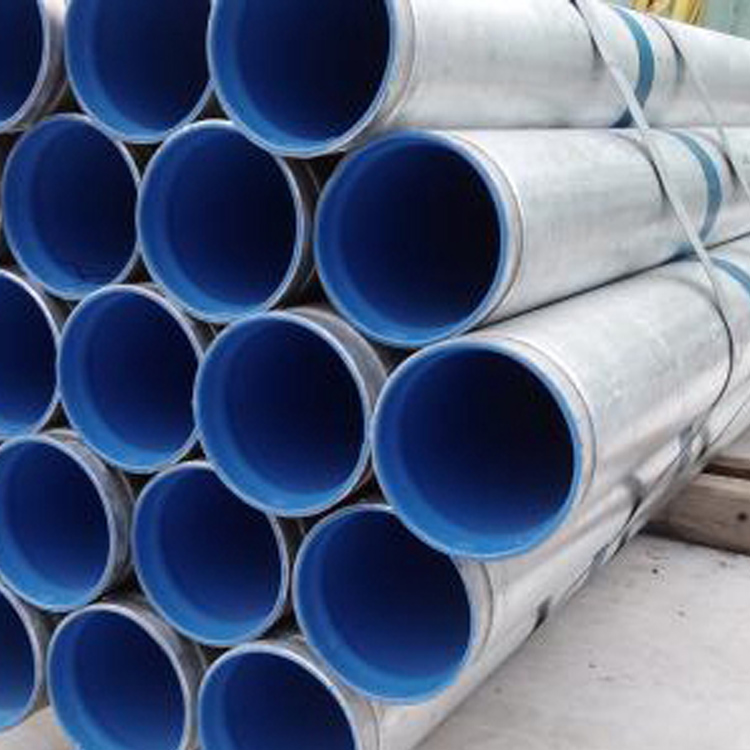
Seamless steel tubes are made by piercing a solid round steel billet, which have no seams on the surface and are known as seamless tubes. According to the production method, seamless steel tubes can be categorized into hot-rolled, cold-rolled, cold drawn, extruded, and jacking types. In terms of cross-sectional shape, they are divided into round and shaped tubes, with shaped tubes available in square, elliptical, triangular, hexagonal, pumpkin, star, and winged tube, among other complex shapes. Diameters range up to 900mm-4mm. Depending on their use, there are thick-walled and thin-walled seamless tubes. Seamless steel tubes are primarily used as drilling pipes for petroleum geology, cracking pipes for petrochemical use, boiler tubes, bearing tubes, and high-precision structural tubes for automotive, tractor, and aviation applications.
Seamless steel tubes are widely used.
1. General-purpose seamless steel pipes are rolled from ordinary carbon structural steel, low-alloy structural steel, or alloy structural steel, with high production volume. They are primarily used as pipeline for conveying fluids or structural components.
2. Offered in three categories based on different applications:
Available in accordance with chemical composition and mechanical properties.
b. Supplied by mechanical properties
c. Supplied for hydrostatic test. Steel pipes supplied under categories a and b, if used to withstand liquid pressure, must also undergo a hydrostatic test.
3. Special-purposeSeamless pipeBoiler-gradeSeamless pipeChemical and power industry, geological use seamless steel pipes, and oilfield application pipesSeamless TubeA variety of.
Seamless steel pipes have hollow cross-sections and are extensively used as pipelines for conveying fluids, such as oil, natural gas, coal gas, water, and certain solid materials. Compared to solid steel products like round bars, they have the same bending and torsional strength but are lighter in weight, making them an economical section steel.
Seamless Steel PipeWidely used in the production of structural components and mechanical parts, such as oil drill pipes, automotive drive shafts, bicycle frames, and steel scaffolding for construction, pipe sections are utilized to manufacture annular parts, which enhance material efficiency, simplify manufacturing processes, and save materials and processing time. The use of pipes for manufacturing has become widespread.