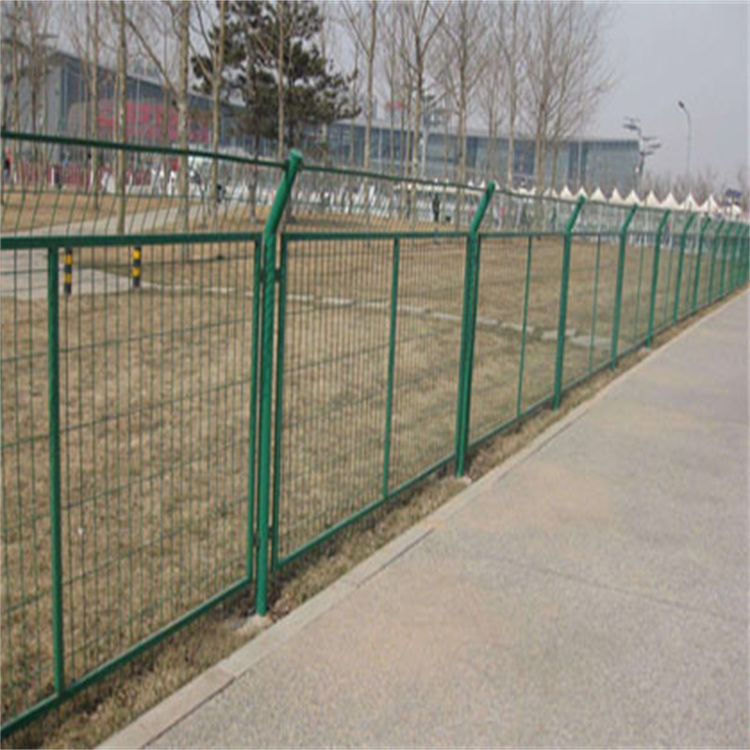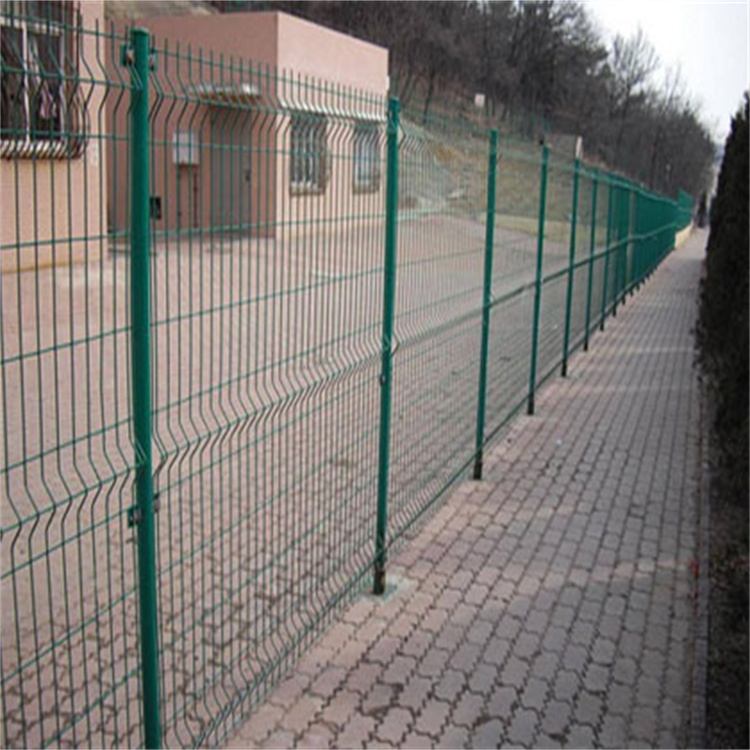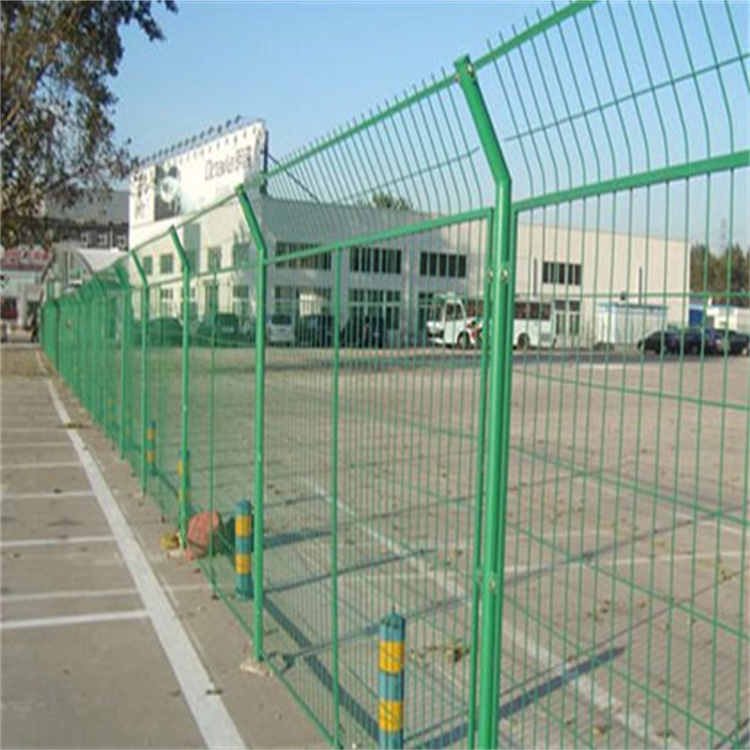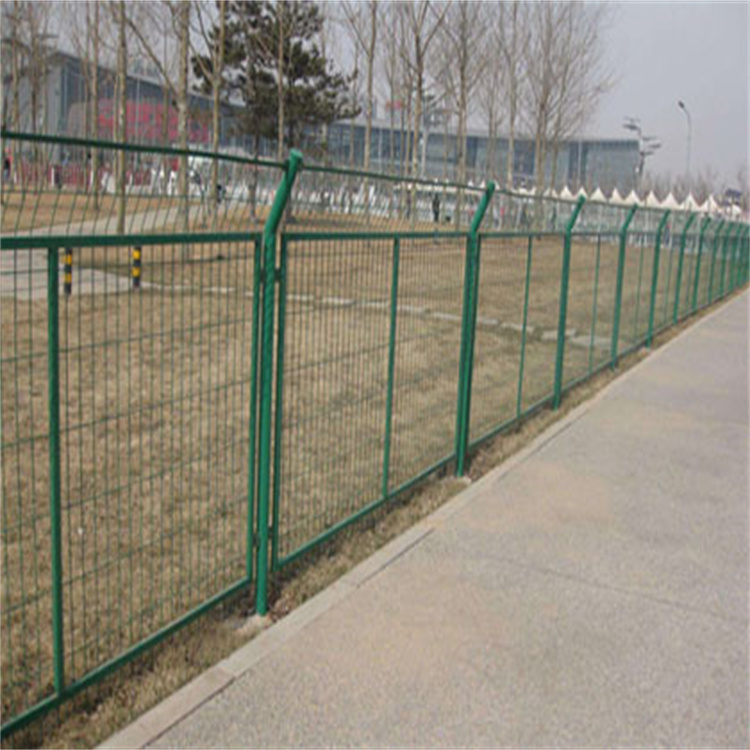

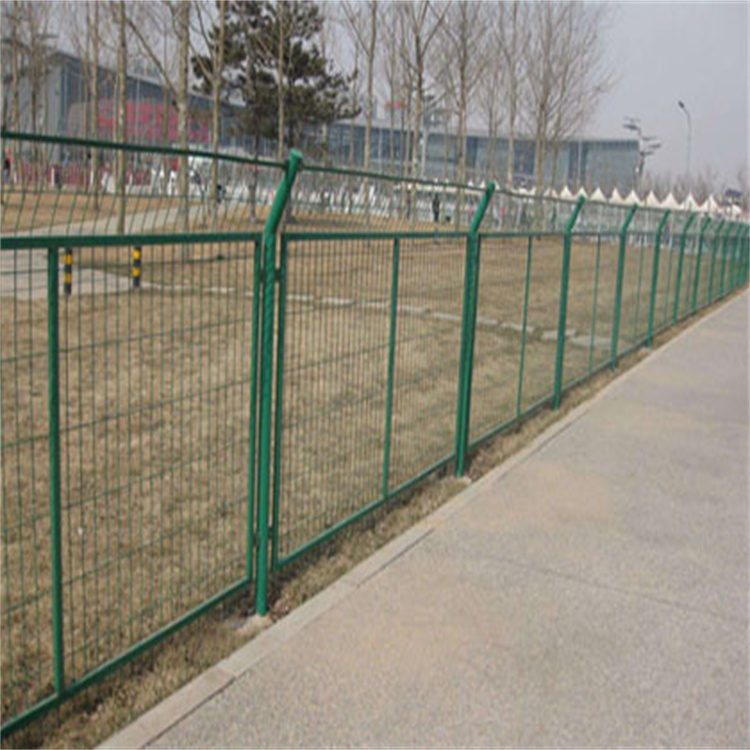
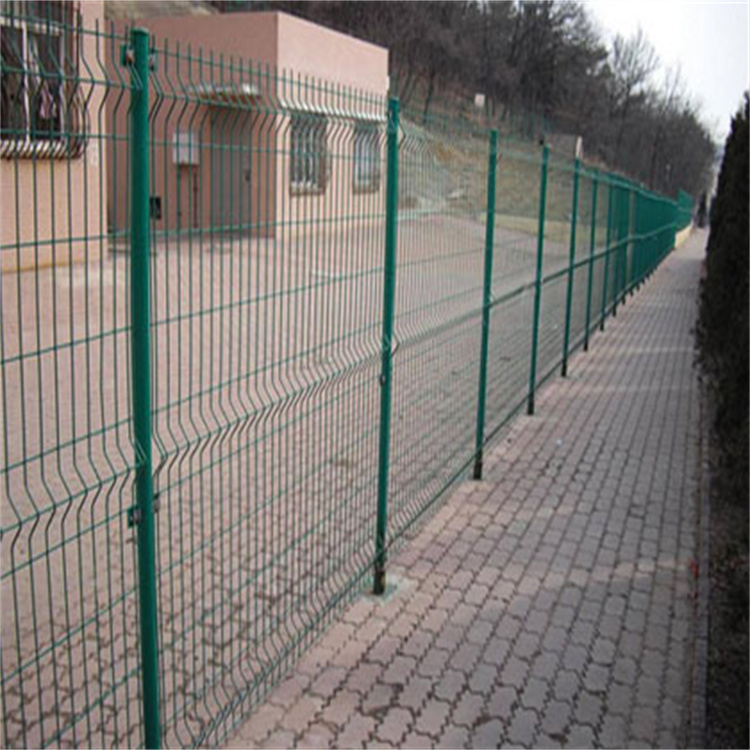


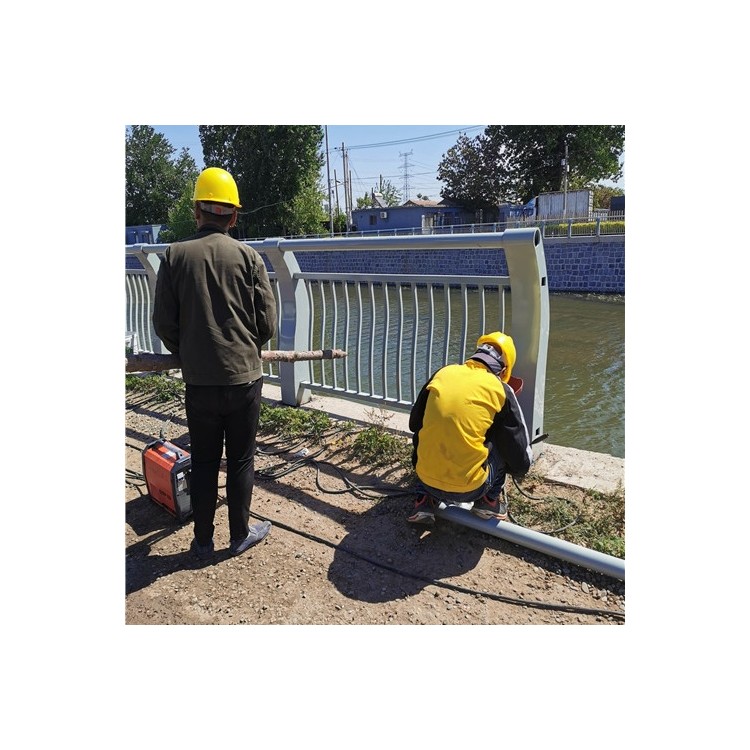








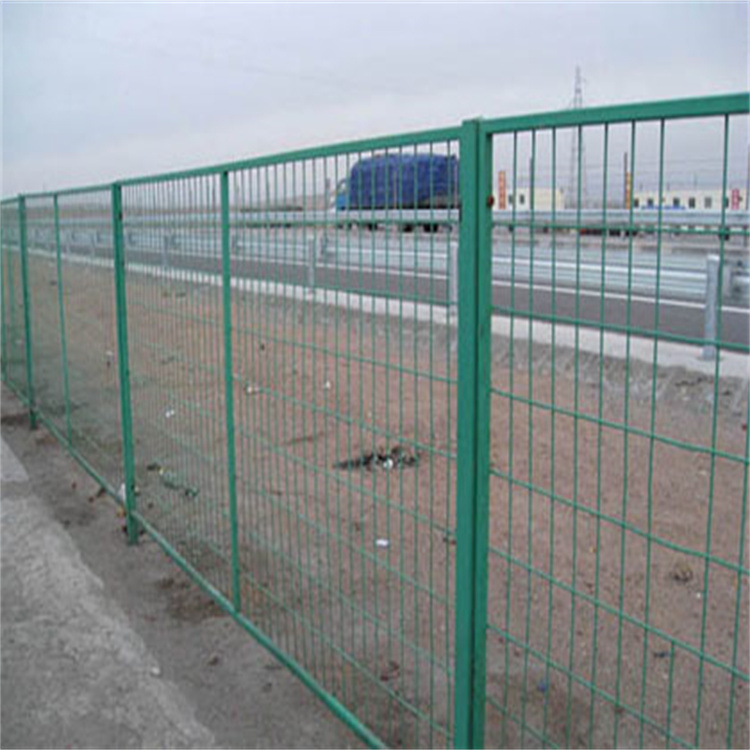
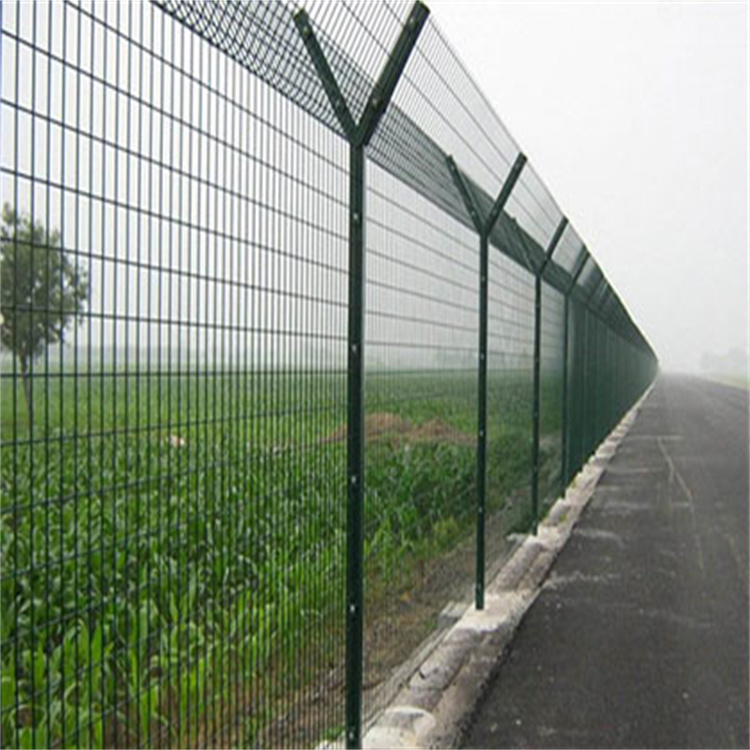
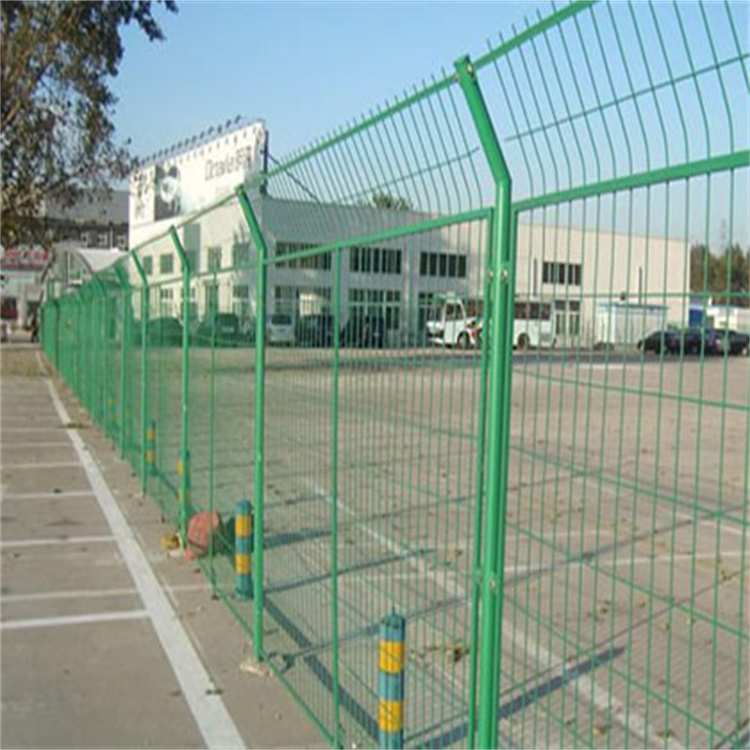
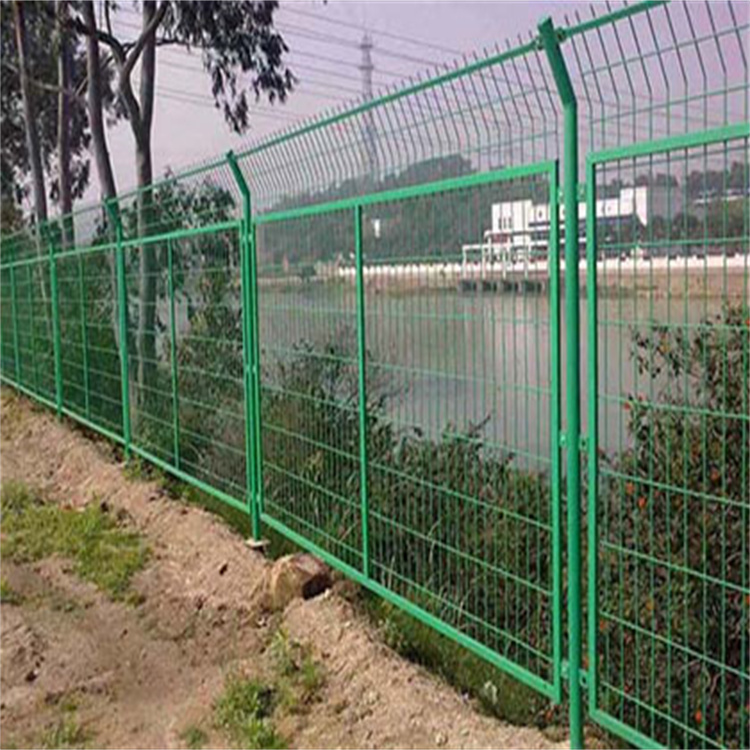
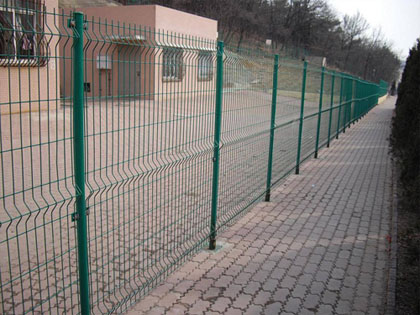
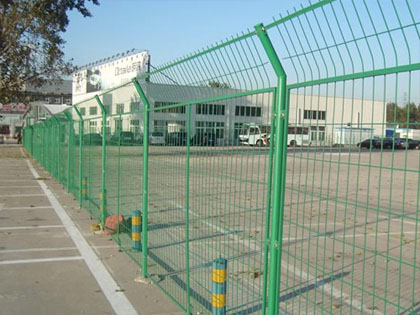
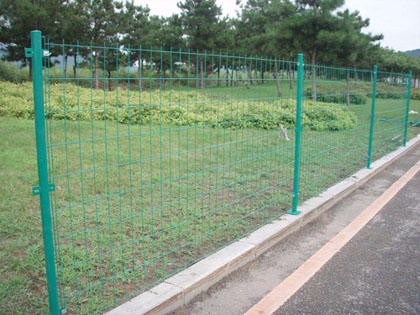
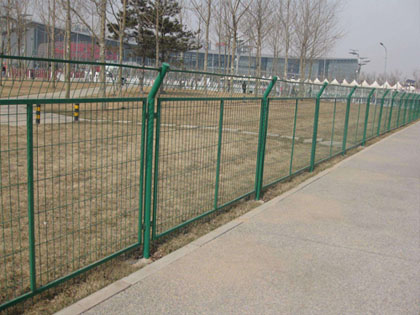
Highway guardrails, also known as traffic barriers, highway guardrail panels, expressway guardrails, road separators, and road mesh, are essentially just different names for the same product—the guardrail mesh. There's no difference in the product itself. Highway guardrails are one of the most common types of guardrail products, made by weaving and welding with domestic low-carbon steel wire and aluminum magnesium alloy wire, offering flexibility in assembly and durability. They can be used to create permanent guardrail walls or as temporary separators; different methods of pillar installation can be used as needed. These guardrails are widely used on many domestic expressways and have achieved good results.
Standard Specifications: Welded with high-strength, low-carbon steel wire. (Custom made to customer specifications available.)
Rectangular holes: 50×100, 75×150, 50×200, 60×150 are commonly available.
Thick Round Tube: Frame: Welded rectangular section tubes with 20×30 or 20×40mm dimensions; 0.8/1.0/1.2/1.5mm thick square tubes
Woven and Features: Made from low-carbon steel wire, the grid structure is simple, easy to transport, and installation is not restricted by terrain undulations, especially adaptable to mountainous, hilly, and winding areas. The highway fence is sturdy and durable, with moderate to low prices, suitable for large-scale applications.
Road guardrails can be divided into two types based on their manufacturing characteristics. One is the electric-welded mesh guardrail, and the other is the knitted wire mesh guardrail. Both types of guardrails are widely used for protection. The electric-welded mesh guardrail is made by welding iron wire, cold galvanized iron wire, or hot-dipped galvanized iron wire using an electric-welded mesh machine, followed by bending, painting, or PVC coating, among other processes. It features corrosion resistance, aesthetics, and effective protection. The knitted wire mesh guardrail is woven from various metal wires, including PVC, cold and hot galvanized wires, using a knitted wire machine. It boasts strong impact resistance, aesthetics, corrosion resistance, and good protective properties.
Highway guardrails feature aesthetic durability, non-deformation, and quick installation, making them an ideal metal guardrail product. They can be used to create gender-specific fence walls or as temporary isolation nets, simply by adopting different methods of post fixation. They offer features like corrosion resistance, anti-aging, sun resistance, and weather resistance. Corrosion protection can be achieved through electroplating, hot-dipping, powder coating, or immersion coating methods.
Road Guardrail Mesh
(1) Centerline Guardrail - A type of guardrail installed in the center of the road, primarily used to separate the upstream and downstream traffic flows. It prevents vehicles from entering the wrong lane and stops non-motorized vehicles and pedestrians from freely crossing or diagonally crossing the road, ensuring good traffic order and preventing accidents. This guardrail is commonly made of concrete, metal, or a combination of both in a post or railing design.
(2) Barrier Bollards - The guardrail mesh installed between the motorized and non-motorized lanes on either side of the road, primarily used to separate non-motorized vehicles from motorized vehicles. It ensures each lane is used independently, without interference, and in an orderly manner. These barriers are commonly made of concrete or metal materials, with a height of approximately 600mm in a "bollard" style.
(3) Pedestrian Guardrail - Highway guardrail netting installed on the outer side of the pedestrian walkway at intersections or between the pedestrian and vehicle lanes. Primarily used to prevent pedestrians from diagonally or horizontally crossing within the intersection or on the vehicle lane, and secondarily to prevent vehicles from losing control while evading obstacles and crashing into the pedestrian walkway. It serves to maintain good traffic order and ensure pedestrian safety.
Highway Guardrail Mesh Applications: Primarily used for park/zoo fencing, campus/area boundaries, traffic isolation, and temporary dividers.
Main specifications of highway guardrail mesh: mesh size 2.3m x 3m, with a 30cm section bent at 30°.
Grid Size: 75mm x 150mm, 50mm x 100mm, 80mm x 160mm
Edge specification: 2030x1mm square tube
Surface Treatment: Green electroplating.
The specifications for highway guardrails are varied, with different designs tailored to various terrains, followed by pricing based on the drawings and subsequent production.