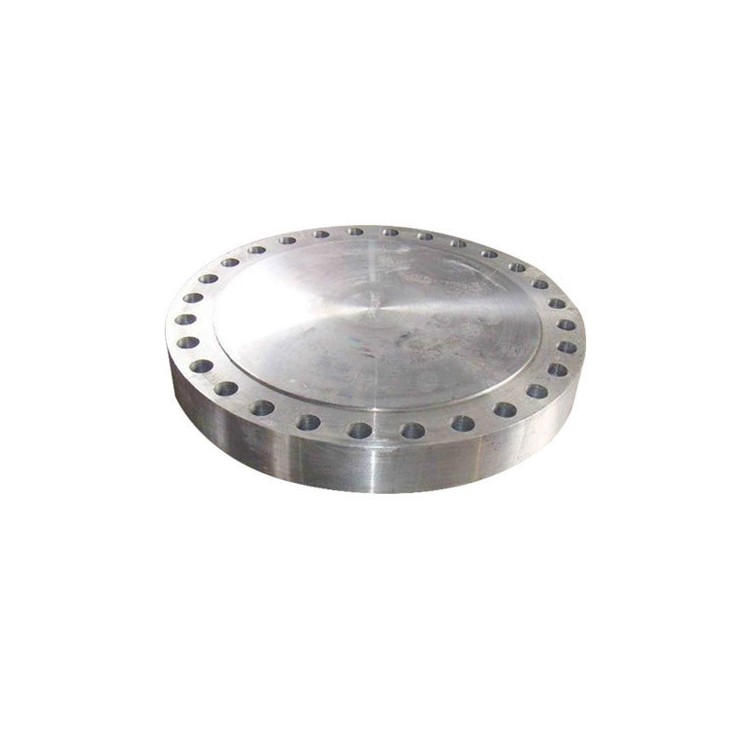

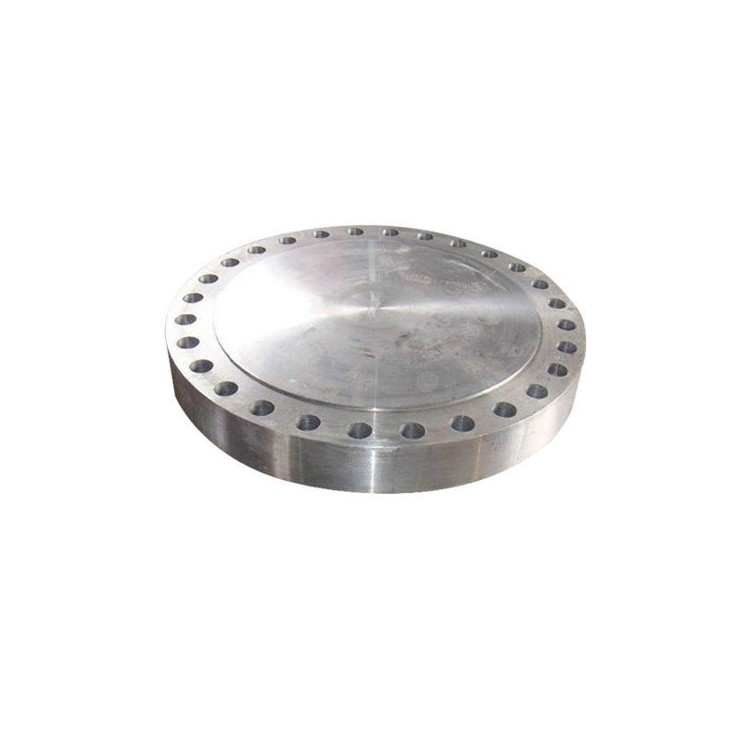
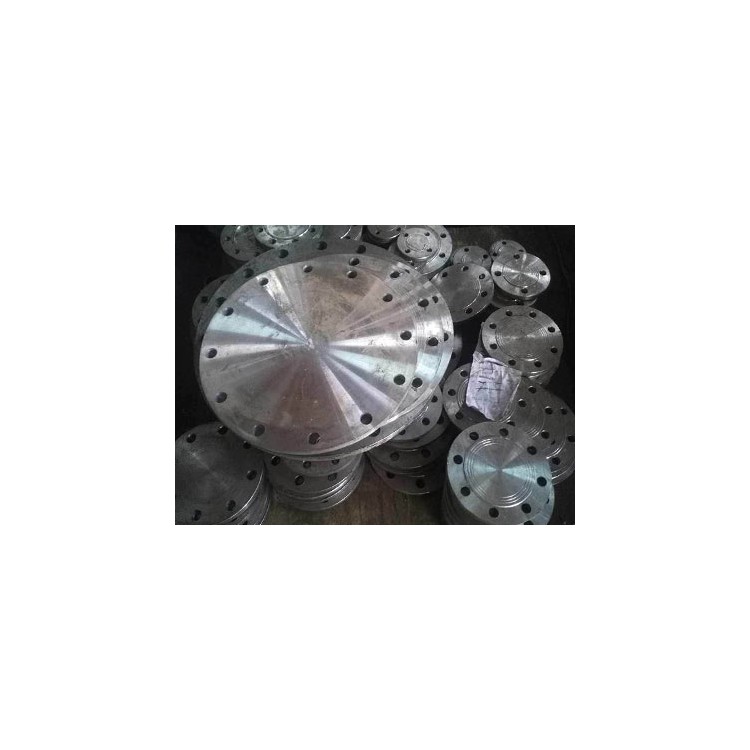


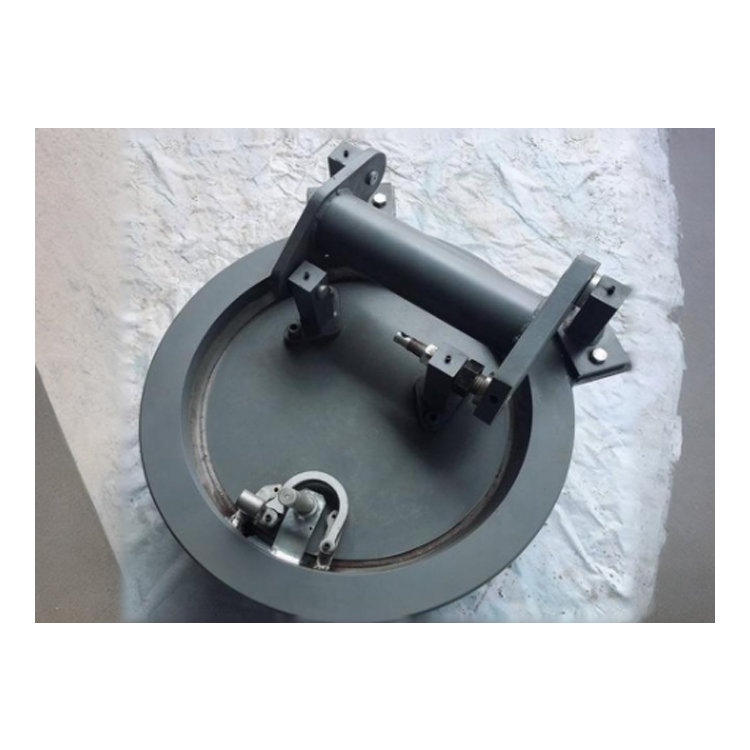
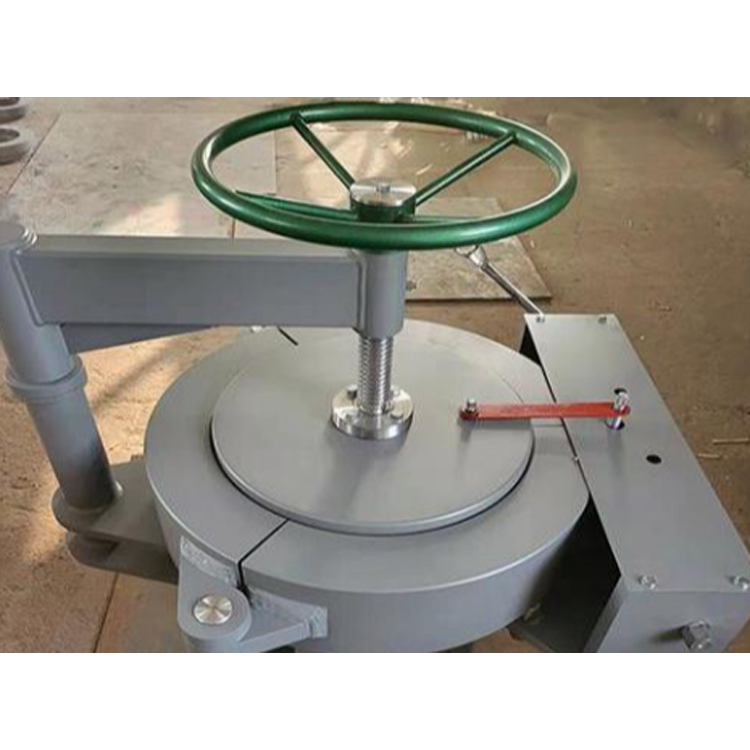
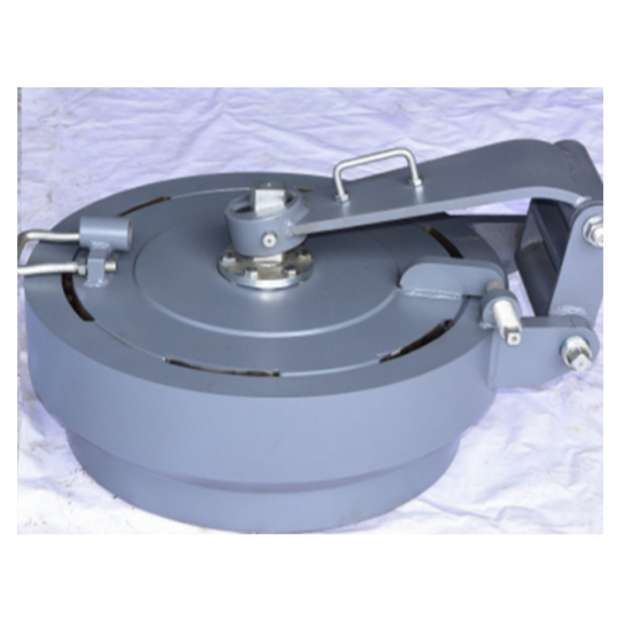
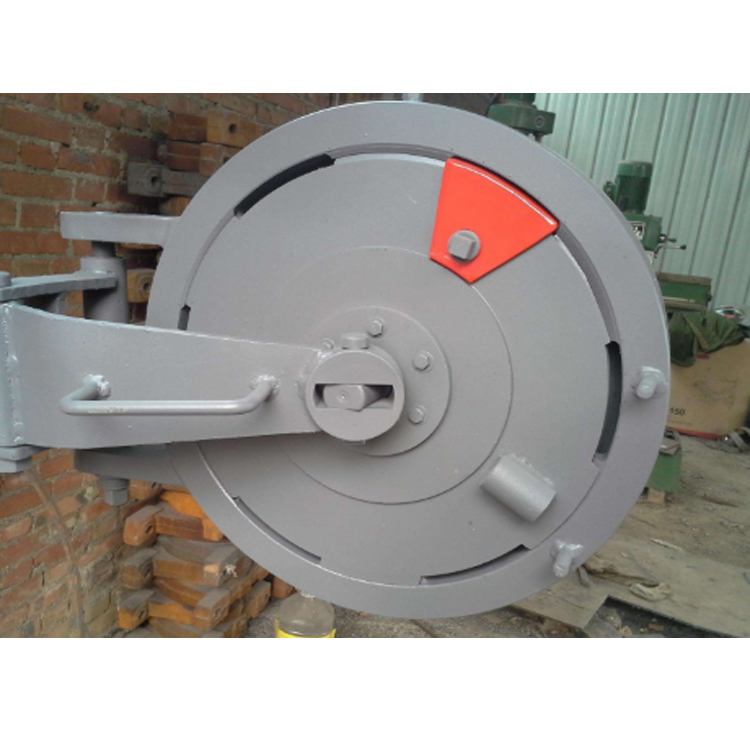





Introduction to Pipe Flange Cover
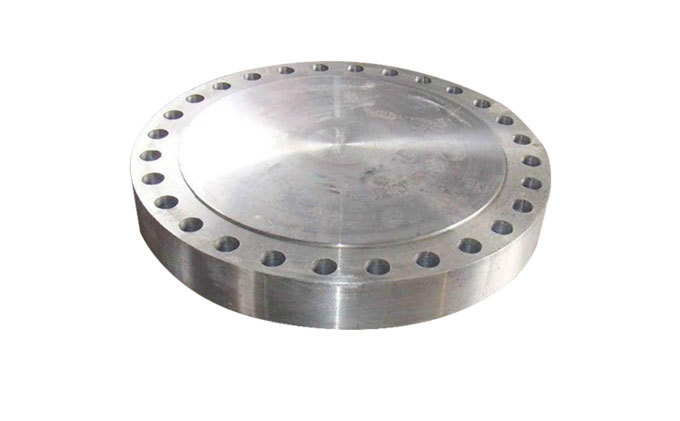
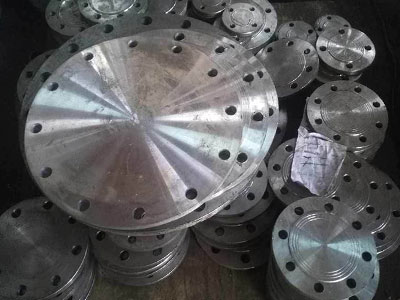
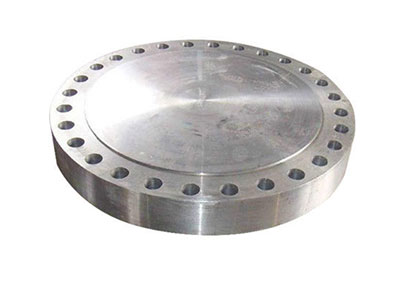
Pipe flange covers, also known as blind plates, plug plates, or flange covers, all refer to the same product, differing only in name; they are used for sealing pipes, making it convenient to remove them for cleaning or to easily detach the flange cover for welding any type of blow-off connection, which is also why customers have approved this.
Pipe flange covers can be upgraded for modification, and are needed for minor repairs and adjustments. It would be inconvenient to seal and weld the end cap and then attempt to open it again.
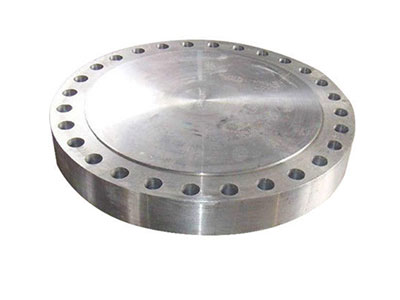
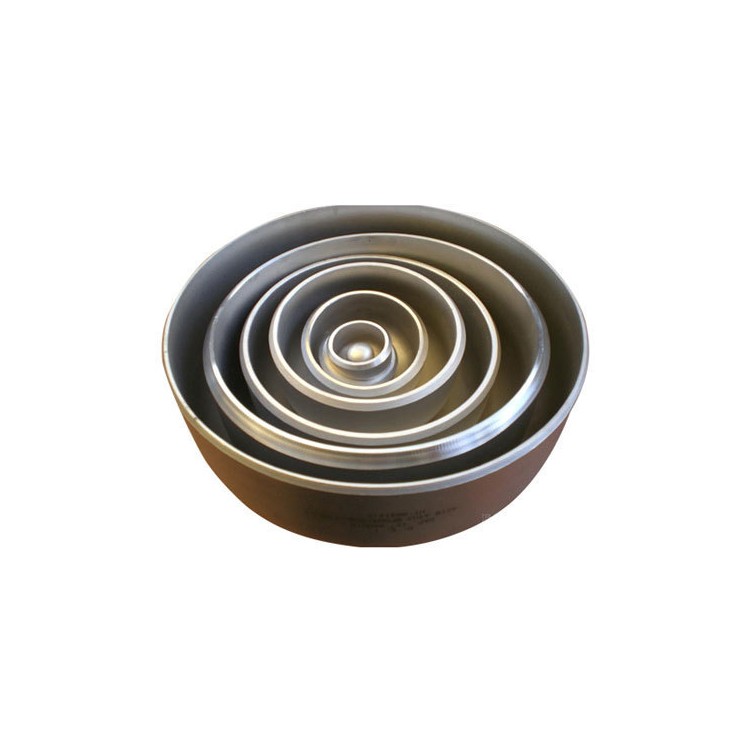
The pipe flange cover in the middle is unperforated, serving as a sealing function for the pipeline. The difference between the flange cover and the end cap is that the blanking plate is a removable seal, whereas the end cap is a non-removable seal that is directly welded onto the pipeline.
The difference between a flange cover and a flat welding flange is that the flange cover lacks a hole in the center, serving as a pipe sealing function, similar to a cap end. However, the flange cover can withstand higher pressure than the cap end and is also removable. The sealing surfaces are also diverse, ensuring complete sealing.
Pipe Flange Cover Features
1. Easy to disassemble for pipeline inspection.
2. It is quite convenient during pipeline system water flushing.
3. Pipeline expansion and renovation; minor modifications and repairs are more convenient.
The flange cover can withstand higher pressure ratings than the blank end. The blank end is not removable as it is for welding, whereas the flange cover is removable and features a variety of sealing surfaces.
Blind plates serve the purpose of isolation and cutoff, similar to that of caps, pipe caps, and welding plugs; due to their excellent sealing properties, they are generally regarded as reliable isolation methods for systems requiring complete isolation.
Model and Specifications
1/2“~24"
Pressure Grade
150LB、300LB、600LB、900LB、1500LB、2500LB ;
Sealing Type
Roughened (RF), Full Flat (FF), Milled Flat and Milled Ridge (MFM), Milled Flat (FM), Milled Ridge (M), Tongue and Groove (TG)
Common Materials
Carbon Steel Flanges: ASTM A105, 20#, Q235, 16Mn, ASTM A350 LF1, LF2 CL1/CL2, LF3 CL1/CL2, ASTM A694 F42, F46, F48, F50, F52, F56, F60, F65, F70
Stainless Steel Flanges: ASTM A182 F304, 304L, F316, 316L, 1Cr18Ni9Ti, 0Cr18Ni9Ti, 321, 18-8
Alloy Steel Flanges: ASTM A182 F1, F5a, F9, F11, F12, F22, F91, A182F12, A182F11, 16MnR, Cr5Mo, 12Cr1MoV, 15CrMo, 12Cr2Mo1, A335P22, St45.8/Ⅲ
Compliance Standards
Steel pipe flange cover: GB/T 9123-2010
Marine Blind Flange: GB/T4450-1995
Chemical Industry Standard: HG20592-2009, HG20615-2009, HG20601-97
Mechanical Department Standard: JB/T86.1-94, JB/T86.2-94
Electricity Industry Standard: D-GD86-0513
Connection Type
Add flange gaskets and bolt the flanges together to achieve the sealing function for the pipeline.
Production Process
Generally, there are four types: forging, casting, medium plate cutting, and casting. Among them, forging products are priced higher, followed by medium plate, and casting is lower. Casting is the least advanced technique. As for quality, forging and medium plate are superior, while casting is slightly inferior.
Procurement Recommendations
1: Recommend purchasing from a reputable flange blind plate manufacturer, which should have a certain production scale.
2: manufacturers of flanges are required to provide material inspection reports and other relevant documents for blind flange covers.
3: Blind flange covers must have corresponding specification model embossments and markings.