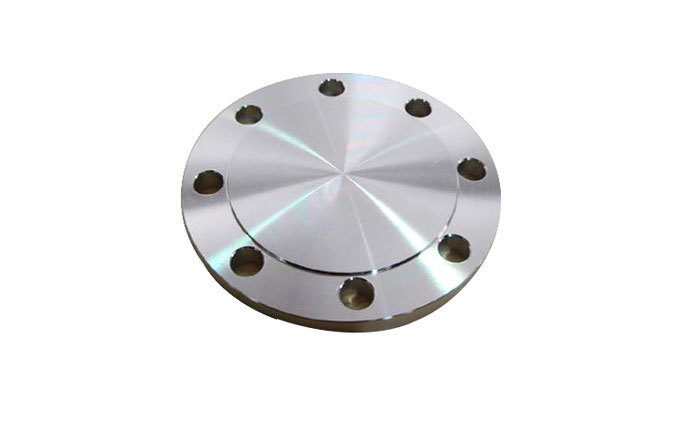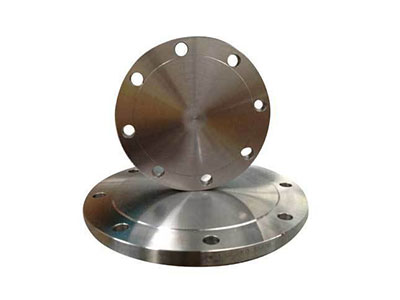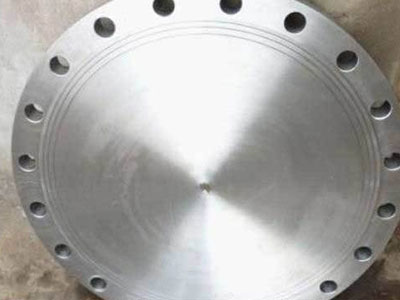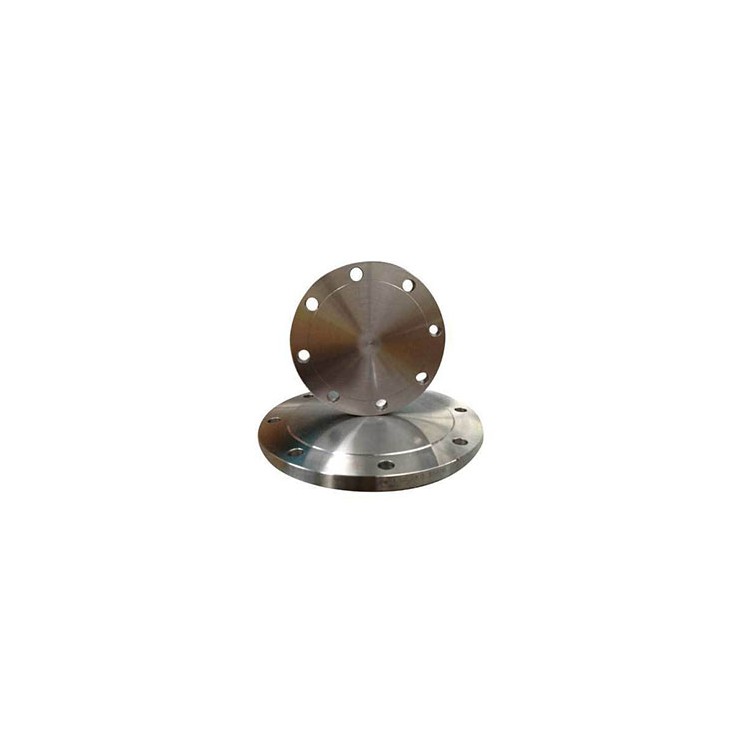
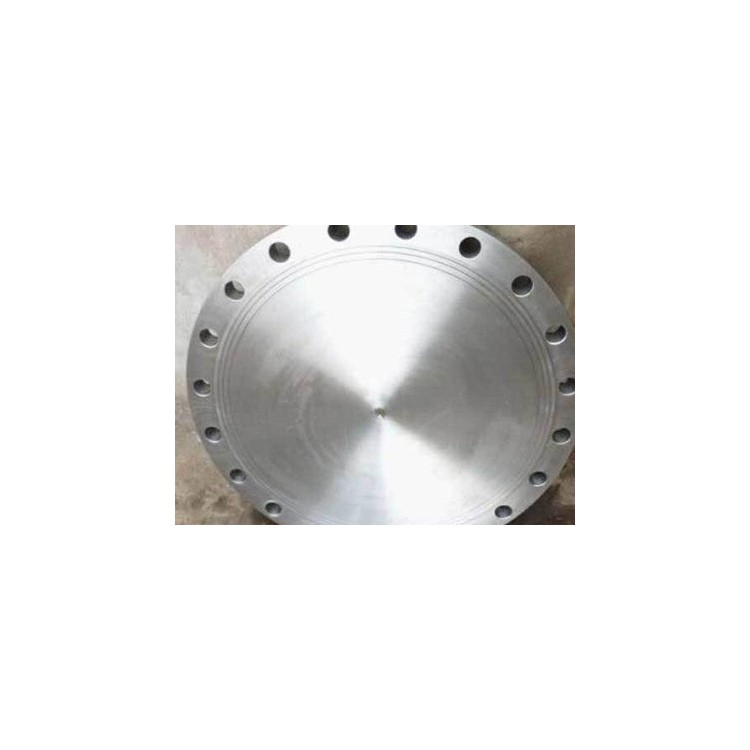







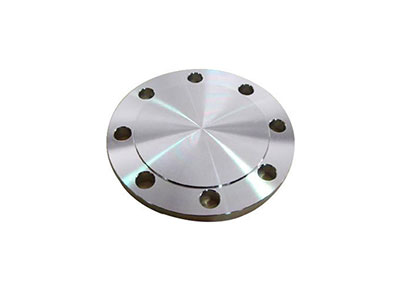
Introduction to Stainless Steel Flange Blank Plate
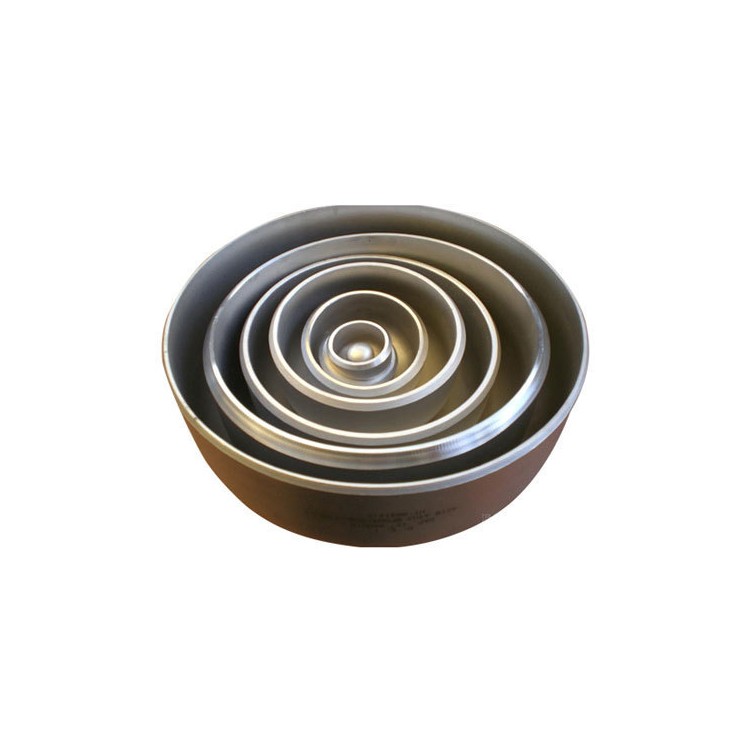
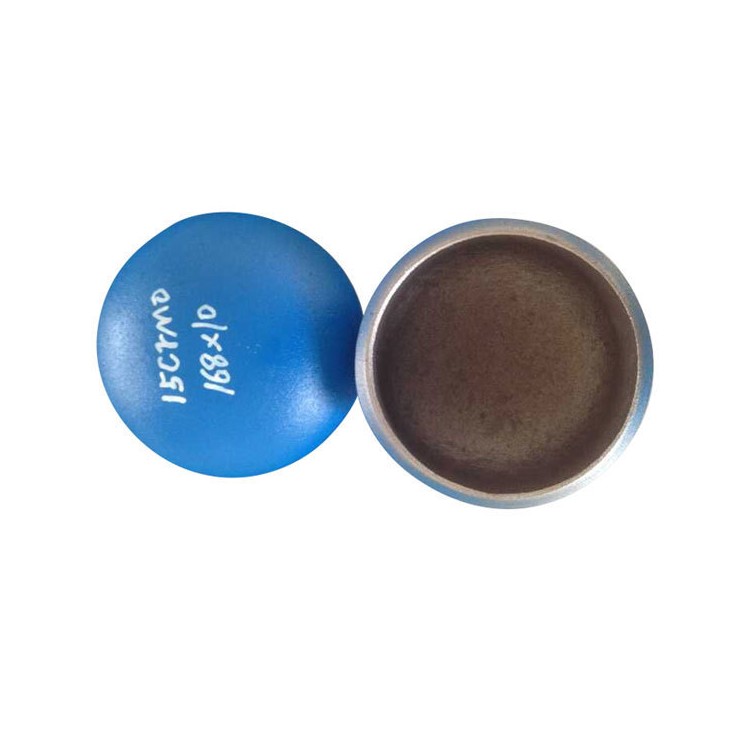
Stainless steel flange cover blank is categorized by the stainless steel material, also known as blank plate or flange cover and blank, represented by the letter BL in English.
Common materials for stainless steel flange caps or blank flanges are 304, 316, or 321, each with different chemical compositions.
Stainless Steel 316 Flanged Blind Plate, with the addition of Mo element, significantly improves its corrosion resistance and high-temperature strength. It can withstand temperatures up to 1200-1300 degrees Celsius and is suitable for use under harsh conditions.
Stainless steel 304 flanged blind plates are widely used and a popular material choice, with a density of 7.93 g/cm3, also known as 18/8 stainless steel in the industry. ***At high temperatures of 800 degrees, they exhibit good machinability and high toughness, making them extensively used in industrial, furniture decoration, and food industries.
Features of Stainless Steel Flange Blind Plate
1: Excellent corrosive, thermal properties, low-temperature strength, and mechanical characteristics; good for hot working processes like stamping and bending, without hardening after heat treatment (operational temperature range: -196℃ to 800℃).
2: In the atmosphere, *corrosion occurs. If it is in an industrial atmosphere or a heavily polluted area, timely cleaning is required to avoid corrosion.
3: Suitable for food processing, storage, and transportation. Features good processing properties and weldability.
4: Particularly, the 316 material exhibits superior corrosion resistance and withstands high temperatures of 1200-1300 degrees, which is better than 304 material.
Specification Model
DN15-DN600
Pressure Rating
PN2.5;PN6;PN10;PN16;PN25;PN40;PN63;PN100;PN160;
Sealing Type
Rounded Face (RF), Flat Face (FF), Milled Face (MFM), Concave Face (FM), Raised Face (M), Tongue and Groove (TG)
Stainless Steel Flange Cap Material
ASTM A182 F304、304L、 F316、316L、1Cr18Ni9Ti、0Cr18Ni9Ti、321、18-8;
Common stainless steel materials used include 304, 304L, 316, 316L, etc.
Compliance Standards
Steel Pipe Flange Cover: GB/T 9123-2010
Marine Blind Flange: GB/T4450-1995
Chemical Industry Standard: HG20592-2009, HG20615-2009, HG20601-97
Mechanical Department Standard: JB/T86.1-94, JB/T86.2-94
Power Industry Standard: D-GD86-0513
Connection Type
Add flange gaskets and bolt the flanges together to achieve the sealing function for the pipeline.
Production Process
Generally, there are four types: forging, cast-forging, sheet cutting, and casting. Forging products are the most expensive, followed by sheet cutting, with cast-forging being less costly. Casting is the least desirable method. In terms of quality, forging and sheet cutting are superior, with cast-forging being slightly inferior.
Advantages and Disadvantages of Stainless Steel Flange Cover Blind Plate
Advantages
Stainless steel blind flanges are superior to carbon steel blind flanges due to their material properties, offering better resistance to high temperatures, acidity and alkalinity, and corrosion.
The design allows for disassembly, and the sealing surfaces come in a variety of forms, ensuring complete sealing effectiveness.
Shortcomings
Stainless steel flange blind plate prices are relatively higher than those of flange blind plates made from other materials.
Procurement Recommendations
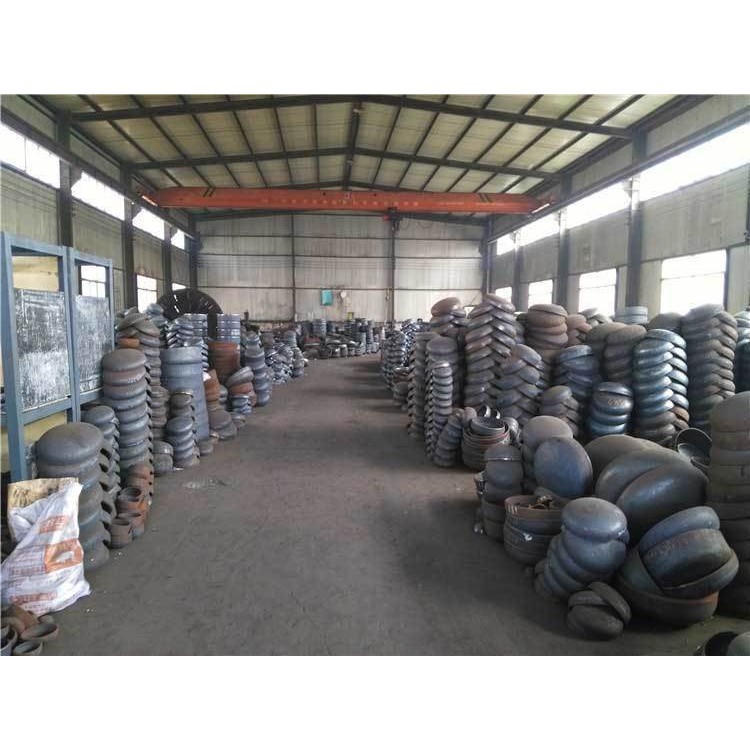
1: Recommend purchasing from a reputable flange manufacturer with a certain production scale.
2: manufacturers of flange covers and blank flanges need to provide material inspection reports and related documents.
3: The blind flange cover must have corresponding specification and model embossed and marked.