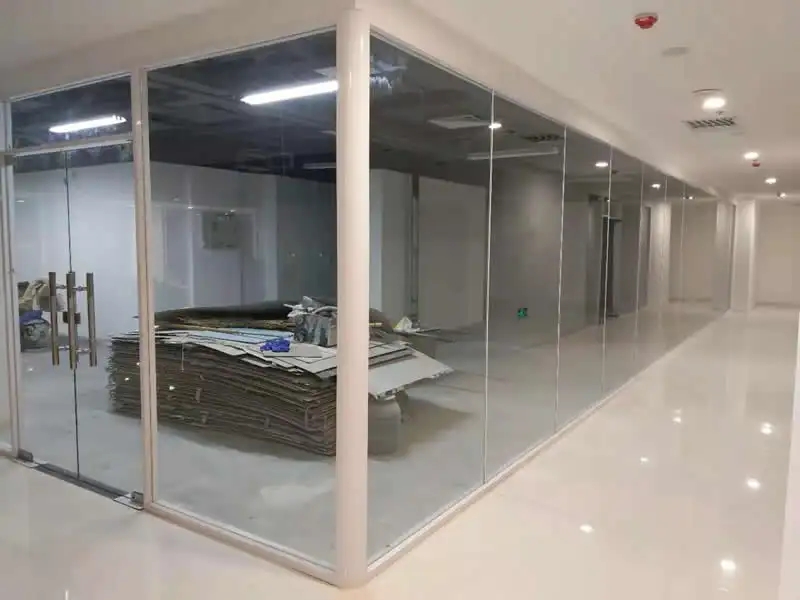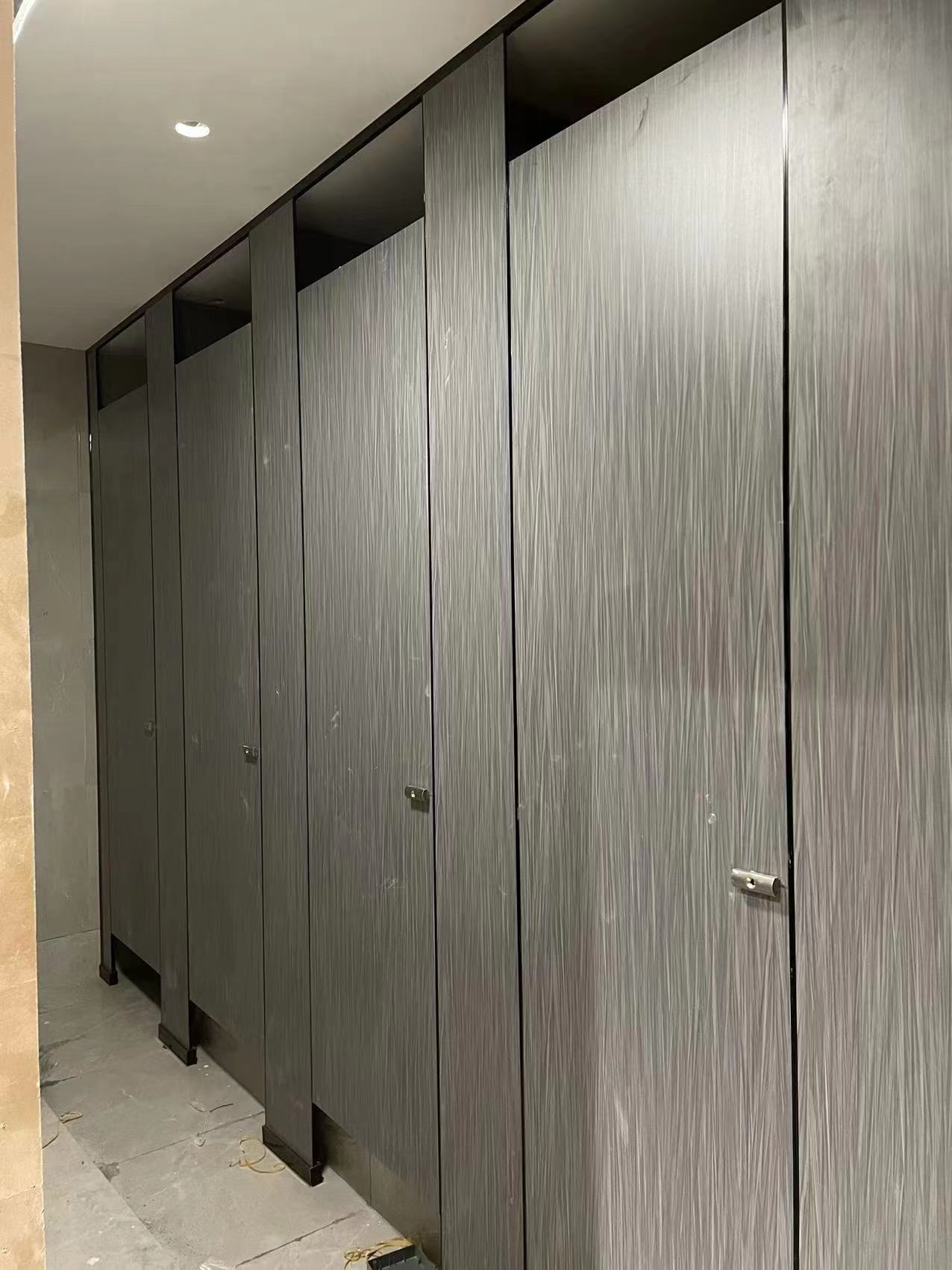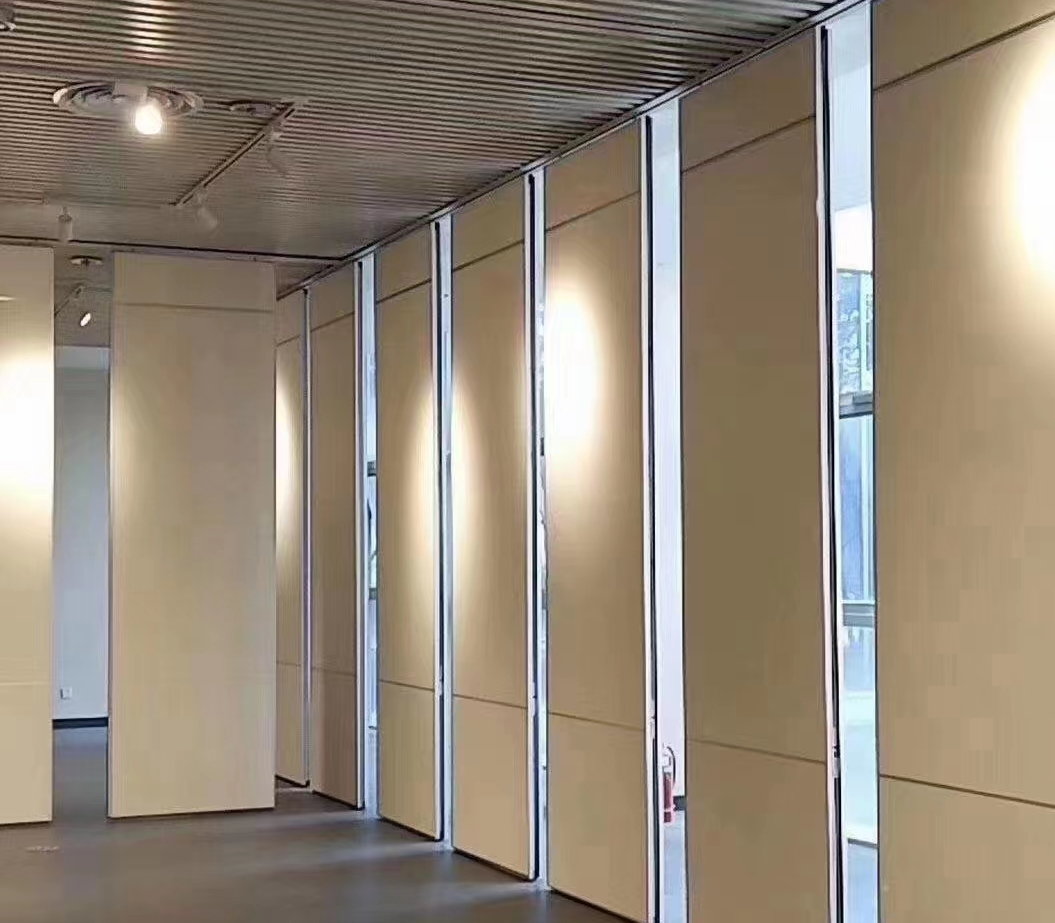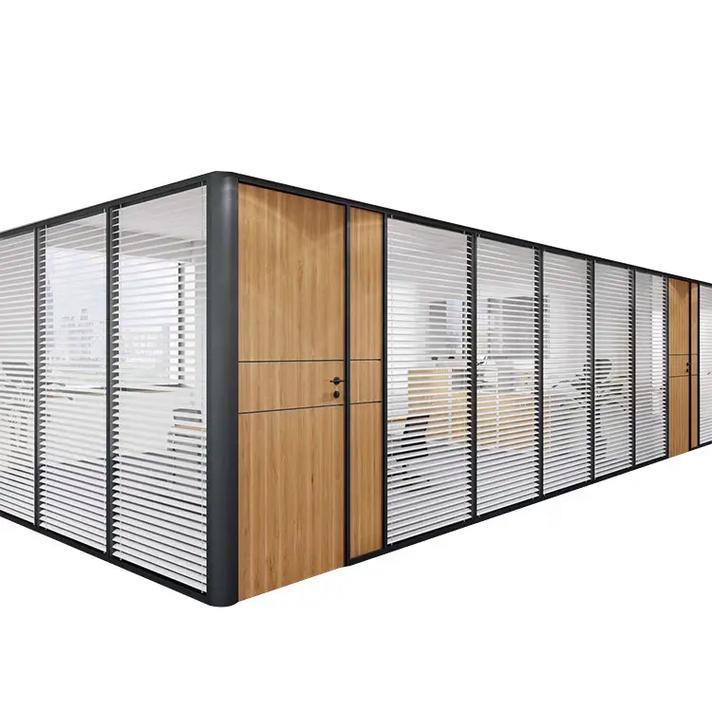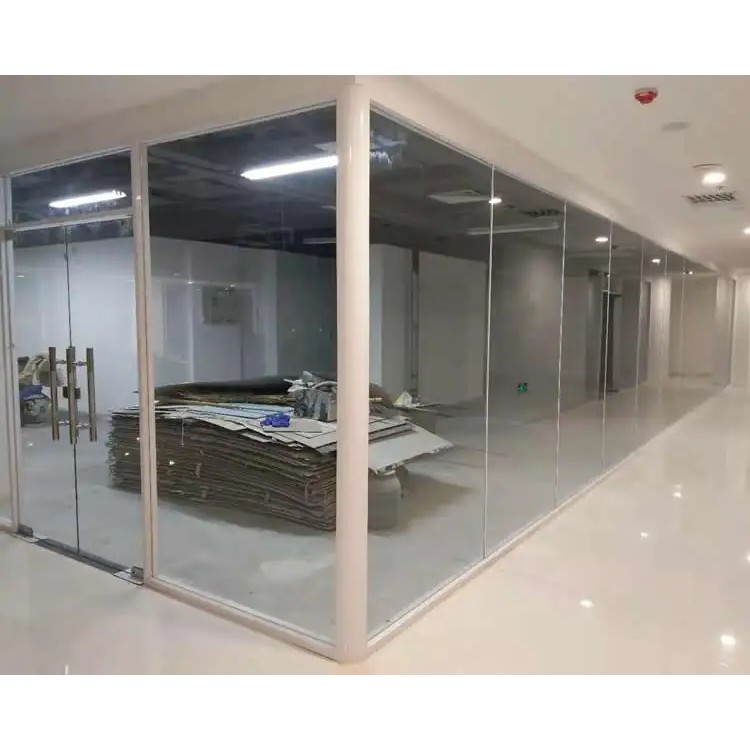

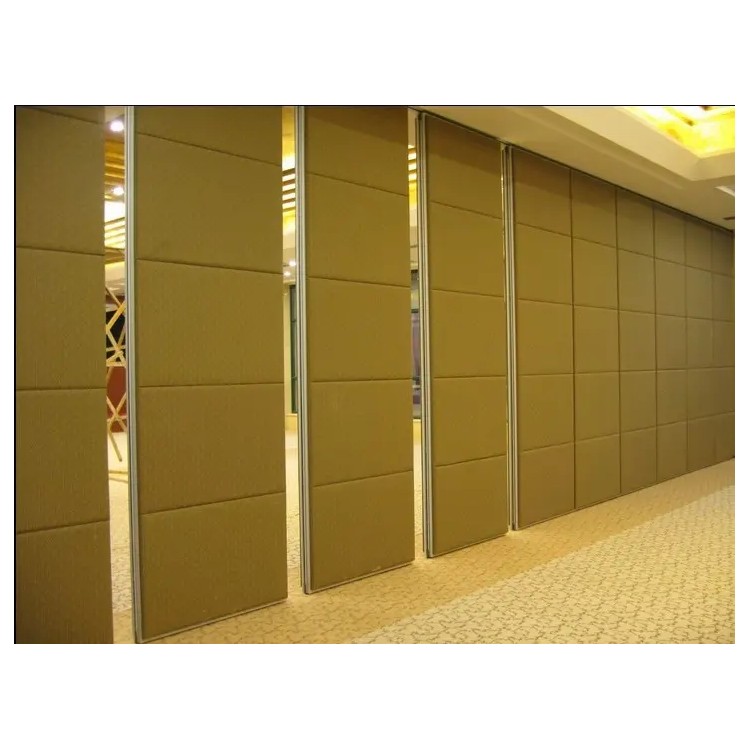
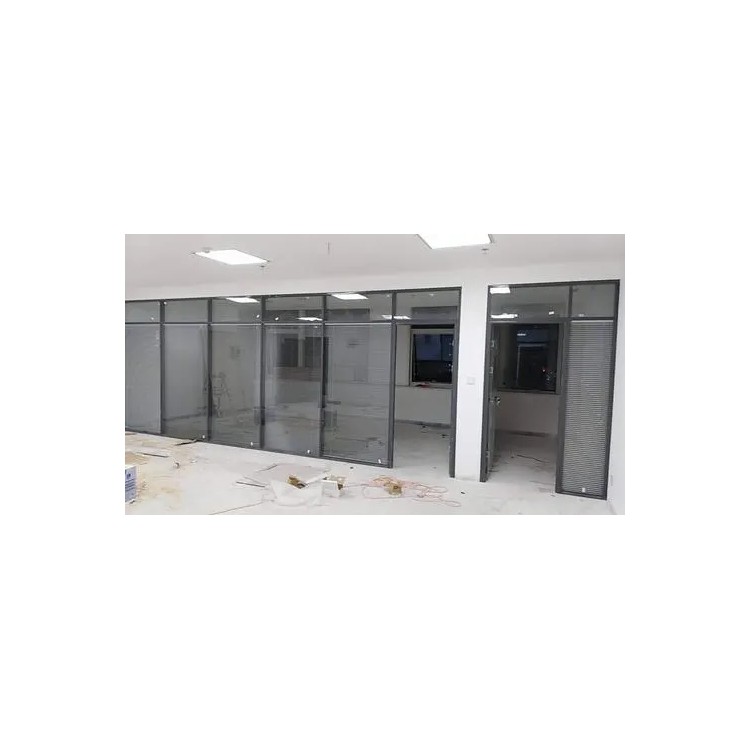


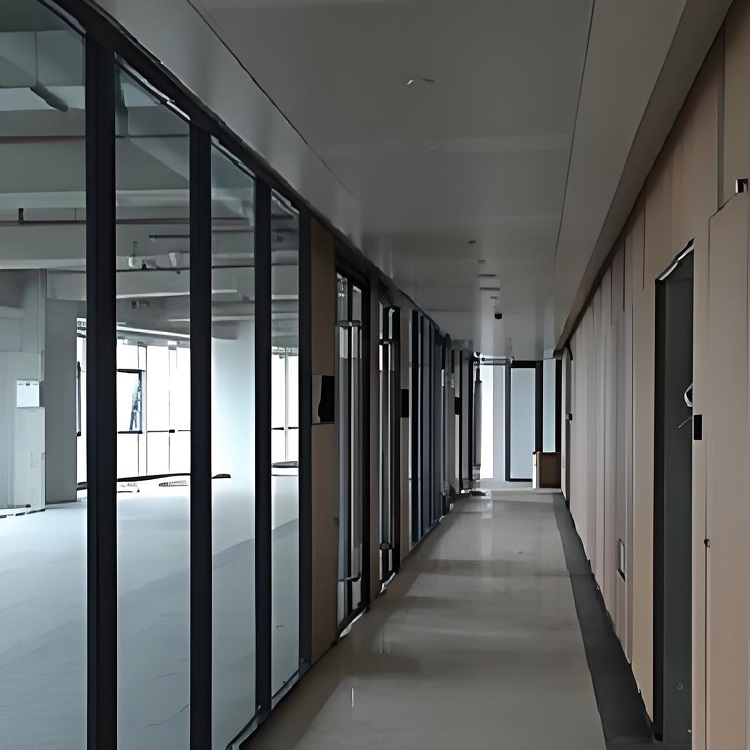
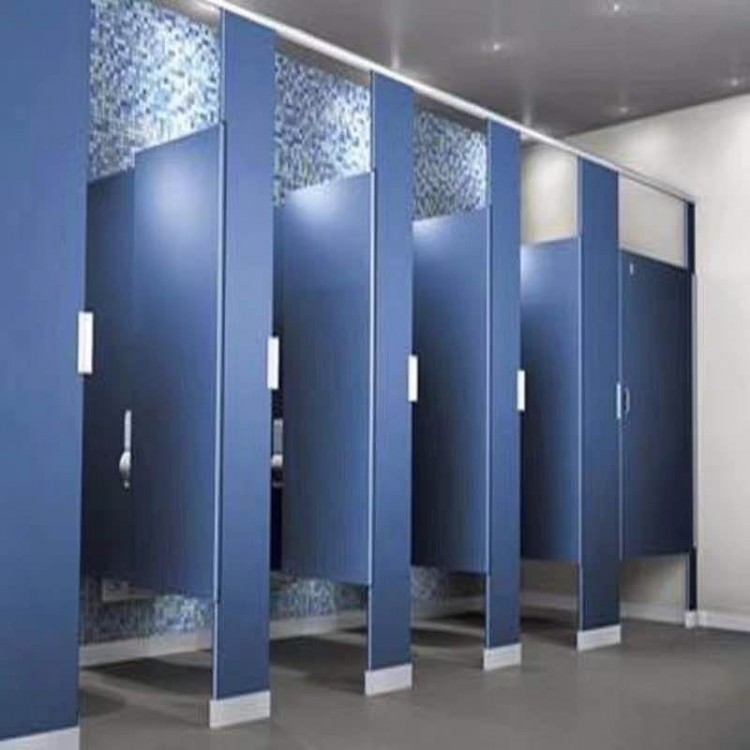






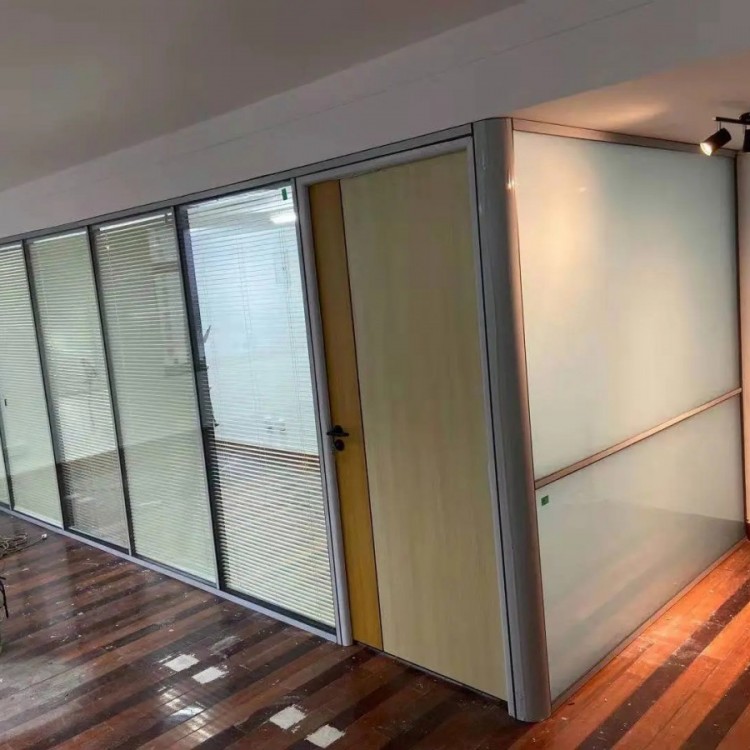
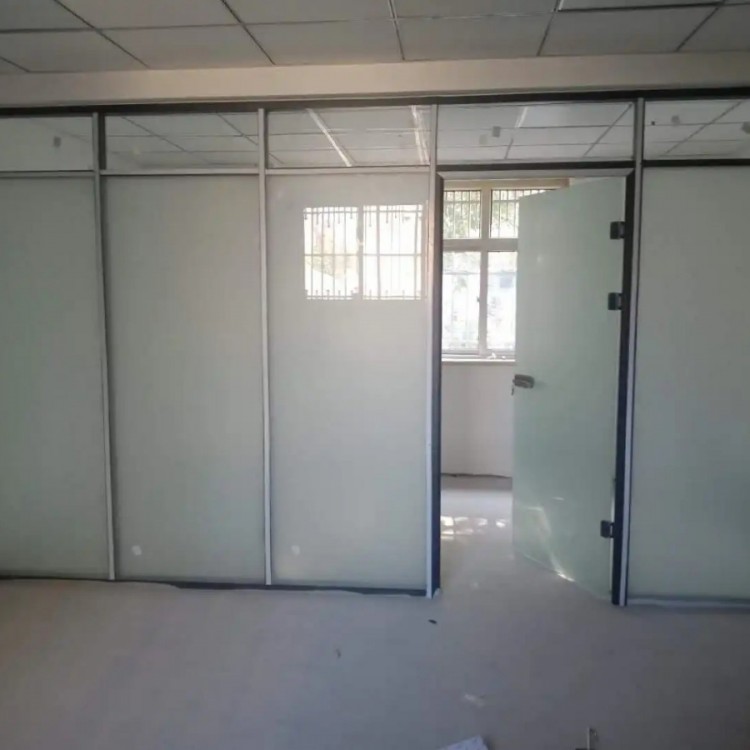
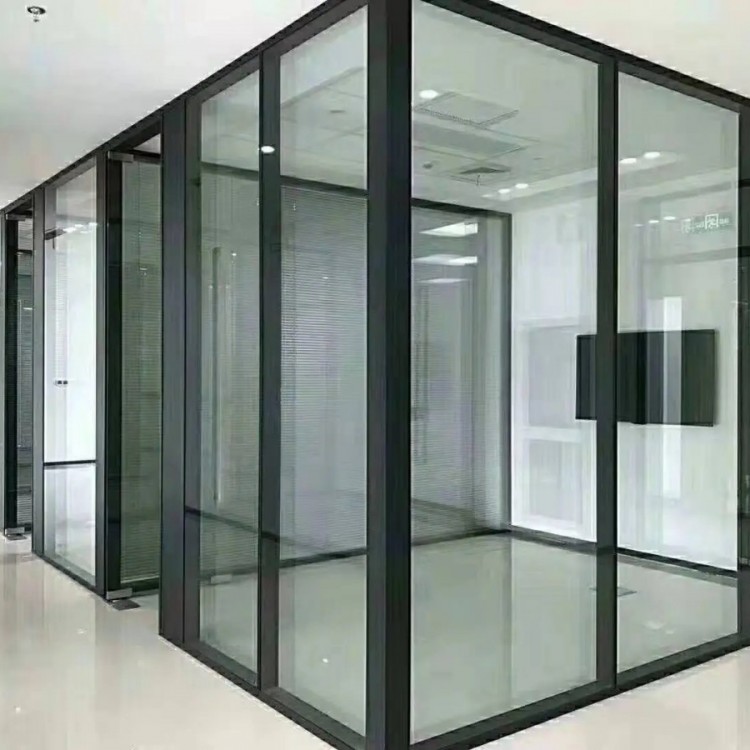

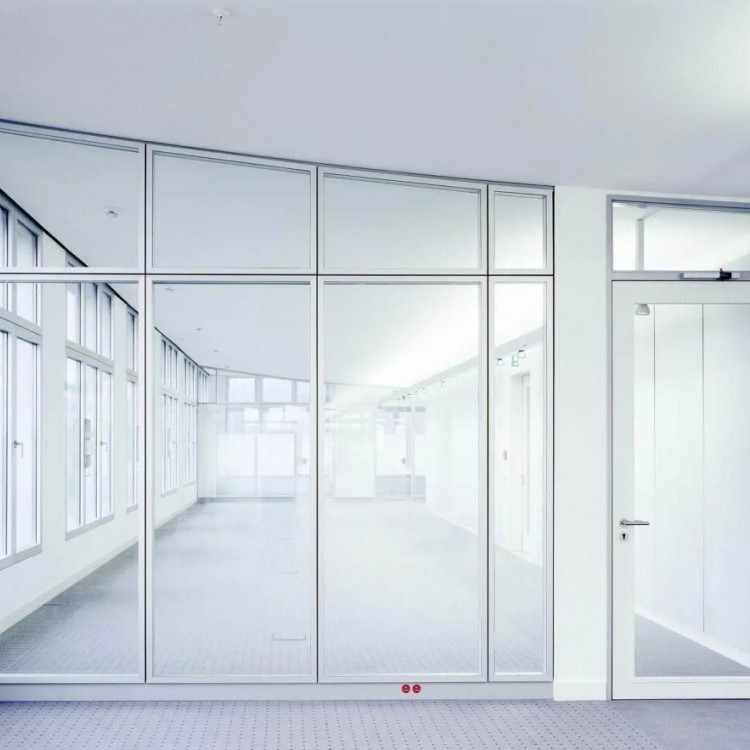
In modern offices, one popular partitioning method is glass partitions, but they can easily encounter issues during installation. One common issue is cracking. Why do these problems arise? How can they be addressed? Let's find out with the technical staff at the Shijiazhuang Glass Partition Factory.
I. Causes of Cracks in Glass Partition
1. The aerated concrete blocks are only inserted after two boards are installed. The aerated concrete blocks remove the bonding sand and stone slurry from both sides of the boards, leaving the bonding mortar between the boards incomplete, which can easily lead to cracks after plastering.
2. Uneven treatment of the masonry base leads to inconsistent thickness of the mortar layer. This variation in thickness results in uneven shrinkage during the curing process of the mortar, which can cause cracking.
3. Due to inadequate planning or incorrect construction sequence, the pipeline required excavation after plastering, leading to severe impact and vibration on the walls, resulting in irregular cracks.
Section II: Measures to Prevent Cracks in Glass Dividers
1. Properly utilize clean partition materials; strictly prohibit the use of high-intensity, acidic or alkaline corrosive solutions from damaging the glass surface.
During the installation of glass partitions, it is strictly prohibited to randomly shake or strike sharp objects against heavy objects to prevent glass from falling.
3. Keep away from flammable materials, and ensure regular cleaning of the exterior to maintain a clean and cozy atmosphere for the glass partition.