








Mine wastewater treatment process
I. Common Treatment Processes for Mine Wastewater:
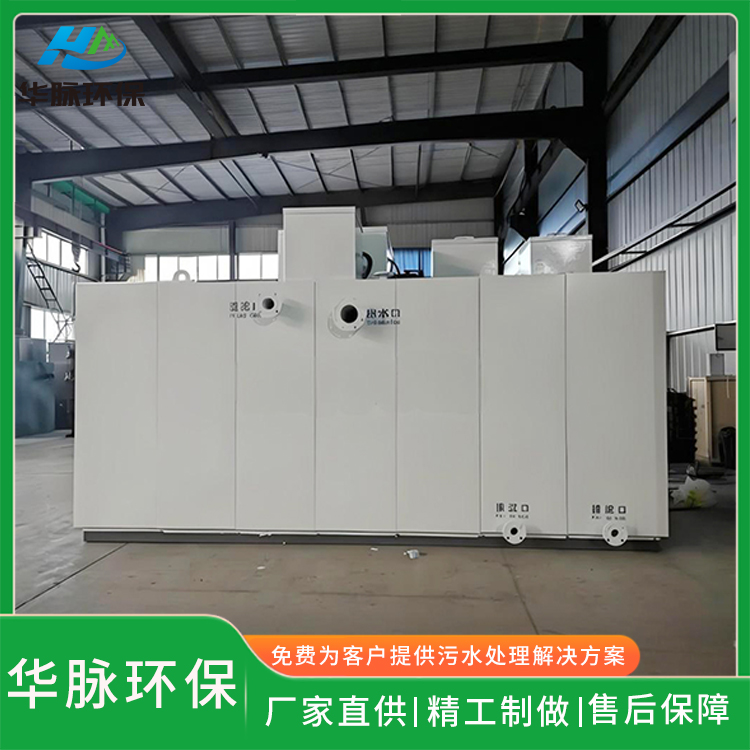
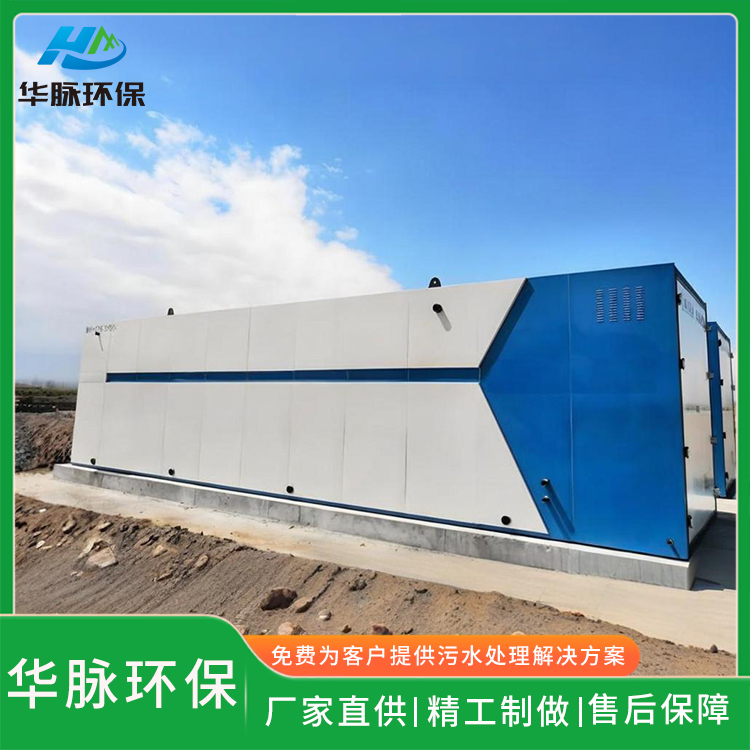
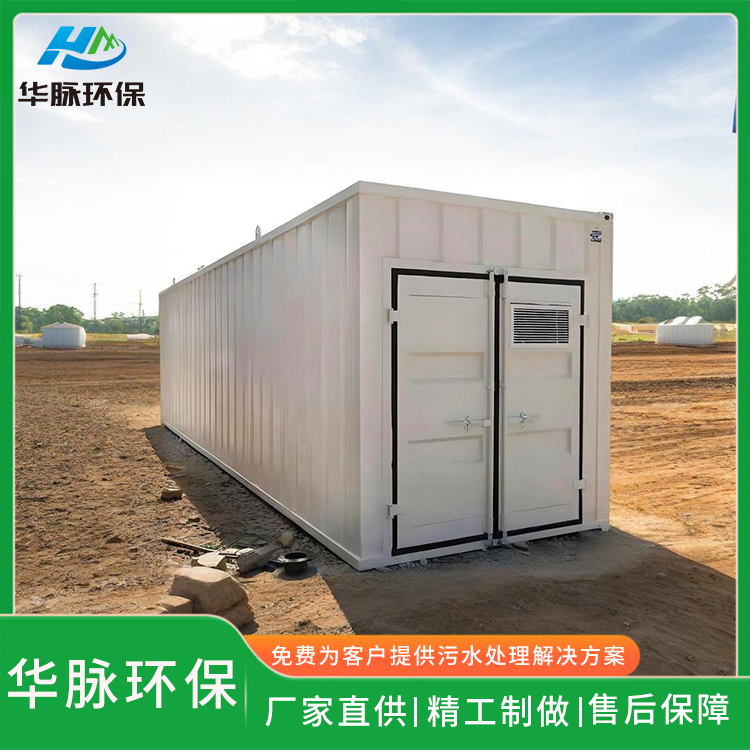
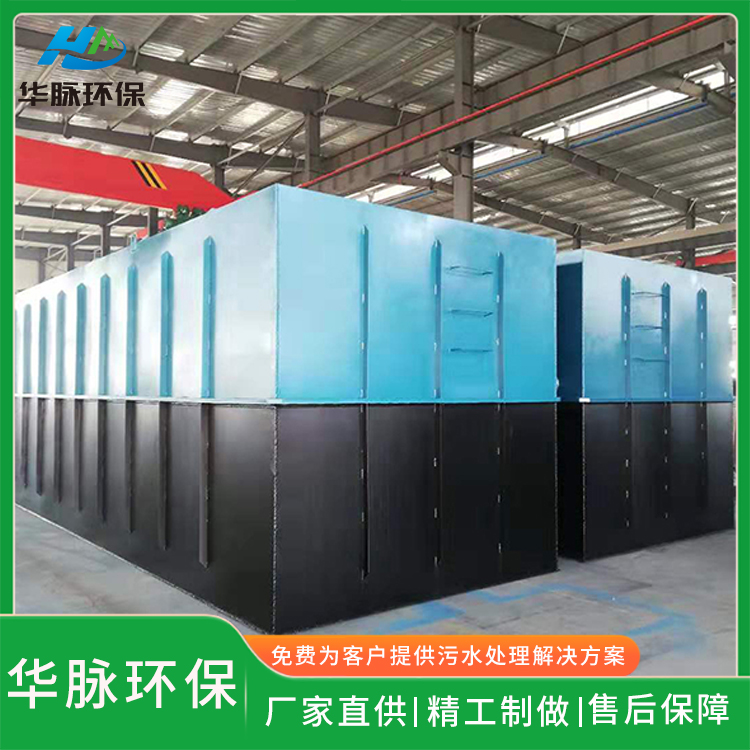
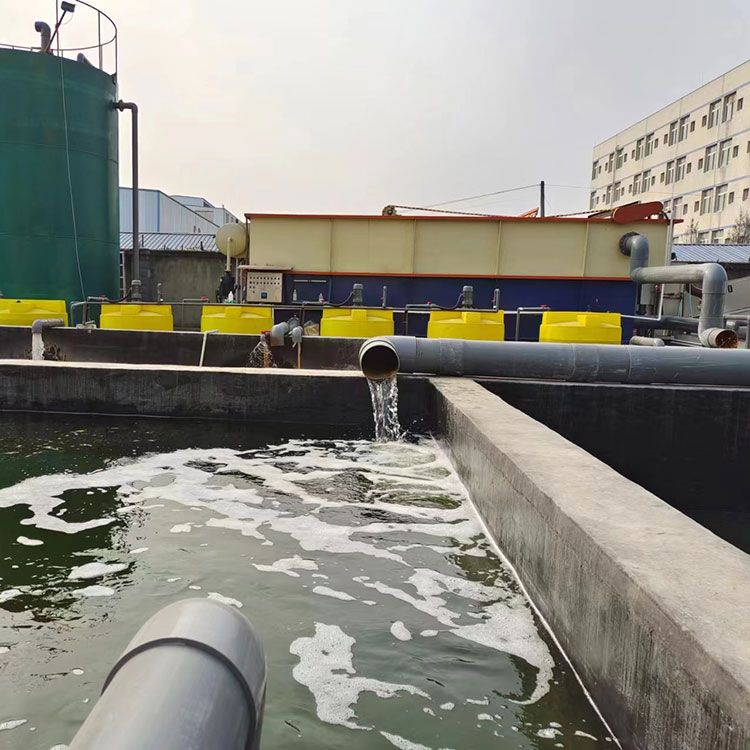
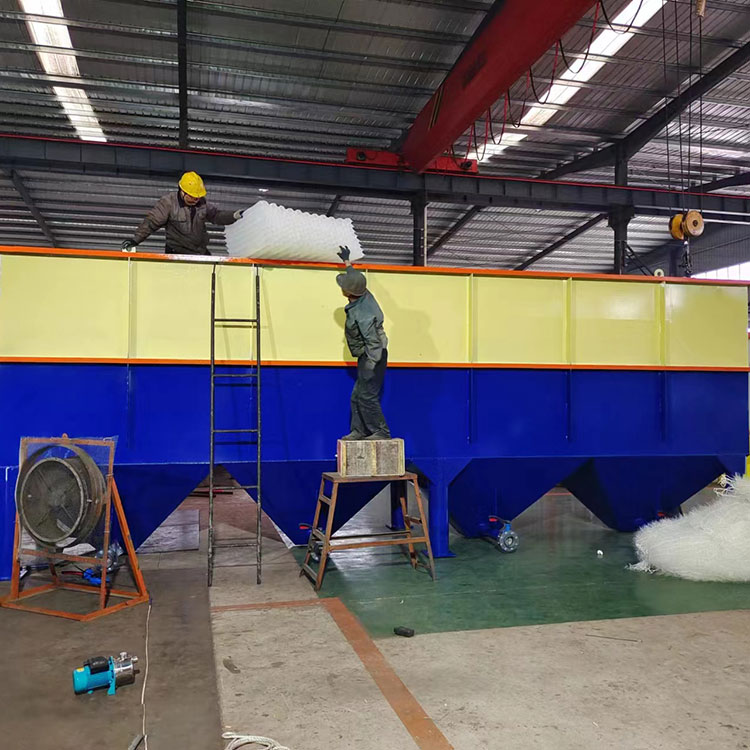
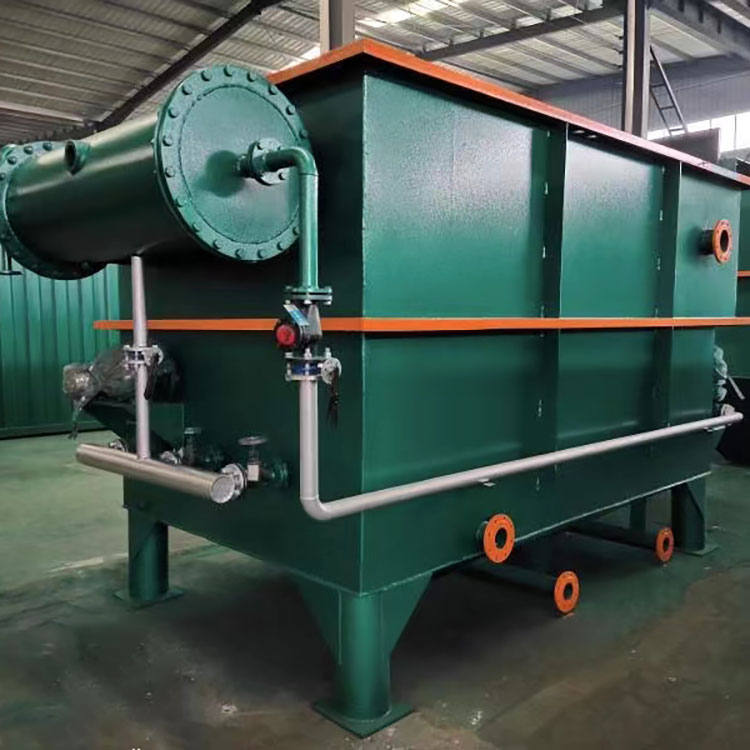
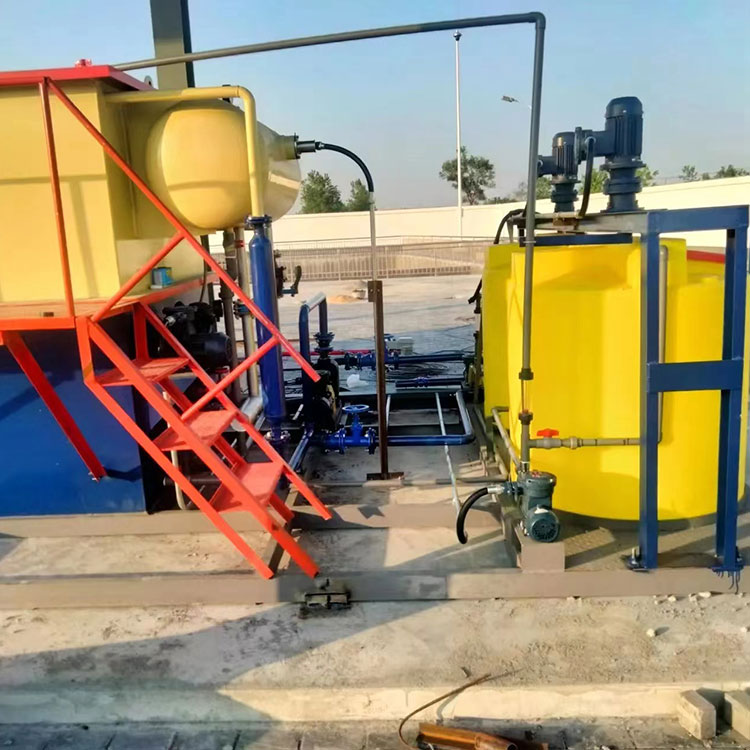
Generally, coal mine wastewater is treated using physical-chemical methods. Depending on the water quality, if the COD level is high, a biological treatment process can be added after the physical-chemical process. Commonly used processes include: regulating pool + coagulation reaction pool + sedimentation pool + filtration pool. Alternatively: regulating pool + coagulation reaction pool + primary sedimentation pool + filtration pool + biochemical treatment + secondary sedimentation + disinfection.
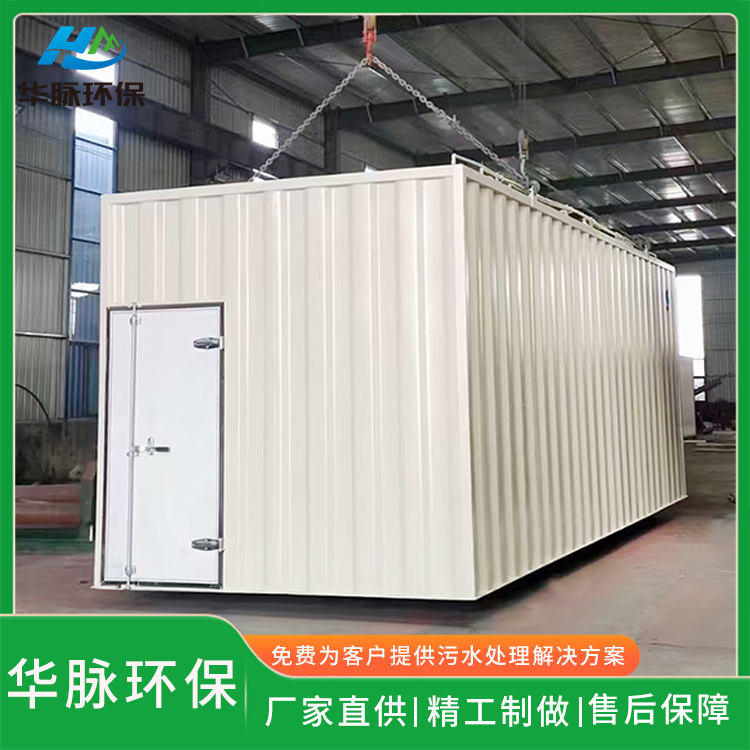
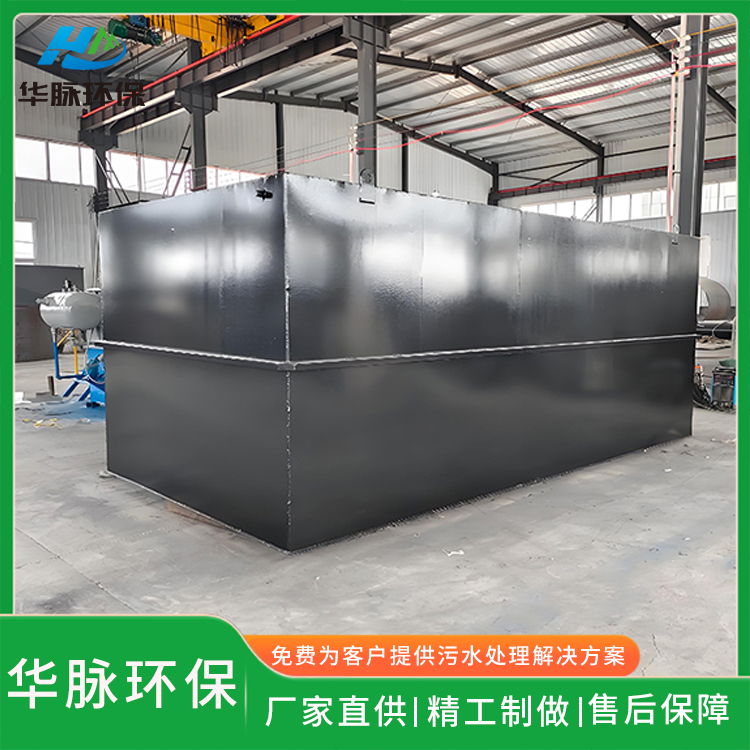
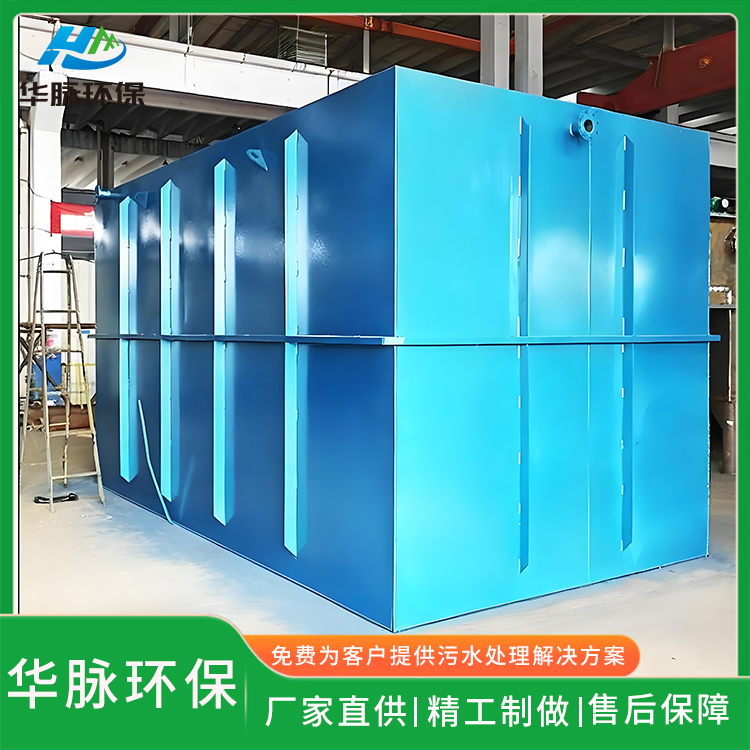
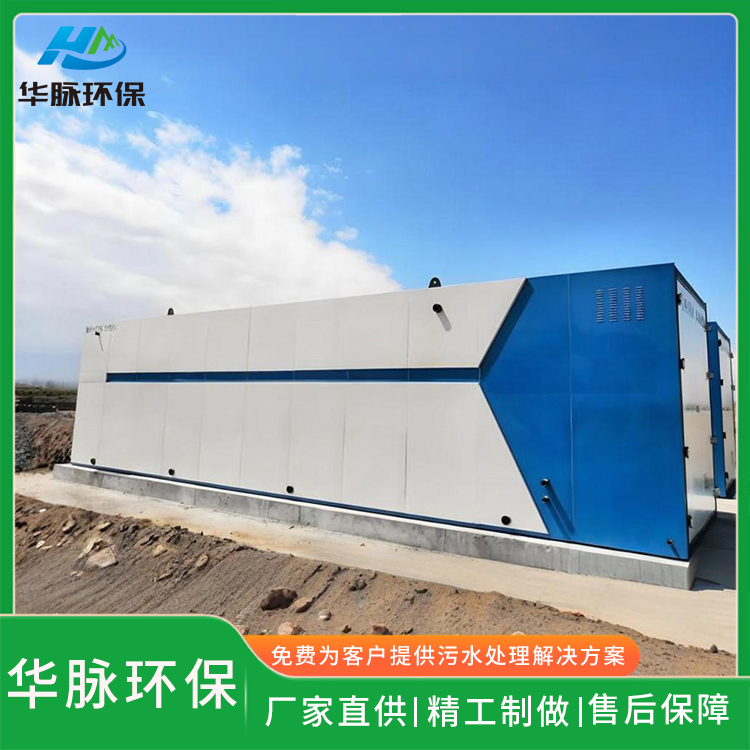
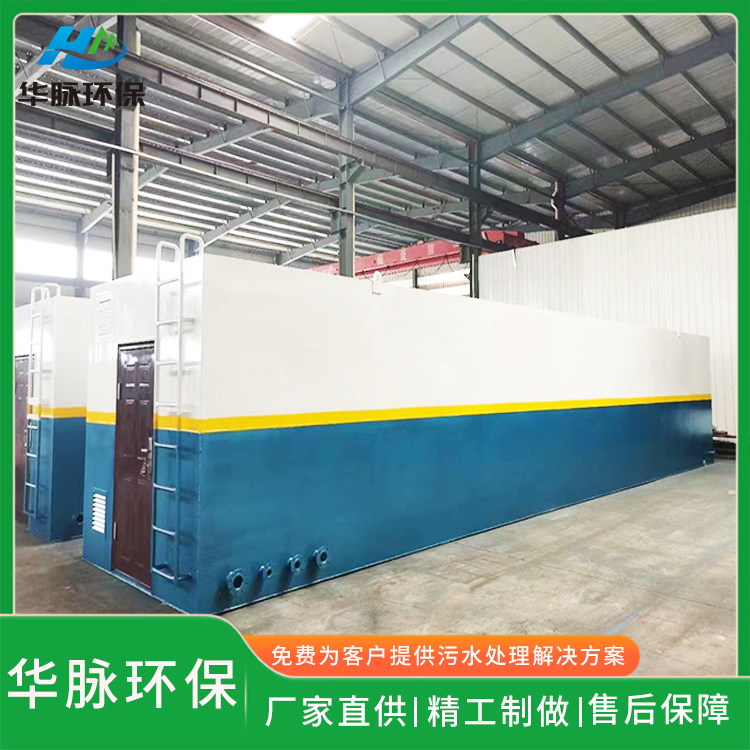
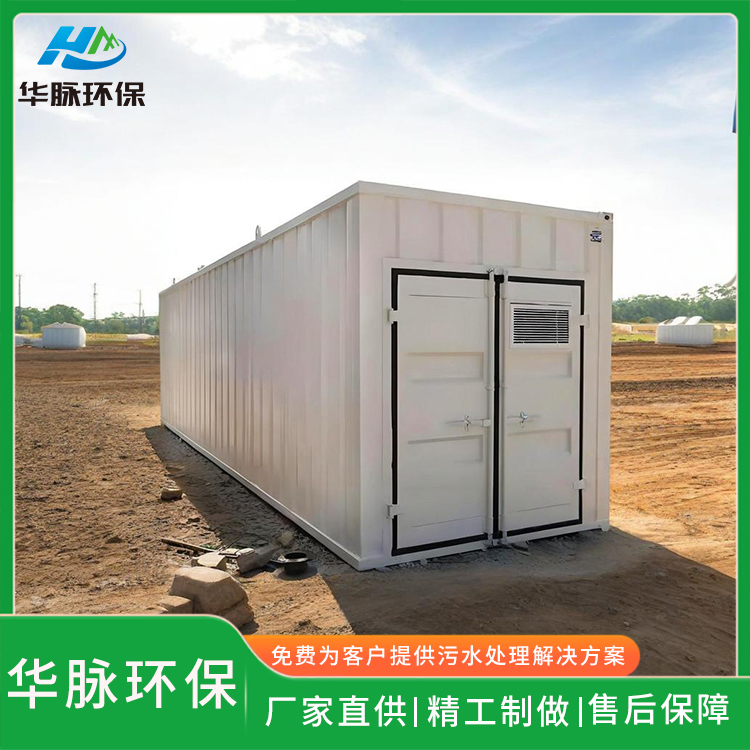
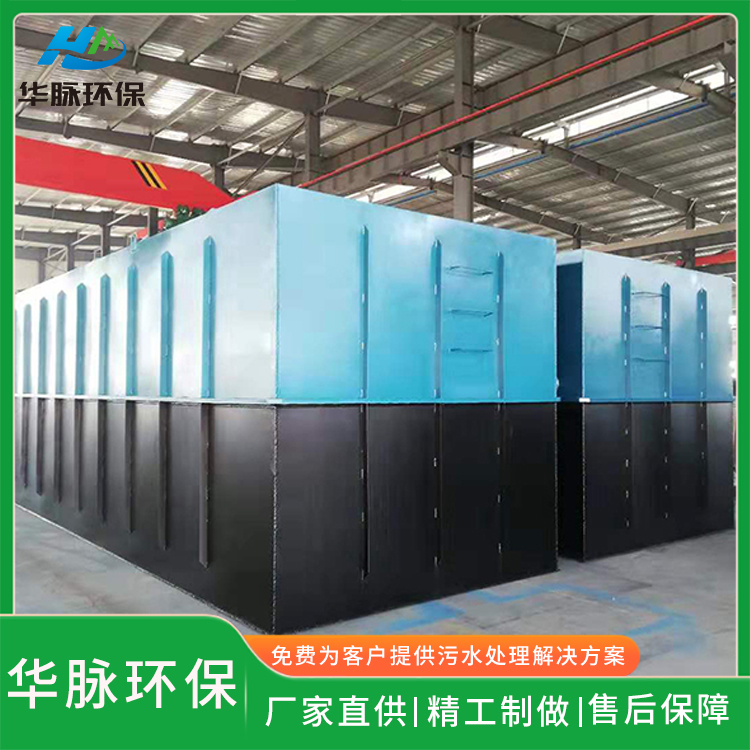
Section 2: Features of Mine Sewage Treatment Equipment:
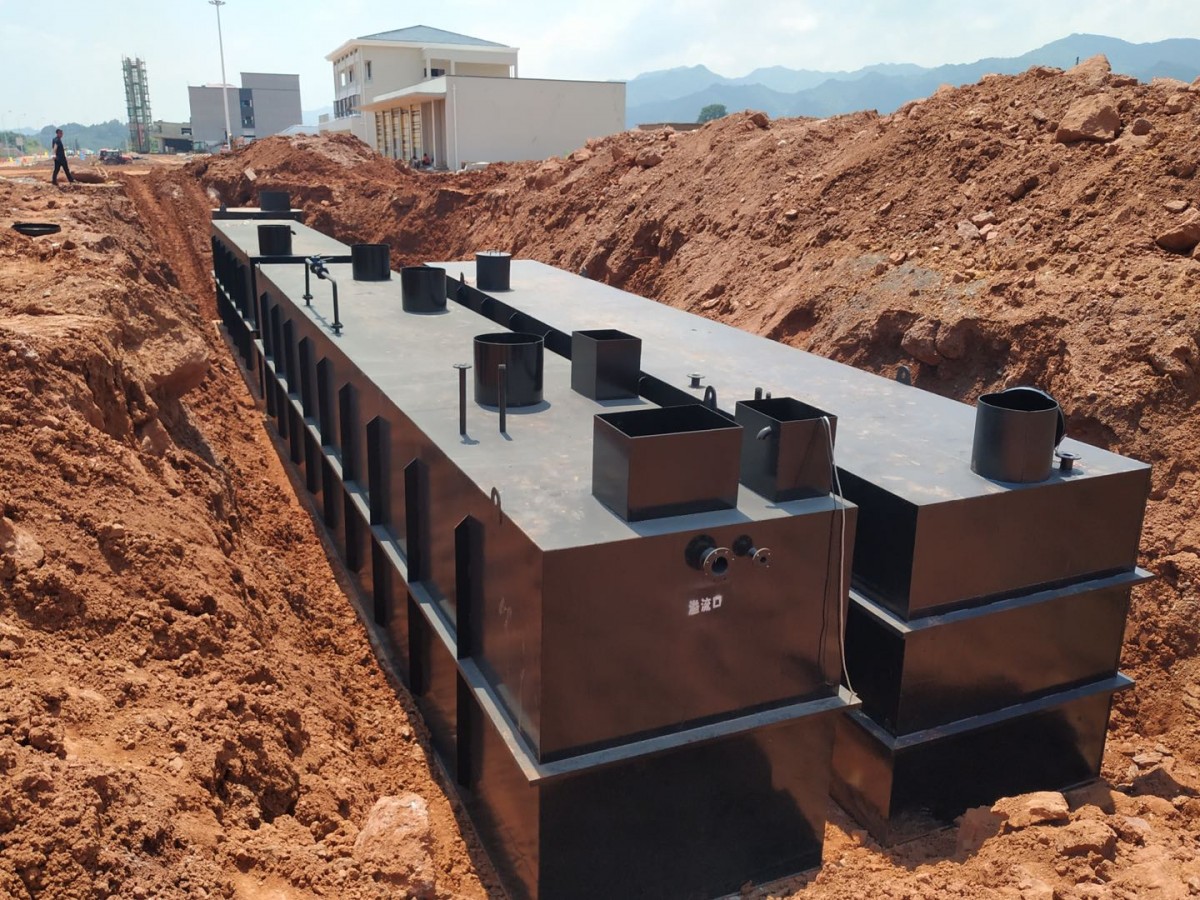
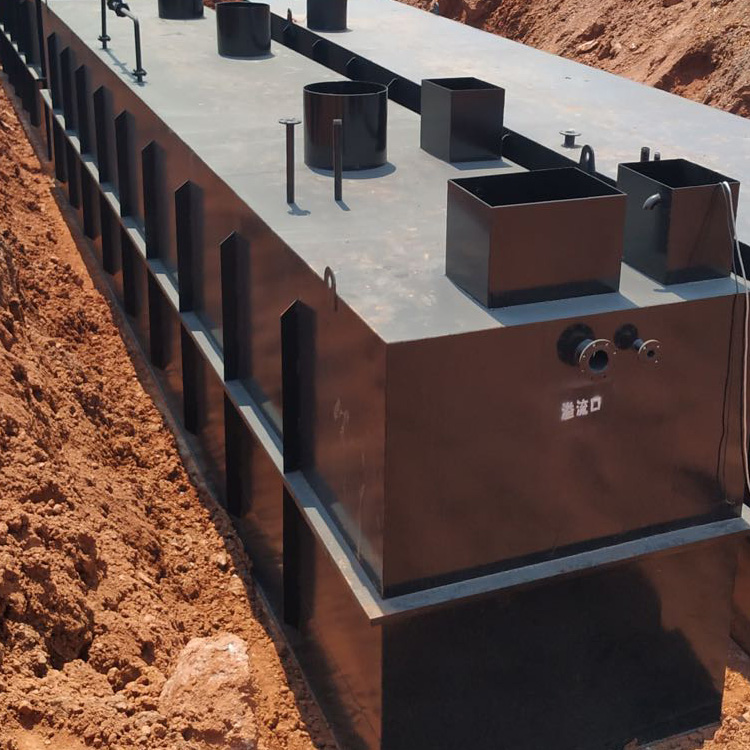
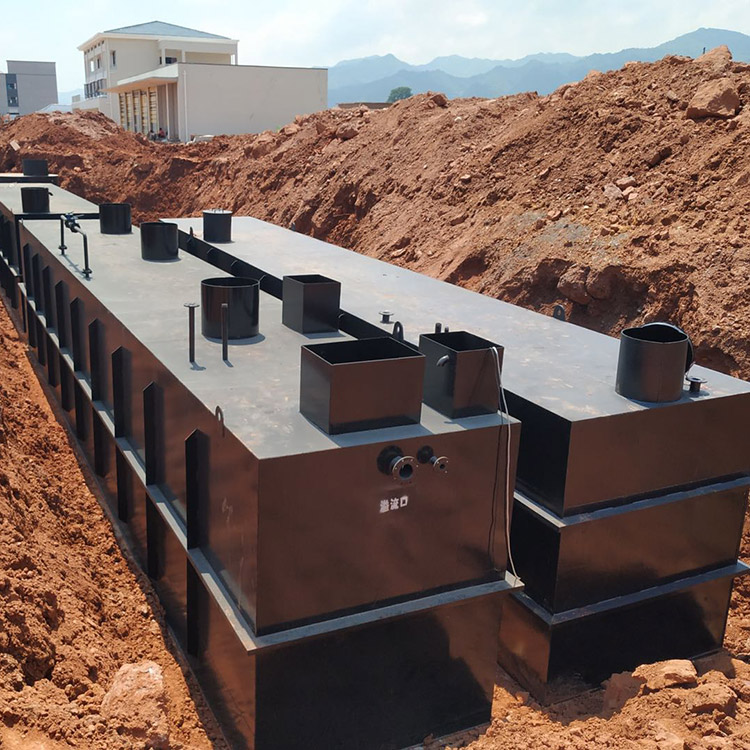
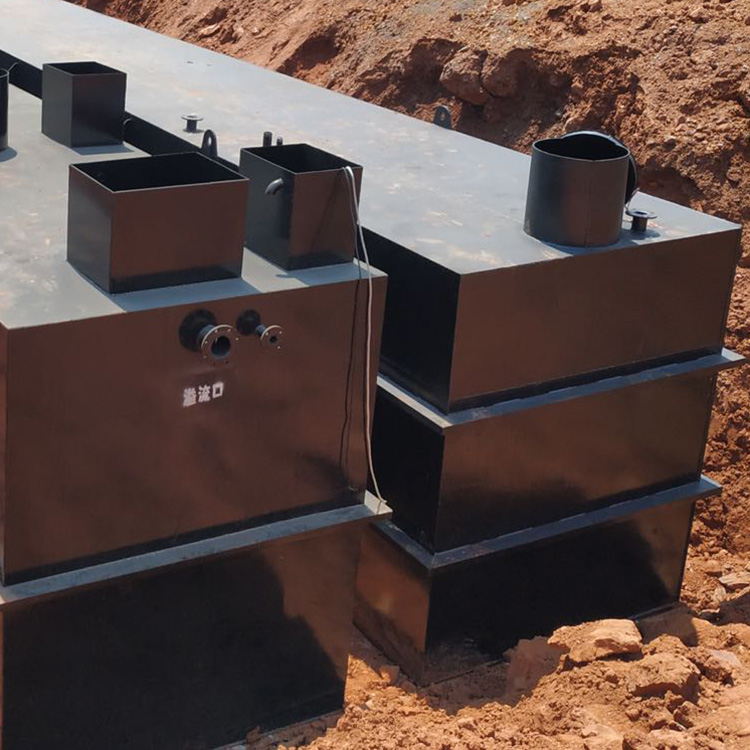
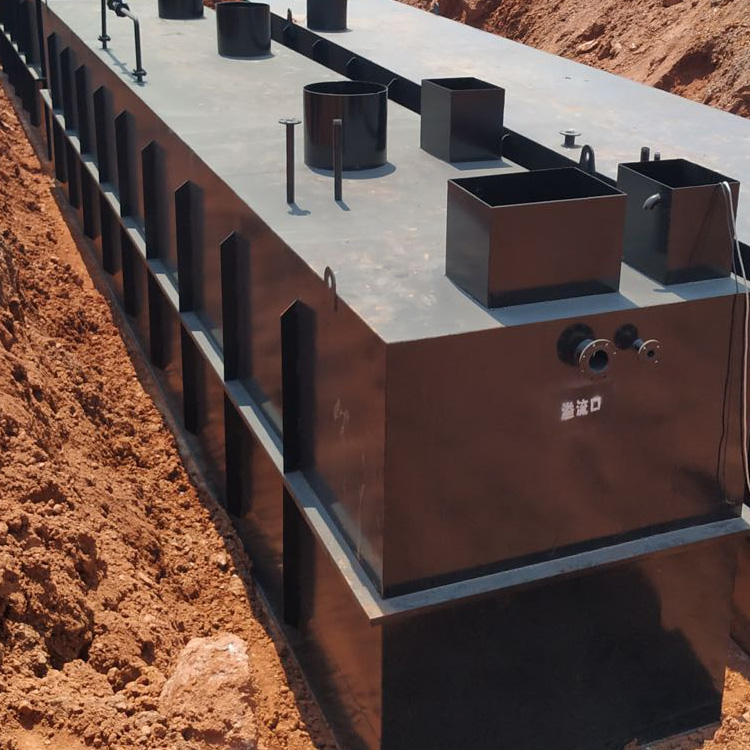
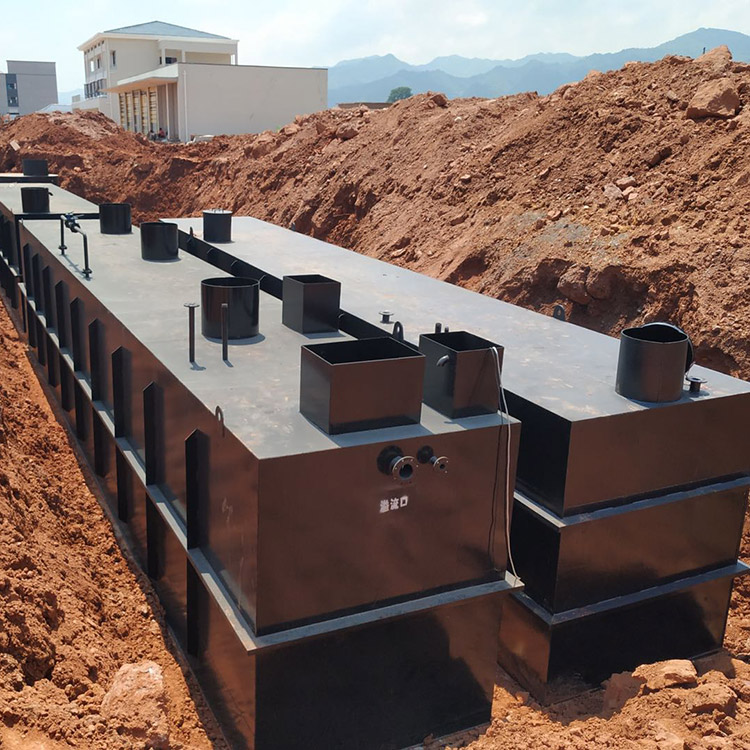
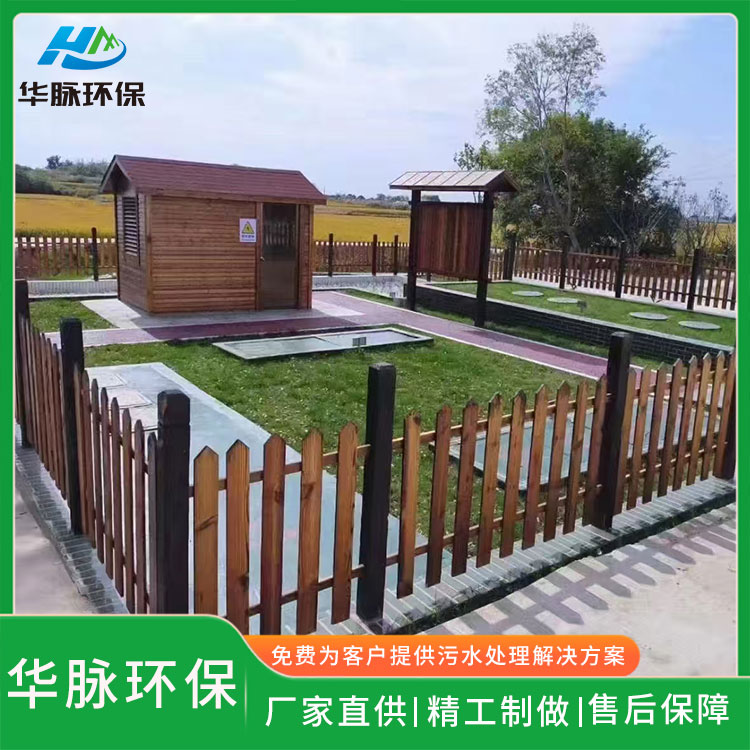
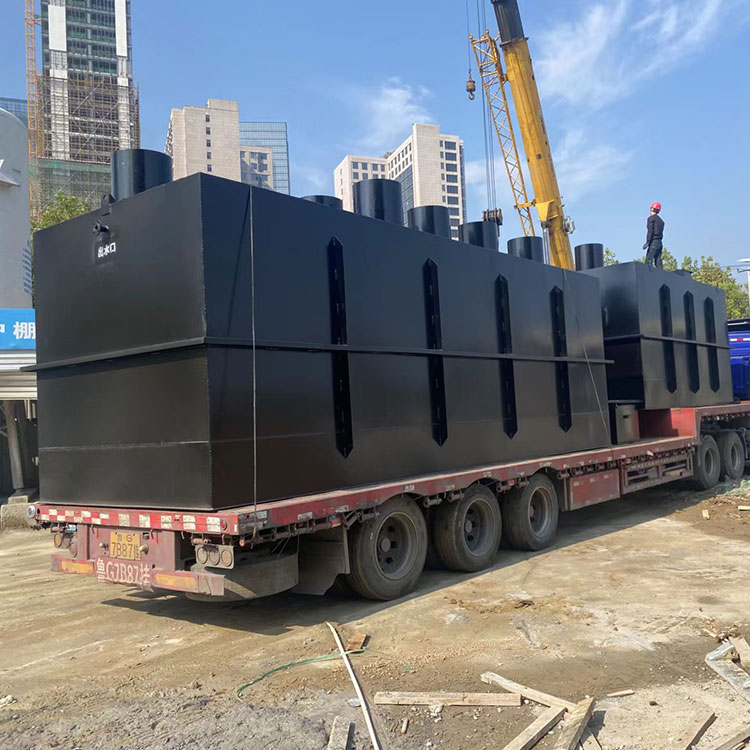
1. Suitable for burial beneath the ground surface
2. Fully automatic control, no personnel management required
3. Simple operation, easy maintenance
4. Low noise, no odor
5. Long service life
III. Water Quality Analysis of Mine Drainage
The water quality and quantity of mine wastewater vary significantly, with low pollutant concentrations, good biodegradability of the wastewater, and low treatment difficulty. There are significant differences in the quality of different wastewater, which differs明显 from that of ordinary surface water and groundwater, displaying distinct characteristics of the coal mining industry, primarily including:
1. The suspended solids content in wastewater is significantly higher than that in surface water, and it is highly unstable with poor sensory properties.
2. Suspended particles are small in size, light in specific gravity, and have slow settling speeds. The suspended particles in mine water have small diameters, averaging only 2-8 um, with over 85% of the total suspended particles having diameters below 50 um. The average density of coal powder is generally only 1.3-1.6 g/cm³, significantly lower than the average density of silt and sand particles in surface water, which is 1.9-62.6 g/cm³.
3. Contains organic pollutants. Surface water typically does not contain organic matter, but in coal mine wastewater, in addition to coal dust itself being an organic substance, the water also contains trace amounts of contaminated engine oil, emulsified oil, decomposed waste wood from pits, and feces from underground, all of which are organic substances.
4. Difficulties in forming floc during the coagulation process, with poor sedimentation effect.
5. Coal powder in the wastewater is merely suspended matter and not an oxygen-consuming organic pollutant. Mine water with varying suspended solids content exhibits significant differences in CODCR, yet CODCR is due to the reductive nature of organic carbon molecules in coal debris, thus biochemical treatment is generally required.