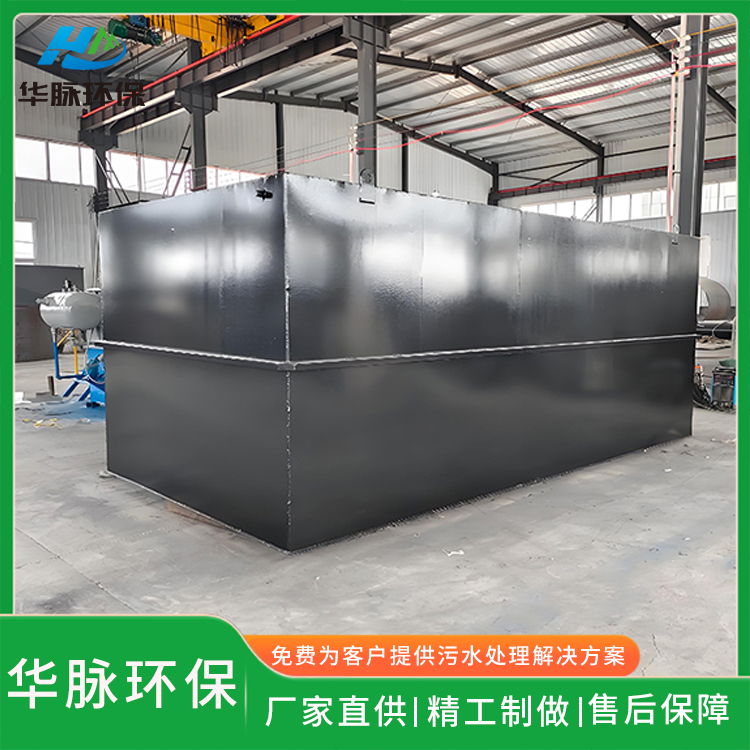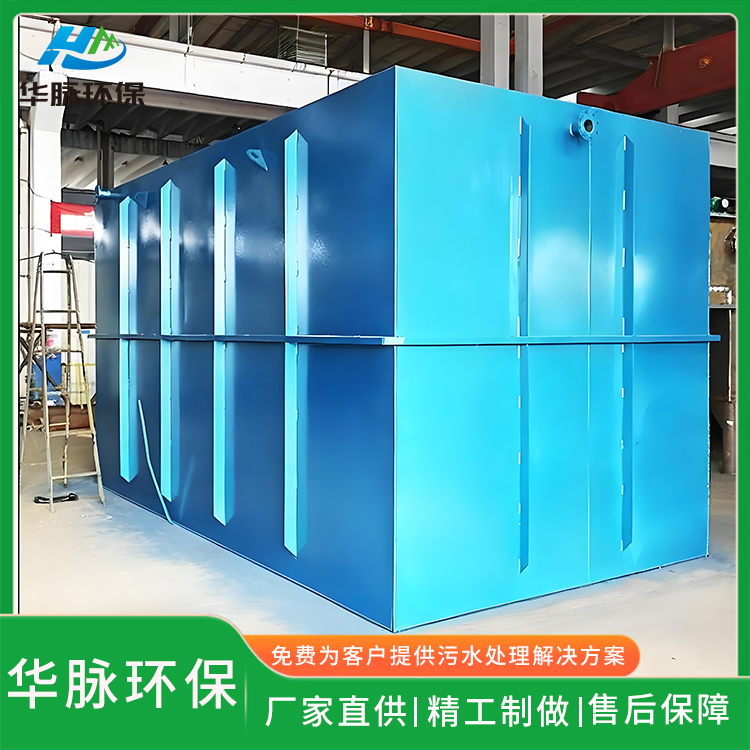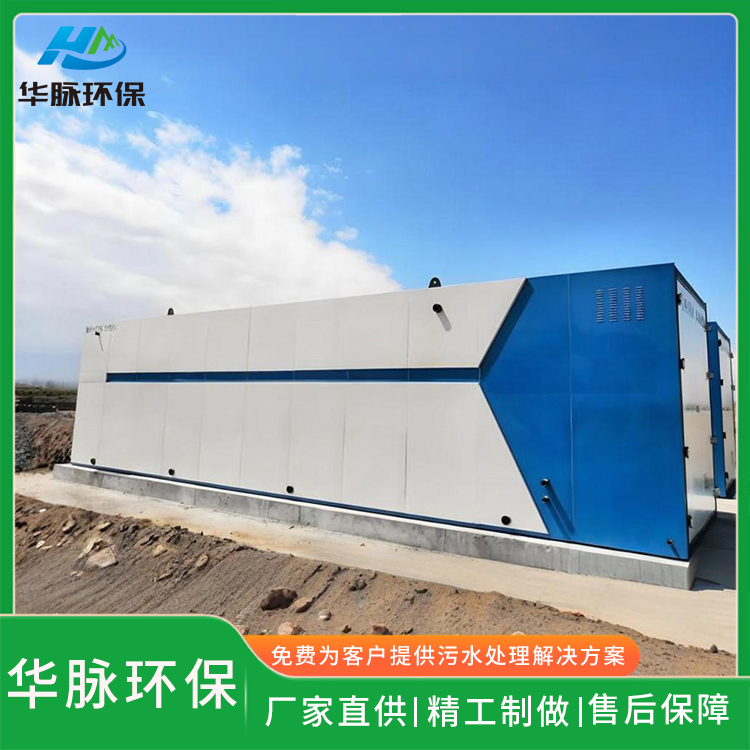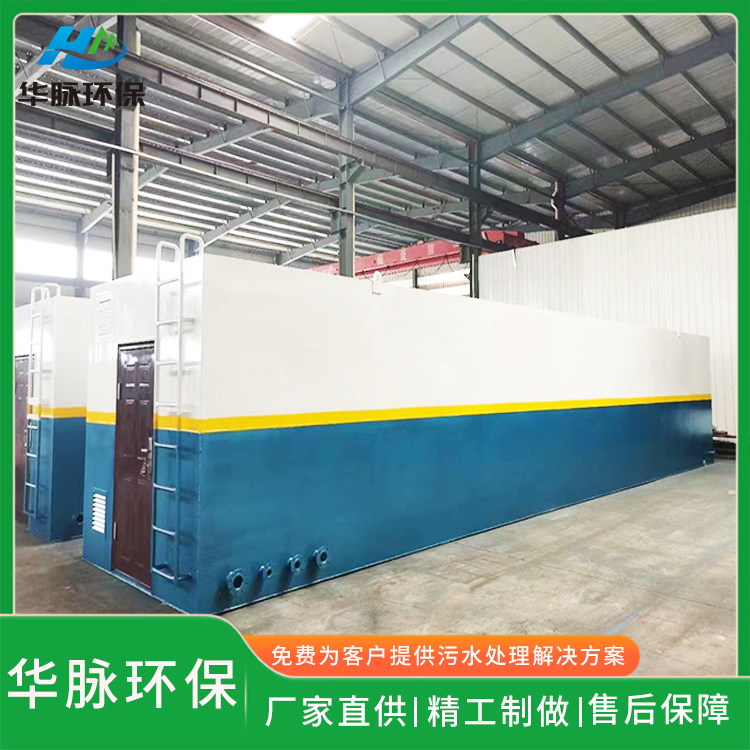










Plastic Pellet Processing Factory Wastewater Treatment Process
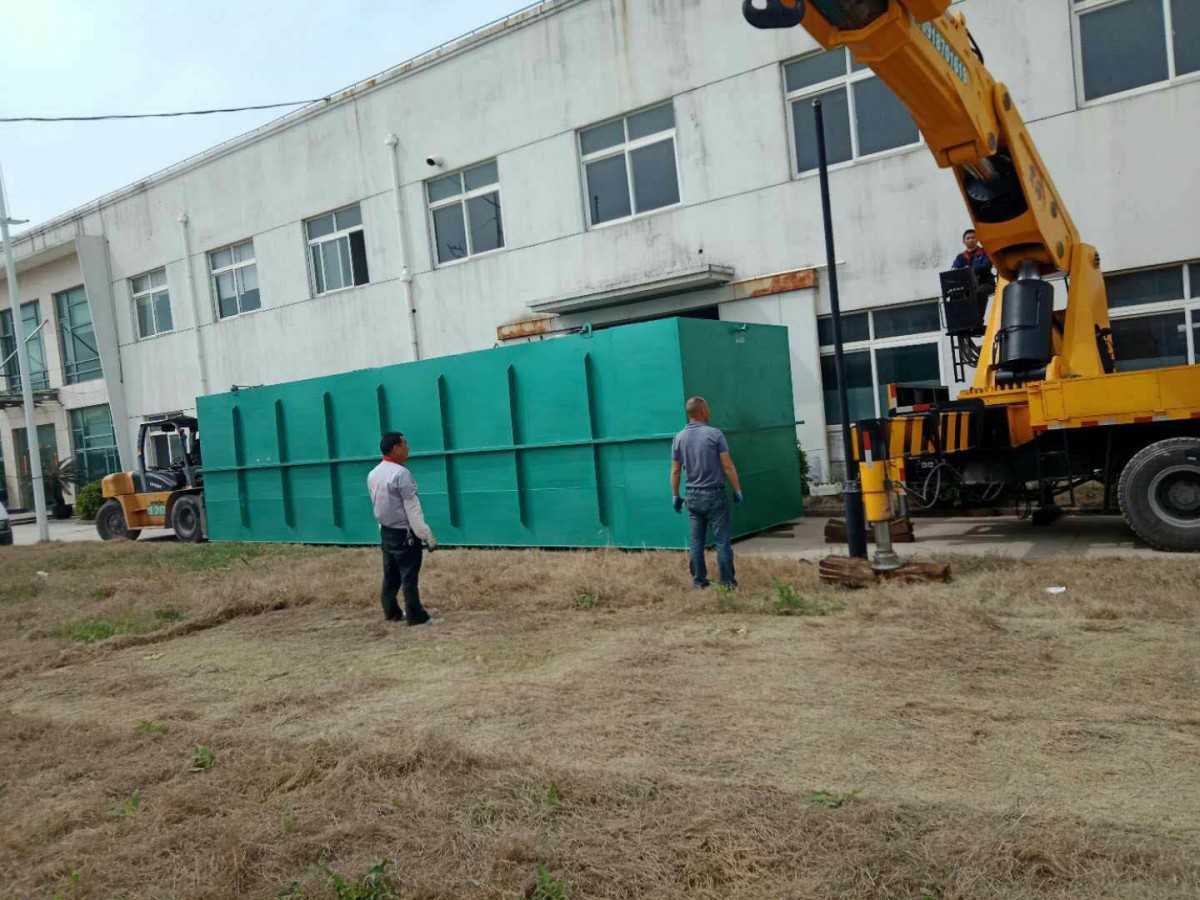
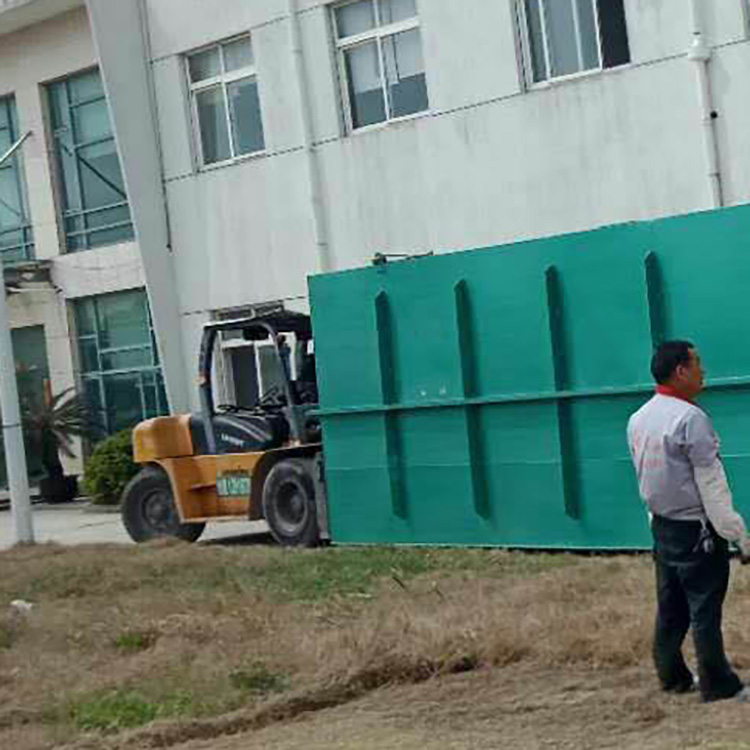
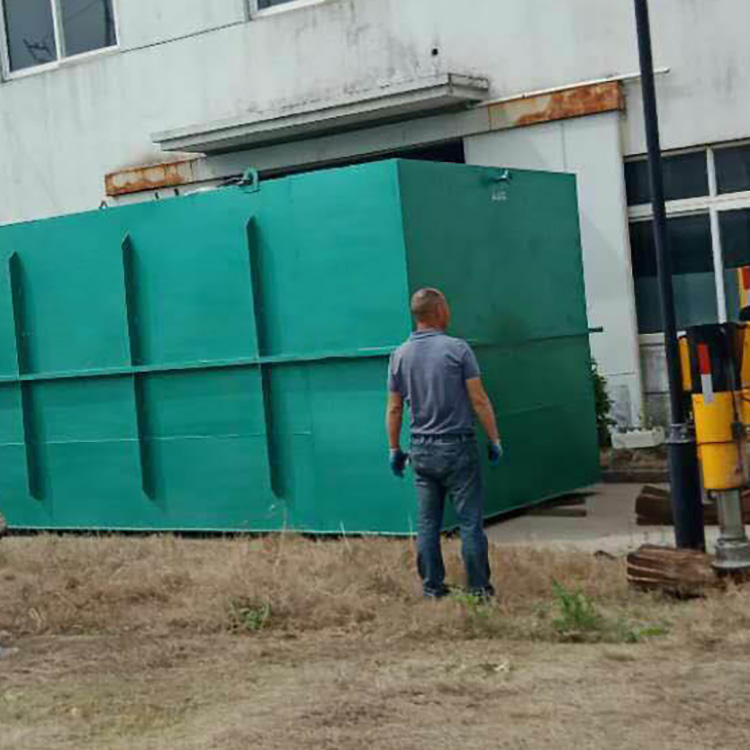
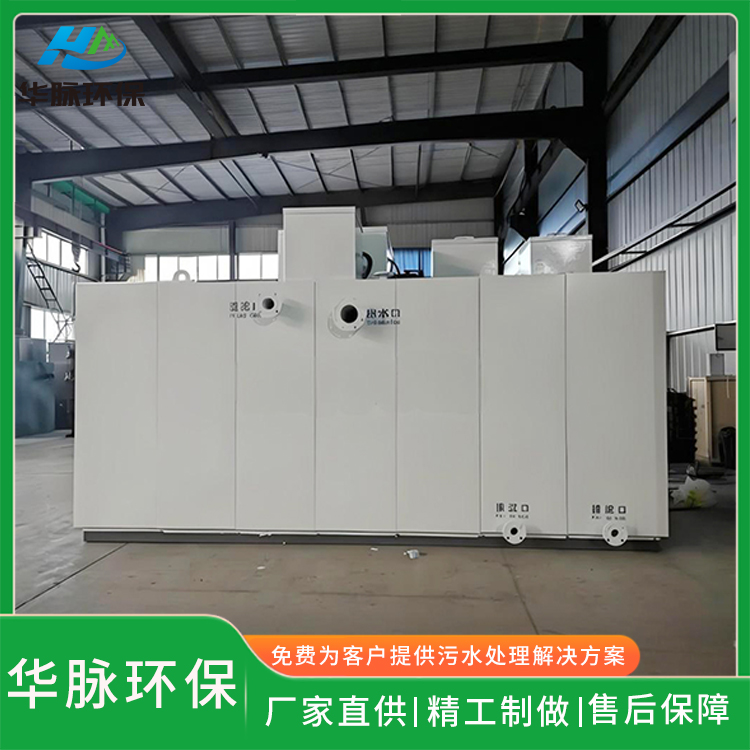
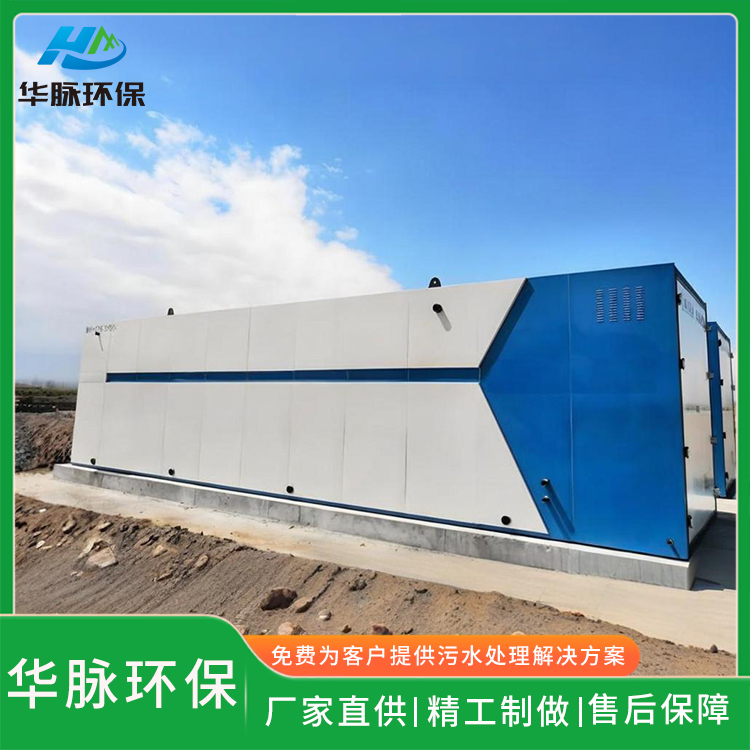
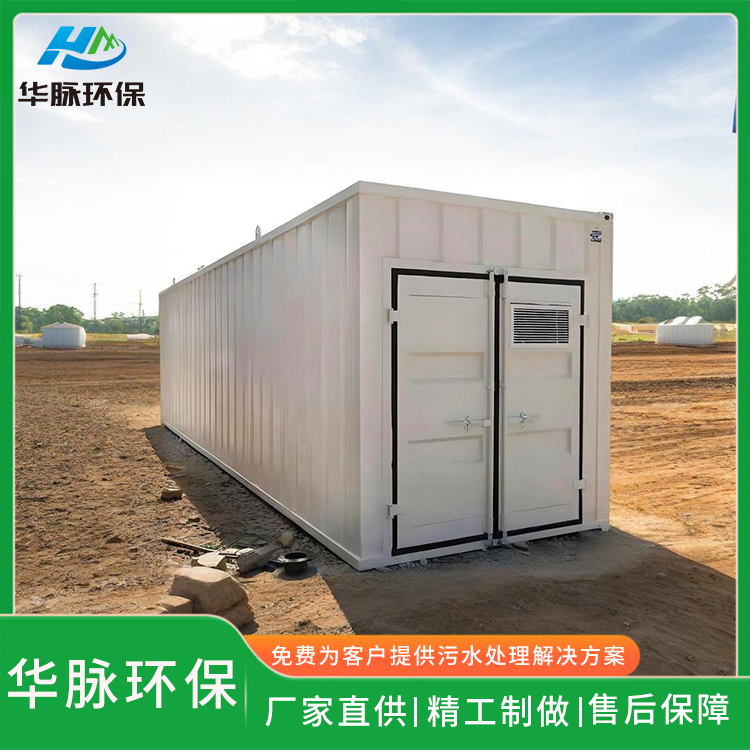
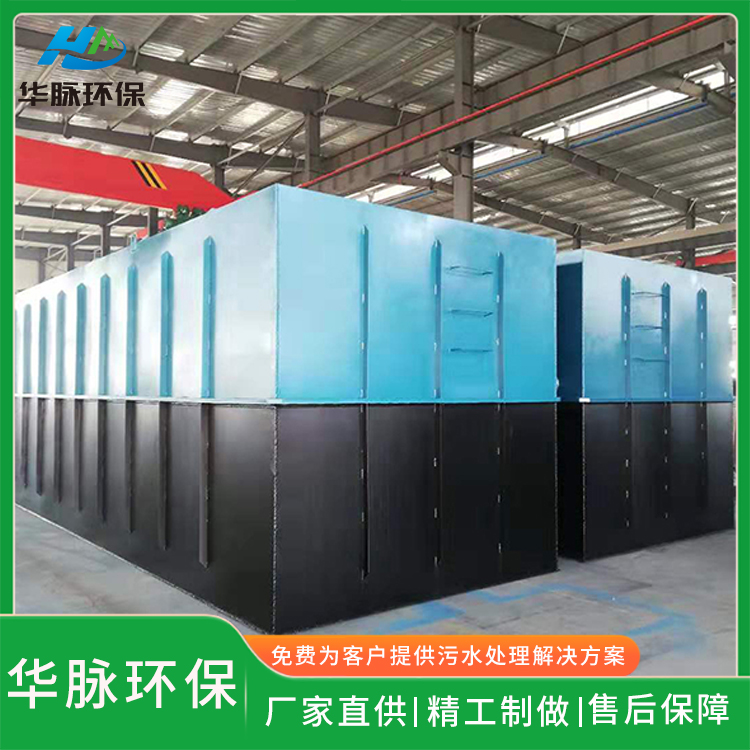
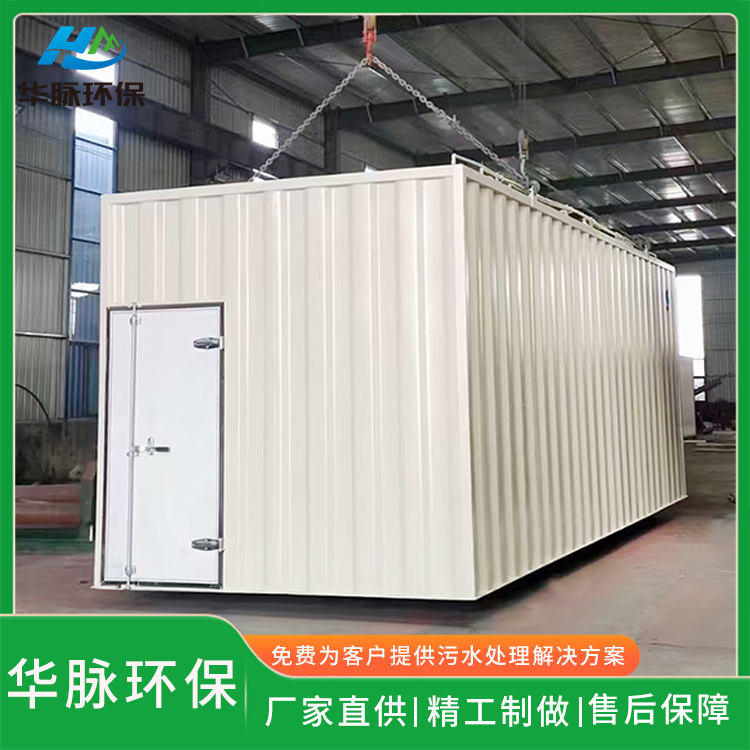
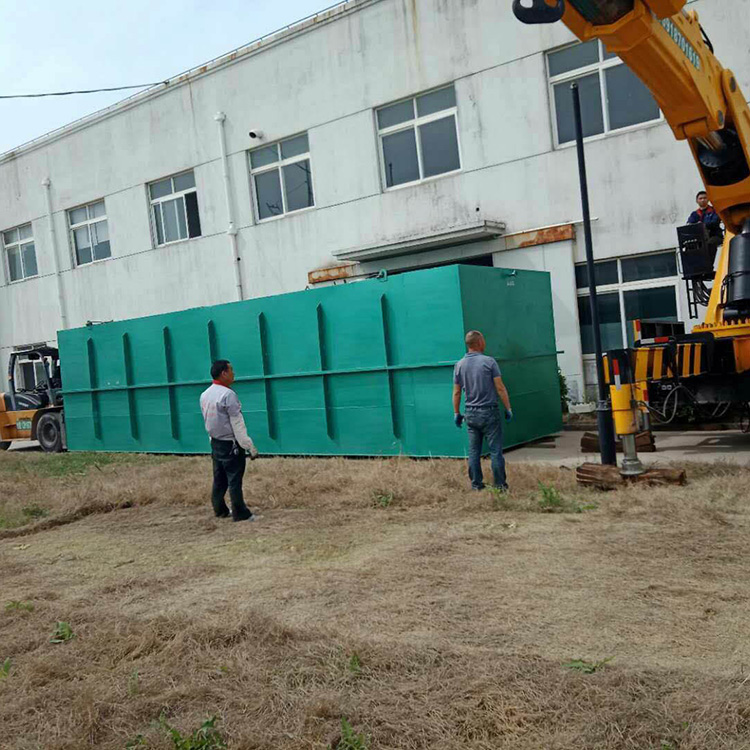
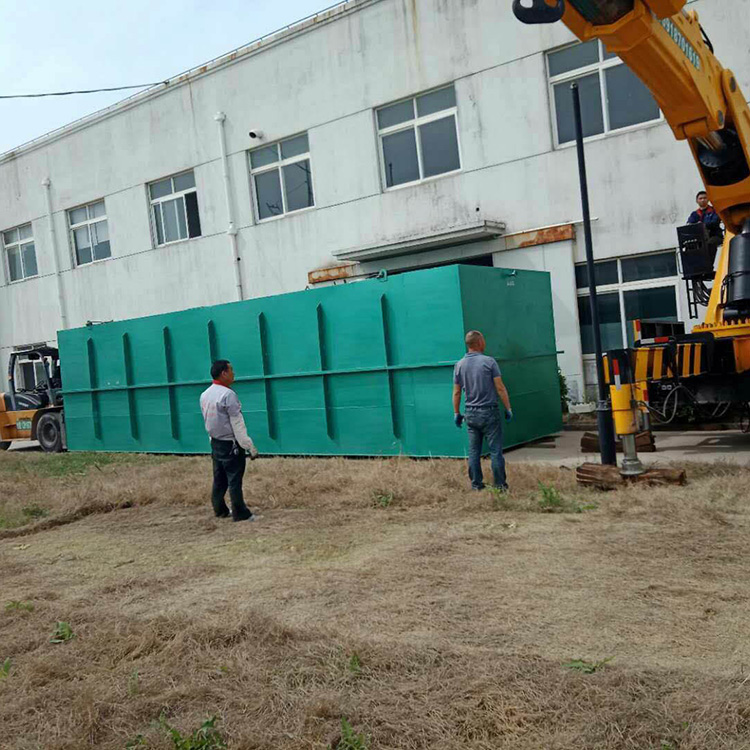
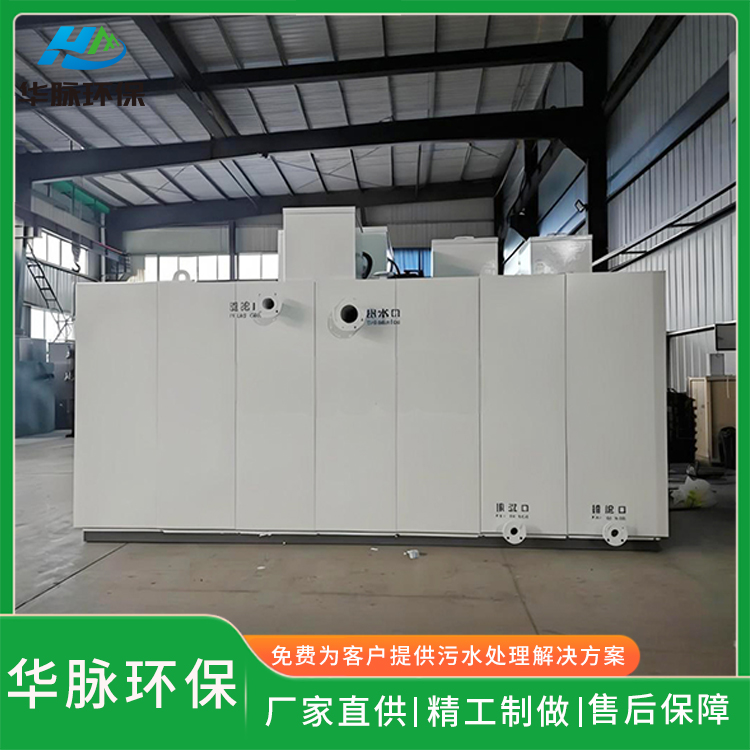
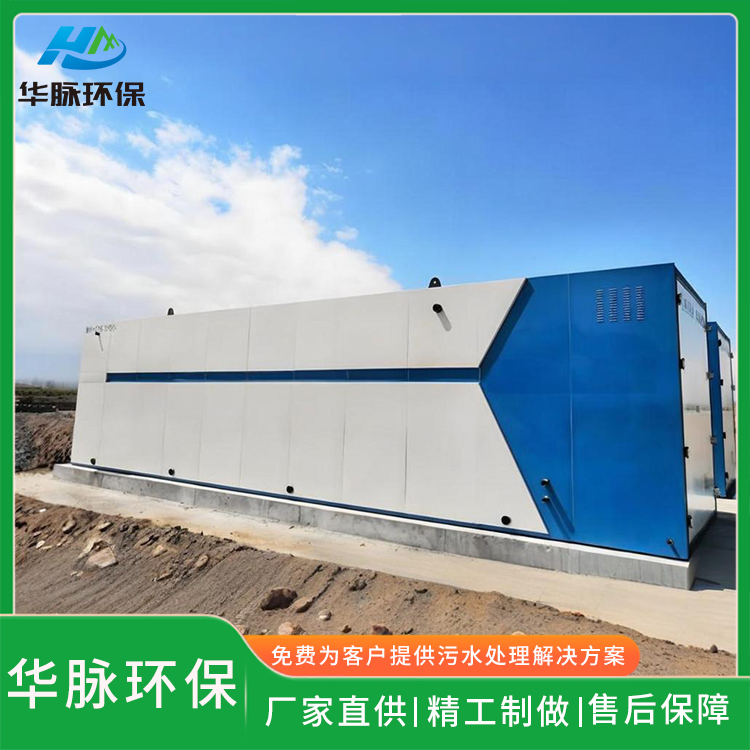
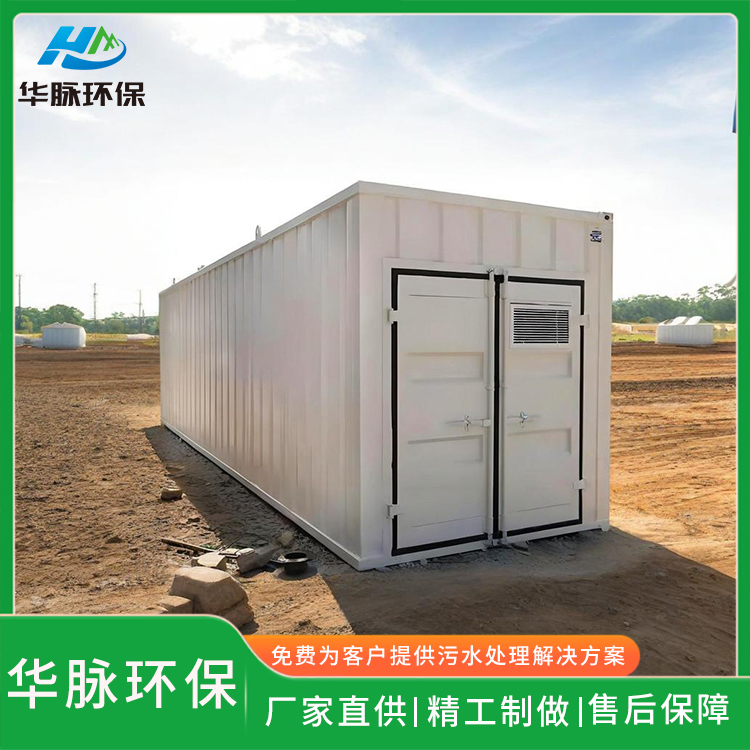
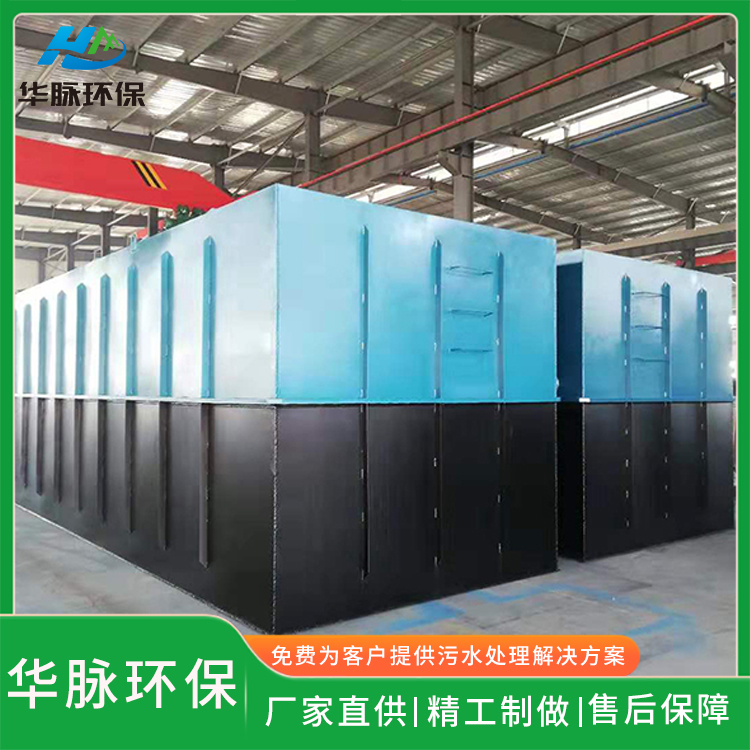
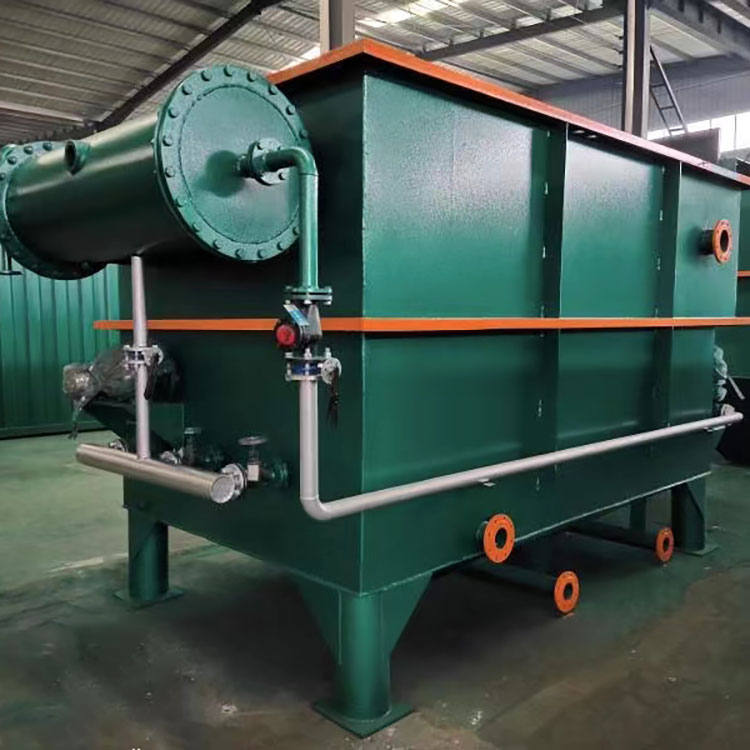
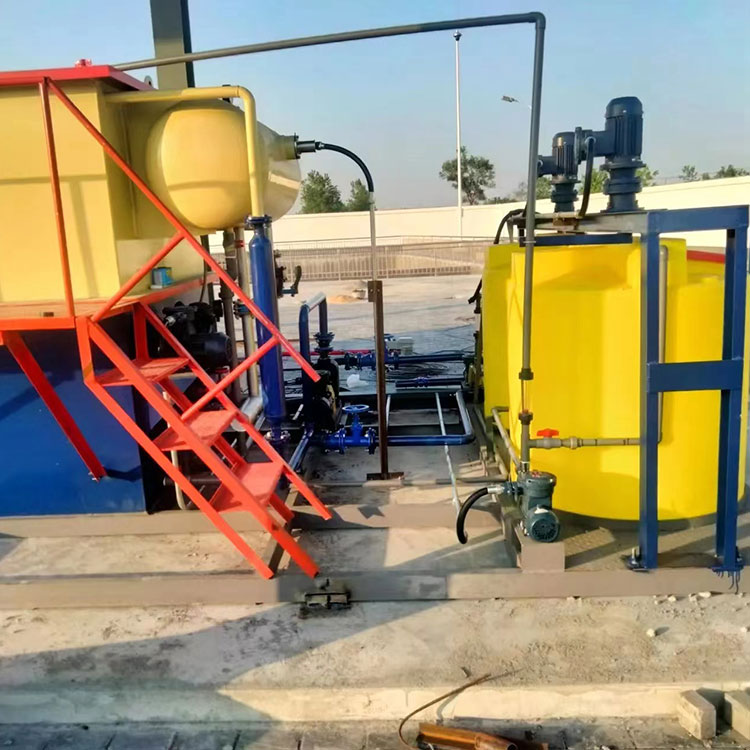
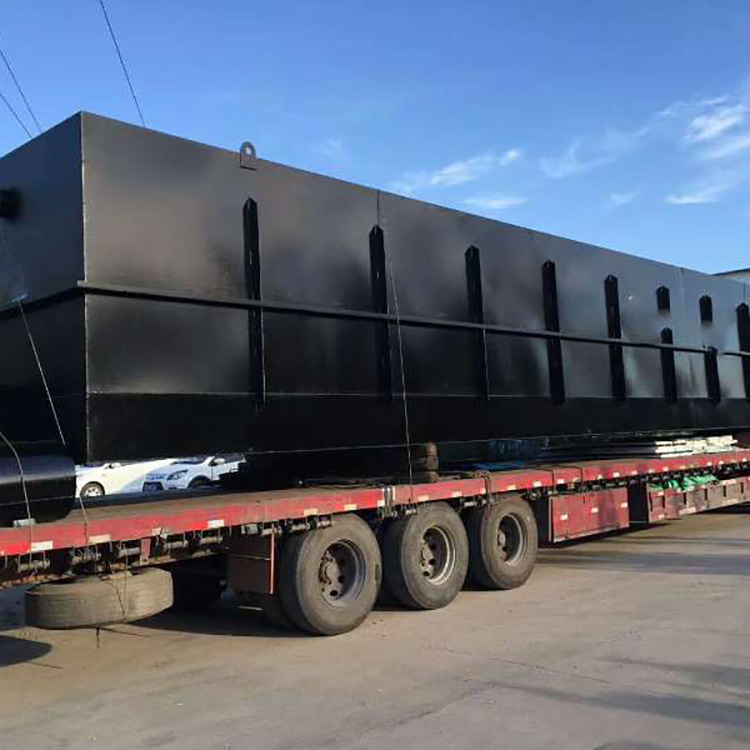
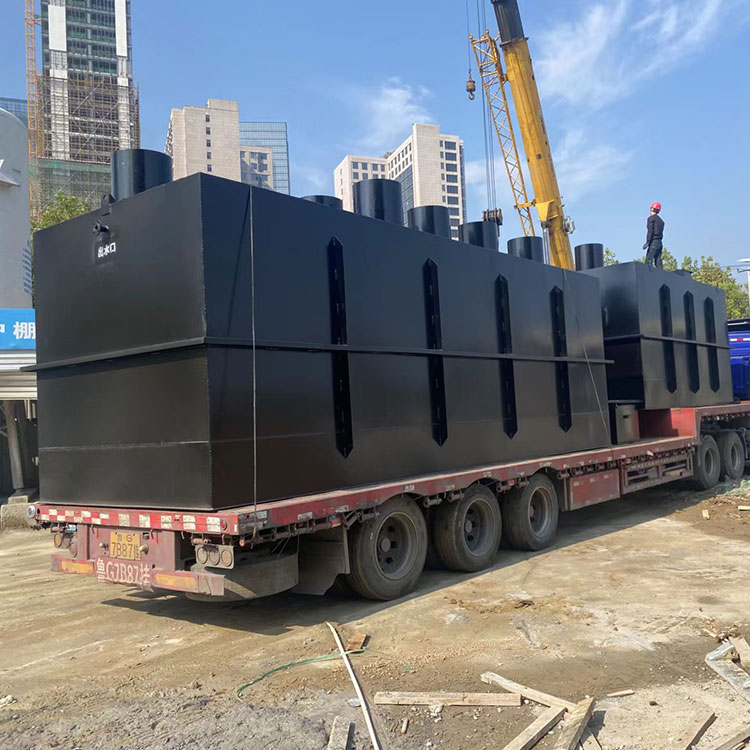
Plastic granule processing wastewater treatment equipment is a newly developed wastewater treatment unit by Shandong Guangshengyuan Environmental Engineering Co., Ltd., integrating years of experience in wastewater treatment. It boasts stable effluent quality, low operational costs, and ease of operation, and has been widely recognized by customers since its launch. As an experienced manufacturer in the environmental protection industry specializing in wastewater treatment equipment, for any issues, turn to us. Before plastic granulation, the cleaning wastewater from waste plastic boards, woven bags, and bottles is mostly suspended particle pollutants with minimal dissolved substances. Cleaning plastics requires a large amount of clean water, and the characteristics of the generated wastewater include: Organic Pollution: Waste plastics mainly come into contact with or package grains, feed, beverages, etc. pH Pollution: Alkaline substances are primarily added during the crushing and cleaning process of waste plastics. Suspended Solids Pollution: Agricultural film and greenhouse film made of waste plastics mainly come into contact with or package fiber dust and waste plastic granules. Oil Pollution: PET bottles made of waste plastics mainly come into contact with or package oily substances.
Different types and sources of waste plastics cause various forms of pollution, primarily including: Suspended Solids Pollution: Waste plastics mainly come into contact or are packaged with cotton yarn, synthetic fibers, quartz sand, cement, calcium carbonate, etc. Organic Matter Pollution: Waste plastics mainly come into contact or are packaged with grains, feed, beverages, etc. Fatty Acid Pollution: Waste plastics mainly come into contact or are packaged with fatty substances. Solvent Pollution: Waste plastics mainly come into contact or are packaged with sodium chloride, soda ash, etc. Color Pollution: Waste plastics mainly come into contact or are packaged with dyes and pigments. pH Value Pollution: Waste plastics mainly come into contact or are packaged with strong acidic or alkaline substances. Microbial Pollution: Waste plastics primarily originate from single-use medical equipment. Toxic Substance Pollution: Waste plastics mainly come into contact or are packaged with toxic and harmful substances.
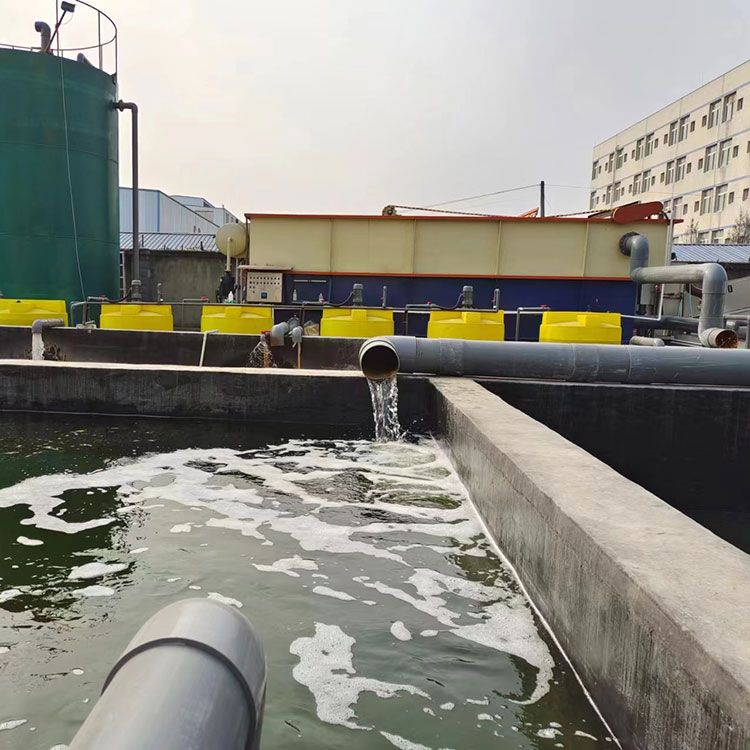
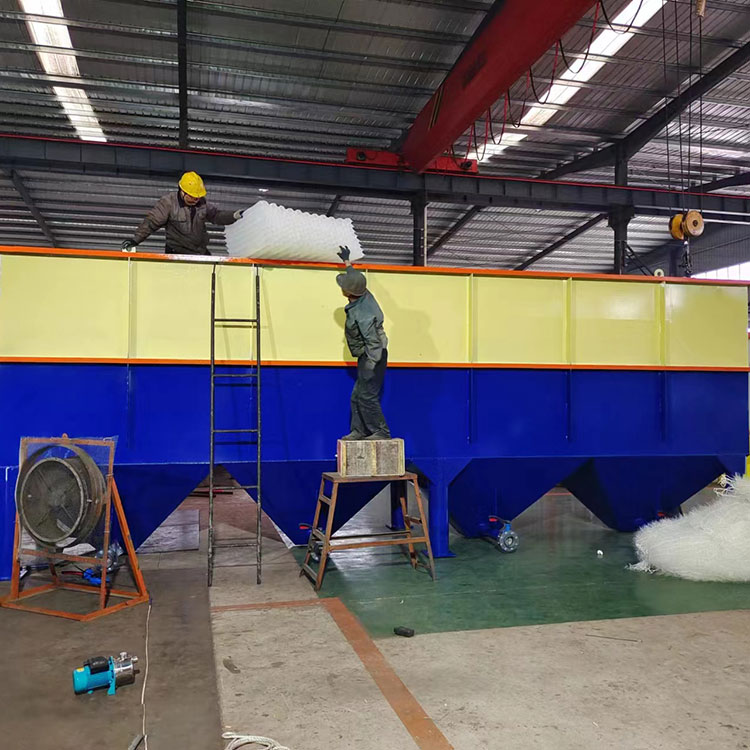
The cleaning and crushing processes primarily require high standards for suspended solids in water. Coagulation treatment can be used to remove most suspended solids from the wastewater, which can then be reused in the production process to reduce wastewater discharge. The outflowing wastewater can be mixed with domestic wastewater to enhance its biodegradability, and then discharged after biological treatment.