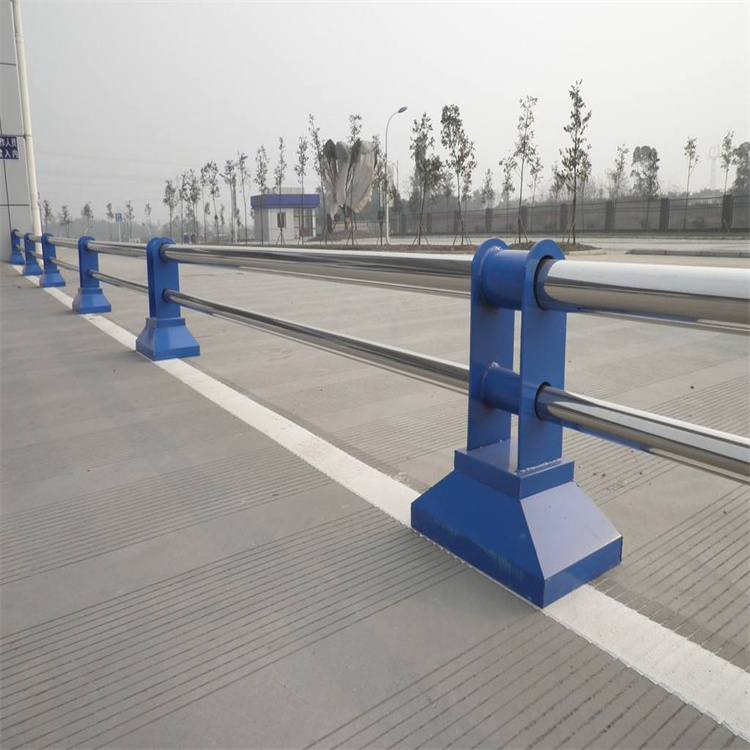

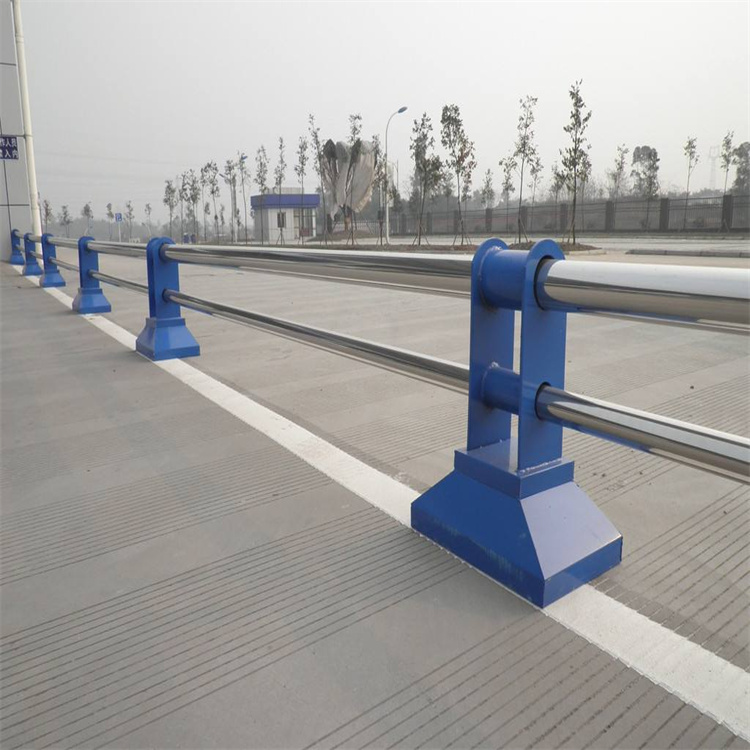









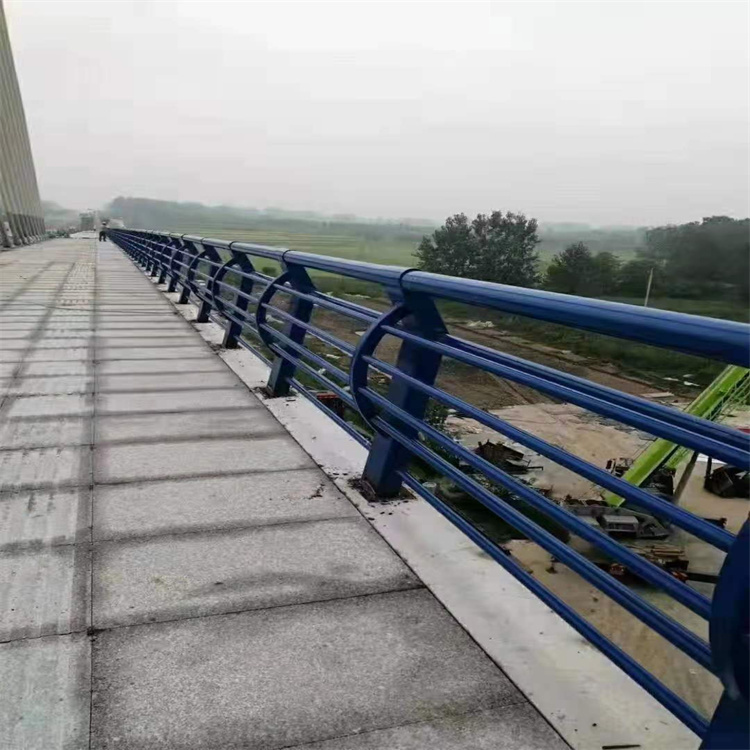
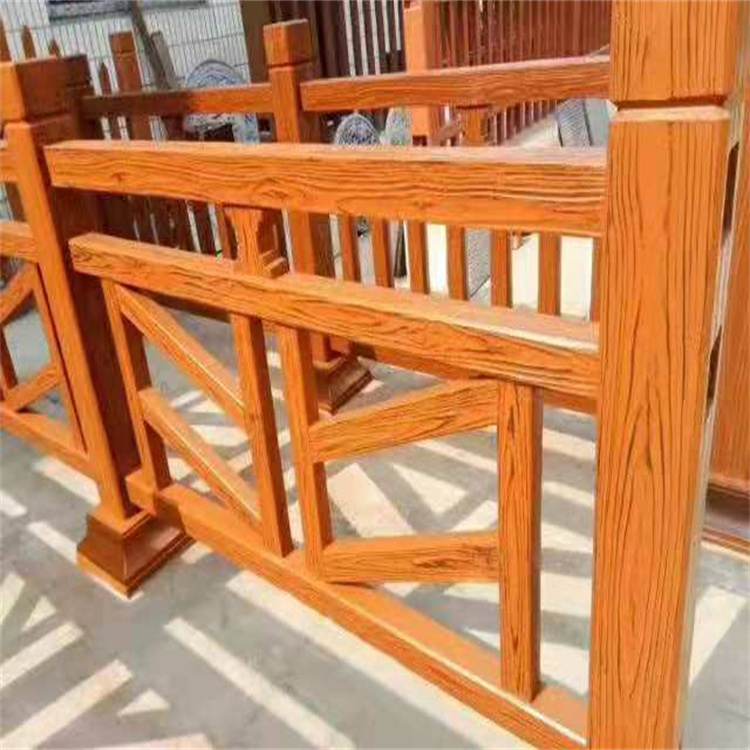


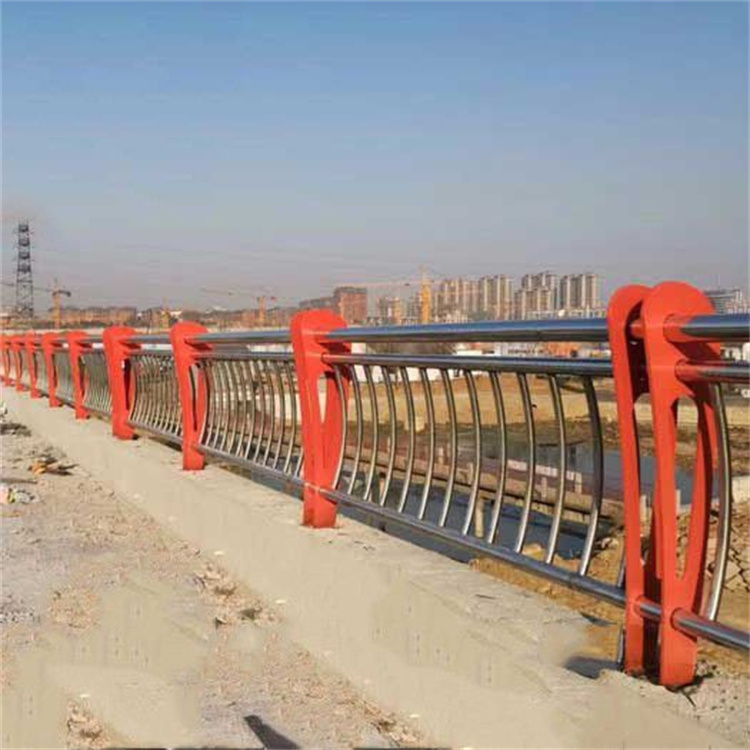
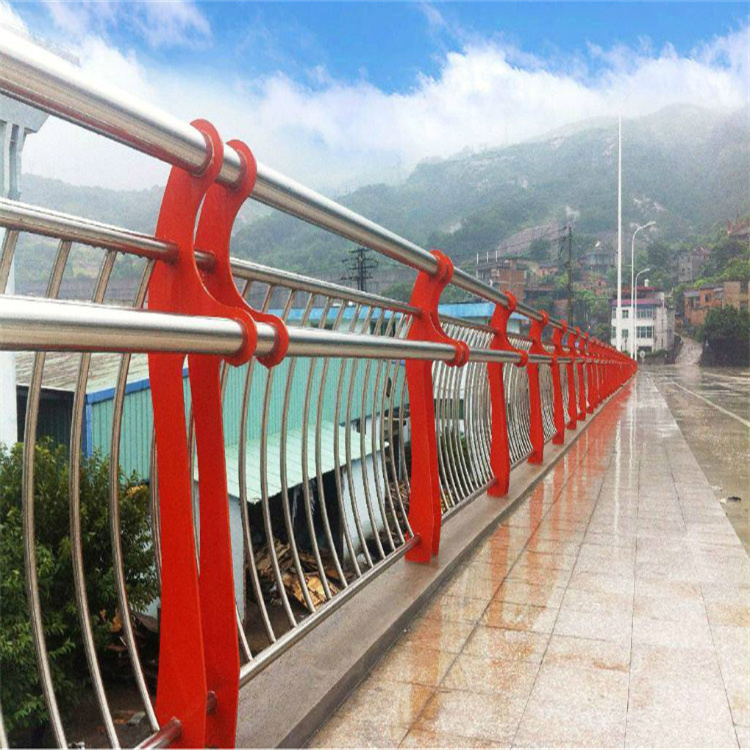

Collision barriers are a crucial type of collision prevention used on bridges. They are significant protective barriers installed on bridges to safeguard against vehicle collisions. The practicality and artistic function of collision barriers are well worth utilizing.
When installing future bridge collision barriers, it is crucial to carefully select the materials to ensure the practical function of the collision barriers is maximized. The collision barriers are a match between art, planning, and actual construction, creating products in the future. This requires aluminum (Al) artisans (also known as manufacturers) to continuously update their planning concepts and manufacturing techniques, and strive to enhance the artistry of aluminum (Al) flower designs.
A collision barrier is an environmentally friendly type of guardrail product, featuring a simple yet attractive design and durable, sturdy materials, making it an ideal choice for beautifying urban streets. Below, I'll introduce the installation and fixation methods of collision barriers, hoping it will be helpful to everyone. The spacing of the steel lining of the posts must match the planned dimensions to ensure that the pre-assembled semi-finished products can be connected to them.
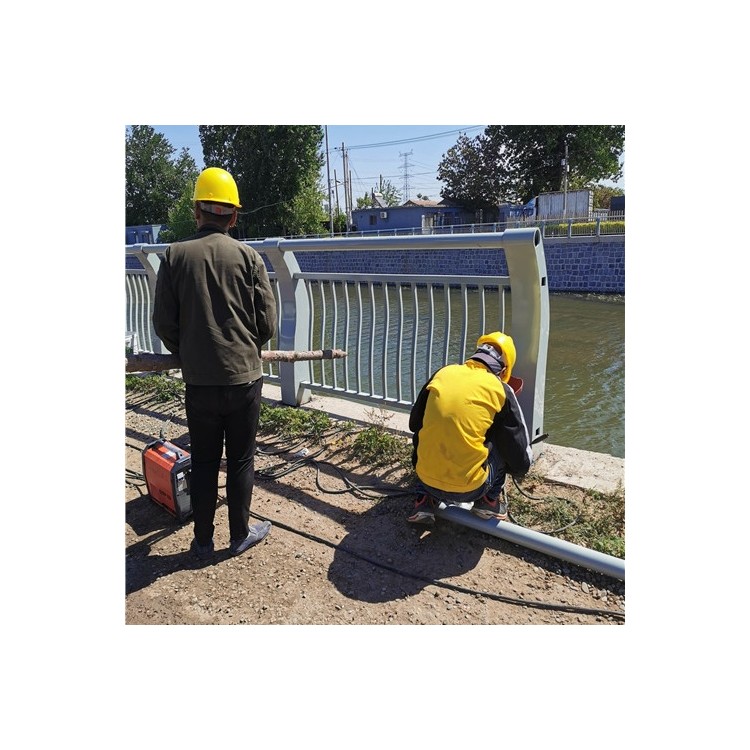
The transverse and vertical steel linings of the collision barriers have been installed and connected before shipment, and the reinforcing accessories for all load-bearing points have been mounted as well. During on-site construction, simply connect and secure the transverse lining of the barrier to the pillars. Anchor can be used to fix the steel lining of the pillar base plate at the center of the lower base using methods such as mechanical expansion bolts or chemical screws, ensuring straight-line uniform distribution.