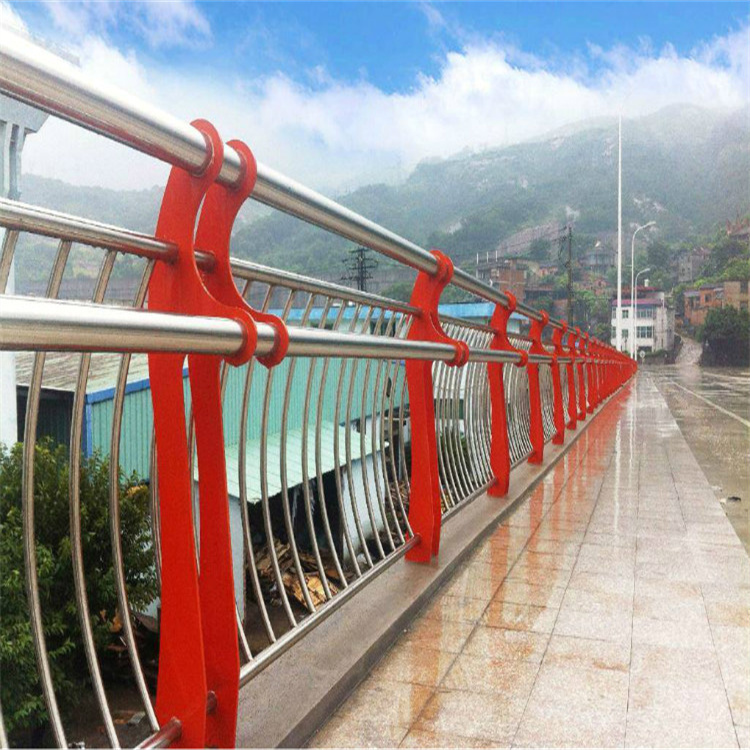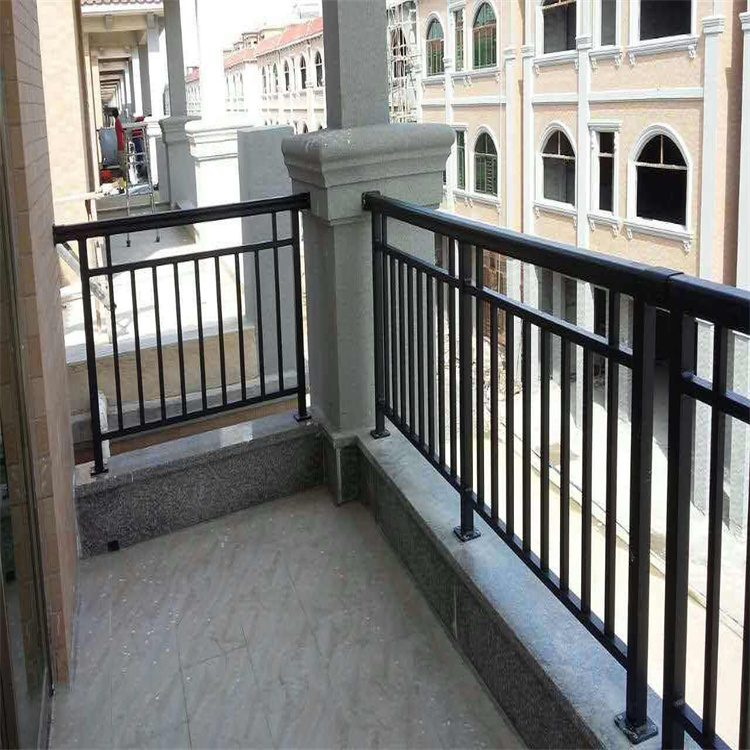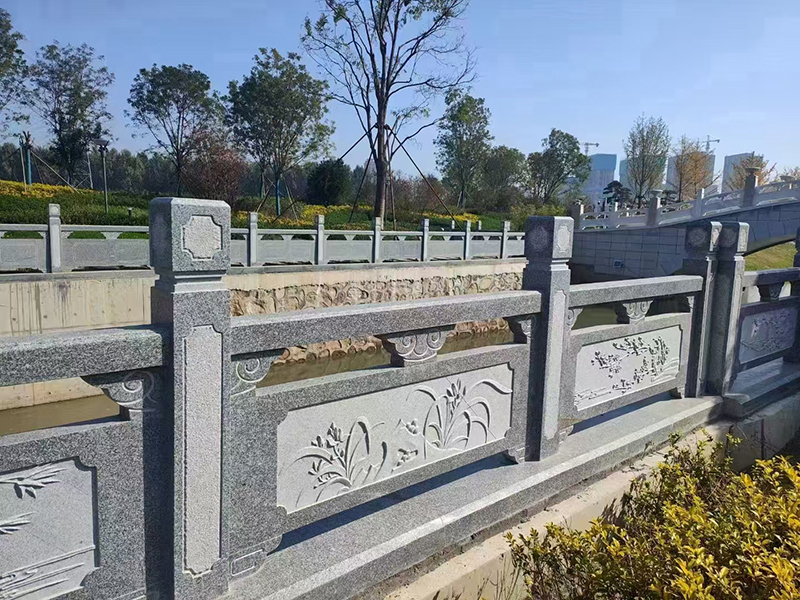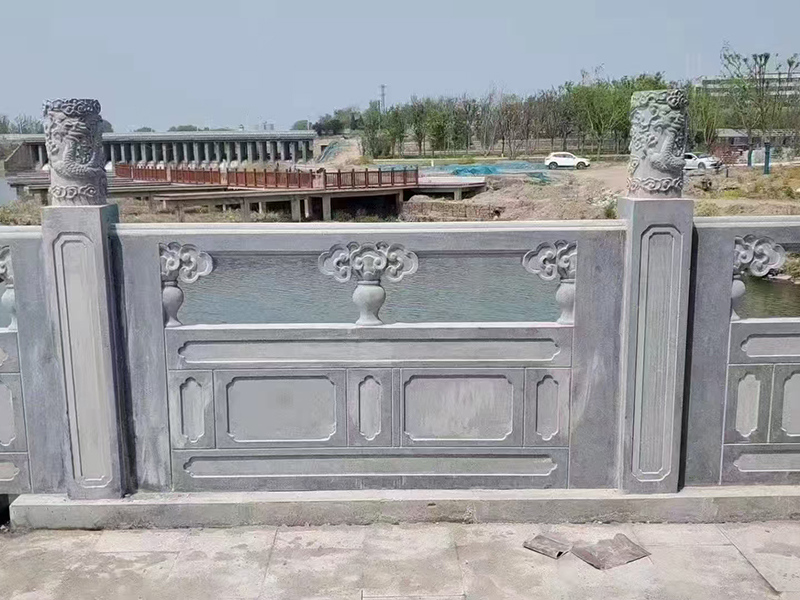













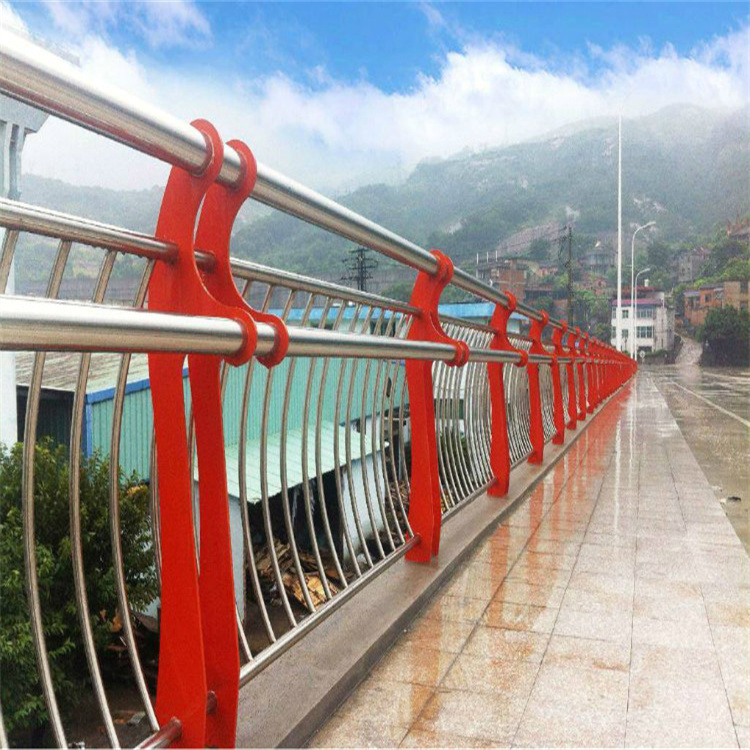
What are the risk assessments for collision barriers? 1. Investigate the specific structural forms of collision barriers (reinforced concrete + steel pipe, reinforced concrete retaining walls, wavy barriers, etc.), the construction year, the specifications at the time of construction, and the reinforcement conditions; 2. On-site inspection: Conduct a thorough on-site inspection of all collision barriers, identifying their defects; including the size, strength, and protective layer thickness of the collision barriers; 3. For collision barriers with the same structural form in the same batch, select representative ones to verify their collision force and calculate their safety; 4. Based on the design year, design specifications, and usage functions of the bridge, and in accordance with the requirements of the "Urban Traffic and Road Traffic Facilities Design Code" (GB50688-2011), review the collision barriers again to determine if they meet the collision grade requirements of the above specifications. If not, propose reinforcement design suggestions. If reinforcement is not possible, propose treatment measures; 5. For collision barriers that do not meet the above specifications as determined by structural testing, propose corresponding reinforcement design suggestions. If reinforcement is not possible, clarify the corresponding control measures; 6. For the safety evaluation report of large-scale collision barriers, obtain the approval of the original design units of major bridges and expert reviews.