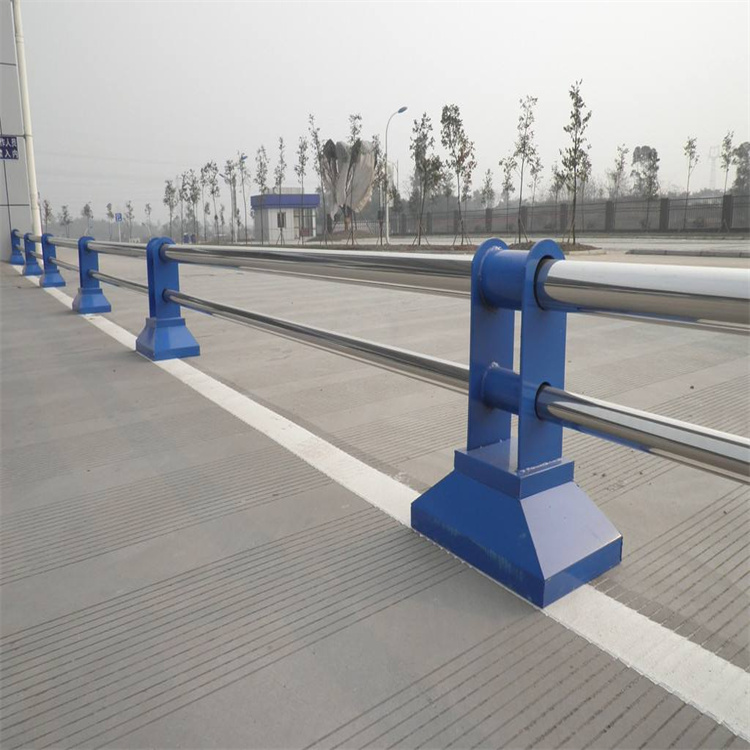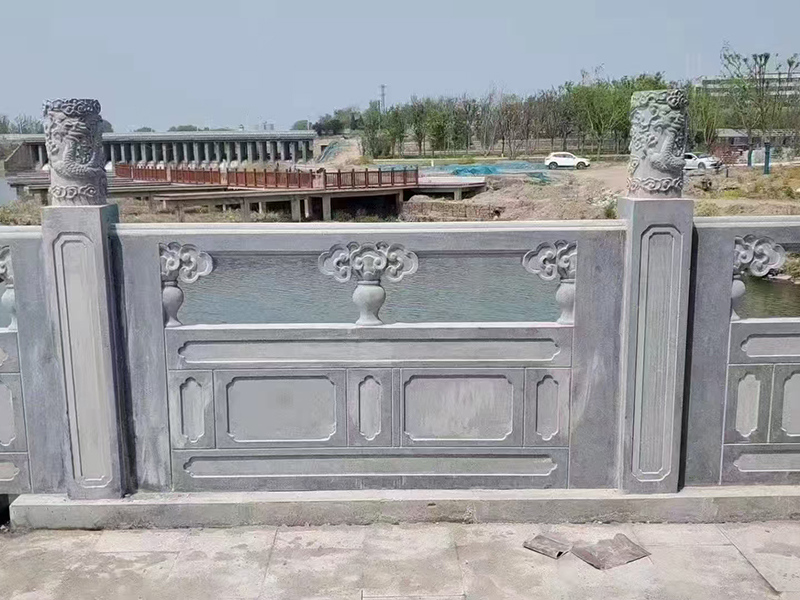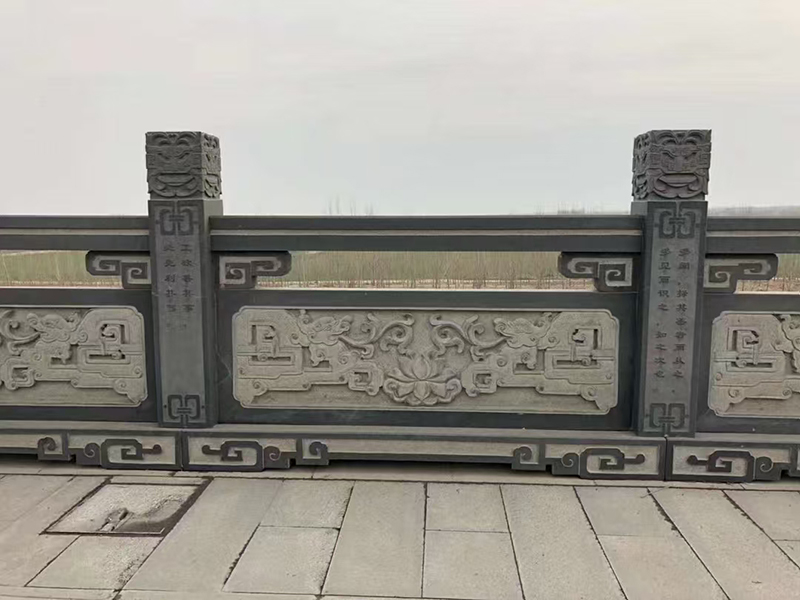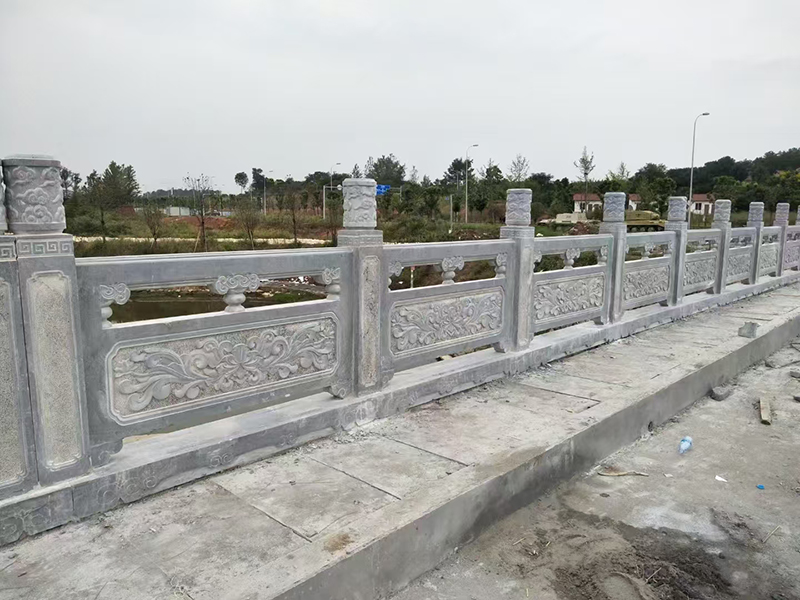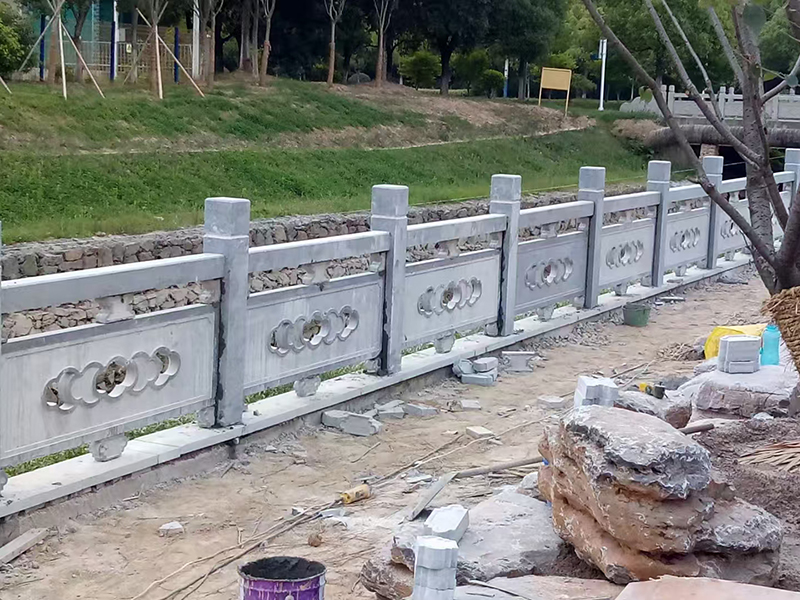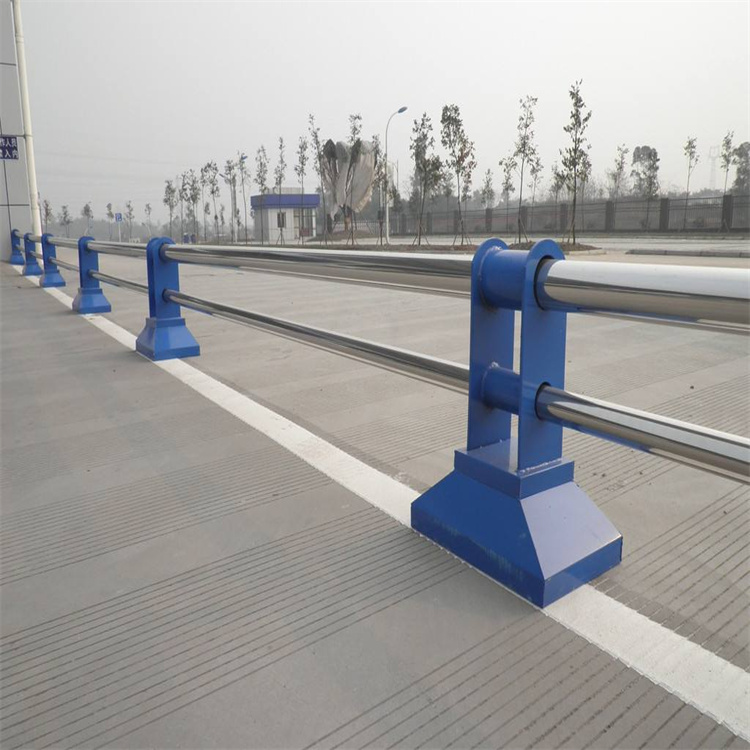


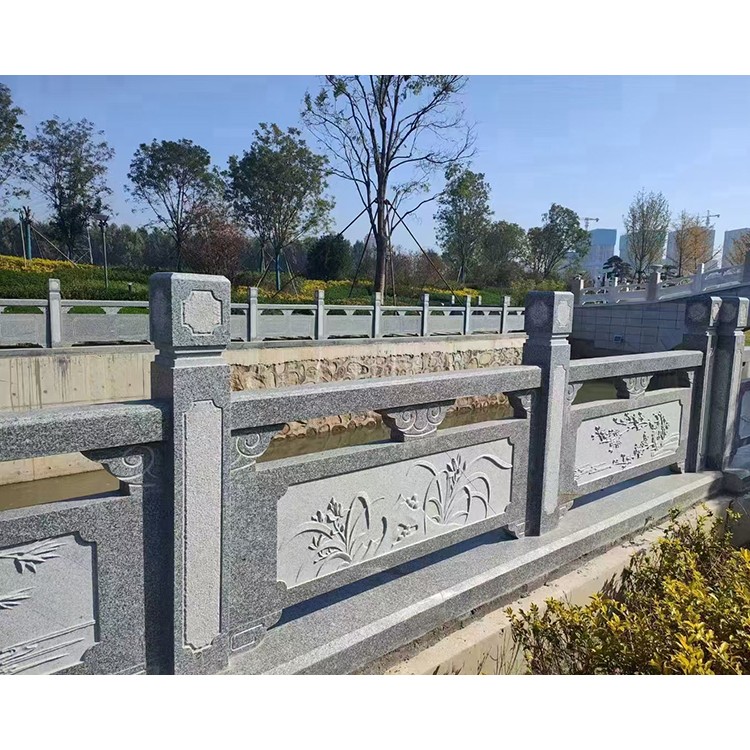







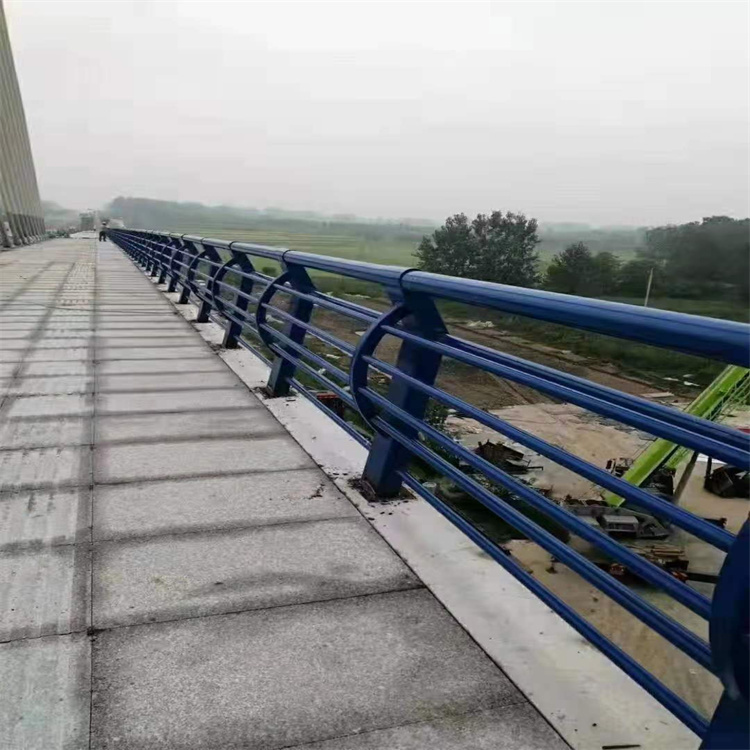

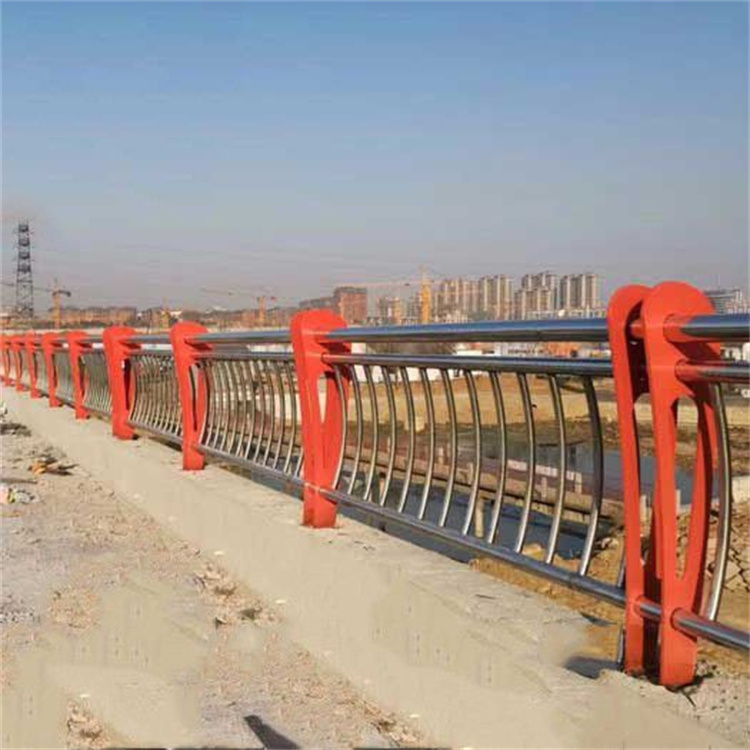
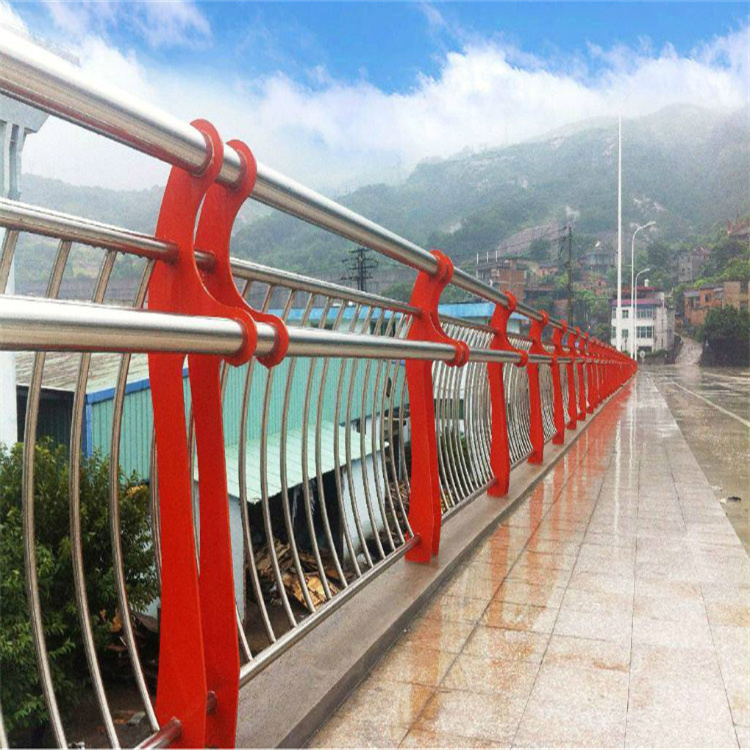

The difference between aluminum alloy bridge guardrails and stainless steel carbon composite pipe guardrails mainly lies in the distinction between stainless steel and carbon steel: Stainless steel: It is an abbreviation for "rust-proof and acid-resistant steel," composed of two main parts: stainless steel and acid-resistant steel. In short, steel that can resist atmospheric corrosion is called stainless steel, while steel that can resist chemical medium corrosion is called acid-resistant steel. Generally speaking, steel with a tungsten content (Wcr) greater than 12% possesses the characteristics of stainless steel. Stainless steel can be further divided into five categories according to the microstructure after heat treatment: ferritic stainless steel, martensitic stainless steel, austenitic stainless steel, austenitic-ferritic stainless steel, and precipitation hardening stainless steel. Carbon steel primarily refers to steel where the mechanical properties depend on the carbon content. While steel that does not add a large amount of alloy elements is sometimes also called plain carbon steel or carbon steel. Carbon steel, also known as carbon steel, refers to iron-carbon alloys with a carbon content (WC) less than 2%. In addition to carbon, carbon steel typically contains small amounts of silicon, manganese, sulfur, and phosphorus. Carbon steel can be divided into three categories according to its use: carbon structural steel, carbon tool steel, and free-cutting structural steel.